Valparaiso Senior Village presents a range of monthly costs for its accommodations that reflect both the quality of care provided and the local market conditions. For a studio apartment, residents can expect to pay $3,595, which is slightly below the average for Porter County at $3,632 but notably higher than the state average of $3,258. The one-bedroom option is priced at $4,250, positioning it above both county and state averages of $3,587 and $3,300 respectively. The two-bedroom units are priced at $6,195, significantly exceeding the county's average of $4,078 and the statewide benchmark of $3,208. These figures indicate that while Valparaiso Senior Village offers competitive rates within Porter County for studios and two-bedrooms, its one-bedroom offerings fall on the higher side in comparison to both local and state averages.
Floor plans
Valparaiso Senior Village
Porter County
Indiana
Studio
$3,595
$3,632
$3,258
1 Bedroom
$4,250
$3,587
$3,300
2 Bedrooms
$6,195
$4,078
$3,208
Memory care communities with a similar price nearby
About the same
Journey Senior Living of Merrillville - Memory Care
Residents and families repeatedly describe genuinely caring, responsive staff.
Across reviews, people highlight staff who are kind, helpful, and attentive to residents and visitors. Several mention specific staff roles and note that the team supports families with updates, questions, and day-to-day needs. A few reviews also contrast good day-to-day caregiver experiences with less consistent administration communication in at least some situations.
differentiator17 reviews mention this
Dining quality stands out
The food is a consistent point of praise, often described as excellent.
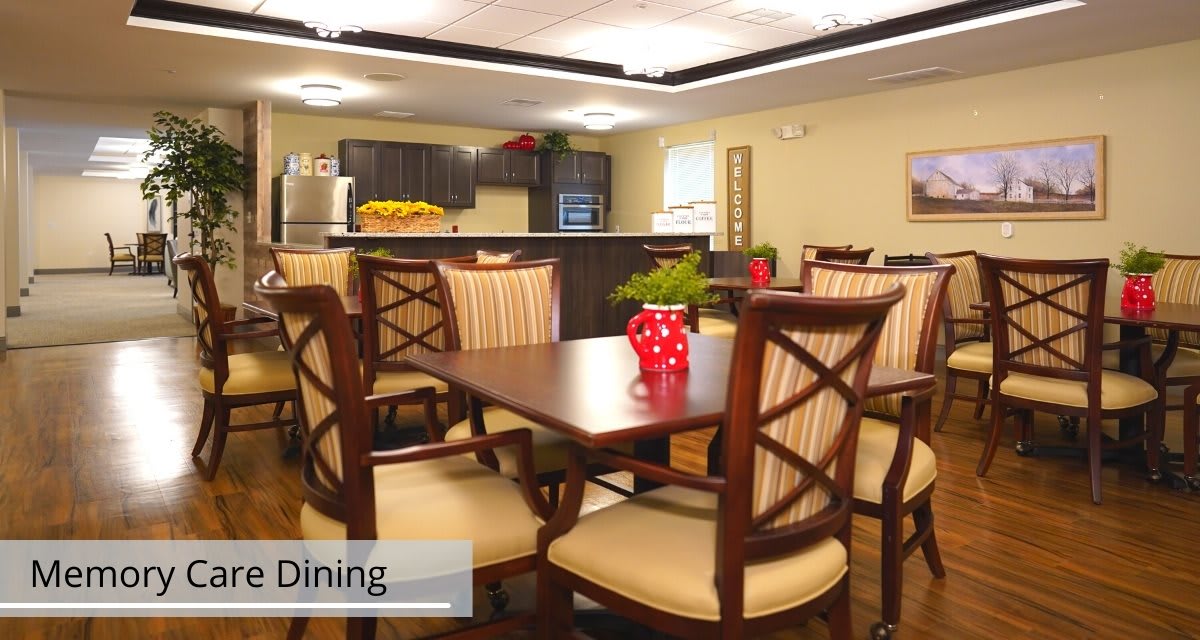
Multiple reviews call out the meals as excellent, delicious, or better than expected, and several specifically mention the chef and dining staff. Others describe residents looking forward to food and dining experiences, including organized meals and special events like luncheons. This aligns with what the community offers, including restaurant-style dining, room service, guest meals, and multiple diet-friendly options.
common10 reviews mention this
Activities keep residents engaged
Residents often describe regular activities and outings that help them stay engaged.
Reviews frequently mention activities such as bingo, shopping trips, outings, and ongoing events that provide social time. Some families also describe how activities help residents adjust, make friends, and feel more settled over time. The community offers a wide activity calendar, including on-site and off-site events, fitness programs, arts and crafts, religious programming, and entertainment.
caveat4 reviews mention this
Memory care fits limited needs
Memory care reviews raise concerns about fit for residents with dementia-related behaviors.
Some reviewers say the memory care unit was not a safe or workable match for people with significant dementia behaviors, including agitation or difficulty adjusting. Those accounts describe breakdowns in training and follow-through, along with outcomes that led families to seek placement elsewhere or describe serious incidents. At the same time, other memory care reviews describe residents settling in well and staff communicating about well-being, suggesting results may vary by individual needs.
common14 reviews mention this
Clean building and comfortable feel
Many reviews emphasize a clean, well-kept building and a welcoming environment.
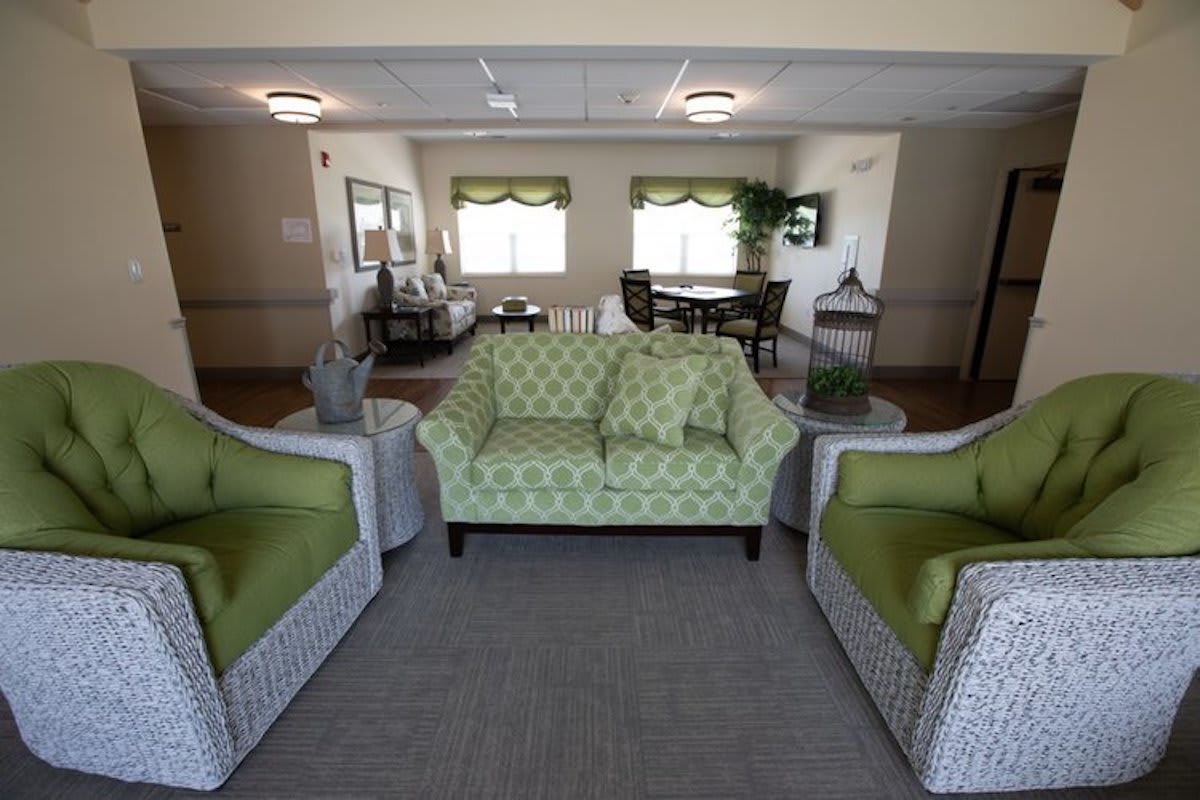
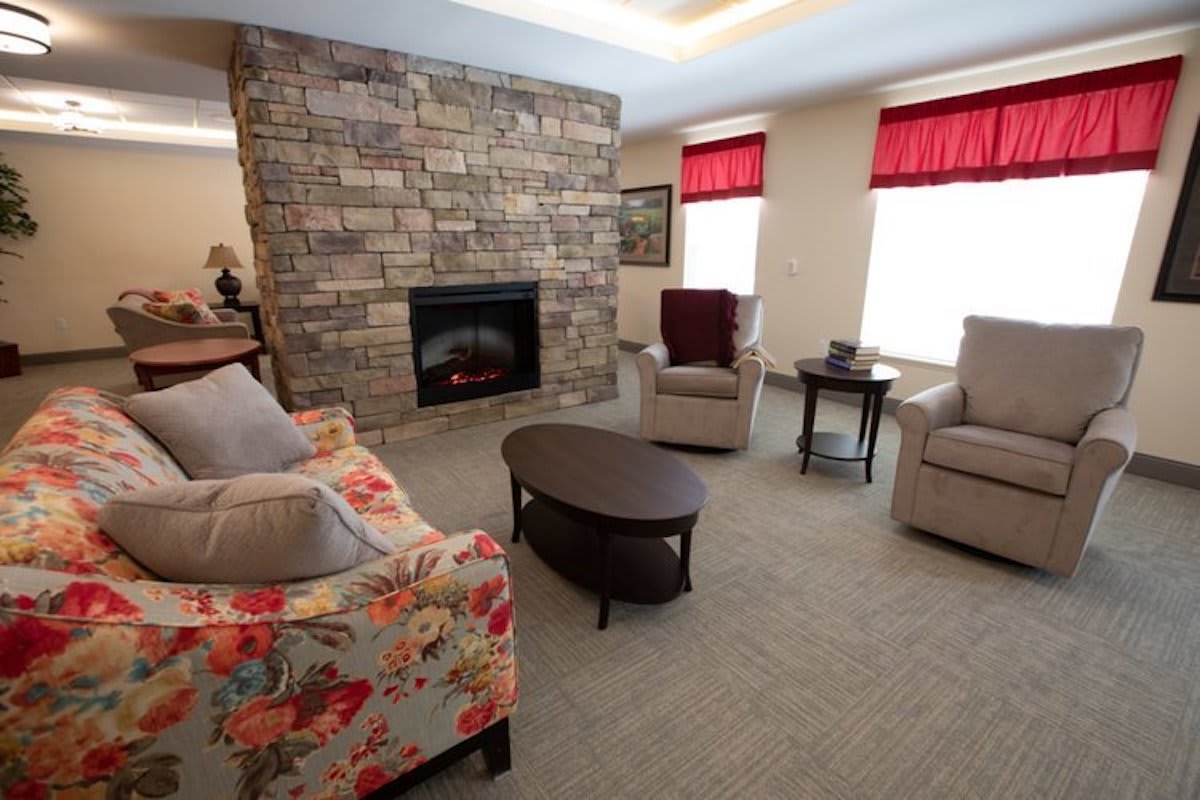
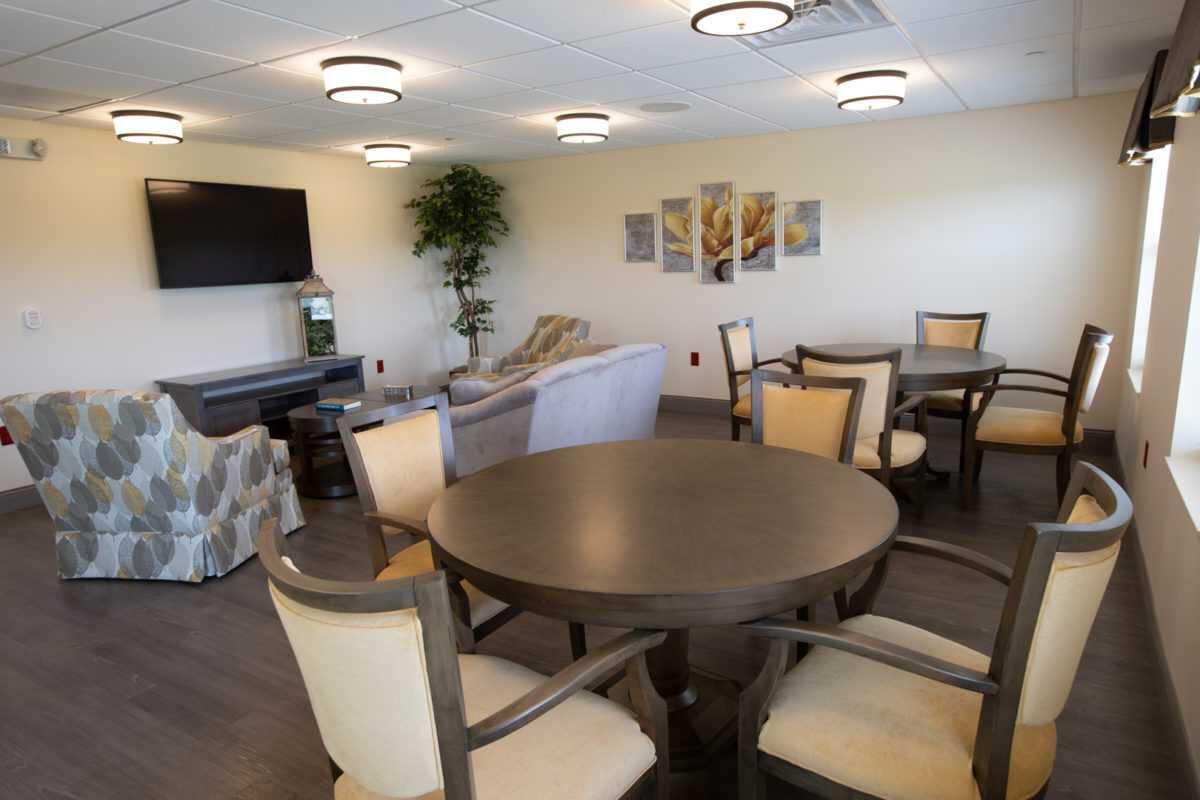
Several reviews describe the facility as clean and well maintained, with residents and families feeling comfortable in the space. People also mention bright, inviting common areas and a home-like atmosphere that helps with the transition. One review does note a specific access issue with a first-floor bathroom door, but overall cleanliness and upkeep come through repeatedly.
How we summarize
Counts show how many written reviews mention each theme; a review can touch several themes, and only frequently mentioned themes are displayed.
Features
Housing
1-bedroom apartments
2-bedroom apartments
Studio apartments
Types of Care
Assisted Living
Memory Care
Pets
Cats allowed
Dogs allowed
Amenities
Activities off-site
Activities on-site
Air-conditioning
Beautician on-site
Cable or satellite TV
Cafe
Devotional services off-site
Devotional services on-site
Dining room
Financing advice
Garden
Garden view
Ground floor units
Guasts at mealtime
Guest parking
Handicap accessible
Housekeeping services
Indoor common areas
Kitchenette
Laundry
Outdoor common areas
Overnight guests
Party space
Resident parking
Respite or short term stays offered
TV room
VA Benefits Consultation
Wheelchair accessible showers
Wi-Fi/high-speed internet available
Transportation
Transportation & parking
Care Services
Ambulatory care
Companion care
Diabetic care
High acuity care
Hospice care
Incontinence care
Medication management
Personal care assistants
Physical therapy
Dining
Anytime dining
Diabetes diet
Gluten-free
Guest meals
International cuisine
Kosher
Low / no sodium
Meals provided
No Sugar
Professional chef
Restaurant style dining
Room service
Special dietary restrictions
Special dining programs
Vegan
Vegetarian
Activities
Activities off-site
Art classes
Arts and crafts
Bible study group
Book club
Catholic services
Cooking classes
Day trips and outings
Devotional activities offsite
Devotional activities on-site
Educational speakers / life long learning
Fitness programs
Games
Karaoke
Live musical performances
Live well programs
Other religious services
Religious services
Stories
Tai Chi
Wii bowling
Wine tasting
Yoga / chair yoga
Languages Spoken
English
Videos
Nearby Places of Interest
This part of Valparaiso, Indiana offers a variety of amenities that cater to senior living. With multiple hospitals and healthcare facilities in close proximity, residents have access to quality medical care. Places of worship such as the Greek Orthodox Church and First Presbyterian Church provide opportunities for spiritual fulfillment. Restaurants like Bob Evans and Abbiocco Italian offer dining options, while cafes like Starbucks provide a cozy atmosphere for socializing. The presence of pharmacies like CVS and Walgreens ensures convenient access to medications. Additionally, parks like Coffee Creek Watershed Preserve offer outdoor recreational activities, while theaters such as Portage 16 IMAX + GDX provide entertainment options. The transportation options including Chicago Dash Valparaiso Station make it easy to travel around the area. Overall, this neighborhood provides a well-rounded environment for seniors looking to reside in a vibrant community with essential services nearby.
Valparaiso Senior Village presents a range of monthly costs for its accommodations that reflect both the quality of care provided and the local market conditions. For a studio apartment, residents can expect to pay $3,595, which is slightly below the average for Porter County at $3,632 but notably higher than the state average of $3,258. The one-bedroom option is priced at $4,250, positioning it above both county and state averages of $3,587 and $3,300 respectively. The two-bedroom units are priced at $6,195, significantly exceeding the county's average of $4,078 and the statewide benchmark of $3,208. These figures indicate that while Valparaiso Senior Village offers competitive rates within Porter County for studios and two-bedrooms, its one-bedroom offerings fall on the higher side in comparison to both local and state averages.
Incontinence care is vital for residents with dementia or Alzheimer's, as it not only addresses hygiene and comfort but also helps maintain dignity and reduces anxiety associated with incontinence issues. Medication management ensures that residents receive the correct medications at the right times, which is crucial for their overall health and stability; this also alleviates confusion that can arise from self-administering multiple prescriptions. Physical therapy plays a key role in maintaining mobility and independence, allowing residents to engage more fully in daily activities while also improving cognitive function through movement, thereby enhancing overall quality of life. Together, these features create a supportive environment that caters to the unique needs of individuals facing memory challenges.
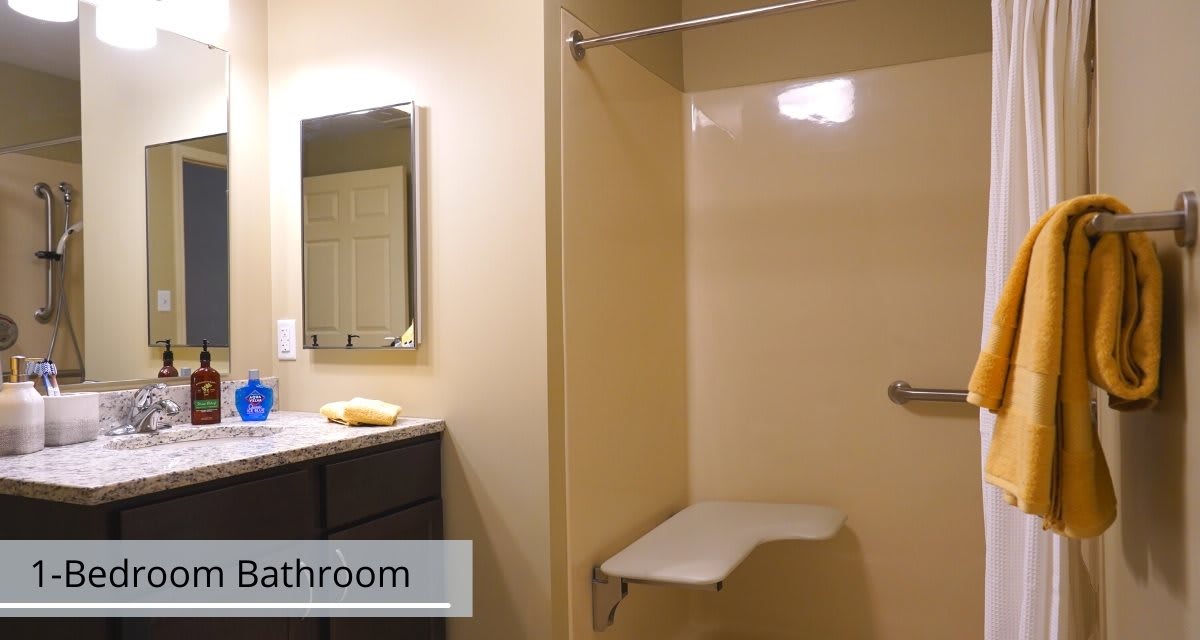
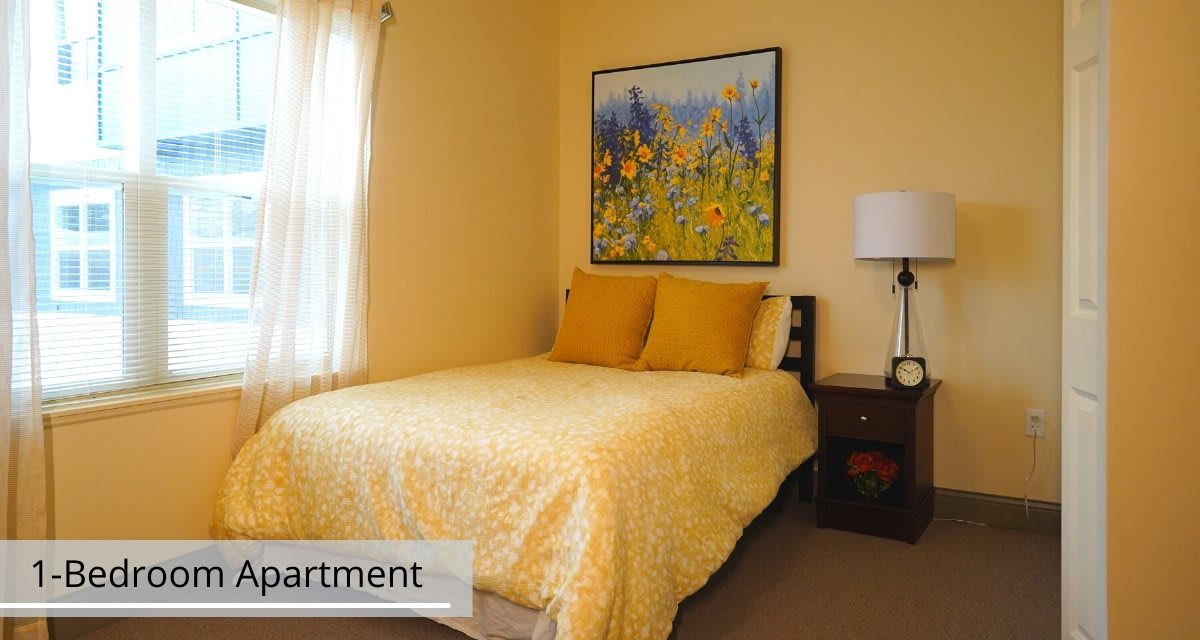
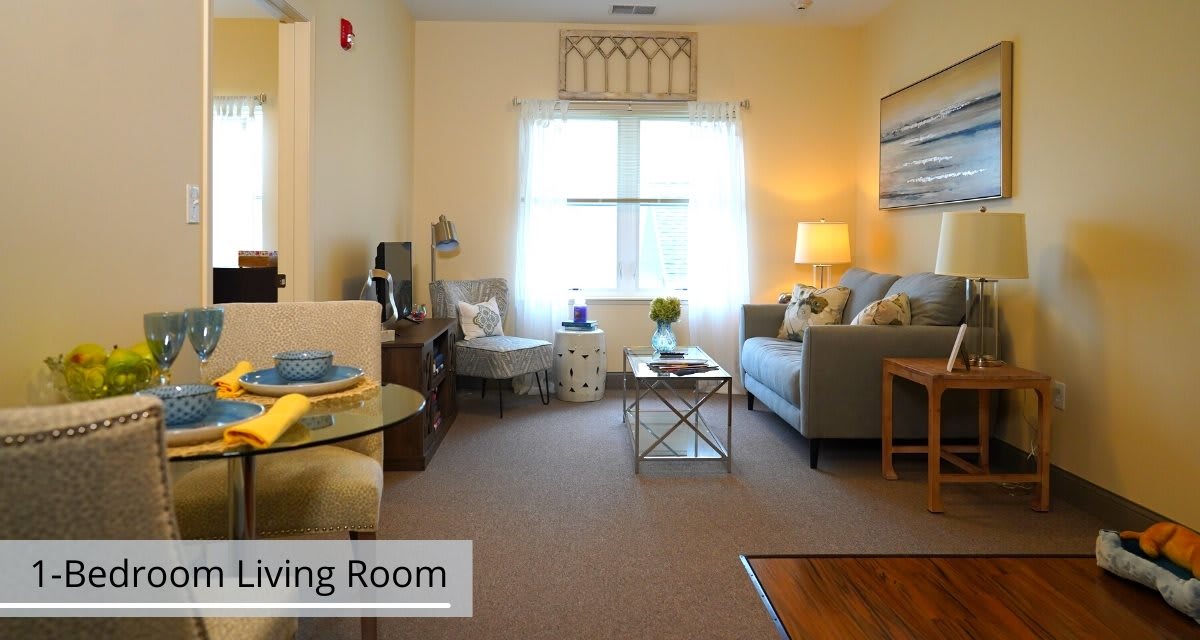
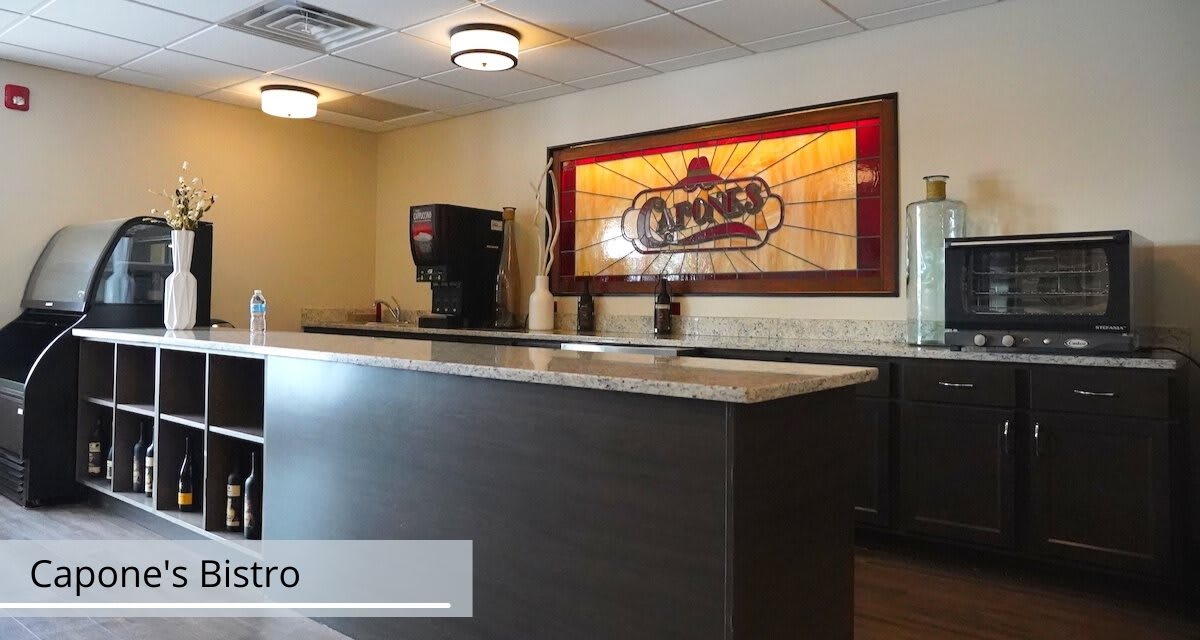
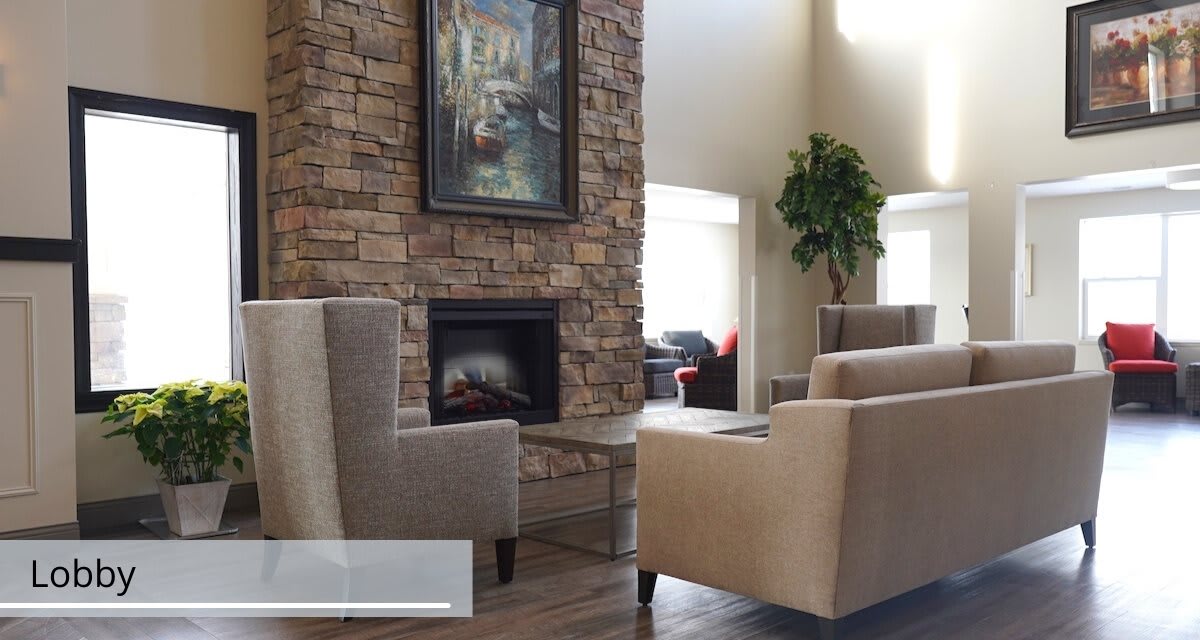
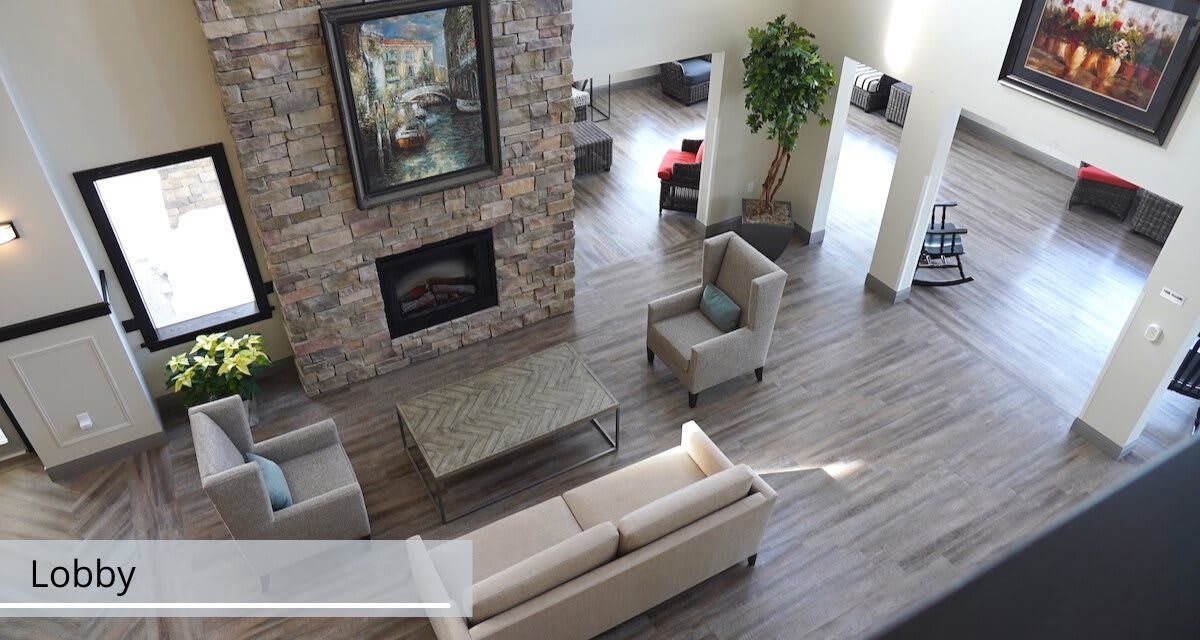
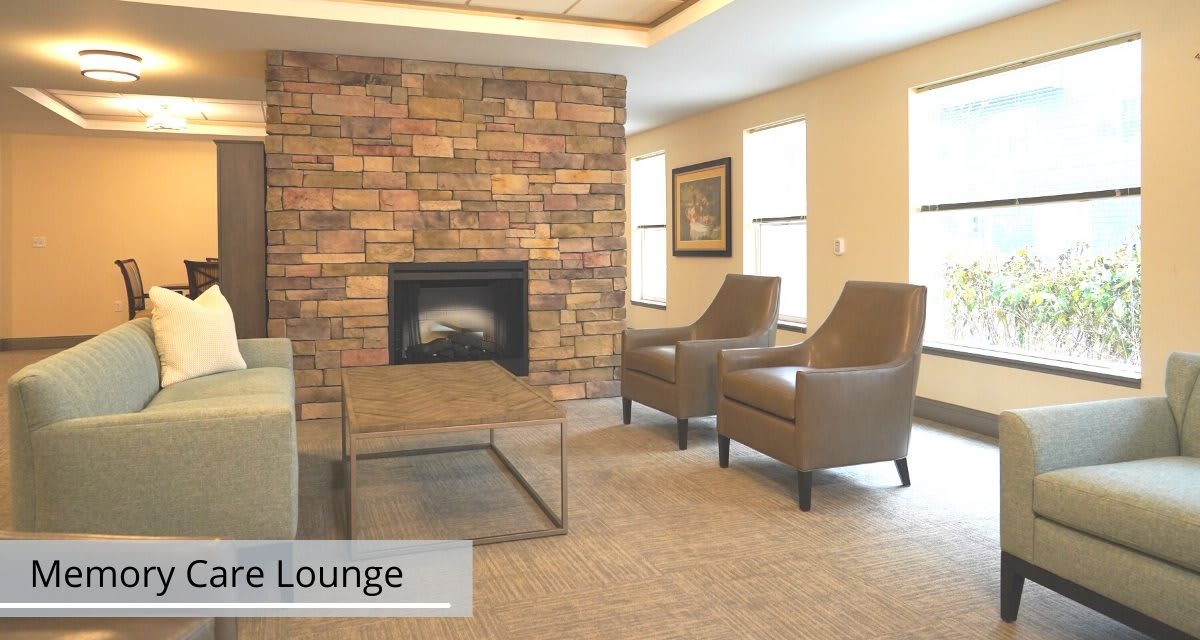
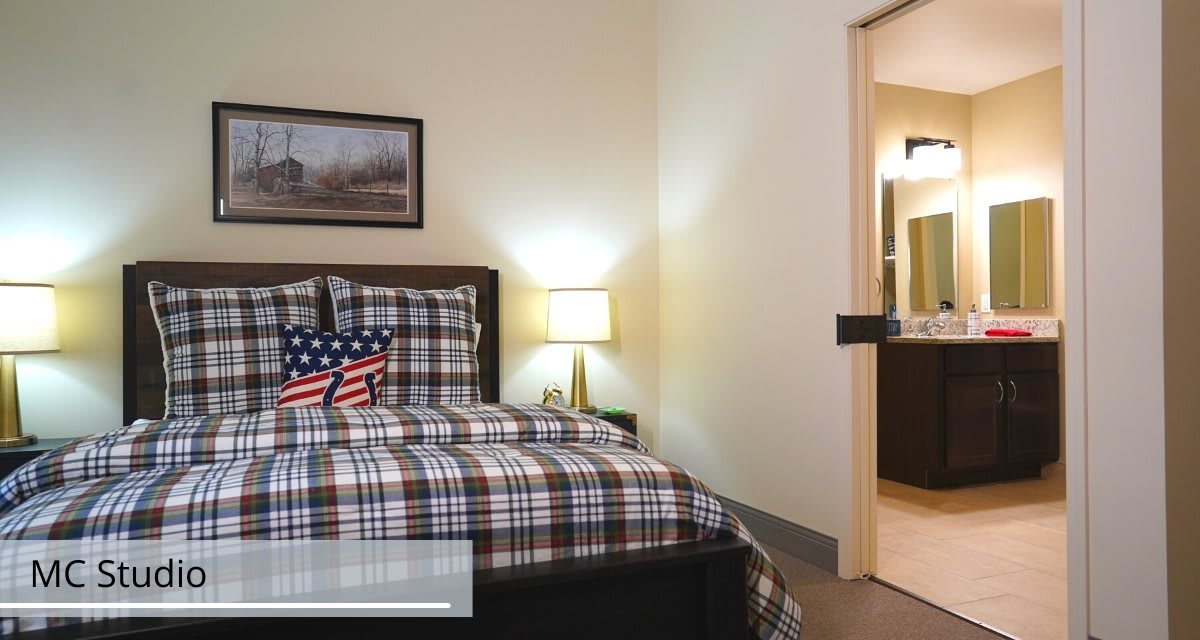
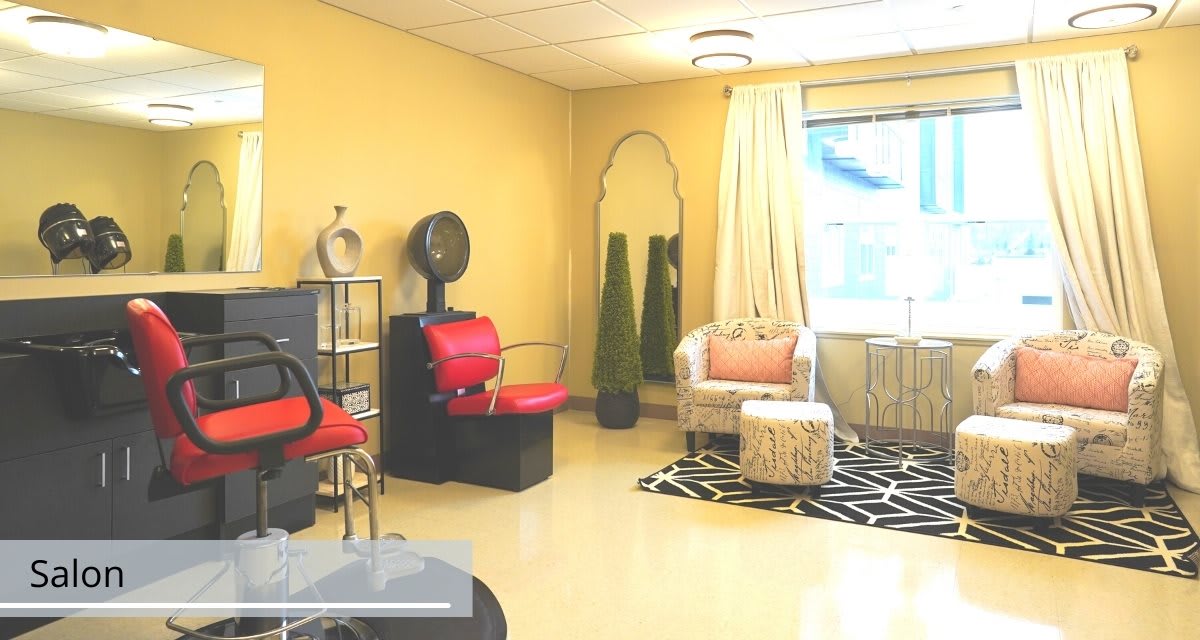
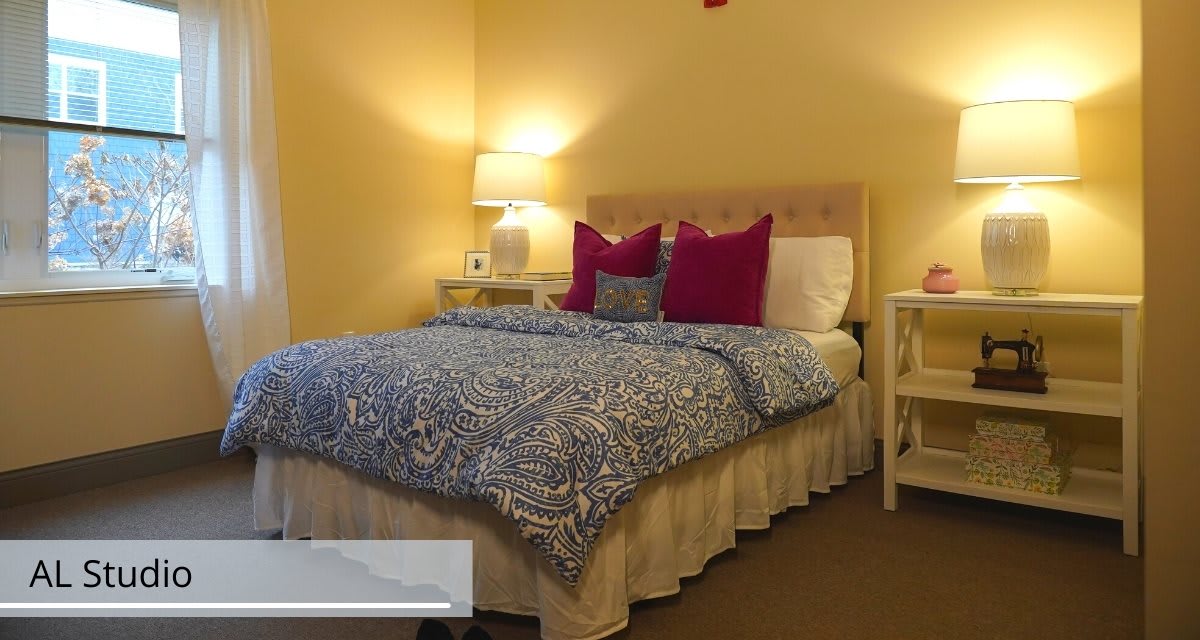
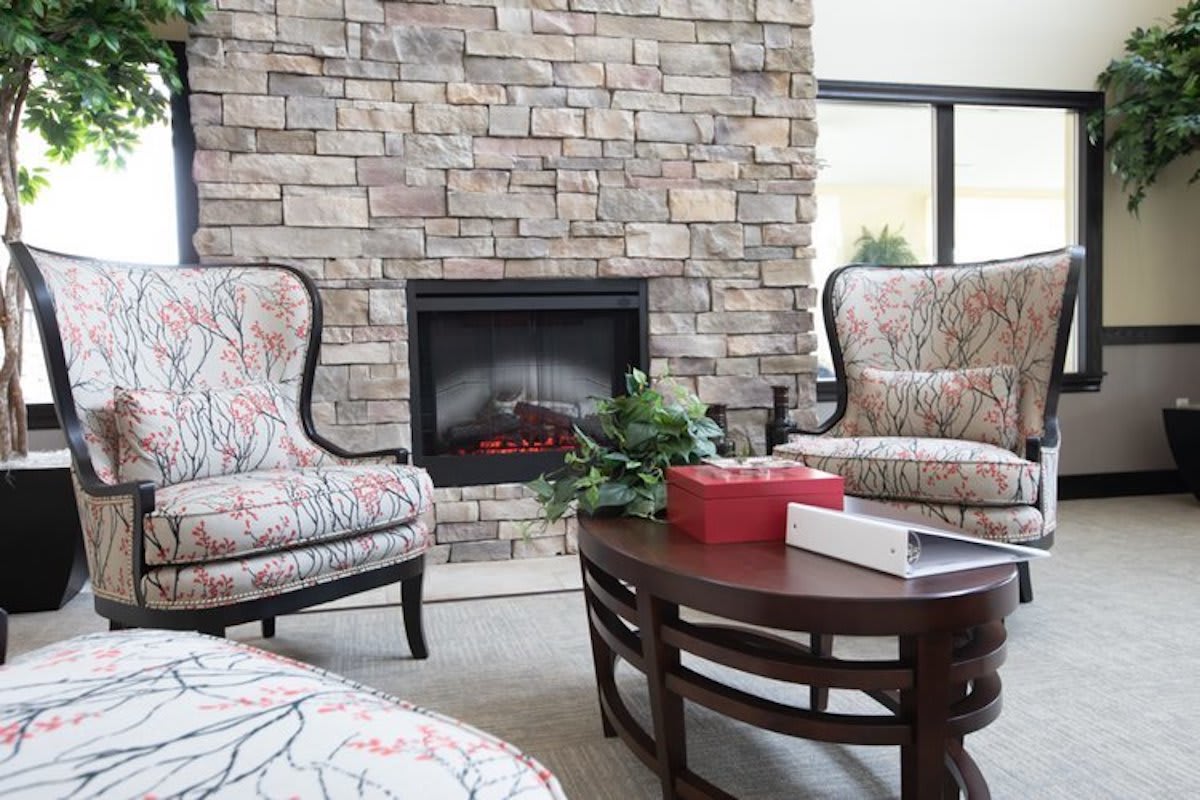
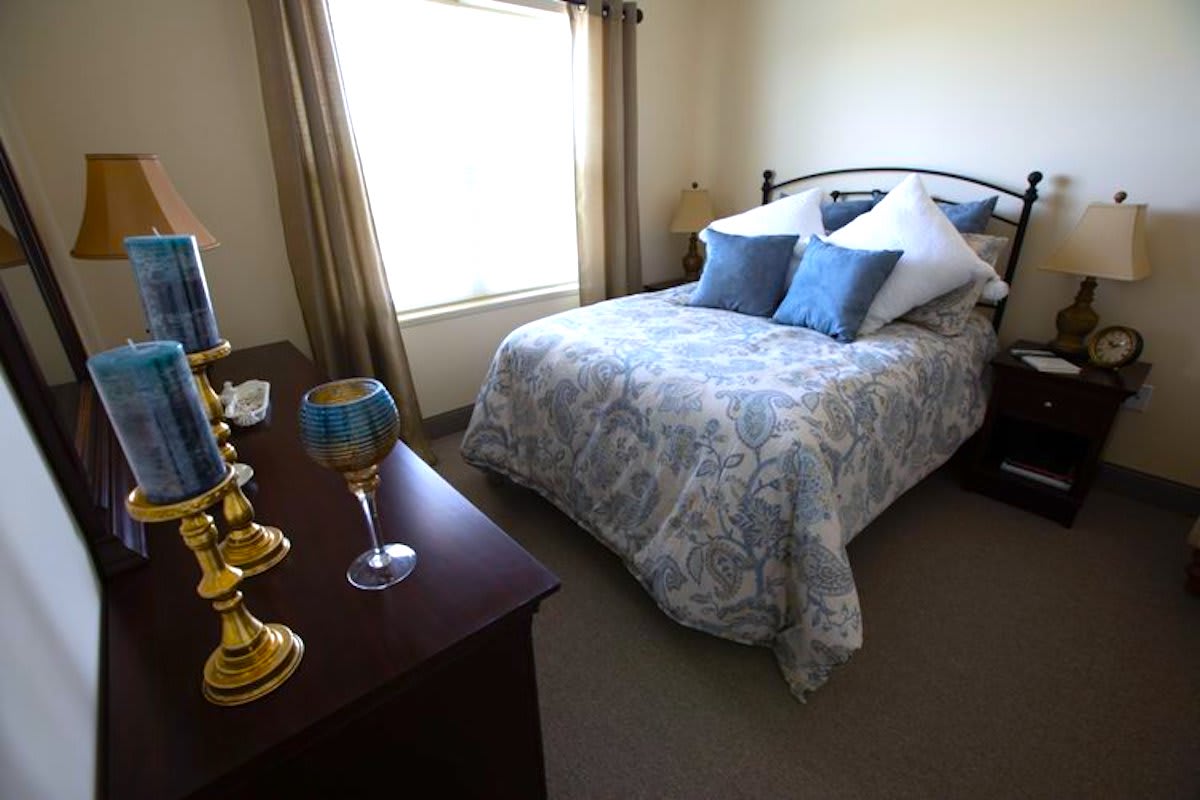
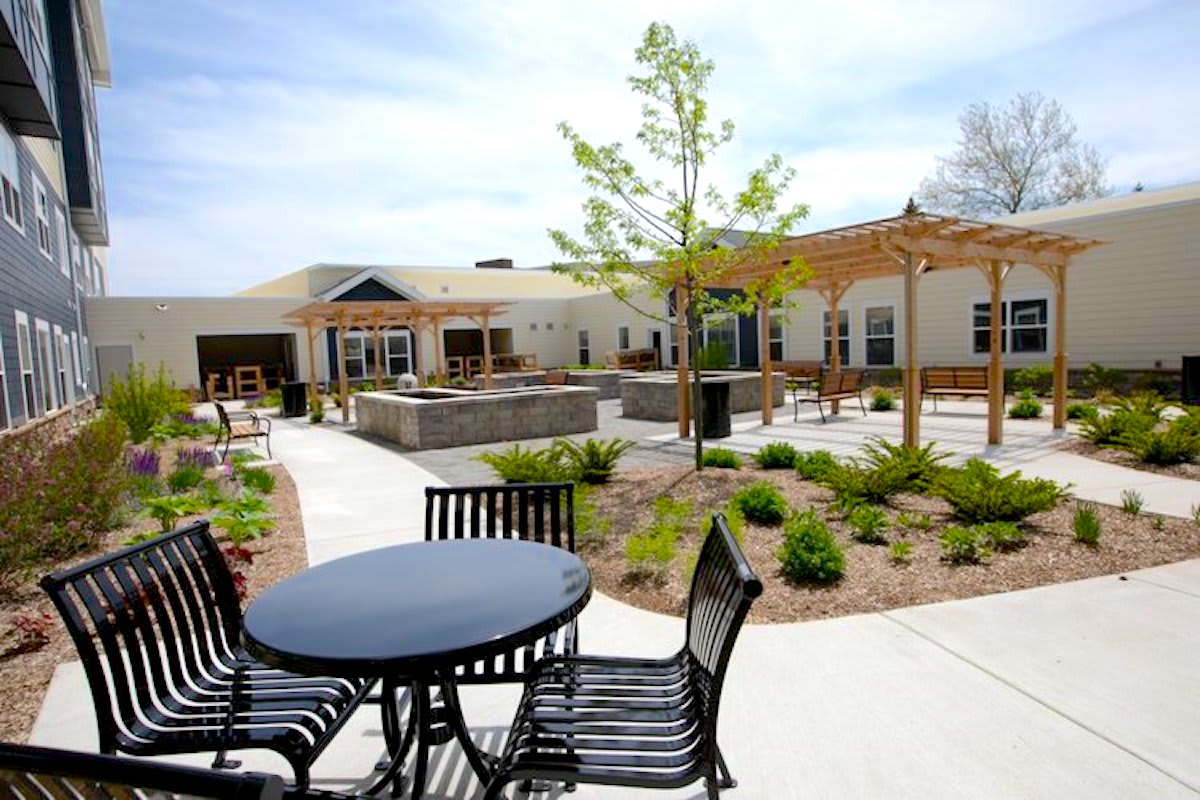
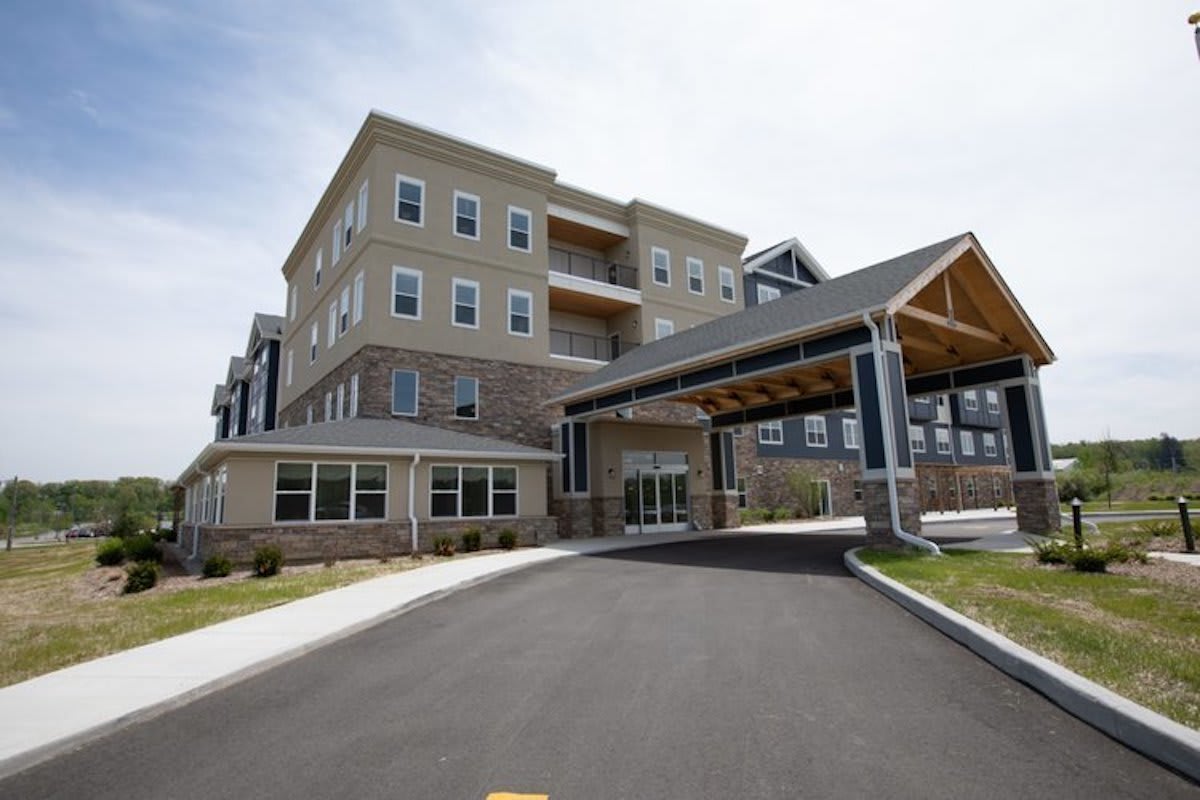
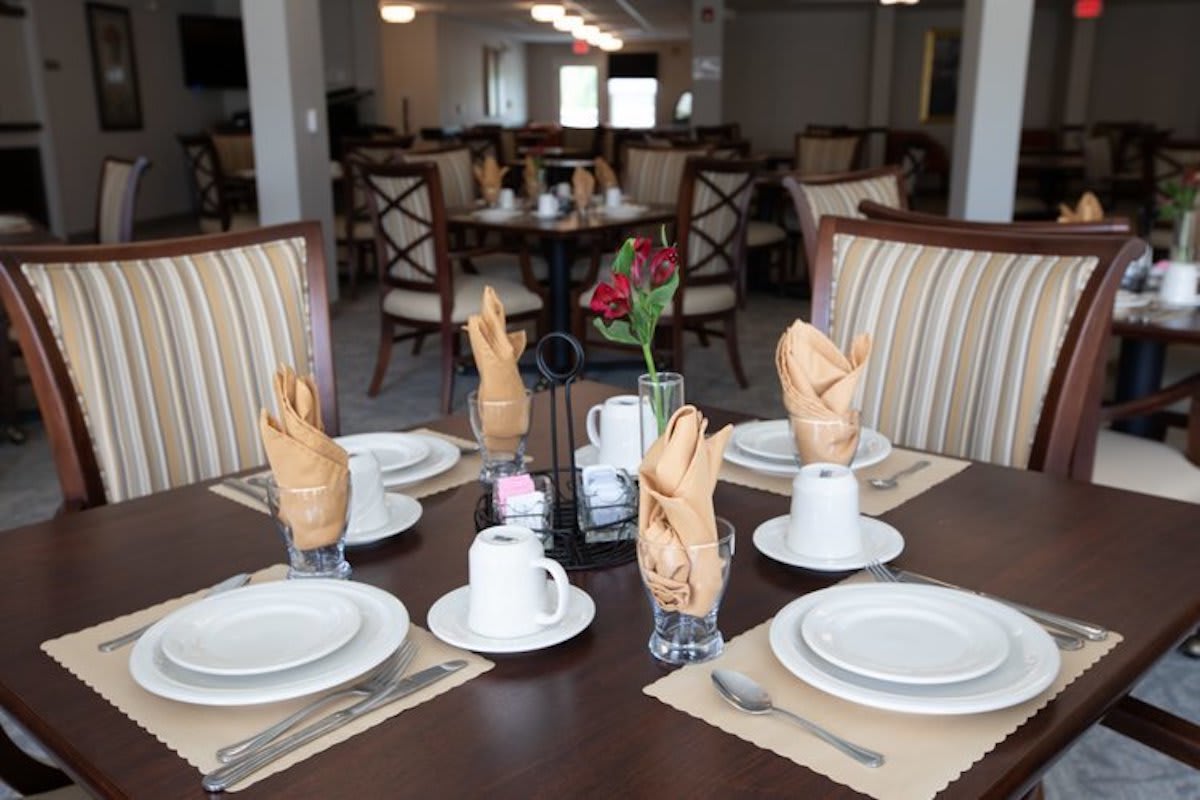
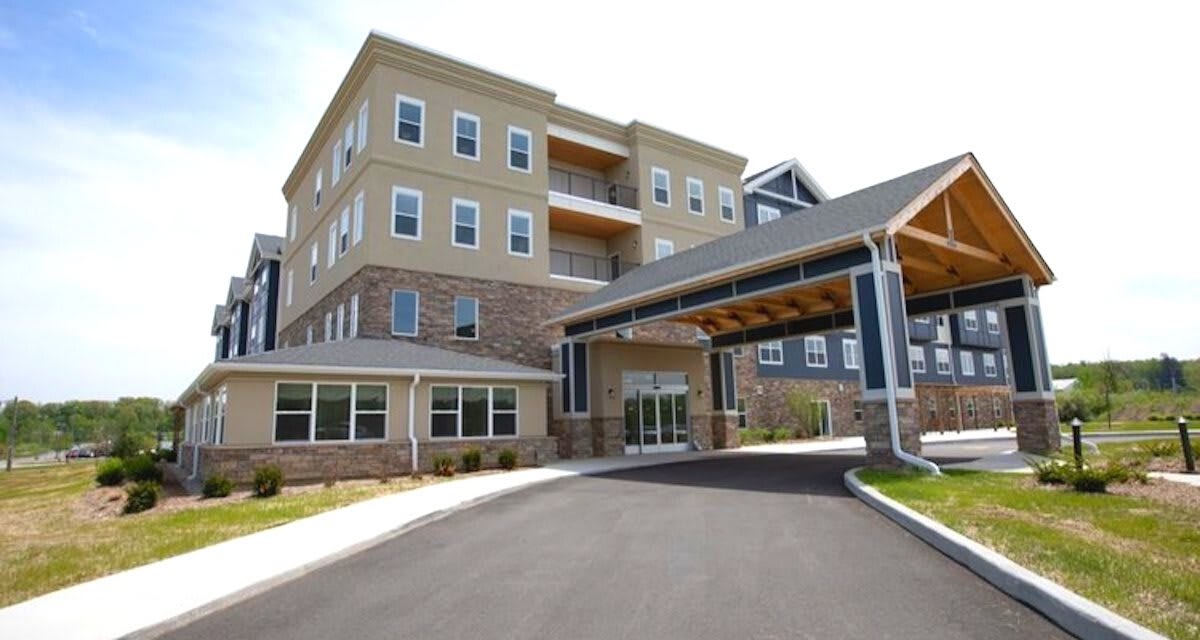
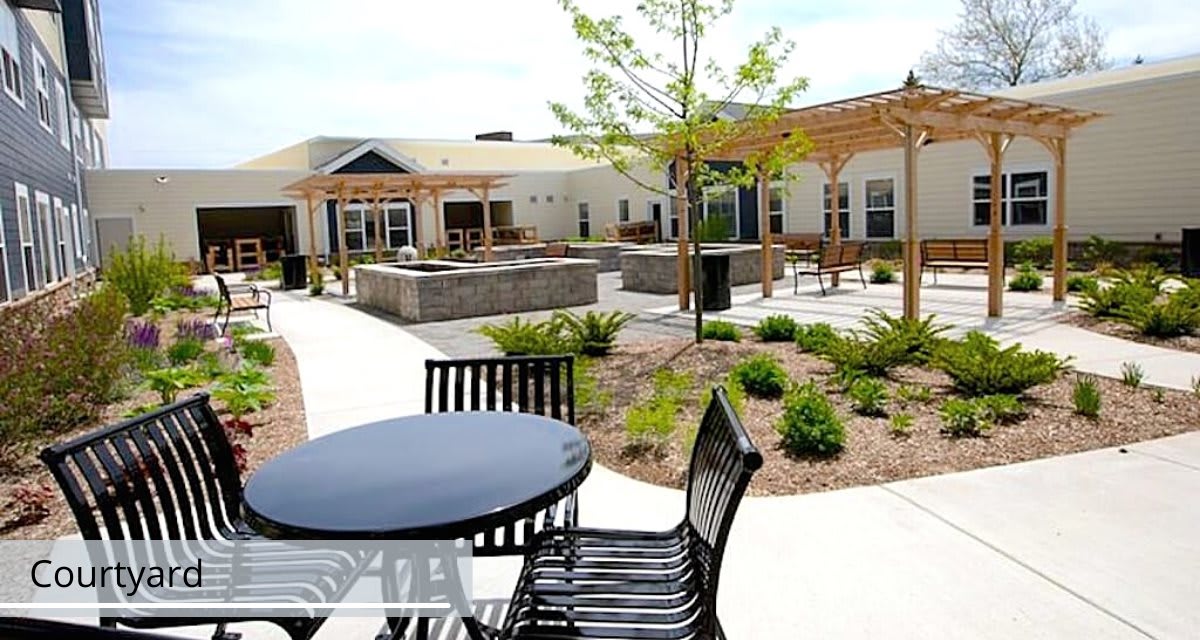
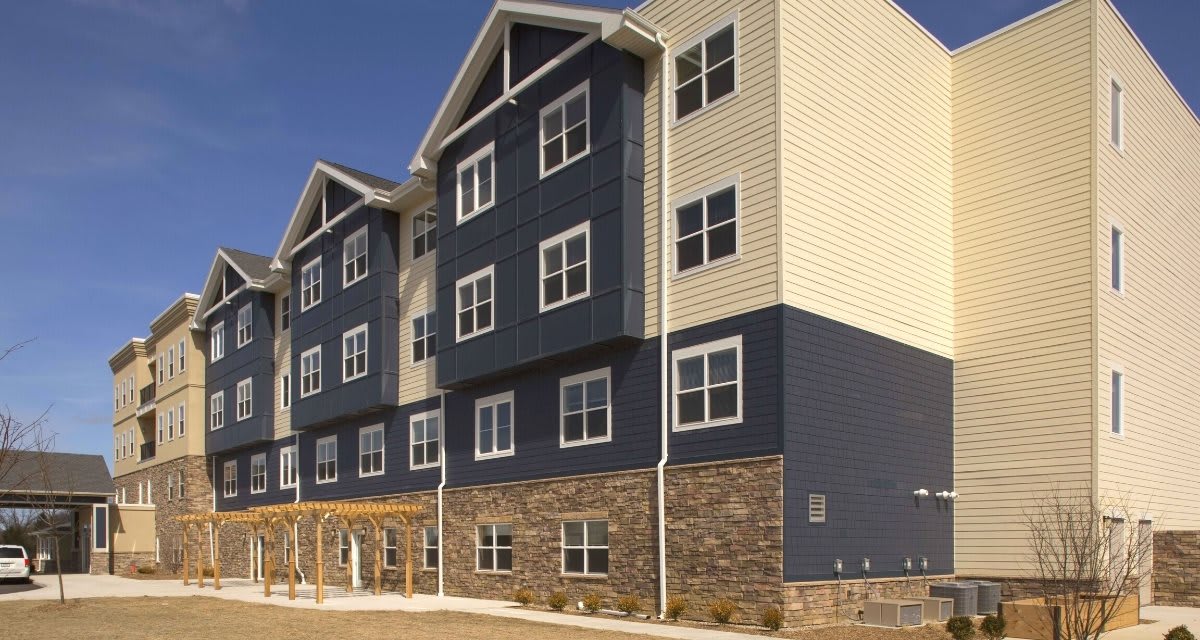
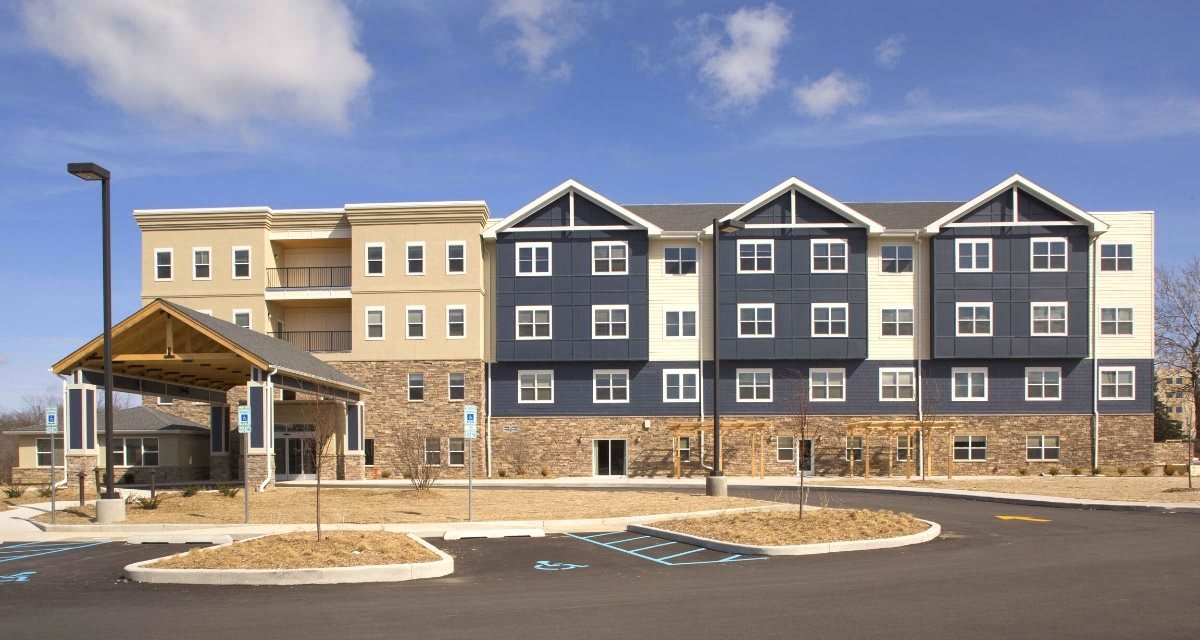
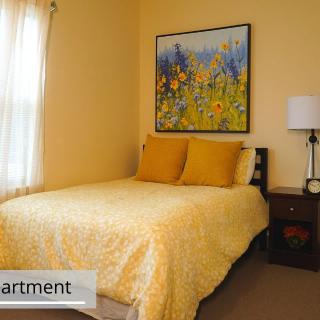
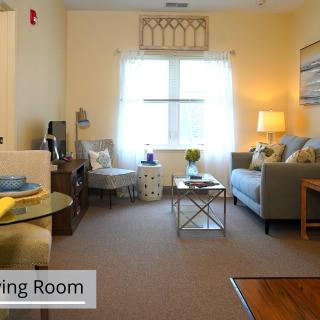
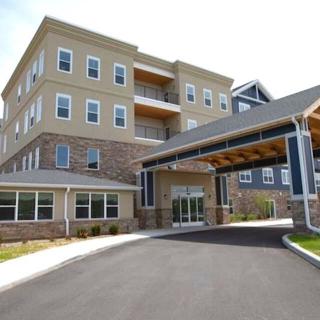
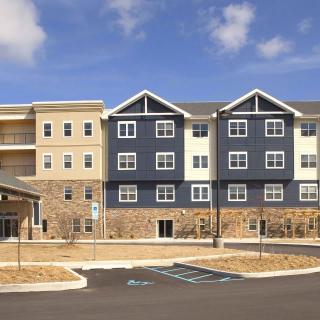
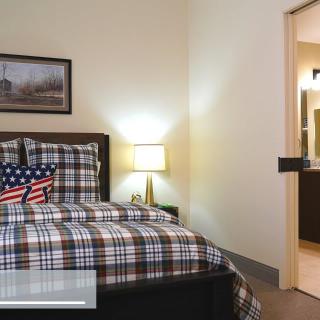
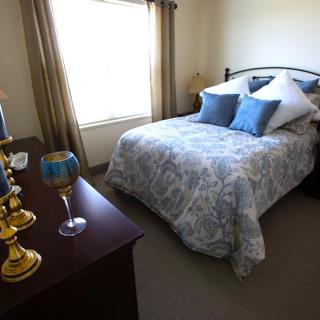
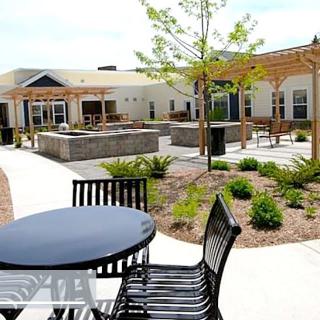
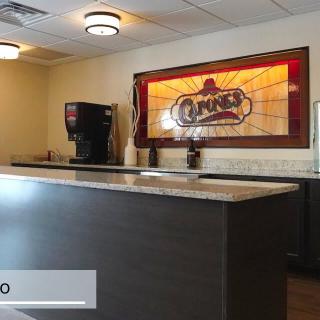
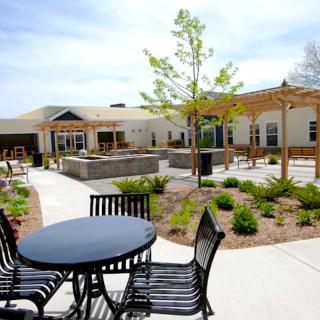
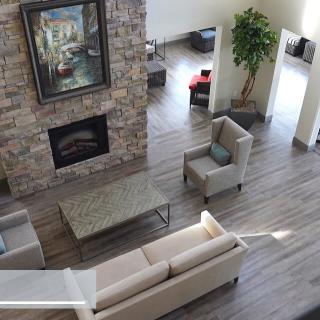
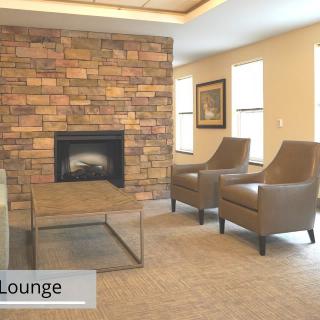
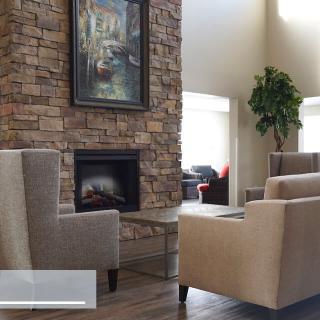
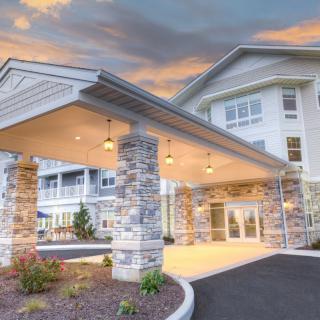
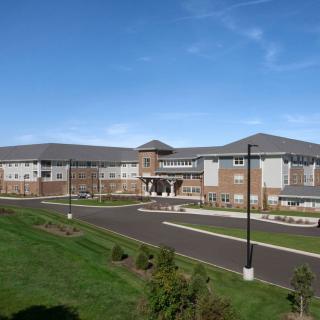
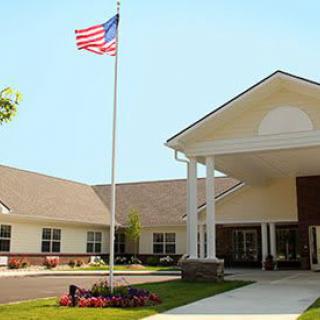
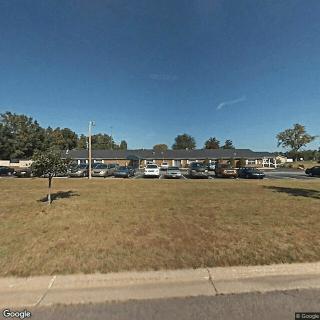
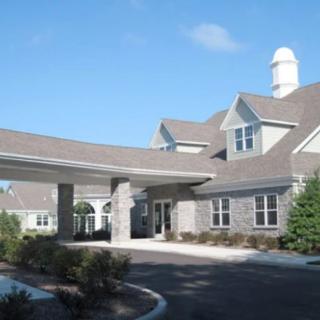
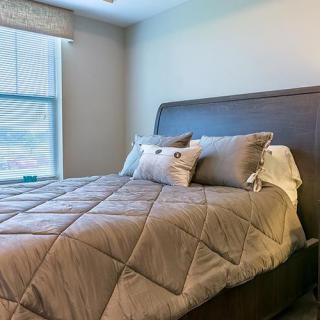
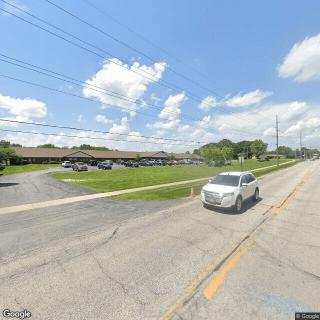
Valparaiso Senior Village on seniors.fyi includes 24 photos including images showing interior, decor, bedroom, building, living room, fireplace, windows, seating area, and more.
Nearby Communities
Valparaiso Senior Village
Valparaiso, IN
4.8 from 58 reviews
Specialized memory care with 24/7 staff and engaging amenities.
Symphony Of Chesterton
Chesterton, IN
4 from 1 review
$3,800 to $4,400 / month
Clean, well-maintained facility with friendly staff and engaging rehab activities.
Chesterton Manor
Chesterton, IN
4.6 from 140 reviews
$5,790 to $6,390 / month
Friendly staff and a clean, welcoming environment.
Addison Pointe Health & Rehabilitation Center
Chesterton, IN
3.6 from 54 reviews
Warm, attentive staff on some floors with engaging activities and good dining.
Storypoint Chesterton
Chesterton, IN
4.9 from 148 reviews
Caring staff and a vibrant, engaging community.
Life Care Center of Valparaiso
Valparaiso, IN
4.6 from 101 reviews
Excellent nursing care and engaging activities.
Aviva Valparaiso
Valparaiso, IN
4.6 from 120 reviews
$3,095 to $4,995 / month
Friendly, professional staff and a clean, welcoming environment.
Valparaiso Care & Rehab Center
Valparaiso, IN
3.8 from 74 reviews
$5,070 to $10,080 / month
Caring, friendly staff; private rehab rooms and engaging on-site activities.
Residences at Coffee Creek
Chesterton, IN
4.6 from 120 reviews
$3,815 to $6,376 / month
Clean, welcoming environment with attentive staff and flexible dining and activities.
Reminiscence therapy helps individuals with dementia recall past memories through structured discussions and meaningful objects, enhancing mood, relationships, and sense of identity while celebrating their lives. It can be practiced in formal settings or at home, requiring sensitivity to personal histories and cultural backgrounds.
Reminiscence therapy is a structured method for older adults, especially those with dementia, to share life stories using prompts and sensory cues, fostering emotional well-being, social engagement, and self-identity. It aims to improve quality of life by enhancing interpersonal connections and cognitive stimulation while requiring careful facilitation to avoid distressing memories.
Dementia, particularly Lewy body dementia, often involves hallucinations that can significantly distress both patients and caregivers due to disruptions in sensory processing and neurotransmitter imbalances. Effective management includes compassionate communication, environmental adjustments, and a multidisciplinary approach to care while addressing the emotional needs of caregivers.
Get PricingAsk A QuestionSchedule A TourContact Senior Advisor
By clicking submit, you agree to our Partner's Terms of Use. You
also consent to receive calls and texts, which may be autodialed, from our Partner. Your consent is not a condition to
using our Partner's service. Please visit our Partner's Privacy Policy for information about their privacy practices.






 1-bedroom apartments
 Assisted Living
 Memory Care
 Cats allowed
 Dogs allowed
 Activities off-site
 Air-conditioning
 Beautician on-site
 Cable or satellite TV
 Cafe
Cafe Devotional services off-site
 Dining room
 Financing advice
 Garden
 Ground floor units
 Guest parking
 Handicap accessible
 Housekeeping services
 Indoor common areas
 Kitchenette
 Laundry
 Outdoor common areas
 Overnight guests
 Party space
 Respite or short term stays offered
 Wheelchair accessible showers
 Wi-Fi/high-speed internet available
 Transportation & parking
 Ambulatory care
 Companion care
 Diabetic care
 High acuity care
 Hospice care
 Incontinence care
 Medication management
 Physical therapy
 Anytime dining
 Diabetes diet
 Special dietary restrictions
 Art classes
 Bible study group
 Book club
 Cooking classes
 Day trips and outings
 Educational speakers / life long learning
 Fitness programs
 Games
Games Karaoke
 Live musical performances
 Live well programs
 Wii bowling
 Wine tasting
 English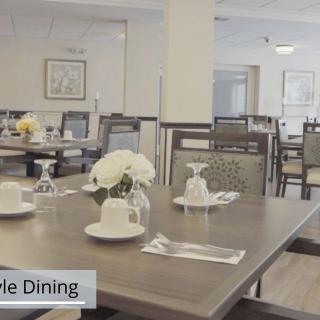
 Specialized memory care with 24/7 staff and engaging amenities.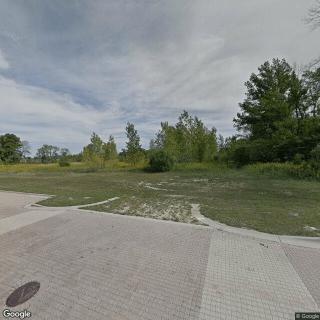
 Exploring the Power of Reminiscence Therapy for Individuals With Dementia
 An In-Depth Look at Reminiscence Therapy in Dementia Care
 Dementia-Related Hallucinations: Causes, Experiences, and Practical Approaches