

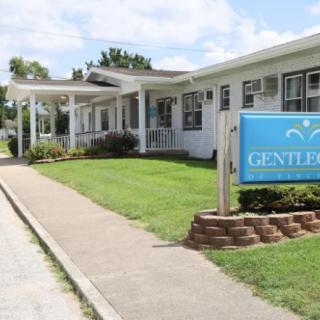
309 West Pike Avenue, Petersburg, IN 47567
For more information about senior living options: (866) 208-4318
Golden Living Center - Petersburg Costs & Pricing
Golden Living Center - Petersburg offers competitive pricing for its private rooms, with a monthly cost of $3,600. This rate aligns perfectly with the average costs in Pike County, making it an attractive option for families seeking quality care without exceeding local financial expectations. When compared to the broader state average in Indiana, which stands at $4,418 for similar accommodations, Golden Living Center - Petersburg provides a more economical choice while maintaining a standard of service that meets residents' needs. This positioning not only reflects the facility's commitment to affordability but also highlights its value within the region's healthcare landscape.
| Floor plans | Golden Living Center - Petersburg | Pike County | Indiana |
|---|---|---|---|
| Private | $3,600 | $3,600 | $4,418 |
Skilled Nursing Facilities with a similar price nearby
-
from -$120 / mo
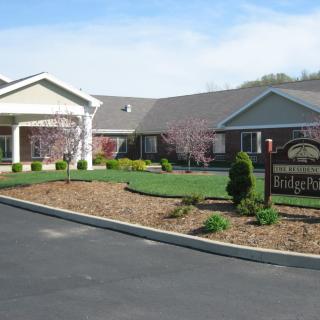
BridgePointe Health Campus
$3,480 to $5,280 / month17.2 miles away -
from -$680 / mo
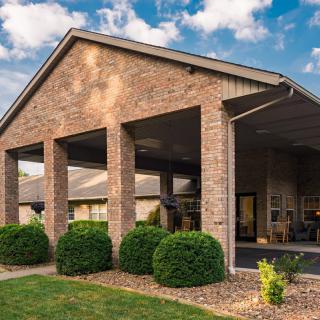
Brookside Village Senior Living
$2,920 to $3,270 / month22.0 miles away -
from +$120 / mo

Crestview
$3,720 to $3,780 / month17.7 miles away
Overall Review of Golden Living Center - Petersburg
Pros
 The staff are very pleasant and caring.
- The facility is very clean and odor-free.
- The meals and food seem very good, according to residents.
- Residents enjoy living there and feel welcomed.
- The building is well maintained and clean.
Cons
 They took five hours to respond to his dad.
- They left him out in a wheelchair in the rec room for 13 hours.
- They are vindictive and understaffed.
- They are pieces of garbage.
- It costs a lot to be treated that way.
Review
Golden Living Center - Petersburg is best suited for families seeking a mid-range, home-like environment where cleanliness, pleasant daily interactions, and reliable meals are valued. It works well for seniors who primarily need help with daily activities and who want to be in a building that feels orderly and odor-free, with staff who are approachable and consistently courteous. This is not a facility that should be chosen for residents requiring high-intensity medical care or urgent, around-the-clock nursing responsiveness.
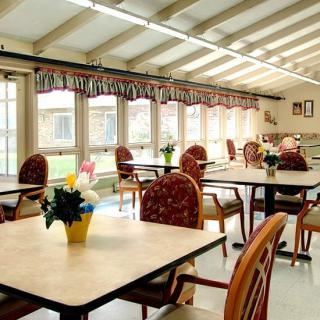
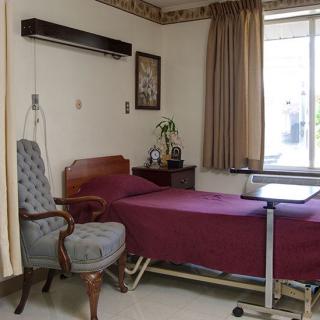
Cleanliness stands out as a consistent strength. The building is repeatedly described as very clean and odor-free, which contributes to a calmer, more comfortable atmosphere for residents and visiting families. The dining experience also appears positive, with several accounts of pleasant meals that residents enjoy. In addition, multiple staff members are characterized as friendly and caring, and a recent employee notes that the facility is among the best they have seen after years in the business. Taken together, these factors create a solid daily quality of life baseline.
The flip side is clear and cannot be ignored. A vocal open wound in the review pool centers on staffing and responsiveness: a resident reportedly waited five hours for help, and another account describes a resident left in a wheelchair in a rec room for an extended period. Such experiences raise serious questions about consistency in monitoring and rapid response, especially during off-peak hours or moments of high demand. The tone of that critique implies frustration with accountability and a perception that under staffing can translate into neglect, which is a non-negotiable risk for families evaluating any care setting.
These strengths and weaknesses must be weighed against each other. When staffing levels are adequate and shifts are well-supported, the facility’s cleanliness, friendly bedside manner, and good meals sufficiently offset the otherwise modest care footprint for many routine ADL needs. Positive experiences from long-time staff and residents indicate that care can be attentive and warm, producing meaningful daily satisfaction. Yet the negative report cannot be dismissed, because one seriously delayed response or perceived neglect undermines trust and safety, outcomes families cannot afford to gamble on.
Families considering alternatives should prioritize options with demonstrated, consistent responsiveness and higher nursing coverage, especially for residents who require more hands-on assistance, frequent monitoring, or have higher fall or medical risks. If stability in staffing, rapid call-light response, and transparent accountability are non-negotiables, it is prudent to compare other communities with stronger track records in nurse-to-resident ratios and sustained caregiver engagement. Memory care, complex medical oversight, and after-hours nursing availability are also critical lenses through which to evaluate this community against rivals.
Practical next steps guide the decision. Tour the building with a specific eye toward staffing: observe response times on call bells, note how caregivers interact with residents, and ask for recent staffing metrics by shift. Speak candidly with current residents and families about day-to-day reliability, incident handling, and any changes since the most troubling review. Request a written outline of services included in the base rate, plus a clear plan for after-hours coverage and escalation procedures. If those answers satisfy the need for reliable, compassionate care, Golden Living Center - Petersburg can be a strong fit; if not, the search should continue with a sharper focus on staffing stability and emergency responsiveness.
 86 resident community capacity
 Assisted Living
 Memory Care
 Skilled Nursing Facility
 Activities off-site
 Air-conditioning
 Beautician on-site
 Cable or satellite TV
 Computer center
 Devotional services on-site
 Dining room
 Fitness room
 Fully furnished
 Gaming room
 Garden
 Housekeeping services
 Indoor common areas
 Kitchenette
 Move-in coordination
 Outdoor common areas
 Private
 Private bathrooms
 Restaurant-style dining
 Small library
 Telephone
 Wellness center
 Wheelchair accessible showers
 Wi-Fi/high-speed internet available
 Community operated transportation
 24-hour call system
 Assistance with bathing
 Assistance with dressing
 Assistance with transfers
 Diabetes diet
 High acuity care
 Incontinence care
 Medication management
 Special dietary restrictions
 Concierge services
 Planned day trips




 Vibrant Senior Living: A Comprehensive Guide for Active Older Adults
 Assisted Living and Memory Care: Understanding Their Core Differences
 Choosing the Right Senior Care: A Detailed Exploration of Assisted Living and Nursing Homes