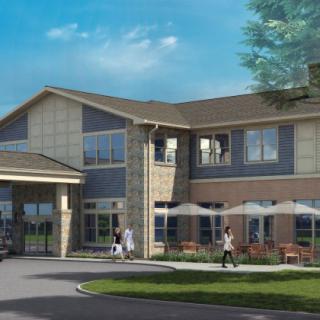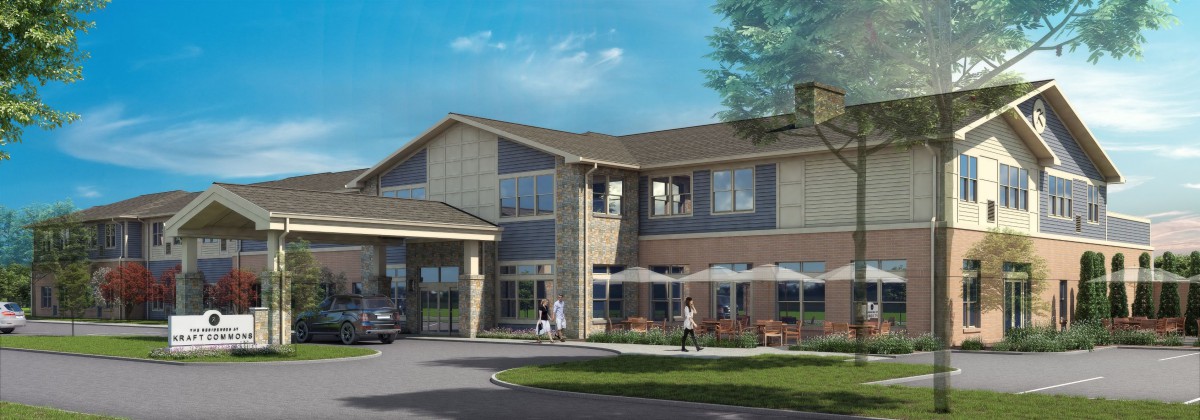

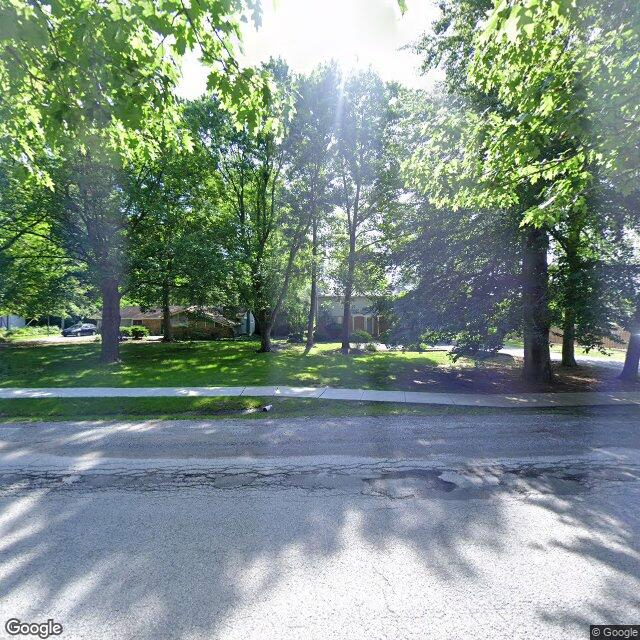
7019 Hoover Road, Indianapolis, IN 46260
To contact a resident: (317) 251-2261
For more information about senior living options: (866) 208-4318
The Residences at Kraft Commons Costs & Pricing
The Residences at Kraft Commons offer a range of living options that reflect a premium pricing structure compared to average costs in Marion County and the state of Indiana. For instance, a studio apartment is priced at $3,995 monthly, significantly higher than the county average of $2,869 and the state average of $3,258. One-bedroom units follow suit at $4,995, well above both the Marion County rate of $2,917 and Indiana's average of $3,300. The two-bedroom apartments are offered at $5,495, outpacing the county's figure of $2,997 and the state average of $3,208. This disparity suggests that The Residences at Kraft Commons provides distinct amenities and possibly enhanced living experiences that justify their elevated costs relative to local norms.
| Floor plans | The Residences at Kraft Commons | Marion County | Indiana |
|---|---|---|---|
| Studio | $3,995 | $2,869 | $3,258 |
| 1 Bedroom | $4,995 | $2,917 | $3,300 |
| 2 Bedrooms | $5,495 | $2,997 | $3,208 |
Assisted Living communities with a similar price nearby
-
from +$146 / mo
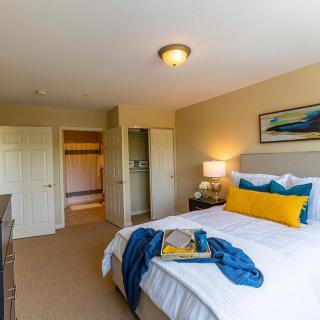
Independence Village of Zionsville East
$4,141 to $6,517 / month6.5 miles away -
from -$306 / mo

Independence Village of Zionsville West
$3,689 to $4,141 / month10.1 miles away -
from -$795 / mo
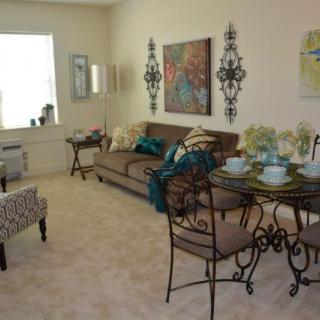
Allisonville Meadows Assisted Living
$3,200 to $4,595 / month7.5 miles away -
from -$300 / mo
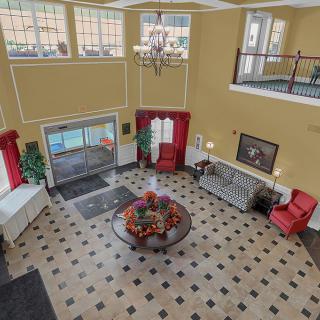
Magnolia Springs Southpointe
$3,695 to $7,195 / month17.2 miles away -
About the same
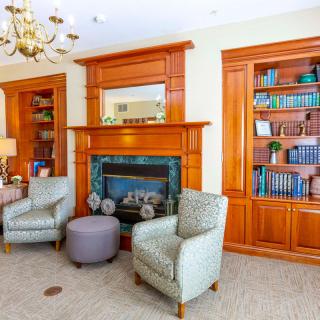
Independence Village of Fishers South
$3,925 to $4,305 / month10.7 miles away
Overall Review of The Residences at Kraft Commons
Pros
 The nursing staff have done a really nice job.
- The layout and size of the rooms were very nice.
- Kraft Commons is a newer facility.
- The proximity to the nursing facility is a positive aspect.
- The reviewer would recommend Kraft Commons.
Cons
 The director and staff cause undue stress on residents.
- There are hardly ever enough aides available, and aides are frequently shifted to other units or leave, requiring temporary replacements.
- Mental health issues are not adequately addressed by the facility.
- A large majority of residents have dementia, leaving sound-minded residents with few people to converse with.
- The activities coordinator treats residents like kindergarteners and asks inappropriate questions, such as whether they would want to live on Mars.
- The food quality has declined since a new service company started last summer, and the facility struggles to keep a consistent chef.
Review
The Residences at Kraft Commons is best suited for families seeking a newer, thoughtfully laid-out campus with comfortable private rooms and easy access to a nearby nursing facility, where the primary value is the building itself and the solidity of the nursing staff. It is not the right fit for families prioritizing robust social engagement, consistent on-site aides, and a dementia-focused programming environment. In short, this community works for residents who want a fresh setting and competent nursing presence, but it falls short for those requiring steady, associate-level staffing, meaningful activity connections, and sensitive management of memory-care needs.
Careful consideration should be given to those who may want to consider alternatives. Any family whose loved one lives with significant dementia or behavioral health challenges will want to evaluate whether Kraft Commons can consistently meet those needs. The facility has a high prevalence of dementia among residents, which translates into social dynamics where sound-minded individuals may struggle to find conversation partners. For families seeking richly developed activity programs, especially those designed to engage older adults with varying cognitive abilities, the current programming may feel age-inappropriate or even disrespectful at times. Finally, families that demand reliable, stable aides with minimal turnover will need to scrutinize staffing plans, as aide coverage is repeatedly described as insufficient and frequently disrupted.
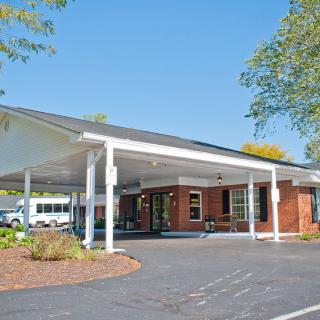
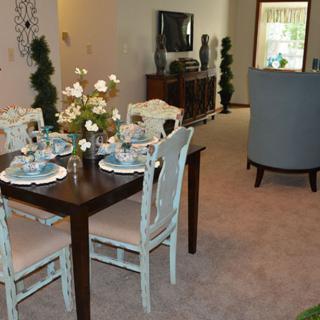
On the upside, the newer construction and the appealing layout stand out as tangible advantages. The rooms are described as well-sized with a modern feel, contributing to a comfortable, home-like atmosphere that can ease transitions for residents who have just moved into assisted living or who otherwise value a fresh environment. The facility’s proximity to the nursing component is also a practical bonus, simplifying coordinated care and transport when medical needs arise. Most notably, the nursing staff receives praise for their performance, which can translate into calmer days for residents and more responsive care when health changes occur. These strengths provide a foundation that can offset some daily irritants if the emphasis remains squarely on medical and personal care rather than social programming.
Yet the core disadvantages are persistent and significant. A pattern of overstretched staffing undermines the experience: too few aides, with workers shifted between units or pulled away entirely, leaving residents to endure gaps in supervision and assistance. This reality directly affects quality of life, as basic needs and daily routines can become chaotic rather than smooth, and it erodes the sense of security that families expect in an assisted-living setting. Mental health support is another red flag, with concerns that residents’ emotional and cognitive health needs are not adequately addressed. The result is a climate where some residents feel neglected, and conversations among well residents can feel sparse or unsuitable for their stage of life. Food quality, already a frequent point of contention, has declined since a new vendor began service, eroding another everyday comfort that families weigh in decisions on.
When weighing pros against cons, Kraft Commons offers undeniable value in its physical footprint and nursing competence, which can matter greatly for families prioritizing medical oversight and a fresh, uncluttered environment. However, the staffing instability and the cognitive-health dynamics inside the community dilute those benefits. If the goal is a vibrant, socially engaging setting with reliable aides and dementia-sensitive programming, the balance tips away from Kraft Commons. The most prudent approach is to pair the positives with a rigorous, specific inquiry into staffing ratios, turnover, and the capacity to deliver consistent memory-care support, as well as a detailed review of the current activity calendar to ensure it honors residents’ dignity and life experience.
For families making a live-or-die choice about this community, the decision hinges on one clear question: how important are stable, age-appropriate social engagement and dependable staffing in the short and long term? If the answer leans toward high priority, alternatives with proven dementia-focused programming, longer-tenured aides, and a higher standard of daily nourishment should be pursued. If, however, the priority is a newer facility with solid nursing oversight and a calm environment, where the primary concern is medical care and residence comfort rather than robust social programming, Kraft Commons remains a reasonable option to consider, with the caveat that ongoing due diligence on staffing and resident well-being is essential.
 Assisted Living
 Day Program
 Cats allowed
 Dogs allowed
 Devotional services off-site
 Indoor common areas
 Indianapolis International (13 miles away)
 Ambulatory care
 Diabetic care
 Medication management
 Kosher
 Comprehensive Insights into Activities of Daily Living (ADLs) and Their Assessment
 Guiding Elderly Parents Who Refuse Assisted Living: 6 Practical Steps
 Your Comprehensive Guide to Luxury Assisted Living: Elevated Facilities, Amenities, and Costs