
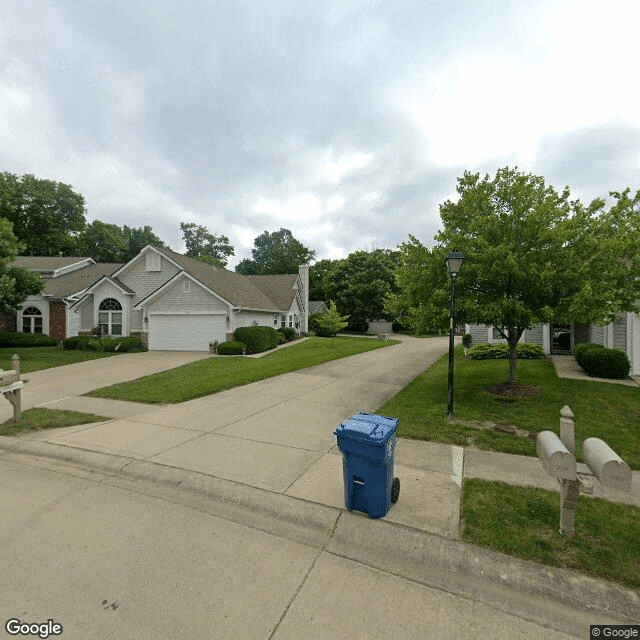
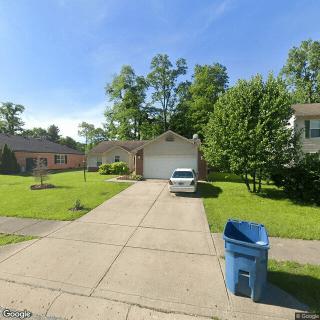
7507 Brackenwood Circle, Indianapolis, IN 46260
To contact a resident: (317) 295-8480
For more information about senior living options: (866) 208-4318
Always There Senior Care Costs & Pricing
Always There Senior Care offers a range of private room accommodations at competitive prices, with monthly costs ranging from $3,000 to $7,000. When compared to the average expenses in Marion County, which stands at approximately $4,415, and the broader state average of Indiana at around $4,418, Always There provides options that can be more economical for those seeking quality senior care. This flexibility in pricing allows families to find solutions tailored to their needs while ensuring that care remains accessible without compromising on the quality of service provided.
| Floor plans | Always There Senior Care | Marion County | Indiana |
|---|---|---|---|
| Private | $3,000 to $7,000 | $4,415 | $4,418 |
Senior living communities with a similar price nearby
-
from -$308 / mo
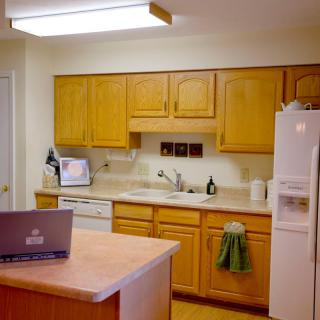
Greenwood Village South
$2,692 to $3,562 / month20.3 miles away -
About the same
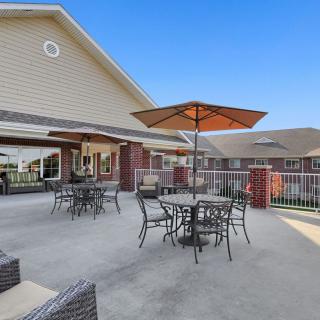
Magnolia Springs Bridgewater
$2,995 to $7,195 / month8.6 miles away -
from -$395 / mo
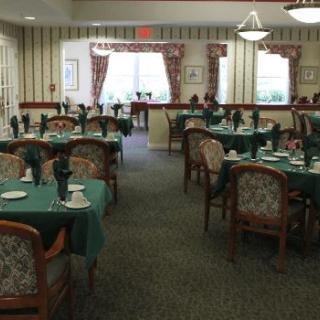
Park Square Manor
$2,605 / month14.5 miles away -
from -$190 / mo
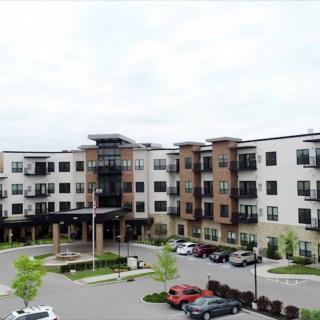
Rose Senior Living at Carmel
$2,810 to $5,300 / month5.4 miles away -
from +$200 / mo

Allisonville Meadows Assisted Living
$3,200 to $4,595 / month7.2 miles away
Overall Review of Always There Senior Care
Pros
 They are very professional and caring.
- They are highly recommended to anyone.
- AAC is a great home care provider.
- They provided great care for a grandmother.
- Their personal attention to detail is unmatched.
- For families' needs, Always Available Care is the provider to call.
Review
Always There Senior Care in Indianapolis is best suited for families seeking high-touch, in-home elder care delivered with genuine professionalism and deep personal attention. The three independent reviews converge on a simple reality: this provider delivers care that feels customized, not generic, and treats clients as people rather than tasks. The arrangement works especially well for seniors who prefer aging in place, with caregivers who integrate into daily routines, monitor safety, coordinate with family members, and respond swiftly to changing needs. In-home care from a company described as “Very Professional and Caring” and with “unmatched” personal attention offers a compelling alternative to moving into a traditional assisted living campus. This is not a large facility model; it is intimate, home-based care executed with discipline.
On the flip side, those with more intensive medical requirements or a desire for a campus community should consider alternatives. The reviews highlight professionalism and care, but they do not describe on-site medical teams, memory-care programming, or around-the-clock nursing supervision. For families facing escalating care needs, or for seniors who require specialized memory support, a traditional assisted living with dedicated medical staff or a memory-care wing may be a better fit. Similarly, families planning long-term cost certainty may want to compare pricing structures against facility-based options. In short, the strongest fit is for clients who value consistent, attentive home care over a residential setting with full-time staff on-site.
Key strengths are leverage points that matter most in decision-making. The service is characterized as highly professional and caring, with reviewers noting that “they really care for their customers” and that personal attention to detail is unmatched. That combination translates into reliable, responsive care plans, clearer communication with families, and a sense of reassurance that caregivers are not merely performing tasks but building relationships. In practice, this reduces caregiver turnover anxiety, fosters trust between family and caregiver, and helps seniors maintain routines. Those are meaningful advantages when daily comfort, safety, and emotional well-being hinge on consistent caregiving. The downside to any home-care model tends to be the breadth of medical oversight and emergency coverage, which is where this offering likely focuses first on personal rather than on-campus medical infrastructure.
Because the program emphasizes intimate, in-home support, the pros align with outcomes families want: predictable staffing, individualized care plans, and attentive monitoring that adapts to changing needs. The high level of personal attention often means caregivers are better matched to a client’s personality and routines, leading to smoother mornings, better medication adherence, and timely safety checks. Relative to larger agencies, the intimate approach can translate to quicker adjustments when preferences or health conditions shift, without the lag that sometimes comes with process-heavy systems. The caveat is that capacity and resources are inherently limited by the home-care model; families should confirm caregiver availability, schedule flexibility, and contingency plans for nights or weekends.
For families evaluating Always There Senior Care, the practical next steps are clear. Probe how caregiver matching works, what training or certifications the staff hold, and how emergencies are handled outside regular hours. Request references or case studies that mirror the senior’s current needs to gauge fit over time. Confirm the range of in-home services offered, such as companionship, personal care, meal preparation, mobility assistance, and transportation, and verify how care plans are updated in response to health changes. Compare the agency’s pricing against competing home-care providers and campus-based options, paying close attention to what is included in standard packages versus add-ons. The strongest option will couple evidenced, compassionate care with transparent terms and reliable scheduling.
In sum, Always There Senior Care stands out as a practical, high-touch choice for Indianapolis families who value consistent, compassionate, in-home care. It is a strong fit where the senior prefers to stay at home and families want visible, personal attention that translates into real daily improvements. Alternatives should be considered for those requiring 24/7 on-site nursing, specialized memory care, or a traditional residential environment. When evaluating the decision, prioritize alignment on caregiver compatibility, communication, and a care plan that scales with changing needs. With those conditions met, this provider offers a credible, dependable path to safer, more comfortable aging at home.
 Board and Care Home
 Private
 Indianapolis International (14 miles away)

 Exploring Nonmedical Home Care: Understanding Services, Costs, and Financial Approaches
 Engaging Brain Games and Innovative Apps to Keep Senior Minds Active
 Effective Strategies for Keeping Seniors' Minds Active: A Deep Dive into Brain Games and Apps