
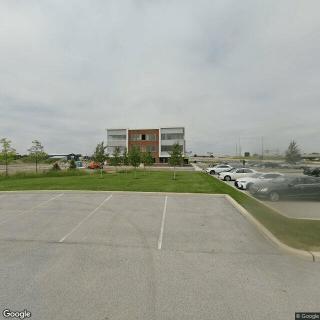
2646 Highway Ave # 125, Highland, IN 46322
To contact a resident: (219) 972-8172
For more information about senior living options: (866) 208-4318
Overall Review of Respite Care Svc
Pros
 Respite Care is a valuable asset to any family with a special needs member.
- They provide programming and community outings to enhance the lives of those they serve.
- Respite Care is there to help.
- Respite Care does what they can, even when funding or government issues complicate things.
- The care provided is excellent.
Cons
 She describes the care as the worst medical care she has ever received, noting the PA-C didn’t inspect the injured area and only watched her gait before sending her home with ibuprofen.
- She alleges Respite Care did not send her to a doctor and insisted she see a PA-C instead, despite worsening pain.
- She states staff made her wait for hours while they consulted the director, delaying necessary care.
- She accuses the PA-C of releasing her to full duty after a single visit, suggesting pain lasting more than a week must be pre-existing, which she believes was incorrect and harmful.
- She reports the insurance process was disrespectful and confusing, with insurers blaming a pre-existing condition and delaying treatment.
- She says there was no back pay for the time she was unable to work, due to being released by the PA-C, resulting in about a month of lost income.
Review
This community in Highland, IN is best suited for families seeking respite care that emphasizes structured programming and community engagement for a loved one with special needs, with the added value of regular outings and social opportunities. It works best for caregivers who need a reliable break and want their relative to participate in supervised activities rather than remain isolated. Those whose priority is consistently prompt, high-level medical oversight should consider alternatives. When medical urgency, rapid assessment, or seamless coordination with outside providers is non-negotiable, other options may serve better.
The strongest positives center on the programming and the spirit of the staff. The residence is described as a valuable asset for families, delivering community-based activities and outings that broaden day-to-day experiences and provide meaningful engagement. Some personnel express genuine pride in the care delivered, framing it as excellent within the constraints of funding and external bureaucracy. For families able to lean into the structured day program, these elements offer tangible quality-of-life benefits that counterbalance the routine caregiving burden.
Yet the most glaring weaknesses are medical and administrative in nature. In at least one account, the response to an injury was severely lacking: the on-site medical contact failed to evaluate or escalate care promptly, then shifted responsibility to a different clinician and delayed appropriate treatment. The pattern described, prolonged waits, mixed messages about restrictions, and reliance on outside insurers with tangled paperwork, produces real risk when a resident’s condition worsens or when pain and mobility must be managed quickly. That disconnect between how the program operates and how medical needs arise creates a fragile safety net.
When careful attention to medical issues is not immediate, the positives can feel hollow. The program’s enrichment benefits do not fully offset the implications of delayed medical intervention, misaligned restrictions, or inconsistent access to appropriate care. Families must weigh the comfort of daily programming and supportive staff against the possibility of urgent situations that require faster, clearer escalation and committed coordination with clinicians, urgent care, and insurance entities. In practice, the care narrative is a mix of capable daily support and vulnerable moments where systems falter under pressure.
This facility will appeal to families prioritizing engagement and routine for a non-acute, mildly to moderately dependent resident who thrives on planned activities and companionship. It would be prudent for those considering it to assess the facility’s ability to handle medical events in a timely fashion, verify the existence of on-site medical oversight, and ask pointed questions about how restrictions and care plans are implemented when outside appointments are needed. The insurance and billing side also deserves scrutiny, given reports of delayed forms and revenue interruptions that can compound stress for caregivers and residents alike.
In sum, this respite program offers meaningful enrichment and dependable daytime structure, but its value hinges on reliable medical responsiveness and administrative clarity. For families whose priority is sustained social programming and regular engagement, the positives can decisively outweigh the drawbacks, provided medical concerns are manageable within the existing framework and insurers cooperate without debilitating delays. For those whose loved one carries high medical fragility, frequent falls, or a need for 24/7 oversight, alternatives with stronger medical integration and more fail-safe escalation protocols are advisable. A thorough in-person tour focused on medical staffing, incident protocols, and documented care plans will separate the practical positives from the systemic risks.
 Chicago Midway (22 miles away)






 Encouraging Participation in Adult Day Care: A Guide to Supporting a Hesitant Parent
 Comprehensive Exploration of Living Wills and Other Advance Directives
 A Detailed Exploration of Living Wills and Advance Directives