
None, Hammond, IN 46320
For more information about senior living options: (866) 208-4318
Comfort Keepers of Hammond Costs & Pricing
At Comfort Keepers of Hammond, the cost for a private room is set at $4,410 per month. This figure positions them slightly above the average for Lake County, where similar accommodations typically cost around $4,029. Interestingly, this rate is also competitive when compared to the statewide average in Indiana, which stands at approximately $4,418. Overall, while Comfort Keepers' pricing reflects their commitment to providing high-quality care and personalized services, it remains within a reasonable range when viewed against local and state benchmarks.
| Floor plans | Comfort Keepers of Hammond | Lake County | Indiana |
|---|---|---|---|
| Private | $4,410 | $4,029 | $4,418 |
Senior living communities with a similar price nearby
-
from -$410 / mo
Colfax Manor Assisted Living
$4,000 to $6,000 / month9.3 miles away -
from +$390 / mo

Two Hearts Homes for Seniors
$4,800 / month23.5 miles away -
from -$660 / mo
Marley Oaks
$3,750 / month21.6 miles away -
About the same

The Clare
$4,300 / month20.3 miles away -
from -$460 / mo

Brookdale Oak Park
$3,950 to $7,220 / month24.1 miles away
Overall Review of Comfort Keepers of Hammond
Pros
 The company is amazing and easy to work with.
- The staff are friendly and a breath of fresh air for the grandparents.
- They are thorough and caring in their care of patients.
- The team is highly trained and reliable.
- Brianna deserves a raise for her outstanding care.
- Diana listens to needs and offers advice and comfort.
- They are a life saver for families caring for elderly loved ones.
- They do a lot of community services with Meals on Wheels and the Alzheimer's Association.
Cons
 People should stay away from this place.
- The company is rude to people on the sidewalk and could mistreat elderly loved ones.
- The owner is rude.
- The business is bad.
Review
Comfort Keepers of Hammond is best suited for families seeking in-home elder care driven by deep compassion and sustained caregiver relationships. This provider excels when the priority is daily companionship, respectful personal care, and flexible scheduling that can accommodate last‑minute needs. When a loved one benefits from caregivers who treat routine tasks with patience, who can step in on short notice, and who make the home feel like a trusted extension of family, Comfort Keepers can deliver meaningful, ongoing support. The strongest real-world win comes from caregivers who connect with the client’s rhythms, making difficult days more manageable through consistent, attentive presence.
Those who may want to consider alternatives are families who prize seamless administrative professionalism and a consistently polished first impression from the office. Across reviews, there are clear red flags about management style and interpersonal tone from leaders and front‑line staff. Allegations about rude behavior toward outsiders and an impression of “bad business” create a liability for families seeking a tightly run operation with predictable accountability. For these families, a different agency with a demonstrably steady office culture and a track record of transparent communication may be a better fit.
The primary strengths, genuine compassion, reliability, and responsive scheduling, often offset the darker notes about management. Caregivers described as thoroughly trained and capable form the backbone of the service, and their willingness to go the extra mile is repeatedly highlighted. Instances where staff stayed overnight or rearranged plans to support a grieving family demonstrate a depth of commitment that is rare in at-home care. When a specific caregiver becomes a trusted presence, someone like Brianna or Diana, who earns the client’s cooperation and trust, the overall experience becomes highly positive, offering real peace of mind to families navigating complex care needs.
Further, the cadence of praise for Comfort Keepers is not limited to ordinary caregiving. Positive reports emphasize not only hands-on care but also the practical, value-added aspects: adaptability to custom routines, attentiveness to emotional well-being, and a willingness to coordinate with hospice, family members, and community resources. Caregivers are credited with being dependable, punctual, and sincerely engaged with the elder’s quality of life. The company’s demonstrated involvement in broader community initiatives, Meals on Wheels and Alzheimer’s support networks, also signals a depth of commitment that goes beyond individual in-home visits, suggesting a philosophy of holistic care that resonates with families facing long-term or episodic caregiving challenges.
Nevertheless, the mixed communication experiences cannot be ignored. The negative impressions, rude interactions, perceived harshness, and the sense that some staff encounters reflect poorly on the organization’s leadership, serve as a clear caveat. The 3.4 rating from ten reviews, with multiple one-star accounts, signals real risk that a family could encounter inconsistent experiences depending on who is assigned to the case and who is at the helm on any given day. For risk-averse families or those starting with a fragile trust bond, this inconsistency can undermine the comfort that the caregiving relationship aims to build. A careful, proactive onboarding process is essential to mitigate these concerns.
When deciding, prospective clients should pursue concrete, up-front steps. Arrange a face-to-face meeting with the caregiving team and request a current list of assigned caregivers to gauge continuity. Seek references specifically from clients with hospice or end‑of‑life care needs to confirm how End-of-Life support is handled across shifts. Clarify the office’s communication cadence: expected response times, how scheduling changes are managed, and who is the point person for family questions. If possible, negotiate a trial period and insist on a stable caregiver pair to establish reliable trust before expanding the assigned team. This approach helps maximize the genuine strengths of Comfort Keepers, empathetic, capable caregivers, while limiting exposure to the organizational friction that has colored some experiences.
 Chicago Midway (17 miles away)






 Engaging Brain Games and Innovative Apps to Keep Senior Minds Active
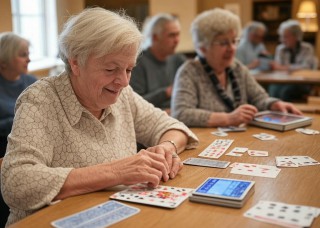 Effective Strategies for Keeping Seniors' Minds Active: A Deep Dive into Brain Games and Apps
 In-Depth Look at the VA Aid and Attendance Program