Springhurst Health Campus offers competitive pricing for its accommodations compared to both Shelby County and the broader state of Indiana. The monthly cost for a studio room at Springhurst is $1,950, significantly more affordable than the average of $2,790 in Shelby County and $3,258 statewide. Similarly, residents opting for a semi-private room at Springhurst will pay $2,760, which is substantially lower than the county's average of $3,791 and also compares favorably against Indiana's average of $3,739. This pricing structure not only reflects Springhurst's commitment to providing quality care but also emphasizes its dedication to accessibility within the community.
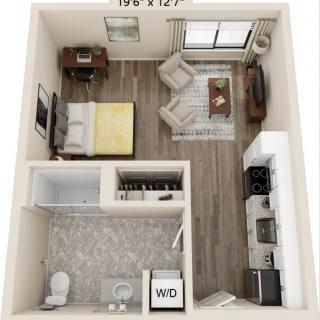
Floor plans
Springhurst Health Campus
Shelby County
Indiana
Studio
$1,950
$2,790
$3,258
Semi-Private
$2,760
$3,791
$3,739
Assisted Living communities with a similar price nearby
Residents consistently describe meals as enjoyable and well-prepared.
Multiple residents and families mention the food as a highlight, with comments about tasty meals and having meal choices. A few also specifically note that the dining experience feels solid day-to-day, including dinner looking good or meals being served reliably. The kitchen and meal preparation come up alongside other aspects of care, suggesting dining is part of the day most people interact with.
common24 reviews mention this
Caring staff and rehab support
Many reviews credit nurses, aides, and rehab staff for attentive care.
Across many reviews, residents and family members describe nurses, aides, and therapy teams as kind and responsive to needs. Several mention being kept informed and feeling supported during rehab, including help coordinating transitions and managing day-to-day concerns. Even when reviews note a specific problem, many still describe strong care from at least some staff members and point to overall support from the team.
common6 reviews mention this
Activities keep residents engaged
Reviews describe regular activities and events that residents can join.
Families and residents mention that people are encouraged to get out and participate, not just stay in rooms. Reviews call out scheduled activities and outings, and at least one review highlights a campus event that involved residents, staff, and families. One reviewer also mentions being invited to events the resident could enjoy, reinforcing that activity planning isn’t only for residents.
common8 reviews mention this
Clean, well-kept spaces
Several reviewers say the facility is clean and maintained.
Multiple reviews describe the campus as clean and well cared for, including observations about the overall cleanliness of the facility. Rooms are also commonly described as nice or spacious, with some mentioning private bathrooms. A few reviews tie cleanliness and maintenance to the overall sense of comfort, including comments about good-smelling spaces or well-kept areas.
caveat5 reviews mention this
Staffing and communication problems
Some reviews raise concerns about staffing consistency and communication.
A smaller set of reviews highlight serious concerns, including missed care, medication problems, and neglect such as not being checked on promptly or issues with meal timing. Others describe trouble around communication, with one reviewer specifically calling out that communication was not strong even while describing the stay as otherwise decent. One review also notes that improvement is needed on the nursing home side, pointing to inconsistency depending on where care is delivered.
How we summarize
Counts show how many written reviews mention each theme; a review can touch several themes, and only frequently mentioned themes are displayed.
Features
Housing
135 resident community capacity
2-bedroom apartments
Studio apartments
Types of Care
Assisted Living
Day Program
Independent Living
Memory Care
Skilled Nursing Facility
Amenities
Activities off-site
Activities on-site
Air-conditioning
Beautician on-site
Beauty salon
Cable or satellite TV
Computer center
Devotional services off-site
Devotional services on-site
Dining room
Fitness room
Full kitchen
Fully furnished
Gaming room
Garden
Ground floor units
Handicap accessible
Housekeeping services
Indoor common areas
Kitchenette
Move-in coordination
Outdoor common areas
Outdoor patio
Outdoor space
Private bathrooms
Respite or short term stays offered
Restaurant-style dining
Small library
Telephone
Wellness center
Wheelchair accessible showers
Wi-Fi/high-speed internet available
Transportation
Community operated transportation
Transportation arrangement
Transportation arrangement (non-medical)
Care Services
12-16 hour nursing
24-hour call system
24-hour supervision
Activities of daily living assistance
Ambulatory care
Assistance with bathing
Assistance with dressing
Assistance with transfers
Coordination with health care providers
Diabetes diet
Diabetic care
Incontinence care
Meal preparation and service
Medication management
Mental wellness program
Mild cognitive impairment
Special dietary restrictions
Specialized memory care programming
Transportation arrangement (medical)
Transportation to doctors appointments
Dining
Anytime dining
Diabetes diet
Gluten-free
Guest meals
International cuisine
Low / no sodium
Meals provided
No Sugar
Organic
Professional chef
Restaurant style dining
Room service
Special dietary restrictions
Special dining programs
Vegetarian
Activities
Art classes
Community-sponsored activities
Concierge services
Cooking classes
Day trips and outings
Devotional activities offsite
Devotional activities on-site
Educational speakers / life long learning
Fitness programs
Happy hour
Karaoke
Live dance or theater performances
Live musical performances
Live well programs
Planned day trips
Resident-run activities
Scheduled daily activities
Wine tasting
Nearby Places of Interest
This part of Greenfield, Indiana offers a variety of amenities within close proximity, making it a convenient and accessible location for senior living. With numerous restaurants, cafes, and pharmacies nearby, residents will have easy access to dining options and healthcare services. Additionally, there are several physicians' offices and hospitals in the area, ensuring that medical needs can be met quickly and efficiently. For those looking to enjoy the outdoors, there are several parks within driving distance where seniors can take leisurely walks or enjoy nature. Places of worship are also readily available for those seeking spiritual fulfillment. Overall, this neighborhood provides a blend of convenience, healthcare services, recreational opportunities, and community support for older adults considering settling in Greenfield.
Restaurants
Hardee's (1 miles)
The Depot (1.8 miles)
Lincoln Square Pancake House (1.8 miles)
Jack's Donuts (1.9 miles)
McDonald's (1.9 miles)
Tour of Italy Cafe (1.9 miles)
Carol's Corner Stone Cafe (2 miles)
Physicians
Hancock Physicians Network (1.8 miles)
My Greenfield Dentist (1.8 miles)
Fresenius Medical Care Indiana (1.9 miles)
Hancock Health Gateway Services- Imaging (1.9 miles)
Rehabilitation Associates of Indiana (1.9 miles)
Anderson Family Practice (1.9 miles)
Hancock Pediatrics (2 miles)
Hospitals
AMG Specialty Hospital Central Indiana-Hancock (1.8 miles)
Springhurst Health Campus offers competitive pricing for its accommodations compared to both Shelby County and the broader state of Indiana. The monthly cost for a studio room at Springhurst is $1,950, significantly more affordable than the average of $2,790 in Shelby County and $3,258 statewide. Similarly, residents opting for a semi-private room at Springhurst will pay $2,760, which is substantially lower than the county's average of $3,791 and also compares favorably against Indiana's average of $3,739. This pricing structure not only reflects Springhurst's commitment to providing quality care but also emphasizes its dedication to accessibility within the community.
Springhurst Health Campus offers a comprehensive array of features that are vital in supporting residents with dementia or Alzheimer's disease. Continuous 24-hour supervision ensures safety and immediate assistance when needed, fostering a secure environment for individuals experiencing memory challenges. Activities of daily living assistance helps maintain autonomy while promoting dignity, as staff provide tailored support with bathing, dressing, transfers, and incontinence care. Coordination with healthcare providers guarantees that medical needs are met effectively, while meal preparation and service cater to specific dietary requirements, enhancing overall health. Medication management is crucial for maintaining proper treatment regimens. Furthermore, the mental wellness program and specialized memory care programming engage residents cognitively and emotionally, addressing their unique needs effectively. Transportation arrangements for medical appointments facilitate access to necessary healthcare services without added stress, making Springhurst Health Campus an ideal setting for those navigating the complexities of memory loss.
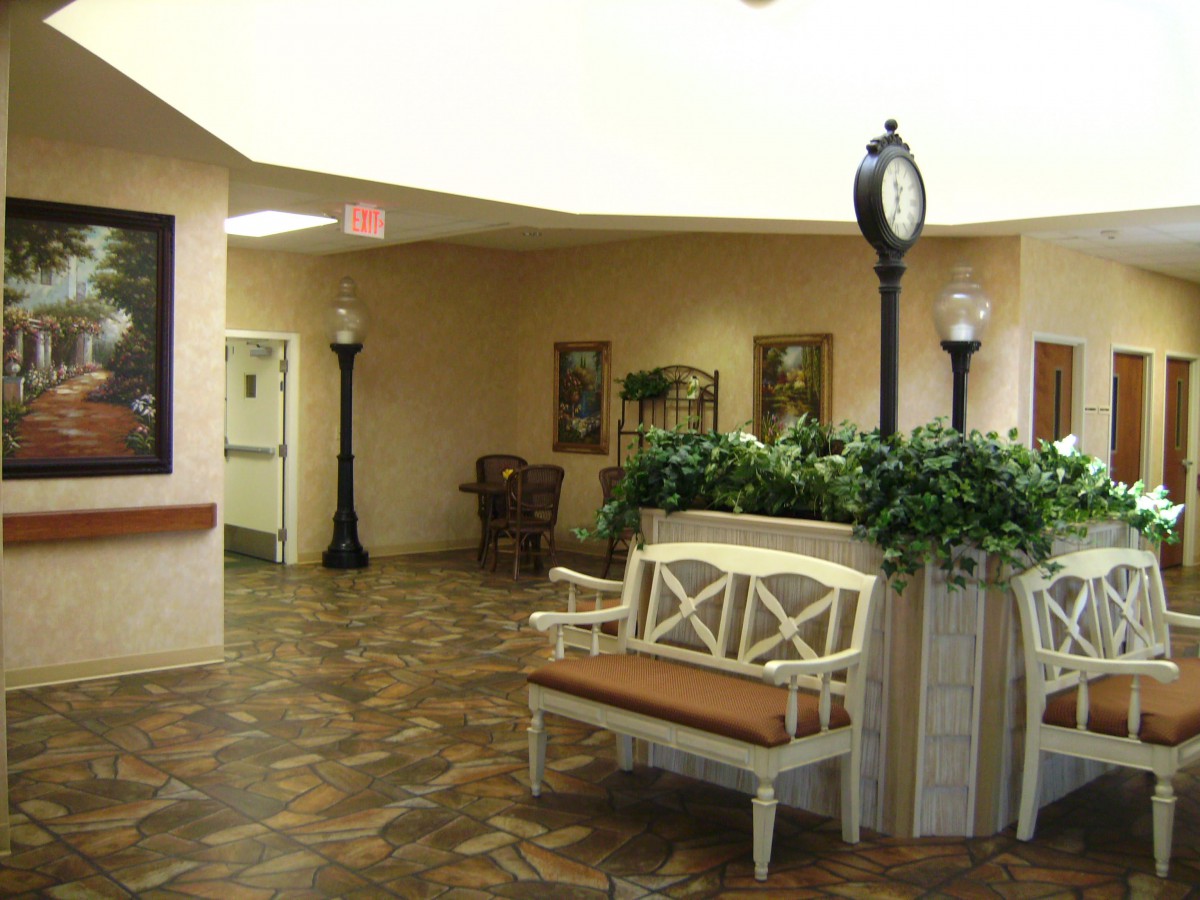
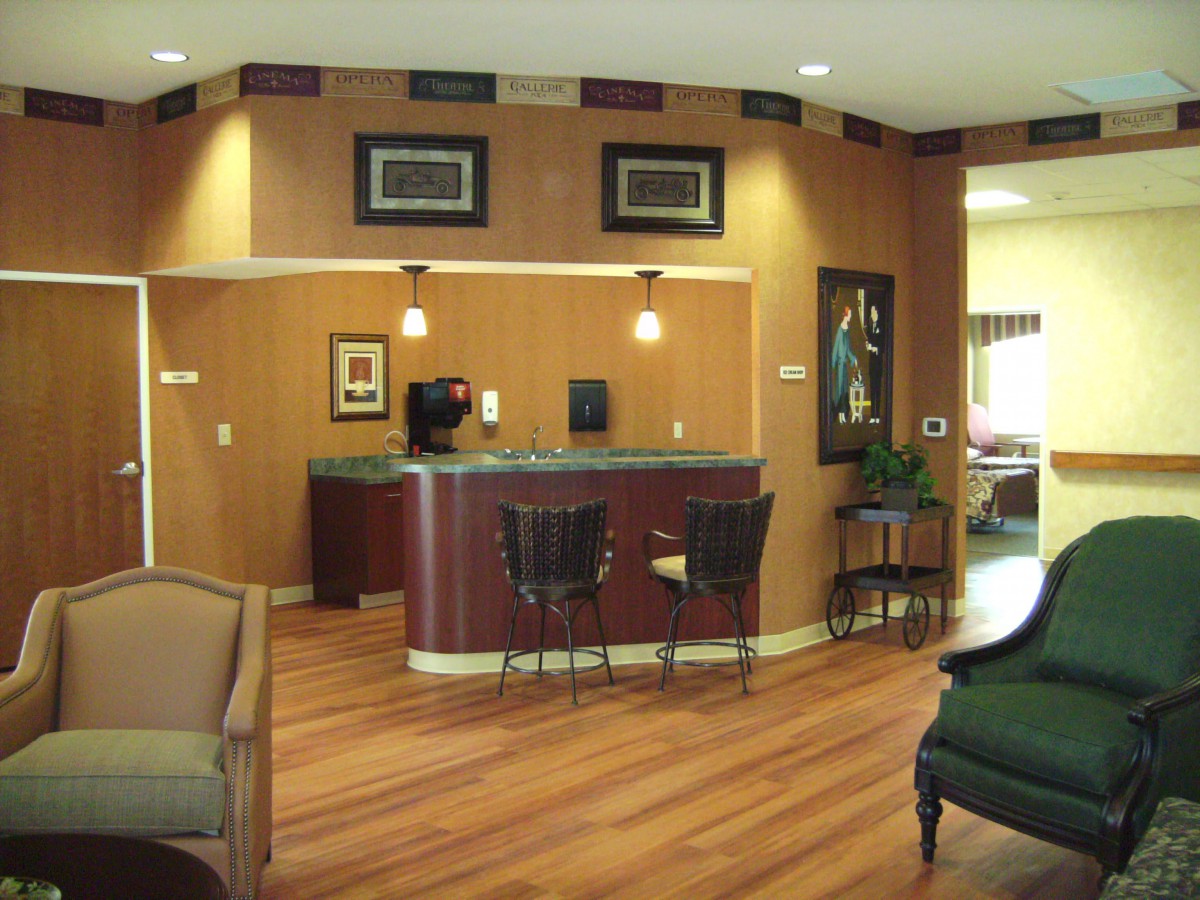
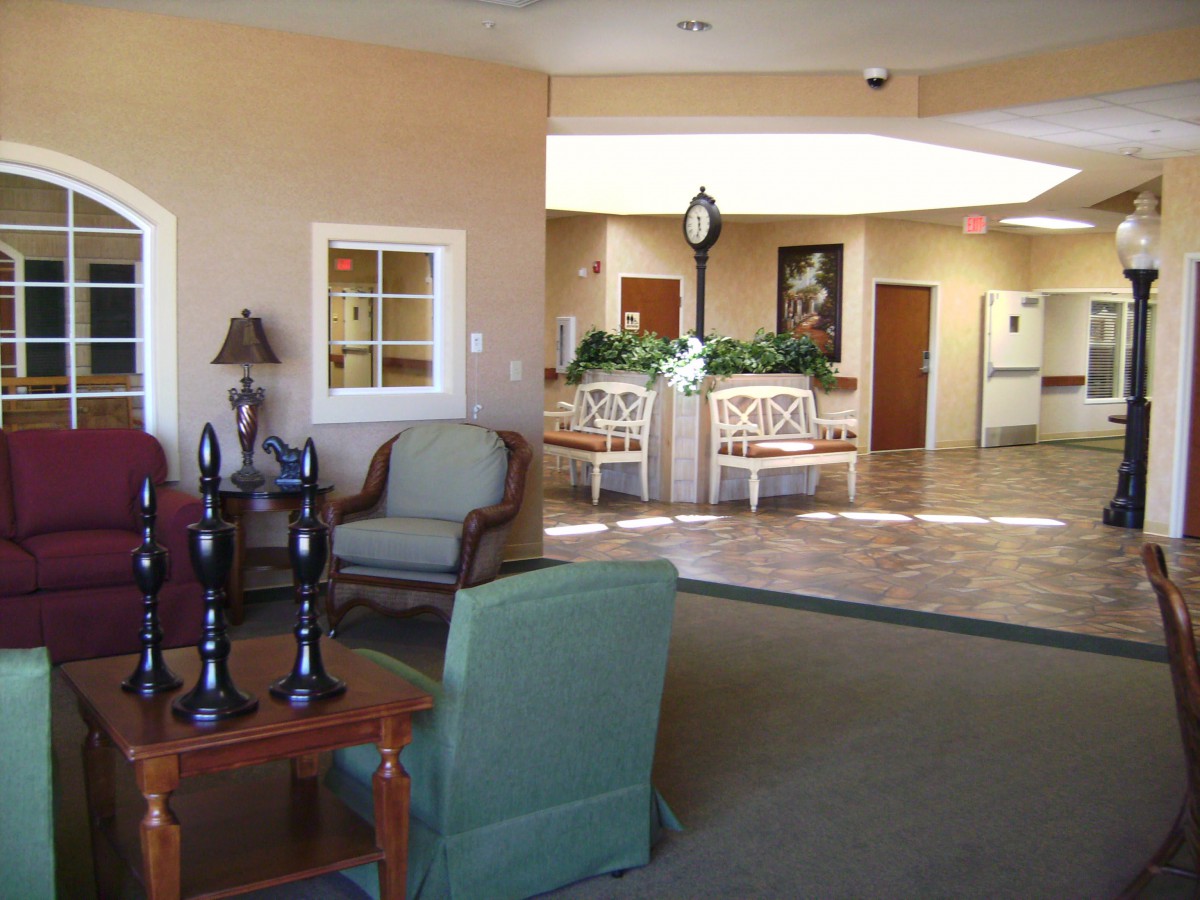
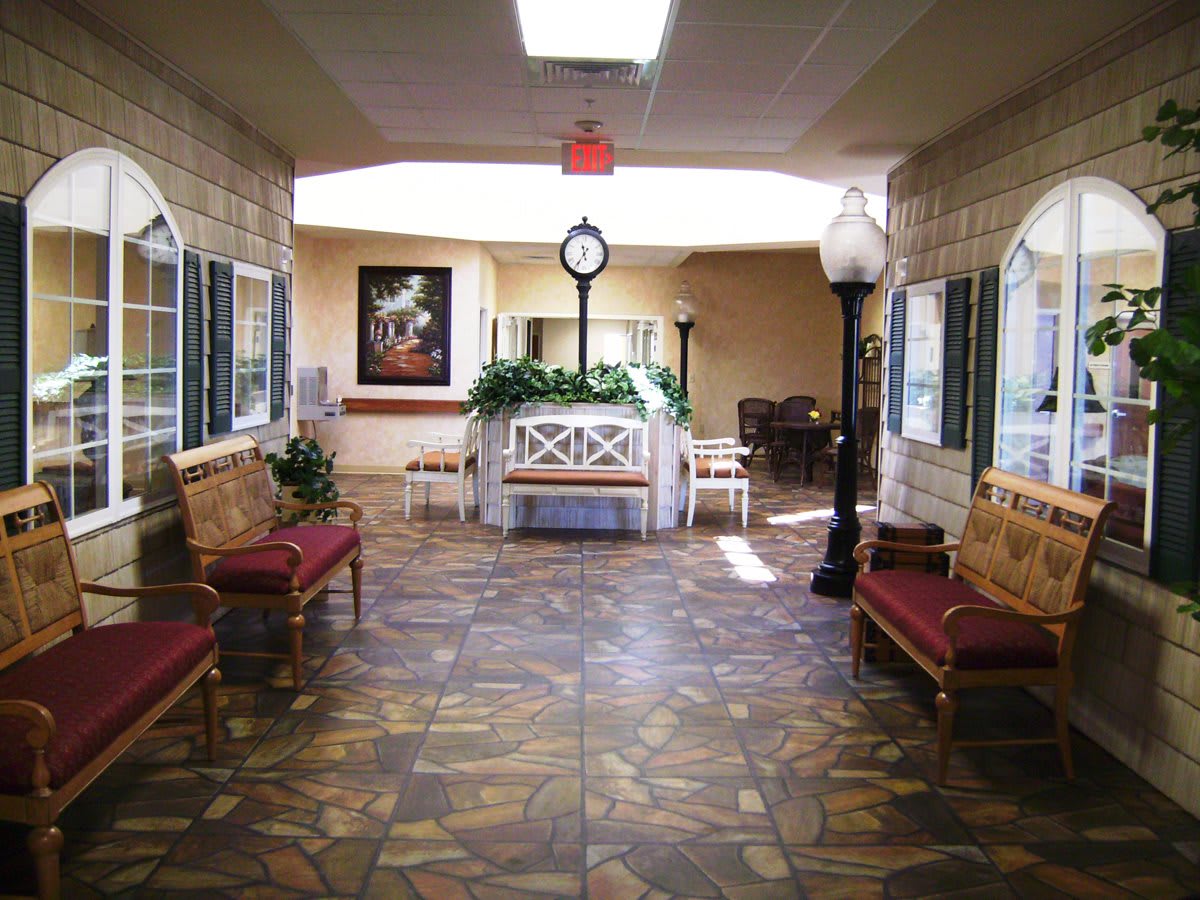
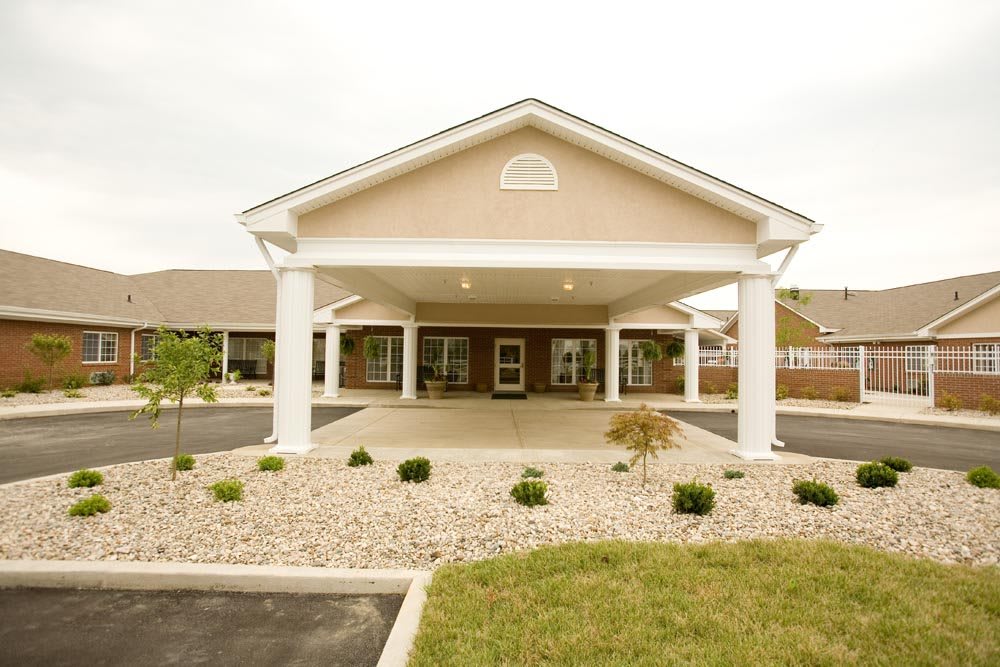
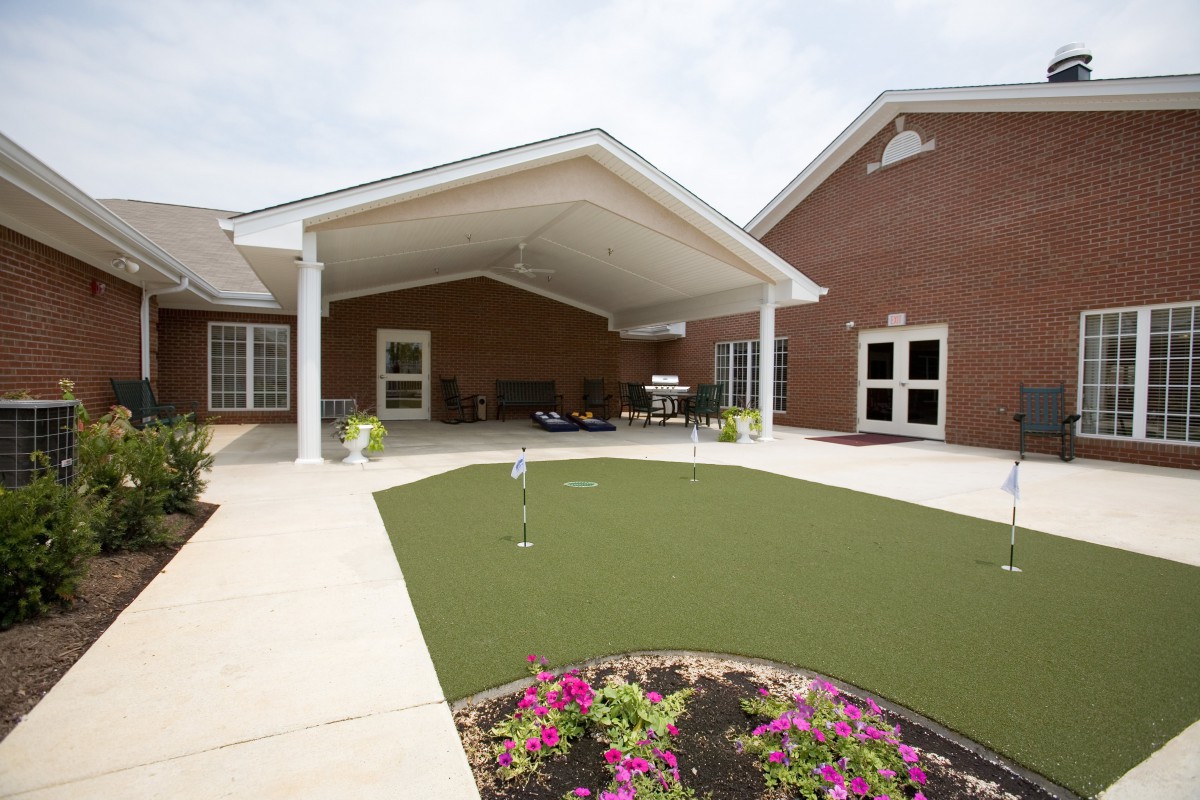
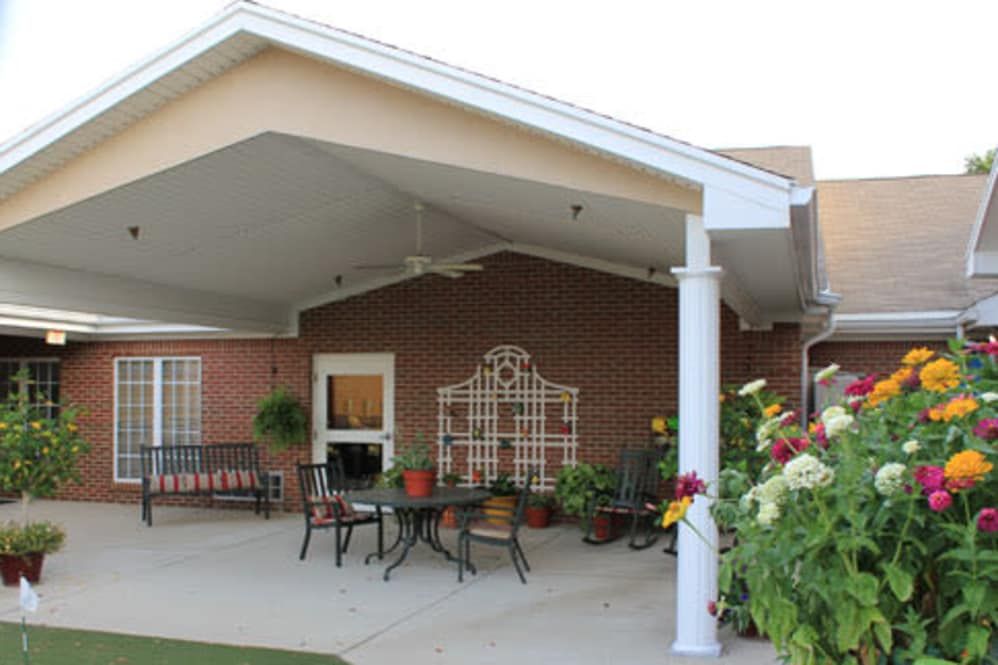
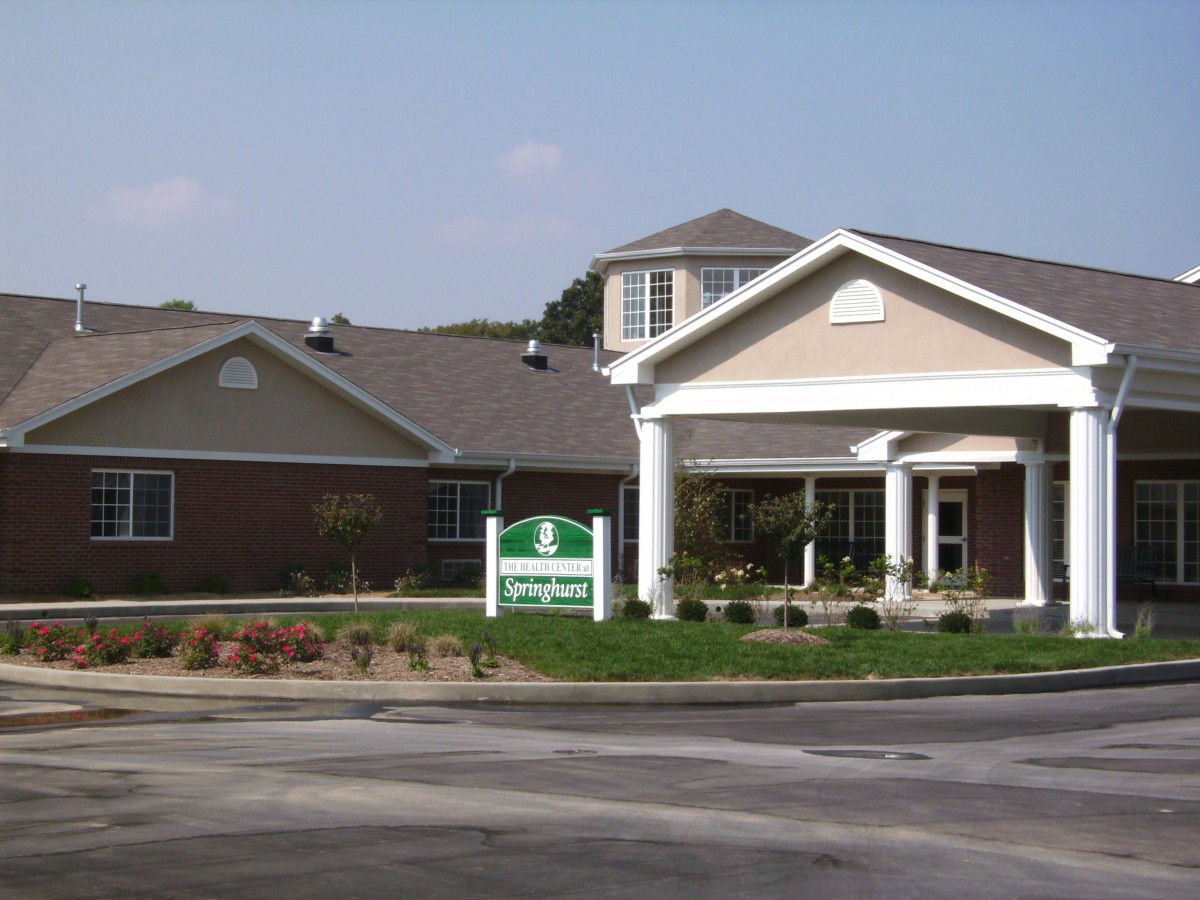
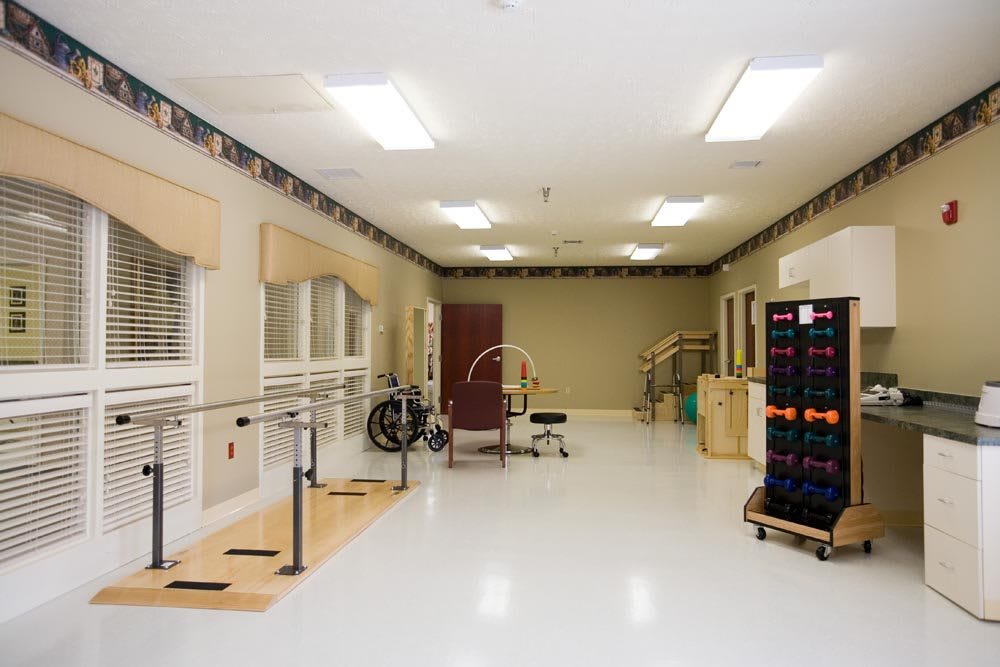
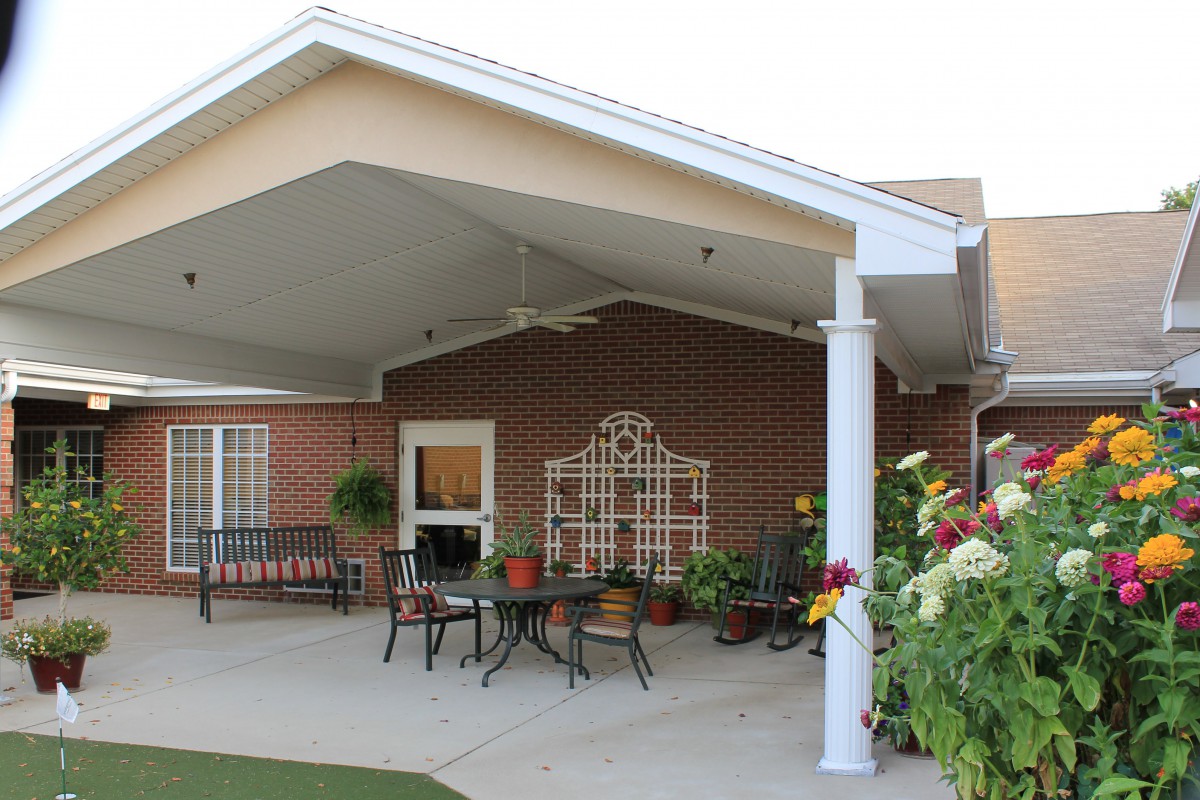
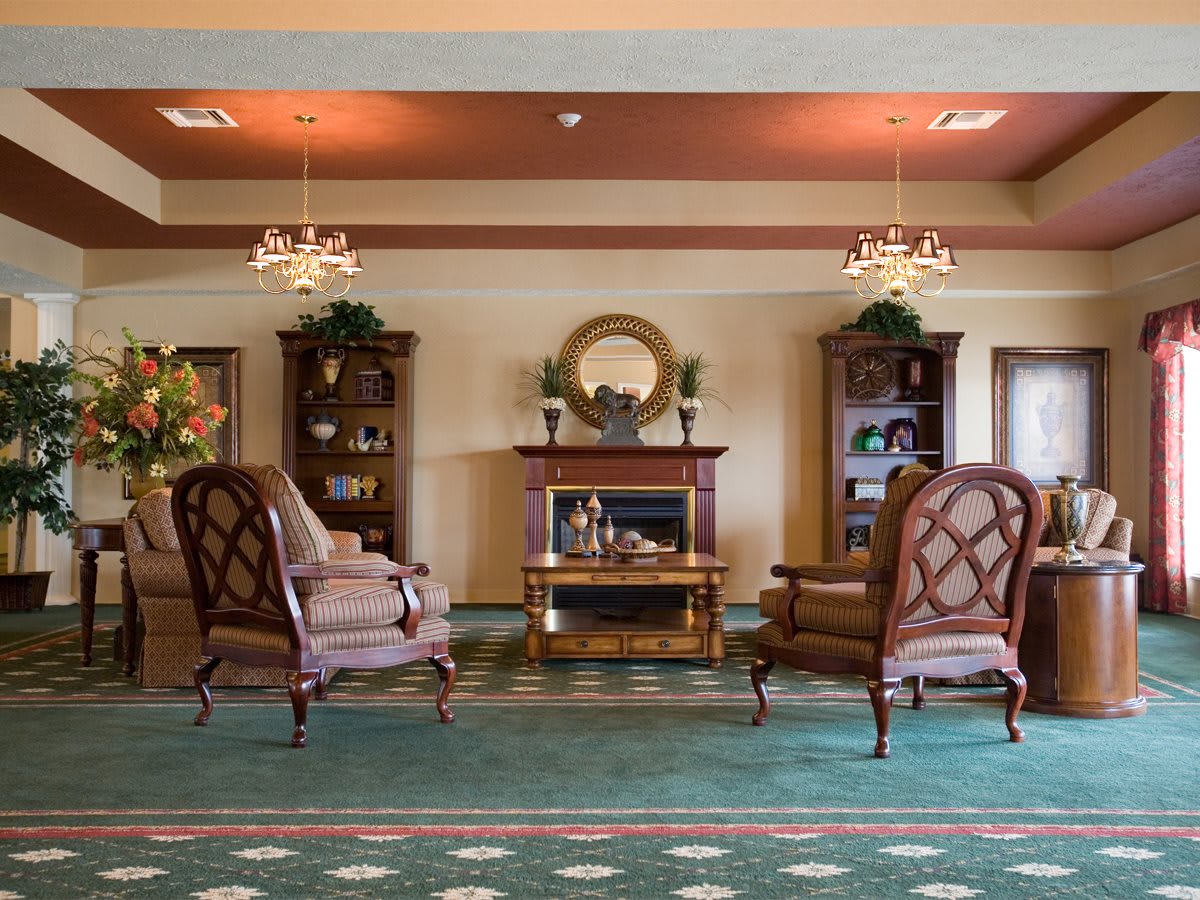
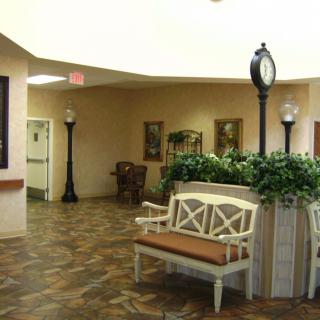
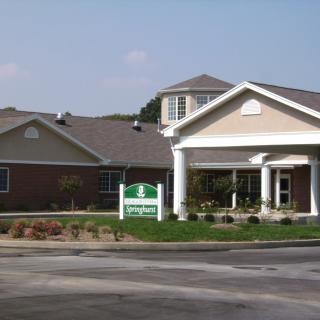
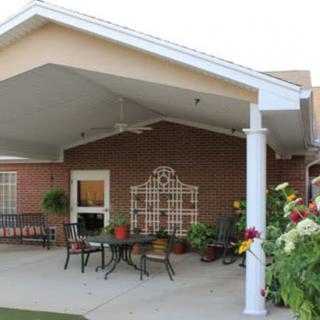
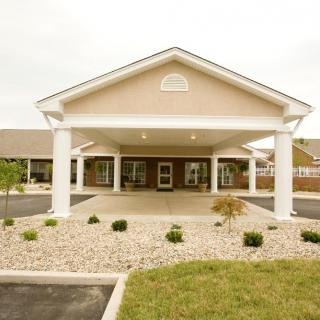
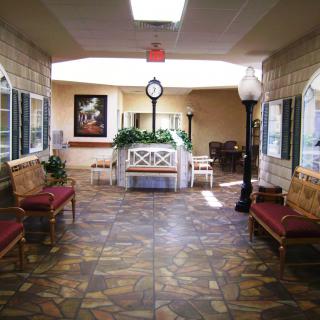
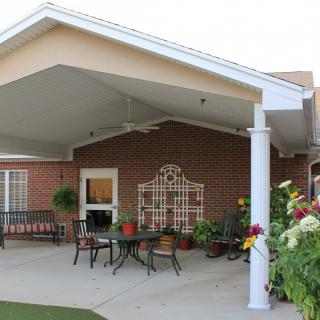
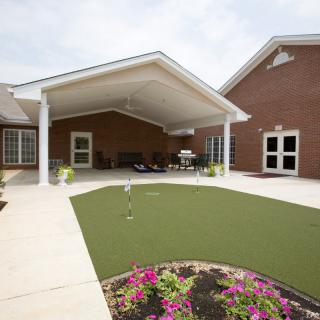
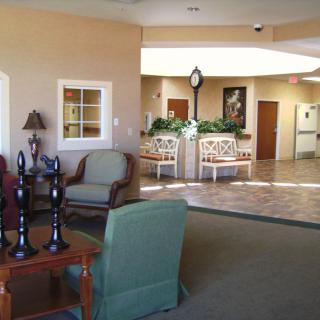
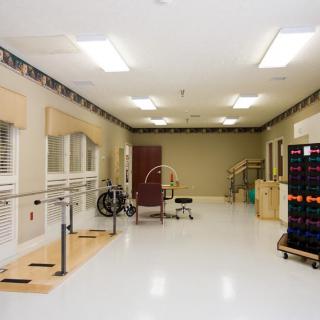
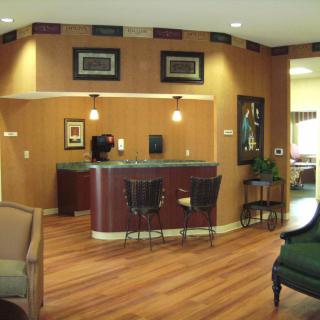
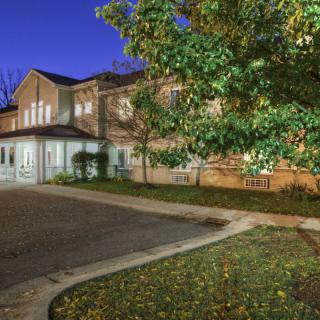
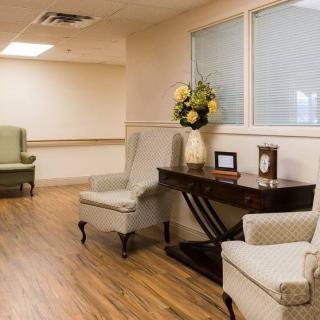
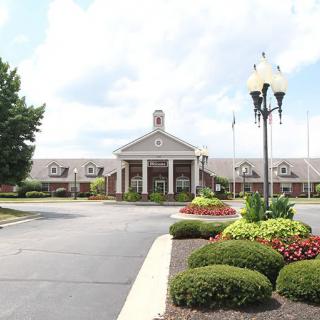
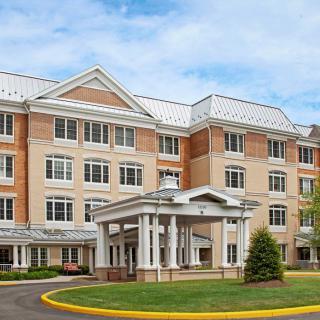
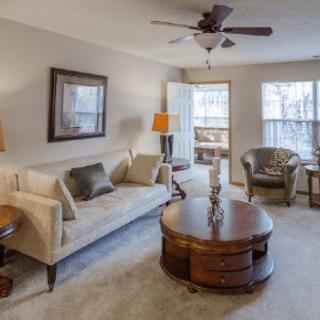
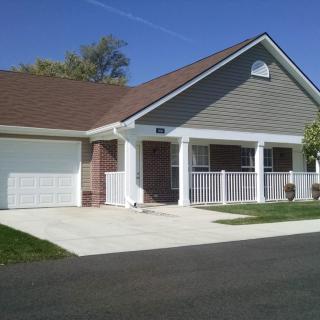
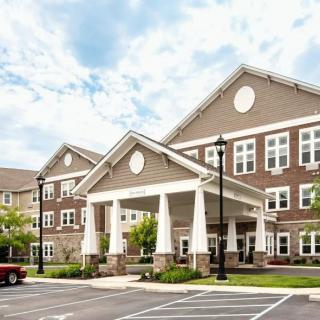
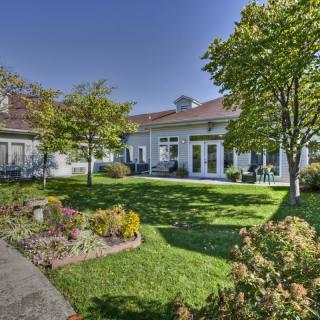
Springhurst Health Campus on seniors.fyi includes 11 photos including images showing interior, decor, architecture, building, patio, landscaping, lobby, entrance, and more.
Nearby Communities
Stonehurst Pointe Apartments
Greenfield, IN
5 from 4 reviews
Excellent accessibility to healthcare and nearby amenities.
Good Shepherd & Peace Manor
Greenfield, IN
4.8 from 6 reviews
Peaceful, welcoming environment with specialized diabetic care and social/spiritual activities.
Greenfield Healthcare Center
Greenfield, IN
3.4 from 65 reviews
Caring staff with strong rehabilitation/therapy services.
Senior Helpers - Greenfield, IN
Greenfield, IN
4.7 from 23 reviews
Central location with easy access to cafes, parks, pharmacies, physicians, restaurants, and hospitals.
Home Instead Senior Care
Greenfield, IN
4.7 from 12 reviews
Convenient access to amenities and healthcare nearby.
Randall Residence at Gateway Park
Greenfield, IN
4 from 25 reviews
Strong memory care program and engaging amenities.
Reflections at Bluestone
Greenfield, IN
4.1 from 37 reviews
$789 to $1,089 / month
Clean, well-maintained environment with friendly staff and a welcoming community.
Woodland Terrace of New Palestine
New Palestine, IN
4.4 from 49 reviews
Pleasant environment with caring staff and engaging activities.
Bloom at German Church
Indianapolis, IN
4.5 from 59 reviews
$1,950 to $3,600 / month
Friendly, attentive staff; strong sense of community; clean, safe environment with on-site activities.
Memory care activities are essential for improving the quality of life of seniors with cognitive impairments, as they stimulate cognitive function, promote well-being, and encourage social interaction through tailored strategies. These activities combine structured exercises with spontaneous tasks, sensory engagement, physical workouts, creative pursuits, and intergenerational interactions to enhance emotional connection and a sense of purpose.
Transitioning from assisted living to memory care is driven by an individual's cognitive decline and specific needs, requiring careful evaluation of indicators like increased confusion and wandering. The process involves consulting medical professionals, researching suitable communities, considering financial and legal aspects, and ensuring effective communication for personalized care plans.
The article differentiates between assisted living and memory care, explaining that assisted living supports seniors with daily activities while promoting independence, whereas memory care provides specialized services for individuals with dementia, focusing on secure environments and cognitive support. It also addresses staff training, safety considerations, costs, family involvement, and transition strategies for families navigating these care options.
Get PricingAsk A QuestionSchedule A TourContact Senior Advisor
By clicking submit, you agree to our Partner's Terms of Use. You
also consent to receive calls and texts, which may be autodialed, from our Partner. Your consent is not a condition to
using our Partner's service. Please visit our Partner's Privacy Policy for information about their privacy practices.

 135 resident community capacity
 2-bedroom apartments
 Assisted Living
 Day Program
 Independent Living
 Memory Care
 Skilled Nursing Facility
 Air-conditioning
 Beautician on-site
 Cable or satellite TV
 Computer center
 Devotional services off-site
 Dining room
 Fitness room
 Full kitchen
 Fully furnished
 Gaming room
 Garden
 Ground floor units
 Handicap accessible
 Housekeeping services
 Indoor common areas
 Move-in coordination
 Outdoor common areas
 Outdoor patio
 Private bathrooms
 Respite or short term stays offered
 Restaurant-style dining
 Small library
 Telephone
 Wellness center
 Wheelchair accessible showers
 Wi-Fi/high-speed internet available
 Community operated transportation
 12-16 hour nursing
 24-hour call system
 Ambulatory care
 Assistance with bathing
 Assistance with dressing
 Assistance with transfers
 Diabetes diet
 Diabetic care
 Incontinence care
 Medication management
 Mental wellness program
 Special dietary restrictions
 Transportation arrangement (medical)
 Art classes
 Concierge services
 Cooking classes
 Day trips and outings
 Educational speakers / life long learning
 Happy hour
 Karaoke
 Live dance or theater performances
 Live musical performances
 Wine tasting
 Excellent accessibility to healthcare and nearby amenities.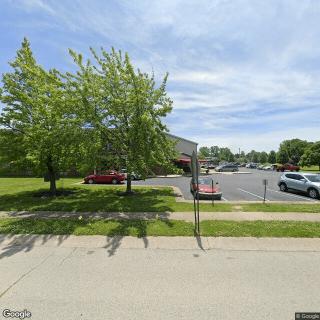
 Engaging Memory Care Activities That Enhance Quality of Life
 When to Transition from Assisted Living to Memory Care: Key Indicators, Steps, and Finding the Right Community
 Understanding the Distinctions: Assisted Living and Memory Care Explained