
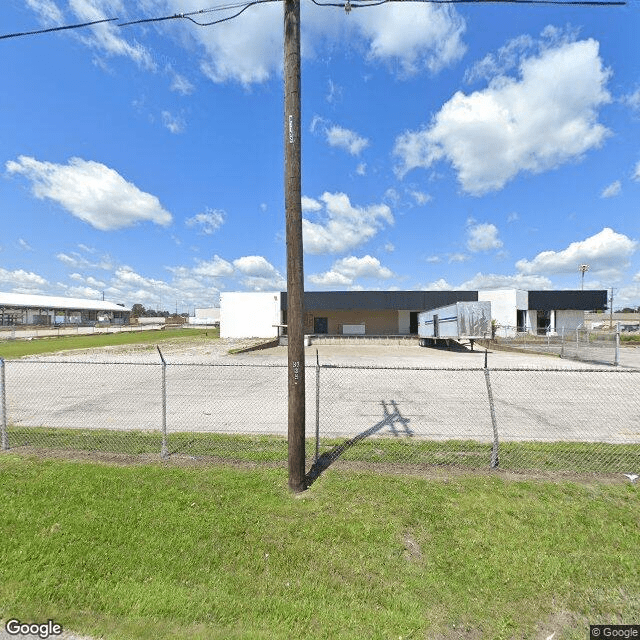
1720 N Kentucky Ave, Evansville, IN 47711
To contact a resident: (812) 433-3535
For more information about senior living options: (866) 208-4318
Overall Review of Res-Care Group Home
Pros
 The service is described as a much-needed service.
- They loved their clients at ResCare.
- The clients deserve more, as do the employees.
Cons
 They will not answer the phone.
- They allow drug-involved individuals to live in group homes with disabled clients, and staff are accused of taking sides because of benefits.
- A staff member hit a resident.
- It is a bad place to live.
- The company does not pay enough for what staff go through and does not care about keeping staff or clients happy.
- ResCare is overworked and underpaid; both clients and employees deserve more.
- Their workers are disrespectful of apartment complex rules, play loud music at all hours, bring friends and family to work, and neglect residents.
Review
Res-Care Group Home in Evansville is best suited for adults with disabilities who need a structured, supervised group-living environment and for families operating on a tight budget who can tolerate uneven performance and occasional red flags in day-to-day operations. The service fills a practical niche when independent living isn’t feasible and there isn’t an option for constant family oversight. Residents may benefit from routine, access to staff support, and the sense of community a small group home can provide. The critical caveat is that reliability and safety depend on staffing realities, which appear inconsistent across shifts and days.
Those who should seriously consider alternatives are families prioritizing dependable communication and strong, risk-managed care. Multiple accounts describe difficulty reaching the home from out of state, and concerns about how staff handle conflicts or safety incidents. Allegations raise red flags about possible abuse or safety gaps, including reports of violence by staff and the presence of individuals with drug involvement around residents. For residents with higher safety needs or families seeking transparent oversight, other providers with documented incident resolution, clear escalation paths, and robust supervision should be on the shortlist.
The practical pros of this home, its role as a necessary service and the potential for compassionate care from some staff, don’t consistently offset the major drawbacks. While there are mentions of staff who connected well with clients, the overall picture shows under-resourcing and reward gaps that compromise care quality. Pay pressures, high workload, and apparent turnover contribute to inconsistent staffing and interrupted routines. When trust and continuity of care are at stake, the favorable elements of a well-meaning mission become secondary to safety concerns and uneven day-to-day operations.
Communication gaps compound the risk. Families relying on updates and rapid responses from a distant location cannot be confident when phone lines go unanswered. Without reliable, documented communication and straightforward access to progress notes or incident reports, families lose a critical feedback loop needed for care planning. This deficiency undermines confidence even when staff genuinely want to help. Until proactive communication becomes routine, daily updates, documented concerns, and clear contact protocols, the facility’s value remains limited for most prospective residents.
Staffing culture emerges as a central driver of risk. Several reviews point to low pay and heavy demands, which fuel burnout and turnover and erode consistency of care. The implication is that new staff cycles interrupt relationships with residents and disrupt routines that are essential to stability. Allegations of past mistreatment and general dissatisfaction with how staff are treated hint at a broader organizational issue: when the workforce feels overworked and undervalued, quality care frays at the edges. For families, this translates into higher uncertainty about who will be present during critical moments and how well residents will be supported over time.
When deciding, approach with a clear framework. Verify licensure status, request recent incident summaries, and ask for per-shift staffing ratios to gauge coverage. Demand a candid tour with current residents and front-line staff, and insist on a written safeguarding policy with explicit escalation steps for conflicts or safety concerns. If rapid, reliable communication is non-negotiable, deprioritize this community in favor of facilities with proven governance and stronger staffing commitments. If a tentative fit persists, negotiate a trial period with measurable milestones tied to safety, communication, and continuity of care to determine whether the pros can truly outweigh the cons.
 Board and Care Home
 Evansville Regional (3 miles away)







 Weight Training for Seniors: Building Strength and Vitality
 Understanding the Sandwich Generation: Stress and Responsibilities for Multigenerational Caregivers
 8 Essential Assistive Devices for Older Adults