For more information about senior living options: (866) 208-4318
3.5 from 75 reviews
5 stars
38
4 stars
8
3 stars
4
2 stars
3
1 stars
22
Overall Review of Columbia Healthcare Center
common22 reviews mention this
Staff care is a clear theme
Residents and families often describe staff as caring, responsive, and professional.
Many reviewers describe nursing aides, nurses, and other staff as kind, caring, and willing to help with day-to-day needs. Several highlight communication, including efforts to check in regularly and make residents feel less isolated. Some also call out specific staff members for professionalism and supportive care.
caveat12 reviews mention this
Neglect and staffing response concerns
A recurring set of reviews raises serious concerns about neglect and care responsiveness.
A substantial group of reviews alleges missed care needs, including residents not being checked on and delayed responses to call lights. Multiple reviewers describe staff sleeping on shifts and provide examples tied to neglect. The negative comments also mention rude interactions and a lack of support from management in follow-through.
common5 reviews mention this
Therapy support for rehab and mobility
Therapy is frequently credited with helping residents progress.
Several reviewers mention physical and occupational therapy, describing knowledgeable therapists and improvements in mobility after periods of rehab. In at least one longer review, therapy is described as structured and encouraging, with progress toward greater independence. Other reviews also single out the therapy department as a standout part of care.
common3 reviews mention this
Food quality and variety mentioned
Dining gets mixed feedback, with some praising variety and timing.
Some reviewers say the food options include variety and that meals follow a consistent routine, including medicine and food being provided on time. At the same time, at least one reviewer was highly critical and compared the food unfavorably. Overall feedback on dining appears divided rather than uniformly positive.
caveat3 reviews mention this
Clean rooms praised, odor complaints
A few reviews specifically call out unpleasant odor and cleanliness problems.
Some reviewers describe the facility’s smell and cleanliness in strongly negative terms, including references to urine odor and patients appearing unwell in common areas. Other negative reviews connect the odor complaints to broader concerns about care. This theme stands apart from the separate positive comments about rooms feeling clean and inviting.
How we summarize
Counts show how many written reviews mention each theme; a review can touch several themes, and only frequently mentioned themes are displayed.
The array of services offered by Columbia Healthcare Center is designed to create a supportive environment that caters to the unique needs of residents with dementia or Alzheimer's disease. With 24-hour supervision, residents receive constant oversight that enhances safety and security while allowing them to thrive in a structured routine. Assistance with activities of daily living--including bathing, dressing, and transfers--ensures comfort and dignity, fostering independence as much as possible. Coordination with healthcare providers streamlines care management, addressing both physical health and cognitive challenges effectively. Meal preparation and service cater to dietary needs, contributing to overall well-being, while medication management helps maintain proper health regimens without confusion. The mental wellness program targets emotional resilience through therapeutic activities tailored for cognitive impairments, complemented by specialized memory care programming that engages residents cognitively and socially. Furthermore, access to physical therapy promotes mobility and physical health, while transportation arrangements facilitate necessary medical appointments without added stress for families or caregivers. All these features work synergistically to enhance the quality of life for those affected by memory disorders.
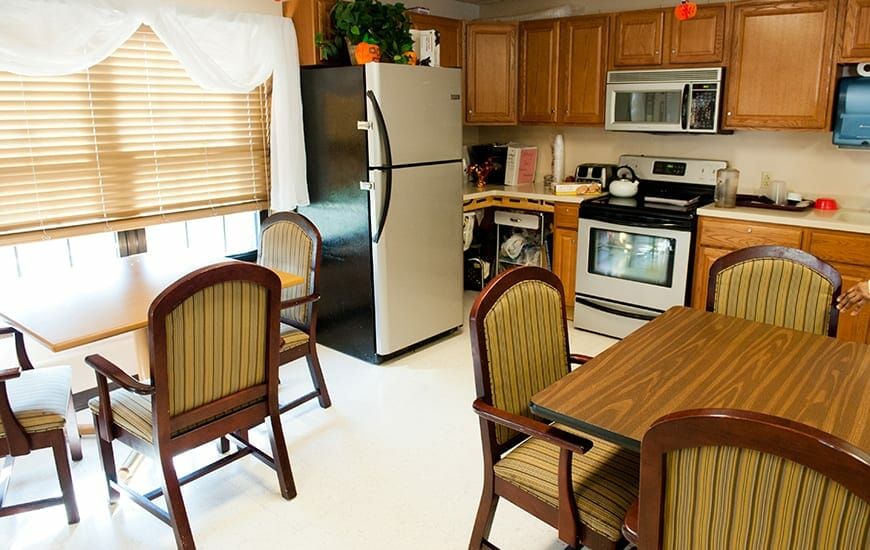
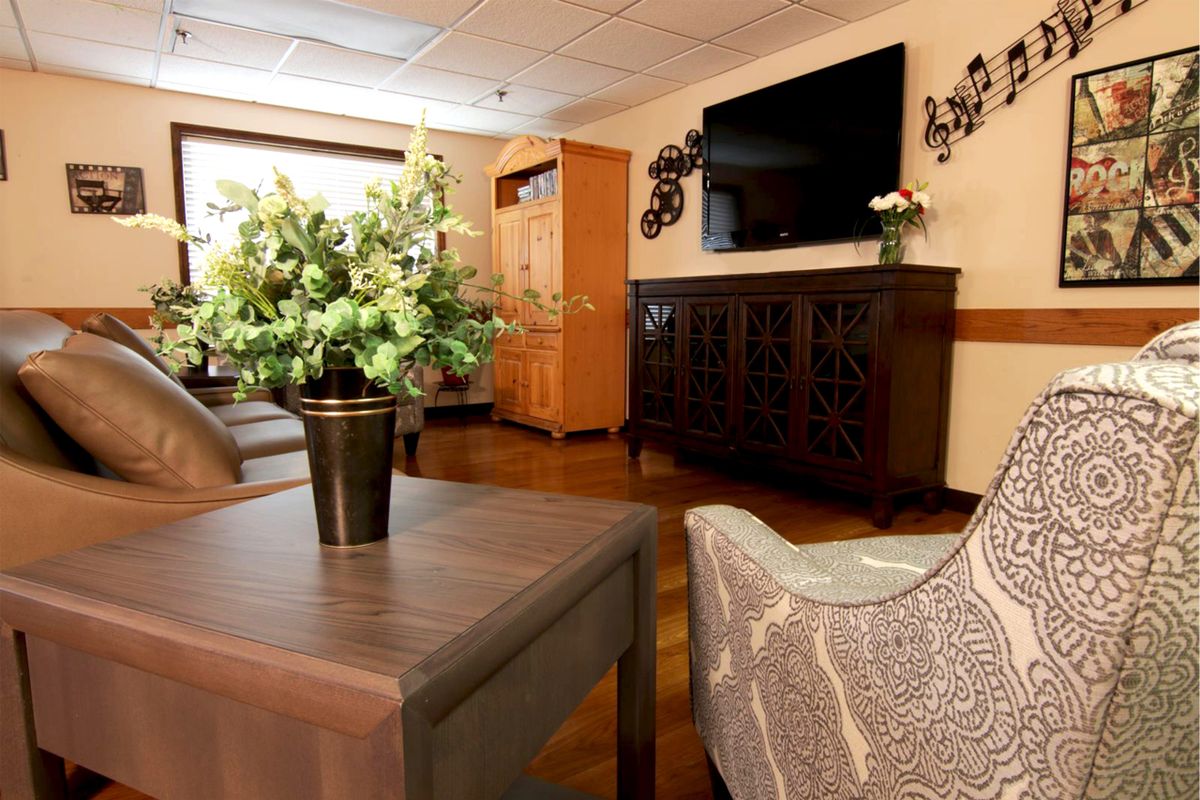
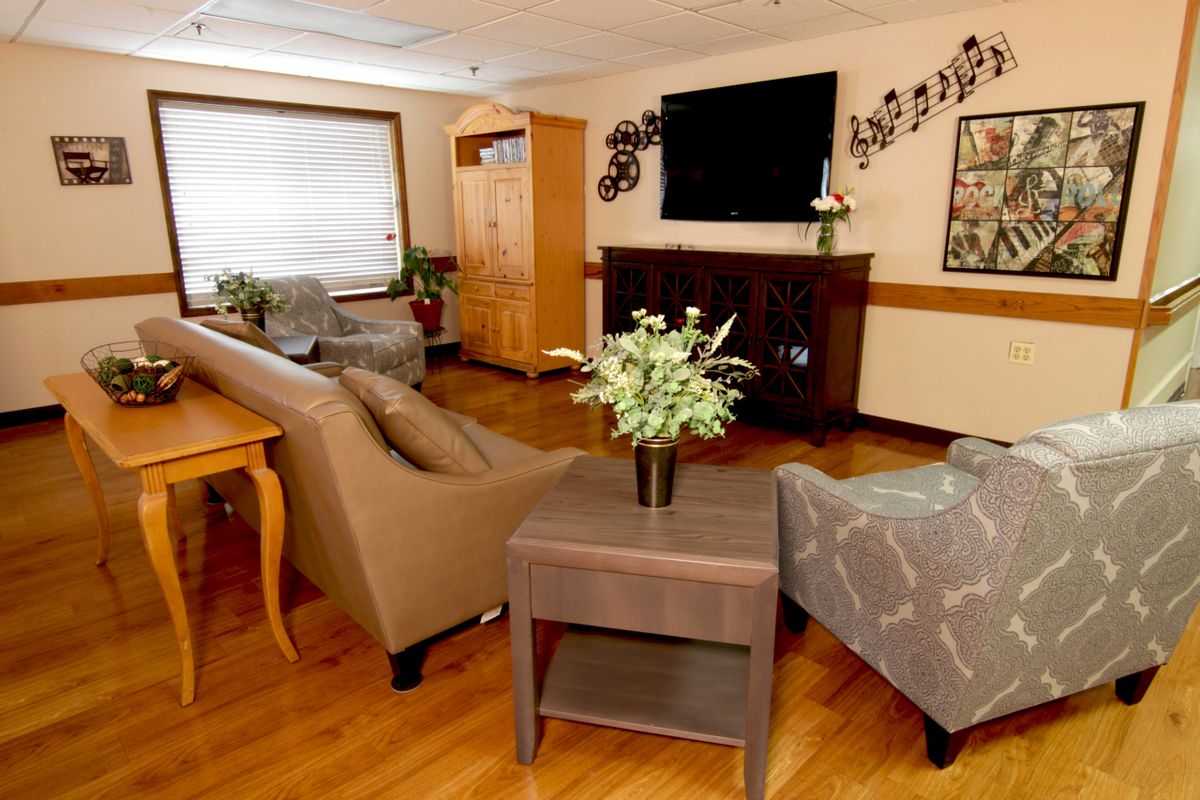
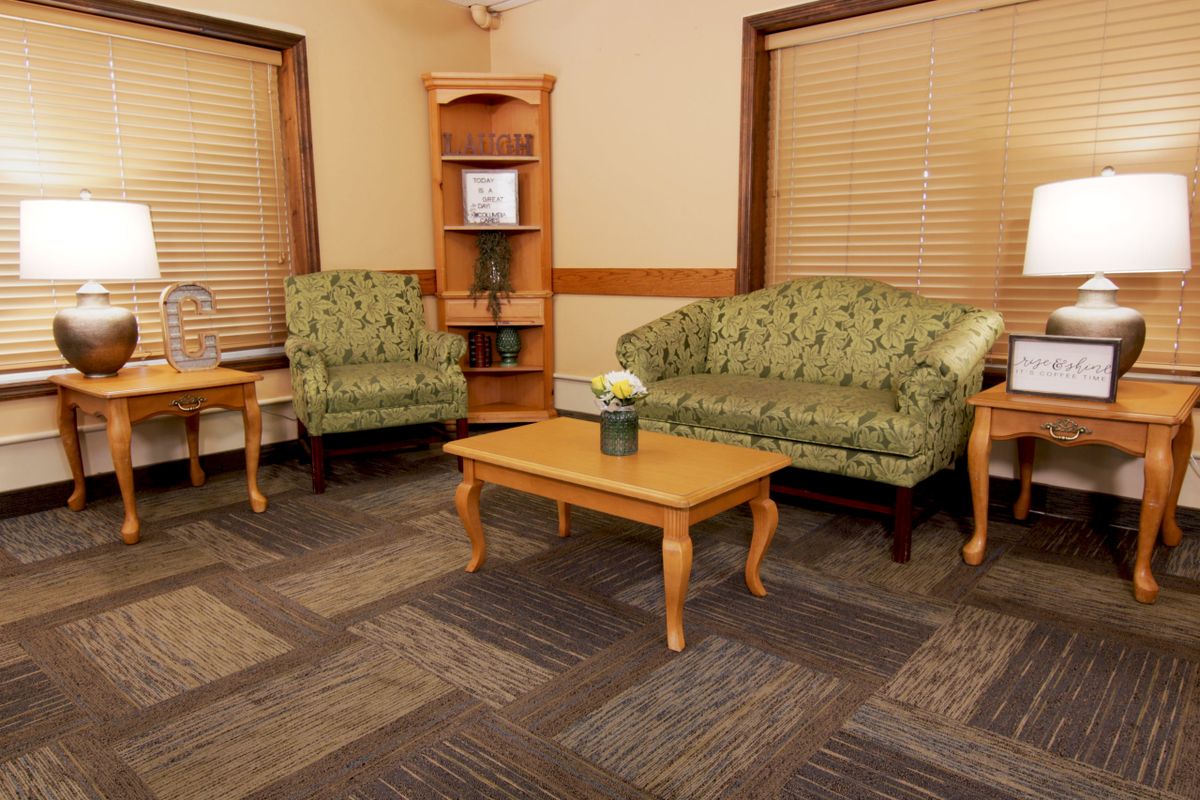
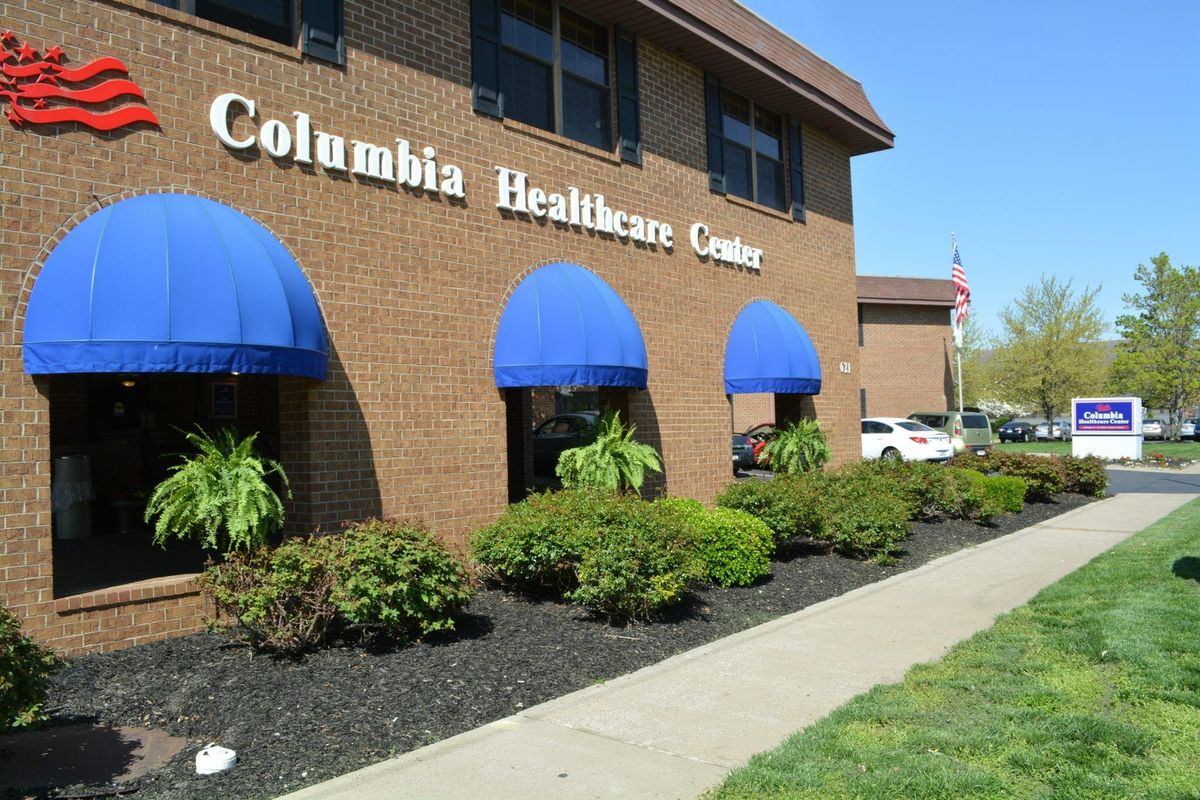
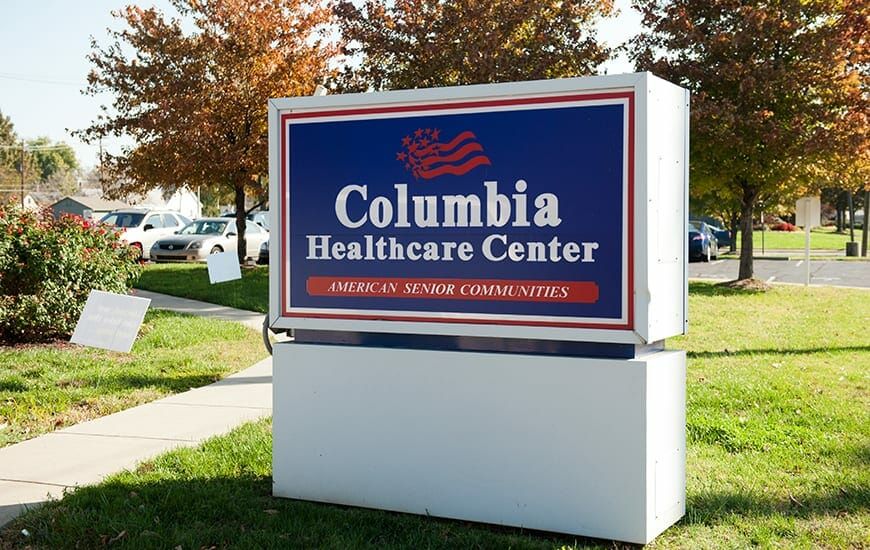
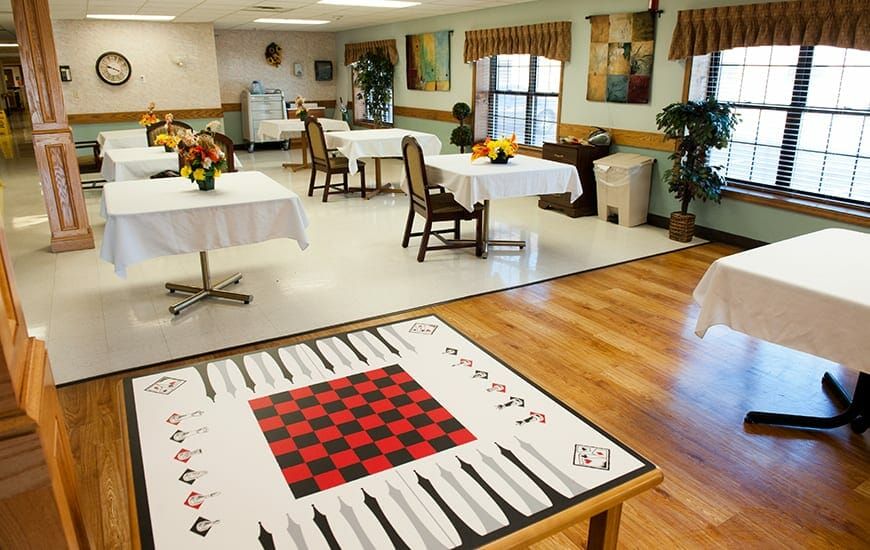
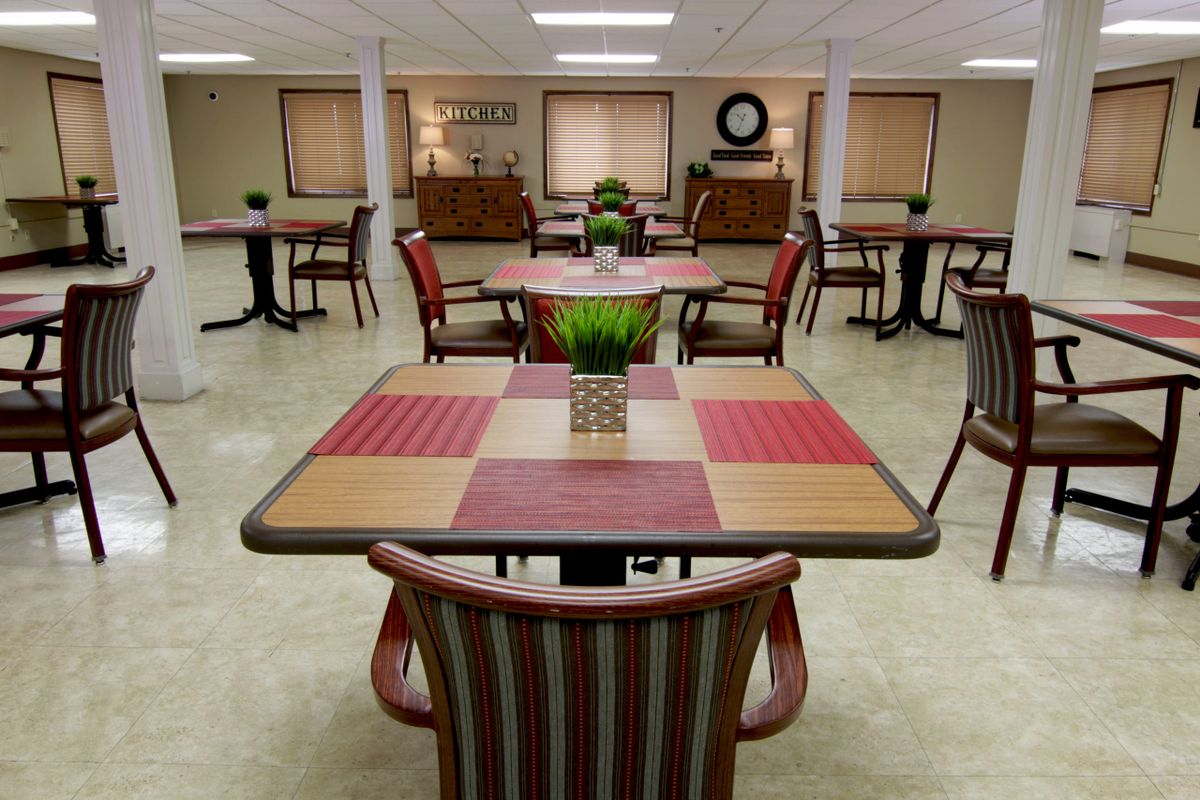
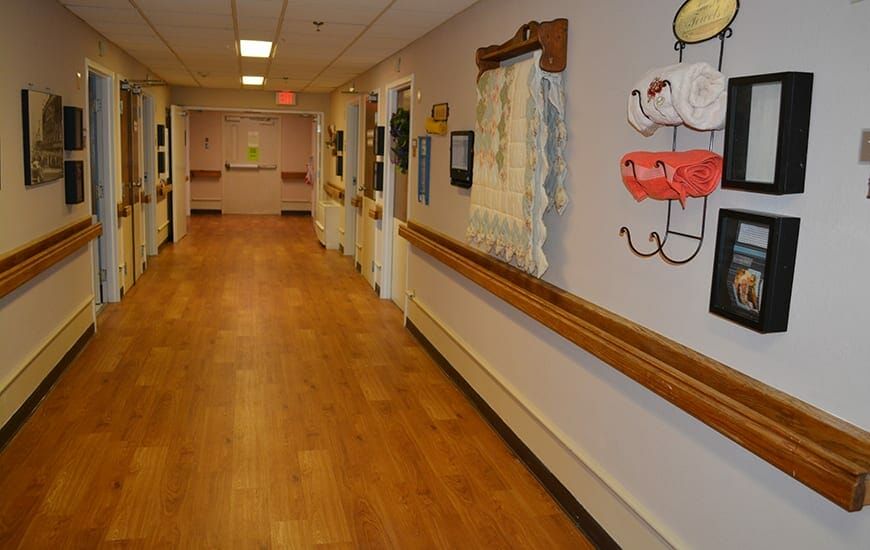
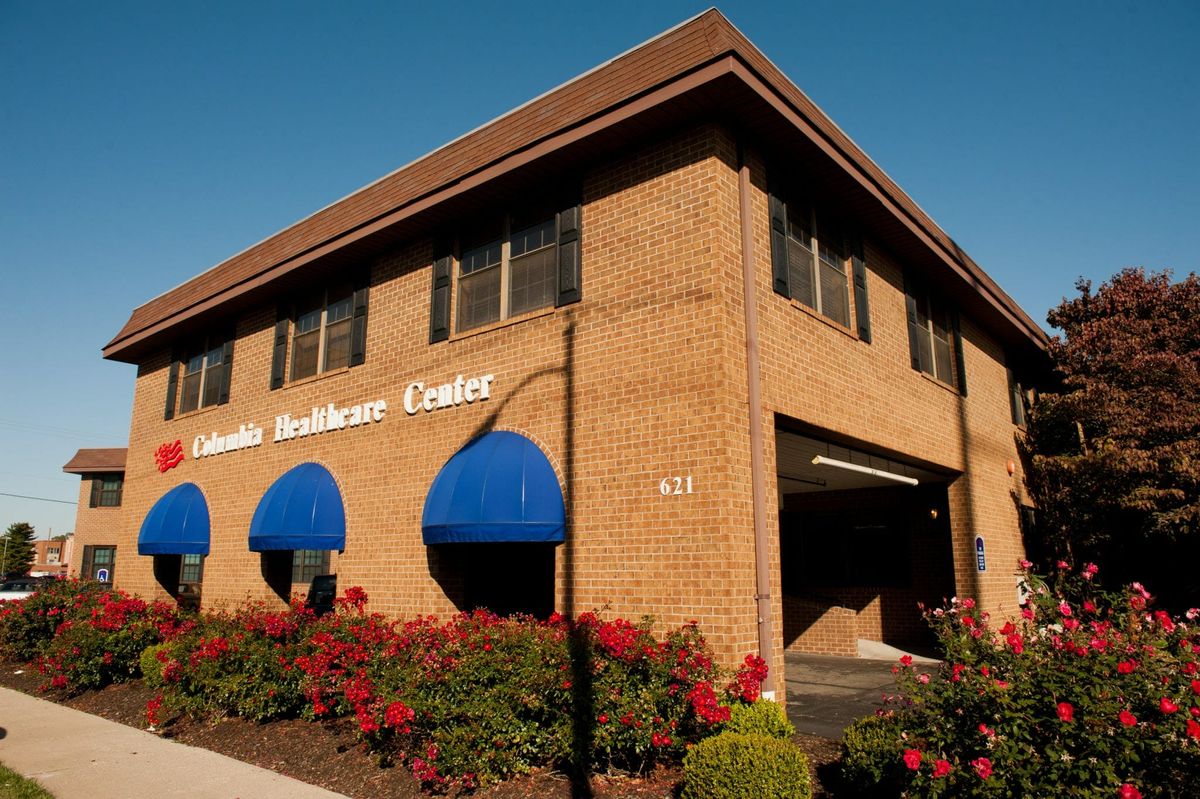
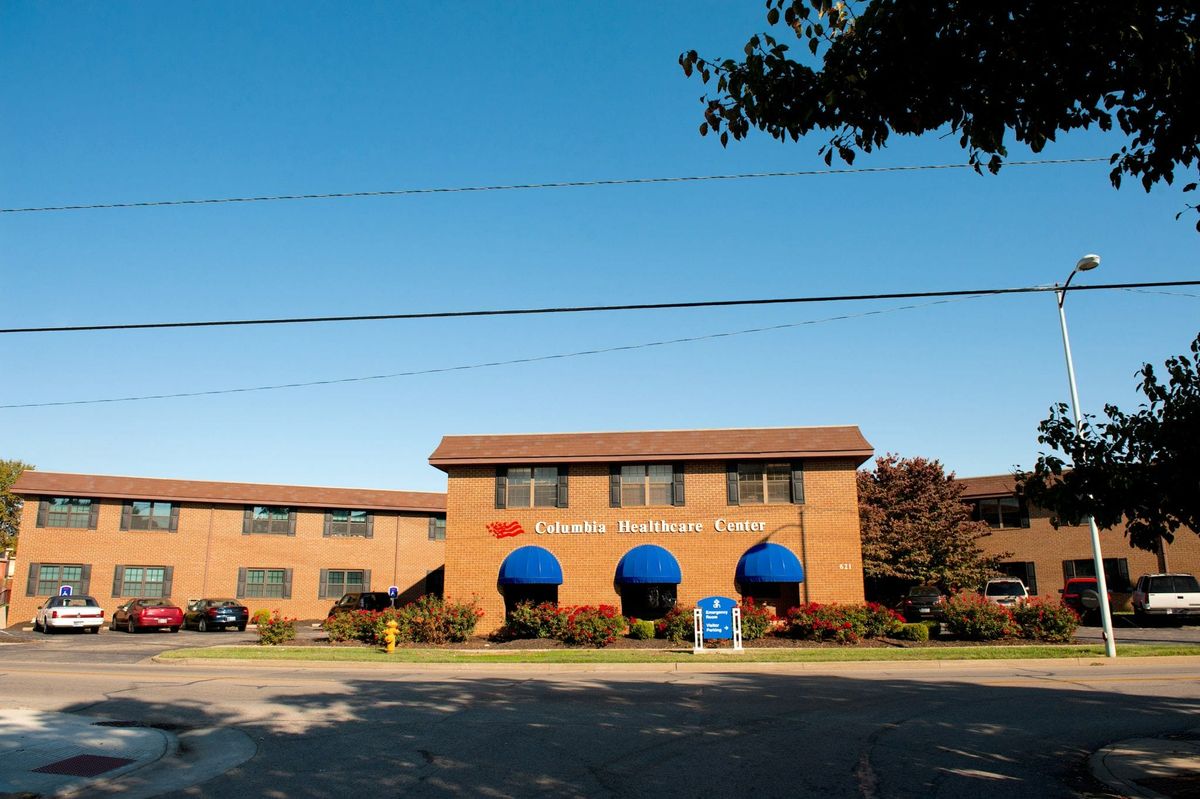
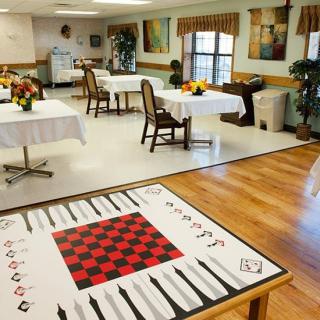
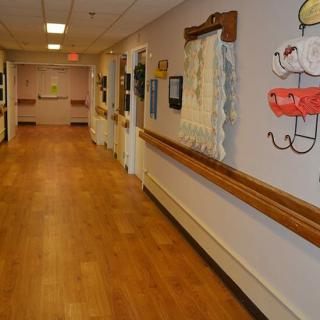
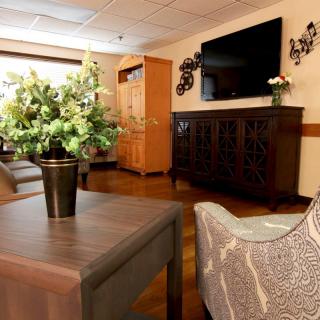
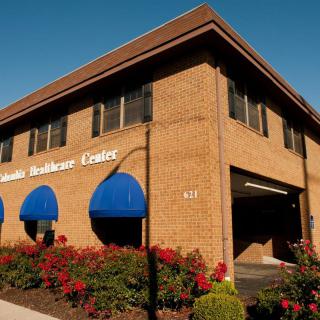
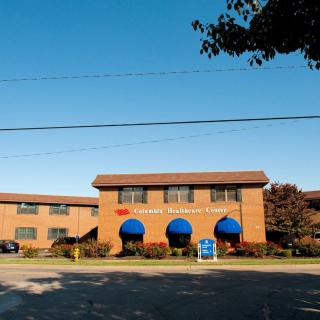
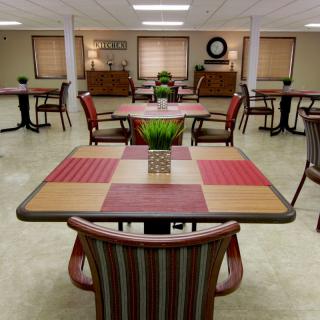
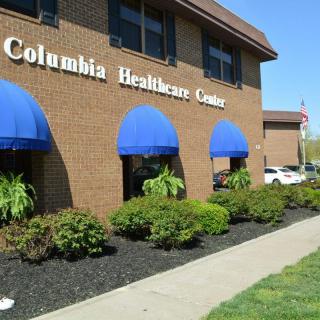
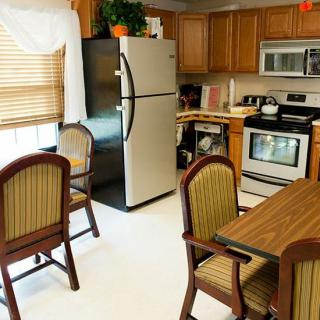
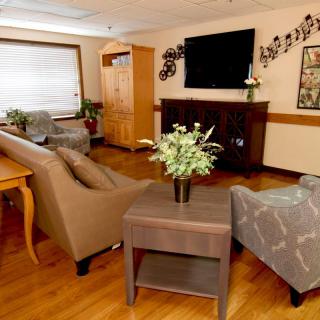
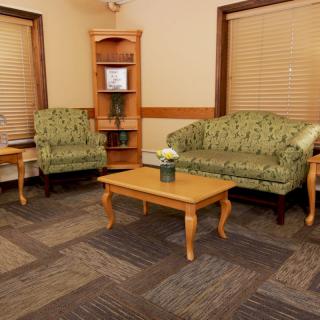
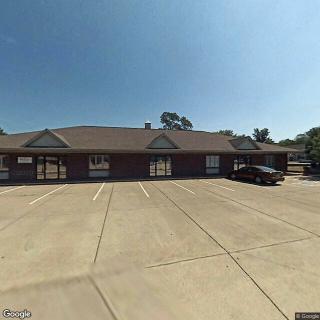
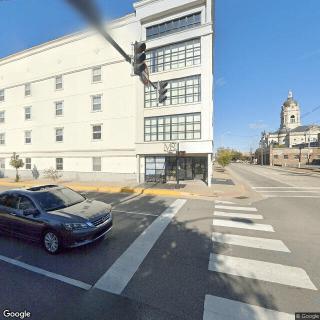
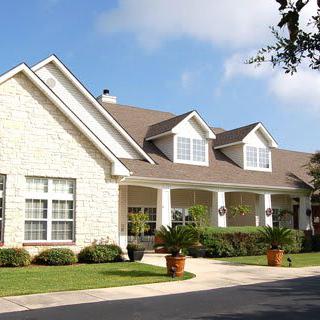
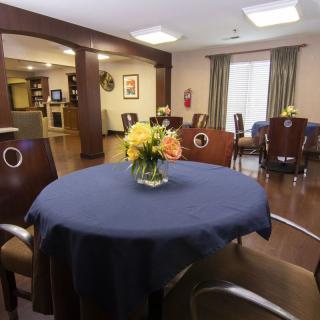
Columbia Healthcare Center on seniors.fyi includes 11 photos including images showing interior, decor, living room, dining, building, television, brick exterior, landscaping, and more.
Nearby Communities
Golden Living Center WoodBridge
Evansville, IN
1 from 1 review
$4,000 / month
Offers memory care and skilled nursing with on-site activities, devotional services, and accessible indoor/outdoor spaces.
Golden Living Center - Woodbridge
Evansville, IN
2.6 from 11 reviews
24/7 supervision with extensive on-site amenities and services (dining, fitness, salon, transportation, garden).
Braun'S Nursing Home
Evansville, IN
4.2 from 6 reviews
Extensive on-site amenities and 24-hour care.
Independence Square
Evansville, IN
4.1 from 45 reviews
Diabetes-focused care with strong nearby healthcare access.
Senior Helpers - Evansville, IN
Evansville, IN
4.7 from 57 reviews
Caring, well-trained staff with strong communication.
Alzheimer’s disease is a progressive neurological disorder that significantly impacts memory and cognitive functions, accounting for 60-80% of dementia cases, with early diagnosis being crucial yet challenging. It involves brain changes like beta-amyloid plaques and tau tangles, influenced by genetic and lifestyle factors, and while there is no cure, symptom management and support for caregivers are essential.
Dementia, influenced by aging and certain medications, may be exacerbated by drug classes such as anticholinergics, benzodiazepines, and antipsychotics, which are associated with cognitive impairment. Regular medication reviews by healthcare professionals are crucial for older adults to manage risks and optimize cognitive health.
Dementia often results in disrupted sleep patterns, leading to excessive daytime sleeping due to factors like brain damage affecting circadian rhythms, medication side effects, and lack of structure in daily activities. Caregivers must monitor these changes closely, as oversleeping can increase risks such as malnutrition or dehydration, and provide necessary support and routines to enhance patient engagement and well-being.
Get PricingAsk A QuestionSchedule A TourContact Senior Advisor
By clicking submit, you agree to our Partner's Terms of Use. You
also consent to receive calls and texts, which may be autodialed, from our Partner. Your consent is not a condition to
using our Partner's service. Please visit our Partner's Privacy Policy for information about their privacy practices.

 171 resident community capacity
 Assisted Living
 Memory Care
 Skilled Nursing Facility
 Air-conditioning
 Beauty salon
 Cable or satellite TV
 Computer center
 Dining room
 Fitness room
 Fully furnished
 Gaming room
 Garden
 Guest parking
 Housekeeping services
 Kitchenette
 Laundry
 Move-in coordination
 Outdoor space
 Private bathrooms
 Respite or short term stays offered
 Restaurant-style dining
 Small library
 Telephone
 Wellness center
 Wi-Fi/high-speed internet available
 Evansville Regional (4 miles away)
 Community operated transportation
 12-16 hour nursing
 24-hour call system
 Activities of daily living assistance
 Assistance with bathing
 Assistance with dressing
 Assistance with transfers
 Diabetes diet
 Hospice care
 Medication management
 Mental wellness program
 Physical therapy
 Special dietary restrictions
 Transportation arrangement (medical)
 Arts and crafts
 Concierge services
 Educational speakers / life long learning
 Games
Games Live musical performances
 Planned day trips
 Religious services
 Stories
 Wii bowling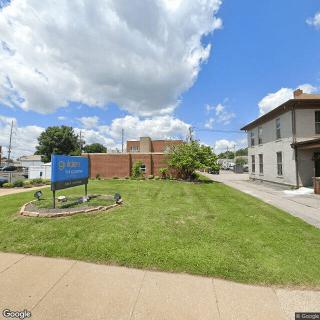
 Offers memory care and skilled nursing with on-site activities, devotional services, and accessible indoor/outdoor spaces.

 Illuminating Insights About Alzheimer's Disease: Ten Crucial Realities
 A Thorough Discussion of Medications Potentially Linked to Dementia Risk
 Why Do Dementia Patients Sleep So Much? Understanding Oversleeping, Stages, and Care Approaches