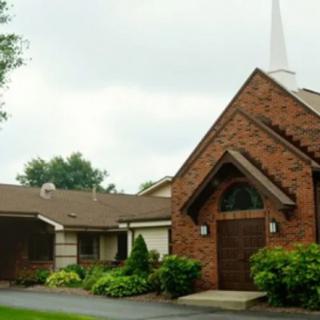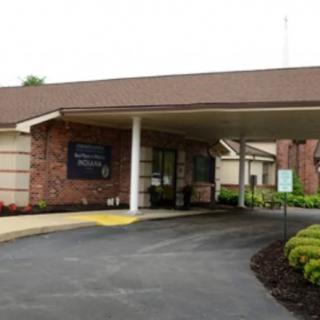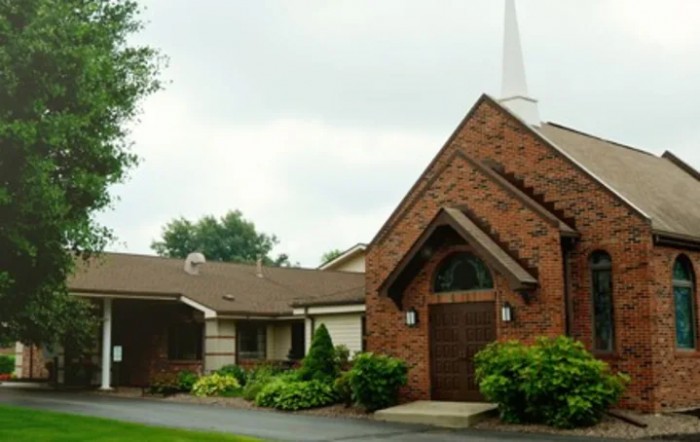
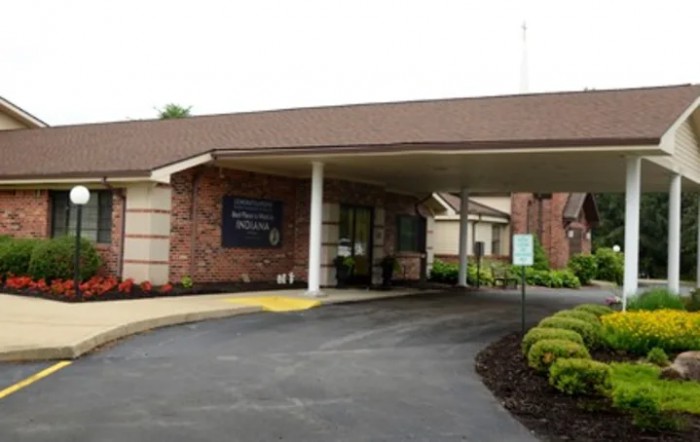
701 Armory Rd, Delphi, IN 46923
To contact a resident: (765) 564-6380
For more information about senior living options: (866) 208-4318
St Elizabeth Healthcare Center Costs & Pricing
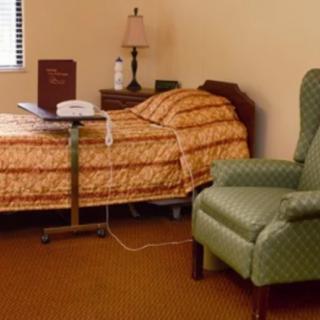
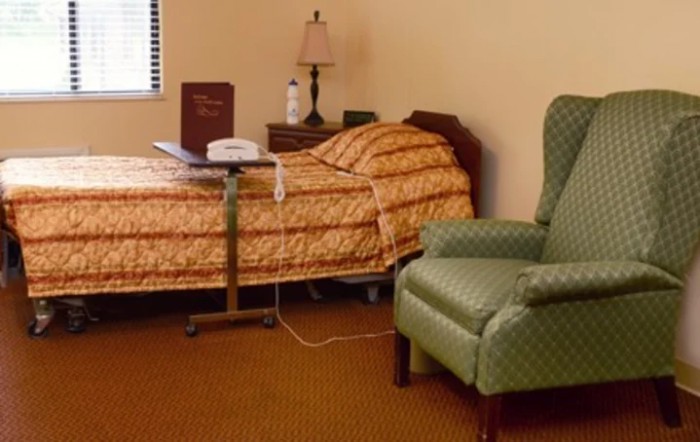
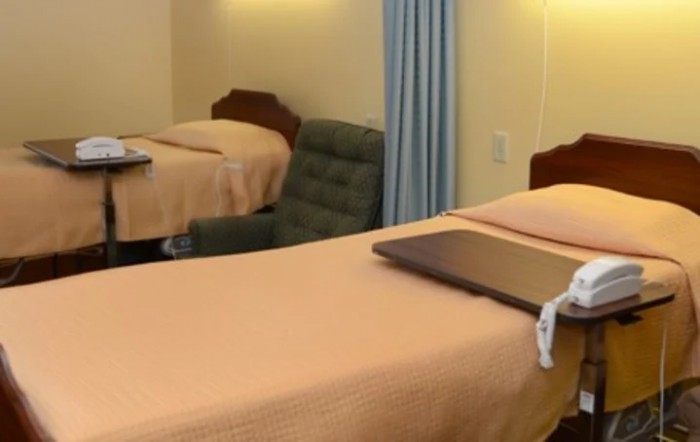
St. Elizabeth Healthcare Center offers private room accommodations at a competitive rate of $3,330 per month, which is notably lower than the average costs in both Tippecanoe County and the broader Indiana state, where private rooms are priced at $4,540 and $4,418 respectively. This pricing not only reflects St. Elizabeth's commitment to providing accessible healthcare but also positions it as a cost-effective choice for individuals seeking quality care in a comfortable environment. By maintaining these lower rates while still ensuring high standards of service, St. Elizabeth Healthcare Center distinguishes itself as an attractive option for families and patients looking for financial relief without compromising on care quality.
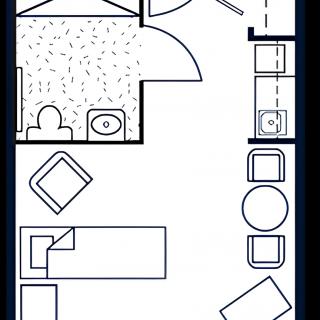
| Floor plans | St Elizabeth Healthcare Center | Tippecanoe County | Indiana |
|---|---|---|---|
| Private | $3,330 | $4,540 | $4,418 |
Skilled Nursing Facilities with a similar price nearby
-
from -$390 / mo
White Oak Health Campus
$2,940 to $4,380 / month12.1 miles away -
from -$510 / mo
Creasy Springs Health Campus
$2,820 to $4,770 / month15.4 miles away
Overall Review of St Elizabeth Healthcare Center
Pros
 The staff are very nice, helpful, attentive, and professional.
- The environment is warm, friendly, and caring, with a heart of gold.
- Residents are well cared for and have access to engaging activities tailored to their needs, including dementia-friendly options.
- Families are grateful for the excellent care provided to their loved ones.
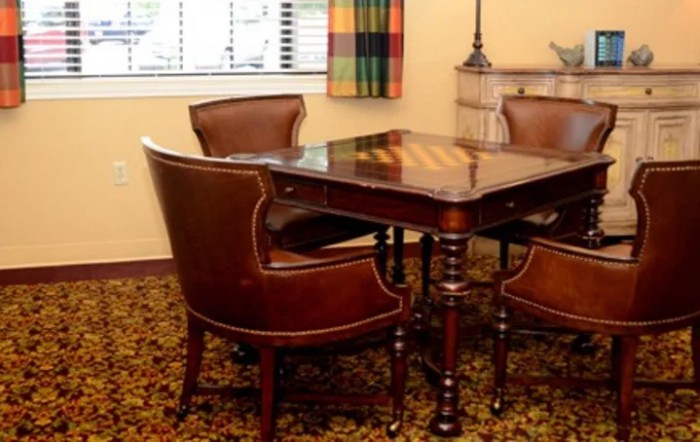
- The facility offers enjoyable activities, such as games and puzzles, and meals that residents love.
- Residents are in good hands and receive personalized care that fosters a positive experience.
- The overall atmosphere is supportive and reassuring for both residents and their families.
Review
St Elizabeth Healthcare Center in Delphi, Indiana is best suited for families seeking a warm, person-centered environment where a steady, attentive staff translates into reliable daily care and regular social engagement. This community shines for loved ones who don’t require acute hospital-level medical oversight but do need dependable supervision, accessible therapy services, and meaningful activities that foster a sense of normal life. Reviews consistently highlight staff who are warm, friendly, and professional, creating an atmosphere where residents feel seen and cared for. The combination of on-site therapy options, dementia-aware programming, and engaging routines, games, puzzles, and social interaction, helps residents stay connected and engaged. In short, this is a fit for families prioritizing daily kindness, reliable staffing, and a home-like vibe over medical complexity.
Still, it is prudent to consider alternatives for certain profiles. Those facing higher medical acuity, who require advanced memory-care infrastructure with specialized units, or who expect a broader range of rehabilitation services might find other communities better aligned with those needs. A lone 1-star rating among the reviews signals that experiences can vary, underscoring the importance of concrete expectations and in-person tours. For families evaluating options, this suggests a need to match the facility’s strengths to the resident’s care plan, while probing carefully about staffing levels, acuity capabilities, and the availability of 24/7 medical oversight before making a commitment.
The strongest pros center on the human touch: a staff that is consistently described as warm, attentive, and professional, with a genuine sense of mission. This translates into reliable day-to-day care, thoughtful responsiveness, and a culture where caregivers take ownership of residents’ comfort and safety. Those advantages are not only about mood but about tangible routines, regular assistance, structured activities, and ongoing communication with families. When a parent or spouse had dementia or needed ongoing activities tailored to cognitive needs, the community’s programming and staff approach were cited as meaningful improvements in quality of life, which helps offset concerns about the potential gaps that can appear in facilities with fewer direct-care resources.
Programming plays a pivotal role in how well residents adapt and enjoy life within the center. Activities designed with dementia and memory care in mind help sustain a sense of purpose and familiarity, while social offerings and puzzles cultivate cognitive engagement and companionship. The environment feels relaxed and welcoming, with residents reported to participate in a rhythm of meals, games, and interaction that preserves dignity and independence where possible. Even residents who may have limited mobility or cognitive challenges appear to benefit from the predictable structure and the friendly, participatory tone set by staff and activity coordinators. Food, including familiar and comforting items, is another noted strength that supports overall well-being and satisfaction.
On the therapy and rehabilitation front, there is clear value in the on-site therapies and the option to pursue outpatient work. A reviewer specifically credited the therapy team as attentive and professional, with a path to ongoing outpatient services that can support recovery and continuity of care. That continuity matters for families seeking consistency through transitions, whether returning from a hospital stay, recovering from surgery, or maintaining therapy for chronic conditions. While the reviews stop short of detailing every clinical capability, the emphasis on accessible therapy and staff reliability provides a solid signal that rehabilitation needs can be met without forcing families into external referrals or fragmented care.
For families weighing a decision, St Elizabeth Healthcare Center offers a compelling package: dependable staff and a welcoming culture, dementia-aware programming, engaging daily routines, and accessible therapy. This combination supports steady quality of life for residents who need moderate care and social stimulation more than high-intensity medical intervention. Those evaluating options should prioritize alignment of medical needs with the facility’s capabilities, confirm staffing patterns and physician availability, and observe a tour focused on resident interactions, activity options, and dining quality. This community is a strong choice for calmer, engaged living with solid caregiving foundations; alternatives should be pursued if the resident’s needs point toward higher medical acuity, a dedicated memory-care unit, or broader rehab breadth that extends beyond what is offered here.
 Assisted Living
 Skilled Nursing Facility
 Activities on-site
 Devotional services off-site
 Indoor common areas
 Private
 Ambulatory care
 Diabetic care
 Meals provided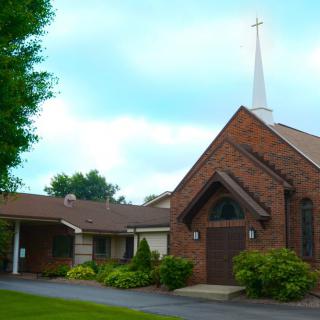



 Assisted Living Expenses and Long-Term Care Insurance: A Comprehensive Exploration
 Securing Financial Support for Assisted Living: A Comprehensive Overview
 Social Security Benefits and Assisted Living: Navigating Options Across the U.S.