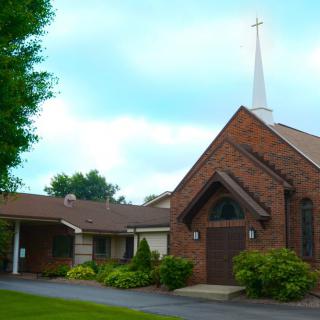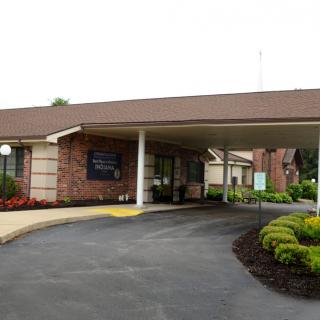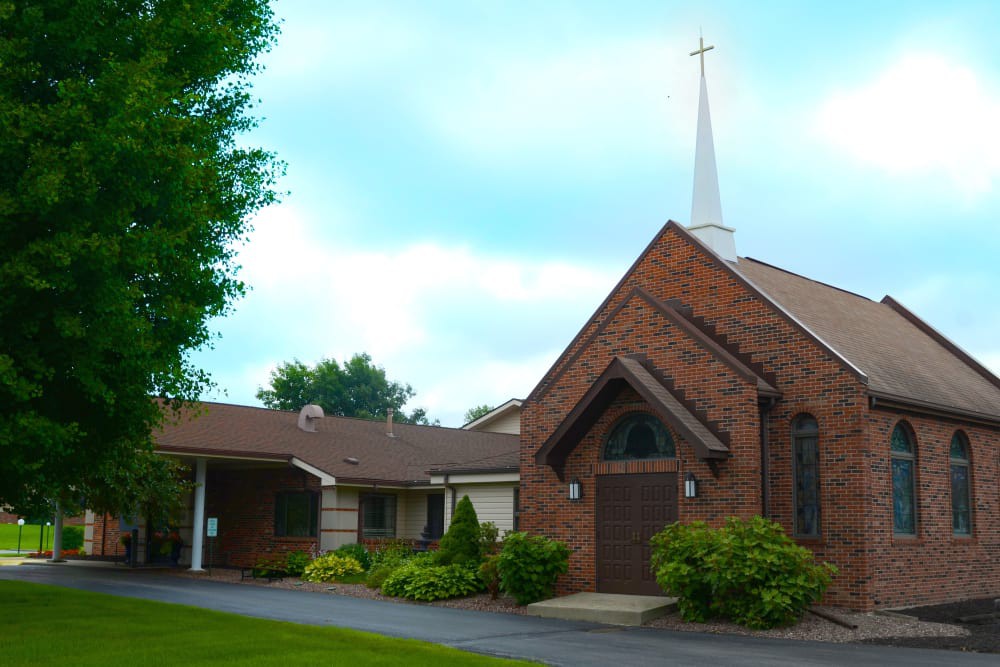
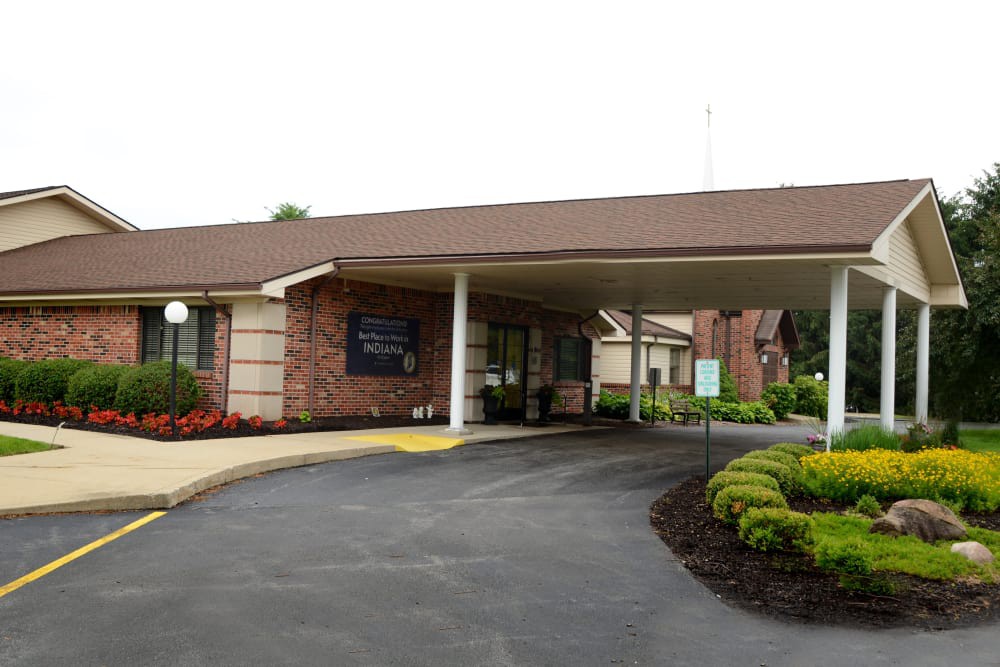
701 Armory Road, Delphi, IN 46923
For more information about senior living options: (866) 208-4318
Overall Review of St. Elizabeth Healthcare Campus
Pros
 They are very nice and helpful.
- They are very attentive and professional.
- The staff are great to work with.
- He was in good hands during his stay.
- He was well taken care of and loved the food.
- The staff are warm, friendly, and professional.
- They play games and do puzzles, and they have great pudding.
- The staff were awesome and caring.
Cons
 The reviewer called the place a joke and claimed that negative reviews can’t be left on Facebook unless one recommends them.
- The reviewer alleged the facility used air fresheners and other products with toxic chemicals that could cause health issues.
- The reviewer claimed a nurse gave their mother more Xanax than prescribed, overdosed her, and caused oxygen levels to drop, requiring hospitalization.
- The reviewer said they wouldn’t trust the facility with their dog, let alone a human, and would have never returned after the overdose.
Review
St. Elizabeth Healthcare Campus in Delphi, IN is best suited for families seeking a small, hands-on caregiving culture where staff are consistently warm, attentive, and capable of managing everyday needs with a personal touch. The community earns its stripes with dementia-friendly programming, regular activities that engage residents, and a clearly ongoing commitment to professional care across therapy, nursing, and support services. Families report that the team is easy to work with, the atmosphere feels safe and respectful, and residents are offered meaningful daily routines rather than a bare-bones schedule. For seniors who value personal attention, predictable staffing, and continuity of care within a hospital campus setting, this campus delivers the core elements needed for peace of mind.
Those with more complex medical instability or those requiring aggressive medication oversight may want to explore alternatives. A single review details a frightening incident around medication handling and an oxygen event, underscoring the necessity of verifying current pharmacy practices, physician oversight, and daily nursing supervision before enrollment. For families whose loved ones have significant COPD, high-sedation needs, or behaviors requiring high levels of monitoring, a larger facility with explicit medication-management protocols and more robust on-site medical teams could offer greater reassurance. Additionally, a family expressing concern about environmental safety notes air-care products and a restrictive online review process; these factors merit direct inquiry and observation during a tour.
On the plus side, the staff's warmth and professionalism consistently emerge as a major strength. Families praise the caring approach, the genuine heart behind the service, and the way staff collaborate with families to tailor routines. The care team appears to be proactive about dementia needs, and the activities, games, puzzles, and social engagement, provide cognitive stimulation and a sense of purpose that many families look for. The smaller footprint of the campus contributes to a feeling of safety and security, and residents frequently speak well of the dining experience, including approachable, enjoyable meals. In short, the daily environment tends to be well-balanced, with emphasis on dignity, comfort, and relational care.
Yet the negative voice cannot be dismissed. A single review alleges a dangerous misstep in medication administration, culminating in an oxygen-related admission. While this represents one data point among many positive experiences, it serves as a sober reminder to prospective families to perform rigorous checks: review current medication policies, ask for case-by-case oversight, request a detailed explanation of nurse-to-resident ratios, and observe how care plans are executed in real time. Environmental concerns raised about air-care products and the perception of limited transparency in online feedback further justify thorough in-person assessments during tours. These are not universal experiences, but they are real signals that require due diligence.
When the review profile tilts toward warmth, stability, and resident-centered programming, the strengths tend to offset the potential risks. The integrated hospital campus setting supports quick escalation of any medical issue, while outpatient therapy indicates continued engagement beyond the doors of the skilled-nursing unit. The consistent praise for staff attentiveness, the sense of community, and dementia-focused activities suggests that families will see reliable, compassionate care day to day. For many, this combination translates into a practical balance: excellent interpersonal care alongside structured programs that keep cognitive and social needs in view, with the safety net of hospital-based resources if medical complexity grows.
Bottom line: St. Elizabeth Healthcare Campus is a strong option for families prioritizing personal attention, a caring staff, and meaningful engagement for older adults with memory challenges who are reasonably stable medically. Those who cannot tolerate even a single report of medication missteps or environmental safety concerns should compare options with clearer, published safety protocols and more transparent feedback channels. Schedule a focused tour that probes medication practices, respiratory care protocols, feeding and activity schedules, and staffing levels at peak times. If alignment exists across care philosophy, family involvement, and the comfort level of the resident, this campus can secure a high-quality, reassuring living arrangement that respects independence while ensuring safety.
 96 resident community capacity
 Assisted Living
 Skilled Nursing Facility
 Air-conditioning
 Beauty salon
 Cable or satellite TV
 Computer center
 Dining room
 Fitness room
 Fully furnished
 Gaming room
 Garden
 Housekeeping services
 Kitchenette
 Move-in coordination
 Outdoor space
 Private bathrooms
 Restaurant-style dining
 Small library
 Telephone
 Wellness center
 Wi-Fi/high-speed internet available
 Community operated transportation
 12-16 hour nursing
 24-hour call system
 Activities of daily living assistance
 Assistance with bathing
 Assistance with dressing
 Assistance with transfers
 Diabetes diet
 Medication management
 Mental wellness program
 Special dietary restrictions
 Transportation arrangement (medical)
 Concierge services
 Planned day trips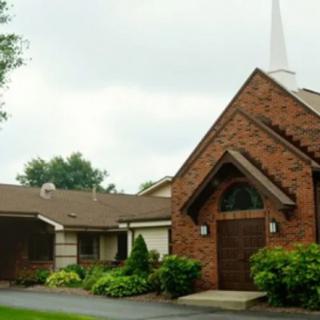





 Beyond the Bingo Hall: 50+ Enriching Activities for Seniors in Assisted Living
 Understanding the Distinctions: Assisted Living and Memory Care Explained
 Guiding Elderly Parents Who Refuse Assisted Living: 6 Practical Steps