Overall Review of Heritage House Rehabilitation & Health Care Center
common11 reviews mention this
Cleanliness stands out
Residents and visitors repeatedly describe the facility as clean and free of unpleasant odors.
Multiple reviews mention walking in and noticing no foul or lingering odors, with the building described as very clean. Several also connect cleanliness with a more comfortable experience for residents during rehab or longer stays. One negative review does not address cleanliness, while most others reinforce it as a consistent strength.
common24 reviews mention this
Caring, helpful staff
Many reviewers describe staff as caring, friendly, and helpful during stressful times.
Across many reviews, families and clinicians describe staff who are attentive, present, and willing to help, including nursing and rehab teams. Several mention positive interactions with residents and reassurance during transitions or illness, and some praise specific communication and responsiveness when questions come up. A small number of reviews express frustration with staff behavior, which stands out against the overall pattern.
differentiator2 reviews mention this
Memory care gets standout praise
Memory care is highlighted as exceptionally supportive for residents with Alzheimer’s.
One review calls the memory care “unbelievable,” describing residents as well cared for and enjoying their activities. Another review from a hospice nurse specifically notes that the facility provides memory care alongside long-term care and rehab therapies. Together, these point to strong recognition of the memory care experience in residents’ day-to-day routines and programming.
common5 reviews mention this
Activities and therapy keep residents engaged
Residents are described as regularly participating in activities and engaging therapy.
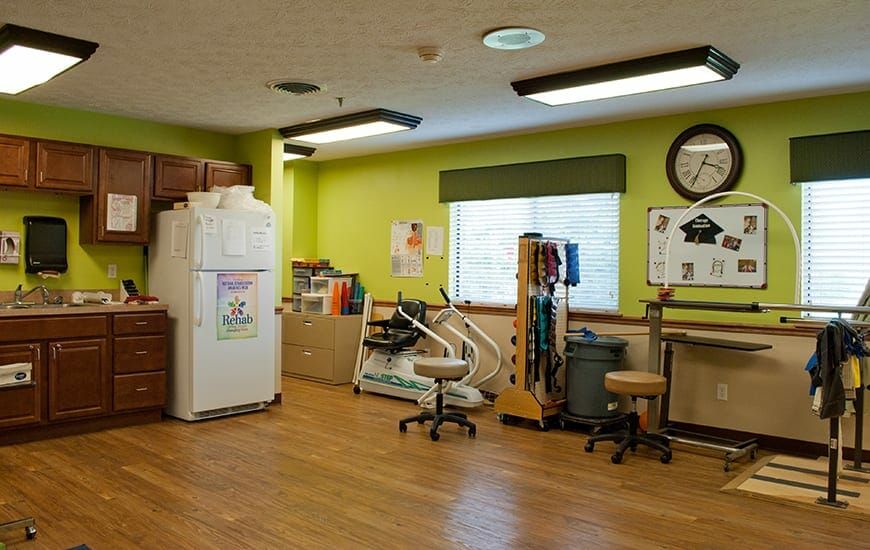
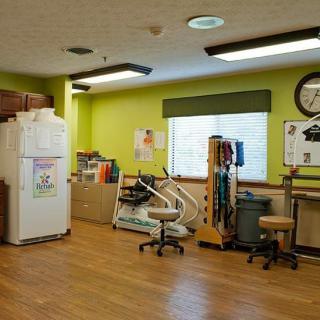
Several reviews say activities happen often, with residents participating and appearing happy. Rehab experiences are also described as engaging, including therapy that feels like more than just routine sessions. Memory care is separately noted as a place where residents enjoy activities as well, reinforcing that programming is a consistent theme across care types.
caveat3 reviews mention this
Dining and refreshments are mixed
Dining is occasionally praised, but there are also complaints about food delivery.
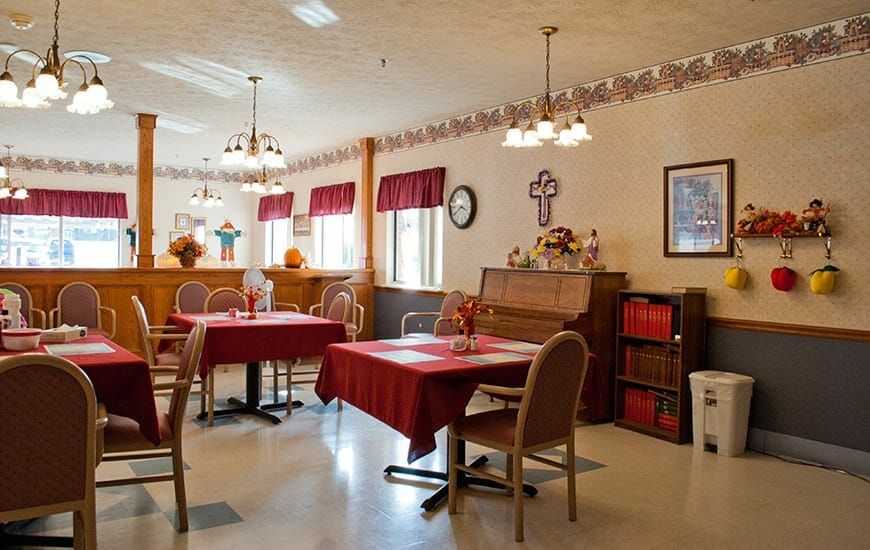
One review praises the food as pretty nice and mentions a positive dining area experience. Another review notes refreshments being available in common areas. However, a negative review complains that food is not delivered as expected, creating a mixed picture on day-to-day dining logistics.
caveat2 reviews mention this
Some reviewers report serious issues
A couple of reviews raise concerns about staff professionalism and staffing.
Two reviews are notably negative, including one criticizing front-desk staff for rudeness and unprofessional behavior. Another review describes the facility as understaffed and says management and staffing need improvement before expecting a high rating. These concerns appear infrequently compared with the broader set of positive reviews, but they are direct and specific.
How we summarize
Counts show how many written reviews mention each theme; a review can touch several themes, and only frequently mentioned themes are displayed.
Features
Housing
98 resident community capacity
Types of Care
Assisted Living
Memory Care
Skilled Nursing Facility
Amenities
Air-conditioning
Beauty salon
Cable or satellite TV
Computer center
Dining room
Fitness room
Fully furnished
Gaming room
Garden
Housekeeping services
Kitchenette
Move-in coordination
Outdoor space
Private bathrooms
Restaurant-style dining
Small library
Telephone
Wellness center
Wi-Fi/high-speed internet available
Transportation
Community operated transportation
Transportation arrangement
Care Services
24-hour call system
24-hour supervision
Activities of daily living assistance
Assistance with bathing
Assistance with dressing
Assistance with transfers
Diabetes diet
Meal preparation and service
Medication management
Mental wellness program
Mild cognitive impairment
Special dietary restrictions
Specialized memory care programming
Dining
Diabetes diet
Special dietary restrictions
Activities
Community-sponsored activities
Concierge services
Fitness programs
Planned day trips
Resident-run activities
Scheduled daily activities
Nearby Places of Interest
Pharmacies
MediCenter Pharmacy (0.5 miles)
Grandview Pharmacy (2.1 miles)
CVS Pharmacy (2.2 miles)
Walmart Pharmacy (3.6 miles)
CVS Pharmacy (9 miles)
Liberty Medi Center Pharmacy (9.1 miles)
CVS Pharmacy (15.8 miles)
Physicians
Christina M Holmes, MD (0.5 miles)
Center For Facial Plastics (2 miles)
Primary & Specialty Care - Virginia Avenue (2.1 miles)
Eye Center of Connersville (2.1 miles)
Internal Medicine Associates (2.2 miles)
Union County Medical Center (9.2 miles)
West Side Medical Center (14.4 miles)
Places of Worship
Geoff Church (1.6 miles)
Seventh Day Adventist Church (1.8 miles)
First Church of Christ Scientist (2 miles)
Grand Avenue United Methodist Church (2.1 miles)
Pentecostal Tabernacle Church (2.3 miles)
Full Gospel Church (2.7 miles)
Western Avenue Baptist Church Sbc (2.8 miles)
Restaurants
El Caballo Blanco Mexican Restaurant (1.7 miles)
Hardee's (1.9 miles)
Taco Bell (2 miles)
Ole Rooste (2 miles)
Kunkel's Drive In (2.3 miles)
Subway (2.5 miles)
Sbarro (2.5 miles)
Transportation
Connersville Station (1.7 miles)
U-Haul Neighborhood Dealer (14.7 miles)
Hospitals
Fayette Regional Health System (2 miles)
Fayette Memorial Hospital (2.1 miles)
Richmond State Hospital (16.6 miles)
Reid Hospital & Health Care Services (17.1 miles)
Parks
Roberts Park (2.4 miles)
Whitewater State Park (8.7 miles)
Whitewater Valley Gorge Park (16.7 miles)
Veteran's Memorial Park - Wayne County (16.9 miles)
The comprehensive features offered by Heritage House Rehabilitation & Health Care Center are designed to address the unique challenges faced by residents with dementia or Alzheimer's disease, ensuring they receive the necessary support for their daily lives. Assistance with dressing and bathing not only promotes personal hygiene and dignity but also aids in maintaining a sense of routine, which is crucial for cognitive stability. Medication management ensures that residents adhere to their prescribed regimens, minimizing confusion around dosages and schedules. Meal preparation and service cater to dietary needs while providing familiar routines around dining, enhancing comfort and nutrition. Assistance with transfers helps prevent falls, promoting safety while encouraging mobility. The 24-hour supervision provides a reassuring presence that fosters security for both residents and their families. Additionally, engaging in activities of daily living supports independence where possible, while specialized memory care programming focuses on cognitive stimulation tailored to individual capabilities. Lastly, a mental wellness program addresses emotional health, aiming to improve overall quality of life by offering social interaction and therapeutic activities that stimulate memory and reduce anxiety related to cognitive decline.
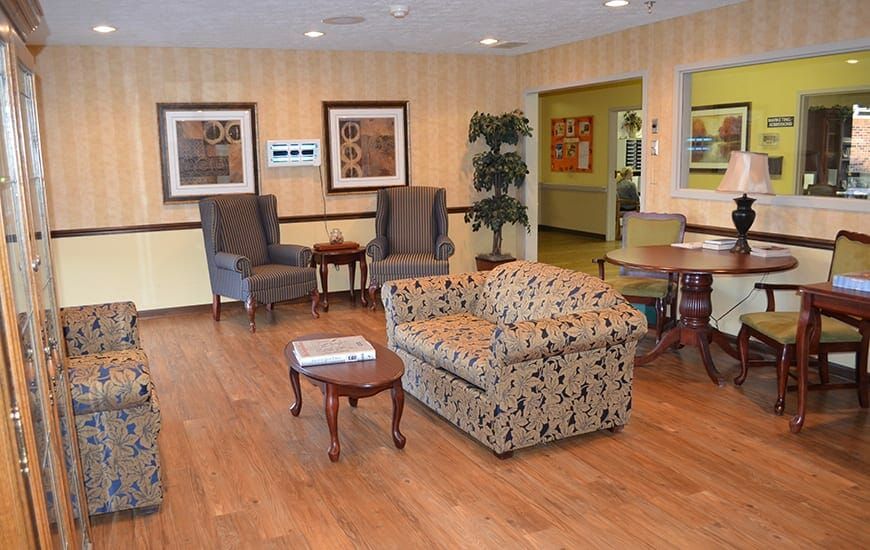
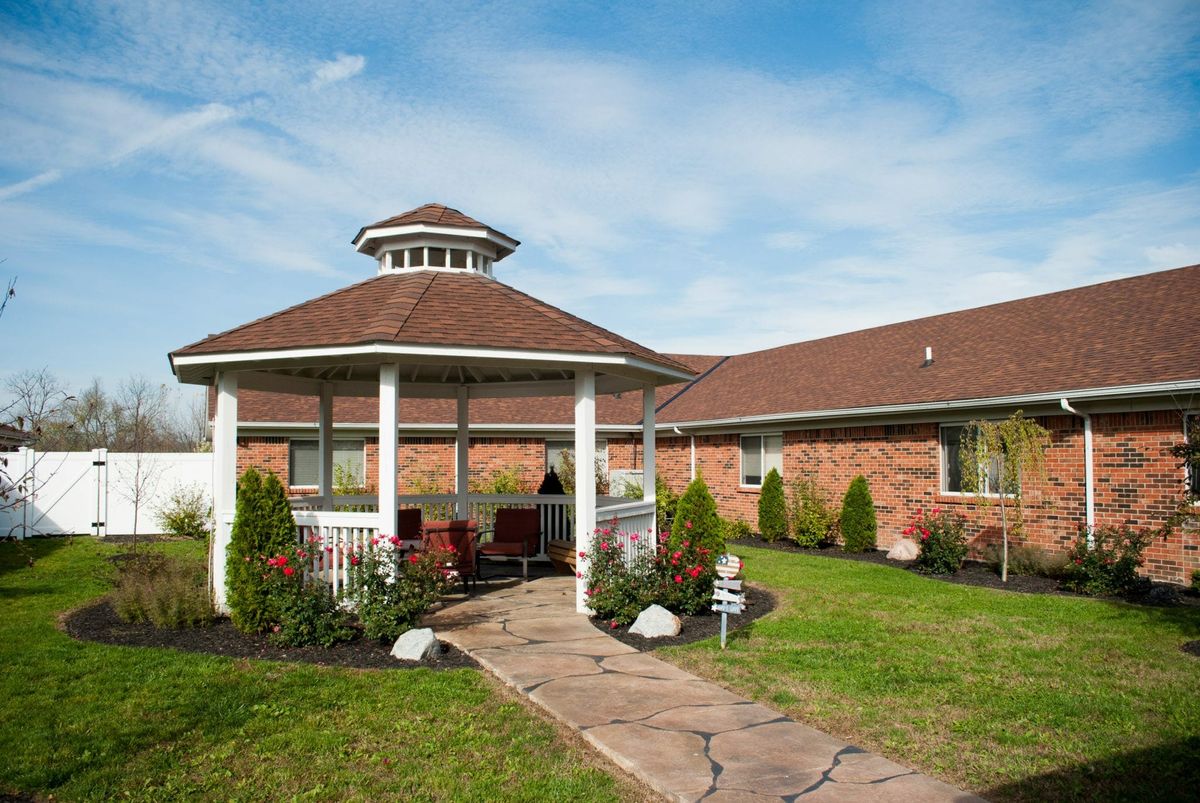
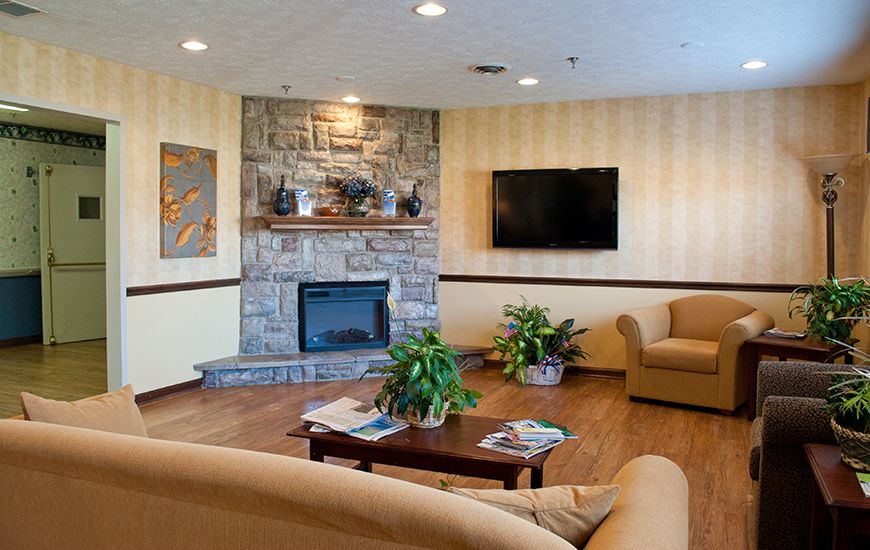
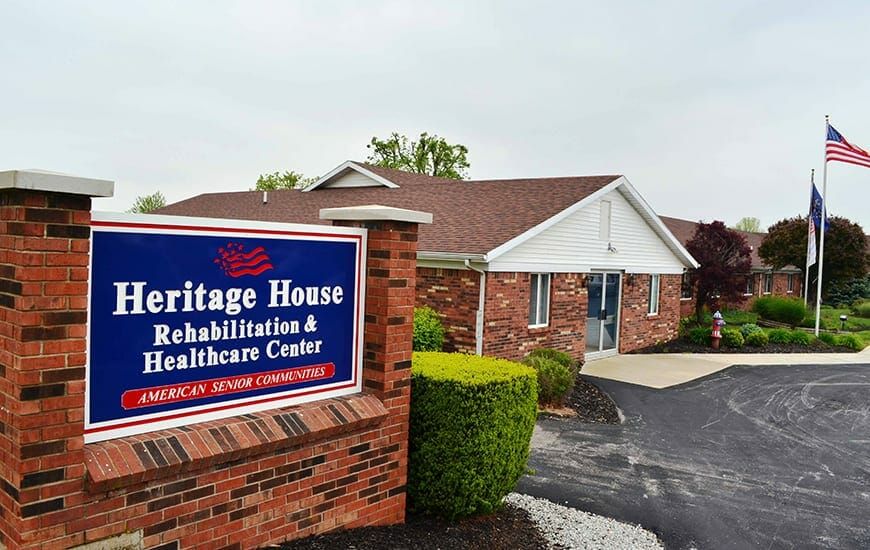
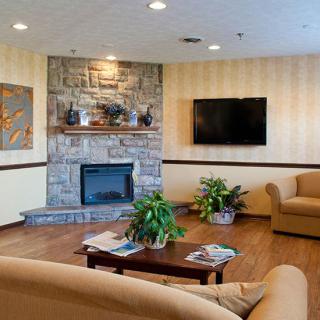
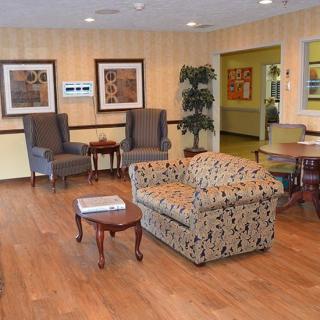
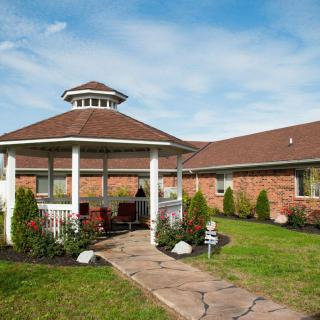
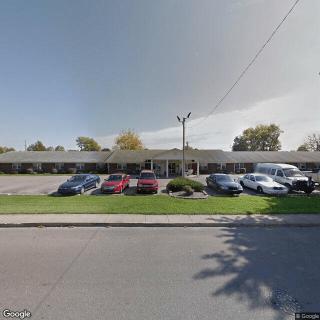
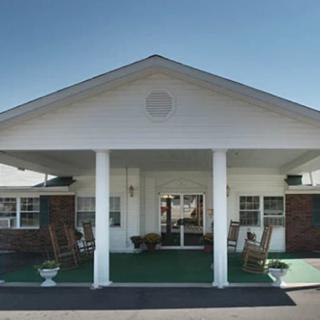
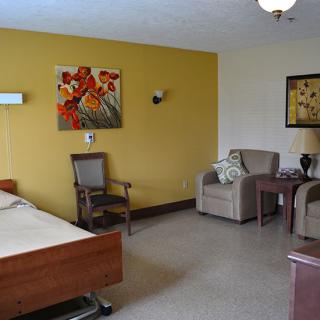
Heritage House Rehabilitation & Health Care Center on seniors.fyi includes 6 photos including images showing interior, landscaping, living room, dining, decor, piano, gazebo, garden, and more.
Nearby Communities
Majestic Care Of Connersville
Connersville, IN
4.3 from 65 reviews
Clean, well-maintained facility with attentive staff and engaging activities.
Hickory Creek At Connersville
Connersville, IN
4.1 from 14 reviews
Small, intimate 36-bed facility with 24-hour supervision, medication management, and ADL support.
Caroleton Manor
Connersville, IN
4.6 from 12 reviews
Caring staff and reliable security.
Caroleton Healthcare Center
Connersville, IN
4.5 from 10 reviews
Compassionate, attentive staff and a safe environment with daily meal service.
Comfort Keepers of Connersville
Connersville, IN
5 from 2 reviews
Compassionate care with a vibrant lifestyle and abundant nearby amenities.
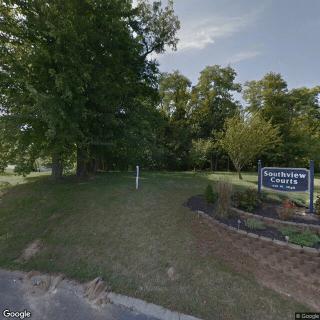
Southview Courts Inc
Liberty, IN
4.5 from 15 reviews
Diabetic care, on-site meals, and inviting indoor social spaces.
Golden Living Center Golden Rule
Richmond, IN
4.1 from 62 reviews
$4,600 to $5,000 / month
Caring, professional staff and a clean, well-maintained environment.
Flatrock River Lodge
Rushville, IN
3 from 2 reviews
Comprehensive skilled nursing with restaurant-style dining and varied on-site amenities.
Rosebud Village
Richmond, IN
4.6 from 43 reviews
Comprehensive care options (assisted living, memory care, skilled nursing) with robust amenities and active social programs.
Medicaid coverage for assisted living varies by state and is primarily available to low-income individuals, with eligibility dependent on strict income and asset limits. Some states offer HCBS waivers for specific services in assisted living, but families must generally cover room and board costs, and should verify facility acceptance of Medicaid while considering potential waiting lists.
Medicaid waivers for assisted living services provide vital support for seniors and individuals with disabilities in need of long-term care, with varying state-specific eligibility criteria and benefits. These waivers cover personal care and case management but often do not fully cover room and board, leading to waiting lists for many applicants.
The article compares assisted living and skilled nursing facilities, detailing their differing levels of assistance, medical support, cost structures, and day-to-day experiences. It emphasizes that assisted living is for those needing help with daily activities while maintaining independence, whereas skilled nursing facilities provide intensive medical care with 24-hour staff supervision.
Heritage House Rehabilitation & Health Care Center photos
×
Interior
Decor
Living Room
Building
Landscaping
Office
Interior
Decor, Dining, and Piano
Living Room
Landscaping
Building, Garden, Outdoor, and Gazebo
Artwork, Television, and Fireplace
Seating Area, Indoor Plants, and Paintings
Office
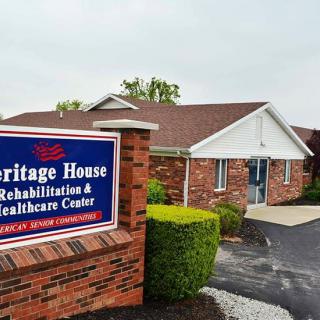
Building Exterior
Get PricingAsk A QuestionSchedule A TourContact Senior Advisor
By clicking submit, you agree to our Partner's Terms of Use. You
also consent to receive calls and texts, which may be autodialed, from our Partner. Your consent is not a condition to
using our Partner's service. Please visit our Partner's Privacy Policy for information about their privacy practices.


 98 resident community capacity
 Assisted Living
 Memory Care
 Skilled Nursing Facility
 Air-conditioning
 Beauty salon
 Cable or satellite TV
 Computer center
 Dining room
 Fitness room
 Fully furnished
 Gaming room
 Garden
 Housekeeping services
 Kitchenette
 Move-in coordination
 Outdoor space
 Private bathrooms
 Restaurant-style dining
 Small library
 Telephone
 Wellness center
 Wi-Fi/high-speed internet available
 Community operated transportation
 24-hour call system
 Activities of daily living assistance
 Assistance with bathing
 Assistance with dressing
 Assistance with transfers
 Diabetes diet
 Medication management
 Mental wellness program
 Special dietary restrictions
 Concierge services
 Planned day trips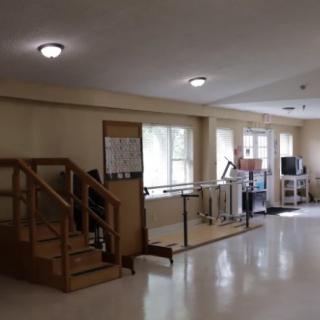
 Clean, well-maintained facility with attentive staff and engaging activities.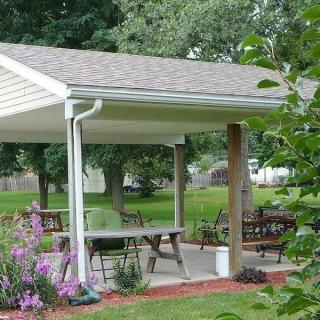
 How and When Medicaid May Cover Assisted Living Costs
 A Detailed Exploration of Assisted Living Medicaid Waivers Across the United States
 Exploring the Contrasts Between Assisted Living and Skilled Nursing