


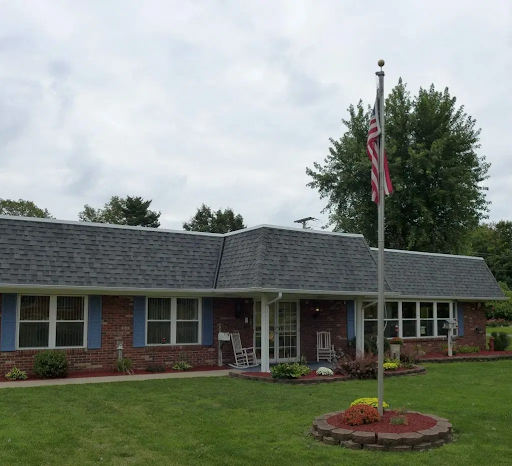








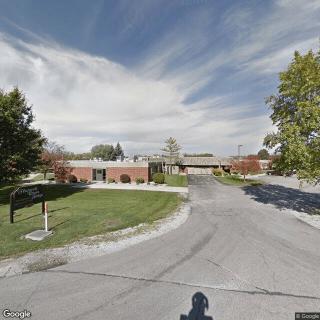
2600 North Grand Avenue, Connersville, IN 47331
For more information about senior living options: (866) 208-4318
Overall Review of Hickory Creek At Connersville
Pros
 The staff are doing a great job and are very nice.
- The facility is a good place to be.
- They go above and beyond their duty.
- Courtney is very nice.
- Hickory Creek in Connersville, IN has outstanding staff and a clean facility with genuine caring people.
- The residents feel like family at the facility.
- The facility has a real family environment for both staff and residents, with a giving culture.
- The administrator and department heads are among the best.
Cons
 The reviewer would not recommend placing anyone in this nursing home.
- The management of the facility is a joke and employees are treated poorly.
- Staff are scheduled to work long sequences of days with no days off.
- The reviewer did not receive their last paycheck on time and had to wait for it.
- There isn’t a single good thing to say about Hickory Creek.
- There is a need for a change in management.
Review
Hickory Creek at Connersville in Connersville, Indiana is best suited for seniors who want a warm, home-like setting where frontline caregivers deliver real hands-on care and families feel included in daily life. This is the kind of community where staff are consistently described as genuinely caring, and where residents are treated more like family than patients. Daily life centers on comfort, friendly interaction, and straightforward, timely communication about care, which makes it a strong fit for households seeking a reassuring, people-first environment.
Those who should consider alternatives include families prioritizing rock-solid administrative stability and transparent governance. A few reviews flag management as a major weakness, with concerns about payroll practices and staffing discipline. For families that want tight operational control, predictable leadership, and highly consistent oversight across shifts, it’s prudent to compare Hickory Creek with other options that emphasize management reliability and formal escalation processes.
The strongest case for Hickory Creek rests on the everyday experience: outstanding staff, a clean facility, and a family-like culture that makes residents feel at home. Reviewers repeatedly highlight caregivers who go above and beyond, the welcoming atmosphere for visitors, and the general sense that residents are treated with respect and warmth. The clean environment and good food reinforce this perception, making day-to-day life feel comfortable and manageable. Taken together, these positives create a solid offset to concerns about administrative fragility, because the most visible and dependable resource, the on-site care team, remains a consistent source of support.
At the same time, the most persistent caveat centers on management and operational consistency. The negative notes about leadership and payroll practices are not trivial; they flag a risk that administrative missteps could ripple into scheduling, communication, and overall morale. For families, that means asking pointed questions about leadership stability, how problems are escalated, and what assurances exist for timely updates when issues arise. The pros can often cushion this risk in daily life, but the potential for administrative disruption should be weighed carefully, especially during transitions or health fluctuations in a loved one.
Practical due diligence during a visit is essential. Tour during multiple shifts to observe how front-line staff interact with residents, and request candid conversations with the administrator and department heads. Inquire about current staffing ratios, overtime practices, and how care plans are updated and shared with families. Ask to review recent inspection results, quality metrics, and sample meal plans to verify ongoing nutrition and satisfaction. Clarify whether the campus offers full-time nursing support, memory care options, and the scope of medical oversight, so expectations align with actual services.
In the end, Hickory Creek at Connersville presents a compelling choice for families seeking a warm, connected environment with caring, capable frontline staff and a genuine sense of community. The decisive strengths are the people on the floor, the dedicated caregivers who make residents feel safe, seen, and valued, and a facility that consistently presents as clean, welcoming, and resident-centered. The notable caveat is the variability in perceived administrative effectiveness; this is a factor that can influence responsiveness and continuity of care over time. If diligent, thorough conversations with leadership can establish confidence in how issues are managed, this community deserves serious consideration. If administrative steadiness is a top priority, however, it remains wise to compare with other options that emphasize governance and predictable operations.
 36 resident community capacity
 Assisted Living
 Skilled Nursing Facility
 Beauty salon
 Cable or satellite TV
 Dining room
 Fully furnished
 Garden
 Housekeeping services
 Kitchenette
 Move-in coordination
 Outdoor space
 Telephone
 Wi-Fi/high-speed internet available
 24-hour call system
 Activities of daily living assistance
 Assistance with bathing
 Assistance with dressing
 Assistance with transfers
 Diabetes diet
 Meal preparation and service
 Medication management
 Mental wellness program
 Special dietary restrictions
 Transportation arrangement (medical)
 Transportation to doctors appointments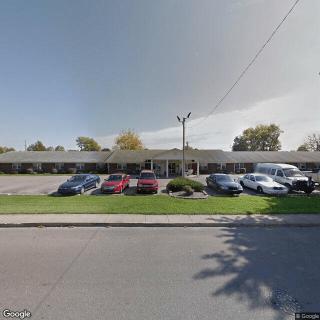


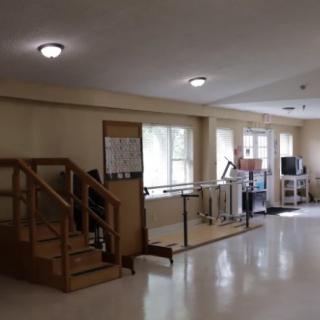


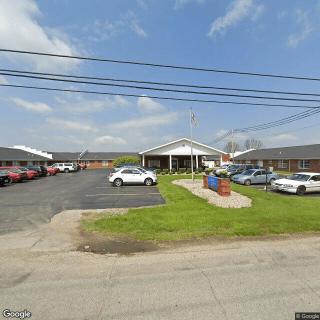

 Vibrant Senior Living: A Comprehensive Guide for Active Older Adults
 When to Transition from Assisted Living to Memory Care: Key Indicators, Steps, and Finding the Right Community
 Assisted Living and Memory Care: Understanding Their Core Differences