The Stratford in Carmel, IN

Save

  • Interior

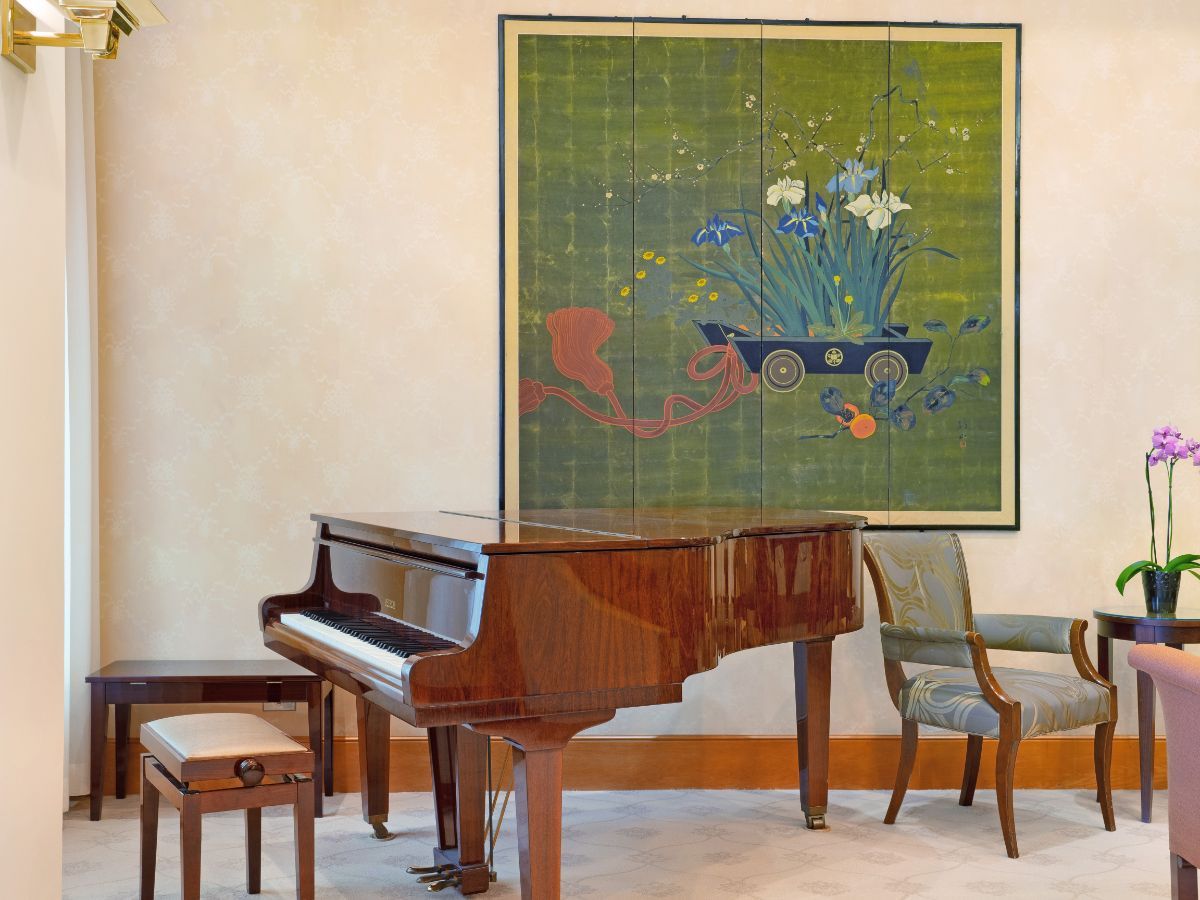
    A grand piano situated in a room with a vibrant painting on the wall.
  • Decor

    A well-appointed meeting room with a large table and chairs, adorned with elegant artwork on the wall.
  • Living Room

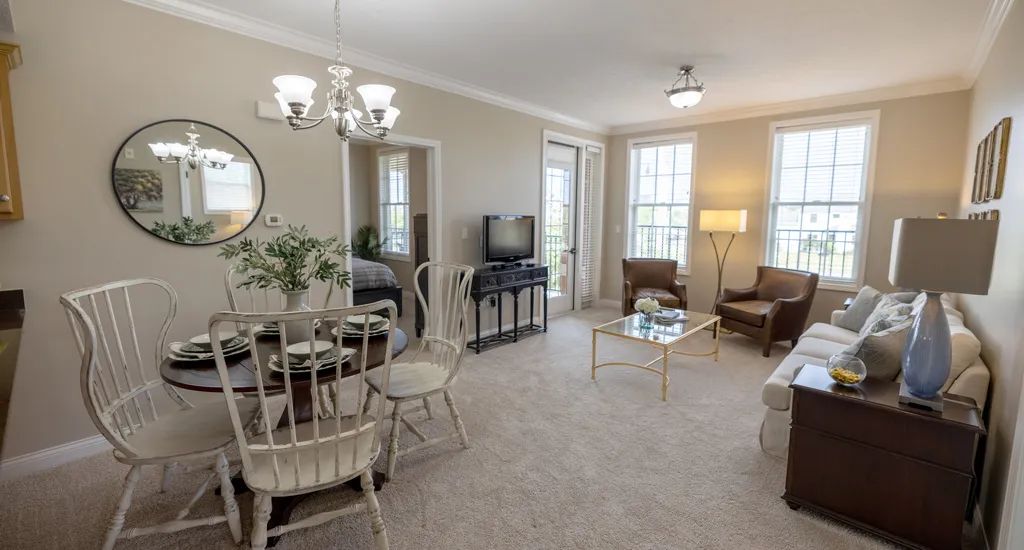
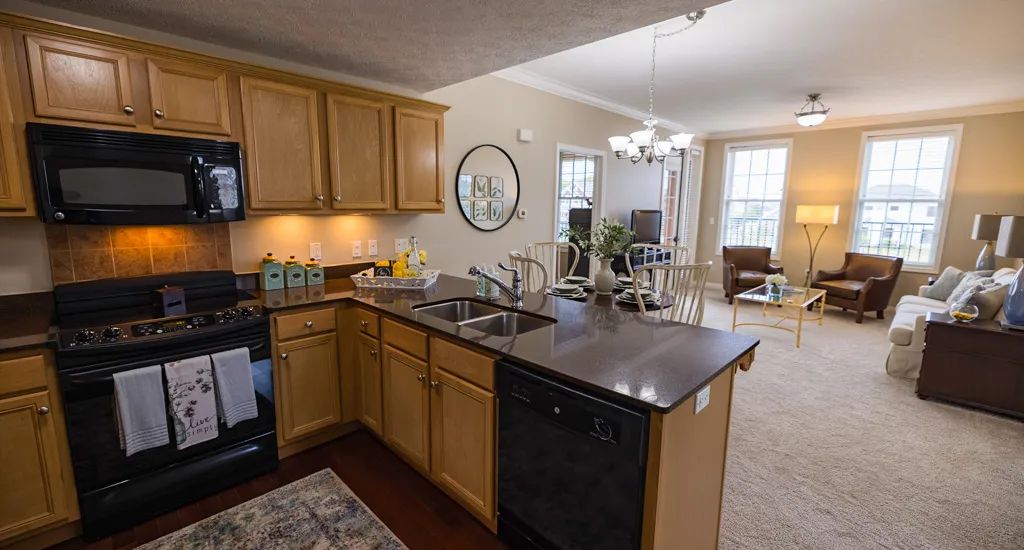
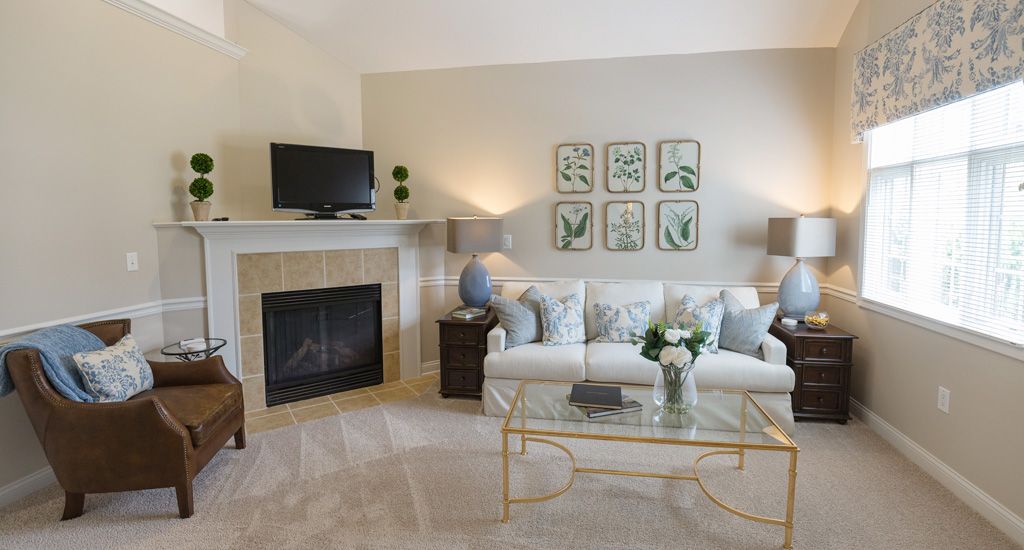
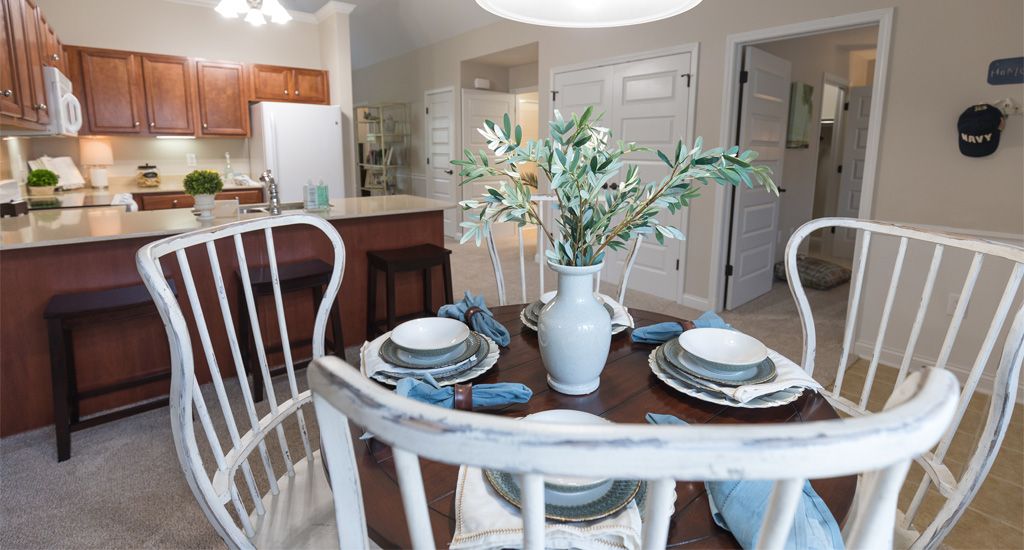
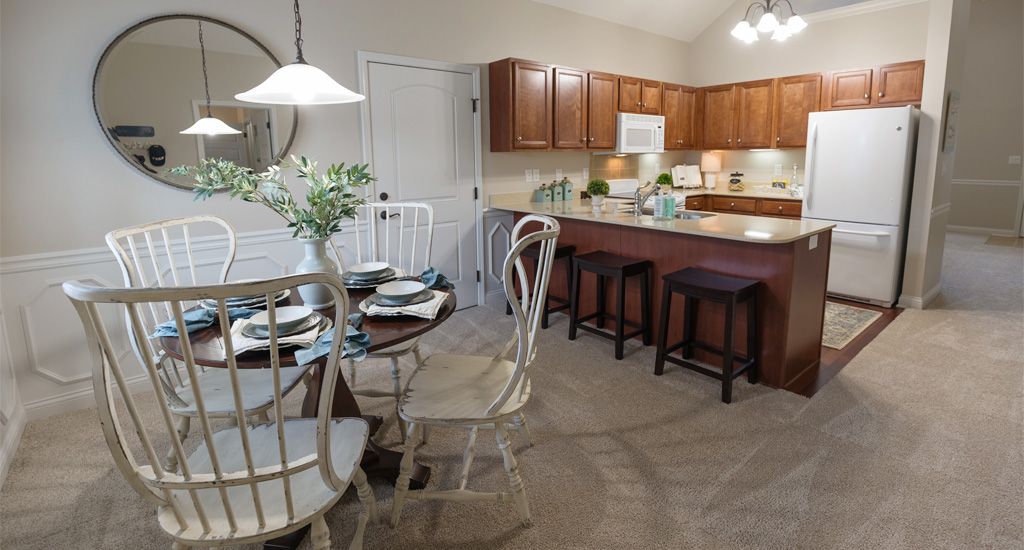
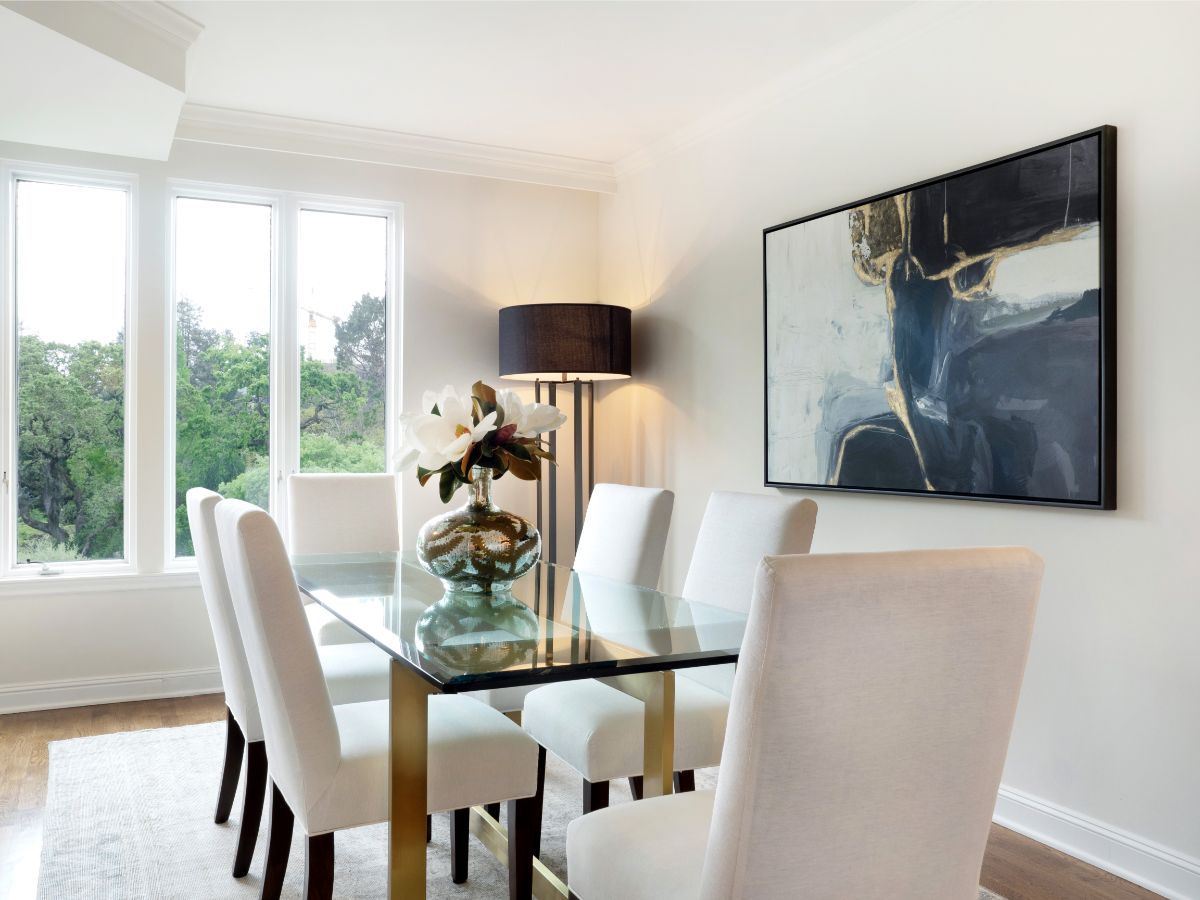
    A cozy living room with a dining area, featuring elegant furniture and natural light.
  • Building

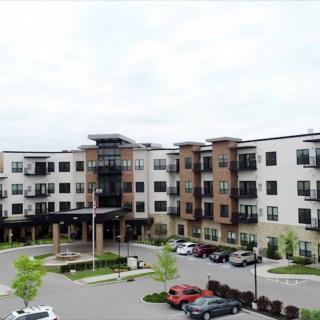
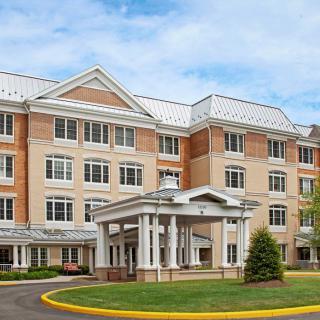
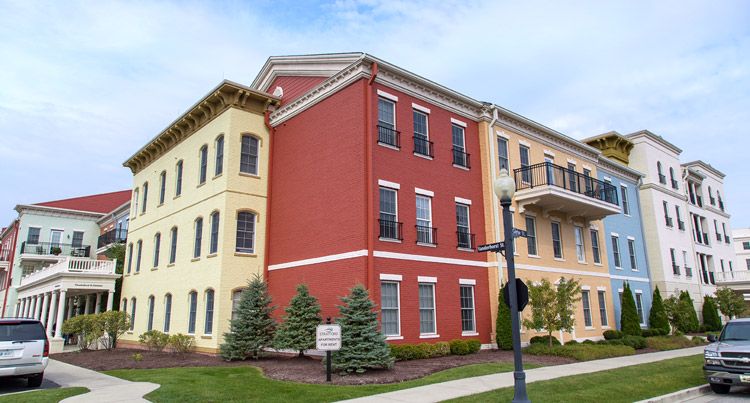
    A luxurious hotel with a grand entrance and well-maintained landscaping.
  • Architecture

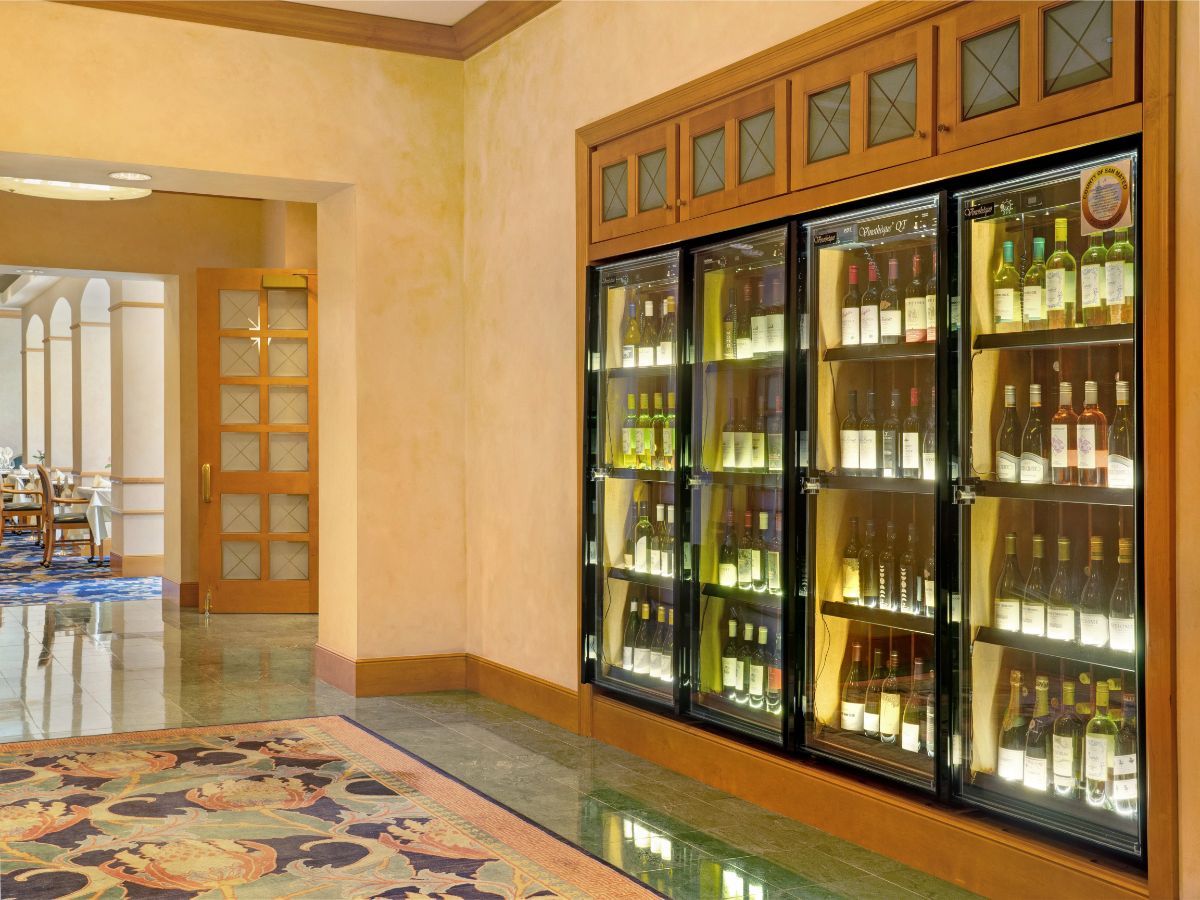
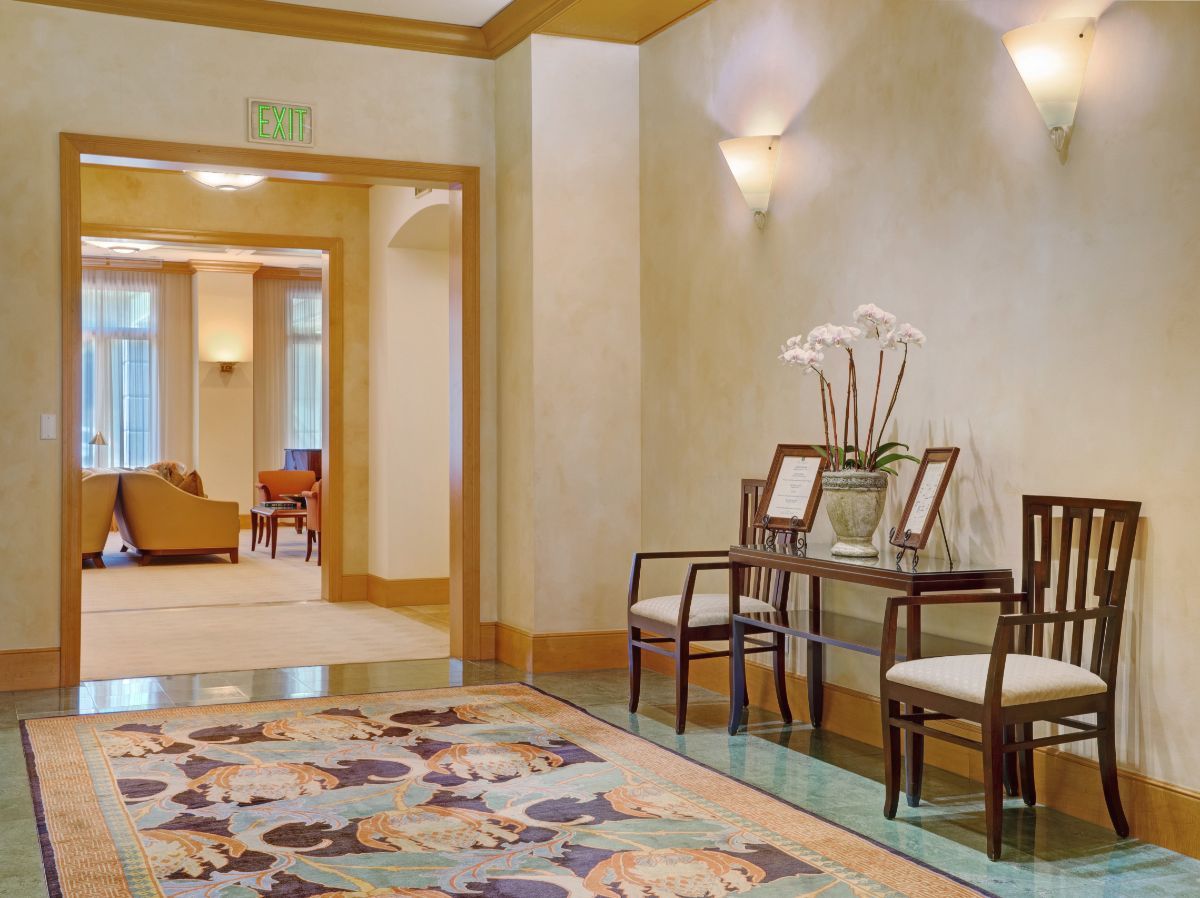
    A well-lit hallway with arches and warm-toned walls.
  • Bedroom

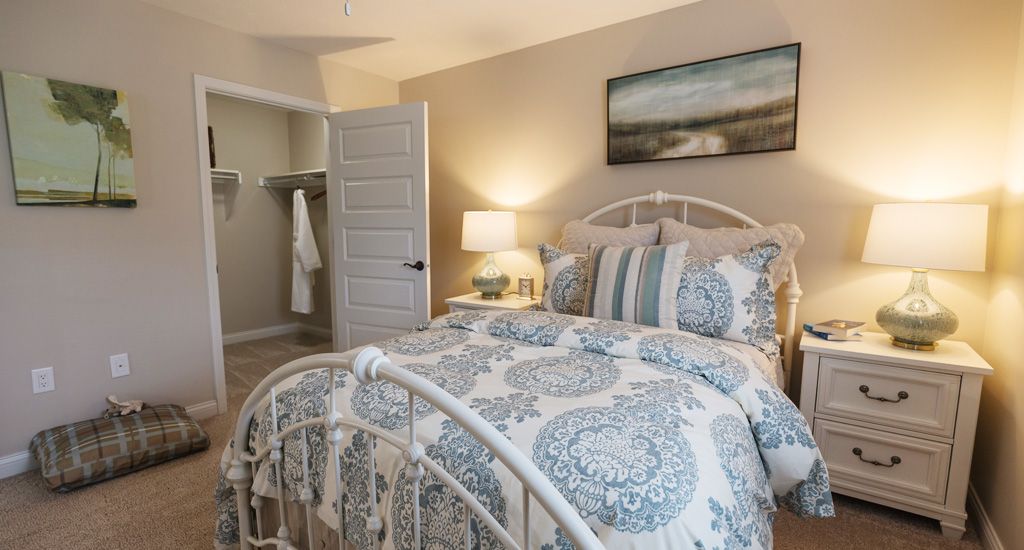
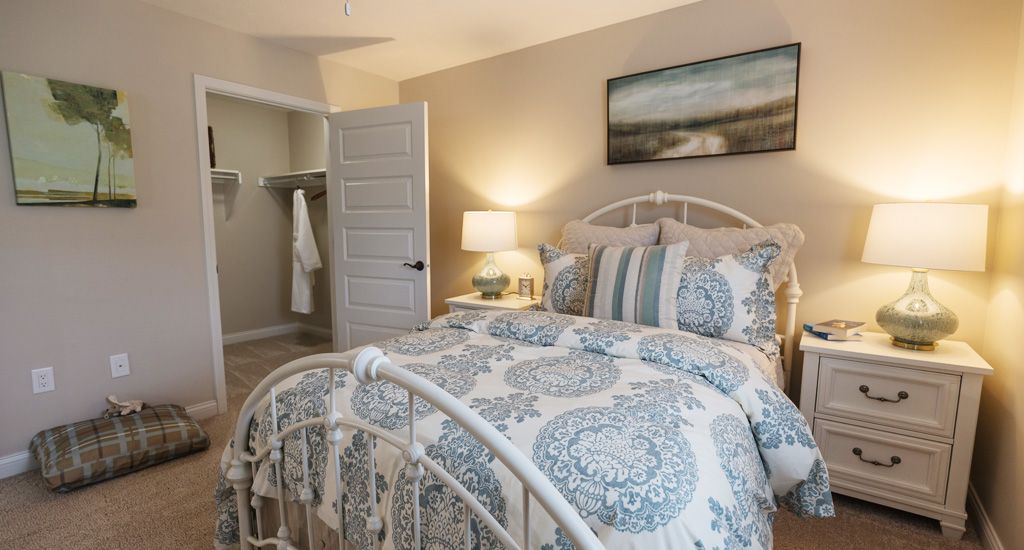
    A cozy bedroom interior featuring a well-decorated bed with patterned bedding, a nightstand with a lamp, and artwork on the wall.
  • Trees

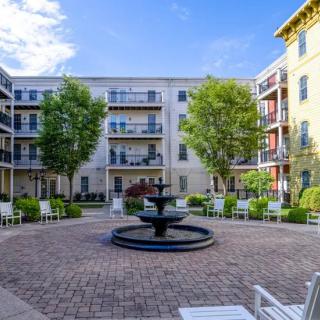
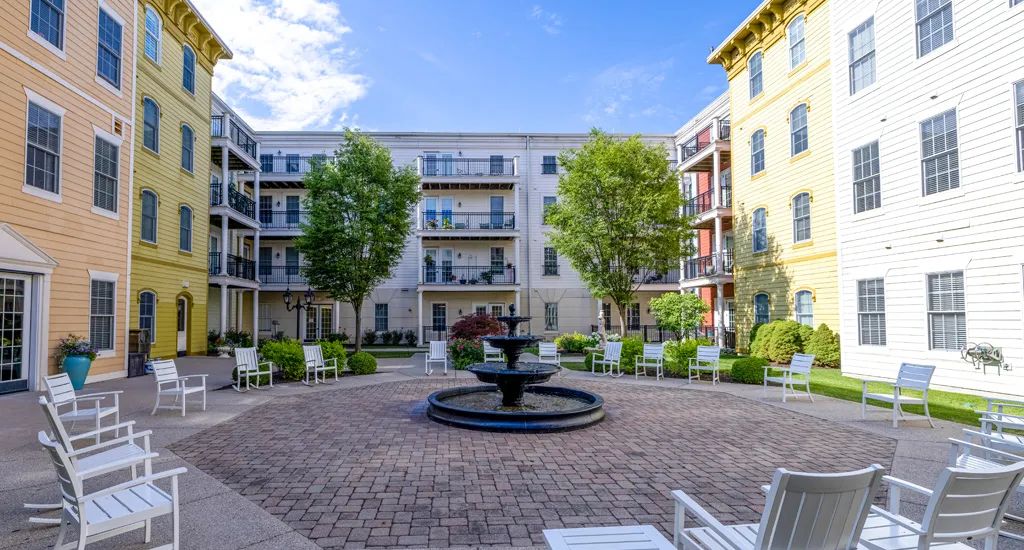
    A peaceful courtyard with a central fountain surrounded by apartment buildings and greenery.
  • Windows

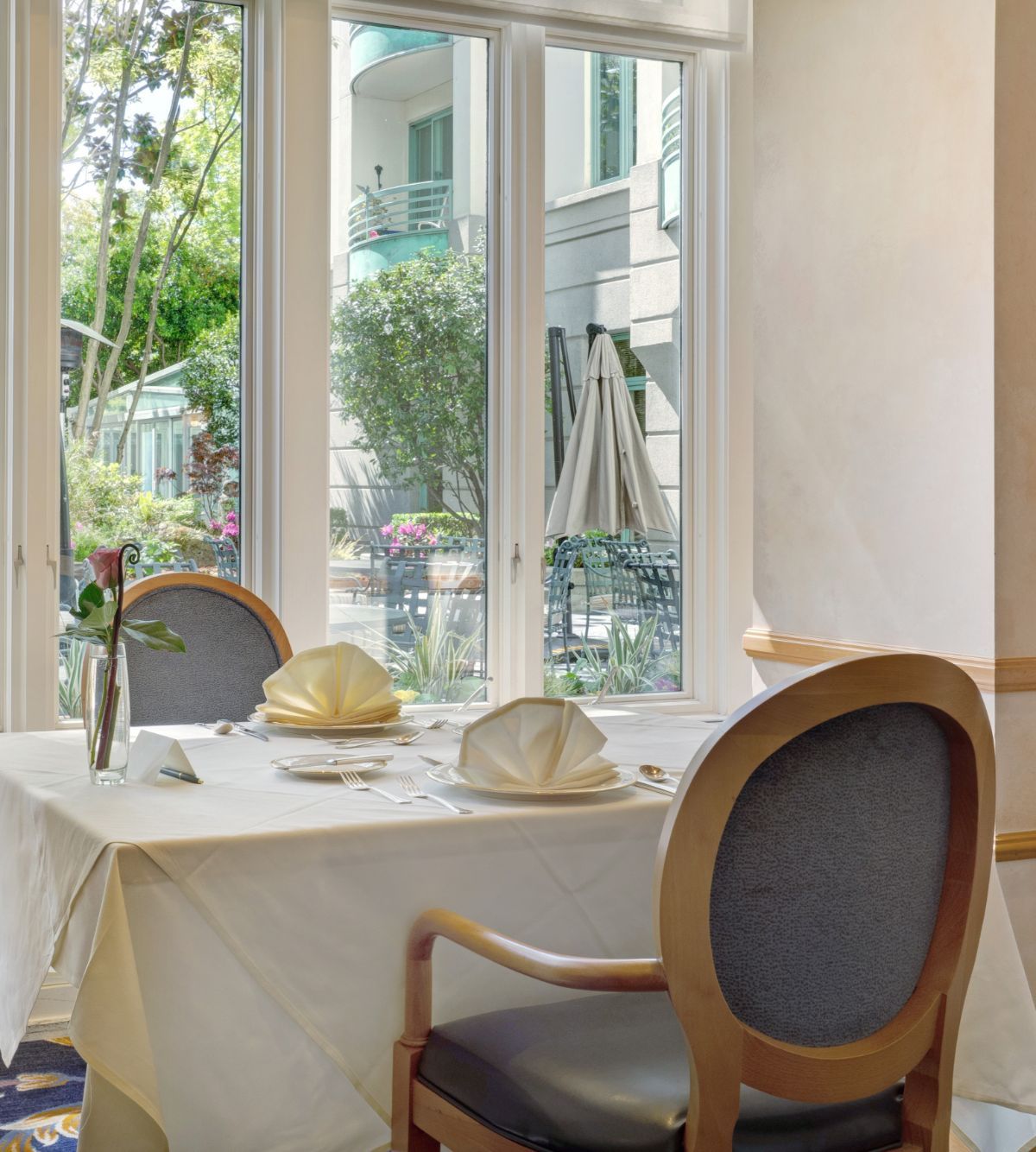
    A spacious indoor dining area with large windows and elegant table settings.
  • Dining

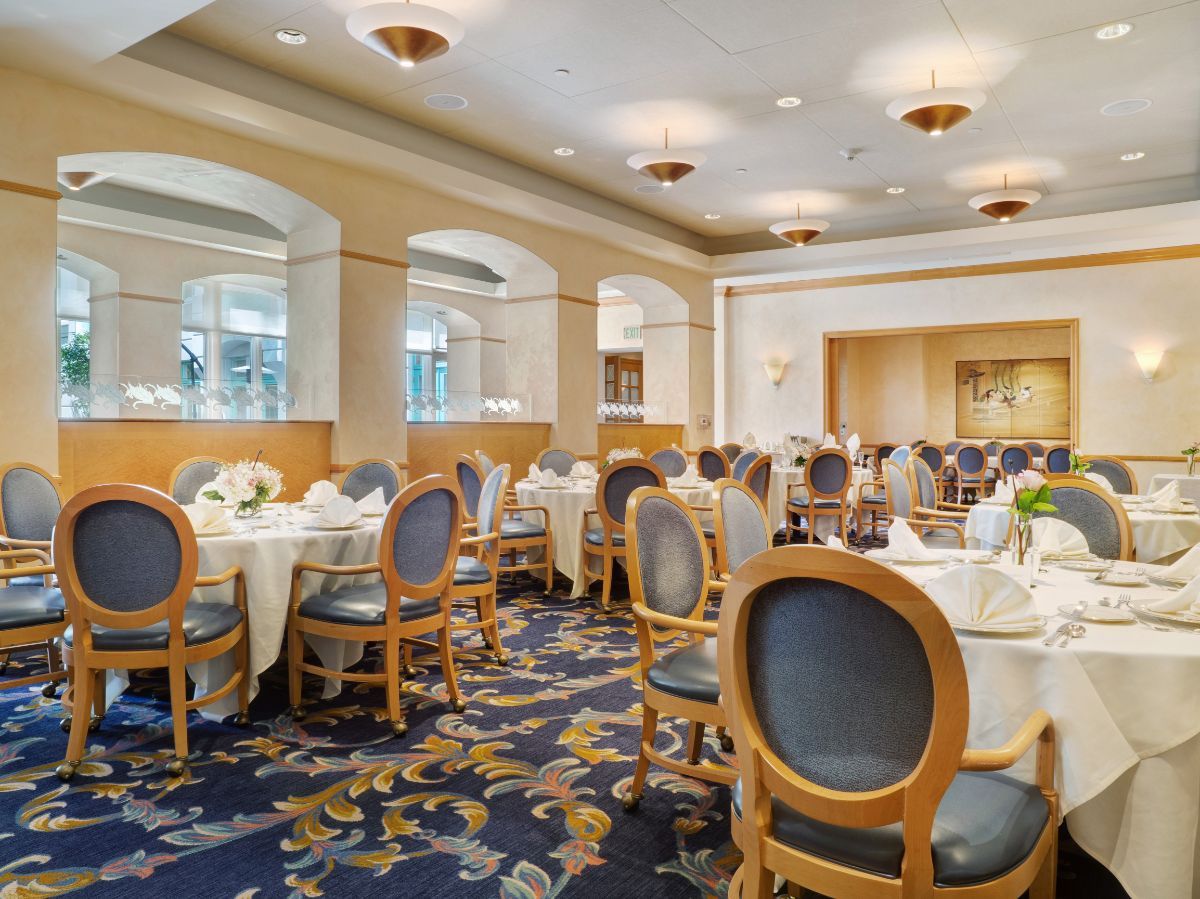
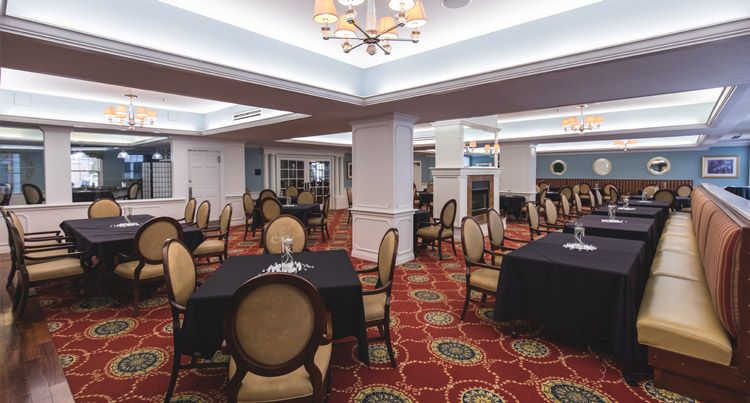
    An elegant dining room with round tables and upholstered chairs, set for an event.
  • Landscaping

    A pergola-covered walkway with views of the city and surrounding landscape.
  • Kitchen

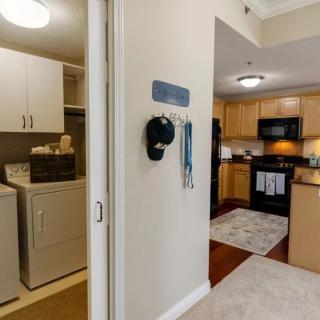
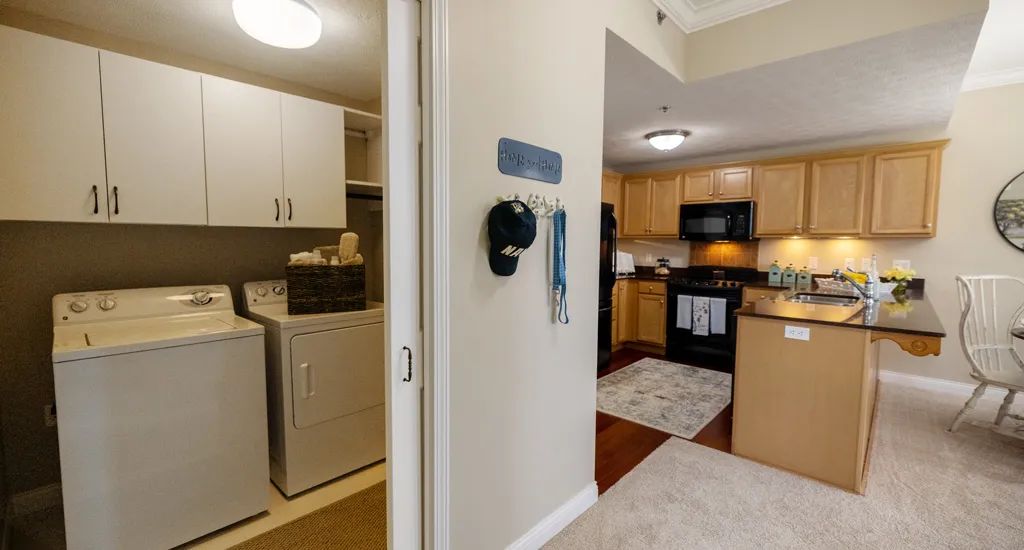
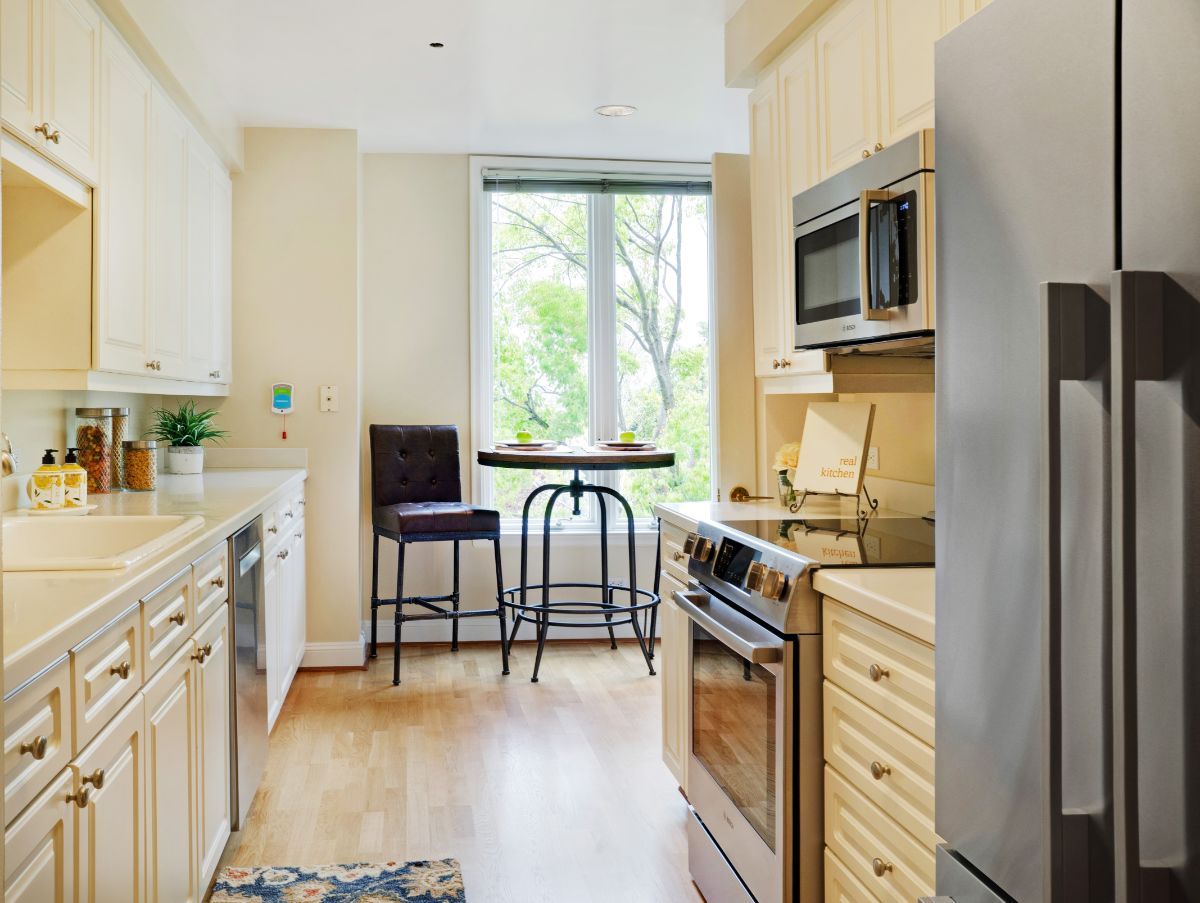
    A view of a home's interior showcasing the laundry room with a washer and dryer, adjacent to a kitchen equipped with modern appliances.
  • Lighting

    A stylish hair salon interior with comfortable chairs and a well-lit vanity area.
  • Garden

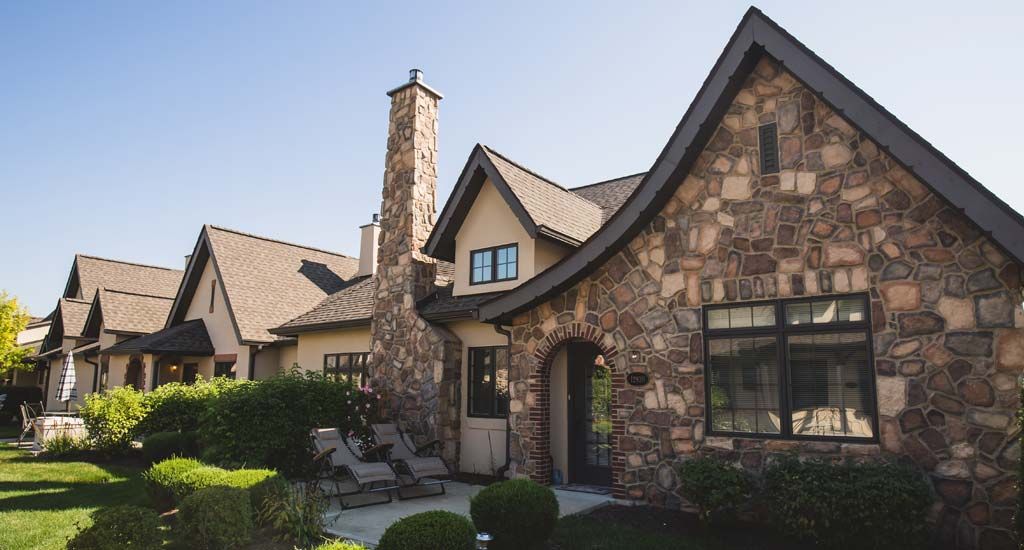
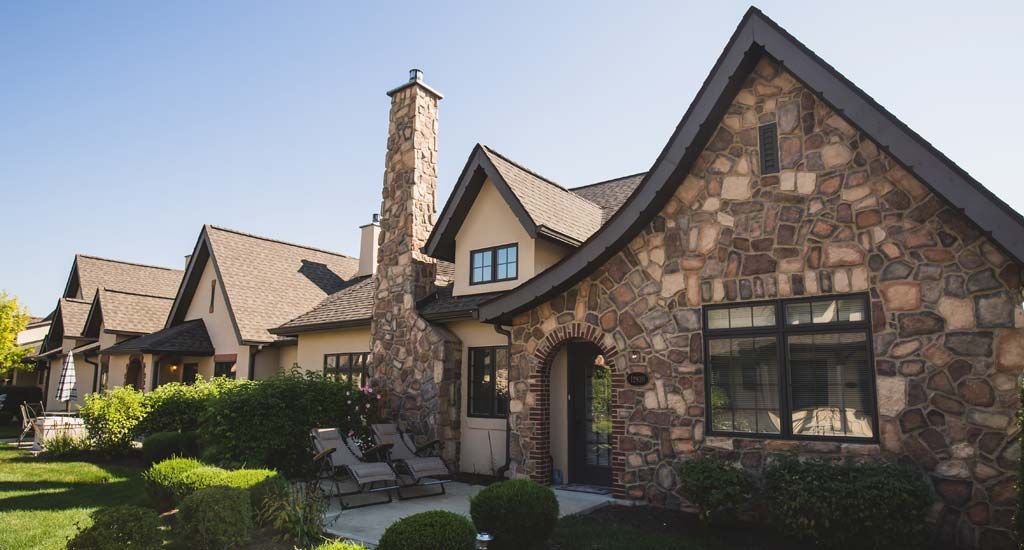
    A charming stone house with a chimney and well-kept garden.
  • Entrance

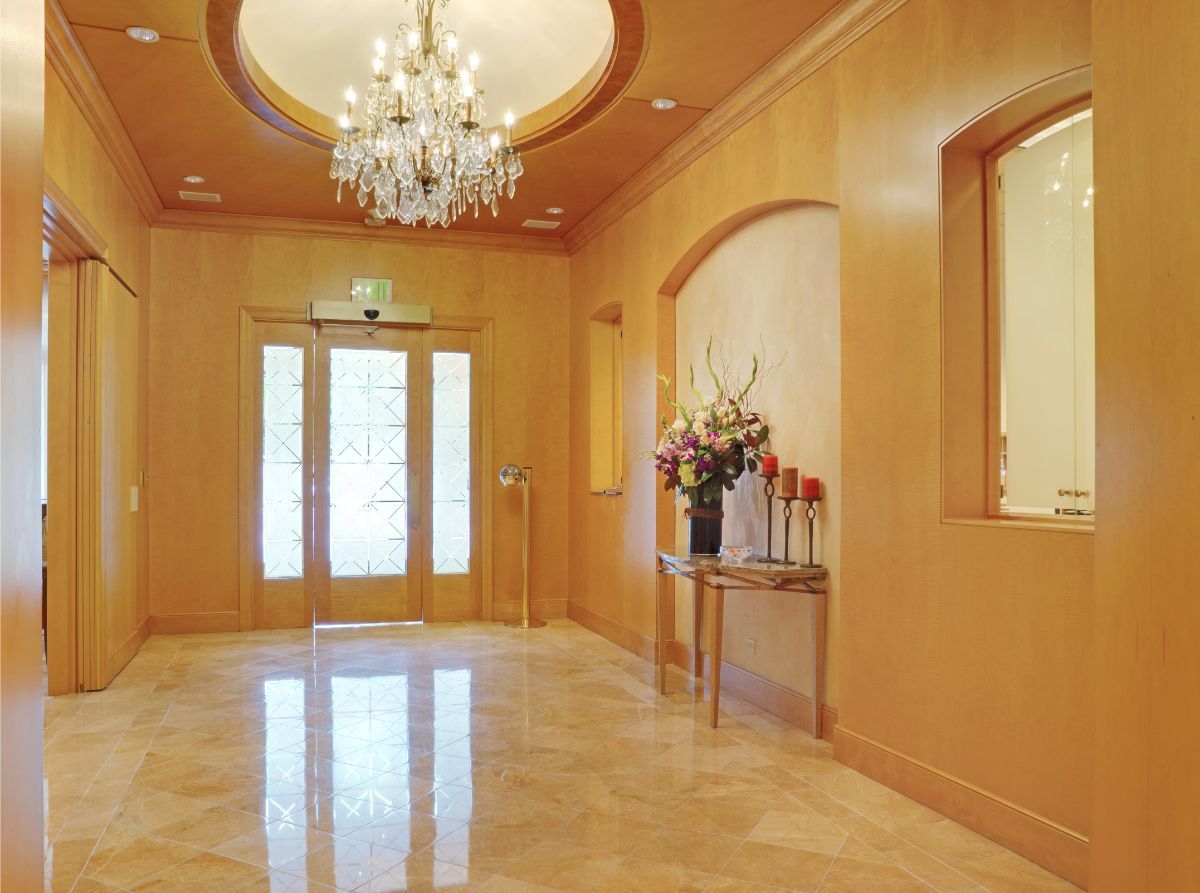
    Elegant entrance with a chandelier and floral arrangement.

The Stratford in Carmel, IN

Information last verified:

2460 Glebe Street, Carmel, IN 46032

For more information about senior living options: (844) 490-3973

4.8 from 123 reviews
5 stars
113
4 stars
5
3 stars
0
2 stars
1
1 stars
4

Overall Review of The Stratford

Pros

  • pro Stephanie Gemelas went the extra mile by staying late to change the smoke alarm battery and stop the beeping.
  • pro The Stratford offers fantastic service.
  • pro The Stratford staff went above and beyond in answering questions, addressing concerns, being approachable, and treating residents like family.
  • pro Brad the administrator and Jodi the social worker are truly the best in Indy.
  • pro A high point of living at The Stratford is the friendly people.
  • pro The rehab team is top notch, and the overall team is very supportive of helping loved ones meet their goals.
  • pro The Stratford's fun squad—Marissa, Michele, and Stephanie—provide a loving, creative, and entertaining environment.
  • pro The staff is warm, friendly, and resident-centered.
  • pro The Stratford is a beautiful, well-maintained facility with stunning architecture and comfortable spaces.
  • pro The Stratford feels like home, with safety, community, and peace of mind for families.
  • pro Grace and Ann help with transitions and make newcomers feel welcome.
  • pro The Stratford is a top-notch, five-star community in Carmel.

Cons

  • pro The staff is not friendly and questions agency’s who come in to oversee one of their patients.
  • pro This is unforgivable.
  • pro The Stratford has a lot of good points, but it's not perfect.
  • pro A place like this is a place that my parents wouldn't be able to afford.
  • pro The Stratford is very nice, but it's not within our reach.
  • pro The price of the unit was out of our range.
  • pro They pigeon holed my mother.
  • pro They insisted that because she had a stroke, she would be in an assisted living only.
  • pro Cost, however, was a little bit higher.

Review

The Stratford in Carmel is best suited for active, social-minded seniors who want a high-end, hotel-like living experience with a true continuum of care. It shines for independent living residents who value spacious cottages or upscale apartments, on-site therapy and rehabilitation, restaurant-style dining, and a calendar of cultural and fitness activities that keep residents engaged. For families, the draw is clear: a well-coordinated path from independent living to assisted living, with on-site rehab, regular access to doctors and therapists, and a staff culture that feels genuinely invested in each resident’s happiness and health. The West Clay campus offers a cohesive ecosystem where transitions feel natural, supported by a leadership team that is visible, responsive, and committed to maintaining a warm, welcoming environment.

But there are clear reasons some families may want to explore alternatives. The Stratford’s premium, all-in-one approach comes with a price tag that can be steep for many budgets, especially when long-term care needs rise or when choosing larger living spaces. For families prioritizing only modest monthly costs, more straightforward independent living options, or communities with fewer bundled services, alternatives can make more sense. Those seeking highly specialized memory-care programs with a narrower focus or independent minds who insist on minimal assistance may find the Stratford’s breadth of services more than they need. And while the overall culture is overwhelmingly positive, a few reviews flag leadership and staff consistency concerns, or troubling incident reports; these are important reminders to verify alignment between expectations and actual day-to-day operations.

The Stratford’s core strengths robustly offset its higher costs. The care services are consistently described as excellent, with a therapy program that integrates physical, occupational, and speech therapy into a seamless continuum that residents can access across care levels. Families routinely praise the rehab team for motivating progress and for maintaining continuity as residents transition from independent living into assisted living or skilled nursing. The social fabric is equally compelling: a proactive activities team, regular outings, theme dinners, and even specialized programs that feel tailor-made for lifelong learners. Dining is frequently lauded as restaurant-quality, with varied menus and attentive dietary management, contributing to a sense of daily luxury. Taken together, these advantages reduce the friction and anxiety that can accompany aging in place, turning what could be a stressful transition into a confident plan for the future.

The Stratford also earns its keep on the soft-skill side: staff accessibility, responsiveness, and genuine warmth. Multiple families point to specific team members who guide moves, coordinate care plans, and remain easy to reach, names like Grace, Ann, and Sam appear repeatedly as anchors in the transition process and ongoing support. Residents describe a palpable sense of community, a feeling that staff know them by name, anticipate needs, and create opportunities to participate rather than sit on the sidelines. The campus itself reinforces this ethos: well-maintained, aesthetically pleasing spaces with comfortable common areas, private dining options, and the sense that every corner is designed to keep people engaged and independent for as long as possible. Still, the occasional negative feedback about leadership or a troubling incident underscores the necessity of a careful, firsthand visit to confirm current culture and practices.

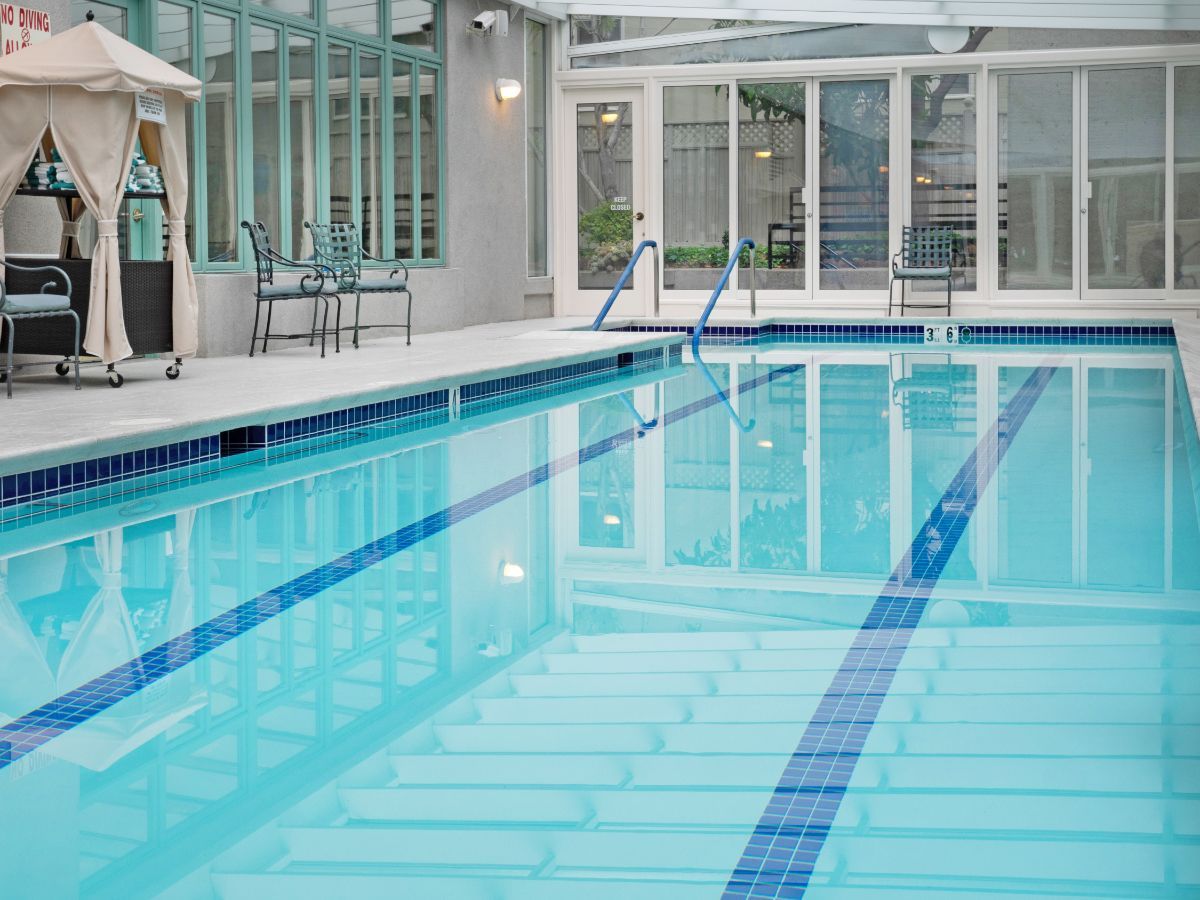
The continuum is where The Stratford differentiates itself most clearly. Families transitioning from independent cottages to assisted living or even skilled nursing find a path that preserves familiarity, supports autonomy, and preserves dignity. The care team’s ability to orchestrate a smooth handoff across levels, the availability of on-site rehabilitation, and the integration of social services with medical care create a cohesive living strategy rather than a series of disjointed moves. Guest suites, robust transportation for appointments and outings, and a range of exercise and wellness options, plus a salt-water pool and modern fitness facilities, further empower residents to stay active. The downside to this breadth is a potential sense of “premium everything” that can feel overwhelming financially; for some, that premium is entirely worth it, and for others, a scaled-back option may better fit their financial reality.

For families weighing the Stratford, a practical approach is essential. Begin with a candid budget check: what costs are included, what are the realistic long-term fees, and how do ancillary services (therapy, transportation, dining, and activities) factor into total monthly outlays? Schedule detailed tours and ask to speak with residents across independent, assisted, and memory-care-adjacent spaces to gauge consistency of care and the daily atmosphere. Inquire about the specific transition protocols, the names and roles of the transition team, and the process for coordinating with external providers. Above all, compare against solid alternatives that match your priorities, whether those are lower cost, more intimate settings, or facilities with a tighter focus on a single level of care. The Stratford is a strong match for families seeking security, social vibrancy, and a robust care continuum; it is less suitable for those constrained by budget or seeking a strictly clinical, less lifestyle-driven environment.

In the end, The Stratford represents retirement living at its best when the goal is upscale comfort paired with real, reliable care and an active, engaged community. It excels for those who want to downsize without surrendering quality of life, who value high-caliber dining, meaningful activities, and on-site rehabilitation, and who are comfortable investing in a vibrant campus that treats residents like family. It is not the right fit for every wallet or every care preference, particularly for families seeking minimal services, very tight budgets, or highly specialized dementia care that operates outside Stratford’s broad continuum. For those who identify with the Stratford’s strengths, the path forward is straightforward: lean into the transition team, tour widely, schedule trial experiences in the cottages or main building, and align expectations with the documented care philosophy. When matched with the right resident, Stratford delivers a compelling blend of luxury living and compassionate care that can redefine what aging in place feels like.

Features

Housing

  • 1-bedroom apartments 1-bedroom apartments1-bedroom apartments are important for seniors because they provide a sense of independence, privacy, and autonomy while still offering the necessary space for comfortable living. These apartments allow seniors to maintain their own personal space and lifestyle preferences in a supportive community setting.
  • 2-bedroom apartments 2-bedroom apartments2-bedroom apartments are important for seniors because they provide extra space for guests, hobbies, and caregivers, as well as potential for additional income through roommates or rental.
  • 3-bedroom apartments 3-bedroom apartments3-bedroom apartments are important for seniors as they provide ample space for visiting family, caregivers, or live-in assistance. This extra room can also be utilized for hobbies, storage, or a home office, allowing seniors to maintain independence and flexibility in their living arrangements.
  • Studio apartments Studio apartmentsStudio apartments are important for seniors because they offer a smaller, more manageable living space that is easier to navigate and maintain as physical abilities decline. Additionally, studio apartments provide seniors with independence and privacy while still being part of a community that offers support and social opportunities.

Types of Care

  • Continuing Care Retirement Community (CCRC) Continuing Care Retirement Community (CCRC)Continuing Care Retirement Communities (CCRCs) are important for seniors because they provide a range of housing options and care services all in one location. This allows seniors to age in place and receive the level of care they need as their health changes, without having to move to a new facility. CCRCs provide a sense of security and peace of mind for seniors and their families, knowing that they will be taken care of no matter what the future holds.

Amenities

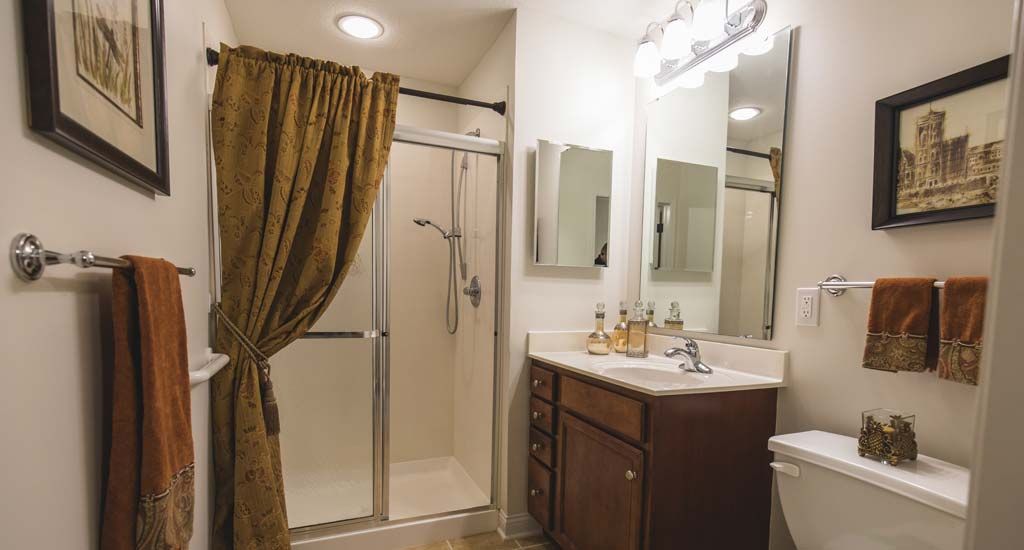
  • Air-conditioning Air-conditioningAir conditioning is important for seniors as they are more vulnerable to heat-related illnesses and may have underlying health conditions that make it difficult for them to regulate their body temperature. It helps to keep them comfortable, safe, and healthy in hot weather.
  • Beauty salon Beauty salonBeauty salons are important for seniors because they provide a space for them to feel pampered, socialize, and maintain their personal grooming and hygiene. Regular visits to a beauty salon can help boost seniors' self-esteem and overall well-being.
  • Cable or satellite TV Cable or satellite TVCable or satellite TV is important for seniors because it provides entertainment, news, and companionship, helping to combat loneliness and boredom. It also offers a wide range of programming options tailored to different interests and preferences.
  • Computer center Computer centerA computer center is essential for seniors as it provides access to technology, communication tools, and resources that can enhance their daily lives. It allows them to stay connected with loved ones, engage in online activities, and learn new skills, ultimately promoting socialization and mental stimulation.
  • Dining room Dining roomDining rooms are important for seniors as they provide a space for socialization, connection, and nutritious meals. They offer opportunities for residents to bond over shared meals, foster a sense of community, and promote healthy eating habits. Dining rooms also ensure that seniors have access to well-balanced meals tailored to their dietary needs and preferences.
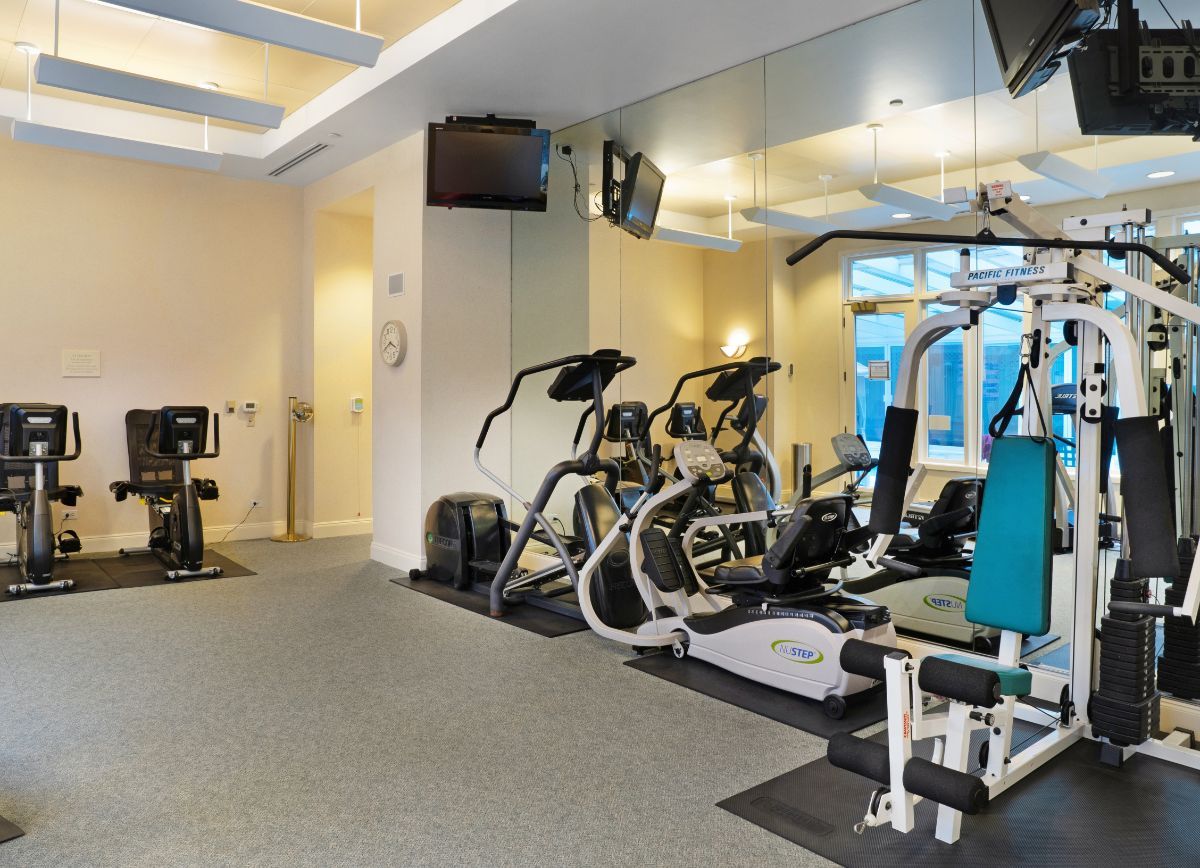
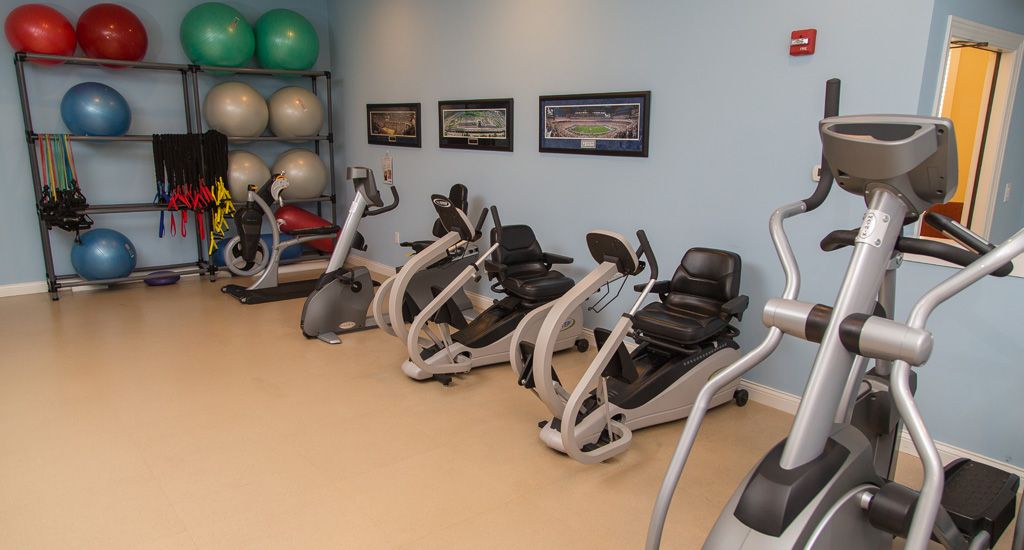
  • Fitness room Fitness roomHaving a fitness room in a senior living community is essential for seniors to stay active, maintain their physical health, and improve their overall well-being. Regular exercise can help prevent falls, reduce the risk of chronic diseases, and promote mental sharpness. It also provides social opportunities for residents to connect with others and enjoy a sense of community.
  • Fully furnished Fully furnishedFully furnished senior living communities are important for seniors because they provide convenience, comfort, and a hassle-free moving experience. Seniors can easily settle into their new living space without the stress of having to buy and move furniture. This allows them to focus on enjoying their new home and community.
  • Gaming room Gaming roomGaming rooms are important for seniors as they provide a fun and engaging environment for socializing, cognitive stimulation, and physical activity. Games can improve memory, problem-solving skills, and overall mental well-being while fostering friendships and reducing feelings of isolation.
  • Garden GardenGardens are important for seniors as they provide a peaceful and therapeutic environment for relaxation, physical activity, and socialization. Being in nature has been shown to reduce stress, improve mood, and promote overall well-being. Gardens also offer opportunities for seniors to engage in gardening activities, which can improve mobility, flexibility, and cognitive function. Additionally, gardens create a sense of community and connection with others who share a passion for plants and outdoor spaces.
  • Housekeeping services Housekeeping servicesHousekeeping services are important for seniors because they help maintain a clean and safe living environment, promote independence, and reduce the risk of accidents or illnesses. Additionally, having assistance with household chores can alleviate physical strain and allow seniors to focus on other aspects of their well-being.
  • Kitchenette KitchenetteKitchenettes are important for seniors living in senior living communities because they provide the convenience and independence of being able to prepare simple meals and snacks in the comfort of their own living space. This can help promote a sense of autonomy and well-being for seniors, allowing them to maintain some level of control over their dietary choices and daily routines.
  • Move-in coordination Move-in coordinationMove-in coordination is important for seniors because it helps ease the transition into their new living environment. It ensures that all logistics, such as packing, organizing movers, and setting up utilities are taken care of, allowing seniors to focus on settling in and adjusting to their new home. Having a smooth move-in process can alleviate stress and anxiety, making the transition smoother and more enjoyable for seniors.
  • Outdoor space Outdoor spaceOutdoor spaces are important for seniors as they provide opportunities for physical activity, social interaction, exposure to natural light and fresh air, and a sense of connection to nature. Having access to outdoor spaces can improve overall well-being and quality of life for older adults living in senior communities.
  • Private bathrooms Private bathroomsPrivate bathrooms are important for seniors in senior living communities because they provide independence, dignity, and comfort. Having a private bathroom allows seniors to maintain their personal hygiene routines without the need for assistance, promoting a sense of autonomy and privacy. Additionally, private bathrooms help prevent the spread of infections and provide a safe and clean environment for seniors to navigate safely.
  • Respite or short term stays offered Respite or short term stays offeredRespite or short term stays provide seniors with a temporary solution when their regular caregiver is unavailable, offering them the opportunity to receive additional care and support during times of need, while also giving caregivers a chance to rest and recharge.
  • Restaurant-style dining Restaurant-style diningRestaurant-style dining is important for seniors because it allows them to enjoy delicious, nutritious meals in a social and upscale setting. This enhances their dining experience, promotes healthy eating habits, and fosters socialization with fellow residents, ultimately contributing to their overall well-being and quality of life.
  • Small library Small librarySmall libraries are important for seniors as they provide access to a variety of reading materials, including books, newspapers, and magazines. This can help stimulate their minds, keep them engaged, and provide a sense of community through book clubs and other social activities. Additionally, reading has been shown to improve cognitive function and overall mental well-being in older adults.
  • Telephone TelephoneTelephones are important for seniors as they provide a lifeline for communication with loved ones, emergency services, and healthcare providers. They offer a sense of security and independence, enabling seniors to stay connected and access assistance when needed.
  • Wellness center Wellness centerWellness centers are important for seniors because they offer a variety of programs and services that promote physical, mental, and emotional well-being. These centers provide opportunities for exercise, socialization, education, and relaxation, helping seniors maintain their overall health and quality of life.
  • Wi-Fi/high-speed internet available Wi-Fi/high-speed internet availableWi-Fi/high-speed internet is important for seniors to stay connected with loved ones, access online resources, and participate in virtual activities to combat feelings of loneliness and isolation. It also allows them to easily manage healthcare needs, access entertainment, and engage in lifelong learning opportunities.

Transportation

  • Indianapolis International (18 miles away) Indianapolis International (18 miles away)
  • Community operated transportation Community operated transportationCommunity operated transportation is crucial for seniors as it provides them with the means to access essential services, social activities, and medical appointments. It allows seniors to maintain their independence and quality of life by ensuring they can participate in activities outside of their homes. Additionally, community-operated transportation services offer a safe and reliable way for seniors to travel without having to rely on family or friends for assistance.
  • Transportation arrangement Transportation arrangementTransportation arrangements are crucial for seniors as they may face challenges with driving, mobility, or access to public transportation. Having reliable transportation services ensures that seniors can easily attend appointments, social activities, and maintain their independence and quality of life.
  • Transportation arrangement (non-medical) Transportation arrangement (non-medical)Transportation arrangements are essential for seniors as they provide access to essential services, activities, and social interactions outside the home. This service helps maintain independence, mobility, and overall well-being for seniors who may have limited transportation options.

Care Services

  • 12-16 hour nursing 12-16 hour nursing12-16 hour nursing care is crucial for seniors in order to ensure around-the-clock monitoring, timely medication administration, and prompt response to any health concerns or emergencies. This level of care helps to promote the overall well-being and safety of seniors living in senior living communities.
  • 24-hour call system 24-hour call system24-hour call systems are important for seniors because they provide peace of mind and immediate assistance in case of emergencies. This technology ensures that help is always available, promoting safety and security for elderly individuals living alone or in assisted living facilities.
  • 24-hour supervision 24-hour supervision24-hour supervision is important for seniors to ensure their safety, well-being, and access to immediate assistance in case of emergencies or health issues. This constant support provides peace of mind for both seniors and their loved ones, allowing them to age in place with dignity and security.
  • Activities of daily living assistance Activities of daily living assistanceActivities of daily living assistance are important for seniors because they provide essential support with tasks such as eating, bathing, dressing, and mobility. This assistance helps seniors maintain their independence, dignity, and overall quality of life as they age.
  • Assistance with bathing Assistance with bathingAssistance with bathing is crucial for seniors as it helps maintain personal hygiene, prevents infections, and ensures their overall well-being and comfort. It also provides a sense of dignity and independence for seniors who may struggle with this task on their own.
  • Assistance with dressing Assistance with dressingAssistance with dressing is important for seniors because it helps maintain their independence, promotes personal hygiene, prevents accidents and injuries, and improves overall quality of life. This service ensures that seniors can continue to dress comfortably and confidently, despite any physical limitations they may have.
  • Assistance with transfers Assistance with transfersAssistance with transfers is crucial for seniors as it helps prevent falls and injuries, maintains their independence, and ensures they can safely navigate their living environment. It also provides peace of mind for both seniors and their loved ones.
  • Coordination with health care providers Coordination with health care providersCoordination with health care providers is crucial for seniors to ensure proper medical care, medication management, and overall well-being. This collaboration helps prevent overlapping treatments, track progress more effectively, and provide comprehensive support tailored to individual needs.
  • Diabetes diet Diabetes dietA diabetes diet is crucial for seniors as it helps manage blood sugar levels, reduce risks of complications, and improve overall health and well-being. By following a balanced and nutritious diet tailored to their specific needs, seniors can better control their diabetes and enhance their quality of life.
  • Meal preparation and service Meal preparation and serviceMeal preparation and service are crucial for seniors as they may have limited mobility or energy to cook nutritious meals. Having access to healthy and convenient food options can ensure they are getting the proper nutrition needed to maintain their overall health and well-being.
  • Medication management Medication managementMedication management is crucial for seniors to ensure they are taking the right medications at the correct dosages and times. This helps prevent adverse drug interactions, reduces the risk of medication errors, and promotes overall health and well-being. Proactive management also allows for adjustments as needed based on changing health conditions or new prescriptions.
  • Mental wellness program Mental wellness programMental wellness programs are essential for seniors as they promote cognitive stimulation, emotional support, and social engagement. These programs help prevent isolation, depression, and cognitive decline, ultimately enhancing the overall quality of life for older adults.
  • Special dietary restrictions Special dietary restrictionsSpecial dietary restrictions are important for seniors because age-related changes in metabolism and health conditions can make it difficult for their bodies to process certain foods. By following a diet tailored to their specific needs, seniors can maintain their overall health and well-being, manage chronic conditions, and reduce the risk of complications such as malnutrition or food interactions with medications.
  • Transportation arrangement (medical) Transportation arrangement (medical)Transportation arrangements for medical purposes are essential for seniors as they may have difficulty driving themselves to appointments or accessing public transportation. Having reliable and safe transportation options ensures that seniors can receive timely medical care and maintain their health and well-being.
  • Transportation to doctors appointments Transportation to doctors appointmentsTransportation to doctors' appointments is crucial for seniors as it ensures they have access to necessary medical care and support for their health needs. Without reliable transportation, seniors may struggle to attend important appointments, leading to potential delays in treatment and health complications. Providing transportation services helps seniors maintain their overall well-being and quality of life.

Dining

  • Diabetes diet Diabetes dietA diabetes diet is crucial for seniors as it helps manage blood sugar levels, reduce risks of complications, and improve overall health and well-being. By following a balanced and nutritious diet tailored to their specific needs, seniors can better control their diabetes and enhance their quality of life.
  • Special dietary restrictions Special dietary restrictionsSpecial dietary restrictions are important for seniors because age-related changes in metabolism and health conditions can make it difficult for their bodies to process certain foods. By following a diet tailored to their specific needs, seniors can maintain their overall health and well-being, manage chronic conditions, and reduce the risk of complications such as malnutrition or food interactions with medications.

Activities

  • Community-sponsored activities Community-sponsored activitiesCommunity-sponsored activities are important for seniors as they provide opportunities for social interaction, mental stimulation, and physical activity. These activities can help improve overall well-being, combat loneliness and isolation, and promote a sense of belonging and purpose among older adults.
  • Concierge services Concierge servicesConcierge services are essential for seniors as they provide assistance with daily tasks and errands, enhance their quality of life by offering convenience and personalized care, and promote a sense of safety and security.
  • Fitness programs Fitness programsFitness programs are crucial for seniors as they help improve strength, flexibility, balance, and overall well-being. Staying active can reduce the risk of chronic diseases, improve mental health, and enhance quality of life in older adults.
  • Planned day trips Planned day tripsPlanned day trips are important for seniors because they offer opportunities for socialization, mental stimulation, and physical activity. They provide a change of scenery and help seniors stay engaged and connected to their community, promoting overall well-being and quality of life.
  • Resident-run activities Resident-run activitiesResident-run activities are important for seniors as they encourage social interaction, creativity, and a sense of autonomy. These activities empower seniors to stay engaged and active in their community while fostering meaningful connections with their peers.
  • Scheduled daily activities Scheduled daily activitiesScheduled daily activities are important for seniors because they provide structure, socialization, mental stimulation, and physical activity. Engaging in regular activities can improve overall well-being and quality of life for seniors living in a community setting.

Description

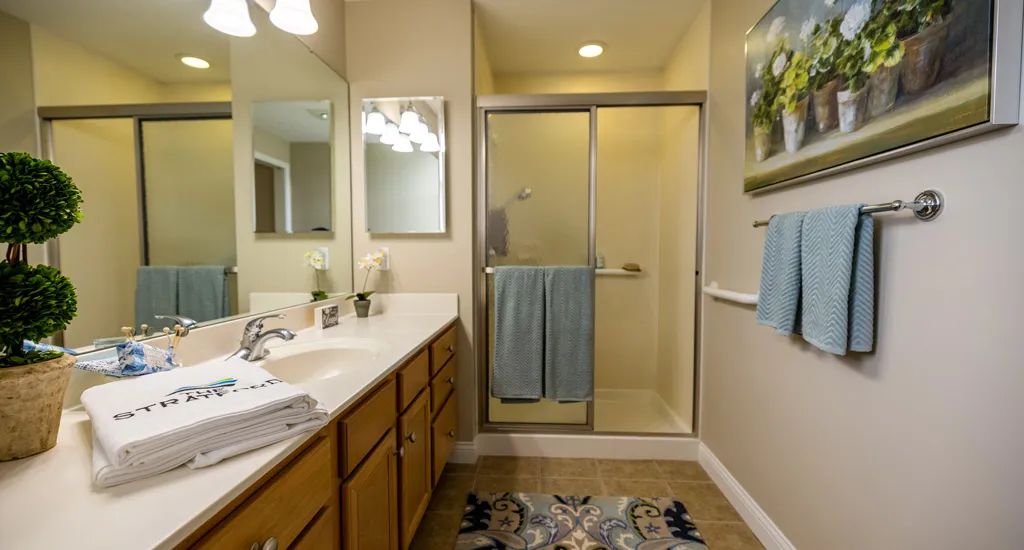
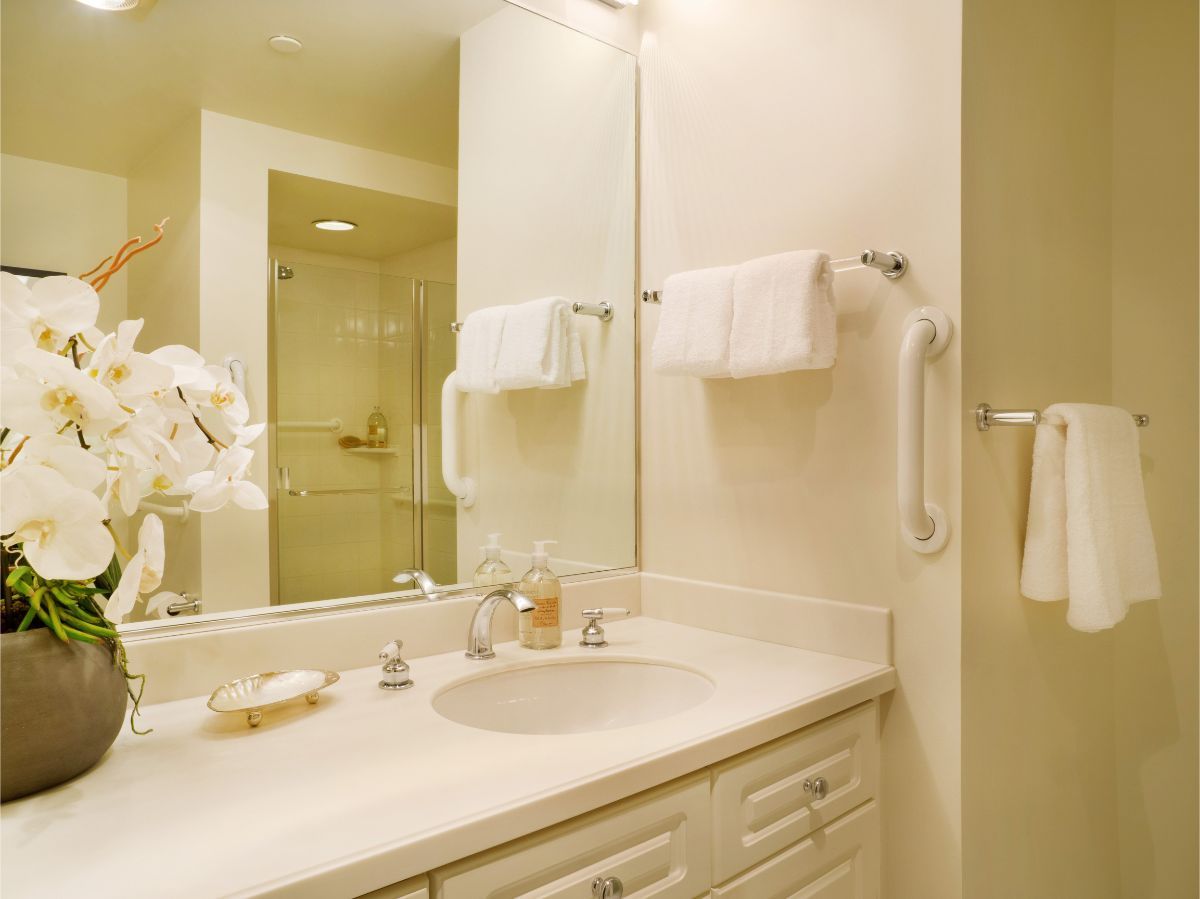
The Stratford in Carmel, IN is an assisted living community that offers a variety of housing options including 2-bedroom apartments, 3-bedroom apartments, and studio apartments. Each apartment is fully furnished and features private bathrooms and kitchenettes. Residents also have access to outdoor space and can enjoy the beautiful garden on the premises.

This community provides a range of amenities to enhance the residents' quality of life. These include a beauty salon, gaming room, small library, computer center, and fitness room. Residents can also take advantage of the community-operated transportation services for their convenience. Wi-Fi and high-speed internet are available throughout the premises.

Care services at The Stratford are comprehensive and designed to meet each resident's individual needs. These services include assistance with activities of daily living such as bathing, dressing, and transfers. Medication management and coordination with healthcare providers are also provided. The community has a mental wellness program to support residents' emotional well-being.

Dining at The Stratford takes into consideration residents' special dietary restrictions. Meal preparation and service are offered and diabetics can benefit from specialized diets. Additionally, there are multiple cafes and restaurants nearby for those who prefer dining out.

Residents can engage in various activities organized by the community including fitness programs, planned day trips, resident-run activities, and scheduled daily activities. A concierge service is also available to assist residents with any specific needs or requests they may have.

The Stratford is conveniently located near several amenities such as parks, pharmacies, physicians' offices, restaurants, places of worship, theaters, hospitals, and transportation options. This ensures that residents have easy access to essential services and opportunities for recreation.

Overall, The Stratford provides a comfortable living environment with comprehensive care services tailored to each resident's needs. With its wide range of amenities, convenient location, and engaging activities program; it is an ideal assisted living community option in Carmel, IN.

Nearby Places of Interest

Pharmacies

  • CVS Pharmacy (0.2 miles)
  • CVS Pharmacy (2.1 miles)
  • CVS Pharmacy (2.4 miles)
  • Market District Pharmacy (2.6 miles)
  • Meijer Pharmacy (2.7 miles)
  • Walgreens (2.9 miles)
  • CVS Pharmacy (4.2 miles)

Restaurants

  • Danny Boy Beer Works (0.4 miles)
  • La Hacienda (2.3 miles)
  • McDonald's (2.5 miles)
  • Bru Burger Bar (3 miles)
  • Chuy's Tex-Mex (3 miles)
  • Rosie's Place (3.4 miles)
  • Friendly Tavern (3.5 miles)

Parks

  • Lakeside Park (0.9 miles)
  • Central Park Playground (3.5 miles)
  • Meadowlark Park (3.8 miles)
  • Zionsville Rail Trail (4.3 miles)
  • Cool Creek Park & Nature Center (4.9 miles)
  • Heritage Trail Park (5.3 miles)

Places of Worship

  • Holy Trinity Church (2.4 miles)
  • College Park Church (3.1 miles)
  • Zionsville Christian Church (3.9 miles)
  • WW Studio (4.1 miles)
  • Orchard Park Presbyterian Church (4.6 miles)
  • St Alphonsus Catholic Church (4.7 miles)
  • Second Presbyterian Church (5.9 miles)

Hospitals

  • Franciscan St Francis Health (2.4 miles)
  • Riley Hospital For Children (4.2 miles)
  • Trauma /Neuro ICU (4.5 miles)
  • St Vincent Hospital Trauma ICU (4.5 miles)
  • Orthoindy (5.6 miles)

Physicians

  • Barry Eppley, MD (2.4 miles)
  • Vine Healthcare (2.5 miles)
  • IU Health Family & Internal Medicine - IU Health North Hospital Medical Office Building (2.5 miles)
  • IU Health Physicians Northside Adult & Pediatric Care - IU Health North Hospital Offices (2.5 miles)
  • Folasade O. Imeokparia, MD - IU Health Joe & Shelly Schwarz Cancer Center (2.5 miles)
  • St Vincent Physician Network (2.7 miles)
  • St Vincent Imaging (2.7 miles)

Cafes

  • Starbucks (2.6 miles)
  • Homemade Ice Cream & Bakery Café (2.7 miles)
  • Starbucks (3 miles)
  • Starbucks (4.1 miles)
  • Starbucks (4.1 miles)
  • Panera Bread (4.7 miles)
  • Starbucks (5.4 miles)

Transportation

  • National Car Rental (4.3 miles)
  • Indianapolis Executive Airport (5.4 miles)
  • First Wing Jet Center (5.4 miles)

Theaters

  • Flix Brewhouse (4.7 miles)

Frequently Asked Questions

What floor plans and room types does The Stratford offer?
Where is The Stratford?
What photos are available for The Stratford in Carmel, Indiana?

Nearby Communities

  • Copper Trace Health & Living Community

    Copper Trace Health & Living Community

    Westfield, IN

    4.1 from 102 reviews
     

    pro 24/7 supervision with medication management and extensive amenities and activities.


  • Copper Trace

    Copper Trace

    Westfield, IN

    4 from 135 reviews
    $3,900 to $4,545 / month

    pro Clean facility with attentive staff and engaging activities.

  • Story Cottage of West Clay

    Story Cottage of West Clay

    Carmel, IN

     
    $9,200 / month

    pro Memory care services in a serene Carmel setting with extensive nearby amenities.

  • FirstLight Home Care of Northern Indianapolis & Suburbs

    FirstLight Home Care of Northern Indianapolis & Suburbs

    Carmel, IN

    5 from 1 review
     

    pro Extensive nearby amenities, including healthcare, dining, parks, and transport access.

  • Visiting Angels Carmel,  IN

    Visiting Angels Carmel, IN

    Carmel, IN

    4.4 from 36 reviews
     

    pro Excellent access to nearby amenities (cafes, parks, healthcare, dining, transportation, worship, and hospitals).

  • Home Helpers-Carmel,  IN

    Home Helpers-Carmel, IN

    Carmel, IN

    4.8 from 51 reviews
     

    pro Easy access to a wide range of nearby amenities and healthcare options.

  • Rose Senior Living at Carmel

    Rose Senior Living at Carmel

    Carmel, IN

    4.8 from 102 reviews
    $2,810 to $5,300 / month

    pro Friendly, attentive staff in a modern, well-maintained setting with engaging activities.

  • Sunrise on Old Meridian

    Sunrise on Old Meridian

    Carmel, IN

    4.4 from 100 reviews
    $1,840 to $5,130 / month

    pro Compassionate staff and a warm, engaging environment with convenient transportation.

Related Resources

  • home care aideHome Health Care Aides: Understanding Their Role and Supporting Your Family

    Home health care aides provide vital medical and non-medical support to individuals at home, assisting with daily living activities and promoting emotional well-being, while the demand for these services increases due to an aging population. Families benefit from in-home care's flexibility and cost-effectiveness but face challenges like scheduling consistency and caregiver turnover.

  • uti in elderlyUrinary Tract Infections in Older Adults: Comprehensive Insights on Symptoms, Treatment, and Prevention

    Older adults with urinary tract infections (UTIs) often present atypical symptoms, complicating diagnosis due to factors like incomplete bladder emptying and chronic health conditions that increase their susceptibility. Effective management involves prompt treatment with antibiotics, hydration, and preventive strategies while minimizing antibiotic resistance and focusing on holistic care approaches.

  • 602 formCalifornia's Form 602A: An In-Depth Examination of Senior Care Assessment


    California's Form 602A is a vital tool for evaluating the health needs of seniors seeking residential care, detailing their medical conditions and daily living requirements to ensure proper service alignment. This standardized form enhances communication among physicians, families, and facilities, serving as a regulatory measure for admissions and ongoing care while adapting to changing healthcare practices.