
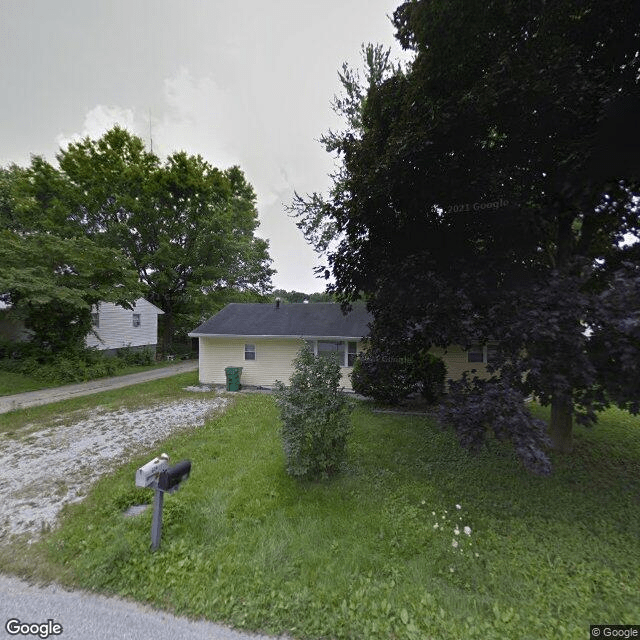
685 West Ladd Ave, Bloomington, IN 47403
To contact a resident: (812) 340-5611
For more information about senior living options: (866) 208-4318
Overall Review of Alternative Health Care Solutions - Bloomingt
Pros
 They are described as the best home care agency around.
- They are a great company with caring office workers and good hours.
- They consistently provide positive healthcare experiences for their clients.
- The manager, Jamie, is on top of everything.
- They proactively manage schedules to ensure clients have hours and to spread them when there are extra weeks.
- Their helpers assist with shopping and refilling water jugs, and they will do whatever is needed.
- They are reliable and have a track record of showing up when others don’t.
Cons
 The reviewer claims that a worker stole a patient's pain medications and that staff did nothing when informed.
- The reviewer claims that yesterday another worker tried taking the patient's medications.
- The reviewer notes that the matter will now involve the police.
Review
This community is best suited for families seeking practical, in-home support for an aging relative or a disabled adult who prioritizes dependable help with daily tasks, errands, and light lifting, delivered through a predictable schedule. The standout feature is reliable staffing and a hands-on manager who keeps hours aligned with the client’s needs. In particular, a caregiver who can handle heavy lifting, run errands, and assist with daily chores can make a meaningful difference for someone who cannot easily manage those tasks alone. The emphasis on timely coverage and a caregiver who shows up consistently is especially valuable for households that have struggled with missed visits in the past.
Those who may want to consider alternatives include families with high medical complexity or stringent medication oversight requirements. The most troubling aspect in recent signals is safety around medications: reports of medication theft by workers, and a perceived slow or inadequate response when issues were brought to attention. For households that rely on precise medication administration, or that require 24/7 supervision, or that want a higher level of nursing or clinical oversight, a provider with stronger controls and incident remediation may be a better fit. In short, a red flag exists for anyone who cannot tolerate even a single breach in medication security.
The strongest pros, the responsive management, flexible scheduling, and the ability to tailor hours to fit monthly fluctuations, do offset many routine in-home needs. A manager who stays ahead of scheduling problems and a team that adapts to shifts can keep caregiving on track when life demands change. The practical helpers described, one who does shopping, handles household tasks, and even refills large water jugs, translate into real, everyday relief. The presence of a caregiver capable of heavy lifting also broadens eligibility for seniors who otherwise might require more costly or less flexible options. But these advantages are contingent on a strong safety net; without it, the gains can be outweighed by the risk of misconduct or mismanagement of medications.
Operationally, the model benefits from proactive leadership and direct accountability, yet it reveals an Achilles’ heel in the form of documented medication-security lapses. The same hands-on manager who coordinates hours can only compensate so much when theft is alleged and response to allegations appears insufficient. Prospective clients should probe how medication handling is supervised, what checks are in place to verify each caregiver’s actions, and how promptly concerns are escalated. Consider requesting a written policy on medication administration, a clear incident-reporting workflow, and a designated supervisor who reviews every discrepancy. The ability to audition a caregiver and arrange a short trial period can illuminate whether the staffing approach is a reliable match.
For decision-making, this provider is a strong choice for households that want dependable, task-focused in-home support with flexible scheduling and a caregiver capable of heavy tasks. It is less suitable for those whose care needs include rigorous medication control or situations where even a single lapse could jeopardize safety. If choosing alternatives, look for agencies with more transparent medication policies, stricter background checks, and more robust incident remediation, or consider an assisted living setting that provides around-the-clock oversight and nursing support for higher medical needs. In practical steps, define core needs, verify caregiver credentials and supervision structures, request a care plan and policy documents, and initiate a short-term agreement to test the fit before committing long-term. This approach protects dignity, safety, and peace of mind while ensuring the chosen path aligns with the family’s risk tolerance and care goals.
 Board and Care Home







 Skilled Nursing Facilities vs. Nursing Homes: Making Sense of the Differences
 A Detailed Examination of Nursing Home Costs Across the U.S.
 Exploring Nonmedical Home Care: Understanding Services, Costs, and Financial Approaches