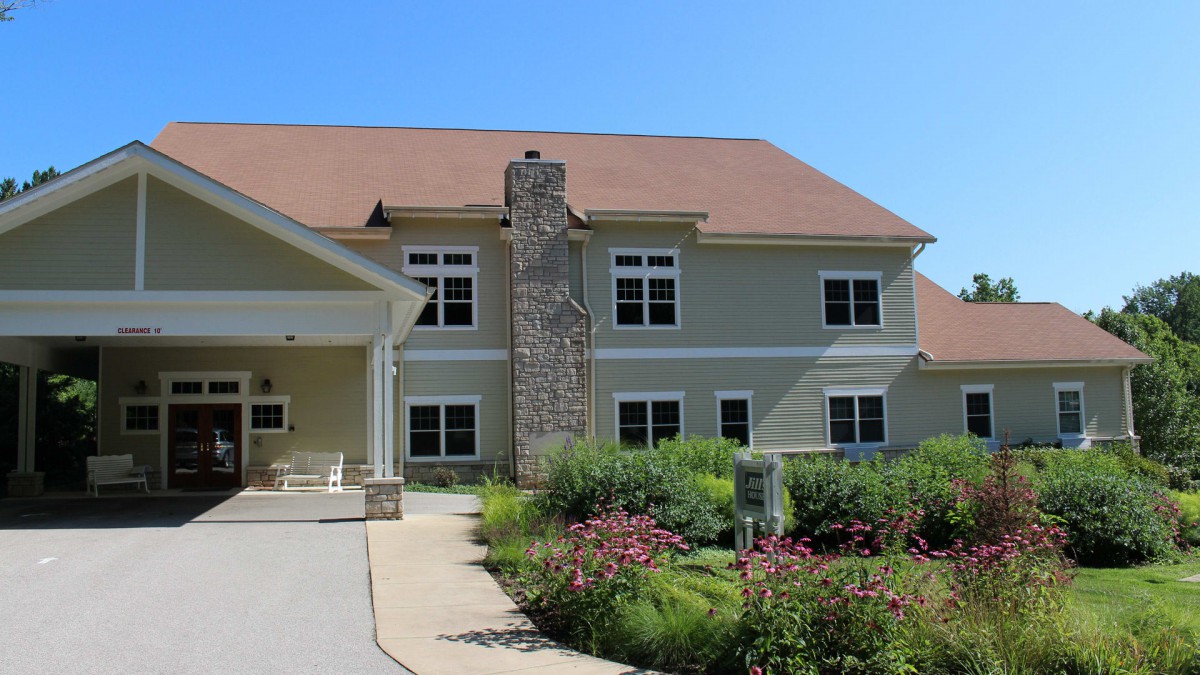

751 Tamarack Trail, Bloomington, IN 47408
To contact a resident: (812) 278-1072
For more information about senior living options: (866) 208-4318
Jill’s House Memory Care Costs & Pricing
Jill's House Memory Care offers a unique environment for individuals seeking specialized care, with pricing that reflects the quality of services provided. The monthly cost for a semi-private room at Jill's House is $3,846, which is higher than both the Monroe County average of $3,381 and the state average in Indiana of $3,739. For those looking for more privacy, a studio room is available at a rate of $4,633 - significantly above the local county average of $3,651 and the state average of $3,258. This pricing may indicate an investment in enhanced amenities or dedicated care staff that can provide a superior living experience tailored to memory care needs.
| Floor plans | Jill’s House Memory Care | Monroe County | Indiana |
|---|---|---|---|
| Semi-Private | $3,846 | $3,381 | $3,739 |
| Studio | $4,633 | $3,651 | $3,258 |
Memory care communities with a similar price nearby
-
from -$636 / mo
Hearthstone Health Campus
$3,210 to $4,560 / month2.6 miles away -
from -$276 / mo

Stonecroft Health Campus
$3,570 to $4,050 / month4.6 miles away
Overall Review of Jill’s House Memory Care
Pros
 It is a great place for people and families experiencing Alzheimer’s and dementia.
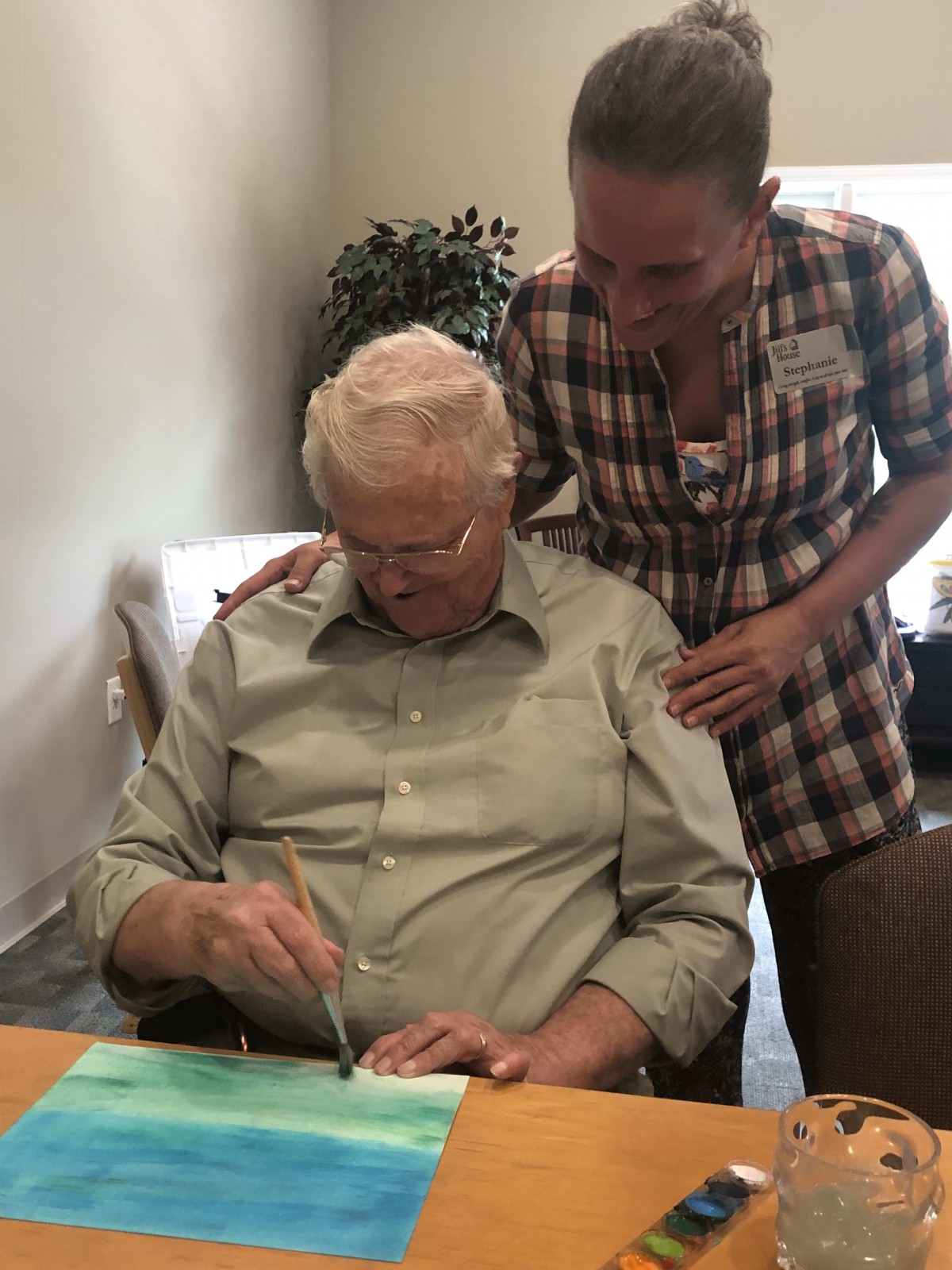
- The program facilitates a safe and active routine that keeps residents stimulated.
- Shonte is the best.
- Jill's House provides a unique experience with care and respect for residents' dignity and value.
- The last seven months of a mom’s life were made more lovely thanks to the staff and environment at Jill's House.
- The staff's professional expertise, down-to-earth style, and sincere compassion are invaluable.
- Elizabeth Stelle is simply as good as it gets.
- The atmosphere at Jill's House is friendly and calm, with a generally happy spirit.
- Jill's House is a blessing for the Bloomington community.
- They aim to help people find and maintain a life filled with meaning, purpose, and joy.
Cons
 The nurse was harassed by the administrator/DON Shante, did not feel welcomed, and found the conduct unprofessional.
- The reviewer stated that Jill’s House does not actually operate a waitlist and did not honor their child’s place in line, describing the process as scammy.
- The reviewer warned minority nurses and aides to beware of the facility due to unprofessional conduct.
- The reviewer felt the facility did not provide the level of care their father would require, noting CNAs were assigned to five residents each and that care was not one-on-one.
- The leadership transition was described as not seamless, indicating issues with the changeover.
Review
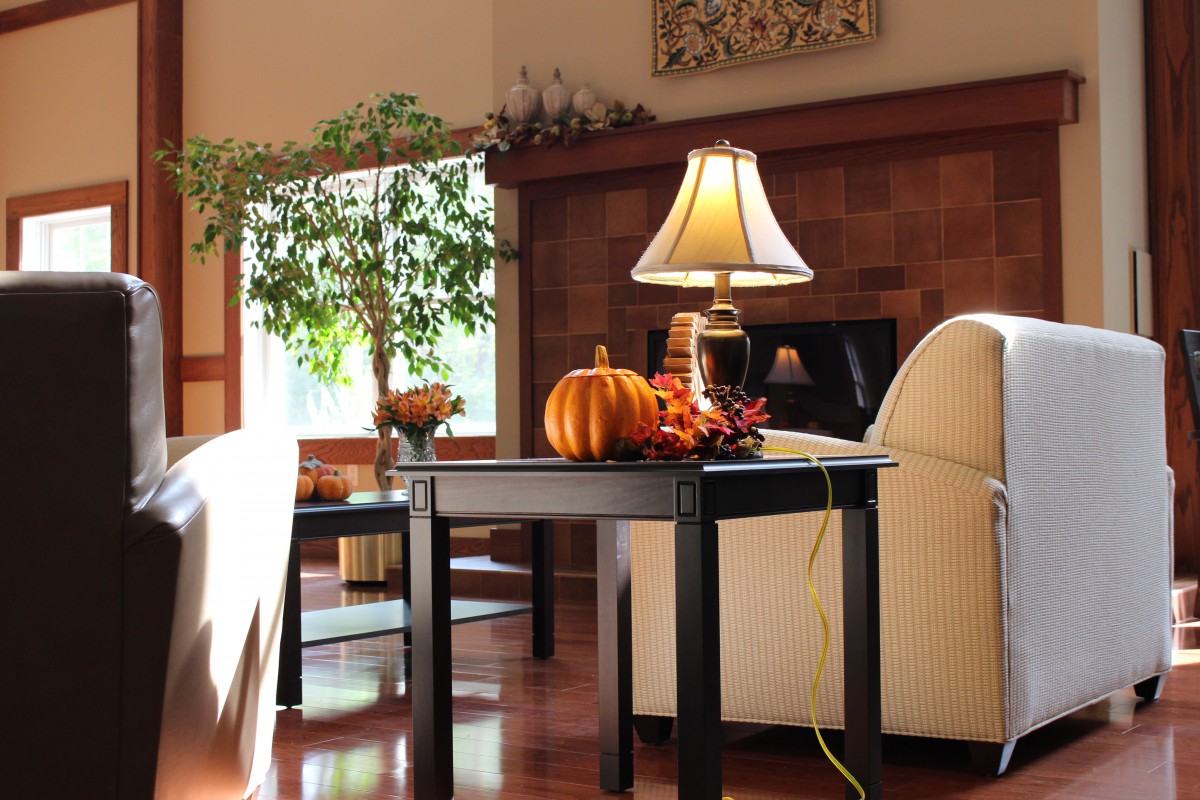
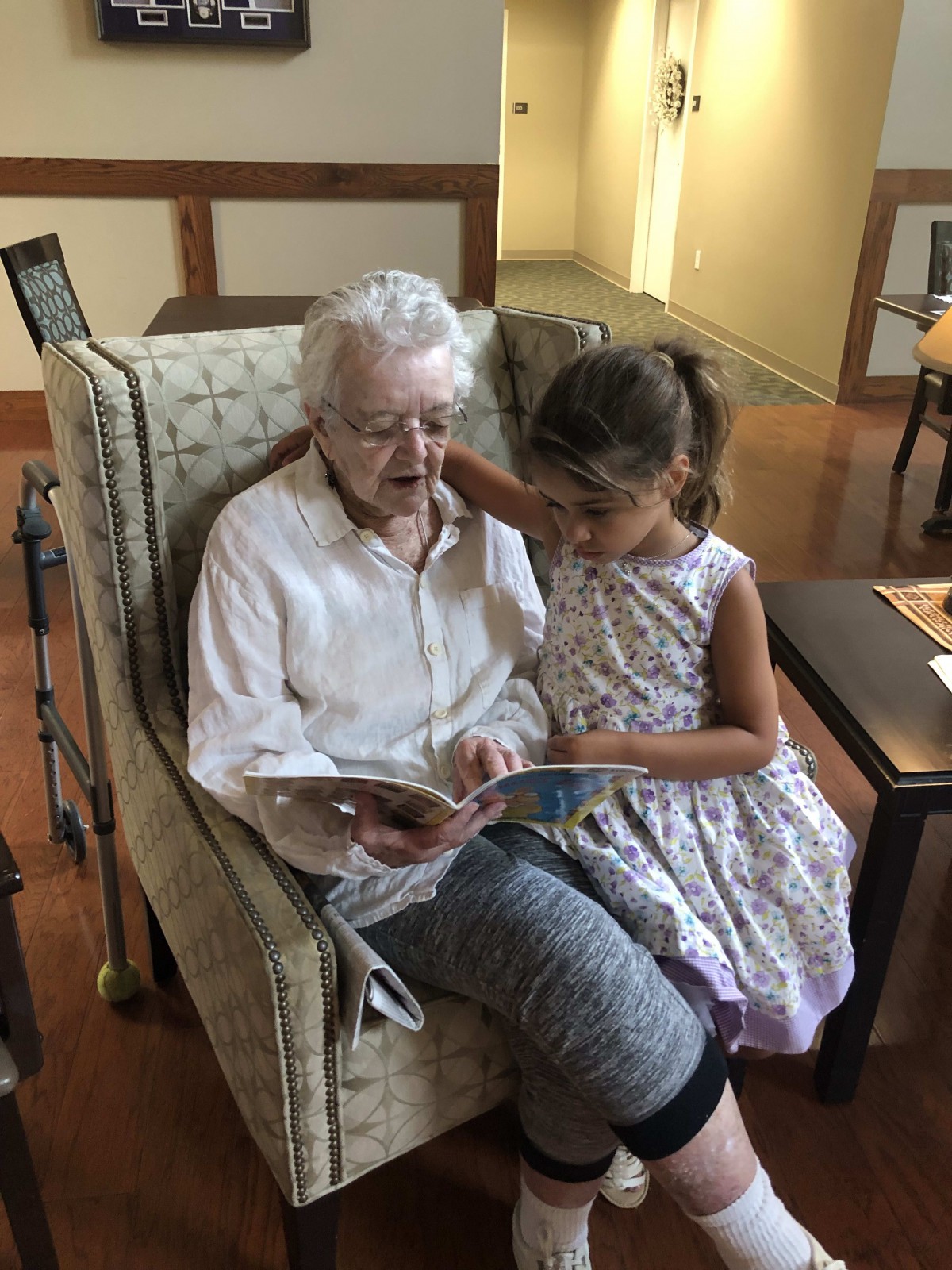
Jill’s House Memory Care in Bloomington is best suited for families facing Alzheimer’s or other forms of dementia who want a memory-focused environment that treats residents with dignity and offers an active, structured daily routine. Across multiple accounts, the community is described as warm and home-like, with staff who prioritize knowing each resident’s likes, dislikes, and quirks. The program emphasizes safety, meaningful engagement, and a steady cadence of activities, which many families see as essential to preserving orientation, continuity, and a sense of purpose for their loved ones. In short, this is a dementia-focused setting that delivers on individualized attention and an atmosphere aimed at respecting independence within a supportive frame.
Those considering alternatives should scrutinize leadership stability and admission processes. Several reviews raise red flags about the operating culture, including accusations of harassment toward staff and concerns about discriminatory behavior. A different thread questions the transparency of waitlist practices tied to a preschool program, hinting at governance issues that could influence admissions and daily operations. Prospective families should recognize that experiences appear to vary by shift and leadership, which means a spotty or evolving climate at the top can color day-to-day care. If consistent leadership, a transparent admissions process, and a predictable caregiving environment are non-negotiable, other options may be wiser.
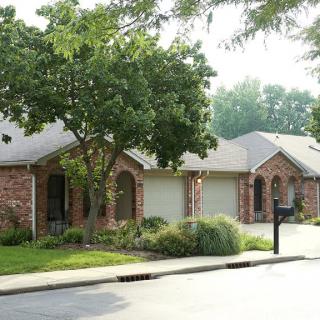
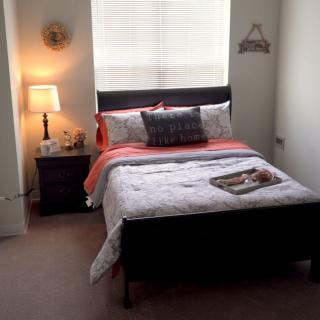
On the upside, the strongest asset is the staff’s ability to deliver truly individualized care within a respectful, calm setting. Families repeatedly praise caregivers who know residents’ routines and preferences and tailor activities to cognitive and functional levels. The result is a daily rhythm that feels purposeful rather than arbitrary, with residents staying engaged through smaller or larger group activities, and rooms kept neat and inviting. The atmosphere is frequently described as friendly and calm, undergirded by a team that invests time in understanding what makes each resident “tick.” For many families, that deep, person-centered approach justifies selecting Jill’s House over more general memory care options.
However, the care picture is not universally flawless. One family recounted a negative interaction with an administrator during a care handoff, framing it as unwelcoming and unprofessional. Another review highlights concerns about leadership handling internal issues and potential bias, while a separate account notes that Jill’s House may not align with every loved one’s medical needs, the level of care required in some cases may exceed what the facility is prepared to provide. These references to leadership dynamics and care fit are meaningful reminders that the program’s strengths do not erase the possibility of experiences that fall short of expectations, especially for residents needing higher medical support.
Despite these caveats, the core strengths tend to offset the drawbacks for most families, particularly those prioritizing dementia-focused care and a nurturing, home-like atmosphere. The combination of respectful treatment, genuine engagement, and a community that emphasizes keeping residents “where they are” creates a strong value proposition. The environment’s beauty and the staff’s consistent willingness to tailor routines contribute to a sense of security and daily meaning that many families value deeply. When leadership concerns surface in a review, they rarely negate the overarching narrative of warmth, competence, and dependable care that multiple families cite.
Pragmatic decision guidance follows: if memory care is the priority, families should schedule direct time with the team to observe day-to-day interactions, request care plans, and inquire about staff-to-resident ratios to gauge how robust the caregiving is in practice. It is essential to meet with the administrator to assess whether leadership values align with the family’s expectations and to hear how care decisions are communicated. In parallel, talk with current families to understand variability across shifts. If demanding medical needs or a press for flawless transparency are paramount, exploring alternatives with steadier leadership and clearer communication is prudent. For families seeking a warm, respectful, dementia-focused home with engaged staff, Jill’s House stands out in Bloomington, provided due diligence is completed and expectations align with what the program can reliably deliver.
 Memory Care
 Activities off-site
 Bath tubs
 Beautician on-site
 Devotional services on-site
 Ground floor units
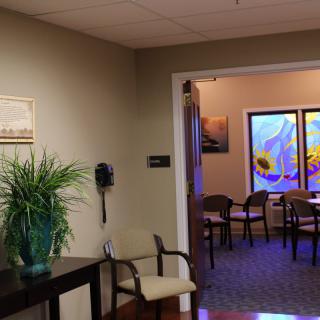
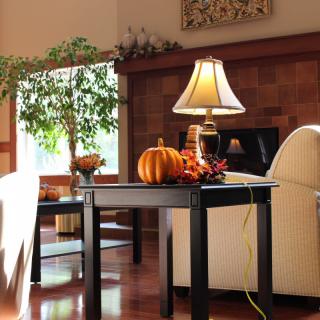
 Indoor common areas
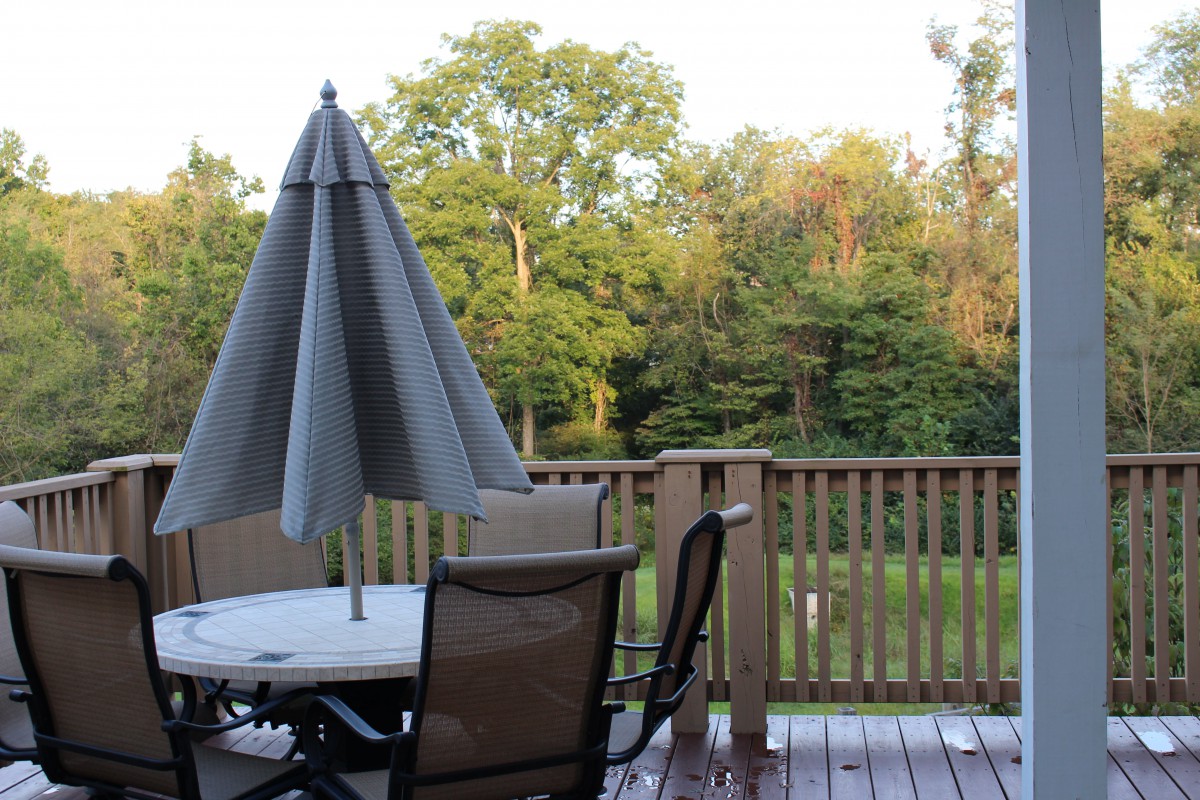
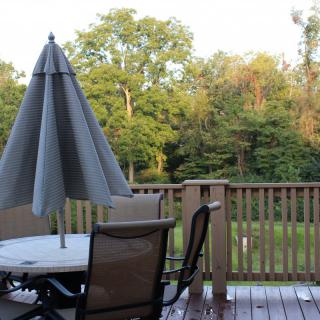
 Outdoor common areas
 Respite or short term stays offered
 Wheelchair accessible showers
 Wi-Fi/high-speed internet available
 Ambulatory care
 Incontinence care
 Medication management
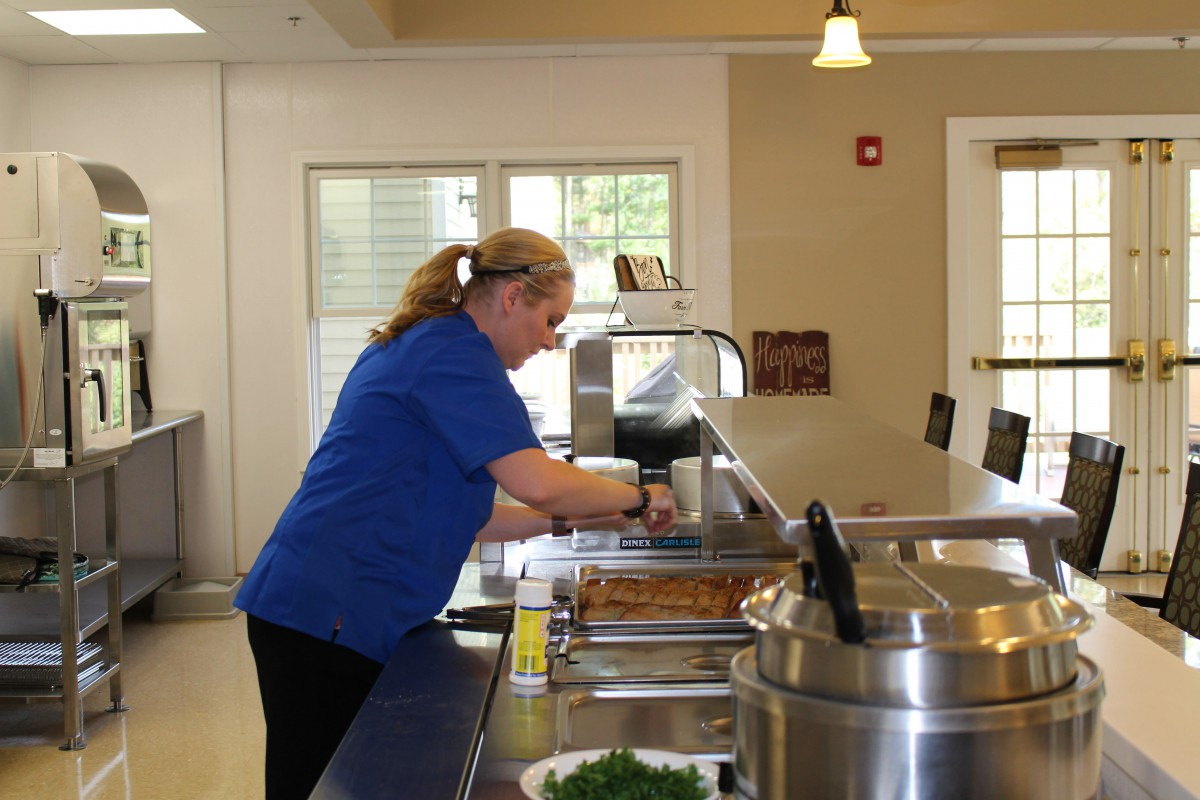
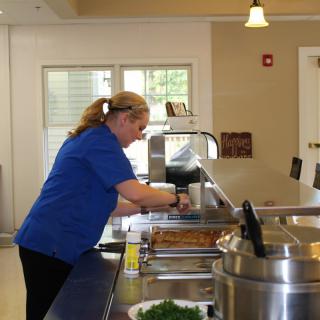
 Anytime dining
 Art classes
 Catholic services
 Cooking classes
 Educational speakers / life long learning
 Forever fit
 Live dance or theater performances
 Live musical performances
 Live well programs


 Delirium and Dementia: Unraveling the Key Differences
 Are Dementia and Alzheimer's Disease Lethal? A Comprehensive Exploration
 Exploring the Power of Reminiscence Therapy for Individuals With Dementia