
120 East Miller Drive, Bloomington, IN 47401
For more information about senior living options: (866) 208-4318
Overall Review of Bloomington Nursing And Rehabilitation Center
Cons
 The physical therapy is described as a joke.
- Therapists had to be sought out regularly.
- The company appears to prioritize profit over patient care.
- Meals lack flavor and portions are small.
- Staff had to be reminded about showers.
- There is a need for more activities.
- The facility is not properly staffed at all times, with the night shift limited to one nurse and one aide for 38 residents.
- The reviewer would not recommend this place to their worst enemy.
Review
Bloomington Nursing and Rehabilitation Center is best suited for residents who are largely self-sufficient and for families prepared to supervise care closely. In practice, this setting leans toward basic custodial support rather than aggressive rehabilitation or complex medical management. For a senior who can tolerate lean staffing and a more limited activity calendar, with a clear expectation that therapy may be inconsistent and personal-care gaps exist, this center can function as a low-friction option. It is not a fit for those who rely on regular, high-quality physical therapy or for anyone needing dependable, around-the-clock nursing supervision.
Those who should consider alternatives include residents requiring reliable, 24/7 nursing oversight, robust physical therapy, and a lively, structured daily program. If a goal is meaningful functional recovery through consistent rehab, this center is unlikely to deliver. For residents with appetite or dietary sensitivities who crave flavorful, plentiful meals, the current reports suggest meals may fall short. Families that cannot actively monitor schedules or advocate daily may find safety, responsiveness, and dignity concerns magnified. In short, this environment demands vigilant oversight and may not meet expectations for higher-acuity needs.
The core drawbacks are staffing gaps, underwhelming rehab access, and limited resident engagement. The most conspicuous issue is inconsistency in therapy availability, described as difficult to locate therapists and a fragmented rehab experience rather than a coordinated program. The impression that profit considerations overshadow caregiving erodes trust in the care team and compounds other shortcomings. Meals are repeatedly characterized as lacking in flavor and portion, which undermines nutrition and satisfaction. Night staffing compounds risk: one nurse and one aide for 38 residents suggests delays, missed calls, and slower responses to needs. Without any clearly stated compensating advantages in the testimony, these cons overwhelm any potential upside.
When evaluating this community, demand concrete safeguards before move-in. Require a current staffing schedule and a transparent plan for therapy delivery and supervision. Request a real-time observation of a PT session or access to recent progress notes to confirm that therapy is actually happening on schedule. Insist on seeing sample menus and portion sizes, and ask whether residents can request additional portions or substitutions. Tour across shifts to gauge responsiveness, particularly at night, and review the activities calendar for evidence of sustained engagement. Seek explicit escalation paths for lapses and a formal quality-review cadence tied to the resident’s care plan. Without such assurances, the risk-to-reward balance tilts decisively against admission.
Financial and contractual clarity matters as well. Clarify the guaranteed level of nursing oversight and how changes in care needs would trigger a reassessment. Plan for a potential transition if rehabilitation outcomes fall short or safety concerns persist, and consider whether a trial period is offered to test day-to-day operations. Given the reported landscape, families should prepare for the possibility of supplementing care with private services if pursuing a stay here. A frank, written plan outlining how gaps will be filled is essential before any commitment.
In most cases, this Bloomington facility is not the recommended choice for seniors who require reliable rehab services, robust daily programming, or steady nursing coverage. The staffing gaps and subpar therapy access are not easily offset by any faint positives, and safety and satisfaction carry real risk. Families with flexibility and the capacity to supervise care may opt to pursue this center only after obtaining ironclad assurances and a concrete improvement plan. For those prioritizing consistent rehabilitation, flavorful meals, and ample social activity, explore alternatives in Bloomington and neighboring communities, prioritize places with proven staffing ratios, transparent therapy delivery, and measurable quality outcomes.
 38 resident community capacity
 Assisted Living
 Skilled Nursing Facility
 Beauty salon
 Cable or satellite TV
 Dining room
 Fully furnished
 Garden
 Housekeeping services
 Kitchenette
 Move-in coordination
 Outdoor space
 Telephone
 Wi-Fi/high-speed internet available
 24-hour call system
 Activities of daily living assistance
 Assistance with bathing
 Assistance with dressing
 Assistance with transfers
 Diabetes diet
 Meal preparation and service
 Medication management
 Mental wellness program
 Special dietary restrictions
 Transportation arrangement (medical)
 Transportation to doctors appointments
 Personalized 24/7 care in a warm, social setting near amenities.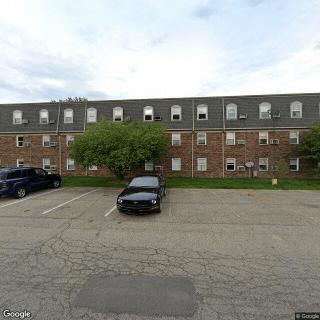





 Funding and Affording Assisted Living: A Thorough Overview
 Assisted Living Expenses and Long-Term Care Insurance: A Comprehensive Exploration
 Securing Financial Support for Assisted Living: A Comprehensive Overview