Garden Place Waterloo

Save

  • Interior

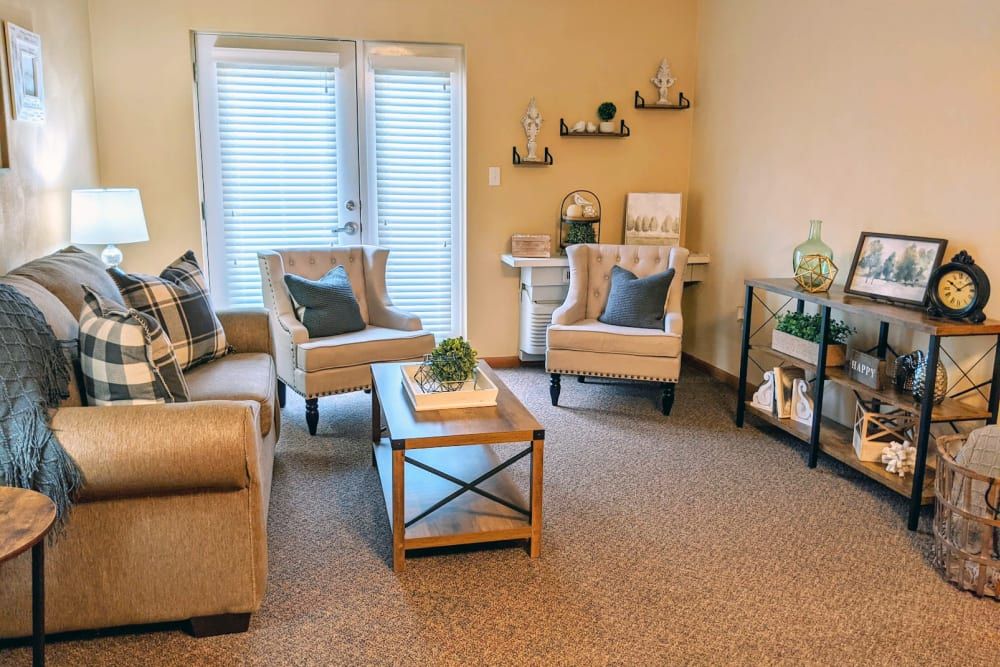
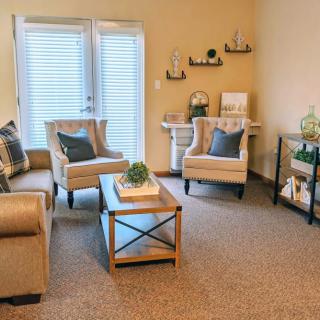
    A cozy living room with comfortable seating and stylish decor.
  • Outdoors

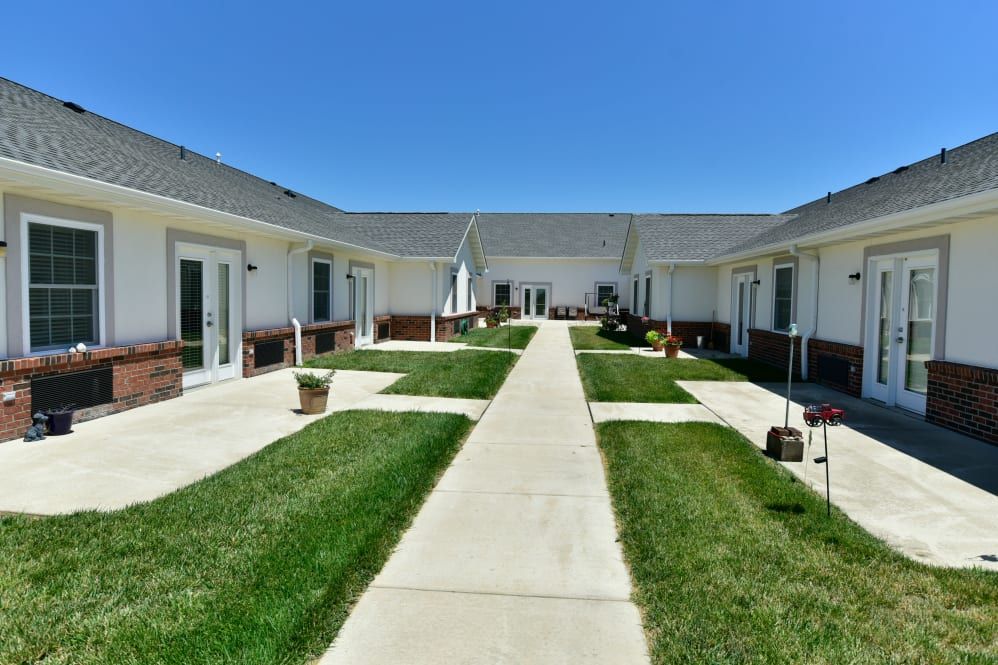
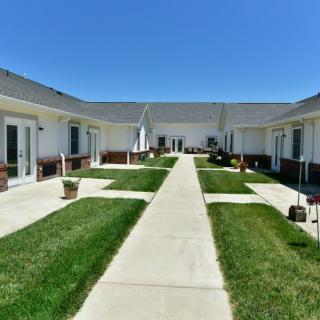
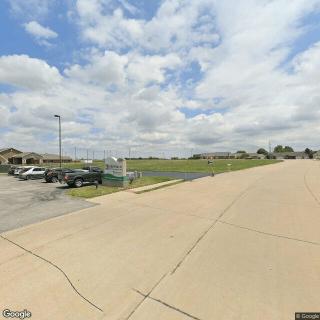
    A view of a courtyard with residential buildings and a central walkway.
  • Decor

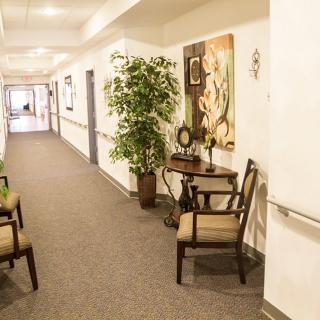
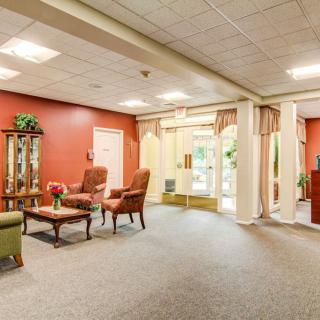
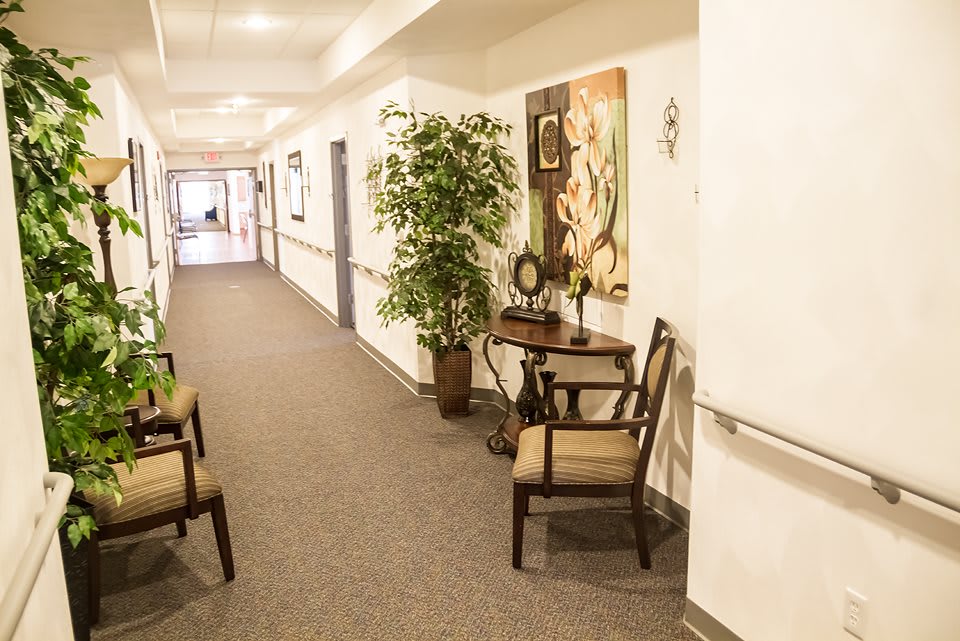
    A well-decorated hallway with seating, artwork, and plants.
  • Living Room

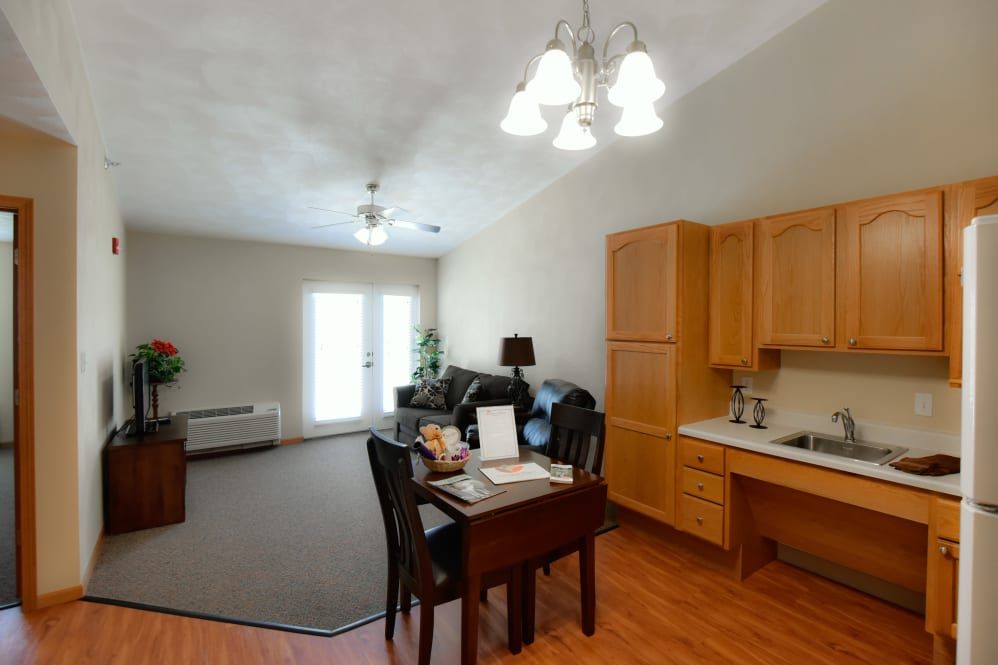
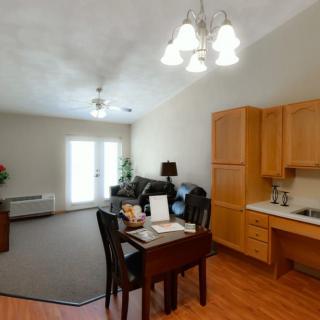
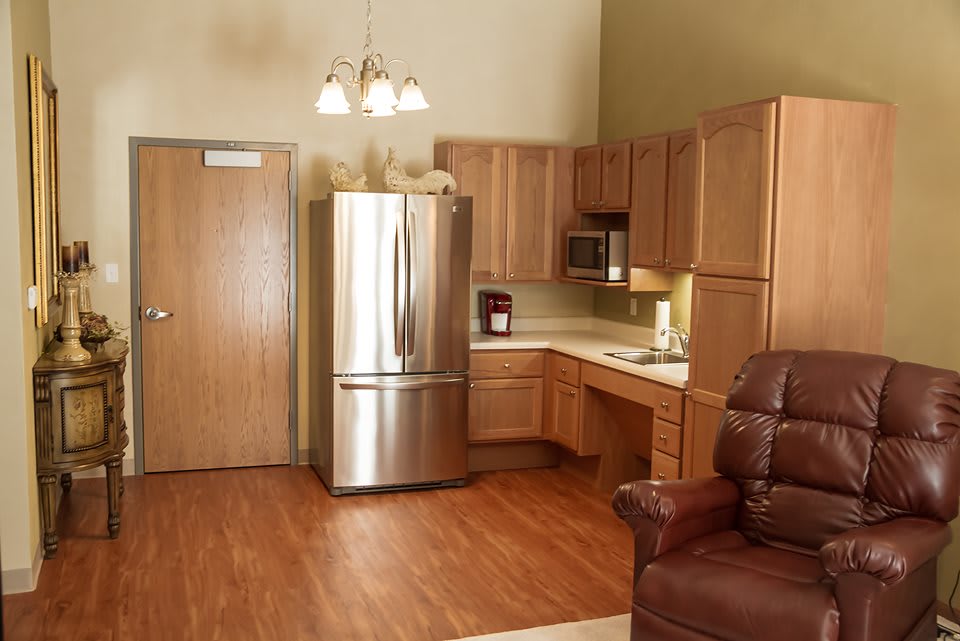
    An open-concept living and dining area with a kitchenette, featuring wood flooring and modern furniture.
  • Building

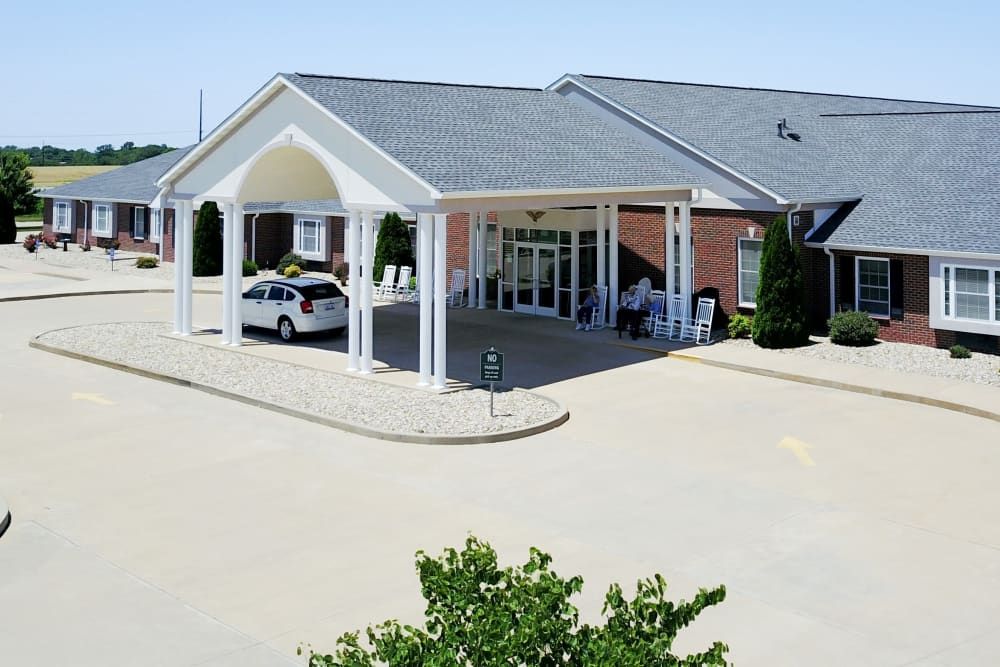
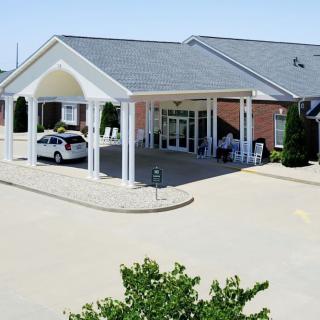
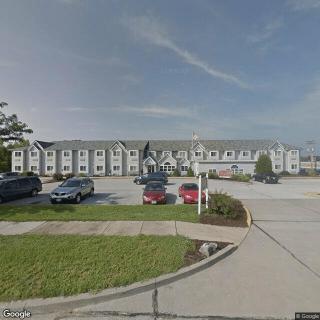
    A building entrance with a covered driveway and parked car.
  • Architecture

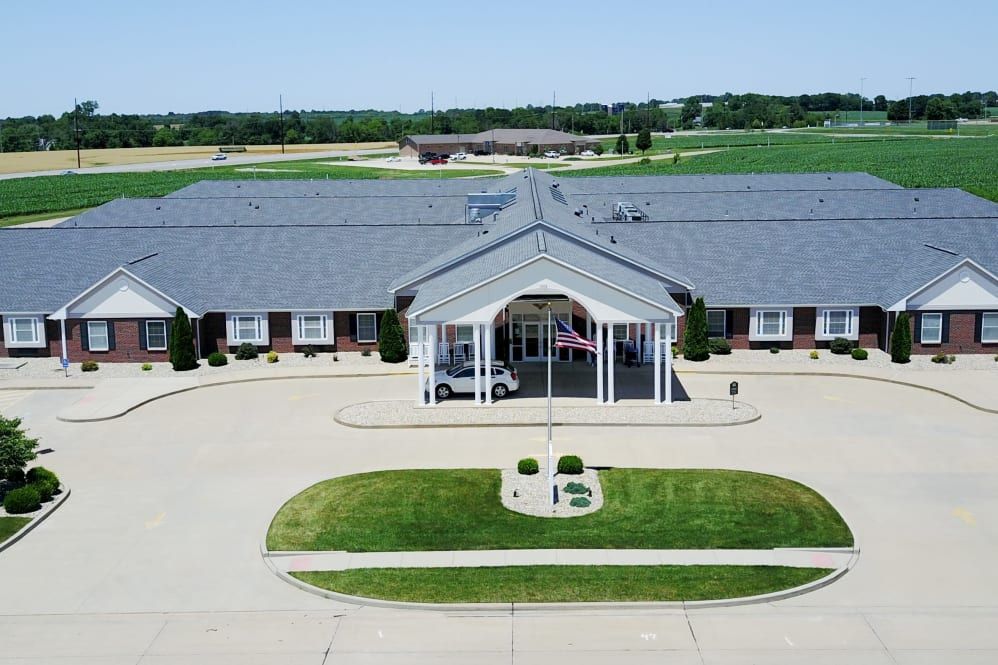
    Aerial view of a large building with a landscaped entrance and circular driveway.
  • Bedroom

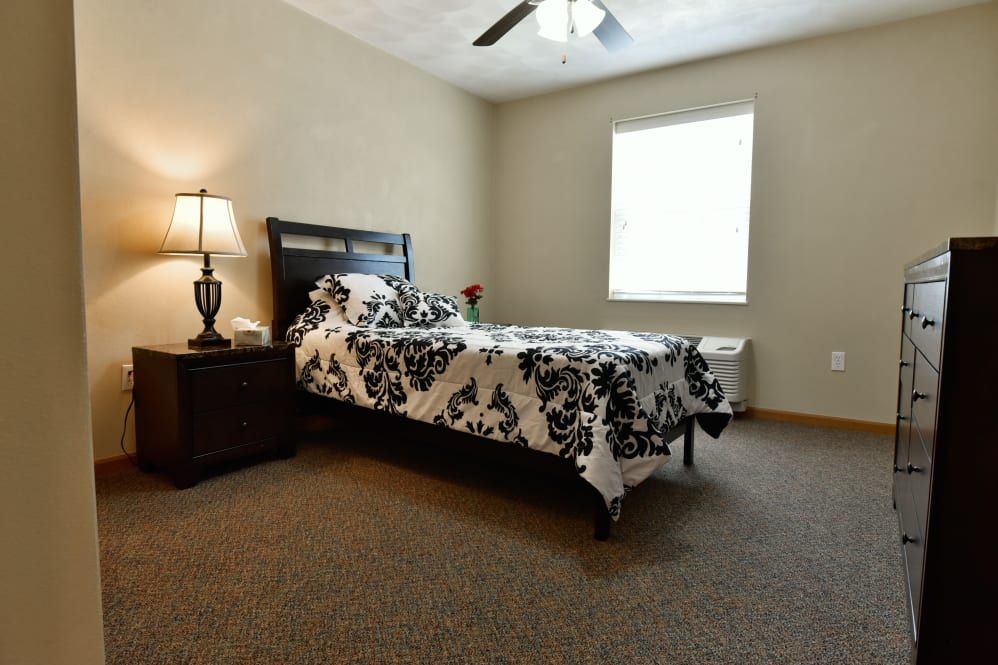
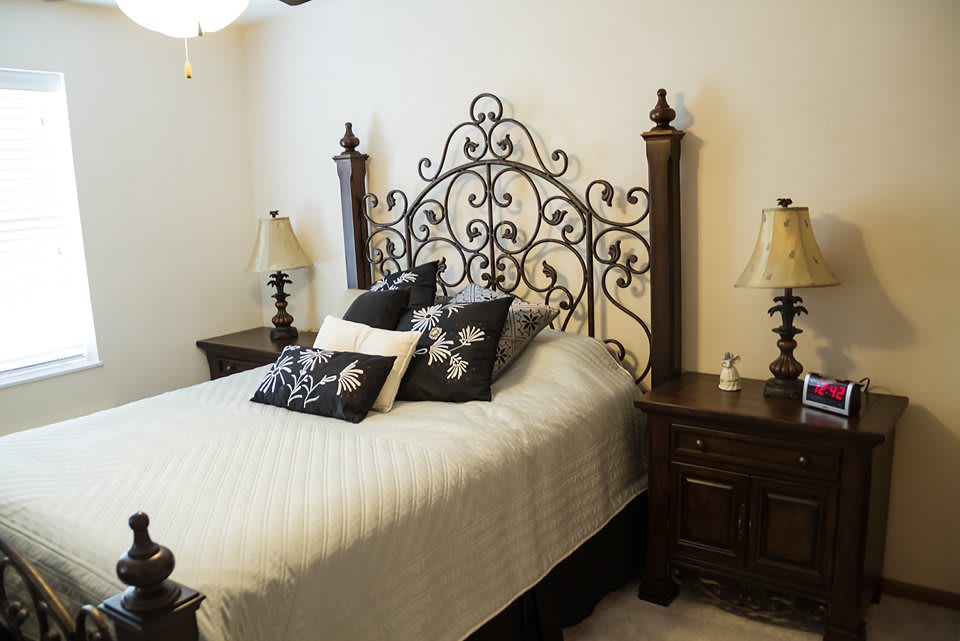
    A neatly arranged bedroom with a single bed, nightstand, and lamp.
  • Dining

    A vibrant salad bar featuring a variety of fresh ingredients and dressings.
  • Kitchen

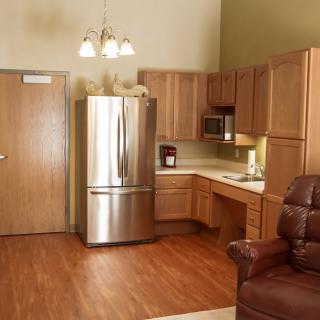
    A modern kitchen with wooden cabinets, a stainless steel refrigerator, and microwave.
  • Entrance

    Entrance to Garden Place Senior Living facility.
  • Outdoor

    A person relaxing on a patio chair, reading a newspaper while wearing sunglasses and a cap.
  • Bathroom

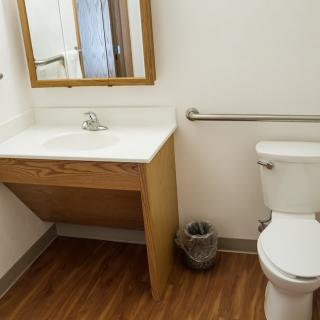
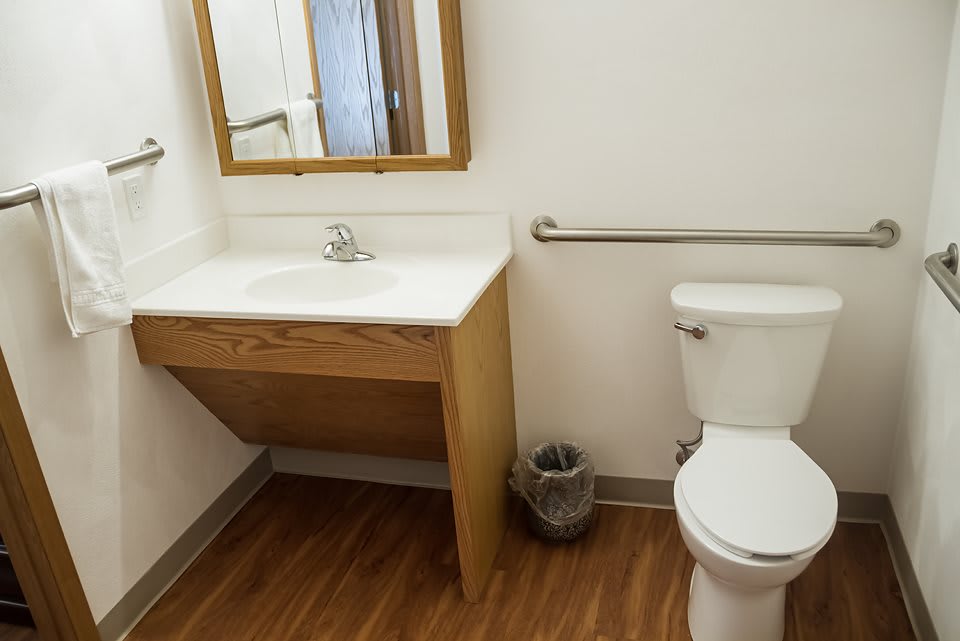
    A clean and simple bathroom with a sink, toilet, and mirror.
  • Television

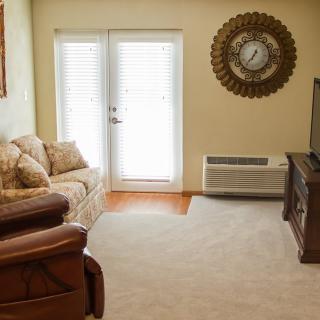
    A cozy living room with a sofa, armchair, television, and wall clock.
  • Hardwood Floor

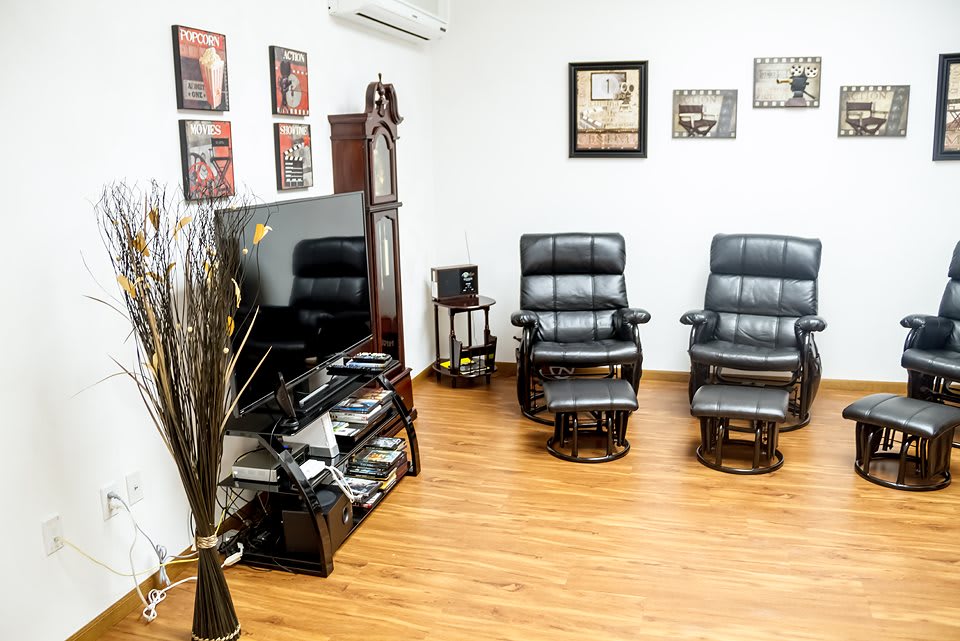
    A modern living room with black leather chairs and a large television.

Garden Place Waterloo

735 Columbia Avenue, Waterloo, IL 62298

For more information about senior living options: (844) 490-3973

4.9 from 39 reviews
5 stars
37
4 stars
2
3 stars
0
2 stars
0
1 stars
0

Assisted Living Independent Living

Garden Place Waterloo Costs & Pricing

Garden Place Waterloo offers competitive pricing for its various room types when compared to the broader market in St. Clair County and the state of Illinois. For a studio apartment, residents can expect to pay between $2,840 and $3,500, which is notably lower than the county average of $3,384 and significantly less than the state average of $4,028. One-bedroom units at Garden Place range from $3,235 to $4,150, aligning closely with the county's median of $3,713 but coming in slightly below Illinois' average of $3,527. Lastly, the two-bedroom option is priced at $3,740, which is more affordable than both the county's average of $3,937 and Illinois' average of $4,208. Overall, Garden Place Waterloo presents an appealing choice for potential residents seeking quality accommodations at a reasonable cost within both the county and state contexts.

Floor plansGarden Place WaterlooSt. Clair CountyIllinois
Studio$2,840 to $3,500$3,384$4,028
1 Bedroom$3,235 to $4,150$3,713$3,527
2 Bedrooms$3,740$3,937$4,208

Overall Review of Garden Place Waterloo

Pros

  • pro Garden Place Waterloo provides exceptional care and makes transitions effortless and comfortable.
  • pro The staff treat residents like neighbors and even share meals or birthday treats.
  • pro Garden Place is highly recommended for anyone seeking an assisted living facility.
  • pro The food is excellent and daily activities keep residents engaged.
  • pro The facility is welcoming, clean, and the staff are amazing.
  • pro The staff invest in residents' lives and care for their needs, big and small.
  • pro The environment is warm, safe, and well maintained.
  • pro There is always something to look forward to, from arts and crafts to group outings and music therapy.
  • pro The care team is top-notch and consistently goes above and beyond.

Review

Garden Place Waterloo is best suited for seniors who want a warm, neighborly assisted-living experience with dependable daily support as needs evolve. The community shines for couples or individuals who prize a friendly atmosphere, nourishing meals, and private apartments that still feel like home. Families seeking peace of mind will appreciate leaders who stay accessible and staff who treat residents as neighbors, not as numbers. The daily rhythm - structured activities, small group outings, and opportunities to connect with peers - keeps life engaging without overwhelming someone who values a steady pace. For those who want to thrive, not merely exist, Garden Place delivers.

Alternatives become worth considering for residents who require higher-level memory care or comprehensive on-site medical oversight. Garden Place Waterloo does not offer on-site memory-care specialization, so families with loved ones needing dementia-specific programming or 24/7 advanced nursing should compare communities with dedicated memory units. A larger campus or hospital-affiliated facility might better accommodate complex clinical needs or rehab after hospital stays. For those prioritizing ultra-modern architecture or expansive amenities beyond what a small, intimate setting provides, other operators with bigger footprints may be preferable. In those scenarios, Garden Place remains excellent, but the fit is not universal.

Key strengths are consistently echoed in reviews: staff who are described as caring, attentive, and genuinely invested in residents' lives; leadership that is accessible and responsive; and a clean, well-maintained environment. Residents praise the quality of meals, the salad bar, and the willingness to customize dining when a preference exists. The activity calendar is rich - arts and crafts, music therapy, outings, and in-house therapy - that keeps residents socially engaged and hopeful. The private apartments and even individual patios add to a sense of independence within a safe, supportive setting. Families gain confidence knowing care routines can scale as health changes.

Still, the strongest caveat centers on scope rather than execution. Without on-site memory care, families must plan for external support or seek a community with a memory-care wing if dementia care becomes essential. A small fraction of residents might not engage deeply with activities unless prompted; the team's warmth and proactive outreach reduce this risk, but some residents may need more targeted, one-on-one encouragement. The overall impact remains positive: improved quality of life, safety, and social connection, with the potential gap meaningful for those whose cognitive or medical needs outgrow assisted living.

On the operational front, Garden Place Waterloo delivers practicality with finesse. Private entrances and individual patios support autonomy and privacy. Daily meals, housekeeping, and laundry reduce domestic burdens while transportation services expand access to events and errands. The staff communicates regularly with families and coordinates care plans with a sense of continuity, which translates into fewer surprises and more predictability. For families seeking a transparent, partnership-based approach to care, the collaboration between directors and caregivers stands out. This is a community built to honor residents' routines while offering flexibility as needs shift.

In sum, Garden Place Waterloo stands as a compelling choice for seniors who want a warm, well-run assisted-living environment with strong social life, dependable care, and genuine neighborly warmth. The standout asset is the staff's deep commitment to residents' well-being, reflected in everyday kindness, reliable safety, and meaningful activities. The absence of on-site memory care is the key caveat, guiding families toward alternatives when dementia programming or intensive clinical oversight is non-negotiable. For families prioritizing a small, intimate setting where residents are treated like family and where life remains active and purposeful, Garden Place Waterloo earns strong consideration and a confident recommendation.

Features

Housing

  • 15 resident community capacity 15 resident community capacity
  • 1-bedroom apartments 1-bedroom apartments1-bedroom apartments are important for seniors because they provide a sense of independence, privacy, and autonomy while still offering the necessary space for comfortable living. These apartments allow seniors to maintain their own personal space and lifestyle preferences in a supportive community setting.
  • 2-bedroom apartments 2-bedroom apartments2-bedroom apartments are important for seniors because they provide extra space for guests, hobbies, and caregivers, as well as potential for additional income through roommates or rental.
  • Studio apartments Studio apartmentsStudio apartments are important for seniors because they offer a smaller, more manageable living space that is easier to navigate and maintain as physical abilities decline. Additionally, studio apartments provide seniors with independence and privacy while still being part of a community that offers support and social opportunities.

Types of Care

  • Assisted Living Assisted LivingAssisted living facilities provide crucial support and care for seniors who may need help with daily tasks such as medication management, bathing, and meal preparation. These communities offer a safe and comfortable environment where seniors can maintain their independence while receiving the assistance they need to thrive in their golden years.
  • Independent Living Independent LivingIndependent living communities are important for seniors because they offer a safe and supportive environment where older adults can live independently while still having access to amenities and services that enhance their quality of life. These communities provide social opportunities, recreational activities, and assistance with daily tasks, promoting overall well-being and allowing seniors to maintain their independence for as long as possible.

Pets

  • Cats allowed Cats allowed"Pet friendly" senior living communities are important for seniors because pets provide companionship, reduce feelings of loneliness and depression, promote physical activity and mental stimulation, and offer a sense of purpose and responsibility. Pets can improve overall well-being and quality of life for seniors in many ways.
  • Dogs allowed Dogs allowed"Pet friendly" senior living communities are important for seniors because pets provide companionship, reduce feelings of loneliness and depression, promote physical activity and mental stimulation, and offer a sense of purpose and responsibility. Pets can improve overall well-being and quality of life for seniors in many ways.

Amenities

  • Activities off-site Activities off-siteEngaging in off-site activities is crucial for seniors to maintain social connections, stay active, and stimulate their minds. It promotes overall well-being and helps combat feelings of isolation and loneliness.
  • Activities on-site Activities on-siteActivities on-site are important for seniors because they provide opportunities for socialization, mental stimulation, physical activity, and overall well-being. Engaging in activities can help seniors stay active, maintain their independence, and improve their quality of life.
  • Beautician on-site Beautician on-siteHaving a beautician on-site at a senior living community is important for seniors as it allows them to easily access grooming and personal care services, boosting their self-esteem and overall well-being. It also provides convenience and helps seniors maintain their sense of independence and personal style.
  • Beauty salon Beauty salonBeauty salons are important for seniors because they provide a space for them to feel pampered, socialize, and maintain their personal grooming and hygiene. Regular visits to a beauty salon can help boost seniors' self-esteem and overall well-being.
  • Cable or satellite TV Cable or satellite TVCable or satellite TV is important for seniors because it provides entertainment, news, and companionship, helping to combat loneliness and boredom. It also offers a wide range of programming options tailored to different interests and preferences.
  • Devotional services off-site Devotional services off-siteDevotional services off-site are important for seniors as they provide spiritual nourishment, social engagement, and a sense of community outside of the senior living facility. This can enhance overall well-being and help combat feelings of isolation and loneliness often experienced by older adults.
  • Devotional services on-site Devotional services on-siteDevotional services on-site provide seniors with spiritual support and a sense of community, as well as an opportunity for reflection and guidance during their senior living experience. This can promote emotional well-being and connection to others, leading to a more fulfilling and enriching lifestyle in their later years.
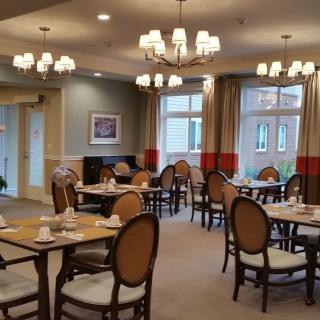
  • Dining room Dining roomDining rooms are important for seniors as they provide a space for socialization, connection, and nutritious meals. They offer opportunities for residents to bond over shared meals, foster a sense of community, and promote healthy eating habits. Dining rooms also ensure that seniors have access to well-balanced meals tailored to their dietary needs and preferences.
  • Fully furnished Fully furnishedFully furnished senior living communities are important for seniors because they provide convenience, comfort, and a hassle-free moving experience. Seniors can easily settle into their new living space without the stress of having to buy and move furniture. This allows them to focus on enjoying their new home and community.
  • Garden GardenGardens are important for seniors as they provide a peaceful and therapeutic environment for relaxation, physical activity, and socialization. Being in nature has been shown to reduce stress, improve mood, and promote overall well-being. Gardens also offer opportunities for seniors to engage in gardening activities, which can improve mobility, flexibility, and cognitive function. Additionally, gardens create a sense of community and connection with others who share a passion for plants and outdoor spaces.
  • Housekeeping services Housekeeping servicesHousekeeping services are important for seniors because they help maintain a clean and safe living environment, promote independence, and reduce the risk of accidents or illnesses. Additionally, having assistance with household chores can alleviate physical strain and allow seniors to focus on other aspects of their well-being.
  • Indoor common areas Indoor common areasIndoor common areas are crucial for seniors as they provide a space for socialization, recreation, and community engagement, promoting overall well-being and reducing feelings of isolation and loneliness.
  • Kitchenette KitchenetteKitchenettes are important for seniors living in senior living communities because they provide the convenience and independence of being able to prepare simple meals and snacks in the comfort of their own living space. This can help promote a sense of autonomy and well-being for seniors, allowing them to maintain some level of control over their dietary choices and daily routines.
  • Move-in coordination Move-in coordinationMove-in coordination is important for seniors because it helps ease the transition into their new living environment. It ensures that all logistics, such as packing, organizing movers, and setting up utilities are taken care of, allowing seniors to focus on settling in and adjusting to their new home. Having a smooth move-in process can alleviate stress and anxiety, making the transition smoother and more enjoyable for seniors.
  • Outdoor common areas Outdoor common areasOutdoor common areas are important for seniors as they provide a space for socialization, physical activity, and relaxation. Being outside in nature can improve mood and overall well-being, while also encouraging movement and engagement with others. These spaces can help combat feelings of isolation and promote a sense of community among residents.
  • Outdoor patio Outdoor patioOutdoor patios are essential for seniors as they provide a safe and peaceful space for them to enjoy the outdoors, socialize with friends and family, engage in physical activity, and soak up natural sunlight which promotes overall well-being and mental health.
  • Outdoor space Outdoor spaceOutdoor spaces are important for seniors as they provide opportunities for physical activity, social interaction, exposure to natural light and fresh air, and a sense of connection to nature. Having access to outdoor spaces can improve overall well-being and quality of life for older adults living in senior communities.
  • Private bathrooms Private bathroomsPrivate bathrooms are important for seniors in senior living communities because they provide independence, dignity, and comfort. Having a private bathroom allows seniors to maintain their personal hygiene routines without the need for assistance, promoting a sense of autonomy and privacy. Additionally, private bathrooms help prevent the spread of infections and provide a safe and clean environment for seniors to navigate safely.
  • Respite or short term stays offered Respite or short term stays offeredRespite or short term stays provide seniors with a temporary solution when their regular caregiver is unavailable, offering them the opportunity to receive additional care and support during times of need, while also giving caregivers a chance to rest and recharge.
  • Small library Small librarySmall libraries are important for seniors as they provide access to a variety of reading materials, including books, newspapers, and magazines. This can help stimulate their minds, keep them engaged, and provide a sense of community through book clubs and other social activities. Additionally, reading has been shown to improve cognitive function and overall mental well-being in older adults.
  • Telephone TelephoneTelephones are important for seniors as they provide a lifeline for communication with loved ones, emergency services, and healthcare providers. They offer a sense of security and independence, enabling seniors to stay connected and access assistance when needed.
  • Wheelchair accessible showers Wheelchair accessible showersWheelchair accessible showers are crucial for seniors as they provide a safe and independent bathing option for those with mobility challenges. These showers help prevent falls and allow seniors to maintain their dignity and autonomy while ensuring they can bathe comfortably.
  • Wi-Fi/high-speed internet available Wi-Fi/high-speed internet availableWi-Fi/high-speed internet is important for seniors to stay connected with loved ones, access online resources, and participate in virtual activities to combat feelings of loneliness and isolation. It also allows them to easily manage healthcare needs, access entertainment, and engage in lifelong learning opportunities.

Care Services

  • 24-hour supervision 24-hour supervision24-hour supervision is important for seniors to ensure their safety, well-being, and access to immediate assistance in case of emergencies or health issues. This constant support provides peace of mind for both seniors and their loved ones, allowing them to age in place with dignity and security.
  • Activities of daily living assistance Activities of daily living assistanceActivities of daily living assistance are important for seniors because they provide essential support with tasks such as eating, bathing, dressing, and mobility. This assistance helps seniors maintain their independence, dignity, and overall quality of life as they age.
  • Ambulatory care Ambulatory care"Ambulatory care services provide essential medical support and treatment to seniors without requiring hospitalization, allowing them to maintain their independence and quality of life while managing chronic conditions or receiving routine medical care."
  • Assistance with bathing Assistance with bathingAssistance with bathing is crucial for seniors as it helps maintain personal hygiene, prevents infections, and ensures their overall well-being and comfort. It also provides a sense of dignity and independence for seniors who may struggle with this task on their own.
  • Assistance with dressing Assistance with dressingAssistance with dressing is important for seniors because it helps maintain their independence, promotes personal hygiene, prevents accidents and injuries, and improves overall quality of life. This service ensures that seniors can continue to dress comfortably and confidently, despite any physical limitations they may have.
  • Assistance with transfers Assistance with transfersAssistance with transfers is crucial for seniors as it helps prevent falls and injuries, maintains their independence, and ensures they can safely navigate their living environment. It also provides peace of mind for both seniors and their loved ones.
  • Coordination with health care providers Coordination with health care providersCoordination with health care providers is crucial for seniors to ensure proper medical care, medication management, and overall well-being. This collaboration helps prevent overlapping treatments, track progress more effectively, and provide comprehensive support tailored to individual needs.
  • Diabetes diet Diabetes dietA diabetes diet is crucial for seniors as it helps manage blood sugar levels, reduce risks of complications, and improve overall health and well-being. By following a balanced and nutritious diet tailored to their specific needs, seniors can better control their diabetes and enhance their quality of life.
  • Diabetic care Diabetic careDiabetic care is crucial for seniors as they are more susceptible to developing diabetes due to aging and other health conditions. Proper management of diabetes can help prevent complications such as heart disease, vision loss, and nerve damage, improving the overall quality of life for seniors in senior living communities.
  • Incontinence care Incontinence careIncontinence care is essential for seniors to maintain their dignity, hygiene, and overall quality of life. By addressing incontinence issues promptly and effectively, seniors can enjoy a sense of independence and comfort in their daily activities.
  • Meal preparation and service Meal preparation and serviceMeal preparation and service are crucial for seniors as they may have limited mobility or energy to cook nutritious meals. Having access to healthy and convenient food options can ensure they are getting the proper nutrition needed to maintain their overall health and well-being.
  • Medication management Medication managementMedication management is crucial for seniors to ensure they are taking the right medications at the correct dosages and times. This helps prevent adverse drug interactions, reduces the risk of medication errors, and promotes overall health and well-being. Proactive management also allows for adjustments as needed based on changing health conditions or new prescriptions.
  • Special dietary restrictions Special dietary restrictionsSpecial dietary restrictions are important for seniors because age-related changes in metabolism and health conditions can make it difficult for their bodies to process certain foods. By following a diet tailored to their specific needs, seniors can maintain their overall health and well-being, manage chronic conditions, and reduce the risk of complications such as malnutrition or food interactions with medications.
  • Transportation arrangement (medical) Transportation arrangement (medical)Transportation arrangements for medical purposes are essential for seniors as they may have difficulty driving themselves to appointments or accessing public transportation. Having reliable and safe transportation options ensures that seniors can receive timely medical care and maintain their health and well-being.
  • Transportation to doctors appointments Transportation to doctors appointmentsTransportation to doctors' appointments is crucial for seniors as it ensures they have access to necessary medical care and support for their health needs. Without reliable transportation, seniors may struggle to attend important appointments, leading to potential delays in treatment and health complications. Providing transportation services helps seniors maintain their overall well-being and quality of life.

Dining

  • Diabetes diet Diabetes dietA diabetes diet is crucial for seniors as it helps manage blood sugar levels, reduce risks of complications, and improve overall health and well-being. By following a balanced and nutritious diet tailored to their specific needs, seniors can better control their diabetes and enhance their quality of life.
  • Meals provided Meals provided"Meals provided" are crucial for seniors in assisted living communities as it ensures they have access to nutritious, balanced meals without the stress of meal planning and preparation. This can help promote overall health and well-being for seniors who may have limited mobility or cognitive abilities.
  • Special dietary restrictions Special dietary restrictionsSpecial dietary restrictions are important for seniors because age-related changes in metabolism and health conditions can make it difficult for their bodies to process certain foods. By following a diet tailored to their specific needs, seniors can maintain their overall health and well-being, manage chronic conditions, and reduce the risk of complications such as malnutrition or food interactions with medications.

Activities

  • Activities off-site Activities off-siteEngaging in off-site activities is crucial for seniors to maintain social connections, stay active, and stimulate their minds. It promotes overall well-being and helps combat feelings of isolation and loneliness.
  • Activities on-site Activities on-siteActivities on-site are important for seniors because they provide opportunities for socialization, mental stimulation, physical activity, and overall well-being. Engaging in activities can help seniors stay active, maintain their independence, and improve their quality of life.
  • Community-sponsored activities Community-sponsored activitiesCommunity-sponsored activities are important for seniors as they provide opportunities for social interaction, mental stimulation, and physical activity. These activities can help improve overall well-being, combat loneliness and isolation, and promote a sense of belonging and purpose among older adults.
  • Devotional activities offsite Devotional activities offsiteDevotional activities offsite are important for seniors because they provide social engagement, spiritual growth, and a sense of community outside of their living environment. This can improve overall well-being, mental health, and combat feelings of isolation or loneliness.
  • Devotional activities on-site Devotional activities on-siteDevotional activities on-site provide seniors with a sense of community, spiritual fulfillment, and emotional support, promoting overall well-being and a positive sense of purpose in their lives.
  • Scheduled daily activities Scheduled daily activitiesScheduled daily activities are important for seniors because they provide structure, socialization, mental stimulation, and physical activity. Engaging in regular activities can improve overall well-being and quality of life for seniors living in a community setting.

Description

Garden Place Waterloo in Waterloo, IL is a vibrant assisted living community offering a range of housing options, including 2-bedroom apartments and studio apartments. With a focus on independent living, residents can enjoy an active and fulfilling lifestyle while receiving assistance with daily activities as needed.

The community boasts an array of amenities to enhance the residents' experience. They can participate in various activities held on-site, ensuring there is always something enjoyable to do. There is also a beautician and beauty salon available for pampering and self-care needs. Residents can relax in the well-maintained garden or outdoor common areas, providing opportunities for socialization and enjoyment of nature. Private bathrooms offer convenience and privacy, while housekeeping services ensure that the living spaces are always clean and tidy.

The care services provided at Garden Place Waterloo aim to meet individual needs and promote overall wellbeing. Trained staff are available to assist with daily activities such as bathing, dressing, and transfers. The community also offers coordination with health care providers, medication management, diabetic care including specialized diets, incontinence care, meal preparation and service, and transportation arrangements for medical appointments.

Meals at Garden Place Waterloo are provided and accommodate special dietary restrictions if necessary. Residents can enjoy delicious meals prepared by professional staff in the dining room. The community strives to create a pleasant dining experience that caters to individual preferences.

Engaging in enjoyable activities is vital for residents' happiness and fulfillment. At Garden Place Waterloo, there are various on-site activities organized regularly as well as community-sponsored events nearby. Devotional activities both on-site and offsite provide spiritual support for those who desire it. Scheduled daily activities ensure that residents have plenty of opportunities to socialize, learn new things or engage in hobbies they enjoy.

Conveniently located near parks, pharmacies, physicians' offices, restaurants, places of worship, theaters - residents have easy access to essential services within close proximity.

Overall, Garden Place Waterloo offers a warm and inviting assisted living community with excellent care services, enjoyable amenities, and convenient location, ensuring that residents can live a comfortable and fulfilling lifestyle.

Nearby Places of Interest

Waterloo, Illinois, offers a variety of services and amenities that cater to seniors. The area boasts several restaurants within close proximity, such as China King Illinois Restaurant and The Blue Owl Restaurant & Bakery, providing convenient dining options. Places of worship like Redeemer Church Waterloo and St. Patrick Church-Tipton offer spiritual support and community engagement opportunities. Additionally, numerous pharmacies like CVS Pharmacy and Schnucks are available for easy access to medications. For recreational activities, parks like Lions Park and Konarcik Park provide outdoor spaces for leisurely walks or picnics. Medical care is also readily accessible with physicians including Progressive Family Care and Southern Illinois Imaging Associates nearby. Overall, Waterloo presents a peaceful and welcoming environment for senior living with essential services within reach.

Restaurants

  • China King Illinois Restaurant (0.6 miles)
  • Mr BBQ At Mystic Oak (1.7 miles)
  • Otts Tavern (9 miles)
  • No-Jacks Bar & Grill (10.7 miles)
  • The Blue Owl Restaurant & Bakery (11.1 miles)
  • LaChance Winery of Kimmswick (11.1 miles)
  • Rich's Frozen Custard (11.1 miles)

Places of Worship

  • Redeemer Church Waterloo (0.7 miles)
  • St Patrick Church-Tipton (8.1 miles)
  • St John United Church of Christ - Maeystown, Illinois (9 miles)
  • St John Evangelical Ucc (9 miles)
  • Queen of All Saints Church (10.6 miles)
  • Red Bud Bible Church (12 miles)
  • St Peter United Church-Christ (12.6 miles)

Pharmacies

  • CVS Pharmacy (0.8 miles)
  • Schnucks (0.8 miles)
  • Walgreens (1 miles)
  • Walmart Pharmacy (1.1 miles)
  • Walgreens (7.3 miles)
  • CVS Pharmacy (7.5 miles)
  • Schnucks (7.7 miles)

Theaters

  • Capitol Theatre (0.9 miles)

Parks

  • Lions Park (1.1 miles)
  • Konarcik Park (2.2 miles)
  • Cliff Cave County Park (10.9 miles)
  • Ratz Memorial Park (12.6 miles)
  • Mastodon playground (12.9 miles)
  • Jefferson Barracks County Park (13.3 miles)

Physicians

  • Progressive Family Care (1.4 miles)
  • Southern Illinois Imaging Associates (1.4 miles)
  • Family Practice Associates - Waterloo (1.4 miles)
  • Brennan OB Gyn Associates (1.4 miles)
  • Family Physicians of Southern Illinois (7.2 miles)
  • Progressive Family Care (7.3 miles)
  • Crown Vision Center Oa (11.5 miles)

Transportation

  • Kaskaskia Trail Taxidermy (10.3 miles)

Cafes

  • First Watch - Oakville (11.7 miles)
  • The Donut Hole (12.9 miles)
  • Starbucks (13.5 miles)

Hospitals

  • Jefferson Barracks VA Medical Center (12.4 miles)
  • Red Bud Regional Hospital (12.9 miles)
  • DaVita Red Bud Dialysis (13.3 miles)

Frequently Asked Questions

How much does it cost to live at Garden Place Waterloo in Waterloo, IL?
What floor plans and room types does Garden Place Waterloo offer?
Where is Garden Place Waterloo?
Does Garden Place Waterloo allow residents to have pets?
What photos are available for Garden Place Waterloo in Waterloo, Illinois?

Nearby Communities

  • Tannous Loving Care Senior Living

    Tannous Loving Care Senior Living

    Waterloo, IL

    5 from 2 reviews
    $2,900 to $3,300 / month

    pro Recent remodel, local ownership, affordable pricing, and home-style meals in a comfortable independent-living setting.

  • Clarice's Home Care Svc Inc

    Clarice's Home Care Svc Inc

    Waterloo, IL

    3.7 from 3 reviews
     

    pro Nearby parks, pharmacies, physicians, dining, and theater with a welcoming, social environment.

  • Oak Hill

    Oak Hill

    Waterloo, IL

    3.3 from 24 reviews
     

    pro Clean, welcoming facility with friendly staff and a wide range of on-site amenities.

  • Cedarhurst of Waterloo

    Cedarhurst of Waterloo

    Waterloo, IL

    4.8 from 66 reviews
    $3,750 to $6,500 / month

    pro Intimate, community-focused setting with friendly staff and engaging activities.

  • Legacy Place of Waterloo

    Legacy Place of Waterloo

    Waterloo, IL

    4.8 from 41 reviews
     

    pro Clean, well-maintained facilities with brand-new private apartments, attentive care, and structured meals.

  • Reflections of Garden Place

    Reflections of Garden Place

    Columbia, IL

    4.9 from 64 reviews
    $3,280 to $5,630 / month

    pro Small, intimate memory care with attentive, compassionate staff.

  • Nazareth Living Center

    Nazareth Living Center

    St. Louis, MO

    3.9 from 130 reviews
    $1,782 to $3,510 / month

    pro Clean, well-maintained environment with friendly staff and engaging activities.

  • Garden Place of Red Bud

    Garden Place of Red Bud

    Red Bud, IL

    5 from 22 reviews
    $2,840 to $3,235 / month

    pro Warm, compassionate staff with engaging activities and delicious meals.

  • Rosemont Senior Living Centre

    Rosemont Senior Living Centre

    Arnold, MO

    4 from 21 reviews
    $1,050 to $2,500 / month

    pro Friendly, attentive staff; clean, active community; affordable pricing.

Related Resources

  • assisted living vs memory careUnderstanding the Distinctions: Assisted Living and Memory Care Explained

    The article differentiates between assisted living and memory care, explaining that assisted living supports seniors with daily activities while promoting independence, whereas memory care provides specialized services for individuals with dementia, focusing on secure environments and cognitive support. It also addresses staff training, safety considerations, costs, family involvement, and transition strategies for families navigating these care options.

  • elderly parent refuses assisted livingGuiding Elderly Parents Who Refuse Assisted Living: 6 Practical Steps

    Family caregivers face emotional, legal, and practical challenges when elderly parents refuse assisted living, often due to fears of losing autonomy. Open conversations and professional assessments can help address these concerns while exploring alternatives and ensuring safety, potentially leading to legal guardianship if necessary.

  • luxury assisted livingYour Comprehensive Guide to Luxury Assisted Living: Elevated Facilities, Amenities, and Costs

    Luxury assisted living offers high-quality senior care in a resort-like environment that combines essential medical support, gourmet dining, and personalized services to enhance residents' independence and well-being. These upscale facilities emphasize holistic health and community-building through customized care plans and social activities, catering to the growing demand for enriched senior living experiences despite higher costs.