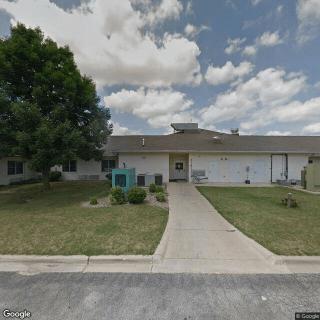
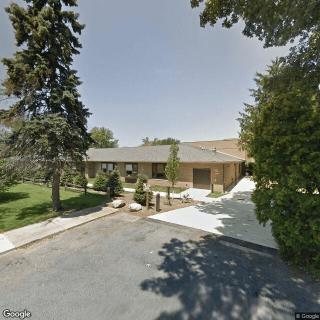
Liberty Village of Peoria

Save
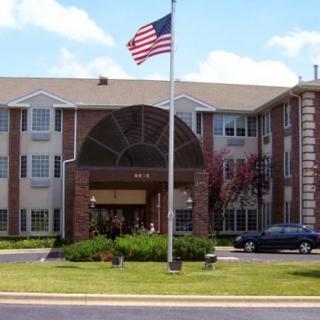
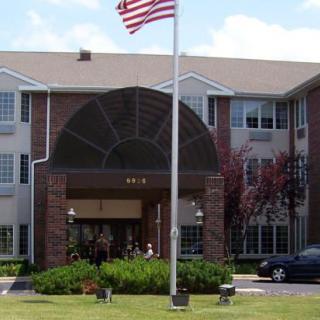
Liberty Village of Peoria Liberty Village of Peoria Liberty Village of Peoria Liberty Village of Peoria

Liberty Village of Peoria

Information last verified:

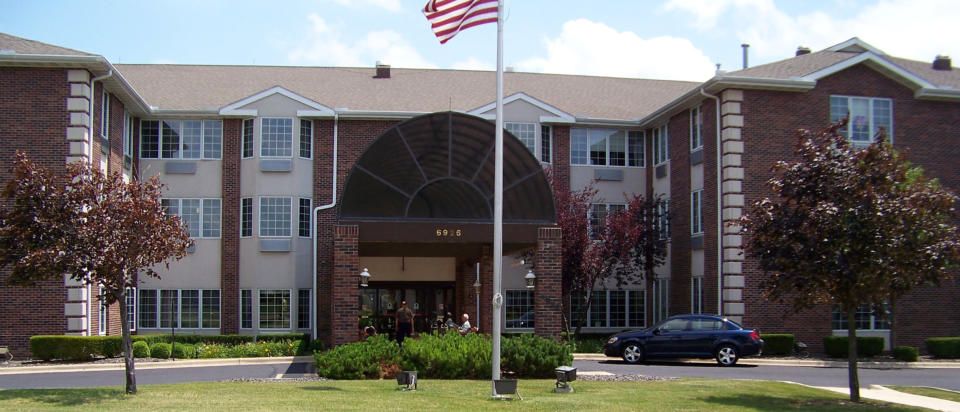
6906 North Stalworth Drive, Peoria, IL 61615

For more information about senior living options: (844) 490-3973

2.6 from 25 reviews
5 stars
7
4 stars
3
3 stars
2
2 stars
0
1 stars
13

Overall Review of Liberty Village of Peoria

Pros

  • pro The nursing staff is friendly and attentive to residents' medical needs as well as families' needs.
  • pro The Director of Nursing is kind and compassionate, genuinely caring about residents, families, and staff.
  • pro The facility is clean and safe.
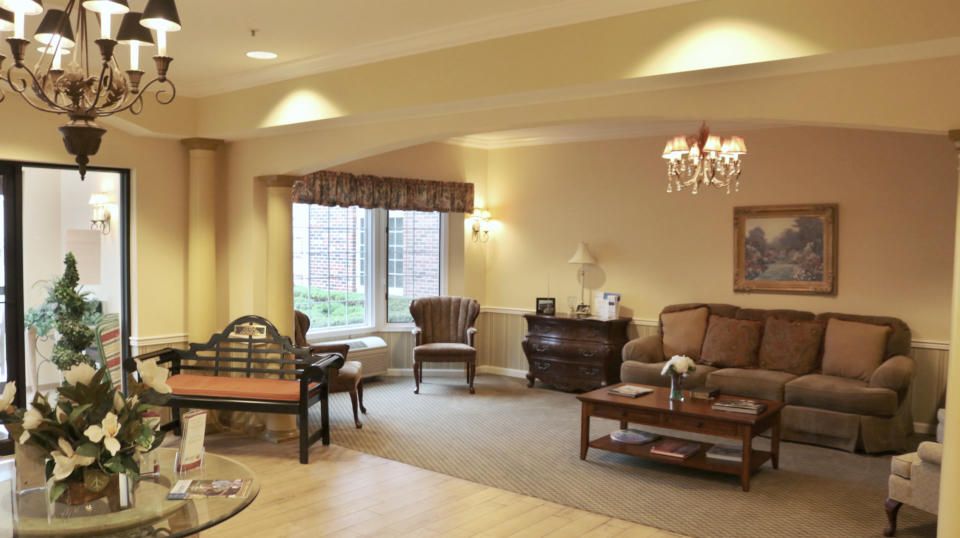
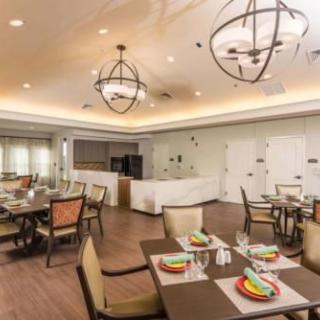
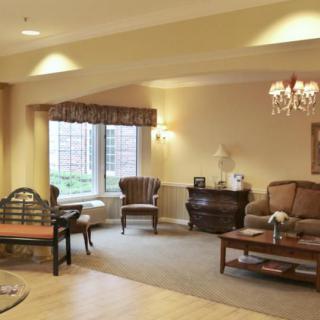
  • pro Smaller private areas like the dining room, courtyard, and library provide nice visiting spaces.
  • pro The activities department is caring and offers fun, engaging activities.
  • pro The physical therapy and occupational therapy departments are excellent.
  • pro The social and financial services are caring and helpful.
  • pro Visitors are greeted with a friendly smile by staff when entering the facility.
  • pro The facilities have beautiful amenities, and caring management and staff make it a great place to live.

Cons

  • pro The staff are extremely rude and unhappy about their job, with the front desk person described as the absolute worst.
  • pro The facility is understaffed, with call lights on, medications out of stock, and meds not delivered on time.
  • pro The CNA reportedly lacks knowledge of necessary skills or medications.
  • pro Management policies are not clearly communicated, indicating heavy control.
  • pro The independent living area has fired every employee who cared about residents, leaving no manager or front desk staff.
  • pro Higher-up staff treat activity aides horribly, showing no regard for their health or welfare.
  • pro The bathroom area shows neglect, with showers used as storage for equipment and trash not removed.
  • pro Manor Court is described as understaffed, with unfriendly and condescending nurses, terrible food, and tiny rooms.
  • pro The receptionist is terribly rude.

Review

Liberty Village of Peoria is best suited for active seniors who want a polished, amenity-rich campus and can tolerate a care environment that is intermittently reliable. The location appeals to those who value clean facilities, accessible common spaces, and a schedule of activities, therapies, and social services as part of daily life. It works best when a resident can manage with light to moderate assistance and when a family or caregiver can stay engaged to coordinate care and monitor day-to-day operations. Those who require steady, hands-on skilled nursing care, or a rehab-focused stay with predictably attentive staffing, should consider alternatives. A stable leadership presence and transparent communication are essential for peace of mind here, and if those are in doubt, families may want to keep exploring other options.

In the medals column, Liberty Village does offer several meaningful strengths. Reviews repeatedly point to a clean, safe environment with appealing private spaces and well-kept common areas, including dining rooms, courtyards, and libraries that invite family visits. The independent atmosphere on the campus translates into a sense of normal living with roommates, social activities, and accessible amenities. Important clinical strengths appear when the nursing staff is present: several accounts describe nursing teams that are friendly and attentive to medical needs, with particular praise for the Director of Nursing and for strong physical and occupational therapy programs. The social and financial services departments are frequently highlighted as capable and supportive, and some families report feeling welcomed by front-desk staff and other team members who greet residents with genuine warmth. For residents who can ride these positive rhythms, and whose care needs align with what the facility delivers, the experience can be personally rewarding.

But the downsides carry real weight and cannot be minimized. The most persistent theme is under-staffing, paired with turnover that destabilizes routines and creates gaps in care. Several reviewers report delayed or missing medications, call lights left unanswered, and a general sense that response times and consistency vary week to week. Front-line staff shortages translate into practical risks: meals or activities occasionally feel rushed, and in some cases, the care quality cited by families does not align with expectations set by the environment’s attractive appearance. Management transparency is another repeatedly cited concern. Instances of unclear policies, frequent leadership changes, and even reports that managers have left or been hard to find contribute to a perception of instability. When families need decisive, accountable answers, the communication sometimes fails to deliver.

Other pointed concerns reinforce the caution. Several accounts describe rude or overwhelmed staff, particularly at the front desk, and even suggest a culture where some aides feel overburdened or unsupported. The independent living side is described by some reviewers as heavily controlled, with policies that are not clearly communicated, and questions about staffing levels and program implementation being met with hesitancy or drift. Facility logistics that should feel routine, discharge decisions, rehab admissions, and transport coordination, are portrayed as inconsistent. There are troubling anecdotes about environmental hygiene lapses, such as storage in critical spaces and waste issues, which erode confidence in daily operations. Taken together, these issues sketch a care environment where pleasant surroundings and good moments can be overwhelmed by reliability gaps and leadership volatility.

The key question for families is how these elements fit the resident’s specific needs and risk tolerance. The pro-side strengths, the clean, attractive campus; the existence of a robust PT/OT program; the presence of capable social and financial services; and the moments when staff are genuinely attentive, can offer real quality of life benefits for residents who do not require round-the-clock skilled nursing. However, the cons, stability concerns, medication and call-light delays, inconsistent policy communication, and reports of staff friction, can undermine safety, continuity, and trust. For someone who values predictable daily operations and needs dependable monitoring, these gaps are material enough to offset the cosmetic appeal and some discrete clinical strengths.

Decision-makers should enter discussions with a clear checklist. Ask for the current staffing ratios across nursing, aides, and therapy teams, and request a direct tour focusing on how call lights are managed, how quickly meds are delivered, and how frequently admission decisions or discharge plans are updated. Seek to meet the administrator or director of nursing in a setting that allows candid questions about turnover, policy communication, and how the campus handles urgent medical needs. Request recent incident logs or quality-assurance summaries to understand if there are recurring patterns behind individual stories. Finally, verify whether the independent living and assisted living areas are operating with stable leadership and consistent care protocols, and confirm expectations around family involvement and reporting.

In sum, Liberty Village of Peoria represents a viable option for seniors who prize a pleasant, activity-rich environment and can tolerate a care ecosystem with notable variability. It can serve well for residents who require periodic assistance rather than constant supervision and who have family oversight to navigate scheduling, medications, and admissions. For those whose priority is consistently reliable care, transparent leadership, and unwavering response to medical needs, alternatives are advisable. The community’s strengths are real and meaningful, but the risks tied to staffing instability and uneven operations tip the balance toward cautious consideration. A well-informed choice here hinges on verifying current staffing stability, ensuring clear lines of communication, and aligning expectations with the resident’s exact care requirements.

Features

Housing

  • 52 resident community capacity 52 resident community capacity

Types of Care

  • Assisted Living Assisted LivingAssisted living facilities provide crucial support and care for seniors who may need help with daily tasks such as medication management, bathing, and meal preparation. These communities offer a safe and comfortable environment where seniors can maintain their independence while receiving the assistance they need to thrive in their golden years.
  • Independent Living Independent LivingIndependent living communities are important for seniors because they offer a safe and supportive environment where older adults can live independently while still having access to amenities and services that enhance their quality of life. These communities provide social opportunities, recreational activities, and assistance with daily tasks, promoting overall well-being and allowing seniors to maintain their independence for as long as possible.
  • Memory Care Memory CareMemory care is crucial for seniors as it provides specialized support and services for individuals with dementia or Alzheimer's disease. These programs offer a safe and secure environment where residents receive personalized care, cognitive stimulation, and help with daily activities. Memory care helps seniors maintain their independence, quality of life, and dignity while also providing peace of mind for their families.
  • Skilled Nursing Facility Skilled Nursing FacilitySkilled Nursing Facilities are crucial for seniors as they provide round-the-clock medical care, rehabilitation services, and assistance with daily activities. These facilities ensure that seniors receive the specialized care they need to maintain their health and well-being as they age.

Amenities

  • Air-conditioning Air-conditioningAir conditioning is important for seniors as they are more vulnerable to heat-related illnesses and may have underlying health conditions that make it difficult for them to regulate their body temperature. It helps to keep them comfortable, safe, and healthy in hot weather.
  • Beauty salon Beauty salonBeauty salons are important for seniors because they provide a space for them to feel pampered, socialize, and maintain their personal grooming and hygiene. Regular visits to a beauty salon can help boost seniors' self-esteem and overall well-being.
  • Cable or satellite TV Cable or satellite TVCable or satellite TV is important for seniors because it provides entertainment, news, and companionship, helping to combat loneliness and boredom. It also offers a wide range of programming options tailored to different interests and preferences.
  • Computer center Computer centerA computer center is essential for seniors as it provides access to technology, communication tools, and resources that can enhance their daily lives. It allows them to stay connected with loved ones, engage in online activities, and learn new skills, ultimately promoting socialization and mental stimulation.
  • Dining room Dining roomDining rooms are important for seniors as they provide a space for socialization, connection, and nutritious meals. They offer opportunities for residents to bond over shared meals, foster a sense of community, and promote healthy eating habits. Dining rooms also ensure that seniors have access to well-balanced meals tailored to their dietary needs and preferences.
  • Fitness room Fitness roomHaving a fitness room in a senior living community is essential for seniors to stay active, maintain their physical health, and improve their overall well-being. Regular exercise can help prevent falls, reduce the risk of chronic diseases, and promote mental sharpness. It also provides social opportunities for residents to connect with others and enjoy a sense of community.
  • Fully furnished Fully furnishedFully furnished senior living communities are important for seniors because they provide convenience, comfort, and a hassle-free moving experience. Seniors can easily settle into their new living space without the stress of having to buy and move furniture. This allows them to focus on enjoying their new home and community.
  • Gaming room Gaming roomGaming rooms are important for seniors as they provide a fun and engaging environment for socializing, cognitive stimulation, and physical activity. Games can improve memory, problem-solving skills, and overall mental well-being while fostering friendships and reducing feelings of isolation.
  • Garden GardenGardens are important for seniors as they provide a peaceful and therapeutic environment for relaxation, physical activity, and socialization. Being in nature has been shown to reduce stress, improve mood, and promote overall well-being. Gardens also offer opportunities for seniors to engage in gardening activities, which can improve mobility, flexibility, and cognitive function. Additionally, gardens create a sense of community and connection with others who share a passion for plants and outdoor spaces.
  • Housekeeping services Housekeeping servicesHousekeeping services are important for seniors because they help maintain a clean and safe living environment, promote independence, and reduce the risk of accidents or illnesses. Additionally, having assistance with household chores can alleviate physical strain and allow seniors to focus on other aspects of their well-being.
  • Kitchenette KitchenetteKitchenettes are important for seniors living in senior living communities because they provide the convenience and independence of being able to prepare simple meals and snacks in the comfort of their own living space. This can help promote a sense of autonomy and well-being for seniors, allowing them to maintain some level of control over their dietary choices and daily routines.
  • Move-in coordination Move-in coordinationMove-in coordination is important for seniors because it helps ease the transition into their new living environment. It ensures that all logistics, such as packing, organizing movers, and setting up utilities are taken care of, allowing seniors to focus on settling in and adjusting to their new home. Having a smooth move-in process can alleviate stress and anxiety, making the transition smoother and more enjoyable for seniors.
  • Outdoor space Outdoor spaceOutdoor spaces are important for seniors as they provide opportunities for physical activity, social interaction, exposure to natural light and fresh air, and a sense of connection to nature. Having access to outdoor spaces can improve overall well-being and quality of life for older adults living in senior communities.
  • Private bathrooms Private bathroomsPrivate bathrooms are important for seniors in senior living communities because they provide independence, dignity, and comfort. Having a private bathroom allows seniors to maintain their personal hygiene routines without the need for assistance, promoting a sense of autonomy and privacy. Additionally, private bathrooms help prevent the spread of infections and provide a safe and clean environment for seniors to navigate safely.
  • Restaurant-style dining Restaurant-style diningRestaurant-style dining is important for seniors because it allows them to enjoy delicious, nutritious meals in a social and upscale setting. This enhances their dining experience, promotes healthy eating habits, and fosters socialization with fellow residents, ultimately contributing to their overall well-being and quality of life.
  • Small library Small librarySmall libraries are important for seniors as they provide access to a variety of reading materials, including books, newspapers, and magazines. This can help stimulate their minds, keep them engaged, and provide a sense of community through book clubs and other social activities. Additionally, reading has been shown to improve cognitive function and overall mental well-being in older adults.
  • Telephone TelephoneTelephones are important for seniors as they provide a lifeline for communication with loved ones, emergency services, and healthcare providers. They offer a sense of security and independence, enabling seniors to stay connected and access assistance when needed.
  • Wellness center Wellness centerWellness centers are important for seniors because they offer a variety of programs and services that promote physical, mental, and emotional well-being. These centers provide opportunities for exercise, socialization, education, and relaxation, helping seniors maintain their overall health and quality of life.
  • Wi-Fi/high-speed internet available Wi-Fi/high-speed internet availableWi-Fi/high-speed internet is important for seniors to stay connected with loved ones, access online resources, and participate in virtual activities to combat feelings of loneliness and isolation. It also allows them to easily manage healthcare needs, access entertainment, and engage in lifelong learning opportunities.

Transportation

  • Greater Peoria Regional (8 miles away) Greater Peoria Regional (8 miles away)
  • Community operated transportation Community operated transportationCommunity operated transportation is crucial for seniors as it provides them with the means to access essential services, social activities, and medical appointments. It allows seniors to maintain their independence and quality of life by ensuring they can participate in activities outside of their homes. Additionally, community-operated transportation services offer a safe and reliable way for seniors to travel without having to rely on family or friends for assistance.
  • Transportation arrangement Transportation arrangementTransportation arrangements are crucial for seniors as they may face challenges with driving, mobility, or access to public transportation. Having reliable transportation services ensures that seniors can easily attend appointments, social activities, and maintain their independence and quality of life.
  • Transportation arrangement (non-medical) Transportation arrangement (non-medical)Transportation arrangements are essential for seniors as they provide access to essential services, activities, and social interactions outside the home. This service helps maintain independence, mobility, and overall well-being for seniors who may have limited transportation options.
  • Transportation to doctors appointments Transportation to doctors appointmentsTransportation to doctors appointments is crucial for seniors as it ensures they have access to necessary medical care and support, promoting their health and well-being. It allows them to receive timely treatment, monitor existing conditions, and address any new health concerns efficiently. Additionally, transportation services can help seniors maintain their independence and quality of life by enabling them to stay connected with their healthcare providers.

Care Services

  • 12-16 hour nursing 12-16 hour nursing12-16 hour nursing care is crucial for seniors in order to ensure around-the-clock monitoring, timely medication administration, and prompt response to any health concerns or emergencies. This level of care helps to promote the overall well-being and safety of seniors living in senior living communities.
  • 24-hour call system 24-hour call system24-hour call systems are important for seniors because they provide peace of mind and immediate assistance in case of emergencies. This technology ensures that help is always available, promoting safety and security for elderly individuals living alone or in assisted living facilities.
  • 24-hour supervision 24-hour supervision24-hour supervision is important for seniors to ensure their safety, well-being, and access to immediate assistance in case of emergencies or health issues. This constant support provides peace of mind for both seniors and their loved ones, allowing them to age in place with dignity and security.
  • Activities of daily living assistance Activities of daily living assistanceActivities of daily living assistance are important for seniors because they provide essential support with tasks such as eating, bathing, dressing, and mobility. This assistance helps seniors maintain their independence, dignity, and overall quality of life as they age.
  • Assistance with bathing Assistance with bathingAssistance with bathing is crucial for seniors as it helps maintain personal hygiene, prevents infections, and ensures their overall well-being and comfort. It also provides a sense of dignity and independence for seniors who may struggle with this task on their own.
  • Assistance with dressing Assistance with dressingAssistance with dressing is important for seniors because it helps maintain their independence, promotes personal hygiene, prevents accidents and injuries, and improves overall quality of life. This service ensures that seniors can continue to dress comfortably and confidently, despite any physical limitations they may have.
  • Assistance with transfers Assistance with transfersAssistance with transfers is crucial for seniors as it helps prevent falls and injuries, maintains their independence, and ensures they can safely navigate their living environment. It also provides peace of mind for both seniors and their loved ones.
  • Diabetes diet Diabetes dietA diabetes diet is crucial for seniors as it helps manage blood sugar levels, reduce risks of complications, and improve overall health and well-being. By following a balanced and nutritious diet tailored to their specific needs, seniors can better control their diabetes and enhance their quality of life.
  • Meal preparation and service Meal preparation and serviceMeal preparation and service are crucial for seniors as they may have limited mobility or energy to cook nutritious meals. Having access to healthy and convenient food options can ensure they are getting the proper nutrition needed to maintain their overall health and well-being.
  • Medication management Medication managementMedication management is crucial for seniors to ensure they are taking the right medications at the correct dosages and times. This helps prevent adverse drug interactions, reduces the risk of medication errors, and promotes overall health and well-being. Proactive management also allows for adjustments as needed based on changing health conditions or new prescriptions.
  • Mental wellness program Mental wellness programMental wellness programs are essential for seniors as they promote cognitive stimulation, emotional support, and social engagement. These programs help prevent isolation, depression, and cognitive decline, ultimately enhancing the overall quality of life for older adults.
  • Mild cognitive impairment Mild cognitive impairment"Mild cognitive impairment" is important for seniors because it is an early stage of cognitive decline that can potentially progress to more severe conditions such as dementia. Recognizing and addressing mild cognitive impairment can help seniors receive appropriate care and support to maintain their quality of life and independence for as long as possible.
  • Special dietary restrictions Special dietary restrictionsSpecial dietary restrictions are important for seniors because age-related changes in metabolism and health conditions can make it difficult for their bodies to process certain foods. By following a diet tailored to their specific needs, seniors can maintain their overall health and well-being, manage chronic conditions, and reduce the risk of complications such as malnutrition or food interactions with medications.
  • Specialized memory care programming Specialized memory care programmingSpecialized memory care programming is crucial for seniors with cognitive impairments such as dementia or Alzheimer's disease. These programs provide a safe and supportive environment tailored to the unique needs of individuals with memory loss, helping them maintain their independence, dignity, and quality of life.

Dining

  • Diabetes diet Diabetes dietA diabetes diet is crucial for seniors as it helps manage blood sugar levels, reduce risks of complications, and improve overall health and well-being. By following a balanced and nutritious diet tailored to their specific needs, seniors can better control their diabetes and enhance their quality of life.
  • Special dietary restrictions Special dietary restrictionsSpecial dietary restrictions are important for seniors because age-related changes in metabolism and health conditions can make it difficult for their bodies to process certain foods. By following a diet tailored to their specific needs, seniors can maintain their overall health and well-being, manage chronic conditions, and reduce the risk of complications such as malnutrition or food interactions with medications.

Activities

  • Community-sponsored activities Community-sponsored activitiesCommunity-sponsored activities are important for seniors as they provide opportunities for social interaction, mental stimulation, and physical activity. These activities can help improve overall well-being, combat loneliness and isolation, and promote a sense of belonging and purpose among older adults.
  • Concierge services Concierge servicesConcierge services are essential for seniors as they provide assistance with daily tasks and errands, enhance their quality of life by offering convenience and personalized care, and promote a sense of safety and security.
  • Fitness programs Fitness programsFitness programs are crucial for seniors as they help improve strength, flexibility, balance, and overall well-being. Staying active can reduce the risk of chronic diseases, improve mental health, and enhance quality of life in older adults.
  • Planned day trips Planned day tripsPlanned day trips are important for seniors because they offer opportunities for socialization, mental stimulation, and physical activity. They provide a change of scenery and help seniors stay engaged and connected to their community, promoting overall well-being and quality of life.
  • Resident-run activities Resident-run activitiesResident-run activities are important for seniors as they encourage social interaction, creativity, and a sense of autonomy. These activities empower seniors to stay engaged and active in their community while fostering meaningful connections with their peers.
  • Scheduled daily activities Scheduled daily activitiesScheduled daily activities are important for seniors because they provide structure, socialization, mental stimulation, and physical activity. Engaging in regular activities can improve overall well-being and quality of life for seniors living in a community setting.

Description

Liberty Village of Peoria in Peoria, IL is an assisted living community that offers a range of care services to meet the unique needs of its residents. The community provides Independent Living, Memory Care, and Skilled Nursing Facility options to ensure that each individual receives the care they require.

Residents at Liberty Village of Peoria can enjoy a variety of amenities designed to enhance their quality of life. These amenities include a beauty salon, cable or satellite TV in each room, community operated transportation for outings and appointments, a computer center, a dining room for restaurant-style meals, a fitness room for staying active and healthy, fully furnished accommodations, a gaming room for entertainment, a beautiful garden area to relax in, housekeeping services for maintenance-free living, and kitchenettes for added convenience. The community also offers move-in coordination assistance to make the transition as smooth as possible. Additionally, there is outdoor space available for residents to enjoy nature and private bathrooms for their comfort. High-speed internet access is provided throughout the premises.

For those who may need additional support with daily activities or medical management, Liberty Village of Peoria offers 24-hour call system and supervision. Trained staff members are available to provide assistance with bathing, dressing, transfers, and medication management. The community also provides specialized memory care programming for individuals with cognitive impairments.

In terms of dining options, Liberty Village accommodates special dietary restrictions ensuring that meals are tailored to each resident's needs.

The community organizes various activities to keep residents engaged and socially active. Concierge services are available to assist residents with any requests or needs they may have. Fitness programs help promote physical well-being while planned day trips provide opportunities for exploration outside the community. Residents can also participate in resident-run activities and scheduled daily activities.

Located near several cafes, parks, pharmacies, physicians' offices restaurants places of worship theaters ,and hospitals - Liberty Village benefits from its convenient location offering easy accessibility to everyday amenities and healthcare services.

With its comprehensive care services, wide range of amenities, and convenient location, Liberty Village of Peoria provides a supportive and engaging assisted living community for individuals seeking a comfortable and fulfilling lifestyle.

Nearby Places of Interest

This part of Peoria, Illinois, offers a convenient and diverse range of amenities for senior living. With restaurants like Culver's, Osaka Hibachi & Sushi, and Good Tequila's Mexican Grill nearby, there are plenty of dining options to explore. Additionally, there are several reputable physicians' offices within close proximity, including Bard Optical and Methodist Medical Group At Peartree. For entertainment, seniors can enjoy movies at the AMC Theatre or GQT Willow Knolls 14. Several pharmacies like CVS Pharmacy and Walgreens are also easily accessible for medication needs. Nearby places of worship such as the Church of Jesus Christ of Latter Day Saints and Northwoods Community Church provide opportunities for spiritual engagement. In terms of healthcare, Proctor Hospital and UnityPoint Health - Proctor are located within a short distance. Outdoor enthusiasts can also appreciate Wildlife Prairie State Park for leisurely walks in nature. Overall, this area offers a blend of convenience, healthcare facilities, recreational activities, and dining options suitable for senior living.

Restaurants

  • Culver's (0.3 miles)
  • Osaka Hibachi & Sushi (0.4 miles)
  • Old Chicago (0.6 miles)
  • Wahlburgers @ Hy-Vee (0.6 miles)
  • Good Tequila's Mexican Grill (0.8 miles)
  • Double As (0.8 miles)
  • Taco Bell (1 miles)

Physicians

  • Bard Optical - Peoria Shoppes at Grand Prairie (0.7 miles)
  • Dr John Reed Oral Surgery & Dental Implants (0.8 miles)
  • Methodist Medical Group At Peartree (0.8 miles)
  • Springfield Clinic Peoria Allergy & Asthma (1 miles)
  • OSF Medical Group - Primary Care (1.2 miles)
  • Osf Medical Group (1.5 miles)
  • Institute On Aging (1.5 miles)

Theaters

  • Amc Theatre (0.8 miles)
  • GQT Willow Knolls 14 (1.2 miles)

Pharmacies

  • CVS Pharmacy (0.9 miles)
  • Enloe Drugs (2.8 miles)
  • Walgreens (2.9 miles)
  • Walgreens (3 miles)
  • Schnucks (3.9 miles)
  • Walgreens (4.2 miles)
  • CVS Pharmacy (4.3 miles)

Cafes

  • Starbucks (2.5 miles)
  • Panera Bread (3.1 miles)
  • Starbucks (3.7 miles)
  • Panera Bread (3.9 miles)
  • Jubilee Cafe (4.1 miles)
  • The Spot Coffee (4.1 miles)

Places of Worship

  • Church of Jesus Christ of Latter Day Saints (3 miles)
  • Vineyard Church-Peoria (3.1 miles)
  • Northwoods Community Church (4 miles)
  • Redeemer Presbyterian Church (4.1 miles)
  • Church Of The Brethren-Peoria (4.3 miles)

Hospitals

  • Orland Park Dental Program (3.9 miles)
  • Proctor Hospital (4.3 miles)
  • UnityPoint Health - Proctor (4.5 miles)

Parks

  • Wildlife Prairie State Park (4.4 miles)

Frequently Asked Questions

Where is Liberty Village of Peoria?
Does Liberty Village of Peoria provide care for residents with dementia or Alzheimer's disease?
What photos are available for Liberty Village of Peoria in Peoria, Illinois?

Nearby Communities

  • Hawthorne Inn of Peoria

    Hawthorne Inn of Peoria

    Peoria, IL


    pro Personalized memory care with specialized diabetic care and engaging on-site activities.
  • Manor Court Of Peoria

    Manor Court Of Peoria

    Peoria, IL

    2.8 from 15 reviews
     

    pro 24/7 supervision with ADL support, restaurant-style dining, and a mental wellness program.

  • Lyons Court

    Lyons Court

    Peoria, IL


    pro Excellent access to healthcare, dining, and nearby amenities.

  • Heartis Village of Peoria

    Heartis Village of Peoria

    Peoria, IL

    4.4 from 56 reviews
    $3,950 to $4,775 / month

    pro Friendly, attentive staff and a luxurious, hotel-like environment with engaging activities.

  • Heartis Peoria

    Heartis Peoria

    Peoria, IL

    4.4 from 67 reviews
     

    pro Comprehensive memory care with 24/7 supervision and extensive on-site amenities.

  • Interim Healthcare - Peoria,  IL

    Interim Healthcare - Peoria, IL

    Peoria, IL

    4.7 from 30 reviews
     

    pro Excellent access to healthcare and nearby amenities.

  • Sharon Health Care Elms

    Sharon Health Care Elms

    Peoria, IL

    3 from 17 reviews
     

    pro Recent improvements in care and dining.

  • Independence Village of Peoria

    Independence Village of Peoria

    Peoria, IL

    4.7 from 154 reviews
    $1,825 to $3,225 / month

    pro Friendly staff, engaging activities, and a clean, well-maintained environment.

  • Buehler Home

    Buehler Home

    Peoria, IL

    4.7 from 13 reviews
     

    pro Nice amenities and responsive staff with flexible care options.

Assisted Living in Nearby Cities

Related Resources

  • dementia paranoiaDementia, Paranoia, and Caregiver Guidance: Understanding the Connection

    Dementia encompasses progressive neurological disorders that impair cognitive functions and can lead to paranoia due to cognitive decline and emotional changes. The article discusses the triggers of paranoia in dementia, caregiver strategies for managing it, and the importance of distinguishing between dementia-related paranoia and other psychiatric conditions.

  • memory care activitiesEngaging Memory Care Activities That Enhance Quality of Life

    Memory care activities are essential for improving the quality of life of seniors with cognitive impairments, as they stimulate cognitive function, promote well-being, and encourage social interaction through tailored strategies. These activities combine structured exercises with spontaneous tasks, sensory engagement, physical workouts, creative pursuits, and intergenerational interactions to enhance emotional connection and a sense of purpose.

  • when to move from assisted living to memory careWhen to Transition from Assisted Living to Memory Care: Key Indicators, Steps, and Finding the Right Community
    Transitioning from assisted living to memory care is driven by an individual's cognitive decline and specific needs, requiring careful evaluation of indicators like increased confusion and wandering. The process involves consulting medical professionals, researching suitable communities, considering financial and legal aspects, and ensuring effective communication for personalized care plans.