Villa St. Benedict offers a competitive pricing structure for its residents, particularly when compared to the broader market in DuPage County and the state of Illinois. For a studio apartment, residents can expect to pay $2,580 per month - significantly lower than both the county average of $4,580 and the state average of $4,028. The one-bedroom option at Villa St. Benedict is also priced attractively at $2,970, while it is higher in the county and state at $3,913 and $3,527 respectively. For those seeking more space, the two-bedroom units are available at $4,630, which is nearly on par with DuPage County's rate of $4,636 but exceeds the state average of $4,208. Overall, Villa St. Benedict presents an appealing blend of affordability and location for individuals seeking a vibrant community without compromising on quality living standards.
Floor plans
Villa St. Benedict
DuPage County
Illinois
Studio
$2,580
$4,580
$4,028
1 Bedroom
$2,970
$3,913
$3,527
2 Bedrooms
$4,630
$4,636
$4,208
Memory care communities with a similar price nearby
Residents and families repeatedly describe attentive, caring staff in a well-kept community.
Across reviews, people describe the staff as friendly, compassionate, and responsive—especially when families are coordinating moves or when care needs change. Several residents and family members also point to cleanliness and the overall condition of the buildings as something they notice and trust. Even when reviews are critical in other areas, many still acknowledge caring people on the team.
differentiator8 reviews mention this
On-site worship and Mass access
The on-site chapel and daily Mass schedule are a defining part of life here.
Multiple reviews emphasize the convenience of having worship on-site, including Mass and rosary. Families describe residents being able to attend church without leaving the community, and one review specifically highlights the 11:30 weekday Mass. Others call out the chapel as beautiful and as a place that shapes the community experience.
differentiator14 reviews mention this
Restaurant-style dining and food quality
Food quality and restaurant-style meals come up often in residents’ day-to-day experience.
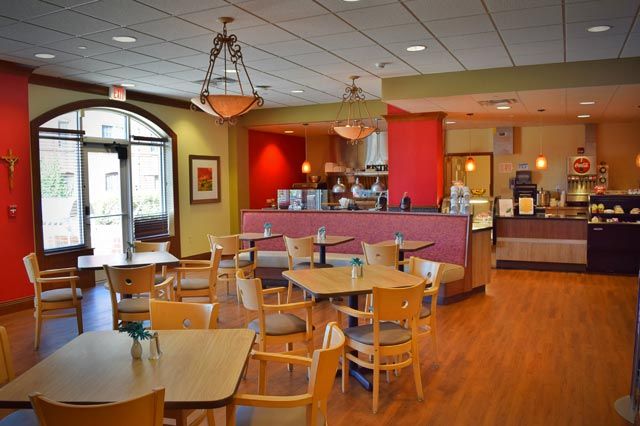
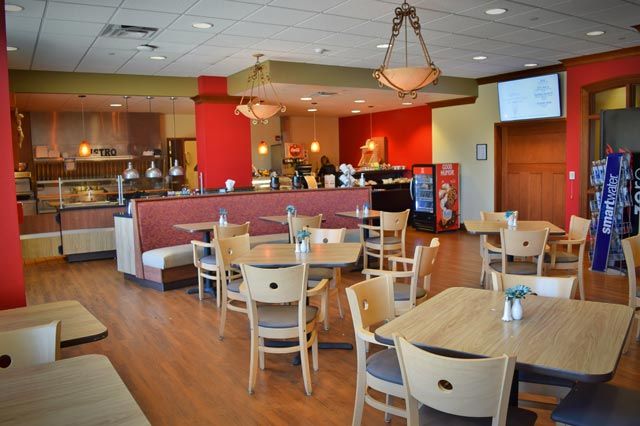
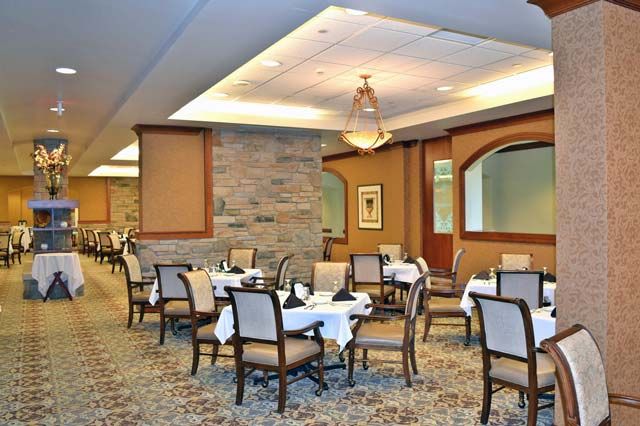
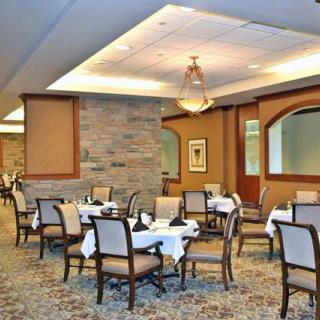
Reviews frequently return to dining, with people describing the meals as varied, tasty, and better than expected. Several mention choosing among dining formats like a formal dining room and other on-site options, rather than one fixed cafeteria-style setting. The community also offers restaurant-style dining and meals designed around special dietary restrictions.
common13 reviews mention this
Activities keep residents engaged
Residents describe a steady mix of activities, classes, and social time.
Many reviews describe staying busy through scheduled daily activities, off-site outings, and themed events. Residents mention variety across exercise and social interests, including things like games and outings, and some describe enjoying meals with others as part of the routine. The community also lists a broad activities program, including religious devotional events and fitness-focused options like yoga and tai chi.
common9 reviews mention this
Care services that support transitions
Residents describe support that helps when needs shift, including memory care.
Families who moved within the community describe transitions from assisted living to memory care, and several specifically praise the memory care team and nursing staff. Reviews also mention medication oversight and day-to-day help, along with communication from the care team. The community offers assistance with activities of daily living and care services that include medication management and meal preparation and service.
caveat6 reviews mention this
High costs and buy-in concerns
Multiple reviewers flag costs as a major drawback, including the buy-in structure.
Several reviews call the community very expensive and describe concerns about the buy-in or what it takes to enter. A few also note worries about added costs when care levels change. Even positive reviews sometimes include the expectation that it is priced for higher budgets, rather than being an easy affordability fit.
How we summarize
Counts show how many written reviews mention each theme; a review can touch several themes, and only frequently mentioned themes are displayed.
Features
Housing
65 resident community capacity
1-bedroom apartments
2-bedroom apartments
Detached homes
Studio apartments
Types of Care
Assisted Living
Continuing Care Retirement Community (CCRC)
Independent Living
Memory Care
Respite Care
Pets
Cats allowed
Dogs allowed
Amenities
Activities off-site
Activities on-site
Air-conditioning
Bath tubs
Beautician on-site
Beauty salon
Cable or satellite TV
Cafe
Computer center
Devotional services on-site
Dining room
Financing advice
Fireplaces
Fitness room
Full kitchen
Fully furnished
Gaming room
Garden
Ground floor units
Guasts at mealtime
Guest parking
Handicap accessible
Hiking trails
Home sale assistance
Housekeeping services
Indoor common areas
Kitchenette
Laundry
Move-in coordination
Outdoor common areas
Outdoor space
Overnight guests
Party space
Private bathrooms
Private cleaning services
Resident parking
Respite or short term stays offered
Restaurant-style dining
Security gate
Small library
TV room
Telephone
VA Benefits Consultation
Wellness center
Wheelchair accessible showers
Wi-Fi/high-speed internet available
Transportation
Chicago O'Hare International (16 miles away)
Chicago Midway (17 miles away)
Community operated transportation
Transportation & parking
Transportation arrangement
Transportation arrangement (non-medical)
Care Services
24-hour call system
24-hour supervision
Activities of daily living assistance
Ambulatory care
Assistance with bathing
Assistance with dressing
Assistance with transfers
Diabetes diet
Diabetic care
Hospice care
Incontinence care
Meal preparation and service
Medication management
Physical therapy
Special dietary restrictions
Dining
Anytime dining
Diabetes diet
Gluten-free
Guest meals
Low / no sodium
Meals provided
No Sugar
Organic
Professional chef
Restaurant style dining
Room service
Special dietary restrictions
Special dining programs
Vegan
Vegetarian
Activities
Activities off-site
Art classes
Arts and crafts
Book club
Catholic services
Community-sponsored activities
Concierge services
Cooking classes
Cooking club
Day trips and outings
Devotional activities on-site
Educational speakers / life long learning
Fitness programs
Games
Gardening club
Happy hour
Live dance or theater performances
Live musical performances
Live well programs
Planned day trips
Religious services
Resident-run activities
Scheduled daily activities
Stories
Stretching classes
Tai Chi
Wii bowling
Wine tasting
Yoga / chair yoga
Languages Spoken
English
Videos
Nearby Places of Interest
Located in Lisle, Illinois, this neighborhood offers convenience and accessibility for seniors looking to settle in a vibrant community. With numerous pharmacies, including Walgreens and CVS nearby, residents can easily access their medication needs. In addition, there are a variety of dining options such as McDonald's, Chipotle Mexican Grill, and Cooper's Hawk Winery & Restaurant for enjoyable meals. The area also boasts several parks like Surrey Ridge Park and Cress Creek Park for outdoor recreation. For healthcare services, DuPage Medical Center and Marianjoy Rehabilitation Hospital are within a short distance. Transportation options include Metra stations for convenient travel. Overall, this part of Lisle provides a well-rounded environment with amenities that cater to the needs of older adults seeking a comfortable and fulfilling lifestyle.
Pharmacies
Walgreens (0.9 miles)
CVS Pharmacy (1.9 miles)
Walgreens (2.4 miles)
Walgreens (2.7 miles)
Walgreens (2.8 miles)
Walgreens (3.3 miles)
Walgreens (3.4 miles)
Restaurants
McDonald's (0.9 miles)
Culver's (1.7 miles)
Chipotle Mexican Grill (1.7 miles)
McDonald's (1.8 miles)
Portillo's Hot Dogs (2.2 miles)
Cooper's Hawk Winery & Restaurant (2.2 miles)
Chick-Fil-A (3.1 miles)
Parks
Surrey Ridge Park (1.2 miles)
Cress Creek Park (3.9 miles)
Seven Gables Park (3.9 miles)
Burlington Park (3.9 miles)
Briar Knoll Park (4.2 miles)
McCollum Park (4.5 miles)
Wil-O-Way Park (4.9 miles)
Cafes
Starbucks (1.5 miles)
Starbucks (1.8 miles)
Peet's Coffee and Tea (2.4 miles)
Panera Bread (5 miles)
Starbucks (5.1 miles)
Starbucks (6 miles)
Qahwah House (6.7 miles)
Theaters
Cinemark (1.6 miles)
AMC DINE-IN Yorktown 18 (5.9 miles)
Hospitals
DuPage Medical Center (2.3 miles)
Marianjoy Rehabilitation Hospital and Clinics (5.3 miles)
Transportation
Metra (2.8 miles)
Metra - Downers Grove Main Street (4.1 miles)
Metra Train Station (6.4 miles)
Physicians
Dupage Medical Group (3.1 miles)
Northwestern Medicine Proton Center (3.8 miles)
Northwestern Medicine Orthopaedics Warrenville (4.2 miles)
Villa St. Benedict offers a competitive pricing structure for its residents, particularly when compared to the broader market in DuPage County and the state of Illinois. For a studio apartment, residents can expect to pay $2,580 per month - significantly lower than both the county average of $4,580 and the state average of $4,028. The one-bedroom option at Villa St. Benedict is also priced attractively at $2,970, while it is higher in the county and state at $3,913 and $3,527 respectively. For those seeking more space, the two-bedroom units are available at $4,630, which is nearly on par with DuPage County's rate of $4,636 but exceeds the state average of $4,208. Overall, Villa St. Benedict presents an appealing blend of affordability and location for individuals seeking a vibrant community without compromising on quality living standards.
Villa St. Benedict's comprehensive range of features is specifically designed to support residents with dementia or Alzheimer's disease at various stages of their condition. The 24-hour supervision ensures that residents receive constant oversight, enhancing their safety and comfort while allowing for timely intervention when needed. Assistance with activities of daily living, including bathing, dressing, and transfers, promotes independence while catering to individual needs in a dignified manner. Incontinence care further addresses personal challenges associated with memory loss, fostering a sense of dignity and well-being. Meal preparation and service are tailored to not only meet nutritional requirements but also consider the preferences and familiarities that can evoke positive memories. Medication management ensures adherence to prescribed regimens, reducing the risk of complications while promoting overall health. Additionally, physical therapy assists in maintaining mobility and physical strength, which is crucial for enhancing quality of life and encouraging engagement in social activities within the community. Together, these features create a supportive environment that caters to both the physical and emotional needs of residents facing memory-related challenges.
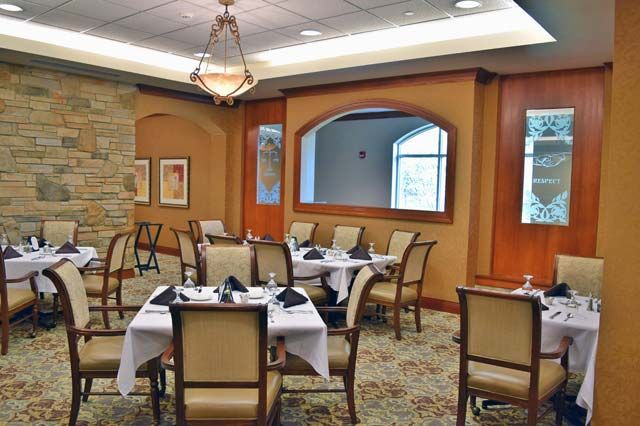
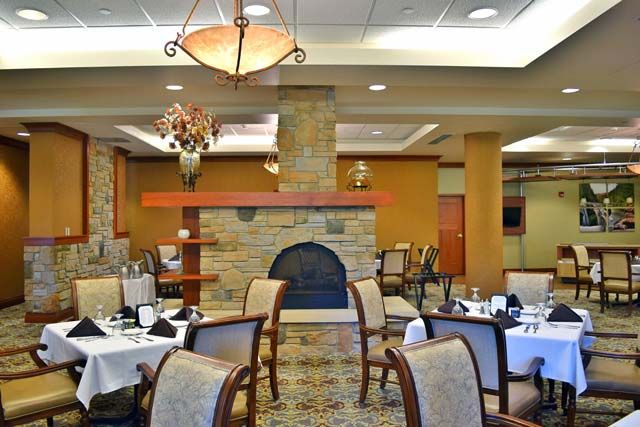
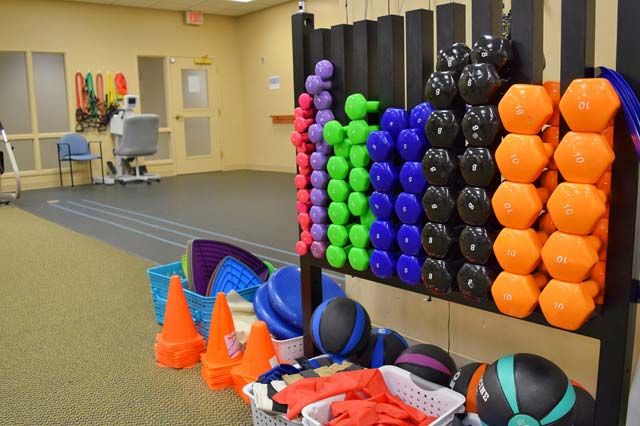
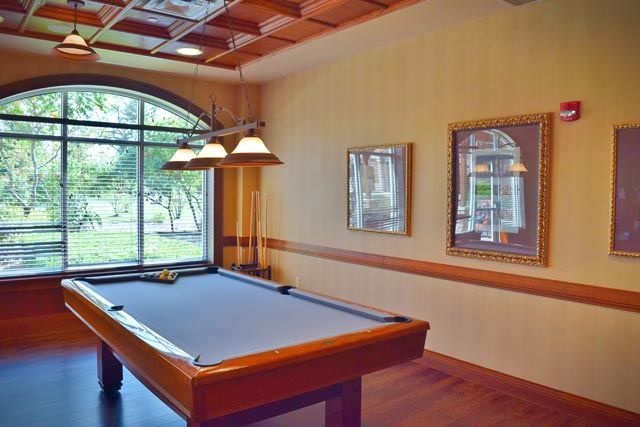
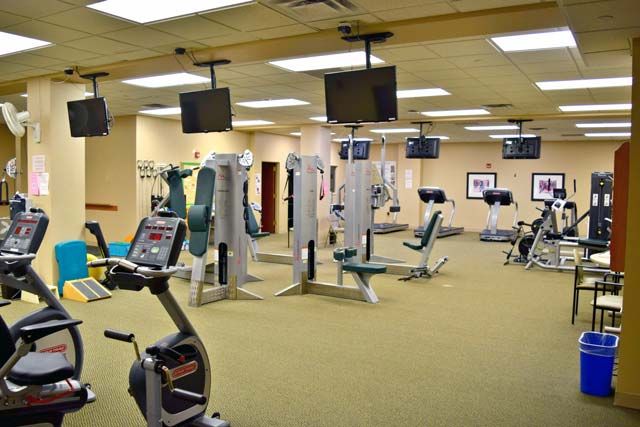
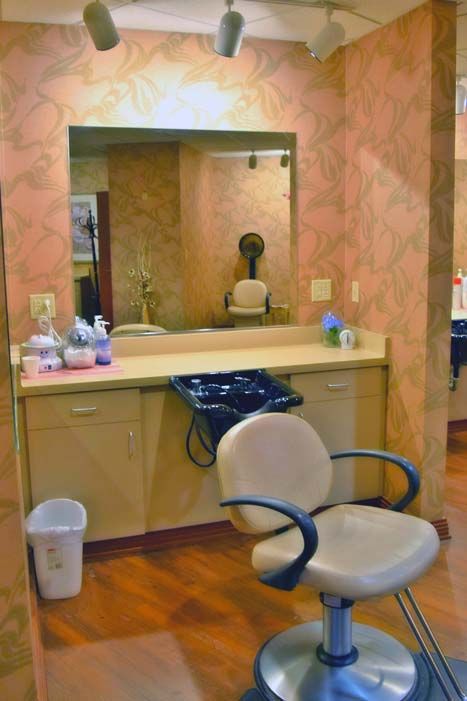
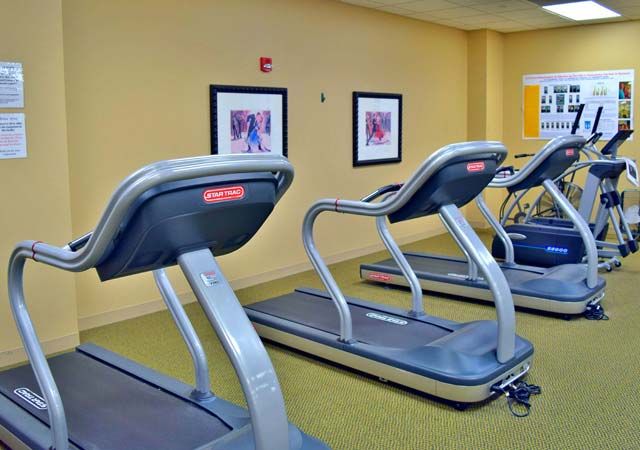
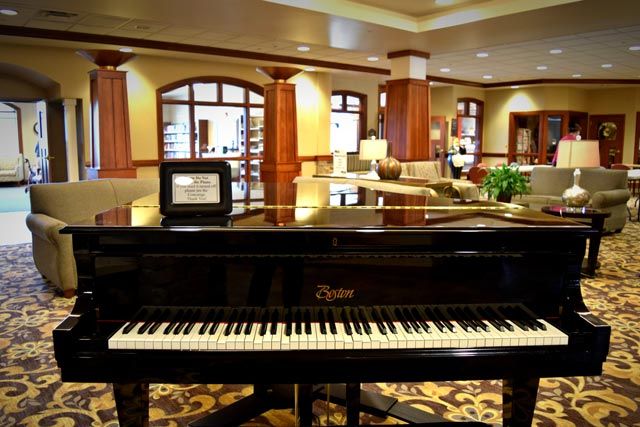
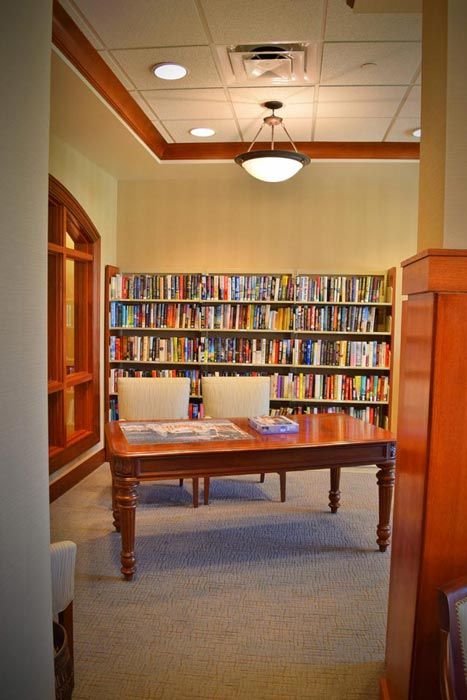
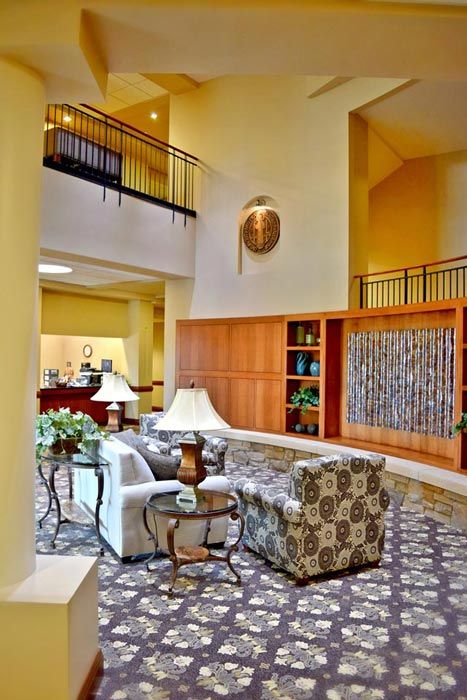
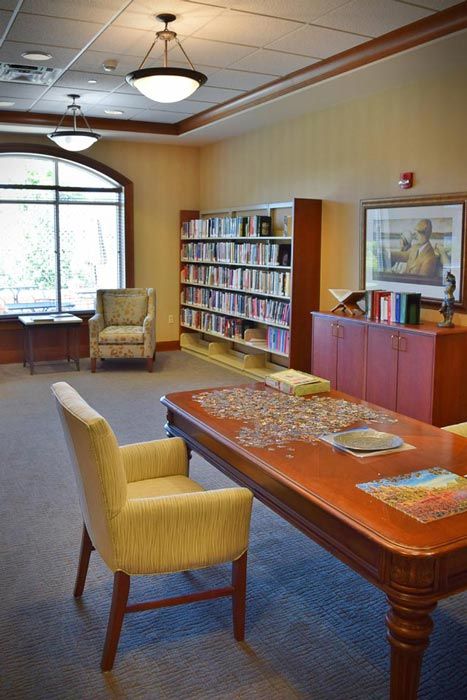
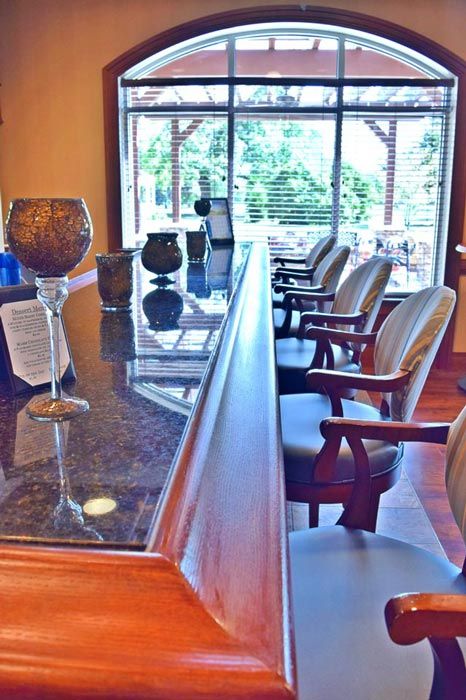
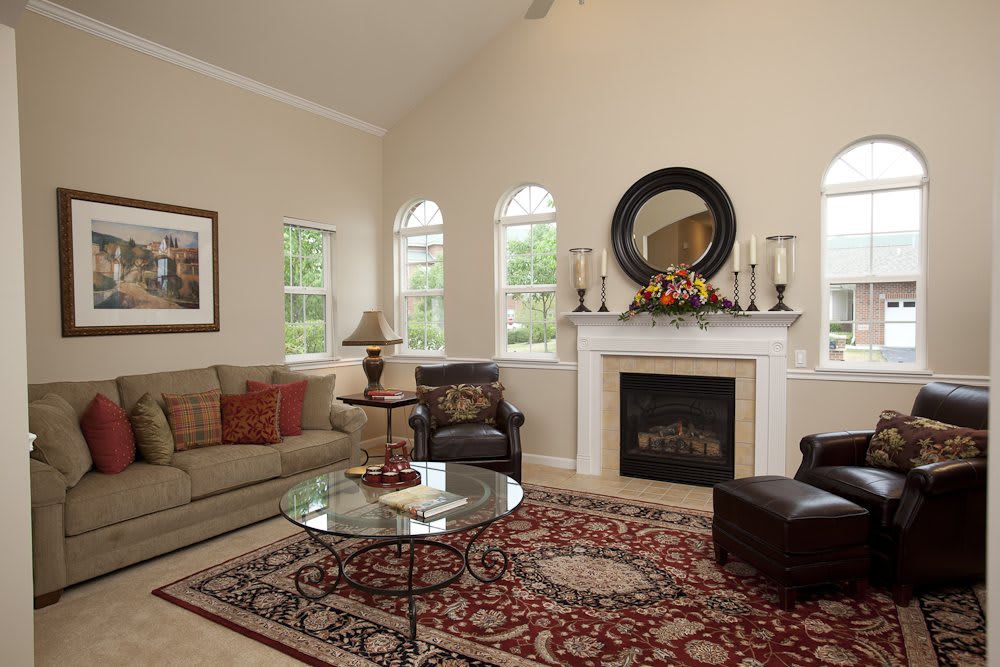
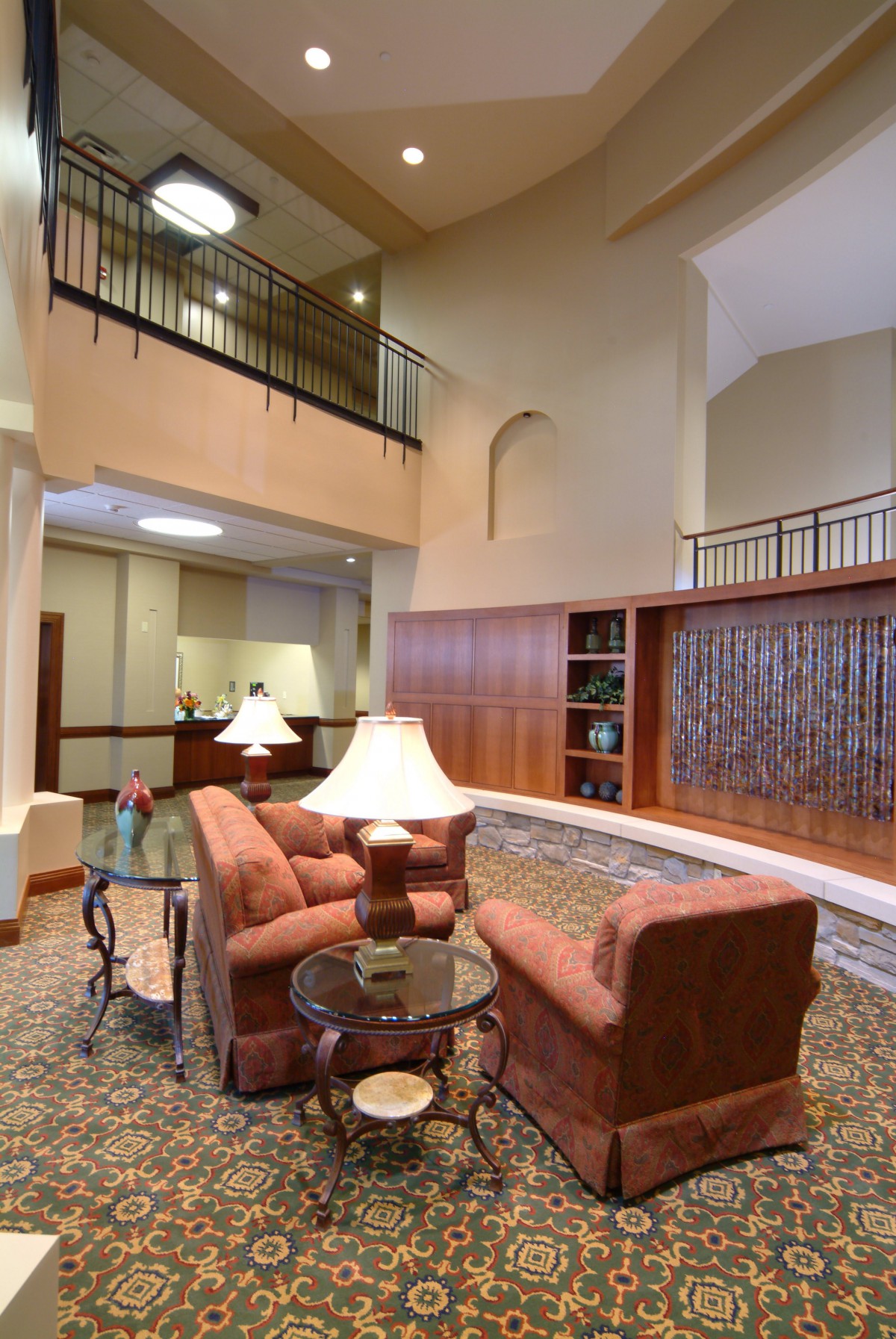
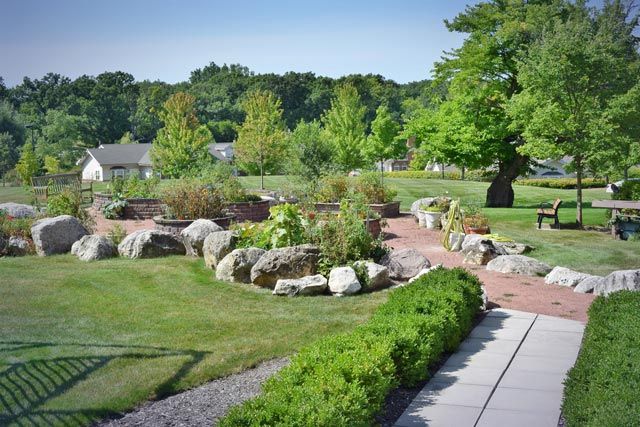
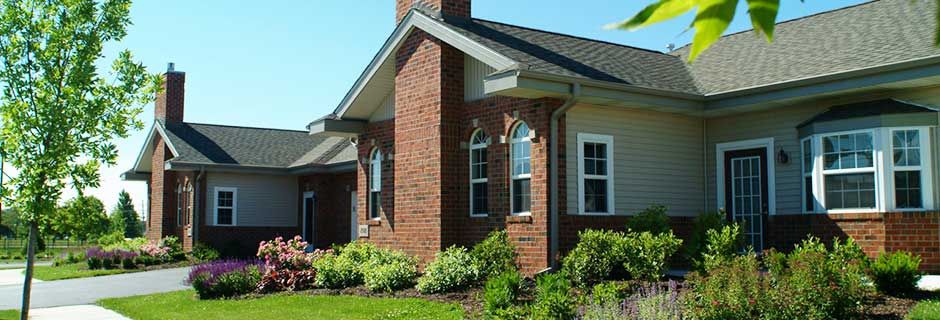
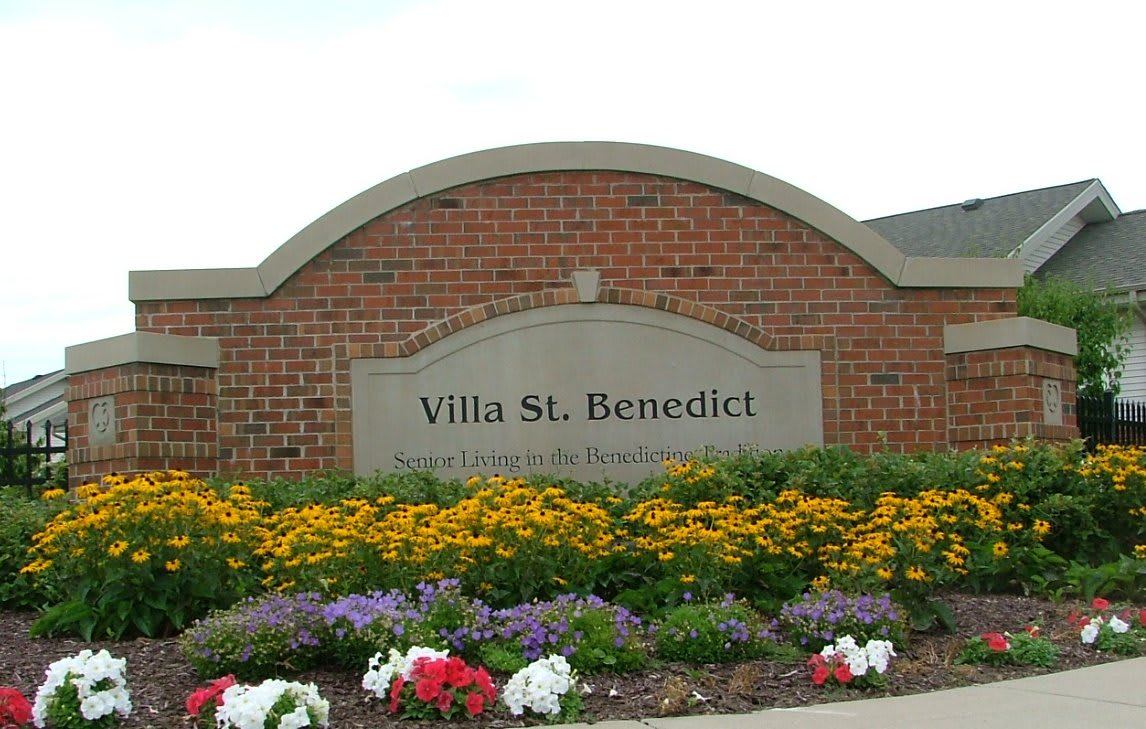
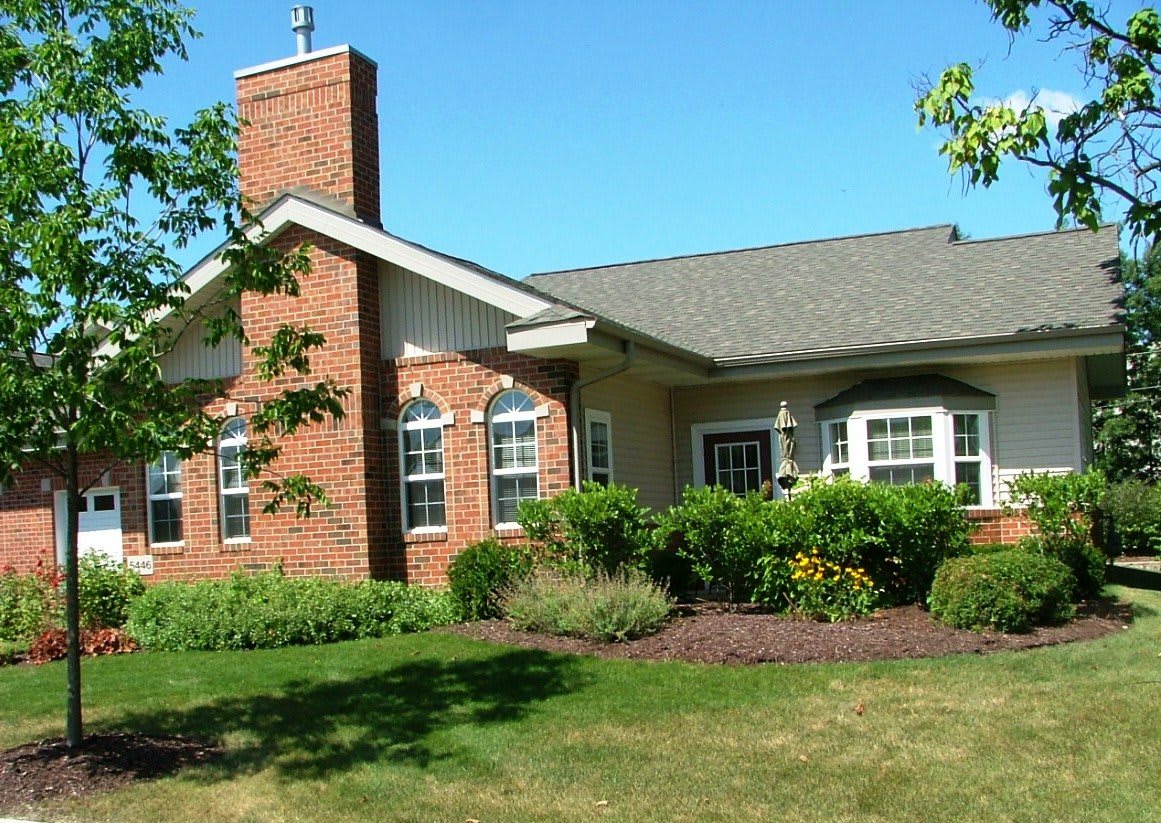
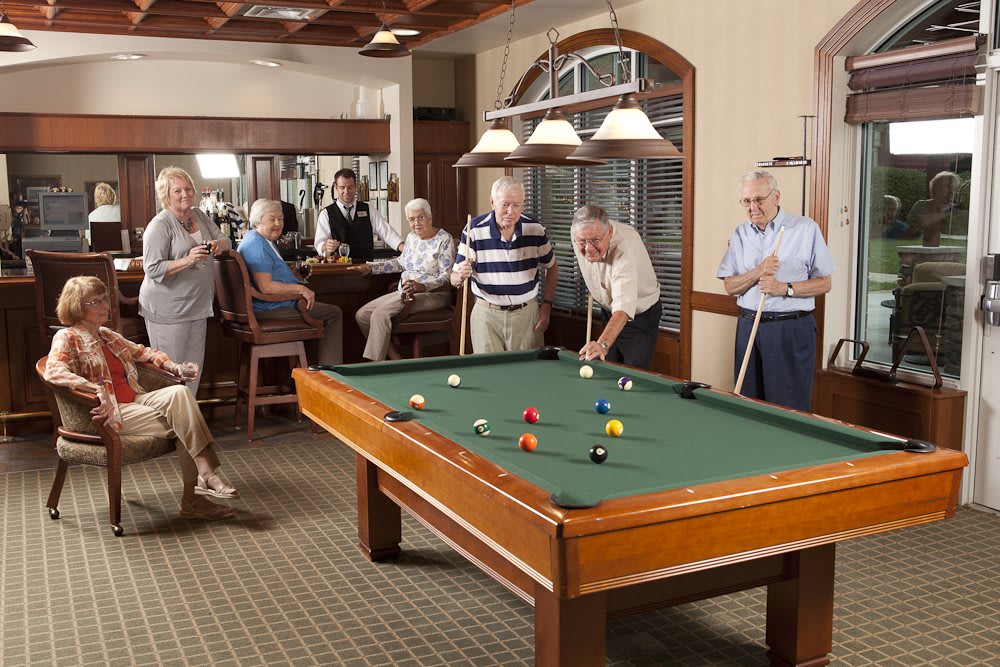
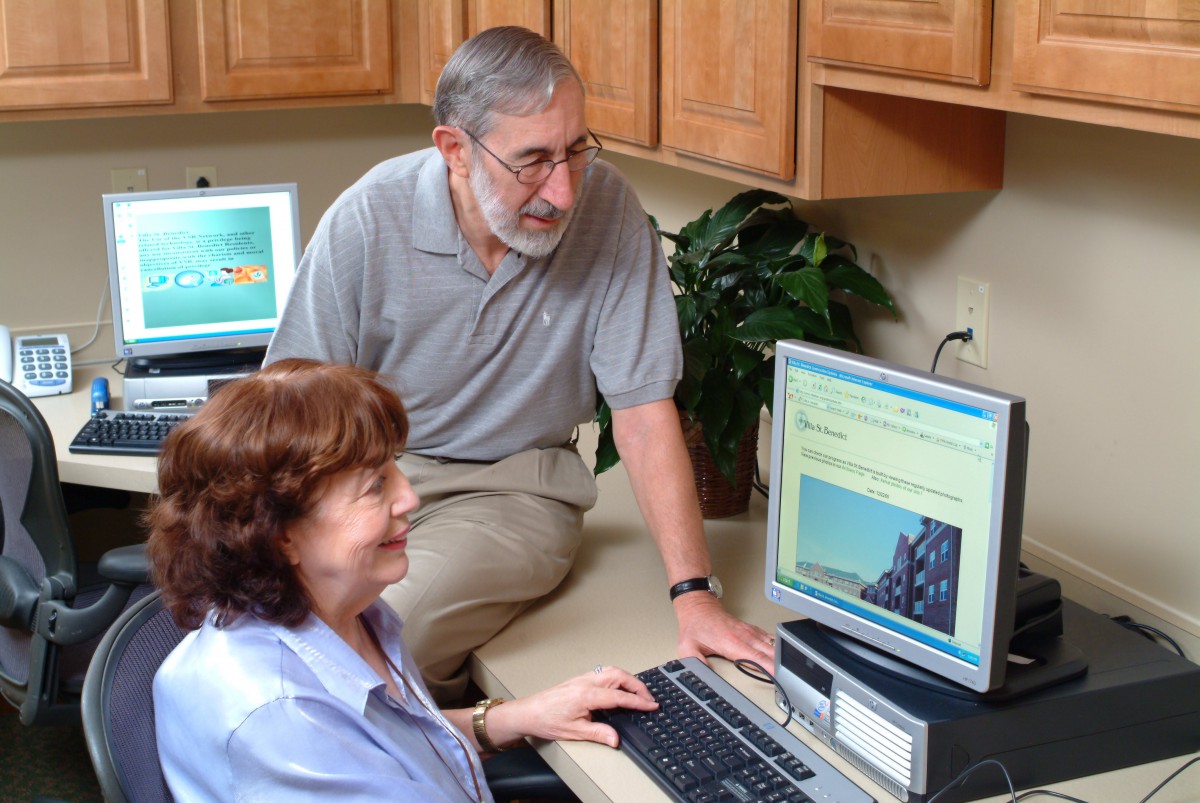
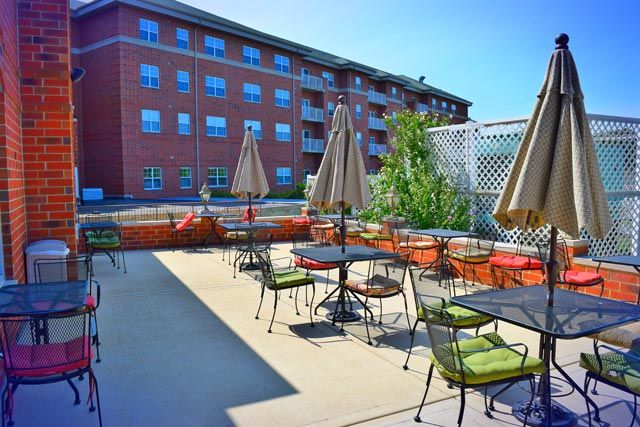
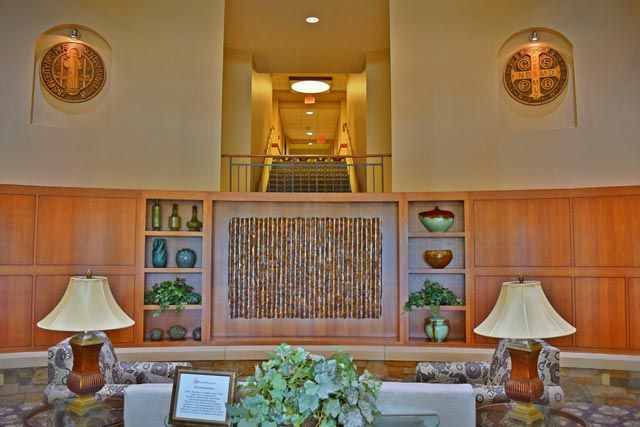
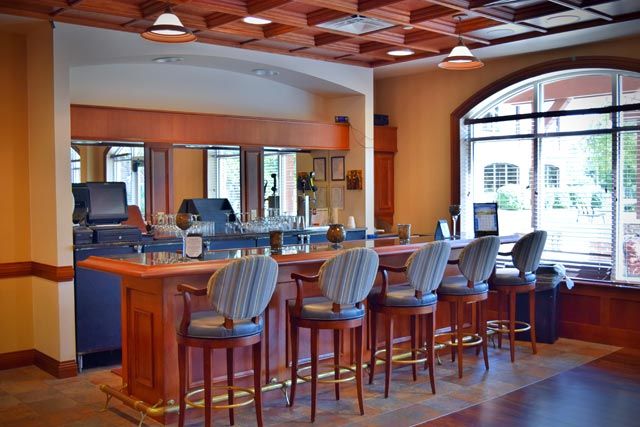
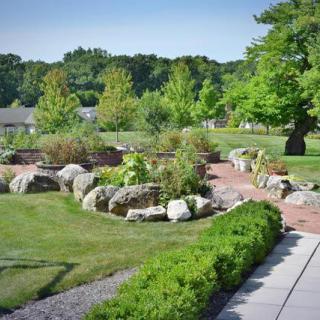
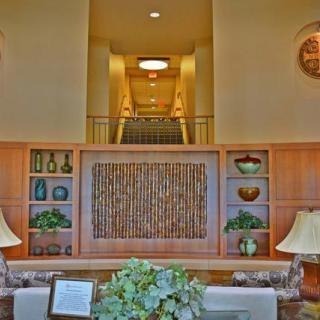
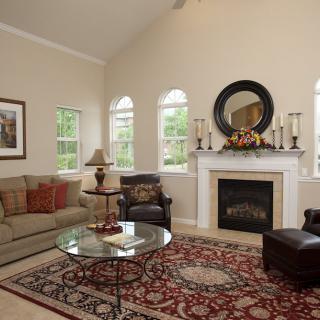
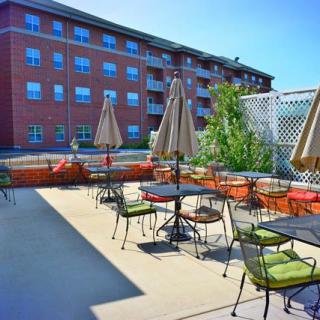
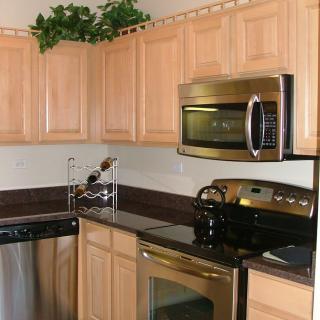
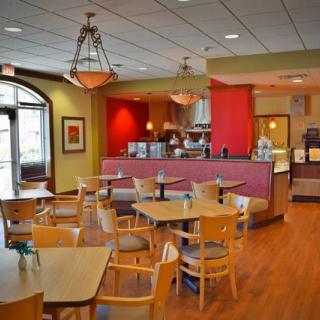
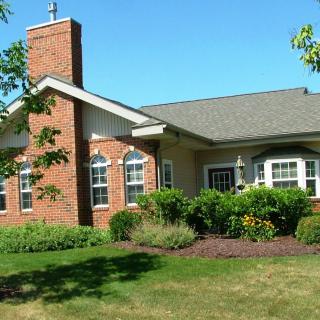
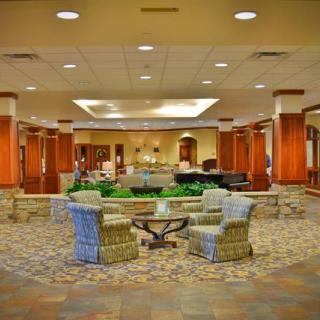
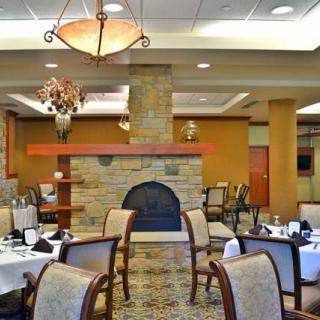
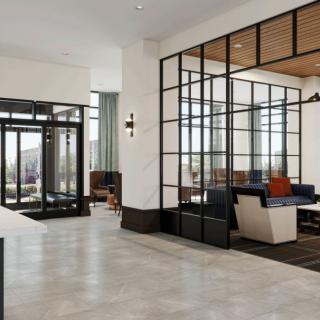
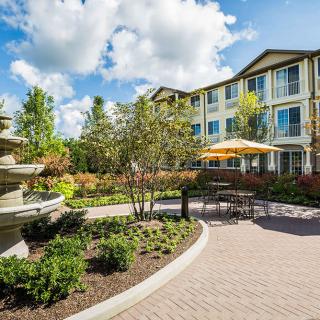
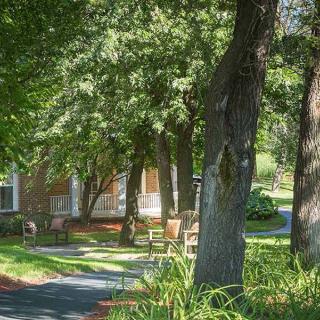
Villa St. Benedict on seniors.fyi includes 41 photos including images showing interior, dining, windows, landscaping, lobby, salon, decor, seating area, and more.
Nearby Communities
Brookdale Lisle
Lisle, IL
4.3 from 146 reviews
$3,670 to $5,595 / month
Vibrant, active community with friendly staff and well-maintained facilities.
Westbury Care Center
Lisle, IL
Extensive amenities and active programs with 24/7 care and transport.
Towers at Four Lakes
Lisle, IL
3.1 from 107 reviews
$809 to $1,009 / month
Affordably priced with studio at $809 and 1-bedroom at $1009, below local and state averages.
Snow Valley Nursing and Rehab Ctr
Lisle, IL
Excellent access to dining, parks, healthcare, and transportation nearby.
Sunrise "At Home" for Chicago
Naperville, IL
4.8 from 15 reviews
Convenient access to healthcare, dining, and social activities nearby.
Favos Home Care, Inc.
Bolingbrook, IL
4.4 from 5 reviews
Engaged, reliable caregivers with upfront pricing and a responsive owner.
Cedarhurst Of Naperville
Woodridge, IL
4.4 from 83 reviews
Clean, modern facility with friendly staff and a diverse activity program.
BrightStar Care - Naperville, IL
Naperville, IL
4.8 from 110 reviews
Compassionate, competent caregivers and professional office staff.
"Memory Care Pathways: A Holistic Guide to Dementia Support" outlines the complexities of dementia and its various types, emphasizing early detection, patient-centered care strategies, caregiver support, and long-term care options while addressing legal and financial considerations to enhance the quality of life for individuals with dementia and their families.
Sundown syndrome, or sundowning, is a phenomenon in dementia patients characterized by increased confusion and agitation during late afternoon and evening, influenced by factors like disrupted circadian rhythms and fatigue. Effective caregiver strategies include establishing routines and managing environmental light while addressing caregiver stress through support services.
Delirium is a rapidly onset, reversible cognitive disturbance often caused by acute medical issues, while dementia is a gradual and irreversible decline due to chronic neurodegenerative diseases. Accurate differentiation between the two is essential for appropriate treatment and management in older adults.
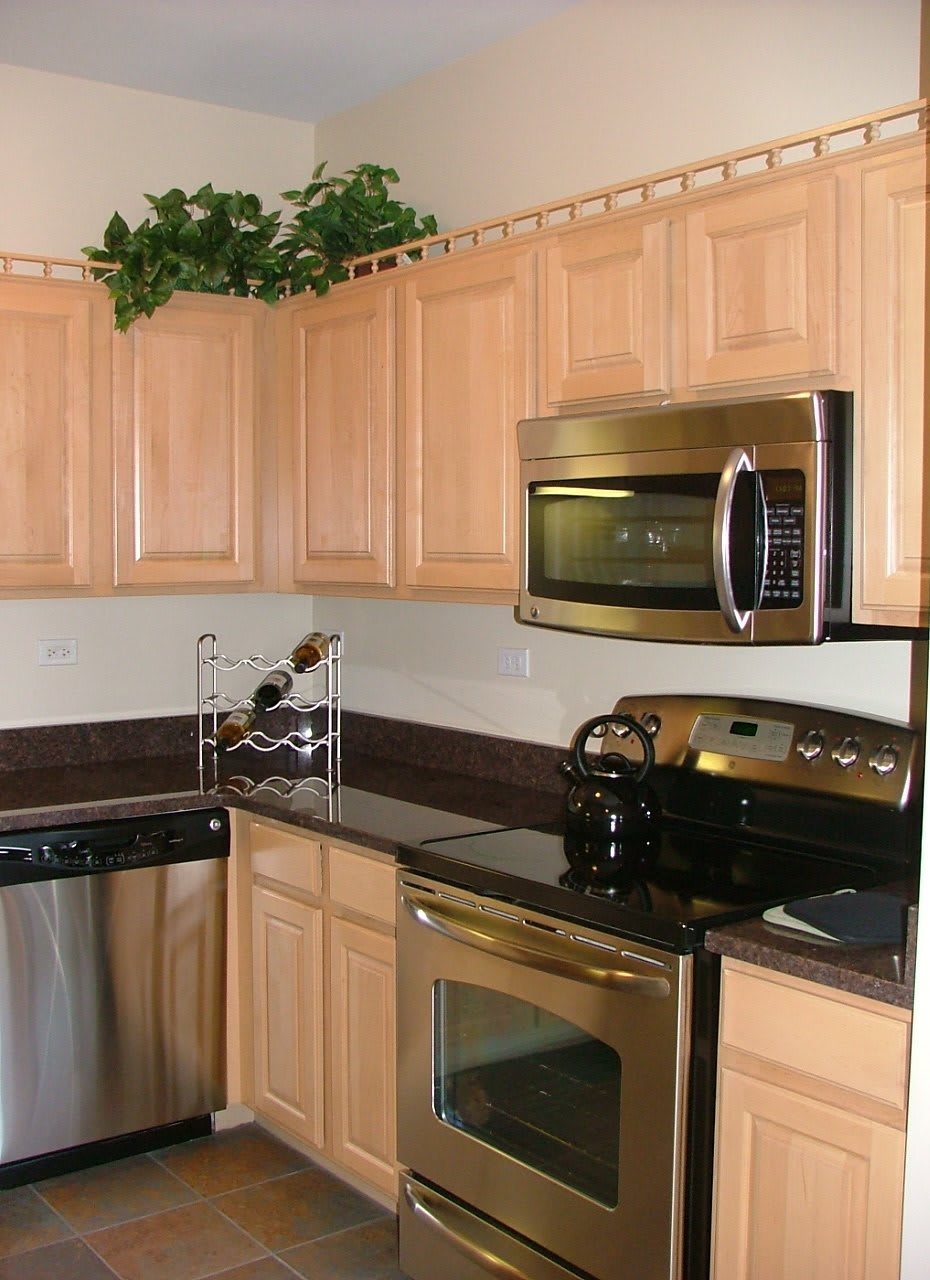
Kitchen, Appliances, Cabinets, Oven, and Dishwasher
Lighting
Garden
Chandelier
Fireplace
Seating Area
Entrance
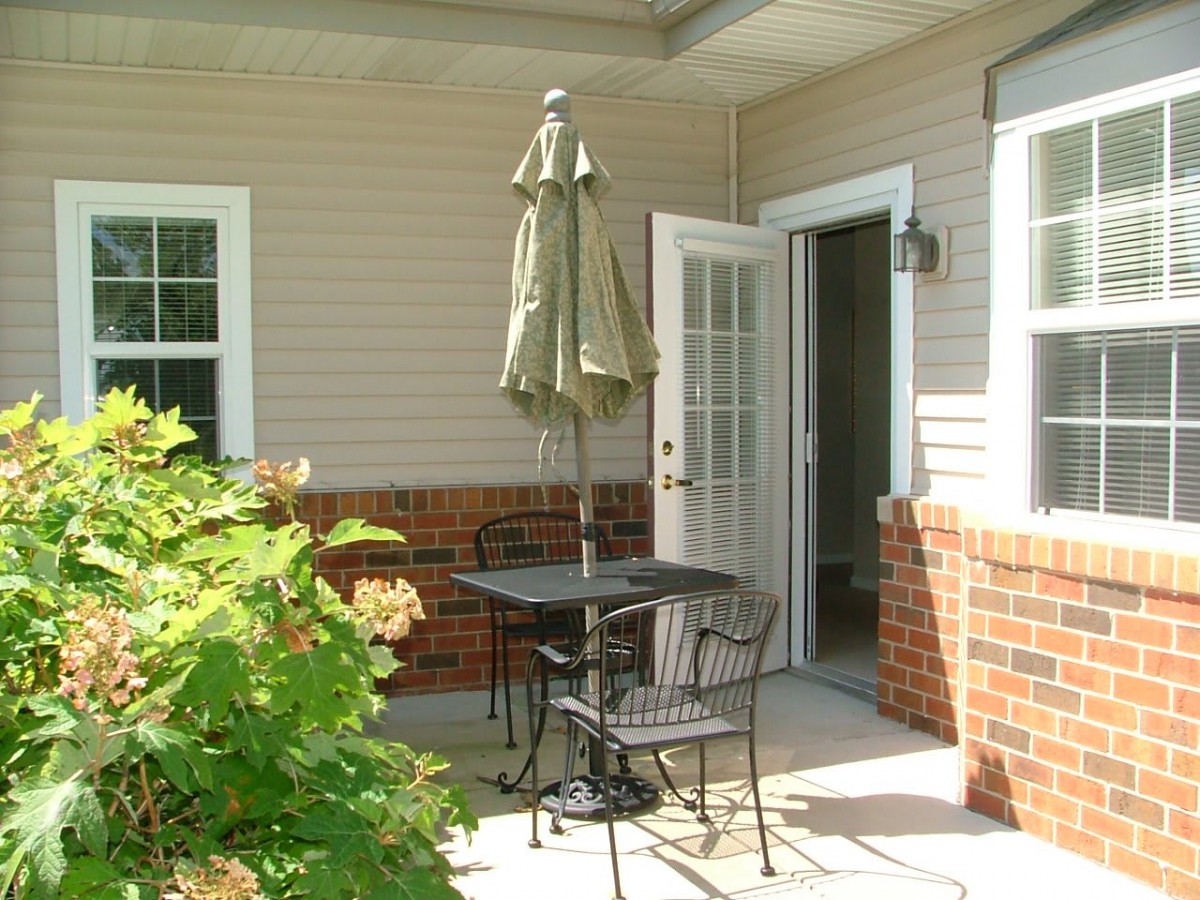
Patio
Outdoors
Lobby
Exercise Equipment and Gym
Exterior and Outdoor Furniture
Salon
Bookshelves
Seating
Nature
Library
Piano
Billiards
Office and Computers
Waiting Area
Brick
Mirrors
Fitness, Treadmills, and Workout Room
Game Room and Wooden Flooring
Reading Area
Stone Wall
Lighting Fixtures
Treadmill, Fitness Center, and Excercise Equipment
Reading Room
Coffee Station
Stairs
Bar
Wood Paneling and Indoor Lighting
Gardening
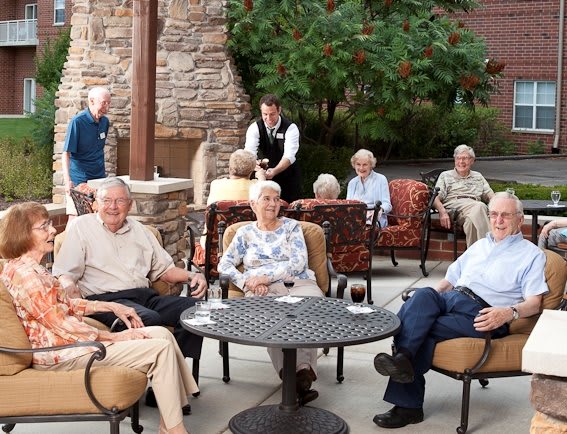
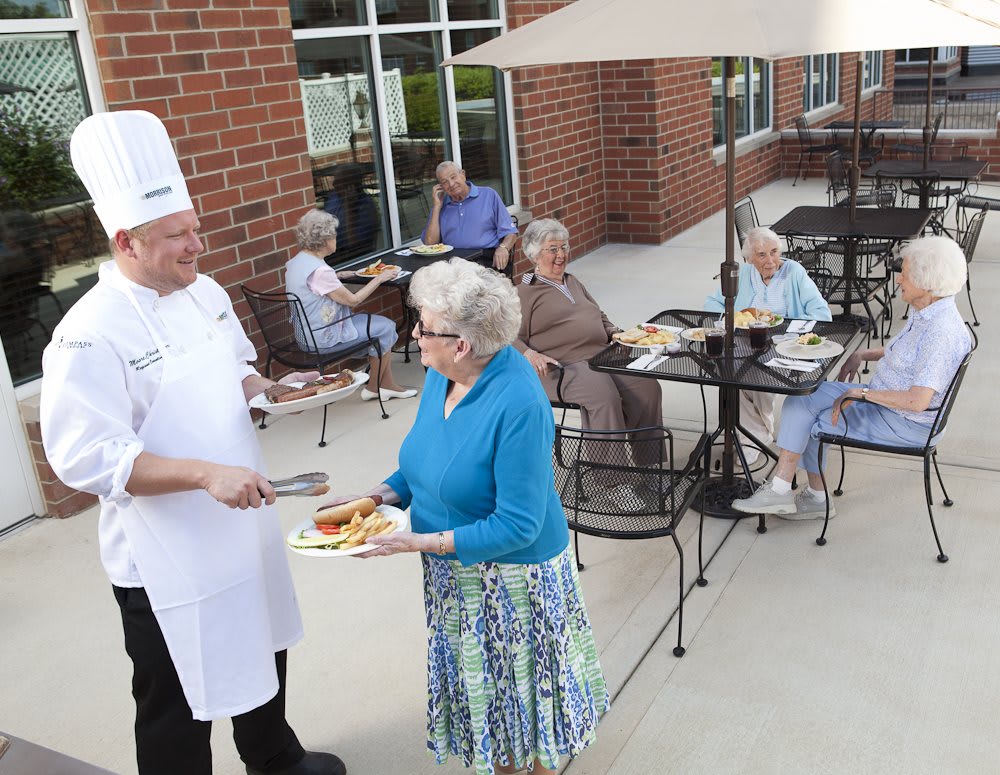
Outdoor Dining
Additional Photos
Get PricingAsk A QuestionSchedule A TourContact Senior Advisor
By clicking submit, you agree to our Partner's Terms of Use. You
also consent to receive calls and texts, which may be autodialed, from our Partner. Your consent is not a condition to
using our Partner's service. Please visit our Partner's Privacy Policy for information about their privacy practices.









 65 resident community capacity
 1-bedroom apartments
 Detached homes
 Assisted Living
 Continuing Care Retirement Community (CCRC)
 Independent Living
 Memory Care
 Respite Care
 Cats allowed
 Dogs allowed
 Activities off-site
 Air-conditioning
 Bath tubs
 Beautician on-site
 Cable or satellite TV
 Cafe
Cafe Computer center
 Devotional services on-site
 Dining room
 Financing advice
 Fireplaces
 Fitness room
 Full kitchen
 Fully furnished
 Gaming room
 Garden
 Ground floor units
 Guest parking
 Handicap accessible
 Hiking trails
 Housekeeping services
 Indoor common areas
 Laundry
 Move-in coordination
 Outdoor common areas
 Overnight guests
 Party space
 Private bathrooms
 Restaurant-style dining
 Security gate
 Small library
 Telephone
 Wellness center
 Wheelchair accessible showers
 Wi-Fi/high-speed internet available
 Chicago O'Hare International (16 miles away)
 Community operated transportation
 24-hour call system
 Ambulatory care
 Assistance with bathing
 Assistance with dressing
 Assistance with transfers
 Diabetes diet
 Diabetic care
 Hospice care
 Incontinence care
 Medication management
 Physical therapy
 Special dietary restrictions
 Art classes
 Book club
 Catholic services
 Concierge services
 Cooking classes
 Day trips and outings
 Educational speakers / life long learning
 Games
Games Happy hour
 Live dance or theater performances
 Live musical performances
 Wii bowling
 Wine tasting
 English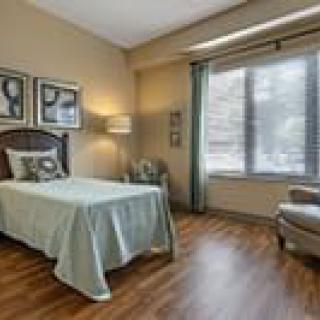
 Vibrant, active community with friendly staff and well-maintained facilities.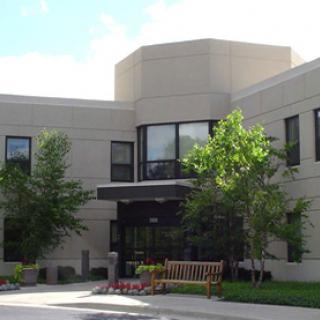


 Memory Care Pathways: A Holistic Guide to Dementia Support
 Comprehending Evening Confusion in Dementia: Causes, Manifestations, and Support
 Delirium and Dementia: Unraveling the Key Differences