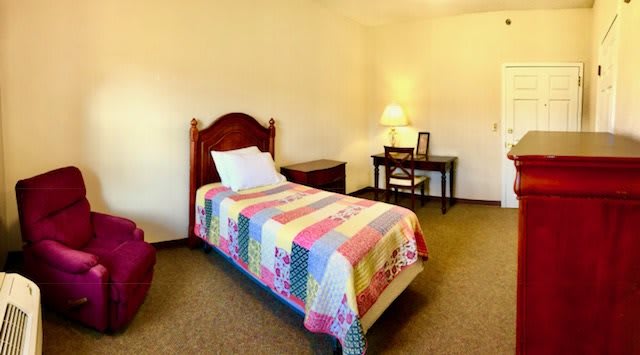
Fountain View Manor Memory Care offers competitive pricing for its services compared to both Madison County and the broader state of Illinois. Monthly costs for a semi-private room are set at $4,000, which is notably lower than the county average of $4,508 and significantly below the state average of $5,146. For those considering a studio apartment, Fountain View's rate is $4,750; while slightly higher than the county's average of $3,975, it remains comparable to the state's average of $4,028. However, when evaluating one-bedroom accommodations, Fountain View Manor's price of $5,650 stands out as considerably higher than both Madison County's average of $3,108 and the state's average of $3,527. This pricing structure indicates that Fountain View Manor provides valuable options for various needs while maintaining affordability in many categories.
Floor plans
Fountain View Manor Memory Care
Madison County
Illinois
Semi-Private
$4,000
$4,508
$5,146
Studio
$4,750
$3,975
$4,028
1 Bedroom
$5,650
$3,108
$3,527
Memory care communities with a similar price nearby
Residents describe memory-care staff who respond quickly to changing needs.
Several residents and family members say the nursing and caregiver team provided support that felt attentive as conditions worsened, especially with dementia-related needs. Reviews specifically mention knowledgeable nursing care, hands-on patience, and medical needs being met, along with staff treating residents with compassion and dignity. This aligns with the kinds of clinical support the community offers, including medication management and help with incontinence and diabetes care.
common21 reviews mention this
Staff kindness and caregiving stand out
Staff is consistently described as kind, friendly, and caring.
Across many reviews, families mention staff being warm, welcoming, and attentive to residents day to day. Multiple people also highlight that caregivers and nurses take the time to get to know residents and follow through on care. Even when visitors focused on a tour, they still describe cleanliness and a friendly staff presence.
caveat4 reviews mention this
Communication could be better
Some families want clearer communication from caregivers.
While some reviews mention communication going well, others say updates need improvement or that they’d like more feedback from the staff. A few families specifically call out wanting better communication between their family and the caregivers. Others ask for reports or more information about how things are going from the residents’ perspective.
common12 reviews mention this
Dining quality is a mixed point
Dining gets both praise and complaints from families.
Some residents and families describe the meals as good and nutritious, with food they say the resident really likes, and they mention the dining room experience positively. Other reviews say the food was not nutritious at times, and a few describe food as lacking, especially for what they were paying. Several reviews also mention an appealing menu during tours.
caveat3 reviews mention this
Understaffing affects day-to-day support
A few reviews say staffing levels were too low.
A small number of reviews raise concerns about understaffing and say there were times when help wasn’t available. One review suggests the community could use more staff available, and another describes limited care coverage and delayed help with daily needs. This is echoed by comments about needing more support for activities of daily living and getting help when requested.
caveat3 reviews mention this
Costs feel high for some families
Pricing feels reasonable to some, but too high to others.
Some families describe the price as reasonable or affordable, while others feel the rent increased over time and that costs became difficult to justify. One review cites costs rising and describes spending over $6,000 per month, along with concerns about food quality and staffing afterward. Another review notes that the cost can be more than insurance coverage.
How we summarize
Counts show how many written reviews mention each theme; a review can touch several themes, and only frequently mentioned themes are displayed.
Features
Types of Care
Assisted Living
Independent Living
Memory Care
Amenities
Activities off-site
Activities on-site
Air-conditioning
Beautician on-site
Cable or satellite TV
Devotional services off-site
Devotional services on-site
Indoor common areas
Outdoor common areas
Respite or short term stays offered
Wheelchair accessible showers
Wi-Fi/high-speed internet available
Transportation
Lambert-St Louis International (14 miles away)
Care Services
Ambulatory care
Diabetic care
Incontinence care
Medication management
Dining
Guest meals
Meals provided
Restaurant style dining
Special dining programs
Activities
Art classes
Catholic services
Cooking classes
Day trips and outings
Devotional activities offsite
Devotional activities on-site
Educational speakers / life long learning
Live musical performances
Protestant services
Stretching classes
Visiting chaplain or priest
Nearby Places of Interest
This part of Granite City, Illinois, offers a convenient location with easy access to various amenities and services that cater to seniors. There are multiple pharmacies nearby, ensuring easy access to medications and health supplies. The diverse restaurant options provide plenty of choices for dining out, while the nearby parks offer opportunities for outdoor recreation and relaxation. Several hospitals and medical facilities are within a short distance, providing quality healthcare options. Additionally, there are cafes for socializing and enjoying a cup of coffee as well as physicians' offices for medical needs. Public transportation options like the MetroLink station make it easy to get around the area. Places of worship offer spiritual support, and a nearby theater provides entertainment options. Overall, this neighborhood provides a range of services and activities that would be convenient and beneficial for seniors looking to live in this area.
Fountain View Manor Memory Care offers competitive pricing for its services compared to both Madison County and the broader state of Illinois. Monthly costs for a semi-private room are set at $4,000, which is notably lower than the county average of $4,508 and significantly below the state average of $5,146. For those considering a studio apartment, Fountain View's rate is $4,750; while slightly higher than the county's average of $3,975, it remains comparable to the state's average of $4,028. However, when evaluating one-bedroom accommodations, Fountain View Manor's price of $5,650 stands out as considerably higher than both Madison County's average of $3,108 and the state's average of $3,527. This pricing structure indicates that Fountain View Manor provides valuable options for various needs while maintaining affordability in many categories.
Fountain View Manor Memory Care's medication management ensures that residents receive their prescribed medications at the correct times and dosages, which is crucial for maintaining their overall health and managing symptoms associated with dementia or Alzheimer's disease. This structured approach minimizes the risk of medication errors, which can lead to confusion or adverse effects in individuals with cognitive impairments. Additionally, incontinence care is designed to address the specific needs of residents experiencing this common issue due to their condition, providing dignity and comfort while reducing stress for both residents and their families. By offering compassionate assistance in these areas, Fountain View Manor fosters a supportive environment that enhances the quality of life for its residents as they navigate the challenges associated with memory loss.
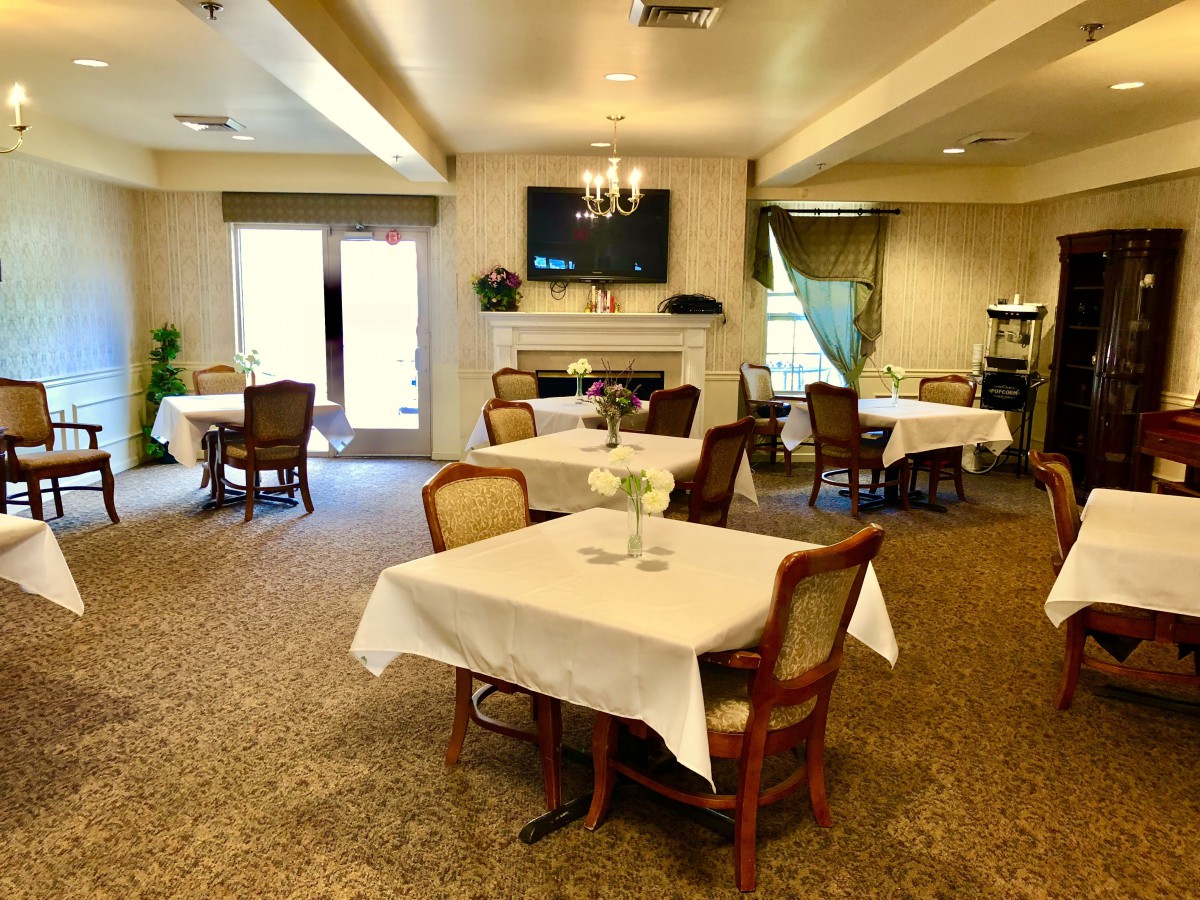
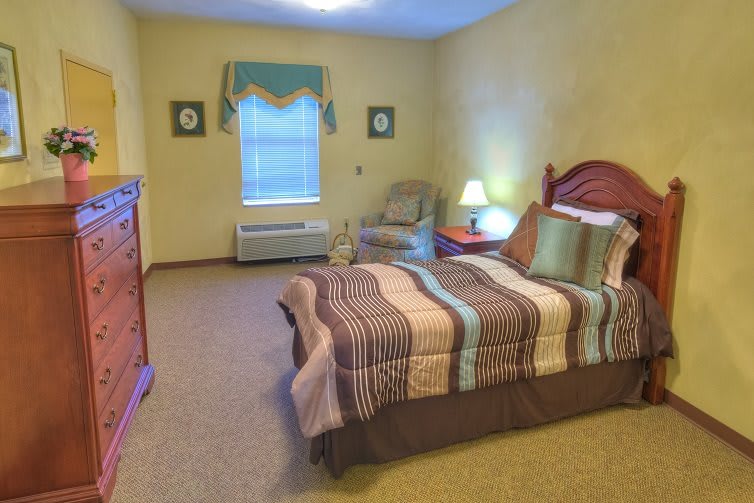
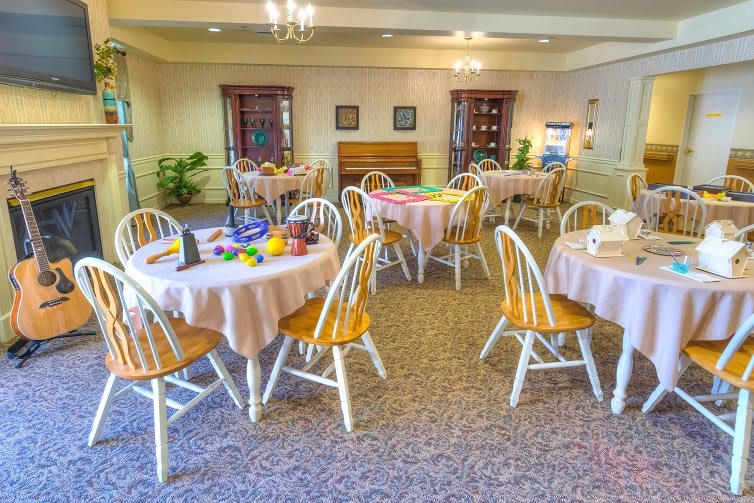
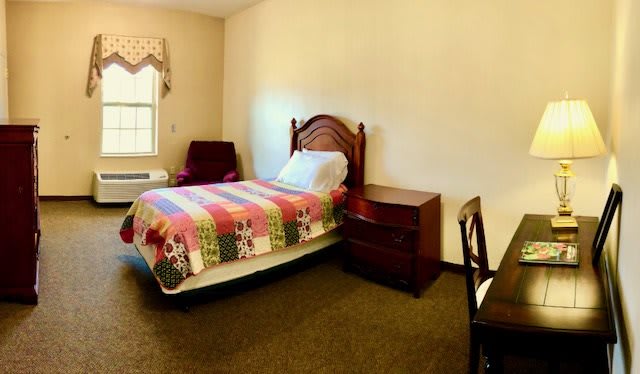
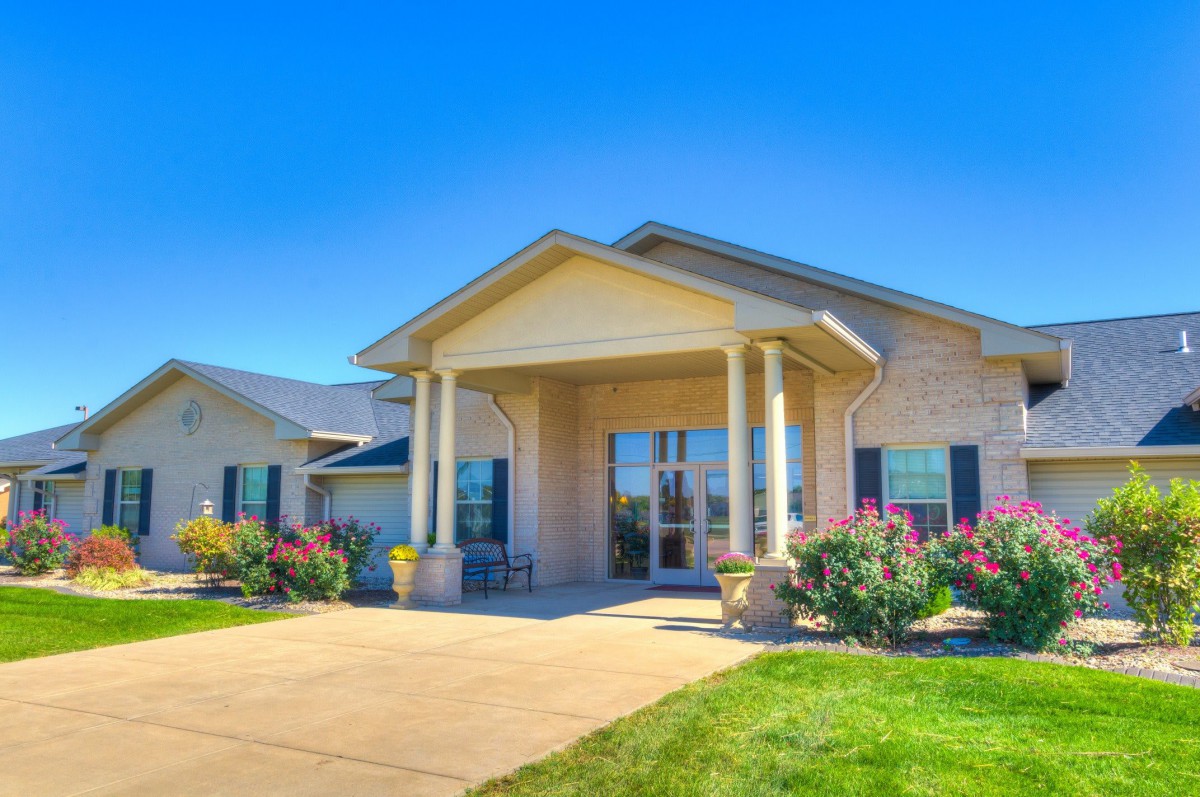
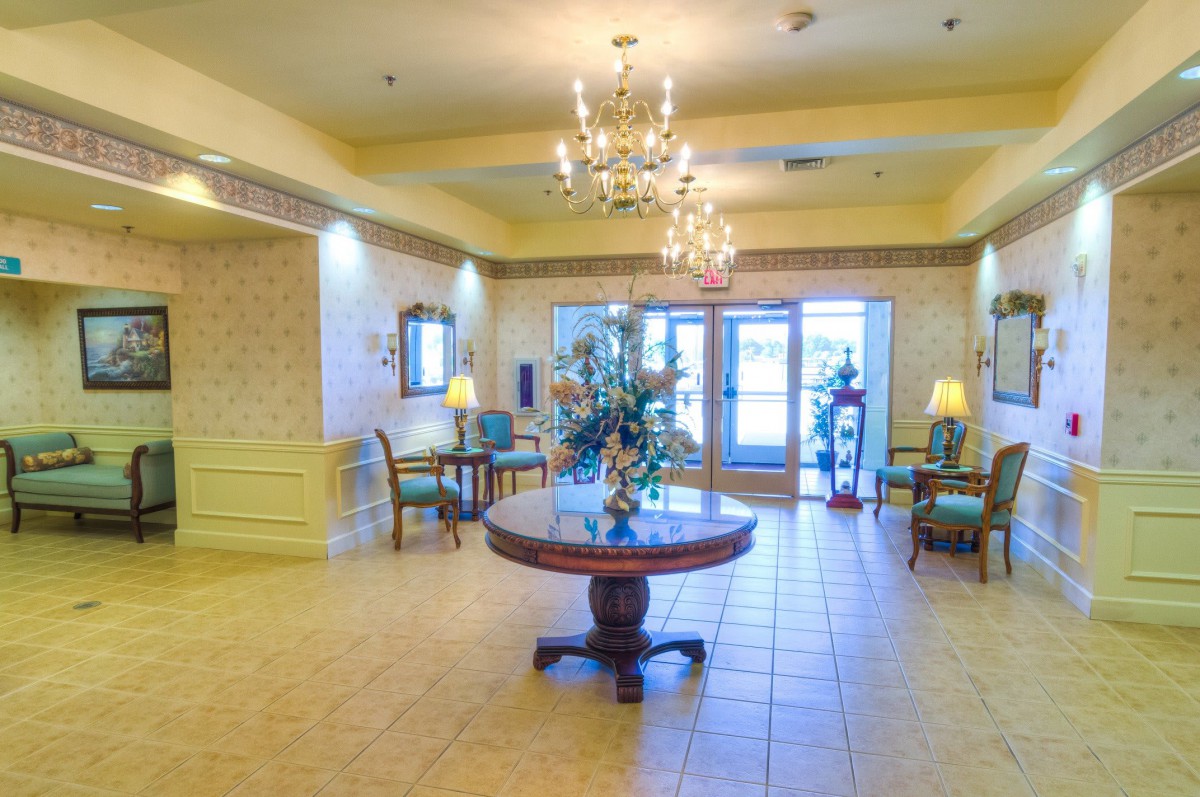
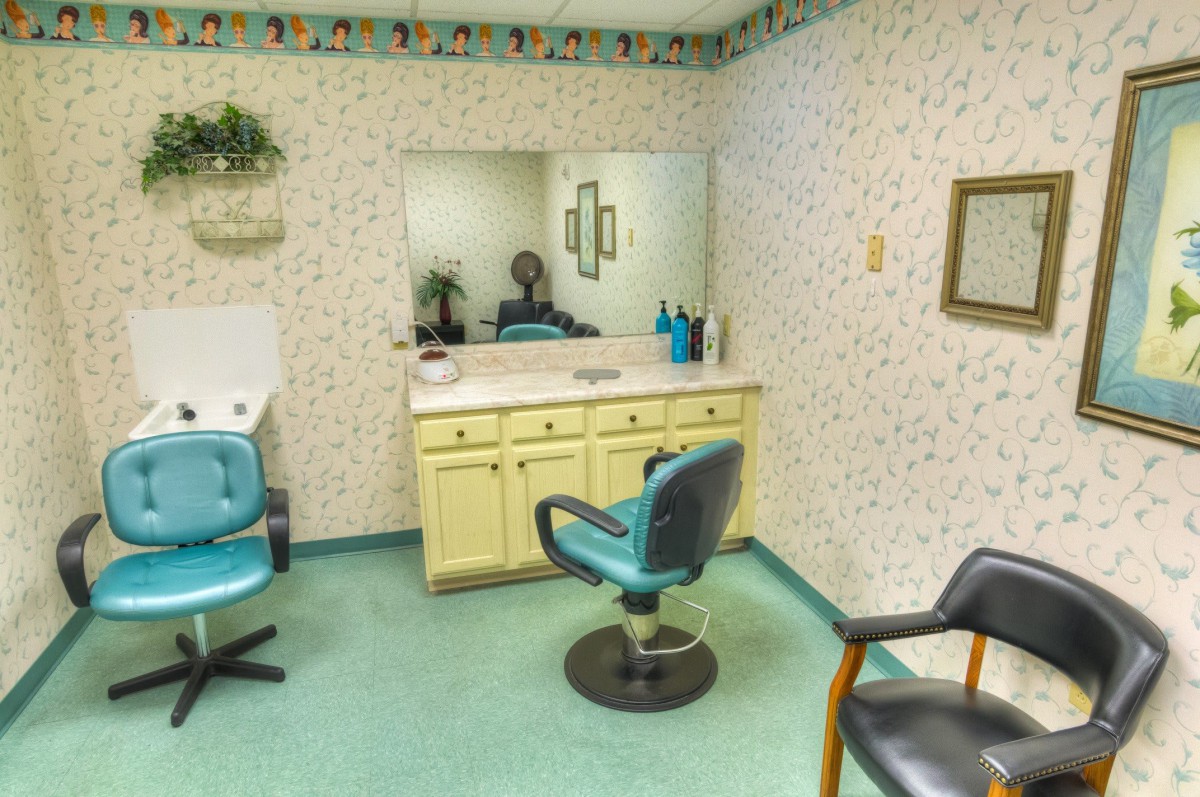
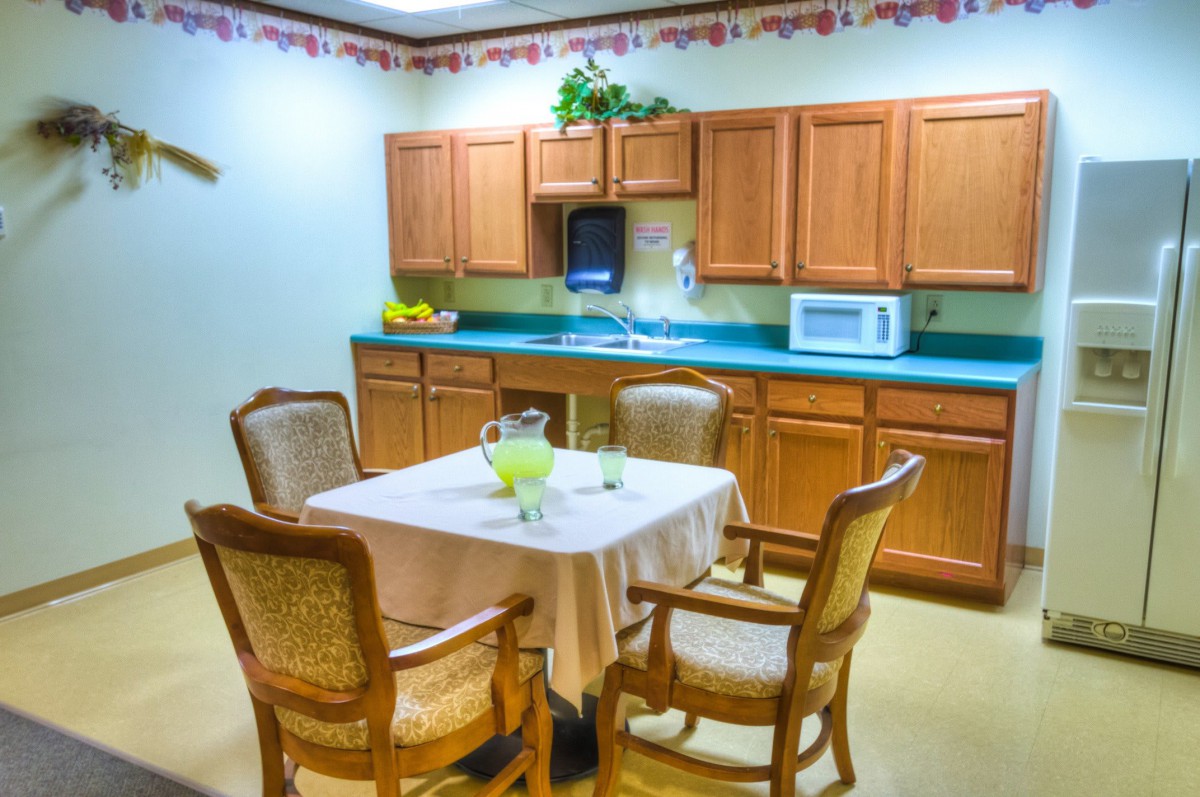
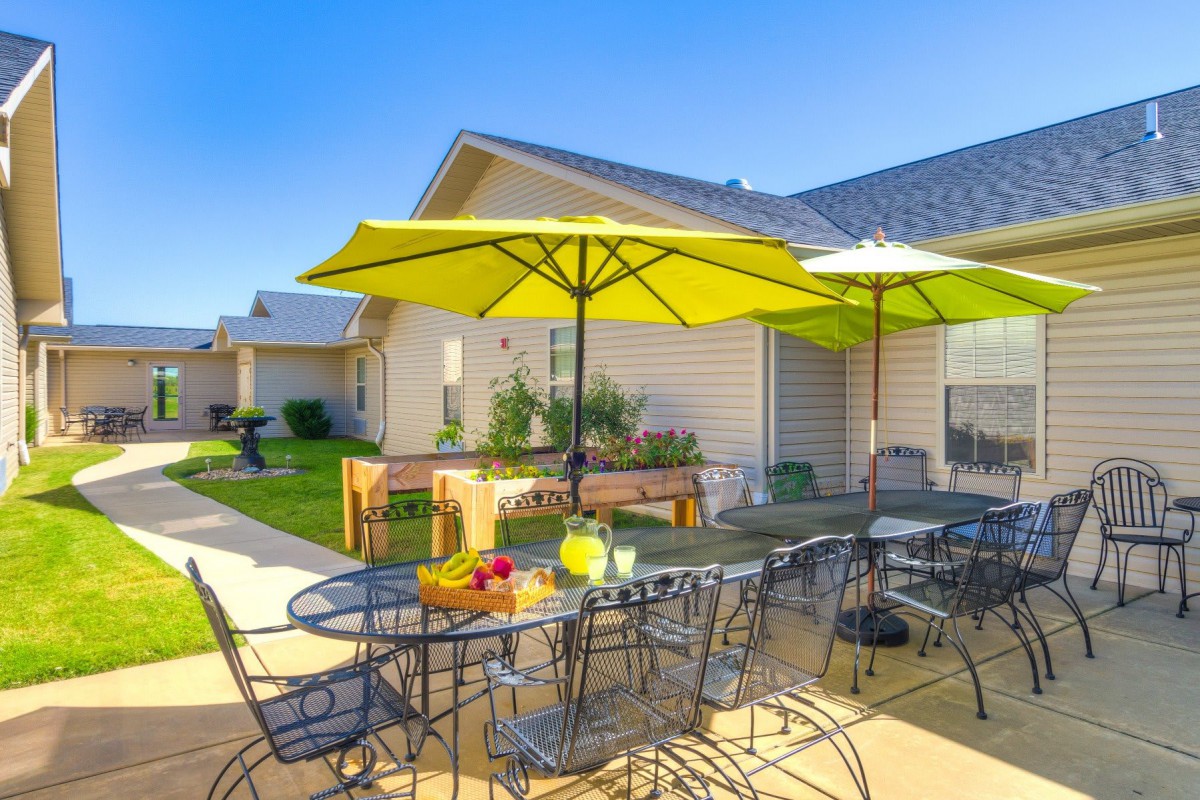
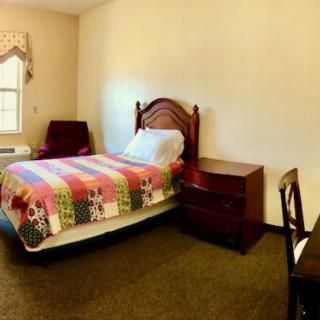
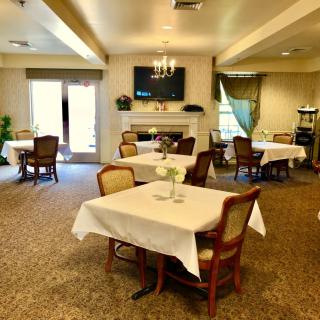
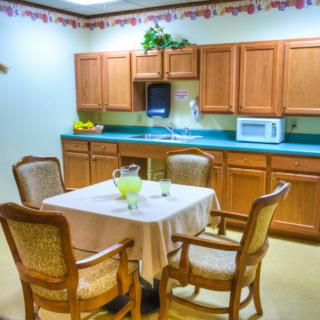
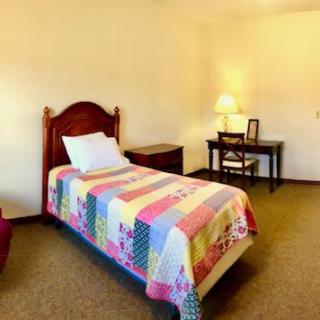
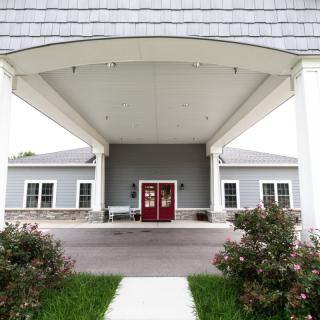
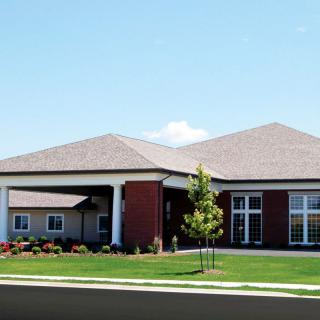
Fountain View Manor Memory Care on seniors.fyi includes 10 photos including images showing bedroom, interior, decor, dining, garden, chandelier, seating area, vintage, and more.
Nearby Communities
Cedarhurst Of Granite City
Granite City, IL
4.4 from 47 reviews
$2,950 to $4,250 / month
Friendly, attentive staff in a clean, well-maintained community with engaging activities and good dining.
Stearns Nursing & Rehab Center
Granite City, IL
3.1 from 42 reviews
Comprehensive amenities and around-the-clock care.
Granite Nursing & Rehabilitation
Granite City, IL
2.7 from 43 reviews
Clean, well-maintained facility with friendly staff and effective rehabilitation.
Home Helpers HomeCare
Collinsville, IL
4.8 from 22 reviews
Personalized care with diverse dietary options and social engagement
The Estates Of Spanish Lake
Saint Louis, MO
2.4 from 34 reviews
Extensive on-site amenities and broad care services.
Villas Of Holly Brook Collinsville
Collinsville, IL
4.4 from 18 reviews
$3,250 to $5,600 / month
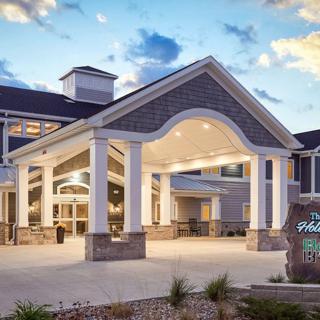
Modern, spacious community with attentive staff and diverse activities that support social engagement.
Regina Cleri Home
St. Louis, MO
Compassionate care with convenient access to parks, pharmacies, restaurants, places of worship, and hospitals.
The article compares assisted living and skilled nursing facilities, detailing their differing levels of assistance, medical support, cost structures, and day-to-day experiences. It emphasizes that assisted living is for those needing help with daily activities while maintaining independence, whereas skilled nursing facilities provide intensive medical care with 24-hour staff supervision.
Vibrant Senior Living emphasizes active senior living communities that promote independence and engagement through diverse amenities and activities, fostering wellness and social interaction among older adults. These communities range from independent to assisted living, with a focus on personal growth, family involvement, financial planning, and leveraging technology to enhance residents' experiences.
Assisted living provides moderate support for seniors seeking independence, while memory care offers specialized support for individuals with dementia or cognitive impairments through structured routines and trained staff. Key differences include care approaches, environment security measures, staff training levels, activity types, and cost considerations.
Get PricingAsk A QuestionSchedule A TourContact Senior Advisor
By clicking submit, you agree to our Partner's Terms of Use. You
also consent to receive calls and texts, which may be autodialed, from our Partner. Your consent is not a condition to
using our Partner's service. Please visit our Partner's Privacy Policy for information about their privacy practices.








 Assisted Living
 Independent Living
 Memory Care
 Activities off-site
 Air-conditioning
 Beautician on-site
 Cable or satellite TV
 Devotional services off-site
 Indoor common areas
 Outdoor common areas
 Respite or short term stays offered
 Wheelchair accessible showers
 Wi-Fi/high-speed internet available
 Lambert-St Louis International (14 miles away)
 Ambulatory care
 Diabetic care
 Incontinence care
 Medication management
 Guest meals
 Art classes
 Catholic services
 Cooking classes
 Day trips and outings
 Educational speakers / life long learning
 Live musical performances
 Stretching classes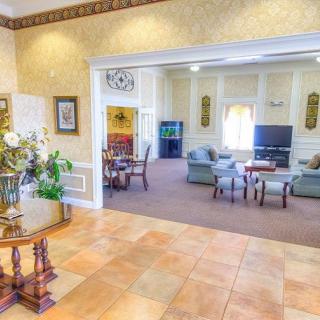
 Friendly, attentive staff in a clean, well-maintained community with engaging activities and good dining.



 Exploring the Contrasts Between Assisted Living and Skilled Nursing
 Vibrant Senior Living: A Comprehensive Guide for Active Older Adults
 Assisted Living and Memory Care: Understanding Their Core Differences