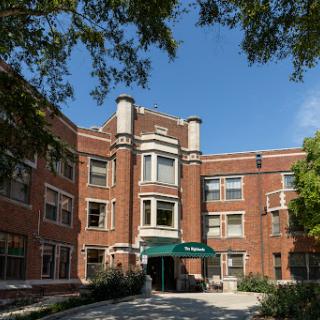

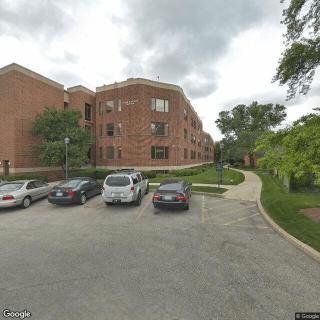
3131 Simpson St, Evanston, IL 60201
To contact a resident: (847) 866-1615
For more information about senior living options: (866) 208-4318
The Highlands Assisted Living at Westminster Place Costs & Pricing
At The Highlands Assisted Living at Westminster Place, residents can expect to invest significantly in their living arrangements compared to both Cook County and the broader Illinois market. For example, a studio apartment is priced at $5,525 per month, which is markedly higher than the county average of $3,762 and the state average of $4,028. The cost for a one-bedroom unit follows suit at $6,295; this also surpasses Cook County's average of $3,256 and Illinois' average of $3,527. For those considering more spacious accommodations, the two-bedroom option comes with a monthly fee of $9,090 - again reflecting a substantial premium when compared to Cook County's average of $4,412 and Illinois' overall average of $4,208. This pricing illustrates both the premium nature of the amenities offered at Westminster Place and its positioning within the local assisted living landscape.
| Floor plans | The Highlands Assisted Living at Westminster Place | Cook County | Illinois |
|---|---|---|---|
| Studio | $5,525 | $3,762 | $4,028 |
| 1 Bedroom | $6,295 | $3,256 | $3,527 |
| 2 Bedrooms | $9,090 | $4,412 | $4,208 |
Memory care communities with a similar price nearby
-
About the same
Harvester Place
$5,660 to $6,710 / month23.2 miles away -
from +$265 / mo
Arbor Terrace Glenview
$5,790 to $8,990 / month8.4 miles away -
from -$195 / mo
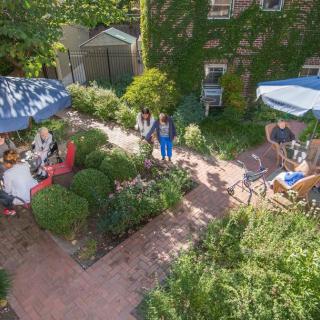
Hartwell Place
$5,330 / month5.5 miles away -
from -$525 / mo
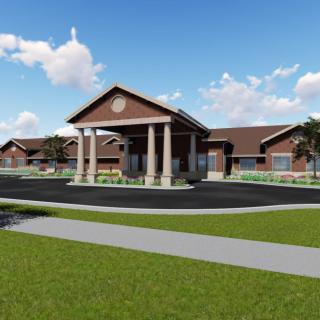
Waverly Inn Memory Care & Cottages
$5,000 to $9,800 / month14.7 miles away -
from +$170 / mo
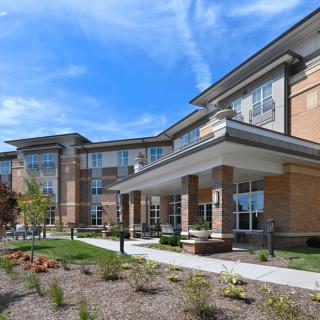
Arbor Terrace Highland Park
$5,695 to $11,400 / month10.0 miles away
Overall Review of The Highlands Assisted Living at Westminster Place
Pros
 They are very professional.
- They have everything.
- The community offers many activities, including field trips and yoga classes.
- The staff are very helpful and friendly.
- Meal plans are available for residents.
- The Highlands was extremely helpful in move-in.
- The food at McGaw and the Highlands is highly praised.
- The on-site beauty salon is convenient and makes residents feel good.
Cons
 The facility is too big for the reviewer’s blind mom.
Review
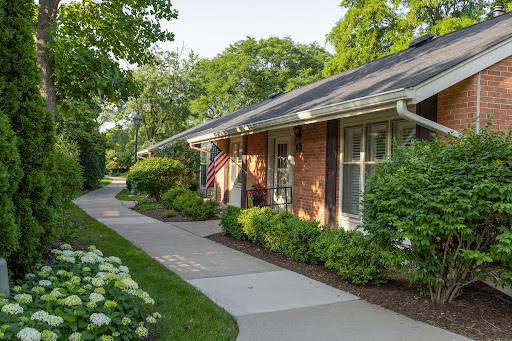
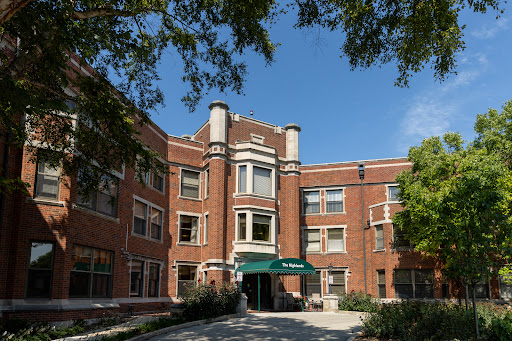
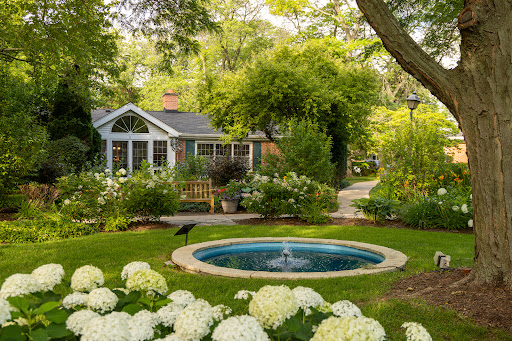
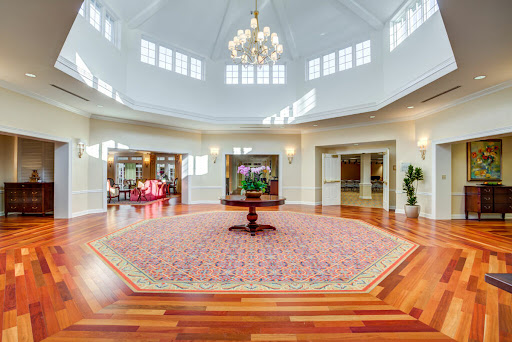
This community is best suited for active seniors who want a premier, service-rich environment and are comfortable on a sizable campus that folds together dining, programming, and healthcare coordination under one roof. The Highlands Assisted Living at Westminster Place shines when a resident seeks abundant social opportunities, frequent excursions, and on-site conveniences, everything from yoga classes to field trips and a beauty salon, paired with attentive staff who can ease transitions and daily routines. Families aiming for an highly integrated living experience will find value in a setting that treats engagement as a core pillar of care. In essence, it serves those who want robust programming, predictable quality, and a hospitality-forward atmosphere as part of daily life.
Potential trade-offs become evident for certain profiles. If a loved one requires a smaller, more intimate setting or experiences anxiety in large, busy campuses, alternatives may be wiser. The Highlands is described as a large operation with a wide array of services, which is ideal for many, but could feel overwhelming for residents who prefer a quieter pace, have significant mobility or sensory limitations, or simply favor a more compact layout. Those prioritizing a straightforward, low-key lifestyle should look for communities with a cozier, more contained footprint that matches slower rhythms and easier navigation.
From the positives, the staff component stands out: consistently professional, helpful during tours, and responsive when move-in coordination is needed. The calendar of activities, from field trips to yoga, creates meaningful engagement and social connection, not to mention dietary flexibility through meal plans that support varied tastes and nutritional needs. The on-site dining experiences, coupled with praise for food quality, reinforce that meals are a reliable daily anchor. The emphasis on hospitality extends to practical touches like the on-site beauty salon, which contributes to residents’ sense of dignity and well-being. Overall, the atmosphere feels premium and resident-centered, with care and service woven into daily life.
The most noticeable drawback, mentioned directly by a reviewer, is the campus size, the property can be “too big” for a visually impaired loved one. While multiple reviewers praised the staff and activities, the scale of the operation can challenge navigation, orientation, and the perception of individualized attention. In addition, an expansive program may create a perception gap if a resident’s preferred pace is slower or if participation in events is inconsistent. These caveats matter most for those who benefit from highly intimate, easily navigable spaces or for families seeking a tighter, more predictable routine that mirrors a smaller home-like setting.
Yet the pros effectively offset these concerns for many candidates. The move-in support process is a concrete evidence of proactive care, with hospital liaison and health professional coordination smoothing transitions during delicate health moments. The same team that negotiates logistics also supports the resident’s wellbeing through nutrition, social engagement, and beauty services that bolster self-esteem. The strong dining program, palpable sense of quality, and premier positioning provide reassurance about staff stability and program continuity. When a resident is inclined to participate in a rich calendar and values accessibility to healthcare partners on-site, the scale becomes a strength rather than a liability.
For families evaluating next steps, a decisive approach is recommended. Schedule a visit and, if possible, a guest-stay or short-term trial to gauge fit in practice. During tours, probe the ease of movement between common areas, the acuity of nursing support, and the responsiveness of the care team to special requests. Confirm the availability and costs of meal plans, the timing of move-in coordination, and whether the on-site services (such as the beauty salon) align with the loved one’s preferences. If the decision hinges on engagement and high-quality care within a comprehensive ecosystem, The Highlands stands tall as a compelling option, worth pursuing with a disciplined, hands-on evaluation.
 Assisted Living
 Memory Care
 Activities on-site
 Air-conditioning
 Cable or satellite TV
 Devotional services off-site
 Handicap accessible
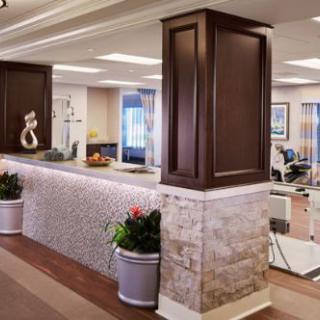
 Indoor common areas
 Kitchenette
 Outdoor common areas
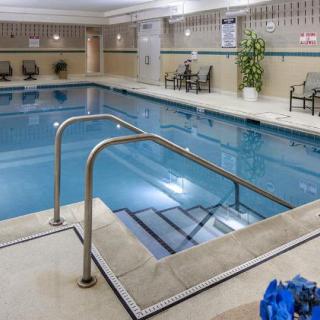
 Swimming pool / hot tub
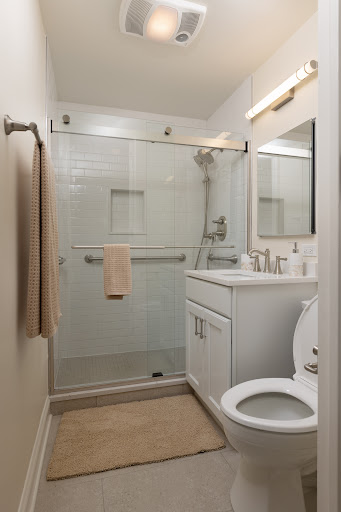
 Wheelchair accessible showers
 Wi-Fi/high-speed internet available
 Chicago O'Hare International (11 miles away)
 Ambulatory care
 Diabetic care
 Incontinence care
 Gluten-free
 Art classes
 Bible study group
 Cooking classes
 Educational speakers / life long learning
 Jewish services



 Are Dementia and Alzheimer's Disease Lethal? A Comprehensive Exploration
 Exploring the Power of Reminiscence Therapy for Individuals With Dementia
 An In-Depth Look at Reminiscence Therapy in Dementia Care