The Sheridan at River Forest

7230 West North Avenue, Suite 106A, Elmwood Park, IL 60707

For more information about senior living options: (844) 490-3973

4.1 from 20 reviews
5 stars
14
4 stars
1
3 stars
1
2 stars
0
1 stars
4

Assisted Living Memory Care

Overall Review of The Sheridan at River Forest

Pros

  • pro The Sheridan River Forest is described as the ABSOLUTE BEST place for Elder Care, offering five levels of care.
  • pro It is a new building with a cozy atmosphere for residents and guests.
  • pro Leslie has been extremely accommodating and welcoming to families, going above and beyond to help during transitions.
  • pro The staff that families interact with are described as kind, helpful, and professional.
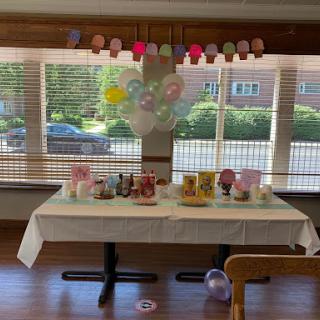
  • pro The daily activities are fun and keep residents busy.
  • pro The food is delicious and it accommodates all diets.
  • pro Michael Dubina is praised as caring, knowledgeable, empathetic, and very responsive to families.

Cons

  • pro The treatment of residents is unacceptable, showing a clear lack of respect, patience, and compassion from some staff.
  • pro Residents are spoken to rudely, and at times yelled at, by staff.
  • pro The morning concierge is frequently rude, giving an unfriendly first impression.
  • pro There is a lack of accountability with no one above the director to address concerns, and complaints seem to go nowhere.
  • pro Significant staff turnover, including the loss of warm, dedicated staff, has changed the atmosphere for the worse.
  • pro In memory care, neglect, overpromising, and a lack of proactive problem-solving from upper management are reported.
  • pro Call alerts are not answered promptly, potentially endangering residents; phones and alert systems are said to be clogged.
  • pro Medication management problems occur, with changes not properly tracked and critical meds not filled correctly.
  • pro There was an incident where a resident fell and was not adequately examined or treated, despite evidence; management's response was dismissive.
  • pro Food portions are small or cold, with insufficient feeding support for residents who need help.
  • pro Turnover with outside agencies leads to staff not knowing residents well, and residents are left waiting on the toilet or unattended for long periods.
  • pro Management staff have cursed at family members when concerns were raised.
  • pro Promises about safety enhancements (motion detectors, call button watches) were not fulfilled, indicating neglect and lack of follow-through.
  • pro Overall, the facility is not recommended for memory care or daily living needs due to neglect and poor leadership.

Review

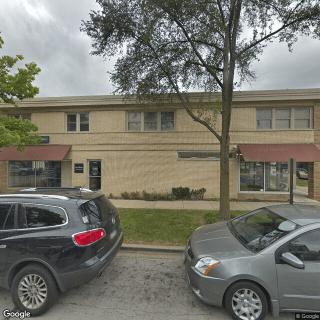
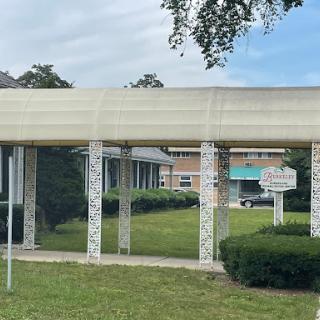
The collection of experiences shared about The Sheridan at River Forest paints a highly mixed and often contradictory picture. On the surface, the facility is described as attractive and welcoming, with a newer building, a cozy atmosphere, and a calendar filled with activities. But behind that inviting facade lies a far more complex reality for many residents and their families - one that has included concerning lapses in care, questions about accountability, and a sense that leadership and consistency have been in flux. The resulting mosaic shows both genuine warmth from some staff and troubling gaps in others, depending largely on who is on duty and which department is being discussed.

A substantial thread of the negative feedback centers on memory care and the handling of daily needs. Families recount experiences of neglect, delays in responding to call alerts, and difficulties ensuring residents receive proper medications. There are specific, troubling anecdotes of falls not being properly examined, staff rushing through tasks, and caregivers failing to follow established protocols even when a nurse was involved. The accounts frequently mention the strain of using outside staffing agencies, which contributed to inconsistent care and a lack of familiarity with individual residents' needs. In some cases, families describe having to intervene directly, fetching staff to assist with personal care or daily living tasks that should have been managed by the facility. The fear expressed is not simply about unmet expectations, but about real moments when a resident's safety and dignity appeared to be at risk.

The tone of accountability, or perceived lack thereof, is another major source of concern. Several reviews describe difficulty escalating concerns beyond the facility's leadership, with some families feeling there is no clear chain of command to address serious issues. Complaints from families sometimes seemed to go unheard, and in at least one stark example, a nurse faced consequences only for the immediate staff member involved, with limited evidence of systemic changes to prevent repetition. The perception that upper leadership can be disengaged or slow to respond leaves some families distrustful of the system for protecting residents, particularly when problems arise or when care plans need updating in response to changing health conditions.

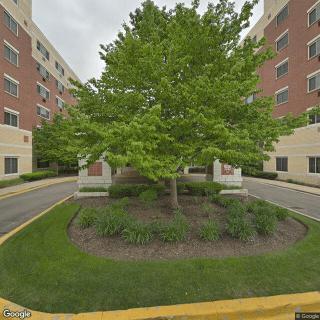
Amid the complaints, there are also reminders of more positive, tangible strengths. The building itself is frequently described as clean, well-kept, and pleasant, with residents and visitors noting a cozy atmosphere, appealing common spaces, and a newer design that contributes to a comfortable feel. Families highlight that many staff members are kind, helpful, and professional, and they recount personal connections that were formed with caregivers who went above and beyond. In these testimonials, the daily activities are praised as engaging, and the ability to maintain connections with residents who enjoy a welcoming, home-like environment is emphasized. The experience for some families during transitions into The Sheridan River Forest is described as smooth and supportive, particularly when a dedicated staff member - someone like Leslie - takes a hands-on approach to making a new resident feel at home.

Within the mix of praise and critique, specific individuals emerge as focal points of the positive feedback. Leslie, in particular, is repeatedly credited with going above and beyond during the transition into the community, providing a welcoming touch and ongoing support for both the resident and their family. Michael Dubina, the assistant director of sales, is repeatedly highlighted as a compassionate, knowledgeable, and responsive resource for families exploring placement, answering questions promptly, and offering reassurance even after business hours. These testimonials underscore that, for some families, the admissions process and early days in the community can be deeply reassuring when guided by staff who demonstrate genuine care and a willingness to meet families where they are on their journey.

The reviews also reveal a sense of turnover and ongoing change at the leadership level, which contributes to a broader anxiety about consistency and long-term planning. Several families point to staff turnover, including departures among those who previously created a warm, stable environment, and there are expressions of concern about who, if anyone, is truly in charge or able to respond to complaints beyond the directorial level. The repeated sentiment is that turnover can disrupt continuity of care and the ability to implement sustained improvements, leaving some families unsure of how to verify that promised standards of care are being maintained over time.

In sum, the narratives surrounding The Sheridan at River Forest present a facility that embodies both commendable strengths and serious, multifaceted challenges. For some families, the combination of a newer, clean facility, caring individual staff members, and helpful admissions support provides a positive experience during transitions and day-to-day life. For others, especially those with loved ones in memory care or who have endured prolonged periods of unmet needs, the experience has been marked by neglectful episodes, slow responses to alerts, medication issues, and a sense that leadership is not consistently engaged or reachable. Readers and prospective families are encouraged to weigh these divergent stories carefully, to request firsthand opportunities to observe interactions and routines, and to seek out multiple conversations - including with residents themselves - about the current state of care, communication, and accountability. The overarching takeaway is that while moments of warmth and competence exist, there is a pressing need for stronger oversight, clearer escalation paths, and sustained efforts to stabilize staffing and adhere to agreed-upon care plans to ensure all residents feel safe, respected, and well cared for.

Features

Types of Care

  • Assisted Living Assisted LivingAssisted living facilities provide crucial support and care for seniors who may need help with daily tasks such as medication management, bathing, and meal preparation. These communities offer a safe and comfortable environment where seniors can maintain their independence while receiving the assistance they need to thrive in their golden years.
  • Memory Care Memory CareMemory care is crucial for seniors as it provides specialized support and services for individuals with dementia or Alzheimer's disease. These programs offer a safe and secure environment where residents receive personalized care, cognitive stimulation, and help with daily activities. Memory care helps seniors maintain their independence, quality of life, and dignity while also providing peace of mind for their families.

Amenities

  • Air-conditioning Air-conditioningAir conditioning is important for seniors as they are more vulnerable to heat-related illnesses and may have underlying health conditions that make it difficult for them to regulate their body temperature. It helps to keep them comfortable, safe, and healthy in hot weather.
  • Beauty salon Beauty salonBeauty salons are important for seniors because they provide a space for them to feel pampered, socialize, and maintain their personal grooming and hygiene. Regular visits to a beauty salon can help boost seniors' self-esteem and overall well-being.
  • Cable or satellite TV Cable or satellite TVCable or satellite TV is important for seniors because it provides entertainment, news, and companionship, helping to combat loneliness and boredom. It also offers a wide range of programming options tailored to different interests and preferences.
  • Computer center Computer centerA computer center is essential for seniors as it provides access to technology, communication tools, and resources that can enhance their daily lives. It allows them to stay connected with loved ones, engage in online activities, and learn new skills, ultimately promoting socialization and mental stimulation.
  • Dining room Dining roomDining rooms are important for seniors as they provide a space for socialization, connection, and nutritious meals. They offer opportunities for residents to bond over shared meals, foster a sense of community, and promote healthy eating habits. Dining rooms also ensure that seniors have access to well-balanced meals tailored to their dietary needs and preferences.
  • Fitness room Fitness roomHaving a fitness room in a senior living community is essential for seniors to stay active, maintain their physical health, and improve their overall well-being. Regular exercise can help prevent falls, reduce the risk of chronic diseases, and promote mental sharpness. It also provides social opportunities for residents to connect with others and enjoy a sense of community.
  • Fully furnished Fully furnishedFully furnished senior living communities are important for seniors because they provide convenience, comfort, and a hassle-free moving experience. Seniors can easily settle into their new living space without the stress of having to buy and move furniture. This allows them to focus on enjoying their new home and community.
  • Gaming room Gaming roomGaming rooms are important for seniors as they provide a fun and engaging environment for socializing, cognitive stimulation, and physical activity. Games can improve memory, problem-solving skills, and overall mental well-being while fostering friendships and reducing feelings of isolation.
  • Garden GardenGardens are important for seniors as they provide a peaceful and therapeutic environment for relaxation, physical activity, and socialization. Being in nature has been shown to reduce stress, improve mood, and promote overall well-being. Gardens also offer opportunities for seniors to engage in gardening activities, which can improve mobility, flexibility, and cognitive function. Additionally, gardens create a sense of community and connection with others who share a passion for plants and outdoor spaces.
  • Housekeeping services Housekeeping servicesHousekeeping services are important for seniors because they help maintain a clean and safe living environment, promote independence, and reduce the risk of accidents or illnesses. Additionally, having assistance with household chores can alleviate physical strain and allow seniors to focus on other aspects of their well-being.
  • Kitchenette KitchenetteKitchenettes are important for seniors living in senior living communities because they provide the convenience and independence of being able to prepare simple meals and snacks in the comfort of their own living space. This can help promote a sense of autonomy and well-being for seniors, allowing them to maintain some level of control over their dietary choices and daily routines.
  • Move-in coordination Move-in coordinationMove-in coordination is important for seniors because it helps ease the transition into their new living environment. It ensures that all logistics, such as packing, organizing movers, and setting up utilities are taken care of, allowing seniors to focus on settling in and adjusting to their new home. Having a smooth move-in process can alleviate stress and anxiety, making the transition smoother and more enjoyable for seniors.
  • Outdoor space Outdoor spaceOutdoor spaces are important for seniors as they provide opportunities for physical activity, social interaction, exposure to natural light and fresh air, and a sense of connection to nature. Having access to outdoor spaces can improve overall well-being and quality of life for older adults living in senior communities.
  • Private bathrooms Private bathroomsPrivate bathrooms are important for seniors in senior living communities because they provide independence, dignity, and comfort. Having a private bathroom allows seniors to maintain their personal hygiene routines without the need for assistance, promoting a sense of autonomy and privacy. Additionally, private bathrooms help prevent the spread of infections and provide a safe and clean environment for seniors to navigate safely.
  • Restaurant-style dining Restaurant-style diningRestaurant-style dining is important for seniors because it allows them to enjoy delicious, nutritious meals in a social and upscale setting. This enhances their dining experience, promotes healthy eating habits, and fosters socialization with fellow residents, ultimately contributing to their overall well-being and quality of life.
  • Small library Small librarySmall libraries are important for seniors as they provide access to a variety of reading materials, including books, newspapers, and magazines. This can help stimulate their minds, keep them engaged, and provide a sense of community through book clubs and other social activities. Additionally, reading has been shown to improve cognitive function and overall mental well-being in older adults.
  • Telephone TelephoneTelephones are important for seniors as they provide a lifeline for communication with loved ones, emergency services, and healthcare providers. They offer a sense of security and independence, enabling seniors to stay connected and access assistance when needed.
  • Wellness center Wellness centerWellness centers are important for seniors because they offer a variety of programs and services that promote physical, mental, and emotional well-being. These centers provide opportunities for exercise, socialization, education, and relaxation, helping seniors maintain their overall health and quality of life.
  • Wi-Fi/high-speed internet available Wi-Fi/high-speed internet availableWi-Fi/high-speed internet is important for seniors to stay connected with loved ones, access online resources, and participate in virtual activities to combat feelings of loneliness and isolation. It also allows them to easily manage healthcare needs, access entertainment, and engage in lifelong learning opportunities.

Transportation

  • Chicago O'Hare International (7 miles away) Chicago O'Hare International (7 miles away)
  • Chicago Midway (9 miles away) Chicago Midway (9 miles away)
  • Community operated transportation Community operated transportationCommunity operated transportation is crucial for seniors as it provides them with the means to access essential services, social activities, and medical appointments. It allows seniors to maintain their independence and quality of life by ensuring they can participate in activities outside of their homes. Additionally, community-operated transportation services offer a safe and reliable way for seniors to travel without having to rely on family or friends for assistance.
  • Transportation arrangement Transportation arrangementTransportation arrangements are crucial for seniors as they may face challenges with driving, mobility, or access to public transportation. Having reliable transportation services ensures that seniors can easily attend appointments, social activities, and maintain their independence and quality of life.

Care Services

  • 24-hour call system 24-hour call system24-hour call systems are important for seniors because they provide peace of mind and immediate assistance in case of emergencies. This technology ensures that help is always available, promoting safety and security for elderly individuals living alone or in assisted living facilities.
  • 24-hour supervision 24-hour supervision24-hour supervision is important for seniors to ensure their safety, well-being, and access to immediate assistance in case of emergencies or health issues. This constant support provides peace of mind for both seniors and their loved ones, allowing them to age in place with dignity and security.
  • Activities of daily living assistance Activities of daily living assistanceActivities of daily living assistance are important for seniors because they provide essential support with tasks such as eating, bathing, dressing, and mobility. This assistance helps seniors maintain their independence, dignity, and overall quality of life as they age.
  • Assistance with bathing Assistance with bathingAssistance with bathing is crucial for seniors as it helps maintain personal hygiene, prevents infections, and ensures their overall well-being and comfort. It also provides a sense of dignity and independence for seniors who may struggle with this task on their own.
  • Assistance with dressing Assistance with dressingAssistance with dressing is important for seniors because it helps maintain their independence, promotes personal hygiene, prevents accidents and injuries, and improves overall quality of life. This service ensures that seniors can continue to dress comfortably and confidently, despite any physical limitations they may have.
  • Assistance with transfers Assistance with transfersAssistance with transfers is crucial for seniors as it helps prevent falls and injuries, maintains their independence, and ensures they can safely navigate their living environment. It also provides peace of mind for both seniors and their loved ones.
  • Coordination with health care providers Coordination with health care providersCoordination with health care providers is crucial for seniors to ensure proper medical care, medication management, and overall well-being. This collaboration helps prevent overlapping treatments, track progress more effectively, and provide comprehensive support tailored to individual needs.
  • Dementia waiver Dementia waiverDementia waivers are essential for seniors as they provide critical protections and accommodations for those experiencing cognitive decline. These waivers ensure individuals with dementia receive appropriate care, support, and resources to maintain their quality of life and dignity as they navigate the challenges of this progressive condition.
  • Diabetes diet Diabetes dietA diabetes diet is crucial for seniors as it helps manage blood sugar levels, reduce risks of complications, and improve overall health and well-being. By following a balanced and nutritious diet tailored to their specific needs, seniors can better control their diabetes and enhance their quality of life.
  • Hospice waiver Hospice waiverHospice waivers are important for seniors because they allow individuals to receive specialized end-of-life care and support at home or in a hospice facility. This waiver ensures that seniors can access the necessary resources and services to maintain comfort and dignity during their final days.
  • Meal preparation and service Meal preparation and serviceMeal preparation and service are crucial for seniors as they may have limited mobility or energy to cook nutritious meals. Having access to healthy and convenient food options can ensure they are getting the proper nutrition needed to maintain their overall health and well-being.
  • Medication management Medication managementMedication management is crucial for seniors to ensure they are taking the right medications at the correct dosages and times. This helps prevent adverse drug interactions, reduces the risk of medication errors, and promotes overall health and well-being. Proactive management also allows for adjustments as needed based on changing health conditions or new prescriptions.
  • Mental wellness program Mental wellness programMental wellness programs are essential for seniors as they promote cognitive stimulation, emotional support, and social engagement. These programs help prevent isolation, depression, and cognitive decline, ultimately enhancing the overall quality of life for older adults.
  • Mild cognitive impairment Mild cognitive impairment"Mild cognitive impairment" is important for seniors because it is an early stage of cognitive decline that can potentially progress to more severe conditions such as dementia. Recognizing and addressing mild cognitive impairment can help seniors receive appropriate care and support to maintain their quality of life and independence for as long as possible.
  • Special dietary restrictions Special dietary restrictionsSpecial dietary restrictions are important for seniors because age-related changes in metabolism and health conditions can make it difficult for their bodies to process certain foods. By following a diet tailored to their specific needs, seniors can maintain their overall health and well-being, manage chronic conditions, and reduce the risk of complications such as malnutrition or food interactions with medications.
  • Specialized memory care programming Specialized memory care programmingSpecialized memory care programming is crucial for seniors with cognitive impairments such as dementia or Alzheimer's disease. These programs provide a safe and supportive environment tailored to the unique needs of individuals with memory loss, helping them maintain their independence, dignity, and quality of life.
  • Transportation arrangement (medical) Transportation arrangement (medical)Transportation arrangements for medical purposes are essential for seniors as they may have difficulty driving themselves to appointments or accessing public transportation. Having reliable and safe transportation options ensures that seniors can receive timely medical care and maintain their health and well-being.
  • Transportation to doctors appointments Transportation to doctors appointmentsTransportation to doctors' appointments is crucial for seniors as it ensures they have access to necessary medical care and support for their health needs. Without reliable transportation, seniors may struggle to attend important appointments, leading to potential delays in treatment and health complications. Providing transportation services helps seniors maintain their overall well-being and quality of life.

Dining

  • Diabetes diet Diabetes dietA diabetes diet is crucial for seniors as it helps manage blood sugar levels, reduce risks of complications, and improve overall health and well-being. By following a balanced and nutritious diet tailored to their specific needs, seniors can better control their diabetes and enhance their quality of life.
  • Special dietary restrictions Special dietary restrictionsSpecial dietary restrictions are important for seniors because age-related changes in metabolism and health conditions can make it difficult for their bodies to process certain foods. By following a diet tailored to their specific needs, seniors can maintain their overall health and well-being, manage chronic conditions, and reduce the risk of complications such as malnutrition or food interactions with medications.

Activities

  • Community-sponsored activities Community-sponsored activitiesCommunity-sponsored activities are important for seniors as they provide opportunities for social interaction, mental stimulation, and physical activity. These activities can help improve overall well-being, combat loneliness and isolation, and promote a sense of belonging and purpose among older adults.
  • Concierge services Concierge servicesConcierge services are essential for seniors as they provide assistance with daily tasks and errands, enhance their quality of life by offering convenience and personalized care, and promote a sense of safety and security.
  • Fitness programs Fitness programsFitness programs are crucial for seniors as they help improve strength, flexibility, balance, and overall well-being. Staying active can reduce the risk of chronic diseases, improve mental health, and enhance quality of life in older adults.
  • Planned day trips Planned day tripsPlanned day trips are important for seniors because they offer opportunities for socialization, mental stimulation, and physical activity. They provide a change of scenery and help seniors stay engaged and connected to their community, promoting overall well-being and quality of life.
  • Resident-run activities Resident-run activitiesResident-run activities are important for seniors as they encourage social interaction, creativity, and a sense of autonomy. These activities empower seniors to stay engaged and active in their community while fostering meaningful connections with their peers.
  • Scheduled daily activities Scheduled daily activitiesScheduled daily activities are important for seniors because they provide structure, socialization, mental stimulation, and physical activity. Engaging in regular activities can improve overall well-being and quality of life for seniors living in a community setting.

Description

The Sheridan at River Forest in Elmwood Park, IL is an assisted living community that specializes in memory care for seniors. With a range of amenities and care services, residents can enjoy a comfortable and fulfilling lifestyle.

The community offers a variety of amenities to cater to the needs and preferences of its residents. These include a beauty salon, where residents can pamper themselves, cable or satellite TV for entertainment, community-operated transportation for convenient outings, and a computer center for staying connected with loved ones. The dining room provides restaurant-style dining with special dietary restrictions accommodated, ensuring that residents receive nutritious meals that suit their health needs. Other amenities include a fitness room for exercise, fully furnished apartments or rooms for a cozy living space, a gaming room for recreational activities, a garden to enjoy nature, housekeeping services for maintenance-free living, and small library as a quiet retreat. Residents also have access to telephone services and Wi-Fi/high-speed internet.

The care services provided at The Sheridan at River Forest are designed to support the well-being of residents. With 24-hour supervision and assistance with activities of daily living such as bathing and dressing, residents can feel confident knowing their needs are met. The staff coordinates with healthcare providers to ensure comprehensive care is delivered. Specialized memory care programming is available for those with dementia or mild cognitive impairment. Medication management is provided to ensure proper dosage and timing. A mental wellness program promotes emotional well-being among residents.

In addition to these amenities and care services, the community offers various activities to keep residents engaged and active. Concierge services are available to assist with any needs or inquiries. Fitness programs promote physical health among residents. Planned day trips provide opportunities for exploration and socialization outside the community. Resident-run activities encourage involvement within the community itself. Scheduled daily activities ensure there is always something interesting happening.

Located conveniently near parks, pharmacies, restaurants, transportation options, and hospitals in the area, The Sheridan at River Forest provides a comfortable and accessible living environment for its residents. With its comprehensive amenities, care services, and engaging activities, this assisted living community is dedicated to enhancing the quality of life for seniors in need of memory care.

Nearby Places of Interest

Pharmacies

  • Walgreens (0.1 miles)
  • CVS Pharmacy (0.3 miles)
  • Walgreens (1.5 miles)
  • Walgreens (1.5 miles)
  • CVS Pharmacy (2.4 miles)
  • Walgreens (3.1 miles)
  • Walgreens (3.3 miles)

Hospitals

  • Gottlieb Memorial Hospital (1.8 miles)
  • Loyola Medicine Transport (2 miles)
  • Loyola University Medical Center (3.7 miles)
  • Loyola Outpatient Center (3.9 miles)
  • Edward Hines, Jr Veterans Hospital (4.2 miles)
  • Building 217, Hines VA Hospital (4.2 miles)
  • MacNeal Hospital (5.4 miles)

Restaurants

  • Portillo's Hot Dogs (3.2 miles)
  • Chick-Fil-A (4.1 miles)
  • Culver's (4.2 miles)
  • Raising Cane's Chicken Fingers (4.5 miles)
  • Longman & Eagle (5.3 miles)
  • Parson's Chicken & Fish (5.5 miles)
  • Superdawg Drive-In (6.1 miles)

Parks

  • Portage Park (3.9 miles)
  • The 606 — Western Terminus (4.5 miles)
  • Norfolk Park (4.5 miles)
  • Unity Playlot Park (5.1 miles)
  • Independence Park (5.2 miles)
  • Logan Boulevard (5.2 miles)
  • Humboldt Park (5.4 miles)

Transportation

  • Jefferson Park Bus Terminal (4.8 miles)
  • Cta (4.8 miles)
  • CTA - Kedzie-Homan (5.7 miles)
  • Cta (5.8 miles)
  • SAS Business Lounge (6.1 miles)
  • Terminal 5 (6.2 miles)
  • American Airlines Flagship Lounge, Chicago O'Hare (6.5 miles)

Physicians

  • Resurrection Medical Center Professional Building (5.4 miles)
  • University of Illinois Mile Square Health Center: Near West Side (6.9 miles)

Theaters

  • AMC Rosemont 18 (5.8 miles)

Cafes

  • Starbucks (6.4 miles)
  • Starbucks (6.7 miles)

Frequently Asked Questions

Where is The Sheridan at River Forest?
Does The Sheridan at River Forest provide care for residents with dementia or Alzheimer's disease?

Nearby Communities

Related Resources

  • dementia careMemory Care Pathways: A Holistic Guide to Dementia Support

    "Memory Care Pathways: A Holistic Guide to Dementia Support" outlines the complexities of dementia and its various types, emphasizing early detection, patient-centered care strategies, caregiver support, and long-term care options while addressing legal and financial considerations to enhance the quality of life for individuals with dementia and their families.

  • sundown syndromeComprehending Evening Confusion in Dementia: Causes, Manifestations, and Support

    Sundown syndrome, or sundowning, is a phenomenon in dementia patients characterized by increased confusion and agitation during late afternoon and evening, influenced by factors like disrupted circadian rhythms and fatigue. Effective caregiver strategies include establishing routines and managing environmental light while addressing caregiver stress through support services.

  • delirium vs dementiaDelirium and Dementia: Unraveling the Key Differences

    Delirium is a rapidly onset, reversible cognitive disturbance often caused by acute medical issues, while dementia is a gradual and irreversible decline due to chronic neurodegenerative diseases. Accurate differentiation between the two is essential for appropriate treatment and management in older adults.