Residents describe staff who are consistently responsive and supportive.
Many residents and families say the staff is welcoming from the start and stays engaged after move-in. Several reviews highlight follow-through when questions come up, including getting issues solved and keeping families updated. Others mention staff helping residents connect with activities and making day-to-day life feel easier. A few reviews also describe staff coordinating care around health needs, which residents frame as part of their peace of mind.
common
Dining quality is a recurring plus
Dining gets frequent praise for quality and variety.
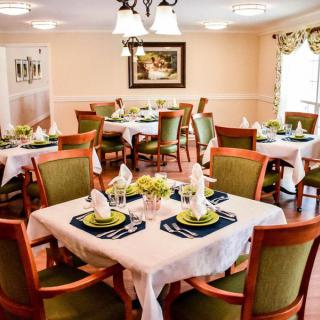
Food is one of the most consistent themes in the reviews, with multiple residents and family members saying the meals taste good and offer options. Several reviews also mention the role dining plays in daily enjoyment, including residents staying engaged and social around meals. The community also offers restaurant-style dining and meal preparation and service, matching what families focus on in their feedback.
common
Renovations and updates improve spaces
A major ongoing renovation is a frequent talking point in reviews.
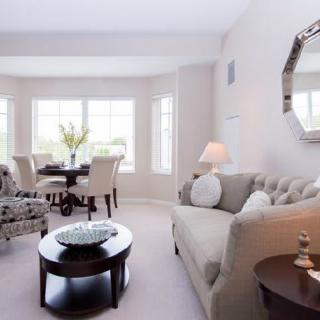
Reviewers repeatedly mention that the community is undergoing renovation and that the updated look is a reason they feel confident about the future of the property. Some families describe moving into the process with minor added disruption, but still express confidence that finished spaces will be easier. Others specifically call out newly renovated apartments and common areas, alongside expectations for more improvements as work completes.
common
Activities help residents stay engaged
Residents describe an active calendar that supports social life.
Many reviews talk about events and scheduled activities, including holiday and community occasions, and say residents quickly joined in. Families also connect the activity programming to better day-to-day comfort after move-in. The community offers concierge services and scheduled daily activities, and reviews repeatedly come back to engagement as a core part of the experience.
differentiator
Memory care feels purpose-built
Residents and families describe memory care programming as a strong fit.
Several reviews specifically mention the memory care unit and describe it as well thought out for residents with cognitive impairments. Reviews also pair memory care with a broader sense of individualized attention, especially during transitions. That aligns with the community offering specialized memory care programming along with supports such as mild cognitive impairment support and medication management.
caveat
Timing of pain medication draws criticism
One review says pain medication timing was not acceptable.
While most feedback emphasizes supportive care, at least one resident (or family member) raised a concern about waiting for pain medications. The rest of the reviews emphasize confidence in getting help and medication support when needed, which makes this stand out as a single experience rather than the overall tone.
How we summarize
We summarize when many written reviews mention each theme; a review can touch several themes, and only frequently mentioned themes are displayed.
The features at Lexington Square Elmhurst are meticulously designed to address the unique needs of residents with dementia or Alzheimer's disease, promoting their dignity and well-being. Assistance with dressing and bathing not only aids in personal hygiene but also fosters a sense of routine and independence, which can be comforting for individuals facing cognitive challenges. Medication management ensures that residents receive the correct dosages at the right times, minimizing health risks associated with forgetfulness. Meal preparation and service are tailored to meet dietary needs while providing familiar flavors that can stimulate memories and encourage appetite. Support for activities of daily living helps maintain skills essential for self-care, while assistance with transfers emphasizes safety and mobility, reducing the risk of falls. The 24-hour supervision offers peace of mind for both residents and families, ensuring immediate support in case of emergencies. Furthermore, engaging mental wellness programs and specialized memory care programming create opportunities for social interaction and cognitive stimulation tailored to each resident's cognitive level, helping to promote overall emotional health and quality of life amidst the challenges posed by memory impairments.
The transition from assisted living to skilled nursing care is often prompted by complex medical needs that assisted living cannot meet, with key indicators including frequent health declines, increased falls, severe memory issues, and caregiver burnout. Families should recognize these signs early to discuss options with healthcare providers and prepare for the emotional and logistical aspects of moving to a facility that offers comprehensive medical support.
Dementia is characterized by cognitive decline, with nutrition playing a vital role in brain health; while no specific diet can prevent or reverse it, a nutrient-dense diet rich in antioxidants and healthy fats may support cognitive function. The MIND diet, which emphasizes beneficial foods and limits processed items, along with proper hydration and individualized meal strategies, can enhance the well-being of dementia patients.
Dementia affects memory and cognitive function in older adults, presenting challenges for caregivers due to behavioral changes such as confusion and mood swings. Compassionate, person-centered care that considers individual history and preferences, along with effective communication and environmental modifications, is essential for supporting both patients and their caregivers.
Get PricingAsk A QuestionSchedule A TourContact Senior Advisor
By clicking submit, you agree to our Partner's Terms of Use. You
also consent to receive calls and texts, which may be autodialed, from our Partner. Your consent is not a condition to
using our Partner's service. Please visit our Partner's Privacy Policy for information about their privacy practices.



 70 resident community capacity
 Assisted Living
 Independent Living
 Memory Care
 Respite Care
 Air-conditioning
 Beauty salon
 Cable or satellite TV
 Computer center
 Dining room
 Fitness room
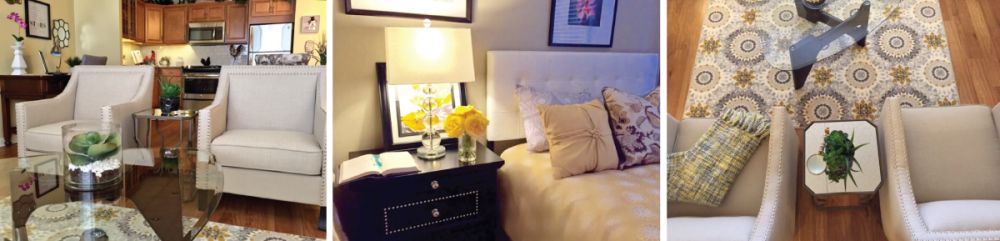
 Fully furnished
 Gaming room
 Garden
 Housekeeping services
 Kitchenette
 Move-in coordination
 Outdoor space
 Private bathrooms
 Restaurant-style dining
 Small library
 Telephone
 Wellness center
 Wi-Fi/high-speed internet available
 Chicago O'Hare International (8 miles away)
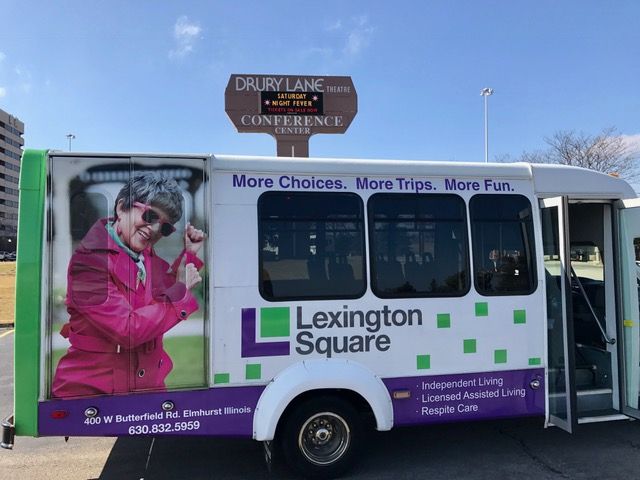
 Community operated transportation
 12-16 hour nursing
 24-hour call system
 Activities of daily living assistance
 Assistance with bathing
 Assistance with dressing
 Assistance with transfers
 Diabetes diet
 Medication management
 Mental wellness program
 Special dietary restrictions
 Concierge services
 Planned day trips
 Responsive staff and engaging activities in a safe, well-maintained setting.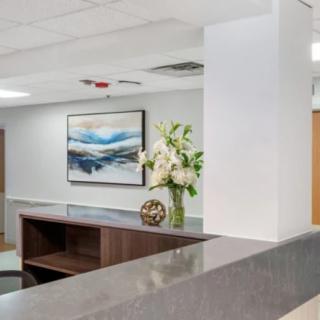





 8 Key Indicators That Suggest It May Be Time to Transition from Assisted Living to Skilled Nursing Care
 Nourishing the Mind: Essential Dietary Approaches for Dementia
 Understanding Dementia Behaviors: Practical Insights and Strategies for Caregivers