
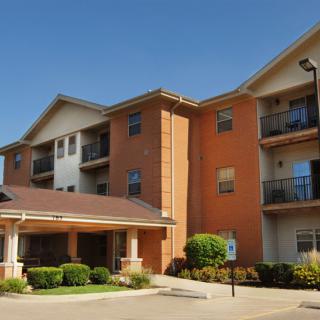
971 Bode Road, Elgin, IL 60120
For more information about senior living options: (866) 208-4318
Vines Senior Home Costs & Pricing
At Vines Senior Home, the monthly costs for accommodation reflect a premium option compared to both Kane County and the broader state of Illinois. For a semi-private room, residents can expect to invest $6,500 monthly, which significantly surpasses the average costs in Kane County ($4,418) and Illinois ($5,146). Similarly, those opting for a studio will find the monthly fee at Vines is set at $9,000 - well above the county's average of $4,991 and the state's lower benchmark of $4,028. These figures indicate that while Vines Senior Home may represent a higher financial commitment, it likely offers an enhanced level of service or amenities catering to those seeking quality senior living options.
| Floor plans | Vines Senior Home | Kane County | Illinois |
|---|---|---|---|
| Semi-Private | $6,500 | $4,418 | $5,146 |
| Studio | $9,000 | $4,991 | $4,028 |
Assisted Living communities with a similar price nearby
-
from -$710 / mo

Arbor Terrace Glenview
$5,790 to $8,990 / month19.9 miles away -
from -$1115 / mo
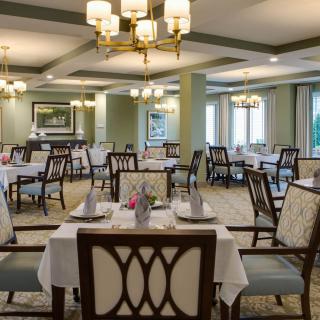
Arbor Terrace Naperville
$5,385 to $8,295 / month22.3 miles away -
from -$980 / mo
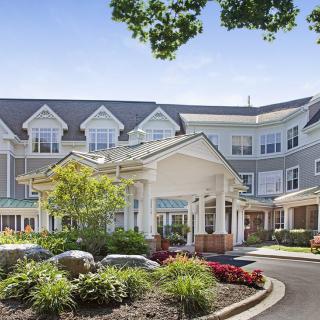
Sunrise Of Naperville
$5,520 to $7,600 / month19.3 miles away -
from -$805 / mo
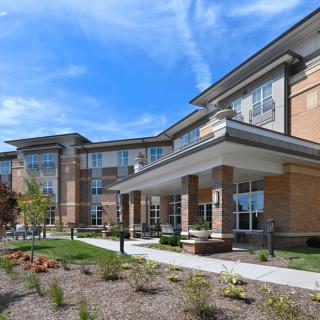
Arbor Terrace Highland Park
$5,695 to $11,400 / month24.9 miles away -
from -$500 / mo
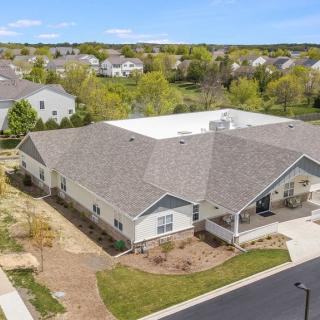
The Heathers Senior Homes
$6,000 to $6,500 / month13.1 miles away
Overall Review of Vines Senior Home
Pros
 The Vines is amazing.
- The staff at The Vines showed Ron excellent care and compassion, allowing him to live his last year with dignity and happiness.
- The owners treat residents like family, with heartfelt care and personal involvement on site.
- The Vines of Countryside has knowledgeable, professional staff who go the extra mile to make residents and families feel confident, secure, and safe, with genuine compassionate care.
- The Vines provided exceptional care for four years, improving the resident’s health and well-being, and enabling his wife to spend the last years by his side.
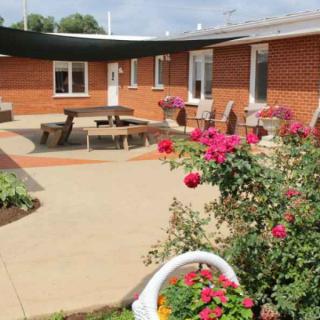
- The facility is clean, well-organized, pleasantly scented, and its outdoor grounds are gorgeous.
- Families feel blessed to have this "family and home" care for their loved ones.
Cons
 The reviewer notes that the owners are usually on site, implying they have little time for personal relationships, as hinted by the remark “No wonder he never has time for his high school buddy.”
Review
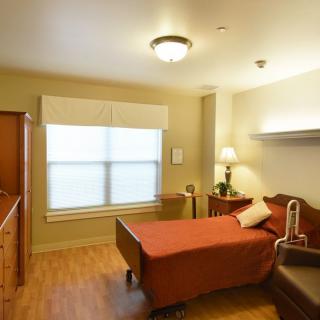
Vines Senior Home in Elgin is best suited for families seeking a warm, home-like setting where seniors receive exceedingly personal and compassionate care. This community shines when dementia care or end-of-life support is needed, delivering a level of attention that feels familial and unhurried. The environment supports dignity and emotional well-being as a core value, and the owners’ regular on-site presence reinforces a culture of genuine, hands-on caregiving rather than a distant, corporate routine. For families who want their loved one to experience daily warmth, meaningful engagement, and a sense of belonging, this is a standout option.
Those considering alternatives should be mindful of the kinds of needs that may demand a different scale or structure. If the expectation is aggressive medical management, extensive on-site rehabilitation, or the resources of a large corporate system, this may not be the right fit. Facilities with broader medical staffing, specialized memory-care certifications, or higher nurse-to-resident ratios can offer a different level of clinical oversight. For seniors whose needs extend beyond assisted living and into intensive, round-the-clock medical management, exploring a larger or more medically oriented community would be prudent.
The strongest advantages of The Vines offset potential gaps in a few important ways. The owners’ visible commitment translates into consistently high-quality care, with caregivers who are described as knowledgeable, professional, and genuinely devoted to residents’ welfare. Families repeatedly note that staff go the extra mile to ensure residents and their families feel confident, secure, and cared for, an ongoing reassurance that clinical limitations often leave unaddressed in more impersonal settings. The atmosphere is not clinical; it is homey and respectful, making it easier for residents to maintain dignity and a sense of peace even during challenging health phases.
That personal touch is complemented by tangible strengths: a clean, organized environment with pleasant scents and well-maintained outdoor spaces, where group activities regularly occur in a dining area that feels communal rather than hospital-like. Residents are described as happy and well cared for, with observed improvements in overall well-being during extended stays. The ability to integrate family life into care, such as allowing spouses to share time and be present during milestones and the decline alike, adds a layer of emotional security that is rare in more impersonal settings. Such features help families reconcile the realities of aging with the comfort of a supported home.
The expansion underway to add more rooms signals a long-term commitment to serving additional local seniors, addressing common capacity concerns without sacrificing the intimate, neighborly vibe that defines the community. The setting, staff, and leadership collectively create a platform where meaningful living continues even as health changes unfold. It is clear that this is less about flashy amenities and more about consistent, heartfelt caregiving that respects family involvement, traditions, and the rhythms of daily life.
In closing, The Vines should be highest on the list for families prioritizing warmth, continuity of care, and relief from the impersonal feel of larger facilities. It is especially compelling for Alzheimer's care, long-term support, and end-of-life scenarios where dignity and companionship outweigh the need for hospital-grade medical output. Prospective residents should conduct direct conversations about memory-care programming, staff-to-resident ratios, and how medical oversight is managed in practice. For those whose needs demand a more robust clinical framework or larger-scale operations, it pays to compare alternatives. Ultimately, this community offers a credible, confident path for families who want their loved ones to age with grace, surrounded by a caring, hands-on team that feels like family.
 14 resident community capacity
 Assisted Living
 Activities on-site
 Beautician on-site
 Cable or satellite TV
 Devotional services on-site
 Dining room
 Fully furnished
 Garden
 Housekeeping services
 Indoor common areas
 Move-in coordination
 Outdoor common areas
 Telephone
 Wi-Fi/high-speed internet available
 Chicago O'Hare International (18 miles away)
 24-hour supervision
 Ambulatory care
 Assistance with bathing
 Assistance with dressing
 Assistance with transfers
 Diabetes diet
 Diabetic care
 High acuity care
 Incontinence care
 Meal preparation and service
 Medication management
 Special dietary restrictions
 Transportation arrangement (medical)
 Transportation to doctors appointments

 Beyond the Bingo Hall: 50+ Enriching Activities for Seniors in Assisted Living
 Understanding the Distinctions: Assisted Living and Memory Care Explained
 Guiding Elderly Parents Who Refuse Assisted Living: 6 Practical Steps