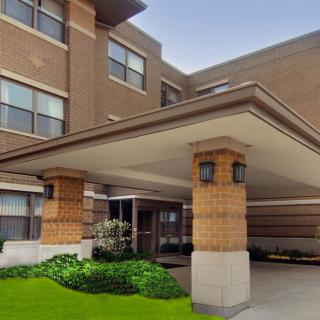


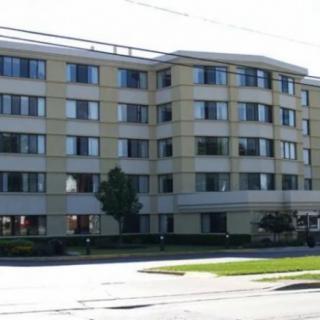
1227 E. Golf Rd., Des Plaines, IL 60016
To contact a resident: (847) 768-1300
For more information about senior living options: (866) 208-4318
Alden Des Plaines Costs & Pricing
At Alden Des Plaines, the monthly costs for accommodations reflect a premium positioning within the local market. For instance, a studio apartment is priced at $5,720, significantly exceeding both the Cook County average of $3,762 and the statewide average of $4,028. The semi-private rooms also command a higher rate at $6,920 compared to the county's average of $5,192 and Illinois' statewide average of $5,146. These cost differentials suggest that Alden Des Plaines may offer enhanced amenities or services that cater to residents seeking a higher standard of living. Overall, while these prices are higher than surrounding options, they likely correspond to the quality and experience provided by the facility.
| Floor plans | Alden Des Plaines | Cook County | Illinois |
|---|---|---|---|
| Studio | $5,720 | $3,762 | $4,028 |
| Semi-Private | $6,920 | $5,192 | $5,146 |
Memory care communities with a similar price nearby
-
About the same
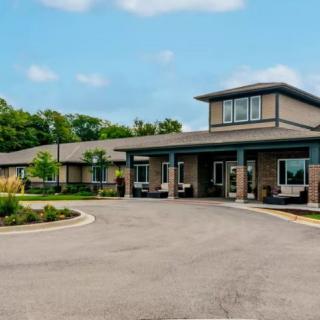
Harvester Place
$5,660 to $6,710 / month20.7 miles away -
About the same
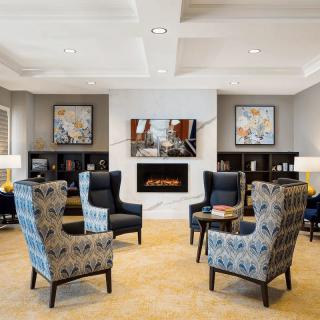
Arbor Terrace Glenview
$5,790 to $8,990 / month2.6 miles away -
from -$390 / mo

Hartwell Place
$5,330 / month12.4 miles away -
from -$200 / mo
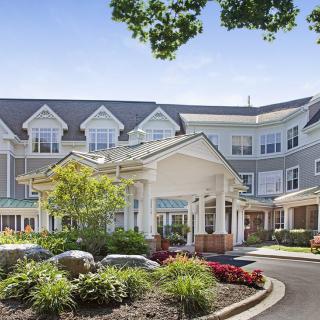
Sunrise Of Naperville
$5,520 to $7,600 / month23.1 miles away -
from -$720 / mo
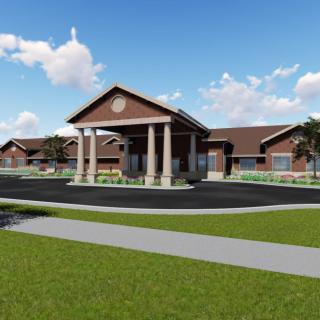
Waverly Inn Memory Care & Cottages
$5,000 to $9,800 / month6.7 miles away
Overall Review of Alden Des Plaines
Pros
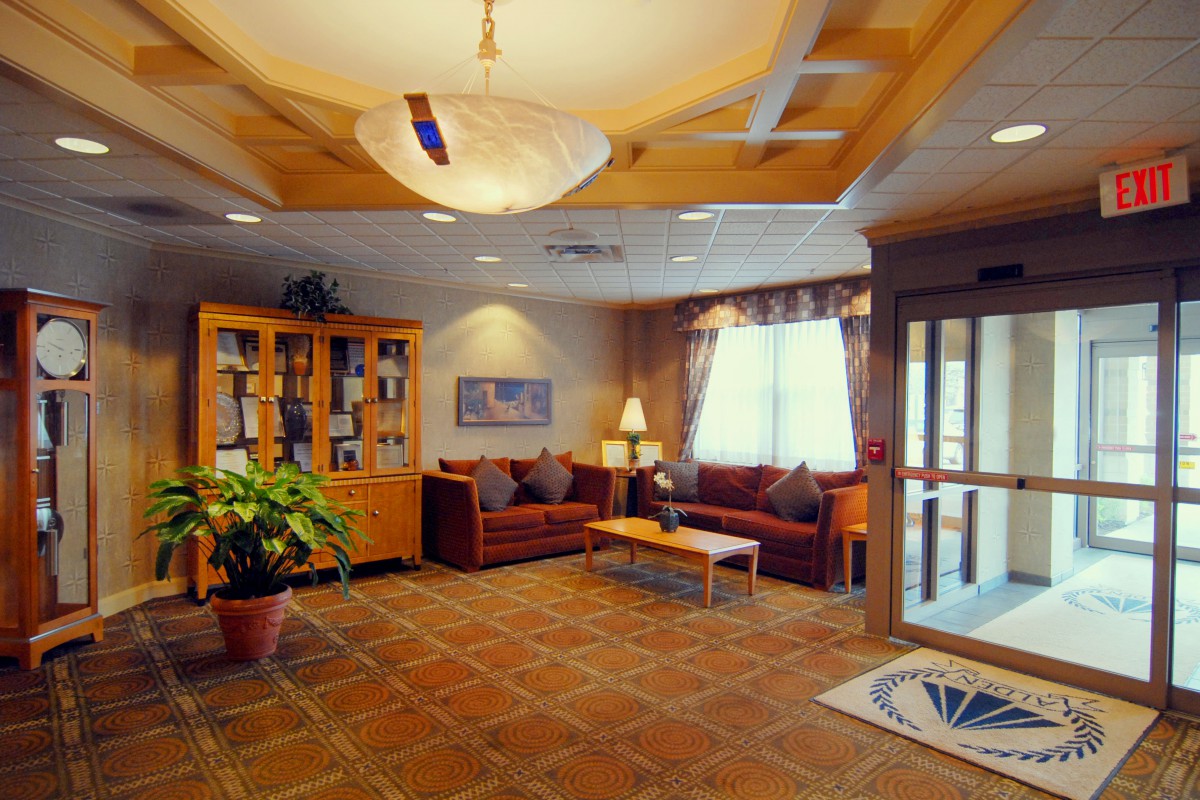
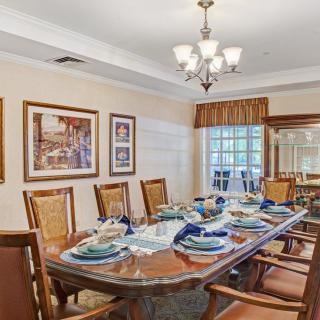
 The facility is very clean and pleasant.
 - Kat made the admission process smooth and transparent.
- The nurse Rincy was patient and calm, helping the resident take medications and participate in therapy.
- The therapy was right on point and hands-on.
- The staff at Alden Courts are personable, family-like, and attentive.
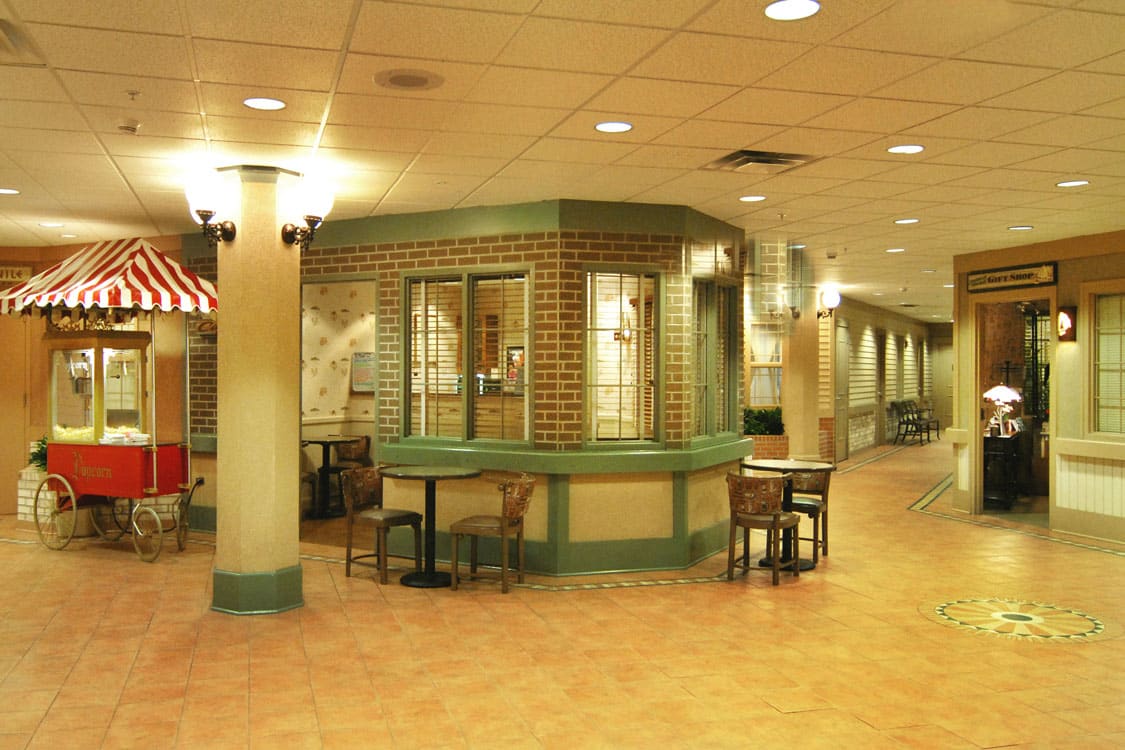
- The community is clean, well-kept, and offers a lot of daily activities.
- The director and staff at Alden Gardens are highly committed to their residents, with a nurse on duty 24/7.
- Families would wholeheartedly recommend Alden Des Plaines for their loved ones.
Cons
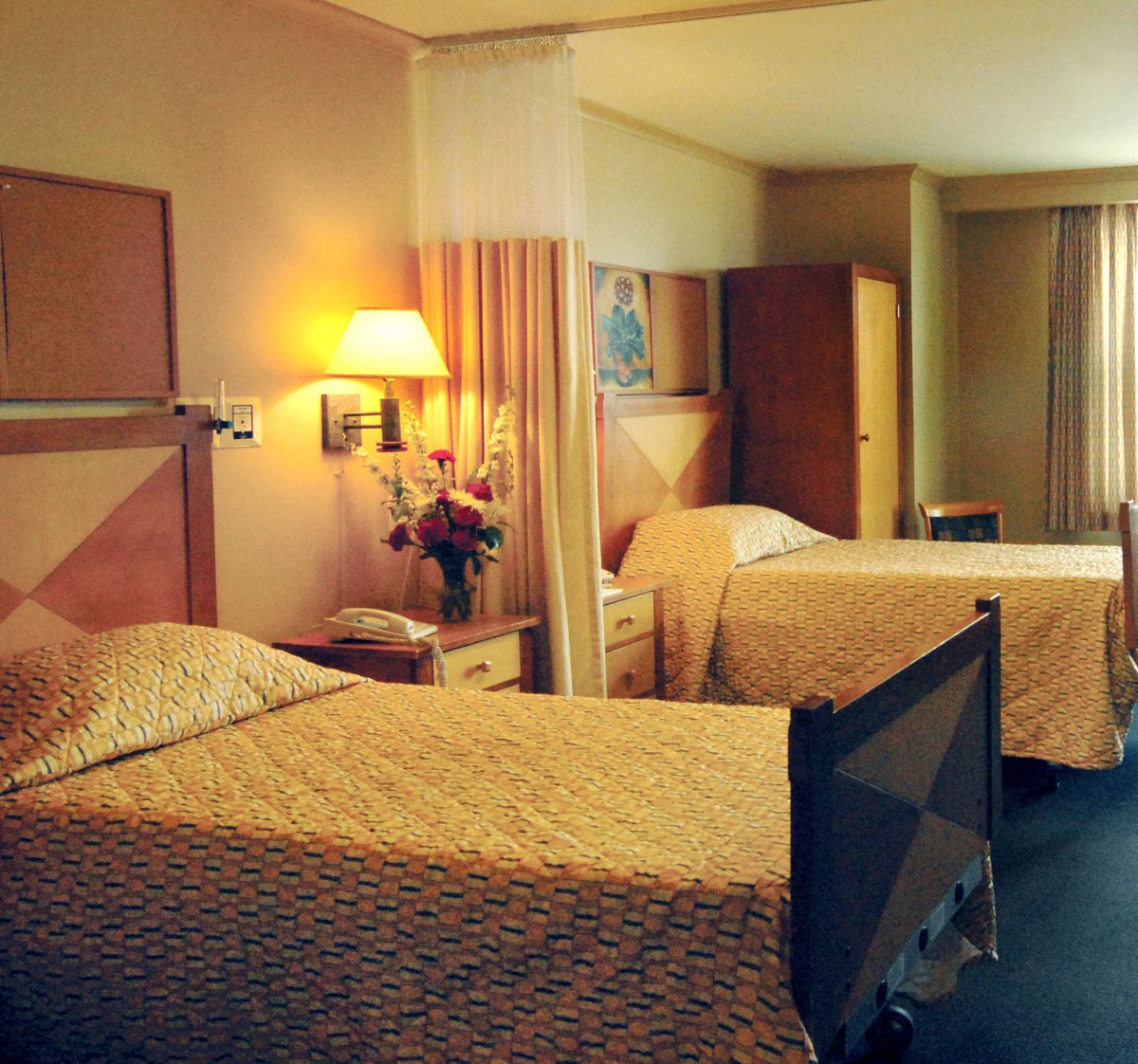
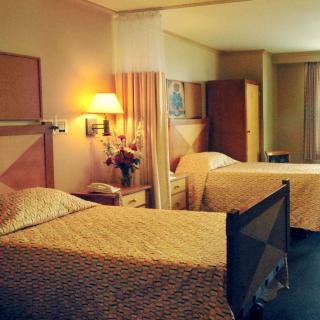
 The available unit was a bit small for their loved one.
- The facility is expensive.
- Some staff interactions feel like just a job, with insufficient caregiver engagement.
- The facility lacks intermediate care and full nursing care and has no space.
- When a resident's condition declines, they are transferred out of the community to a SNF.
Review
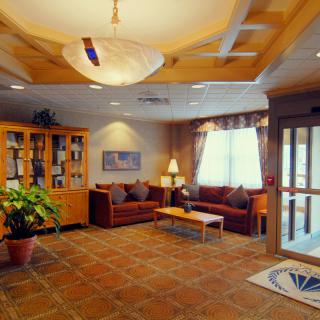
Alden Des Plaines is best suited for families seeking a clean, hands-on assisted living and post-acute rehab environment where therapy is prioritized and a warm, attentive staff creates a homelike atmosphere. The campus serves residents who need structured daily rehabilitation, quick yet steady mobilization, and supervision that feels personal rather than clinical. It accommodates varied care levels across its Alden Gardens and Alden Courts offerings, making it practical for families weighing different housing options on a single campus. Those prioritizing a true memory-care specialization, longer-term comprehensive nursing on site, or a tighter budget should consider alternatives better aligned with those needs or with more explicit memory-care programming.
On the plus side, cleanliness and a welcoming environment consistently come up as standout strengths. Reviews repeatedly note well-kept facilities, good food, and a staff that feels friendly and approachable. The admission process is described as smooth and transparent, with concrete examples of staff like Kat facilitating the transition and ensuring that families understand what to expect. The recruiting point of care is the rehab team, therapy is described as hands-on and targeted, with residents being helped to move and participate promptly the day after admission. A 24/7 nursing presence in at least one of the on-site communities provides a steady level of supervision that reassures families about medication management and daily oversight.
The strongest practical offset to potential downsides is the facility’s rehab-oriented momentum. For residents coming out of acute care, the ability to sustain therapy, maintain accountability, and see rapid progress can outweigh concerns about long-term placement elsewhere. However, two recurring tensions temper the optimism: not every unit feels equally equipped for residents with complex needs, and the possibility of transitions to a skilled-nursing facility as deficits worsen can disrupt continuity of care. One reviewer pointed to a unit that was only marginally suitable for a loved one, underscoring that space and appropriate acuity alignment matter. Another note highlighted that activity programming may not be tailored to dementia-specific needs, which can dampen engagement for residents with memory challenges.
Staff interaction and personalized engagement emerge as mixed factors. While the overall staff reputation runs positive, described as attentive, caring, and “family-like”, some feedback suggests inconsistent caregiver interaction or moments when engagement could be stronger. Suggestions such as integrating more interactive elements or diversifying activities beyond television indicate room for improvement in sustaining meaningful resident connection across shifts. Yet the same threads of care, calm handling of difficult behaviors, patient medication management, and consistent attention to daily needs, remain strong in several accounts, contributing to a sense of dependable, if imperfect, consistency.
Financial and space realities shape the decision through a pragmatic lens. Several reviewers flag cost as a meaningful consideration, noting private-pay rates and a perception that the facility may sit at the higher end of the market for the level of service provided. A related concern is the apparent limitation in space and in-the-moment nursing capacity for certain service levels; one review expressly cites a lack of full nursing care and space, hinting at constraints for residents needing broader on-site skilled nursing. For families prioritizing a true long-term memory-care option, or those seeking broader on-site nursing coverage without risk of transfer, these cost and space dynamics argue for caution and a careful comparison with alternatives.
In the end, the practical choice hinges on care priorities. If rehabilitation success, reliable 24/7 nursing supervision, a clean and welcoming setting, excellent food, and a genuinely caring staff are non-negotiables, Alden Des Plaines delivers solid value. If memory-care specificity, persistent long-term skilled nursing on-site, or cost containment are decisive, alternatives, whether other Alden offerings with stronger memory programs or independent communities with a dedicated memory-care track, should be explored thoroughly. Prospective families should verify current staffing ratios, confirm memory-care accommodations, and assess the likelihood of staying in place if care needs evolve, ensuring that the chosen path aligns with the resident’s trajectory and the family’s financial plan.
 Assisted Living
 Memory Care
 Activities on-site
 Beautician on-site
 Cable or satellite TV
 Devotional services off-site
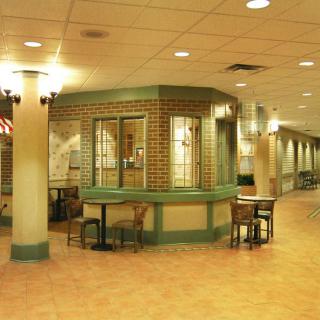
 Indoor common areas
 Outdoor common areas
 Respite or short term stays offered
 Wi-Fi/high-speed internet available
 Chicago O'Hare International (5 miles away)
 Ambulatory care
 Diabetic care
 Incontinence care
 Medication management
 Gluten-free
 BBQs or picnics
 Birthday parties
 Day trips and outings
 Happy hour
 Live dance or theater performances
 Live musical performances


 Vibrant Senior Living: A Comprehensive Guide for Active Older Adults
 Assisted Living and Memory Care: Understanding Their Core Differences
 Choosing the Right Senior Care: A Detailed Exploration of Assisted Living and Nursing Homes