
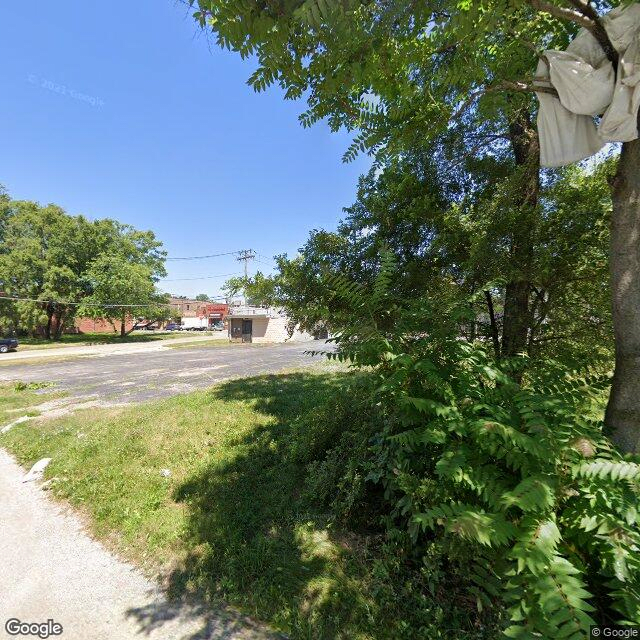
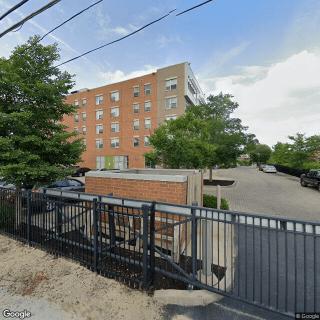
11917 S. Parnell, Chicago, IL 60628
To contact a resident: (773) 952-8004
For more information about senior living options: (866) 208-4318
West Pullman School Senior Community Costs & Pricing
At West Pullman School Senior Community, the cost of living is notably more affordable compared to both Cook County and the broader state of Illinois. For instance, a one-bedroom unit is offered at $700 per month, which significantly undercuts the average county price of $3,256 and the state average of $3,527. Similarly, the two-bedroom option is priced at $1,000 per month, making it a competitive choice against Cook County's average of $4,412 and Illinois' figure of $4,208. These rates not only highlight West Pullman's commitment to providing accessible housing for seniors but also reflect an attractive alternative for those seeking quality living options in a vibrant community without the hefty price tag typically associated with urban areas.
| Floor plans | West Pullman School Senior Community | Cook County | Illinois |
|---|---|---|---|
| 1 Bedroom | $700 | $3,256 | $3,527 |
| 2 Bedrooms | $1,000 | $4,412 | $4,208 |
Senior living communities with a similar price nearby
-
from +$50 / mo
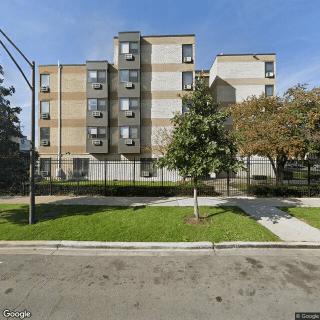
Anathoth Gardens
$750 / month14.3 miles away -
from +$50 / mo
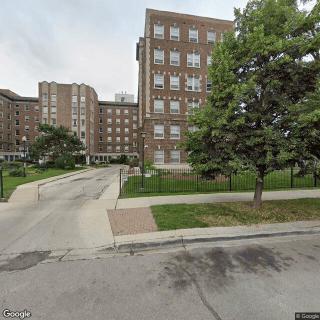
Beth Anne Residence
$750 / month15.9 miles away -
from +$99 / mo

Wood Glen Senior Residences
$799 / month15.2 miles away -
from -$35 / mo
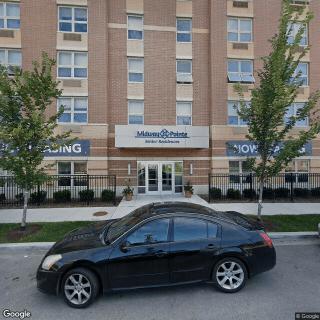
Midway Pointe
$665 to $815 / month10.3 miles away -
from +$50 / mo
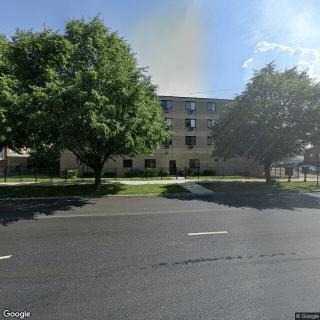
PACE Senior Residence
$750 / month14.4 miles away
Overall Review of West Pullman School Senior Community
Pros
 The place is nice.
- It is lit.
- The price is reasonable.
- Nicole delivered great customer service and made the move-in completely stress-free.
- The customer's experience at Public Storage in Merrionette Park was great.
- They love it.
Cons
 The price was too high.
Review
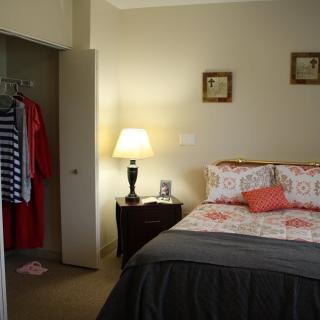
West Pullman School Senior Community is best suited for active, social seniors in Chicago who want a warm, neighborly atmosphere with transparent pricing and a straightforward path to daily living. The facility presents as a genuinely livable option for those who value community connections and a no-frills move-in process over high-end, resort-style amenities. The vibe described by residents, bright, welcoming common spaces and a sense that the building has shifted into a purpose-built senior environment, indicates a place where participation in social activities and daily routines matters. For families seeking predictable costs and a location that centers around senior life rather than medical specialization, this community is a logical fit.
Alternatives are worth considering for residents with heavier care needs or quiet-life priorities. Those who require continuous medical supervision, memory-care programming, or 24/7 on-site staffing will likely find other providers with more defined care plans. If the preference is for premium culinary programs, luxe finishes, or ultra-private spaces, the market will offer options that outpace what appears to be a pragmatic, community-forward setup here. In addition, if transportation to appointments or more specialized rehab services is critical, it is prudent to compare this community against others that explicitly advertise those capabilities.
On the plus side, the reviews convey a genuinely pleasant setting and a lively social current. A “nice place” with a “vibrant” atmosphere signals ample opportunities for neighborly interaction, structured activities, and a sense of belonging. The shift to a senior-building identity suggests targeted programming, streamlined accessibility, and a focus on the routines that keep seniors engaged rather than isolated. Pricing is described as reasonable, which matters greatly when balancing fixed incomes with the cost of care. In practice, these elements often translate into less stress during the move and better day-to-day morale for residents who value a community-driven living experience.
Yet potential gaps must be verified. The available information does not spell out care levels, staffing ratios, meal services, housekeeping standards, safety features, transportation options, or emergency response procedures. Such omissions make it essential to probe during tours and intake discussions. For families, this translates into a careful assessment of whether the social calendar and neighborly support can compensate for a lack of visible clinical programming. The absence of explicit care guarantees means that this setting is best judged by direct conversations about what is actually included in the monthly rate and what additional services incur extra charges.
Ultimately, the compelling pros, an engaging, friendly environment and sensible pricing, offset a great deal when the priority is social vitality and budget management. A thriving community offers daily opportunities for interaction that can preserve cognitive function, mood, and independence longer than a solitary living arrangement would. The newer senior-building identity is a promise of updated spaces and easier access, which enhances overall livability. The risk, however, is that without clear care provisions, this may not be the right home for residents who will eventually need more structured support or who demand tranquility over bustle.
For families weighing options, West Pullman School Senior Community represents a solid, practical choice for those who want engagement and affordability in a Chicago setting. It is less suitable for anyone requiring continuous medical oversight, specialized memory care, or refined, quiet environments. The recommended path is a structured visit plan: tour key spaces, review the activities calendar, ask about specific care supports, meal plans, and transportation, and speak with current residents or family members about daily routines. When these elements align with the senior’s goals, social connectedness, predictable costs, and a comfortable, active everyday life, this community earns a confident endorsement as a first-stop option rather than a fallback.
 Active Adult Communities (55+)
 Chicago Midway (9 miles away)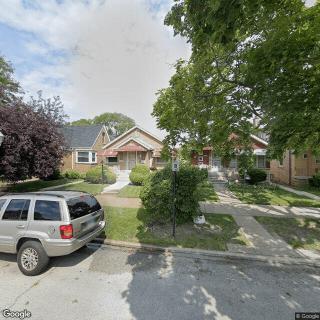



 Comprehensive Insights into Palliative Home Care: What It Is and What to Expect
 Skilled Nursing Facilities vs. Nursing Homes: Making Sense of the Differences
 A Detailed Examination of Nursing Home Costs Across the U.S.