For more information about senior living options: (866) 208-4318
2 from 90 reviews
5 stars
12
4 stars
9
3 stars
6
2 stars
3
1 stars
60
Symphony Of Morgan Park Costs & Pricing
Symphony of Morgan Park offers competitive pricing for its private room accommodations, with a monthly cost of $4,200. This rate is notably lower than the average costs in Cook County, which stand at approximately $5,168, and even more favorable compared to the broader Illinois state average of around $5,049. By choosing Symphony of Morgan Park, residents not only benefit from a comfortable living environment but also enjoy significant savings compared to neighboring facilities within the county and state. This value positioning reflects Symphony's commitment to providing quality care without compromising affordability.
Floor plans
Symphony Of Morgan Park
Cook County
Illinois
Private
$4,200
$5,168
$5,049
Overall Review of Symphony Of Morgan Park
caveat9 reviews mention this
Care quality complaints are severe
Several residents and families describe lapses in basic care and follow-through.
A recurring concern is that residents did not get timely help when they needed it, including call light response and medication availability. Multiple reviews also describe incidents and worsening conditions, such as falls and problems that families say led to emergency-level outcomes. Some reviewers describe care that they felt did not follow care plans or did not include consistent therapy. Overall, the care-related accounts include both missed needs and unaddressed problems that families struggled to escalate.
caveat15 reviews mention this
Cleanliness and odors draw fire
Residents and families repeatedly describe the building as dirty and foul-smelling.
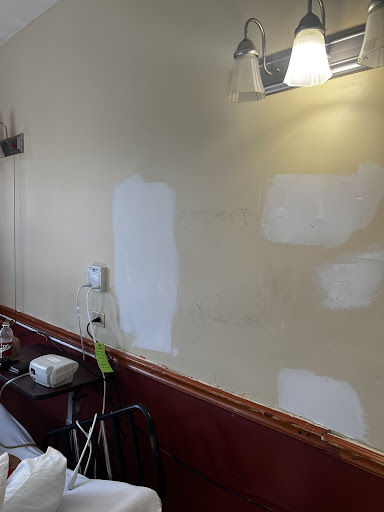
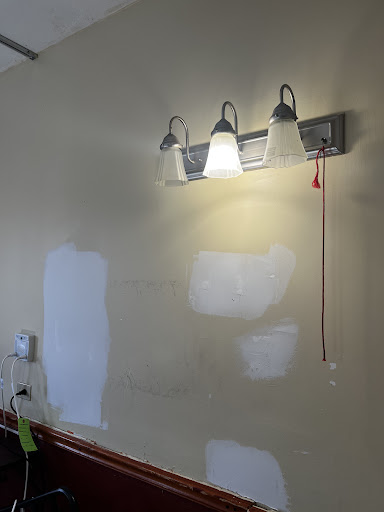
Many reviews focus on strong odors and ongoing cleanliness problems, with accounts of urine smells in hallways and rooms. Several reviewers also mention pests or visible filth, including roaches and fruit flies, along with concerns about soiled bathrooms and linens. A few reviews go further by describing unclean conditions as extreme enough that it affected daily comfort and basic hygiene. Even some reviewers who gave mixed feedback still call out the need for major updates and a cleaner environment.
caveat11 reviews mention this
Food quality is widely criticized
Many reviews say the food is unappetizing or not served properly.
Food comes up frequently as a negative, with reviewers describing it as disgusting, unrecognizable, cold, or not enough. Some families say residents complained and ate poorly, including weight loss concerns. Even when a review is otherwise mixed, it often returns to the same point: the dining experience does not meet expectations. The community is described as offering special diets like diabetes and other restrictions, but the reviews emphasize dissatisfaction with how the food is provided.
caveat5 reviews mention this
Communication is hit-or-miss
Families describe inconsistent responsiveness when trying to reach staff.
Some reviewers say they could reach the phone line and speak with staff in a timely way, which helped them feel informed. Other reviews sharply contrast that with experiences like no response to calls or difficulty getting staff to return messages. A few accounts also describe delays even after call lights were activated or long waits before help arrived. Taken together, communication experiences appear uneven across different situations.
common11 reviews mention this
Helpful staff is a bright spot
Many reviewers say the staff shows attentiveness and genuine concern.
Despite the negative accounts, a sizable set of reviews praises staff for being friendly, attentive, and caring. Several reviewers highlight respectful treatment and say they felt supported regarding resident needs. There are also positive mentions of activities and activity staff ensuring residents are looked after, which some reviewers describe as an important part of the experience. A few reviews even acknowledge that while the overall situation has serious problems, certain staff members stand out for kindness and responsiveness.
How we summarize
Counts show how many written reviews mention each theme; a review can touch several themes, and only frequently mentioned themes are displayed.
Features
Housing
294 resident community capacity
Types of Care
Skilled Nursing Facility
Amenities
Air-conditioning
Beauty salon
Cable or satellite TV
Computer center
Dining room
Fitness room
Fully furnished
Gaming room
Garden
Housekeeping services
Kitchenette
Move-in coordination
Outdoor space
Private
Private bathrooms
Restaurant-style dining
Small library
Telephone
Wellness center
Wheelchair accessible showers
Wi-Fi/high-speed internet available
Transportation
Chicago Midway (8 miles away)
Chicago O'Hare International (24 miles away)
Community operated transportation
Transportation arrangement
Transportation arrangement (non-medical)
Transportation to doctors appointments
Care Services
12-16 hour nursing
24-hour call system
24-hour supervision
Activities of daily living assistance
Assistance with bathing
Assistance with dressing
Assistance with transfers
Diabetes diet
Diabetic care
High acuity care
Incontinence care
Meal preparation and service
Medication management
Mental wellness program
Special dietary restrictions
Dining
Diabetes diet
Special dietary restrictions
Activities
Community-sponsored activities
Concierge services
Fitness programs
Planned day trips
Resident-run activities
Scheduled daily activities
Nearby Places of Interest
This part of Chicago, Illinois, offers a range of amenities that cater to the needs of senior residents. With several places of worship nearby, including Beth Eden Baptist Church and Holy Name Of Mary Church, individuals can continue to practice their faith in a supportive community. Accessible transportation options such as Metra stations and pharmacies like Walgreens and CVS make it convenient for seniors to travel and manage their healthcare needs. Additionally, proximity to hospitals such as Little Company of Mary Hospital and Advocate Trinity Hospital ensures quality medical care is readily available. The area also boasts a variety of restaurants, cafes, and parks like Calumet Park and Jackson Park for leisure activities. Overall, this neighborhood provides a blend of essential services and recreational opportunities ideal for senior living.
Places of Worship
Beth Eden Baptist Church (0.8 miles)
Holy Name Of Mary Church (0.8 miles)
St Philip Neri Parish (6 miles)
Christ Community Church (8 miles)
Mosque Foundation (8.5 miles)
Transportation
Metra - 107th Street (1.6 miles)
Metra - Morgan Park / 115th Street (1.7 miles)
59th st Junction (6.4 miles)
Metra - 55th / 56th / 57th St (7.3 miles)
Metra (8 miles)
Cta (8 miles)
Atlantic Aviation (8.1 miles)
Restaurants
SImply Southern Soul Food (2 miles)
Buona Restaurant & Catering (2 miles)
McDonald's (2.1 miles)
Horse Thief Hollow (2.1 miles)
Dillingers Drive-In (2.3 miles)
Wendy's (2.4 miles)
White Castle (2.9 miles)
Pharmacies
Walgreens (2.1 miles)
Walgreens (2.1 miles)
Walgreens (3.1 miles)
Walgreens (3.5 miles)
CVS Pharmacy (3.6 miles)
CVS Pharmacy (4.1 miles)
CVS Pharmacy (4.1 miles)
Hospitals
Little Company of Mary Hospital (3.2 miles)
Advocate Trinity Hospital (4.4 miles)
Advocate Christ Outpatient Pavilion (5 miles)
Advocate Children Hospital-Hope Pavilion (5 miles)
Symphony of Morgan Park offers competitive pricing for its private room accommodations, with a monthly cost of $4,200. This rate is notably lower than the average costs in Cook County, which stand at approximately $5,168, and even more favorable compared to the broader Illinois state average of around $5,049. By choosing Symphony of Morgan Park, residents not only benefit from a comfortable living environment but also enjoy significant savings compared to neighboring facilities within the county and state. This value positioning reflects Symphony's commitment to providing quality care without compromising affordability.
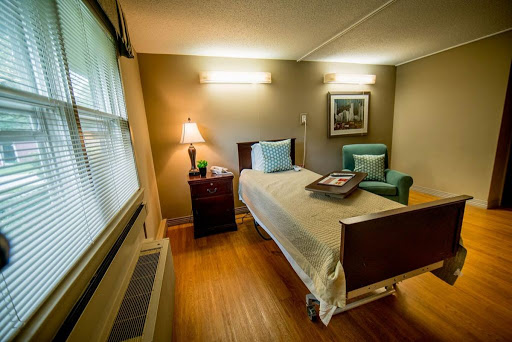
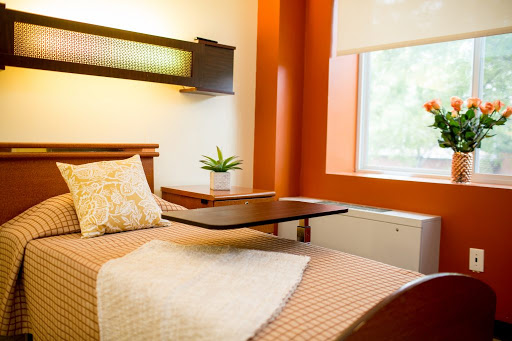
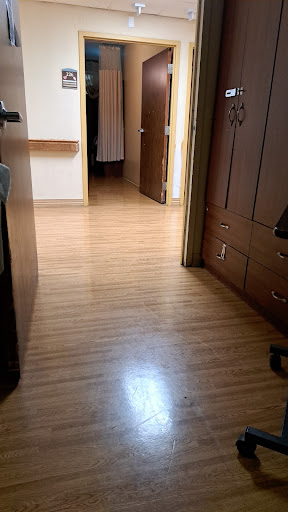
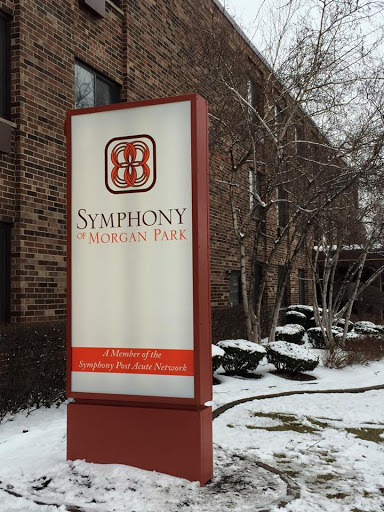
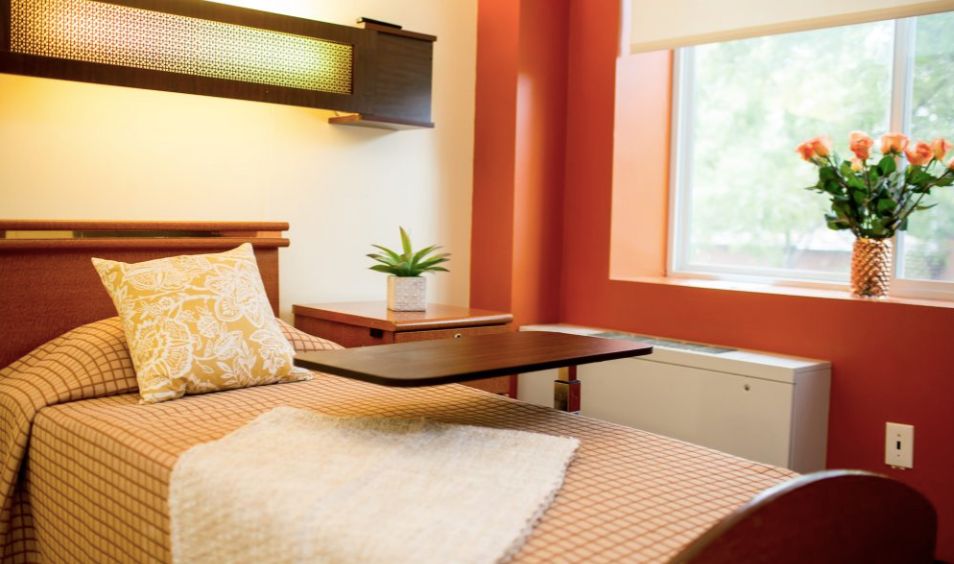
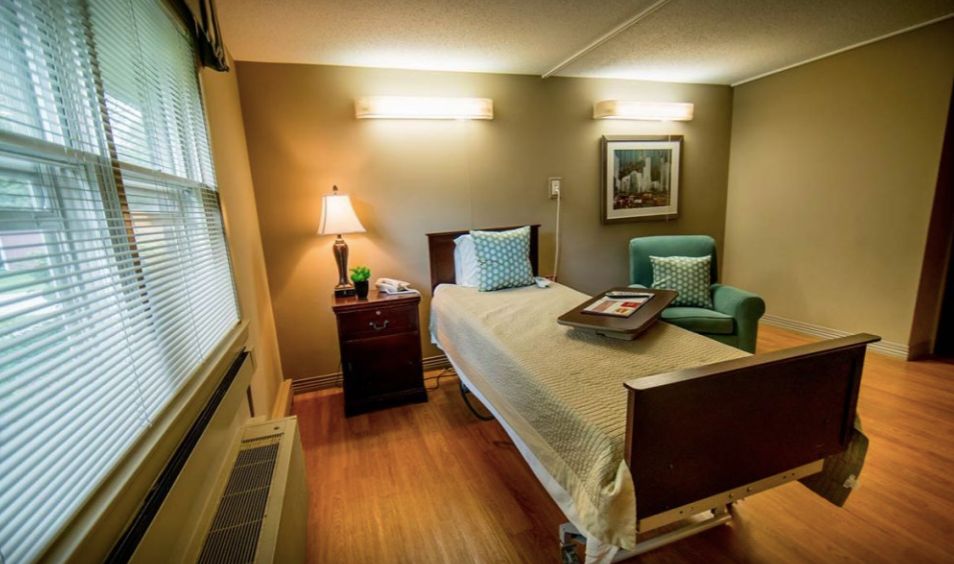
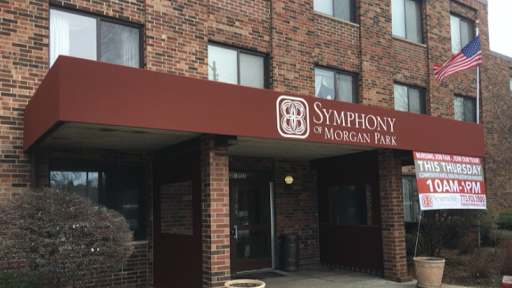
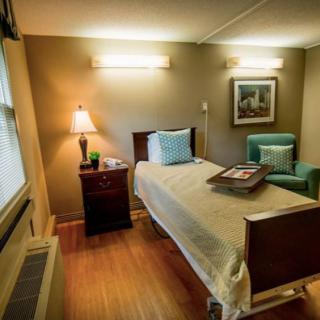
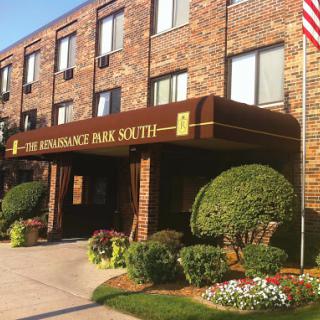
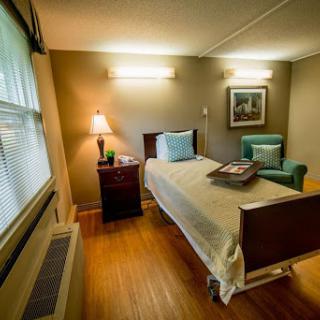
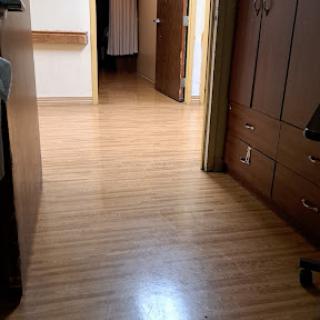
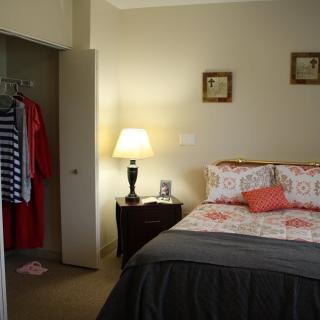
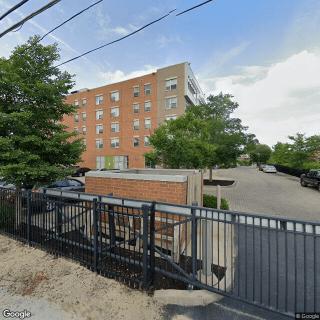
Symphony Of Morgan Park on seniors.fyi includes 13 photos including images showing bedroom, interior, lighting, windows, building, plant, flag, healthcare, and more.
Nearby Communities
Senior Suites Washington Heights
Chicago, IL
4.2 from 62 reviews
$1,059 to $1,161 / month
Affordable pricing with strong staff communication and engaging activities.
Pullman Senior Suites
Chicago, IL
4 from 6 reviews
$675 / month
Helpful staff and clean, social common areas.
West Pullman School Senior Community
Chicago, IL
5 from 5 reviews
$700 to $1,000 / month
Affordable 55+ housing with convenient access to healthcare and local amenities.
1st Class Home Care - Chicago, IL
Chicago, IL
Excellent access to pharmacies, hospitals, restaurants, transportation, and places of worship nearby.
Victory Centre Of Roseland
Chicago, IL
4.3 from 61 reviews
Friendly, professional staff and a welcoming, well-maintained environment with convenient access to on-site amenities and activities.
Roseland Place Senior Apartments
Chicago, IL
Great location with easy access to amenities and healthcare.
Southpoint Nursing & Rehab Center
Chicago, IL
2.6 from 77 reviews
$2,350 to $4,730 / month
Caring staff and engaging activities.
Avantara Evergreen Park
Evergreen Park, IL
3.1 from 128 reviews
Clean, well-maintained environment with pleasant grounds and engaging activities.
Mercy Circle Senior Living
Chicago, IL
4.6 from 67 reviews
$4,118 to $7,273 / month
Compassionate, attentive staff with effective therapy services.
Palliative care focuses on alleviating distress at any stage of a serious illness and can accompany curative treatments, while hospice care is for those nearing the end of life with a prognosis of six months or less, emphasizing comfort over curative measures. Both prioritize holistic care for patients and families but differ in timing, goals, and scope.
The guide details the tax deductibility of in-home healthcare expenses according to IRS guidelines, differentiating between medically necessary services and non-medical assistance, while emphasizing the need for proper documentation and itemization requirements. It also highlights state-level variations, the importance of record-keeping, and encourages seeking professional tax help to understand evolving regulations.
Gardening provides seniors with physical exercise, mental and emotional support, and social interaction opportunities, while accommodating their needs through raised beds and ergonomic tools. It promotes health benefits like improved dexterity and cardiovascular health, encourages sustainable practices, and allows for manageable upkeep with low-maintenance plants.
Get PricingAsk A QuestionSchedule A TourContact Senior Advisor
By clicking submit, you agree to our Partner's Terms of Use. You
also consent to receive calls and texts, which may be autodialed, from our Partner. Your consent is not a condition to
using our Partner's service. Please visit our Partner's Privacy Policy for information about their privacy practices.






 294 resident community capacity
 Skilled Nursing Facility
 Air-conditioning
 Beauty salon
 Cable or satellite TV
 Computer center
 Dining room
 Fitness room
 Fully furnished
 Gaming room
 Garden
 Housekeeping services
 Kitchenette
 Move-in coordination
 Outdoor space
 Private
 Private bathrooms
 Restaurant-style dining
 Small library
 Telephone
 Wellness center
 Wheelchair accessible showers
 Wi-Fi/high-speed internet available
 Chicago Midway (8 miles away)
 Community operated transportation
 12-16 hour nursing
 24-hour call system
 Activities of daily living assistance
 Assistance with bathing
 Assistance with dressing
 Assistance with transfers
 Diabetes diet
 Diabetic care
 High acuity care
 Incontinence care
 Medication management
 Mental wellness program
 Special dietary restrictions
 Concierge services
 Planned day trips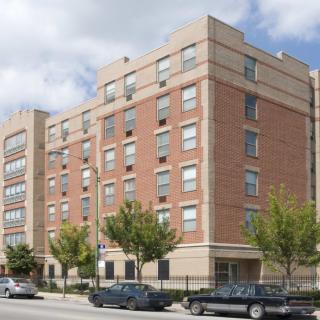
 Affordable pricing with strong staff communication and engaging activities.



 Understanding the Nuances of Palliative Care and Hospice: A Comprehensive Exploration
 Is In-Home Healthcare Tax Deductible? Your Comprehensive Guide
 Nurturing Well-Being Through Gardening: A Detailed Guide for Senior Enthusiasts