

171 W Oak St, Chicago, IL 60610
To contact a resident: (312) 266-4906
For more information about senior living options: (866) 208-4318
Morningside South Costs & Pricing
Morningside South offers a competitively priced living option, with its one-bedroom units available for $1,302 per month. This figure stands in stark contrast to the average costs in Cook County, where similar accommodations average around $3,256, and even higher at nearly $3,527 across the state of Illinois. The significant difference in pricing underscores Morningside South's value proposition, making it an attractive choice for those seeking quality housing without the hefty price tag typically associated with the region. This affordability combined with the community amenities makes Morningside South a standout option for prospective residents looking to balance cost and comfort.
| Floor plans | Morningside South | Cook County | Illinois |
|---|---|---|---|
| 1 Bedroom | $1,302 | $3,256 | $3,527 |
Senior living communities with a similar price nearby
-
from -$243 / mo
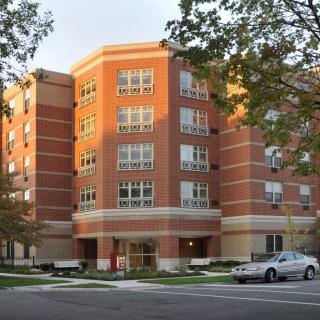
Senior Suites of Marquette Village
$1,059 to $1,161 / month10.2 miles away -
About the same
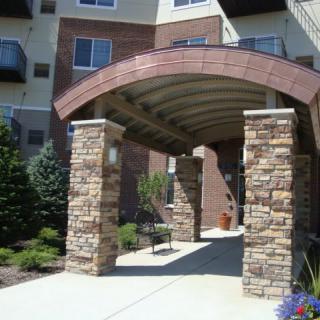
The Homestead at Morton Grove
$1,330 to $1,600 / month12.3 miles away -
from -$237 / mo
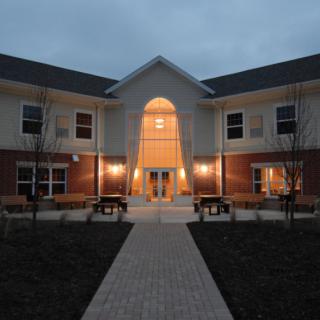
David Webb Jr. Senior Living
$1,065 to $1,215 / month20.5 miles away -
from +$158 / mo

Peace Village
$1,460 to $2,120 / month20.9 miles away -
from -$141 / mo
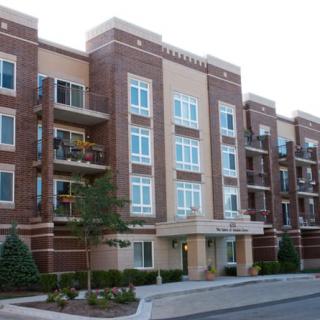
The Suites of Autumn Green at Wright Campus
$1,161 to $1,340 / month9.3 miles away
Overall Review of Morningside South
Pros
 The staff are described as outstanding and quick to address concerns.
- The maintenance department has provided outstanding service to residents.
- The Thanksgiving dinner organized by management and maintenance was very nice, with good food and a pleasant time.
- The reviewer is portrayed as a good tenant who pays rent on time and keeps to themselves.
Cons
 The building has changed significantly since the tenant moved in.
- The property manager lies to tenants and is backed by another staff member who uses the tenant’s past history against them.
- There is no security, leaving residents fearful to go downstairs at night and leading to package theft.
- The laundry room has only one working washer and repairs have dragged on for months, while management seems to care little.
- The building is overrun by drug addicts, with security and maintenance described as a joke, and photos not reflecting reality.
- A few staff members are described as rotten, making the building unpleasant.
Review
Morningside South in Chicago is best suited for older adults who prize approachable, responsive on-site staff and a community-friendly atmosphere, even if that comes with notable caveats. The strongest positive signal across reviews is the accessibility of management and maintenance when concerns are raised, plus occasional social events and a sense of neighborliness. For a resident who tolerates imperfect amenities in exchange for quick, courteous service from the team and a willingness to navigate inconsistent facility performance, this building can be workable. It is not a first-use-for-safety or modern-living concern, but rather a value option for those who can engage with the staff and participate in the community despite gaps in security and upkeep.
Those considering alternatives should prioritize security, consistent maintenance, and transparent operations. If a family needs solid, predictable safety (visible security, cameras, disciplined access), or if known issues with theft, drug activity, or maintenance delays would be unacceptable, this community warrants looking elsewhere. Prospective residents who require spotless common areas, reliable laundry facilities, and up-front disclosure about pet policies should compare options that consistently deliver on these fronts. In short, those with tight safety expectations or a priority on flawless amenities will likely find better fit outside Morningside South.
The core positives, responsive staff and meaningful maintenance responsiveness, do carry weight when weighed against the downsides. When management is attentive, concerns are addressed quickly and residents report real problem-solving from both the office and maintenance team. That dynamic can transform daily life, especially in a building where social events and communal interactions surface a sense of belonging. However, these strengths are inconsistent across reviews, and when they falter, the same staff who are praised can become sources of frustration for residents who feel unheard or dismissed. The practical takeaway is that staff quality at this property hinges on individual managers and shifts, making continuity a key risk to plan around.
The main drawbacks cluster around security and reliability of everyday facilities. Several reviews paint a picture of limited or ineffective security, empty hallways at night, missing packages, and concerns about unauthorized access, coupled with a perception that maintenance and service requests are not prioritized. Laundry facilities illustrate the fragility of daily conveniences: multiple washers out of service over extended periods without a clear fix, signaling ongoing operational fragility. The combination of perceived drug activity and a decline in maintenance standards compounds the risk, particularly for families seeking a stable, well-supervised living environment with predictable routines.
Despite these concerns, the pros do offer meaningful counterweight when conditions align. If the current management demonstrates a track record of prompt responsiveness and reliable maintenance, that can mitigate some risk; residents who benefit from community events and a warm, engaged staff can find this atmosphere comforting and familiar. Still, the inconsistency across experiences means that a prospective resident should not rely on past praise as an assurance of future reliability. Verify current security measures, confirm maintenance response times, and demand transparent communication about pet policies and any changes in building operations before committing.
In the end, the decision hinges on safety priorities, maintenance reliability, and tolerance for variability in service. For families whose core requirements include strong security, consistent amenity upkeep, and clear, proactive management, Morningside South may not be the preferred choice. For those who value affordability, personal rapport with a responsive staff, and a willingness to navigate sporadic bumps in infrastructure, this community can serve as a reasonable, if imperfect, option. A disciplined due-diligence period, tour with a specific checklist on security, laundry availability, and daily service response, will reveal whether the current experiential reality aligns with expectations or points toward pursuing alternatives.
 Active Adult Communities (55+)
 Cats allowed
 Dogs allowed
 Chicago Midway (10 miles away)
 Chicago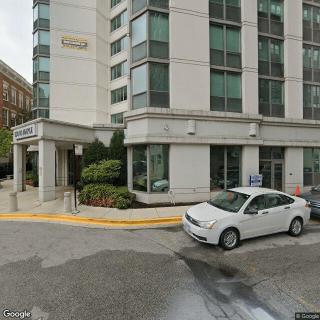






 Highly Beneficial Low-Impact Exercises for Senior Living Residents
 Is In-Home Healthcare Tax Deductible? Your Comprehensive Guide
 Nurturing Well-Being Through Gardening: A Detailed Guide for Senior Enthusiasts