For more information about senior living options: (866) 208-4318
4.6 from 27 reviews
5 stars
23
4 stars
1
3 stars
1
2 stars
0
1 stars
2
Overall Review of 24/7 BrightStar
differentiator2 reviews mention this
Care is available 24/7
Residents describe support that is available around the clock when it is needed.
One family says the agency provides 24-hour service and stepped in during a crisis. Another describes a smooth transition to getting daily help and notes they could reach a nurse 24/7 if needed. Together, the reviews align with the community’s 24/7 positioning for care availability.
common26 reviews mention this
Caregivers feel attentive
Many families say the caregivers show up ready to help and are attentive to individual comfort.
Across multiple reviews, families describe caregivers as kind, professional, and focused on comfort—whether helping an older adult recover from an illness or supporting someone with mobility and personal-care needs. Several reviewers also mention CNAs and nurses taking extra steps, coordinating schedules, or adapting as situations changed. A few reviews are the opposite, describing poor task follow-through and unhelpful communication, but they still point to the importance families place on consistent caregiver performance.
common11 reviews mention this
Communication and responsiveness matter
Families frequently praise clear communication and responsive office support during care.
Many reviews highlight management that is responsive when questions come up, including guidance calls and help adjusting services as needs change. Some families say they found it easy to start care and add time when necessary. Others report frustration with customer care responsiveness during service issues, including delays and limited follow-up, which shows how critical communication is to satisfaction.
common3 reviews mention this
Hospice and veteran-related care
Reviews describe support used for hospice and for veteran-related needs.
Several families mention using the service during hospice—either supplementing care after discharge or getting additional coverage during end-of-life time. One reviewer also notes the connection to veteran care through the VA and expresses gratitude for kindness and attention to detail. These comments focus on care moments that can be time-sensitive, and they tie to how families evaluate usefulness during high-stakes periods.
caveat2 reviews mention this
Mixed experiences with professionalism
A couple of reviews report problems with professionalism, follow-through, and complaint handling.
One reviewer describes a disappointing shift experience, including concerns about how basic tasks were handled and doors not being secured. They also describe complaint handling as nonchalant and inadequate, though they later note improved service after a branch manager became involved. Another review around a wedding weekend raises concerns about customer service response and the way issues were handled during the contracted period. These negative accounts are limited to a small subset of reviews, but they highlight recurring expectations around professionalism and accountability.
How we summarize
Counts show how many written reviews mention each theme; a review can touch several themes, and only frequently mentioned themes are displayed.
Features
Transportation
Chicago Midway (9 miles away)
Chicago O'Hare International (15 miles away)
Nearby Metro Stations
Chicago
Clark/Division
Clark/Lake
Clinton
Grand
Lake
Merchandise Mart
Morgan
State/Lake
Washington
Washington/Wells
Nearby Places of Interest
Located in the heart of Chicago, this vibrant neighborhood offers a diverse array of amenities within close proximity. From popular dining options such as McDonald's and Portillo's Hot Dogs to upscale restaurants like Tao Chicago and Gibsons Italia, residents can enjoy a wide range of culinary experiences. Additionally, there are several pharmacies nearby for convenient access to healthcare needs. For recreation, there are tranquil cafes such as Blue Bottle Coffee and Tiny Tapp & Cafe, as well as beautiful parks like Mary Bartelme Park and Maggie Daley Park. The area also provides easy access to transportation options such as the CTA and Metra stations, making it convenient for seniors to travel around the city. Furthermore, there are reputable hospitals like Ann & Robert H. Lurie Children's Hospital of Chicago and Rush University Medical Center nearby for peace of mind regarding healthcare services. Overall, this neighborhood offers a blend of convenience, entertainment, and essential services for senior living in Chicago.
Restaurants
McDonald's (0.4 miles)
Portillo's Hot Dogs (0.4 miles)
Tao Chicago Restaurant (0.5 miles)
Gibsons Italia (0.5 miles)
RPM Seafood (0.6 miles)
Moneygun (0.6 miles)
Rossi's Liquors (0.7 miles)
Pharmacies
Walgreens (0.5 miles)
Walgreens (0.7 miles)
CVS Pharmacy (0.7 miles)
CVS Pharmacy (0.8 miles)
Walgreens (0.8 miles)
Walgreens (0.8 miles)
Walgreens (0.9 miles)
Cafes
Blue Bottle Coffee (0.5 miles)
Tiny Tapp & Cafe (0.7 miles)
Starbucks (0.8 miles)
Intelligentsia Coffee (1 miles)
Wildberry Pancakes & Cafe (1.1 miles)
Starbucks (2.7 miles)
Transportation
CTA - Clark/Lake (0.7 miles)
Ogilvie Transportation Center (0.8 miles)
Jamba Union Station / Chicago (1.1 miles)
Cta (1.1 miles)
CTA - Clinton (1.2 miles)
Metra - LaSalle Street (1.4 miles)
Van Buren Street Metra & South Shore Trains (1.5 miles)
Hospitals
Ann & Robert H. Lurie Children's Hospital of Chicago (0.9 miles)
Shirley Ryan AbilityLab (1.1 miles)
Rush University Medical Center (2 miles)
University of Illinois Hospital & Health Sciences System (2.3 miles)
John H Stroger Jr Hospital (2.3 miles)
Advocate Illinois Masonic Medical Center (3 miles)
Parks
Mary Bartelme Park (1.1 miles)
Maggie Daley Park (1.3 miles)
Grant Park - Butler Field (1.5 miles)
Skinner Dog Park (1.5 miles)
Skinner Bark Park (1.5 miles)
Union Park (1.5 miles)
Grant Park (1.7 miles)
Physicians
Lincoln Park Dental Specialists (1.7 miles)
University of Illinois Mile Square Health Center: Near West Side (2.1 miles)
Skilled nursing facilities (SNFs) provide high-level medical care and rehabilitation for short-term recovery, typically covered by Medicare after hospitalization, while nursing homes focus on ongoing custodial care for chronic conditions, mainly funded by Medicaid or private payments. The staffing and regulatory structures differ significantly between the two, necessitating clarity for families in choosing appropriate long-term care options.
Nursing home care costs in the U.S. vary significantly based on location, level of care, and amenities, with private room prices ranging from approximately $6,700 to over $30,000 monthly. Families need to explore various payment options and conduct thorough research to manage these expenses effectively.
Nonmedical home care provides assistance with daily activities and companionship for individuals wishing to maintain independence and quality of life at home, without medical intervention. Its growing popularity is driven by an aging population, the need for supportive environments for recovery, and the emotional benefits of caregiver companionship, while costs vary based on service frequency and location.
Get PricingAsk A QuestionSchedule A TourContact Senior Advisor
By clicking submit, you agree to our Partner's Terms of Use. You
also consent to receive calls and texts, which may be autodialed, from our Partner. Your consent is not a condition to
using our Partner's service. Please visit our Partner's Privacy Policy for information about their privacy practices.

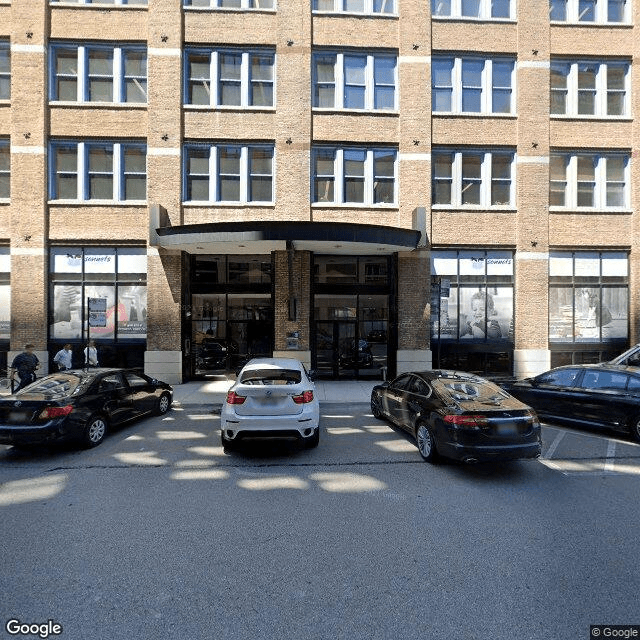
 Chicago Midway (9 miles away)
 Chicago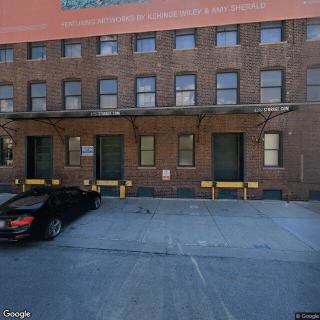
 Extensive nearby amenities (cafes, parks, pharmacies, restaurants, hospitals) and personalized, compassionate care.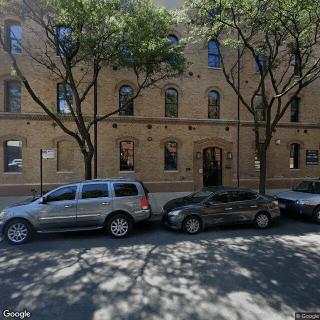
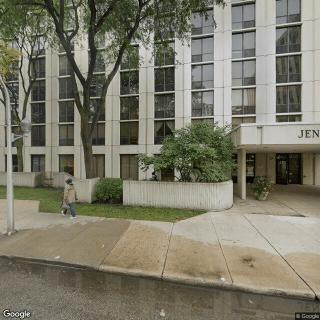



 Skilled Nursing Facilities vs. Nursing Homes: Making Sense of the Differences
 A Detailed Examination of Nursing Home Costs Across the U.S.
 Exploring Nonmedical Home Care: Understanding Services, Costs, and Financial Approaches