
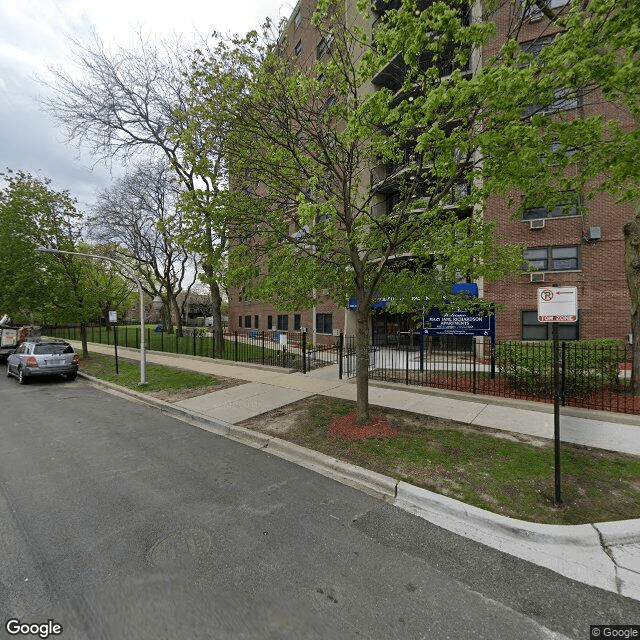
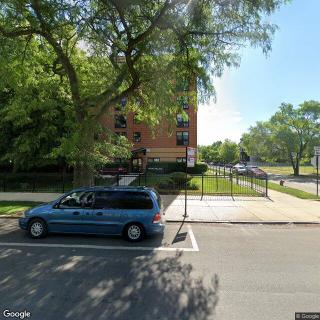
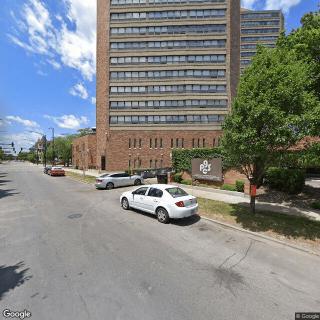
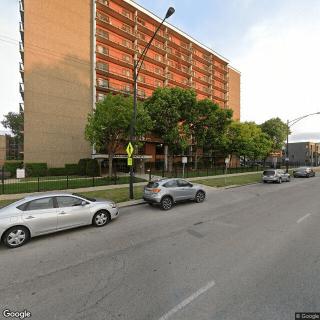
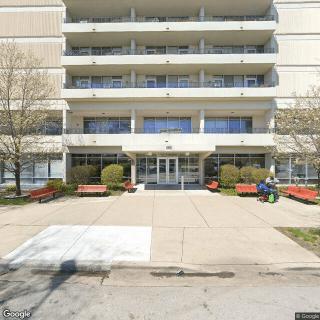
4930 S. Langley Ave., Chicago, IL 60615
For more information about senior living options: (866) 208-4318
Overall Review of Mary Jane Richardson-Jones Apartments
Cons
 The phone number for the apartments is incorrect.
- A staff member said the applicant was already in the system but failed to clearly indicate that a different CHA application was required.
- The applicant feels misled for months and fears homelessness.
- They perceive the staff as playing games with their life.
- The overall experience is extremely disappointing.
Review
Mary Jane Richardson-Jones Apartments in Chicago is best suited for seniors who need affordable, government-subsidized housing and who can withstand a bureaucracy-driven intake process without immediate, hands-on assistance. The limited feedback available points to a setting that is more about securing a place to live within the CHA framework than about delivering proactive, resident-centered service. Prospective residents who prioritize price stability and a public-housing pathway may find value in the option, but the aid is contingent on a smoothly run application flow, something these reviews do not demonstrate.
Those who should consider alternatives are families or individuals facing urgent housing needs or requiring dependable, day-to-day administrative communication. The most alarming signal is a misstep in basic contact information and a confusing, overlapping application instruction that left an applicant feeling pushed aside and at risk of losing housing stability. If rapid responsiveness, a single clear point of contact, or timely onboarding are non-negotiables, it is prudent to look at other options, whether other CHA properties with stronger intake processes or private senior housing that emphasizes referable customer service and clearer pathways to residency.
The main con, the apparent disarray around applications and communication, does not find a compensating strength in the limited positive signals. The absence of explicit, concrete advantages in the short reviews means the negative experiences dominate the decision calculus. While public housing can offer long-term affordability, these reviews suggest the affordability is undermined by administrative friction and inconsistent messaging. In this light, the supposed upside of low rent fails to offset the risk of instability during the crucial transition period into housing.
To move forward with confidence, prospective residents should verify several critical points before engaging. Confirm the correct phone contact and the proper application route, and insist on written instructions and timelines. Request a real, accountable point person for the intake, not a rotating contact, and obtain a concrete, written checklist of required documents. Ask for immediate clarification on waitlist status and expected timelines, and seek an in-person tour or meeting to observe how staff handle inquiries. If the property cannot provide clear, written confirmations and a reliable contact path, move on to options with proven intake reliability.
Practical decisions hinge on care needs, timing, and financial expectations. If the aim is immediate housing with predictable ongoing support, this community may not be the best fit, given the current evidence of miscommunication and procedural ambiguity. Families should assess whether there is a plan for applying to more than one option in parallel to avoid housing gaps. It also makes sense to compare what other senior housing providers offer in terms of resident liaison roles, on-site staff availability, and responsiveness to inquiries, factors that directly impact peace of mind during a vulnerable life transition.
The bottom line is clear: this property can work for those who are patient with the process and endure the potential delays, provided affordability is the main priority and the applicant can navigate CHA procedures with minimal friction. For anyone relying on timely, precise communication or requiring immediate certainty about the application status, the risk of stalled housing and misdirected efforts argues strongly for pursuing alternatives. In short, pursue this option only if the chooser understands the administrative terrain and has a plan B ready to deploy if the intake experience falters.
 Active Adult Communities (55+)
 Chicago Midway (7 miles away)
 On-site devotional services and senior-friendly activities, plus a convenient location near cafes, parks, and services.

 Home Health Care Demystified: A Comprehensive Guide for Families and Caregivers
 Seniors and Modern Transportation: Exploring Uber, Lyft, and Other Ride-Hailing Options
 Comprehensive Guide to Qualifying for Home Health Care Services