Three Oaks Assisted Living and Memory Care Costs & Pricing
Three Oaks Assisted Living and Memory Care offers competitive pricing in comparison to both McHenry County and the broader state of Illinois. For a studio, residents can expect to pay $3,425 per month, significantly lower than the county average of $5,004 and the state average of $4,028. In contrast, their one-bedroom option is priced at $4,420, which does exceed both the county's rate of $3,830 and the state's average of $3,527. However, for those seeking more space with a two-bedroom unit at Three Oaks, the monthly cost is set at $6,620 - a figure that surpasses both local and state averages of $4,187 and $4,208 respectively. Overall, while Three Oaks presents an attractive option for studios compared to its competitors, prospective residents should consider their chosen room type when evaluating overall value in assisted living services.
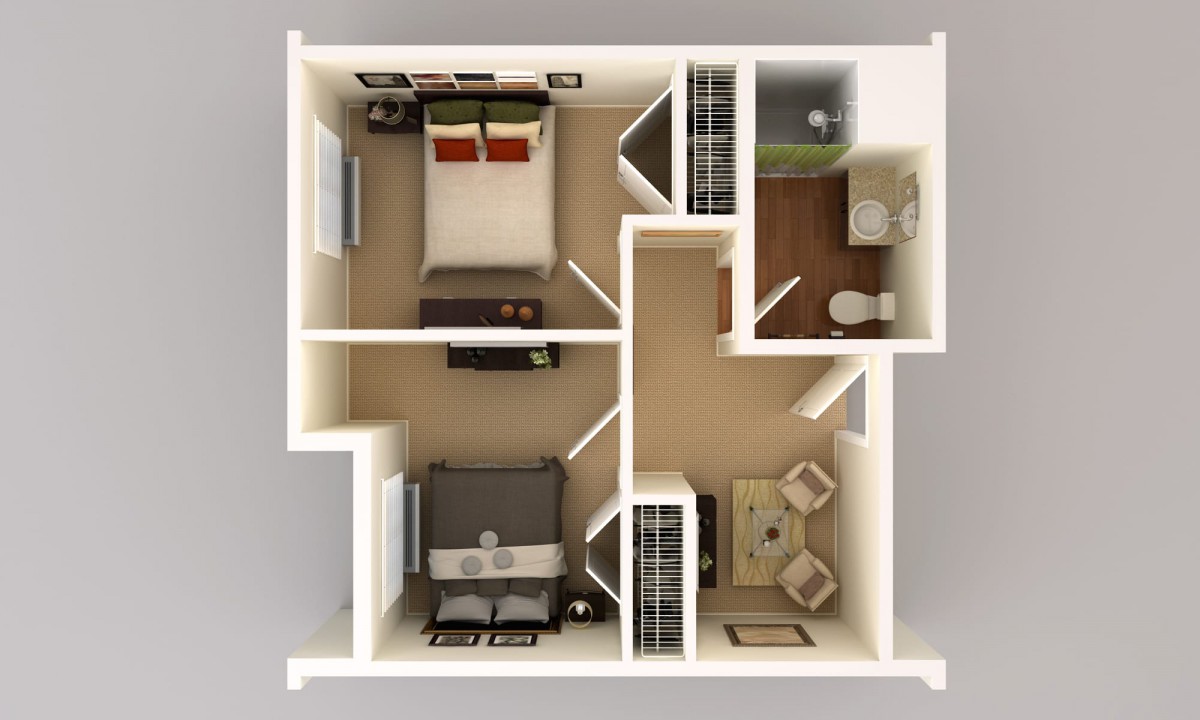
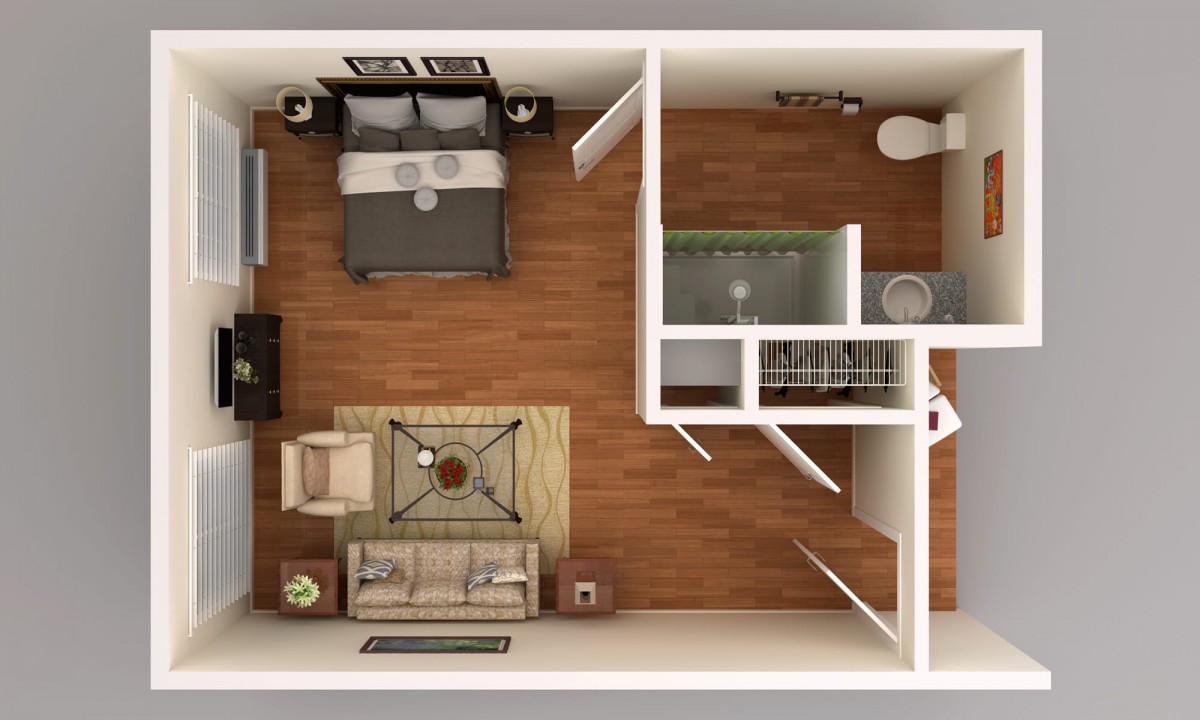
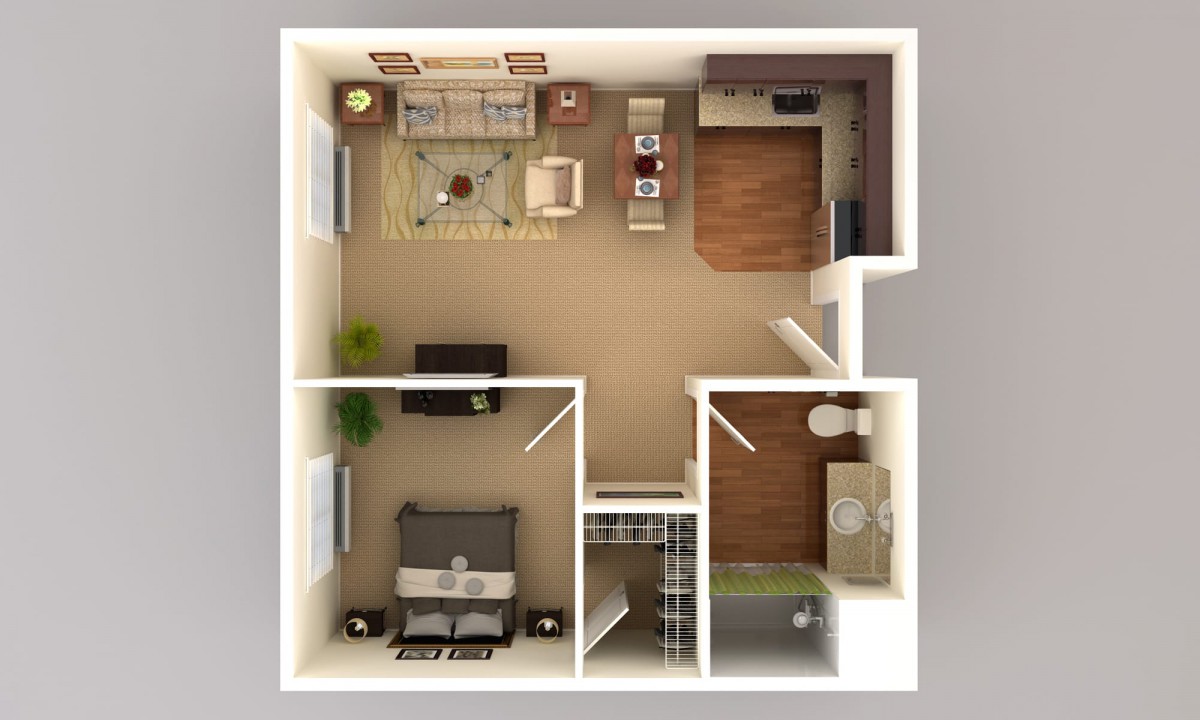
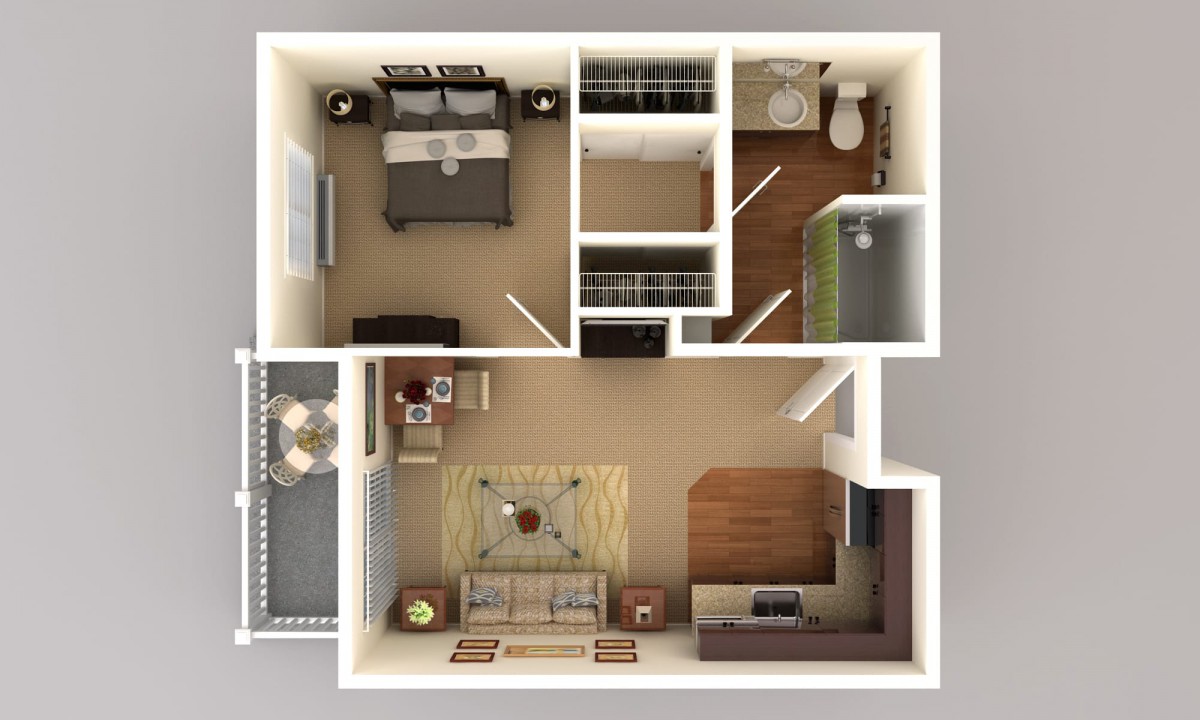
Floor plans
Three Oaks Assisted Living and Memory Care
McHenry County
Illinois
Studio
$3,425
$5,004
$4,028
1 Bedroom
$4,420
$3,830
$3,527
2 Bedrooms
$6,620
$4,187
$4,208
Memory care communities with a similar price nearby
Overall Review of Three Oaks Assisted Living and Memory Care
common48 reviews mention this
Staff care is a frequent standout
Residents and families repeatedly describe attentive, caring, and responsive staff.
Across many reviews, families say the staff is kind, professional, and goes out of their way to help with daily needs and questions. In memory care, residents are described as being checked on regularly, with staff encouraging participation in activities and helping with mealtimes. Several reviewers also mention clear communication with families during transitions, plus reassurance that loved ones are safe and cared for.
common22 reviews mention this
Dining gets consistent praise
Dining is a common positive, with residents described as enjoying the meals.
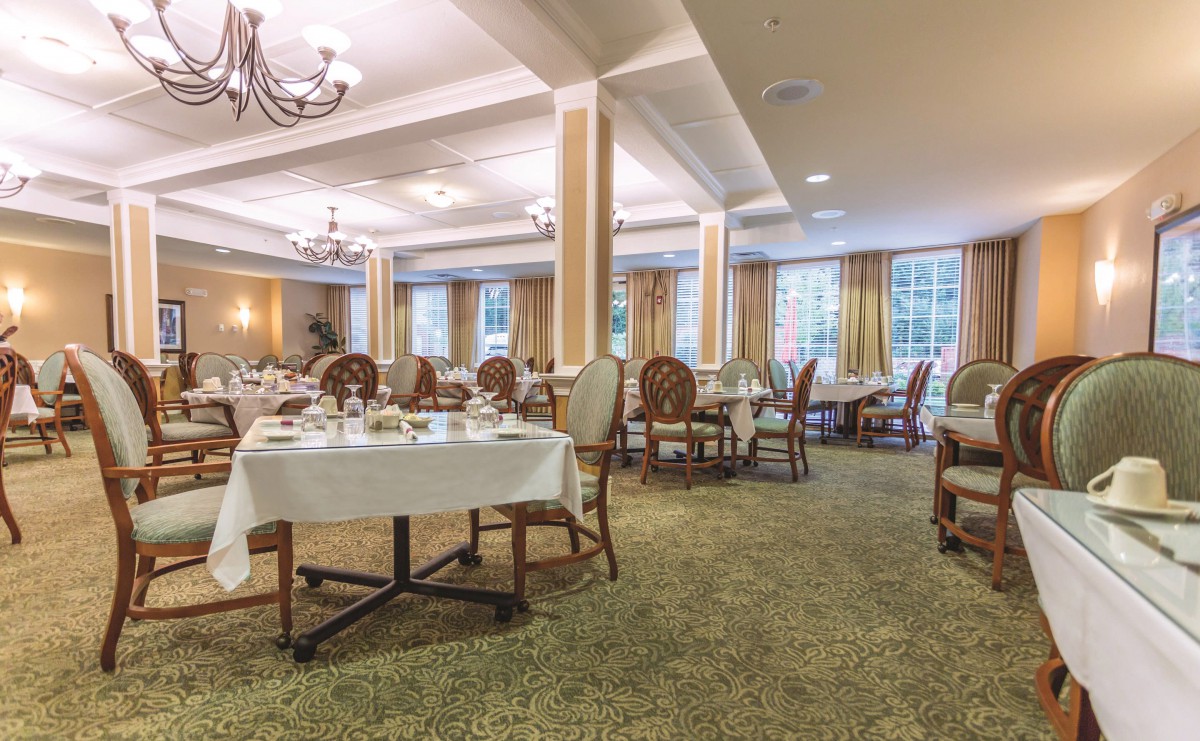
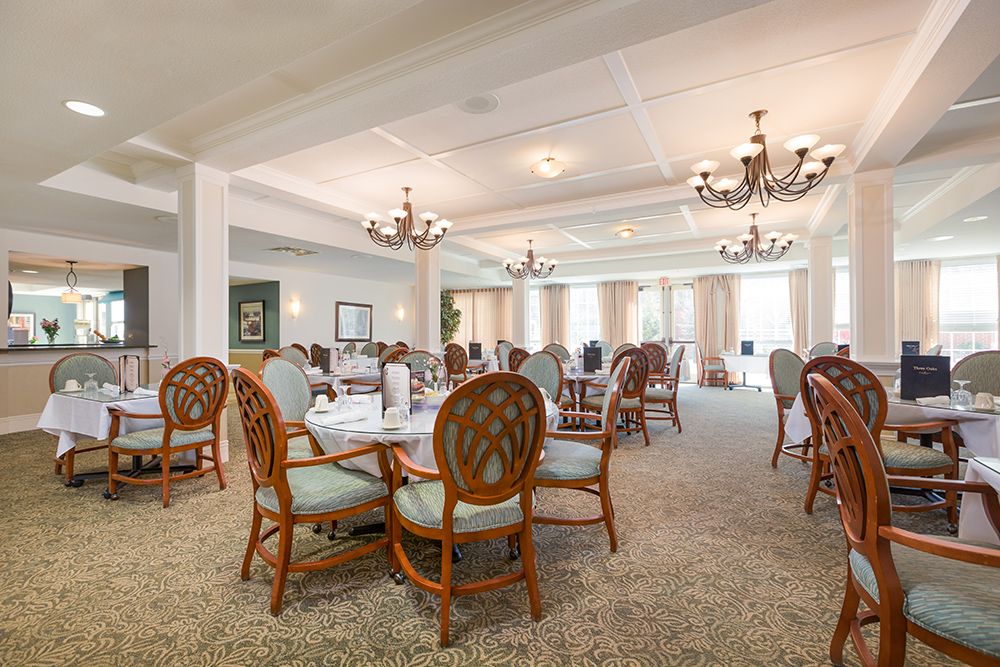
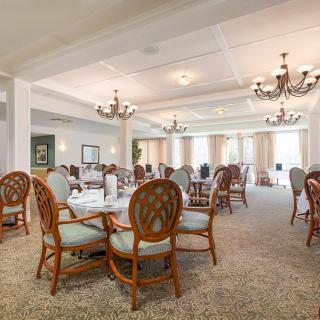
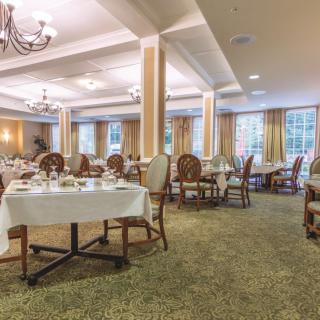
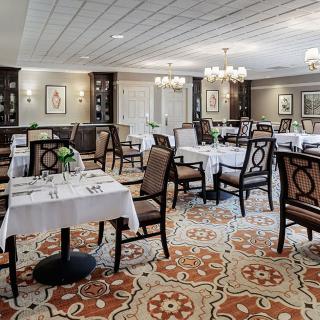
Many reviews highlight the dining room and the quality of the food, including comments that meals are delicious and enjoyable. Some families specifically mention personalized service at mealtimes, and others describe how the menu options support dietary needs. Overall, dining appears frequently in positive experiences both during visits and after move-in.
common18 reviews mention this
Activities keep residents engaged
Reviews frequently mention regular activities and social opportunities.
Several residents and families say there are plenty of activities to keep people busy, including off-site outings and on-site events. Reviews also describe recurring programs like group entertainment, church and devotional activities, and activities designed to support memory and engagement. A few reviewers note that activity variety may feel limited at certain times, but many still describe a steady schedule.
differentiator14 reviews mention this
A clean, updated community feel
Multiple reviews emphasize a clean, bright, and refreshed environment.
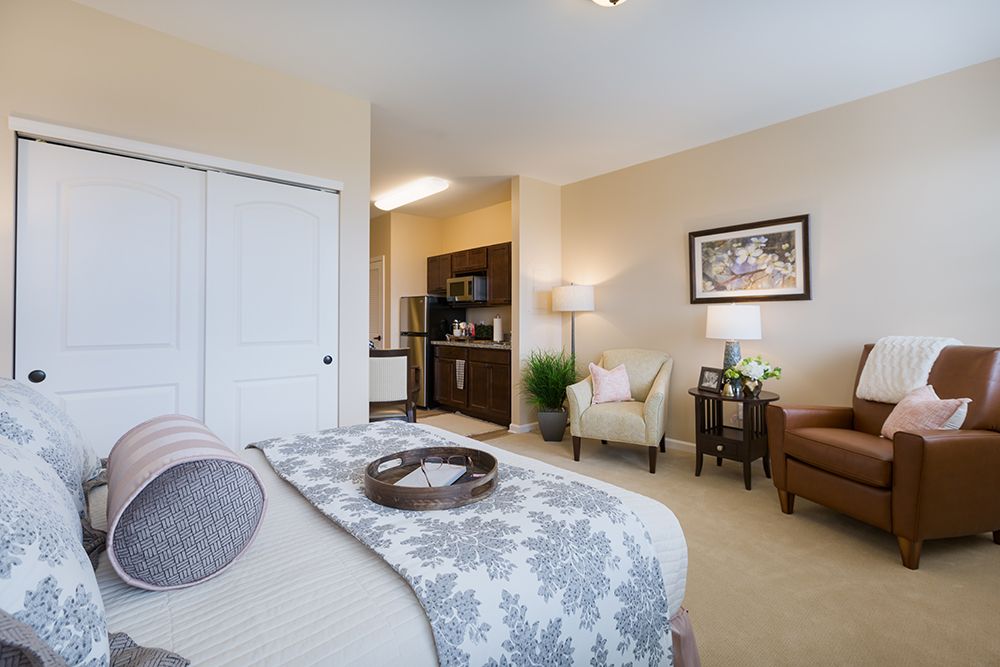
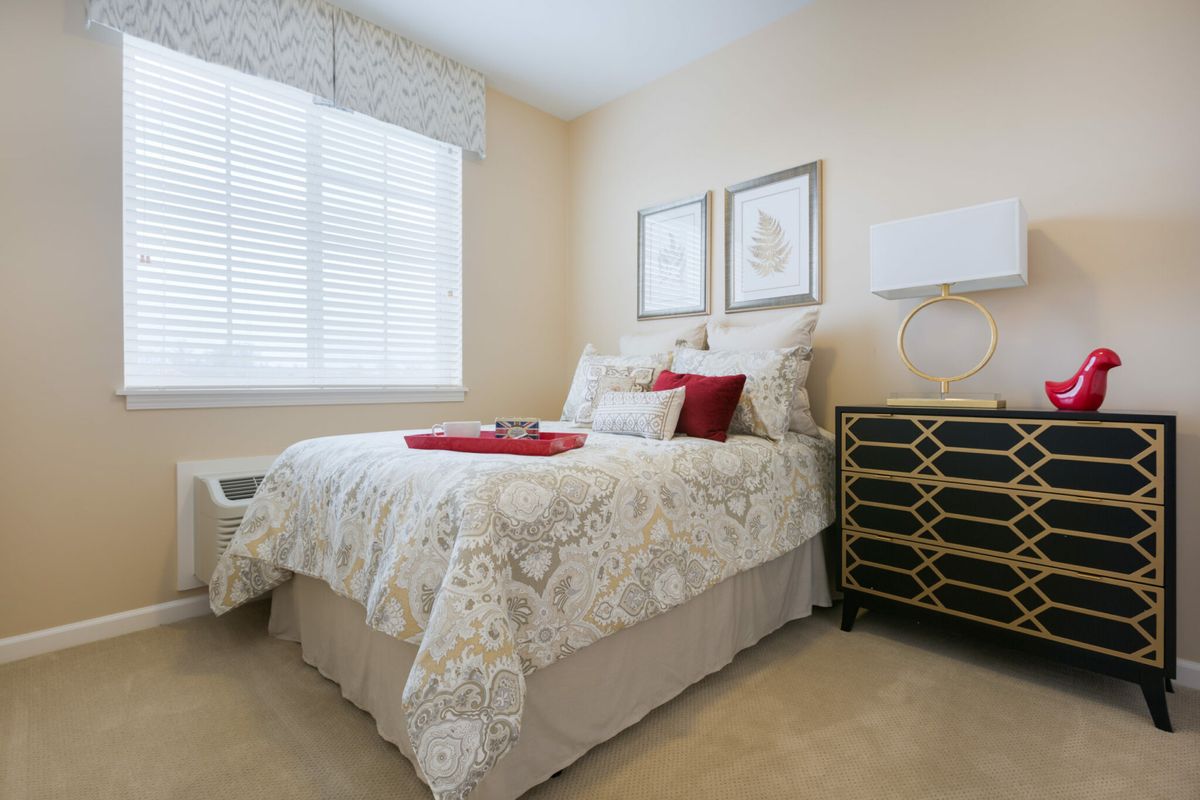
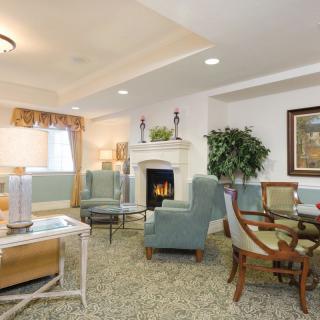
Many reviewers describe the facility as clean and well maintained, with bright common areas and recently updated spaces. Several also mention refurbished rooms and an overall modern look, and a number of people say it feels welcoming and comfortable. Some reviews add that apartments and community spaces support ease of daily living.
caveat6 reviews mention this
Costs can be a concern
Some families say the pricing can feel high or create budget stress.
A handful of reviews mention cost as a downside or part of a move decision, including references to rent being more expensive than comparisons. Other reviewers say the community was willing to work with them on cost, but the recurring theme is that affordability depends heavily on the individual situation. In the worst experiences, cost is also tied to unexpected needs after move-in.
How we summarize
Counts show how many written reviews mention each theme; a review can touch several themes, and only frequently mentioned themes are displayed.
Features
Housing
94 resident community capacity
1-bedroom apartments
2-bedroom apartments
Studio apartments
Types of Care
Assisted Living
Memory Care
Respite Care
Amenities
Activities off-site
Activities on-site
Air-conditioning
Beautician on-site
Beauty salon
Cable or satellite TV
Computer center
Devotional services off-site
Devotional services on-site
Dining room
Financing advice
Fitness room
Fully furnished
Gaming room
Garden
Ground floor units
Guasts at mealtime
Guest parking
Handicap accessible
Home sale assistance
Housekeeping services
Indoor common areas
Kitchenette
Laundry
Move-in coordination
Outdoor common areas
Outdoor space
Overnight guests
Party space
Private bathrooms
Private cleaning services
Resident parking
Respite or short term stays offered
Restaurant-style dining
Small library
Spa
TV room
Telephone
VA Benefits Consultation
Wellness center
Wheelchair accessible showers
Wi-Fi/high-speed internet available
Transportation
Chicago O'Hare International (24 miles away)
Community operated transportation
Transportation & parking
Transportation arrangement
Transportation arrangement (non-medical)
Transportation to doctors appointments
Care Services
12-16 hour nursing
24-hour call system
24-hour supervision
Activities of daily living assistance
Ambulatory care
Assistance with bathing
Assistance with dressing
Assistance with transfers
Diabetes diet
Diabetic care
Incontinence care
Meal preparation and service
Medication management
Mental wellness program
Mild cognitive impairment
Physical therapy
Special dietary restrictions
Specialized memory care programming
Dining
Diabetes diet
Guest meals
International cuisine
Low / no sodium
Meals provided
No Sugar
Professional chef
Restaurant style dining
Room service
Special dietary restrictions
Special dining programs
Activities
Activities off-site
Art classes
Arts and crafts
Bible study group
Book club
Catholic services
Community-sponsored activities
Concierge services
Cooking classes
Cooking club
Day trips and outings
Devotional activities offsite
Devotional activities on-site
Educational speakers / life long learning
Fitness programs
Games
Gardening club
Karaoke
Live musical performances
Live well programs
Other religious services
Planned day trips
Religious services
Resident-run activities
Scheduled daily activities
Stories
Tai Chi
Visiting chaplain or priest
Wii bowling
Yoga / chair yoga
Languages Spoken
English
Nearby Places of Interest
This part of Cary, Illinois offers a convenient and diverse range of amenities for seniors looking to settle in the area. With several pharmacies such as Walgreens and CVS within close proximity, access to essential medications and healthcare supplies is readily available. The presence of various dining options like McDonald's, Portillo's, and Chili's Grill & Bar provides residents with a selection of restaurants to enjoy meals with friends and family. Additionally, the nearby parks offer opportunities for outdoor activities and relaxation in natural settings. Access to reputable physicians, hospitals, and healthcare facilities ensures that seniors have quality medical care within reach. Overall, this area in Cary presents a well-rounded environment conducive to senior living with easy access to essential services and recreational opportunities.
Pharmacies
Walgreens (0.4 miles)
CVS Pharmacy (1.1 miles)
Walgreens (2.8 miles)
Mariano's Pharmacy (4 miles)
Walgreens (4 miles)
CVS Pharmacy (4.1 miles)
Walgreens (4.4 miles)
Restaurants
McDonald's (0.5 miles)
Chuck E. Cheese's (2.1 miles)
Portillo's (2.2 miles)
Around The Clock Restaurant & Bakery (2.5 miles)
Jameson's Charhouse (2.5 miles)
Broken Oar Marina-Bar & Grill (2.8 miles)
Chili's Grill & Bar (3 miles)
Transportation
Metra (0.9 miles)
Metra (3.9 miles)
Parks
McHenry County Conservation District (1.5 miles)
Lions Park (2.2 miles)
Three Oaks Recreation Area (2.9 miles)
Presidential Park (3.8 miles)
Barbara Key Park (3.8 miles)
Larsen Park (4.1 miles)
Towne Park (4.4 miles)
Physicians
IBJI Doctors’ Office - Crystal Lake (2.2 miles)
Family Medicine For McHenry County (2.5 miles)
Illinois Spine Institute (2.9 miles)
McHenry County Orthopaedics Sc (3 miles)
Associates In Integrated Care (3.1 miles)
Northwestern Medicine Primary Care Crystal Lake (3.3 miles)
Three Oaks Assisted Living and Memory Care offers competitive pricing in comparison to both McHenry County and the broader state of Illinois. For a studio, residents can expect to pay $3,425 per month, significantly lower than the county average of $5,004 and the state average of $4,028. In contrast, their one-bedroom option is priced at $4,420, which does exceed both the county's rate of $3,830 and the state's average of $3,527. However, for those seeking more space with a two-bedroom unit at Three Oaks, the monthly cost is set at $6,620 - a figure that surpasses both local and state averages of $4,187 and $4,208 respectively. Overall, while Three Oaks presents an attractive option for studios compared to its competitors, prospective residents should consider their chosen room type when evaluating overall value in assisted living services.
The features offered at Three Oaks Assisted Living and Memory Care play a crucial role in supporting residents with dementia or Alzheimer's by fostering a safe and nurturing environment tailored to their unique needs. The 24-hour supervision ensures that residents are continuously monitored, providing immediate assistance during emergencies or behavioral changes. Activities of daily living assistance, along with help with bathing, dressing, and transfers, promote independence while ensuring dignity and comfort in personal care routines. Incontinence care and meal preparation address essential health and nutritional needs, facilitating overall well-being. Medication management is vital for maintaining health stability through proper adherence to prescribed treatments. Meanwhile, the mental wellness program and specialized memory care programming engage cognitive functions and enhance social interaction, which can alleviate feelings of isolation. Physical therapy can further support mobility and physical health, making a holistic approach to memory care that addresses both physical and emotional challenges associated with mild cognitive impairment or advanced dementia stages.
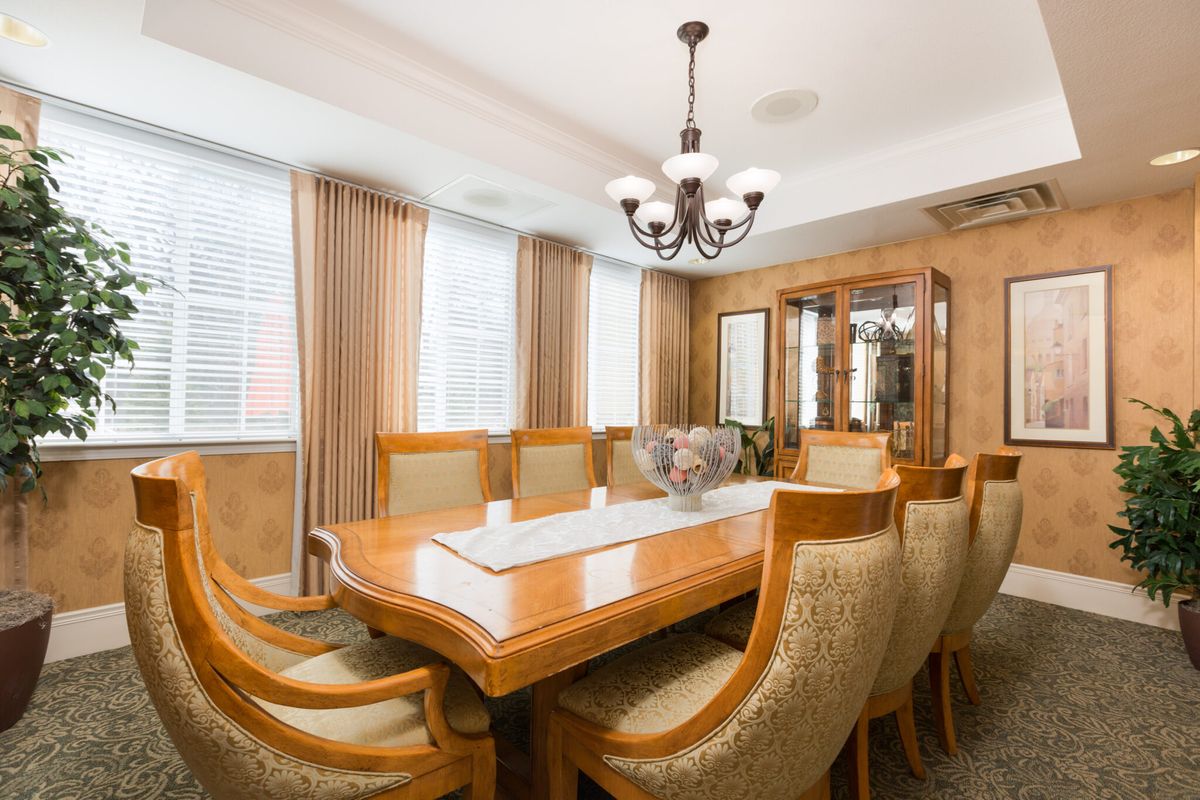
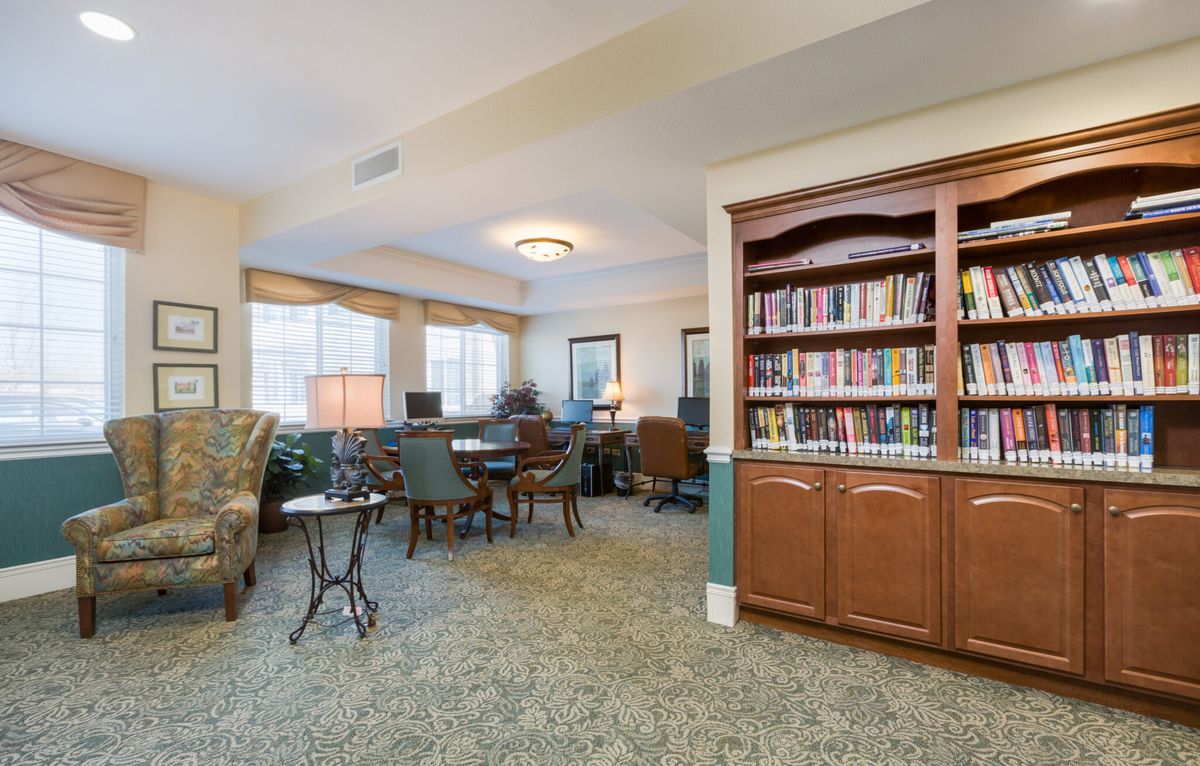
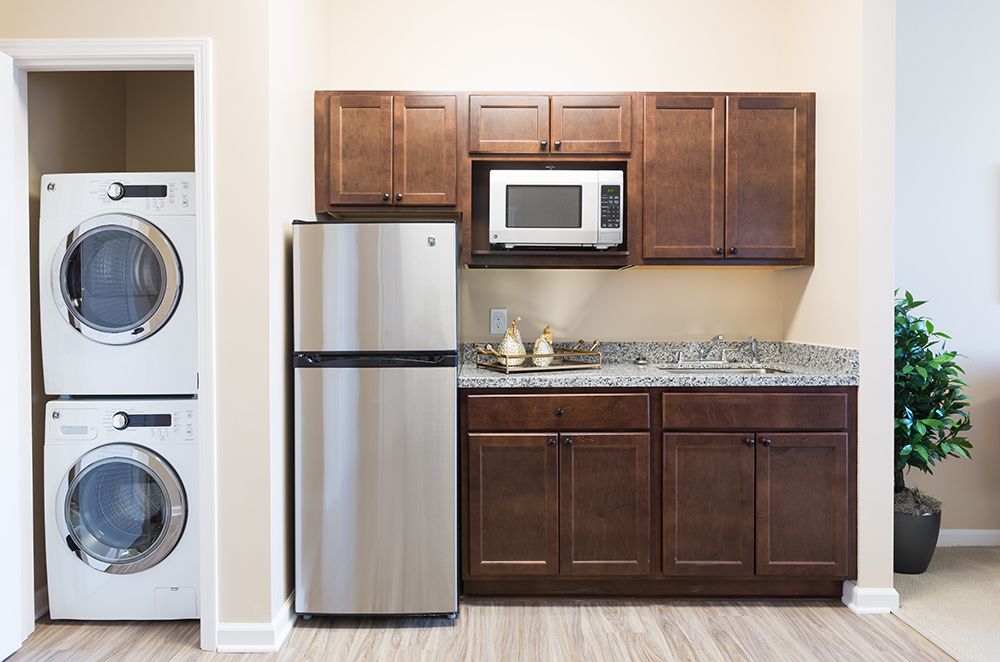
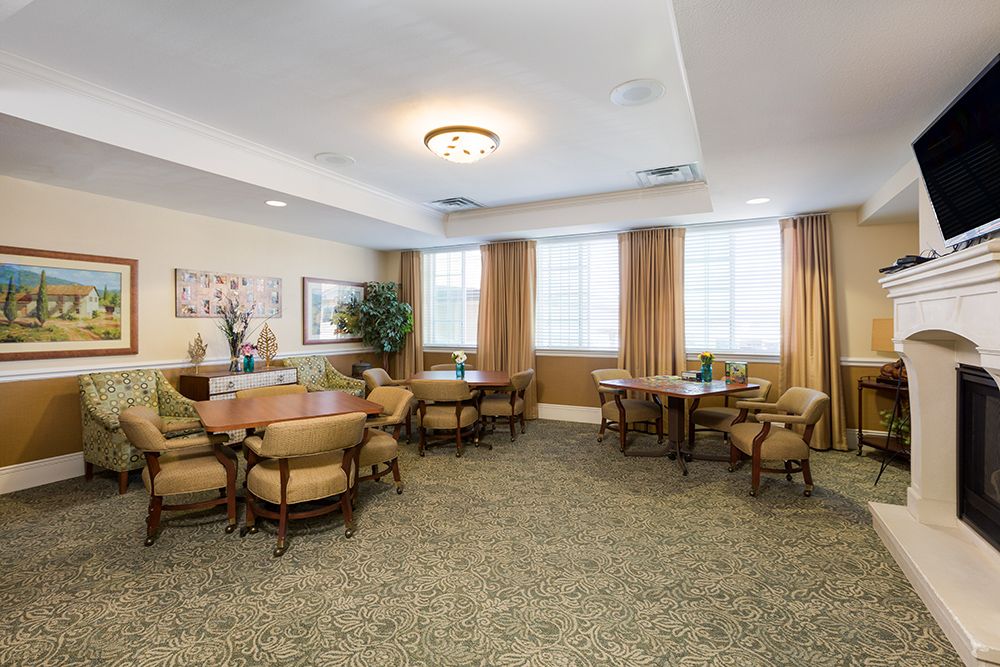
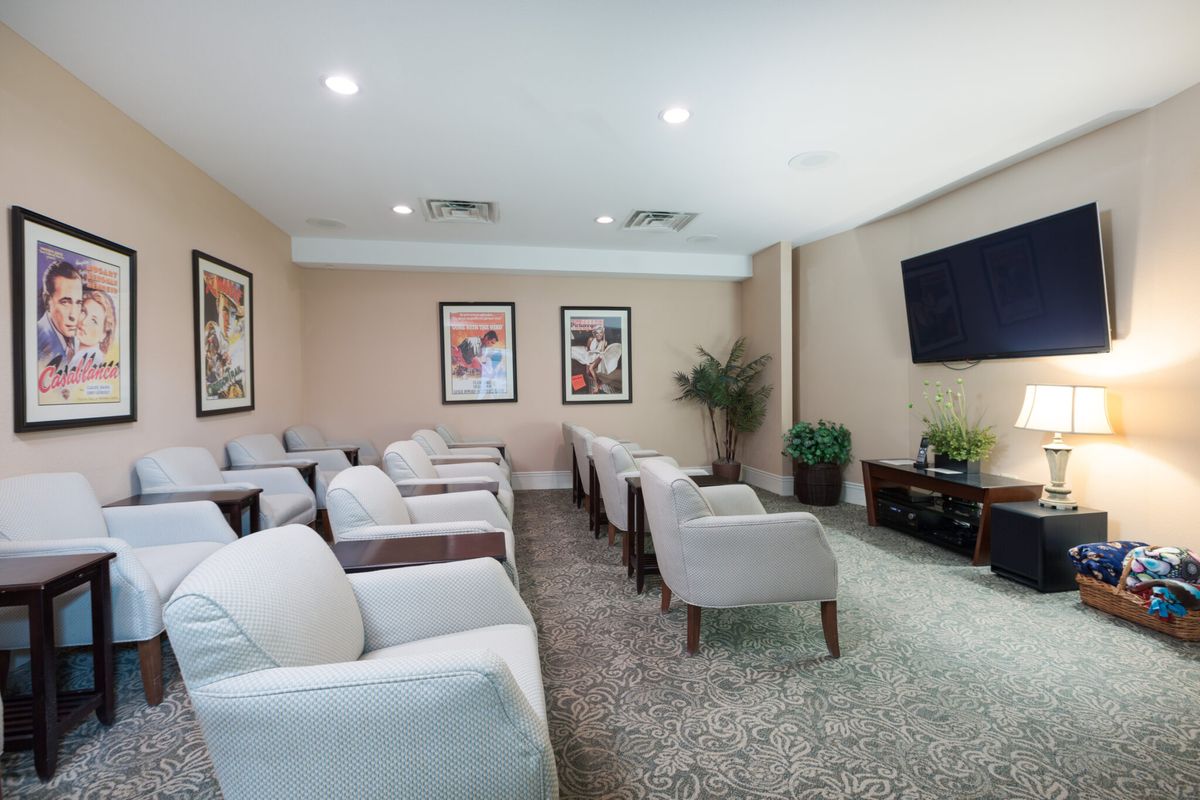
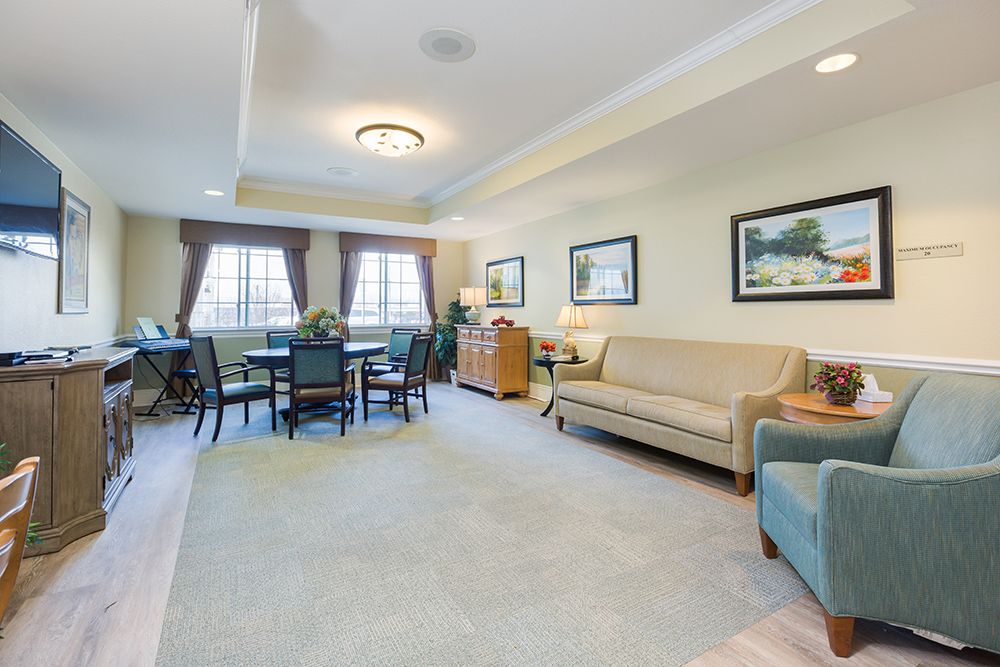
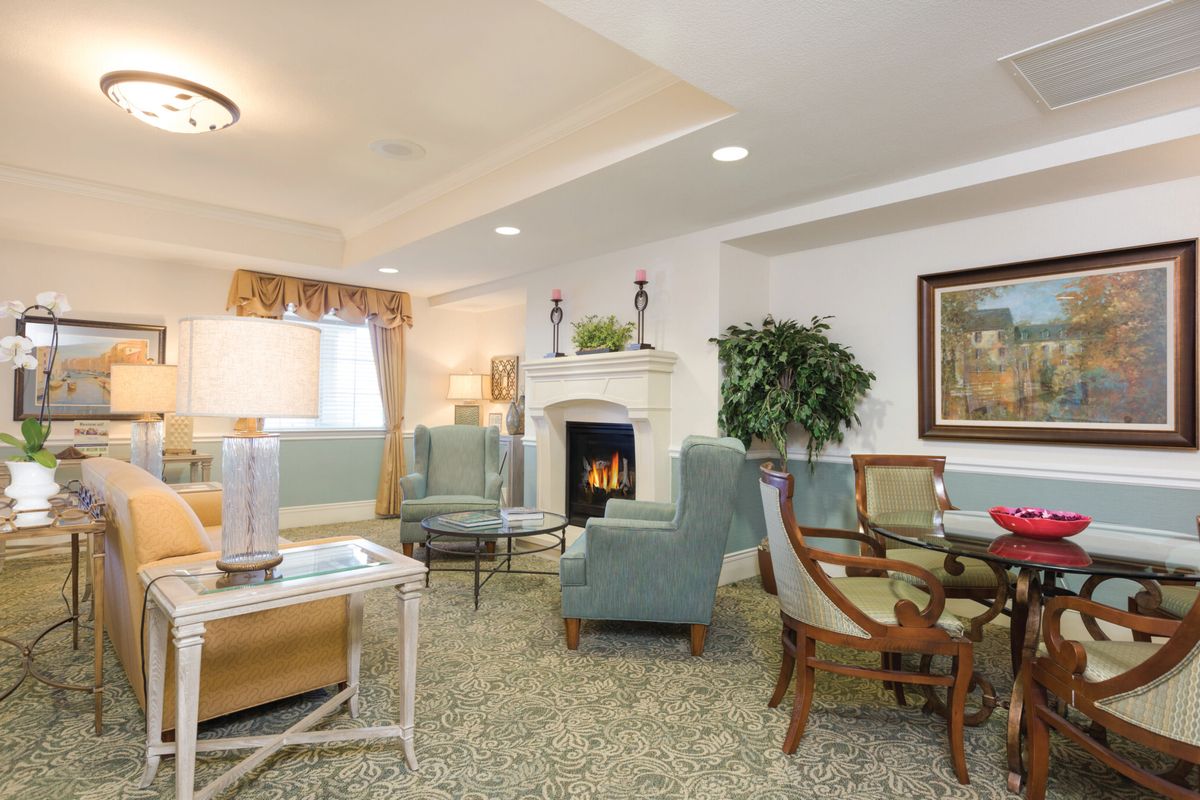
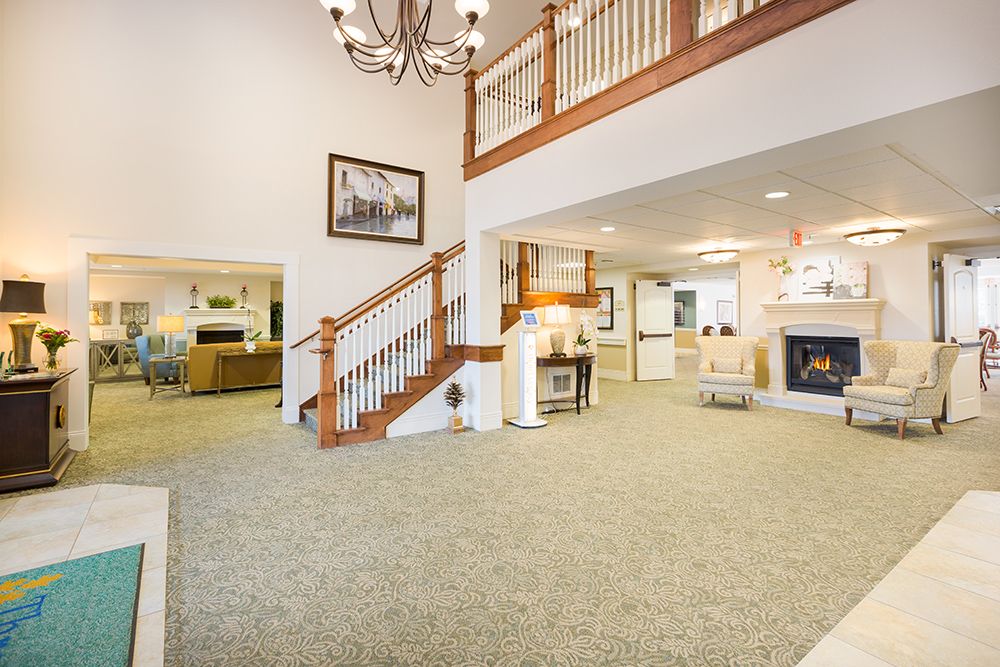
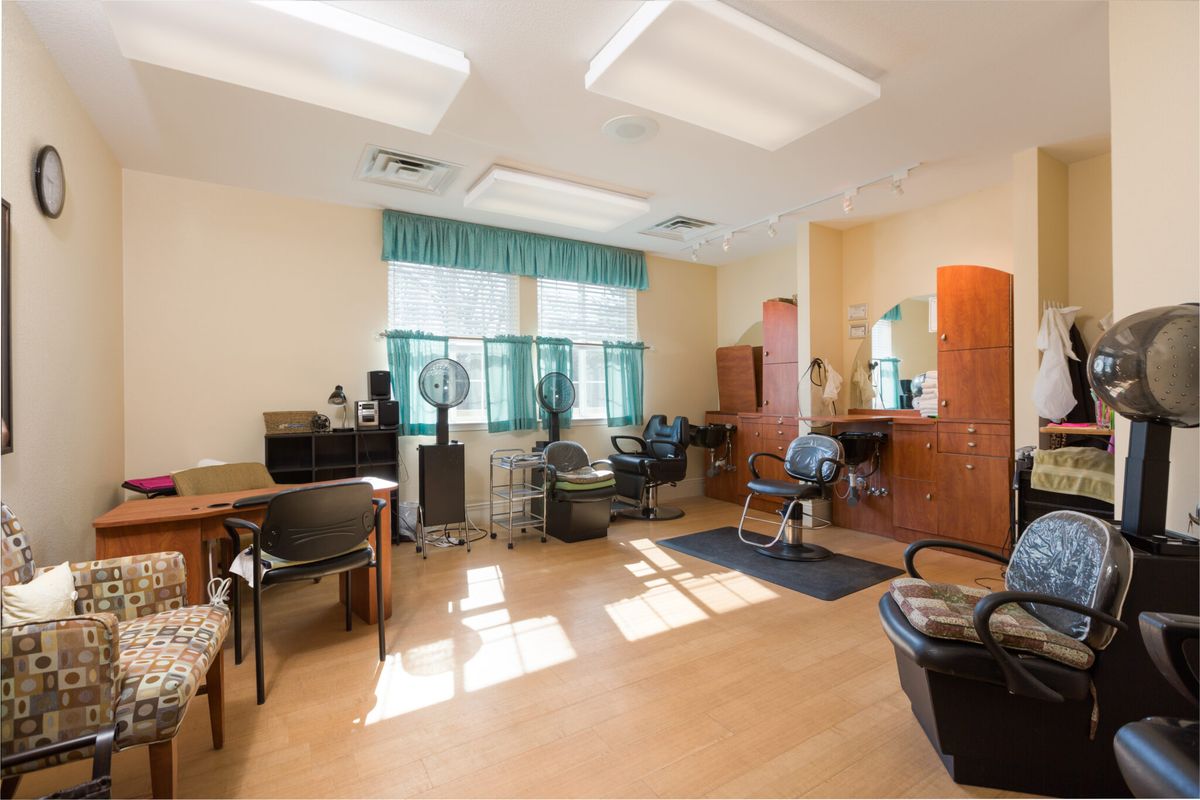
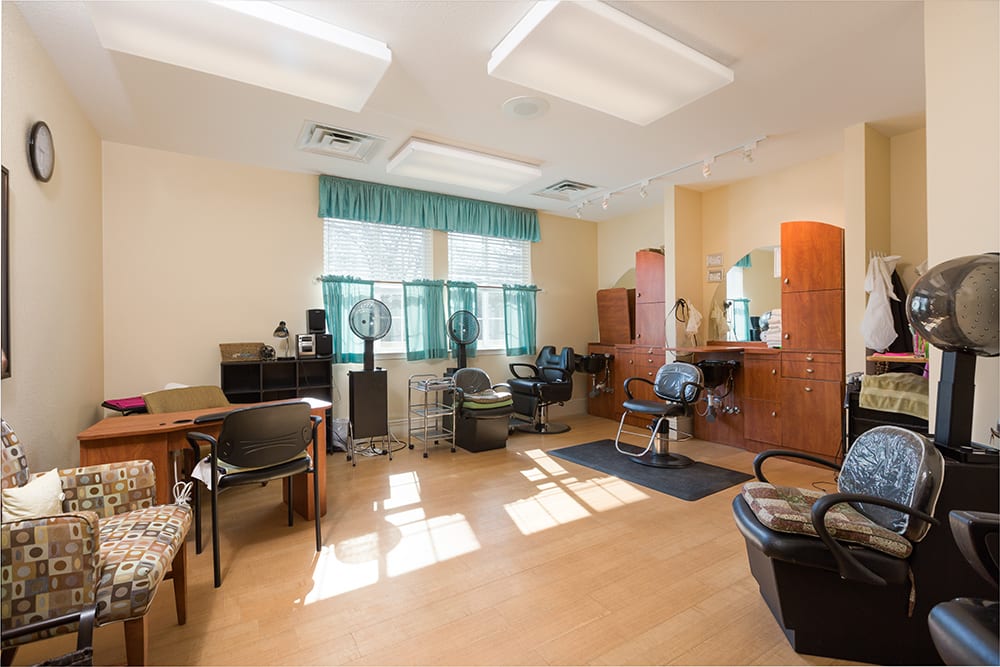
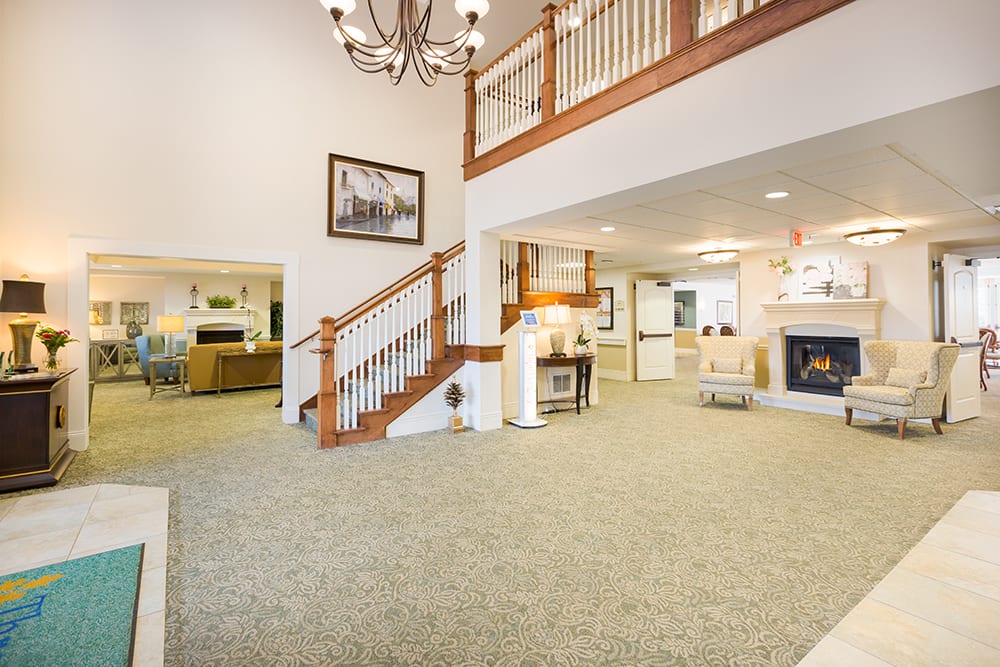
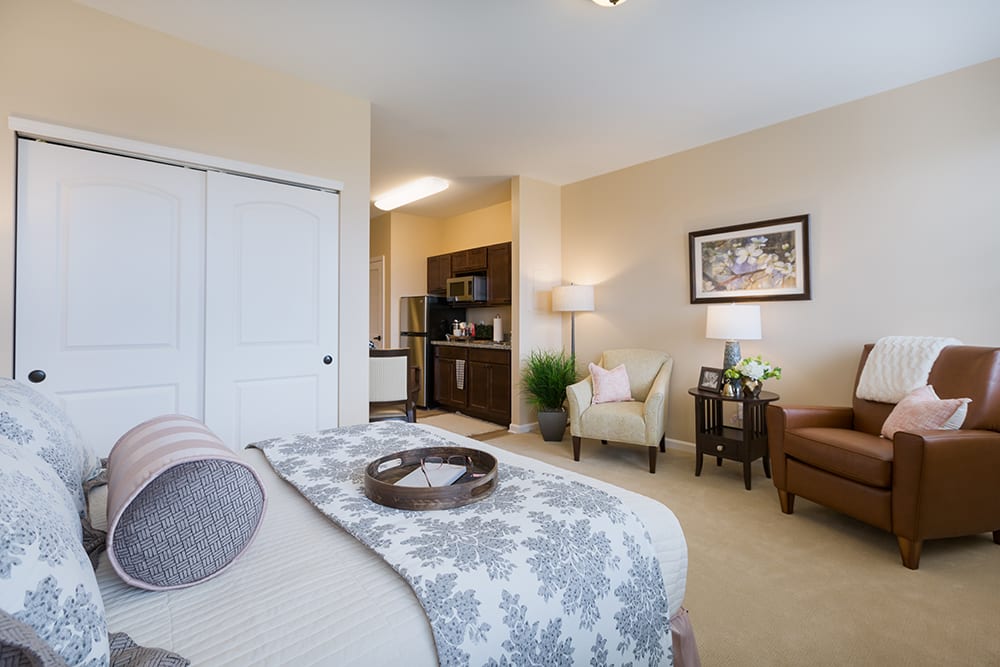
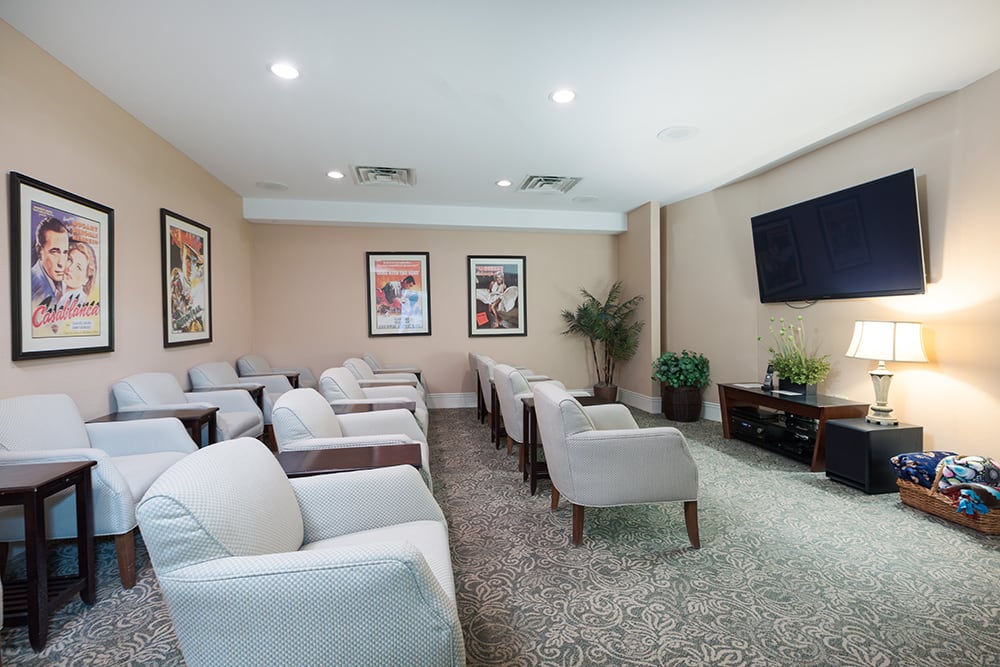
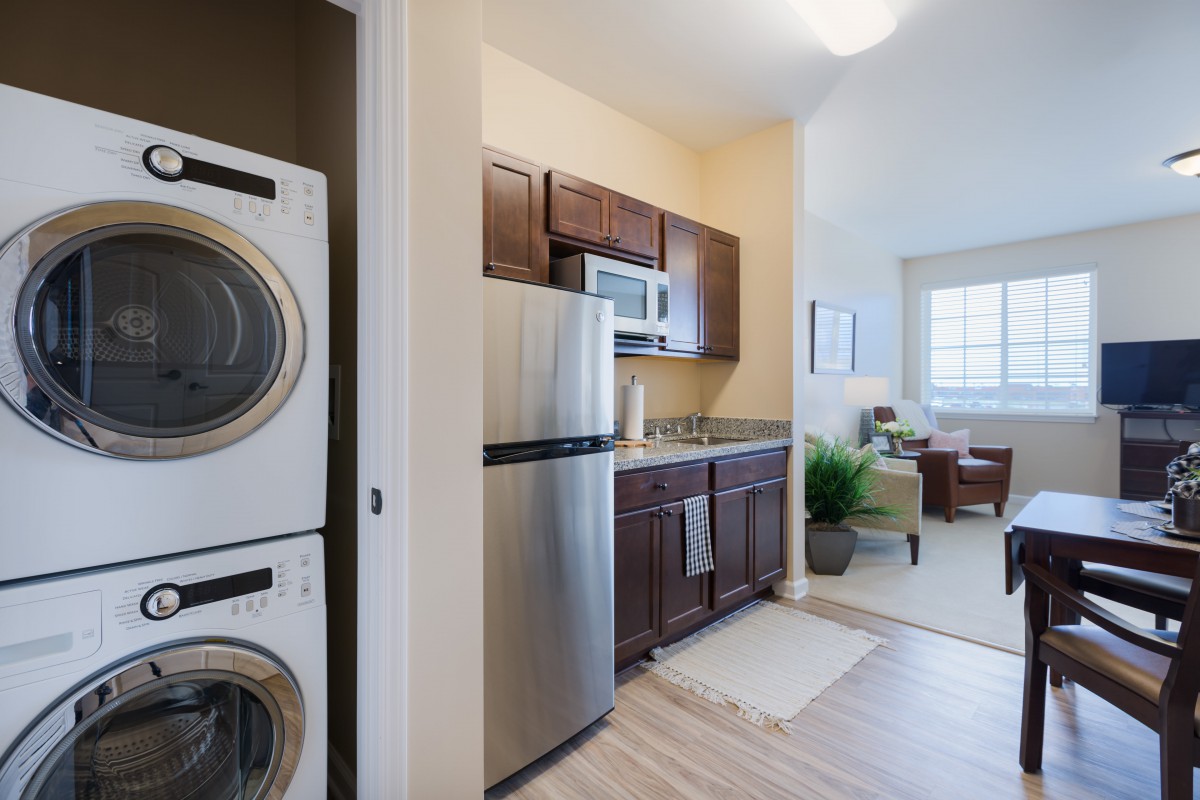
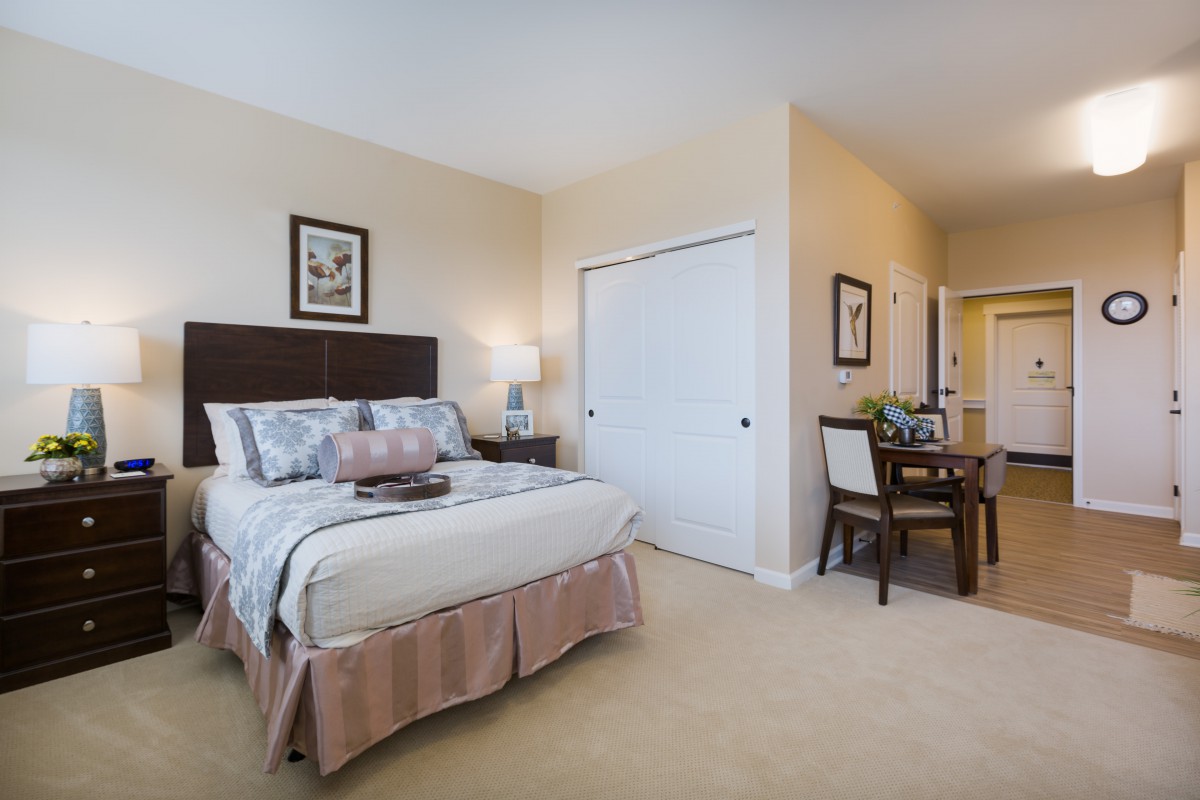
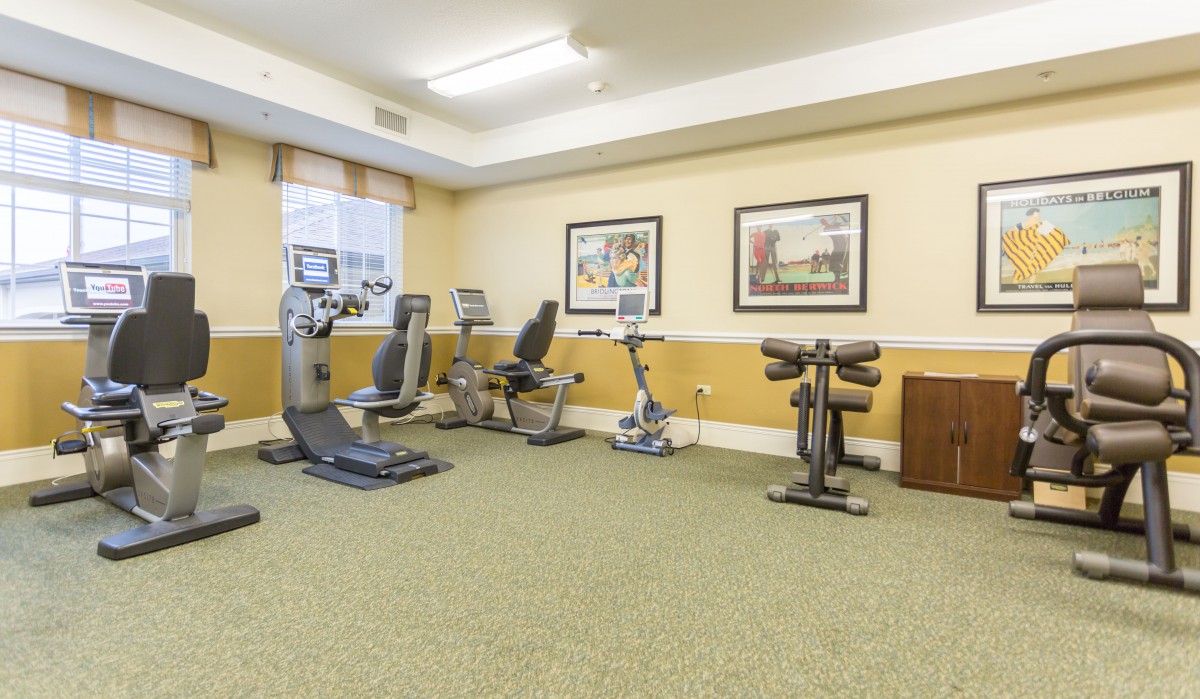
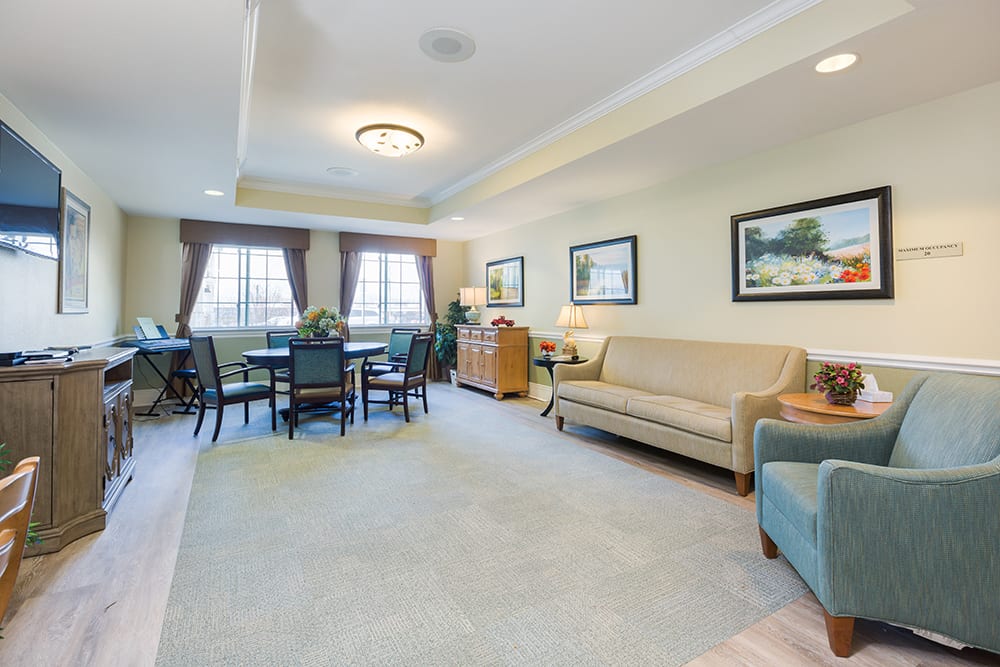
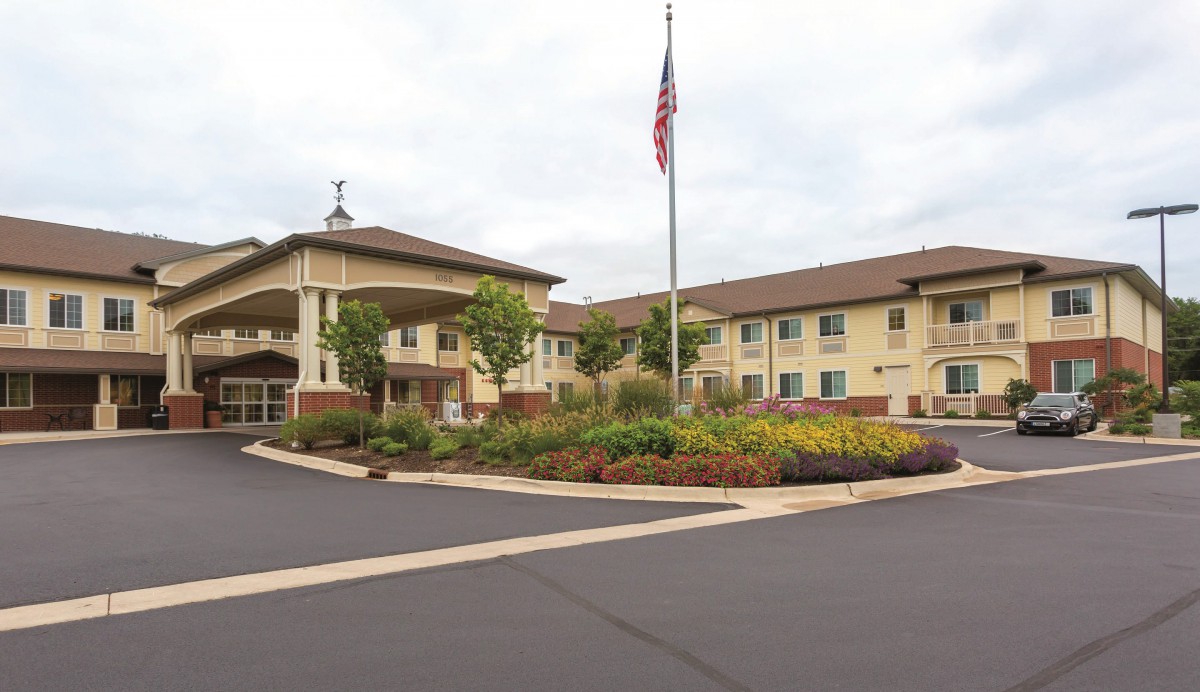
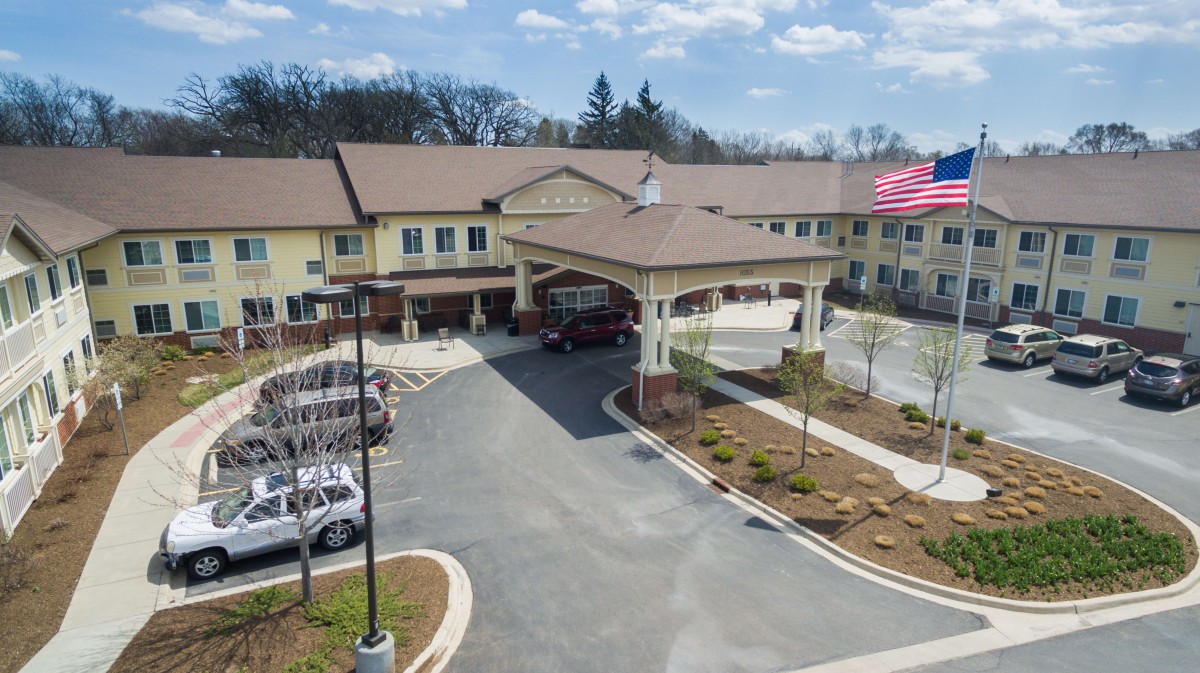
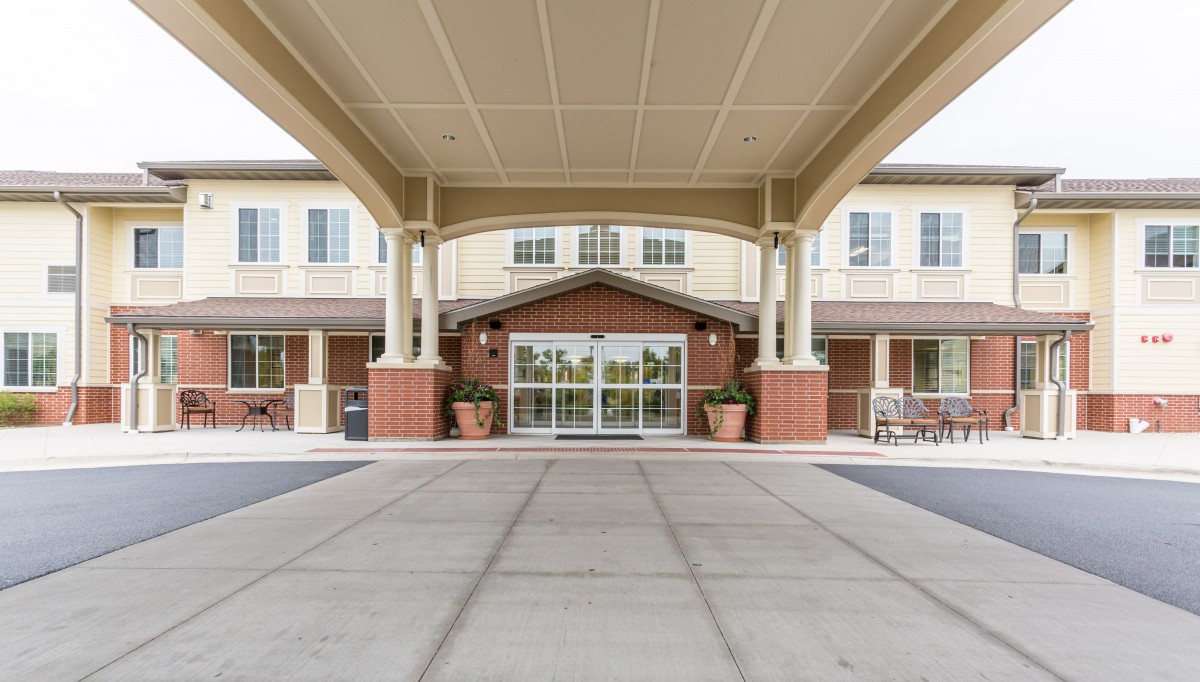
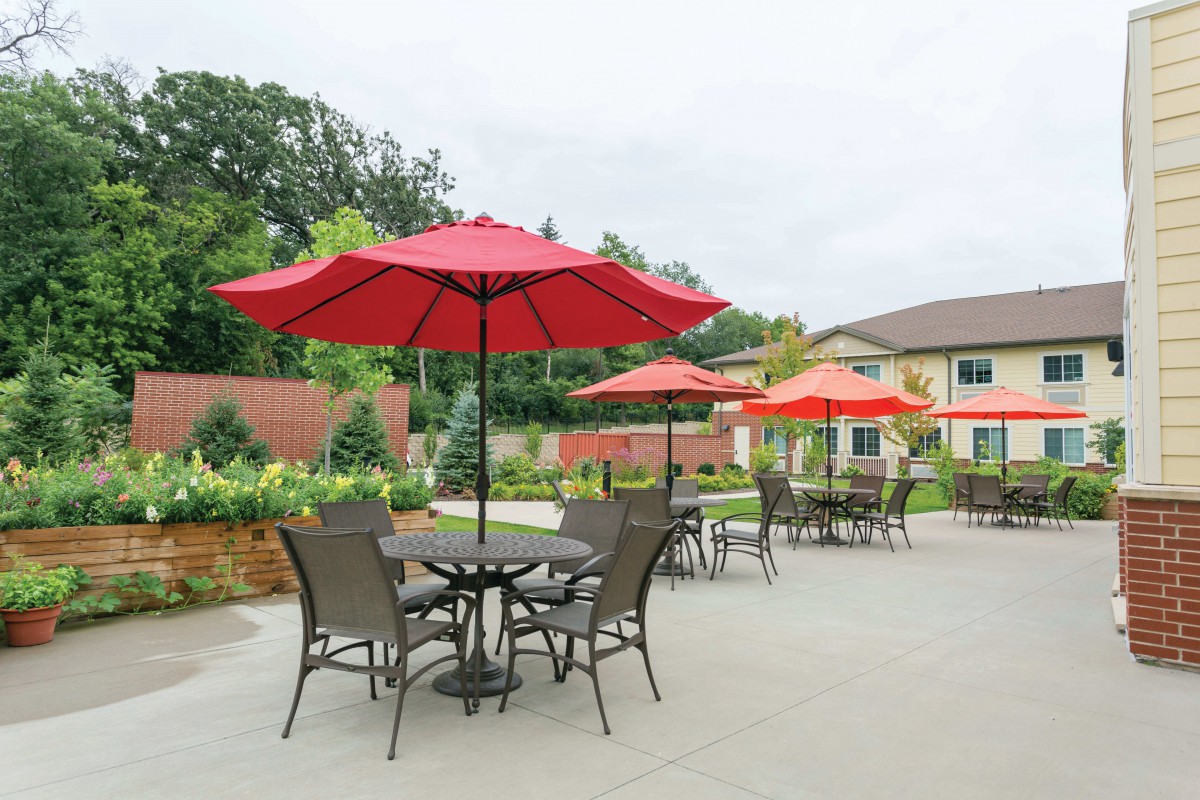
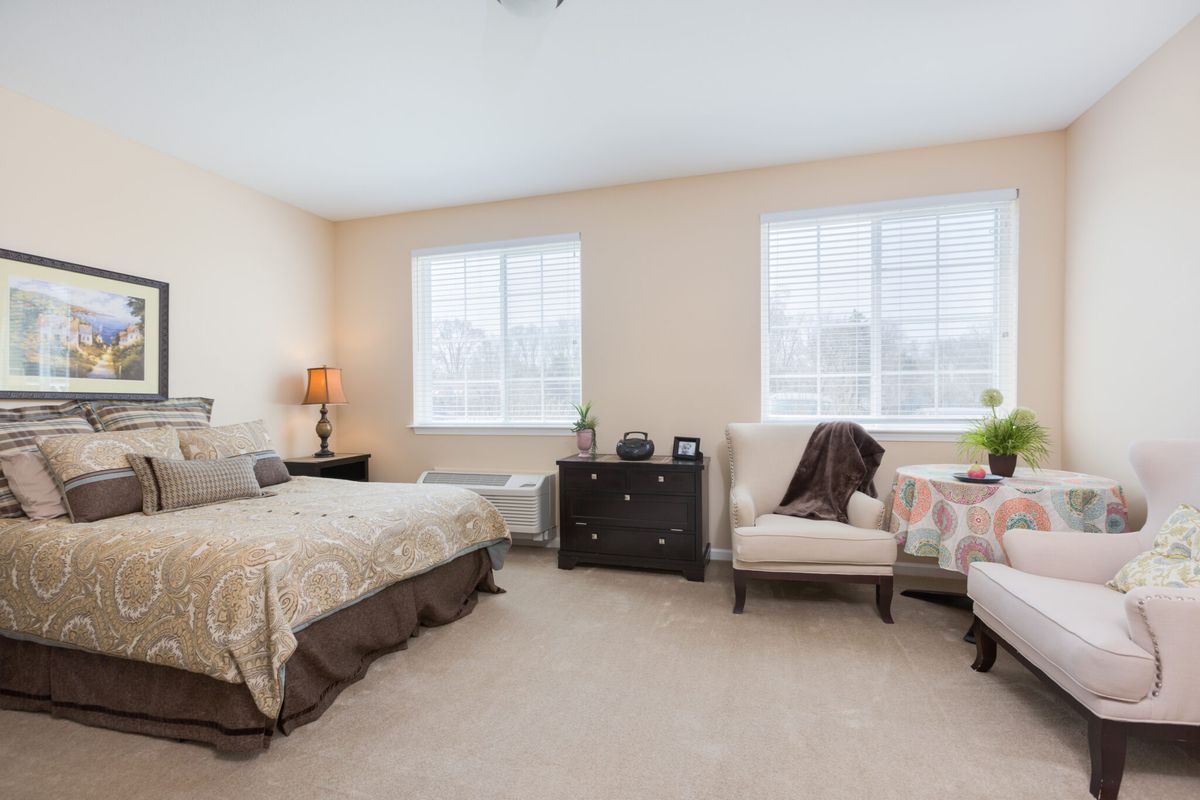
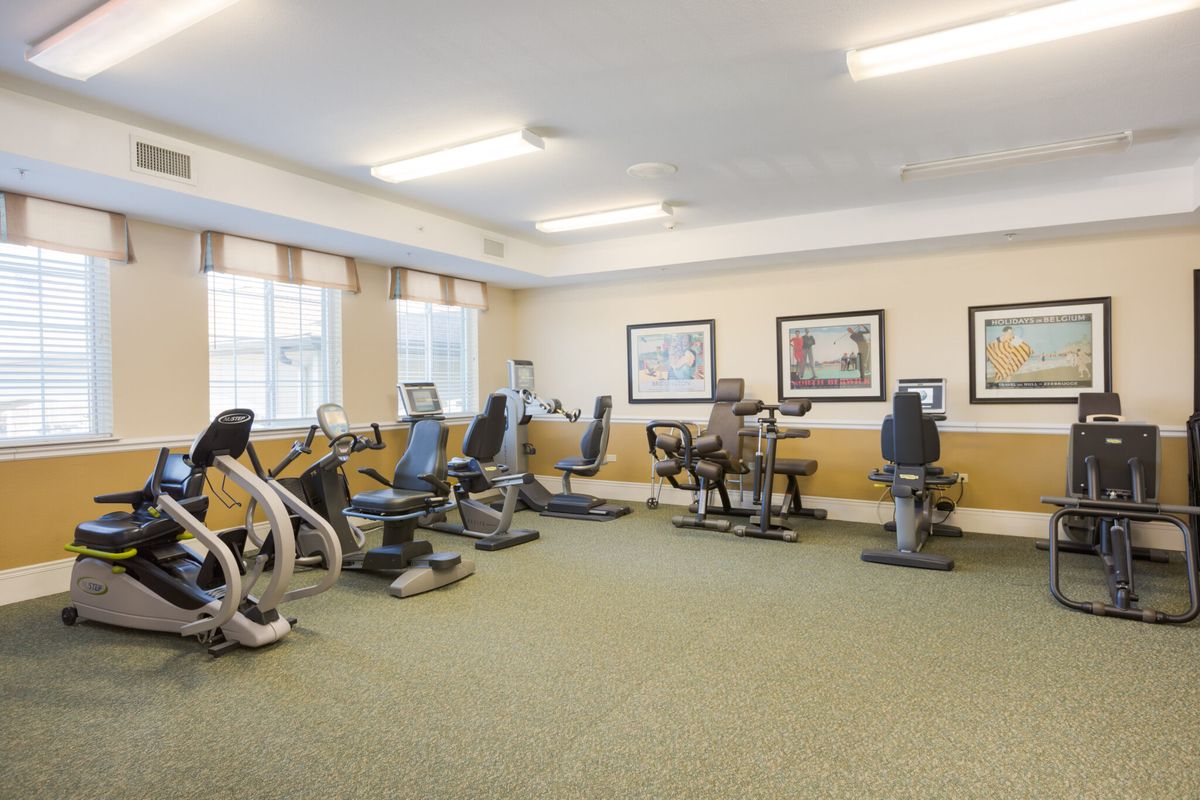
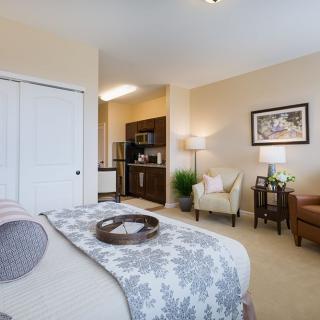
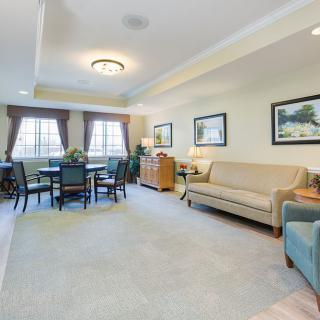
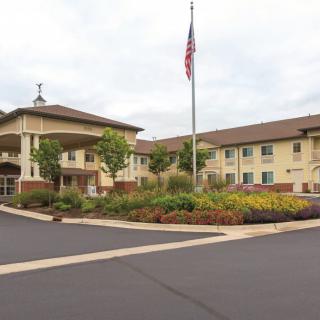
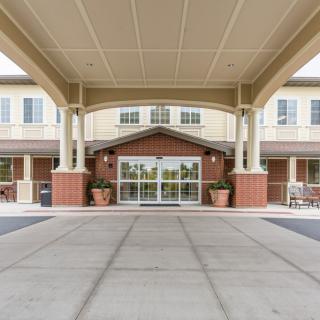
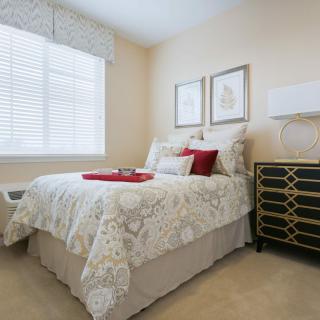
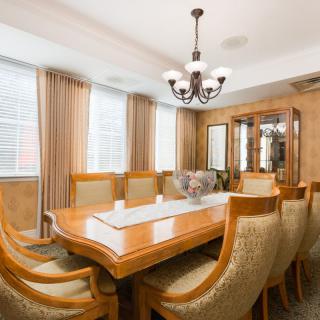
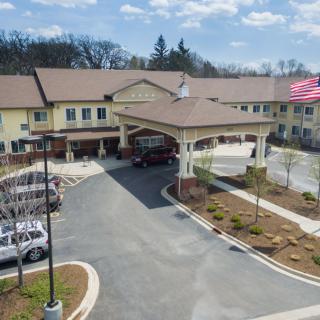
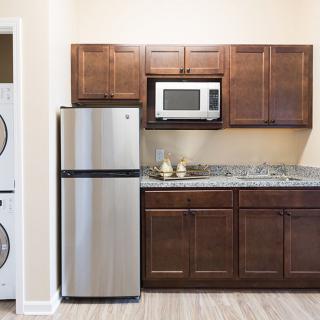
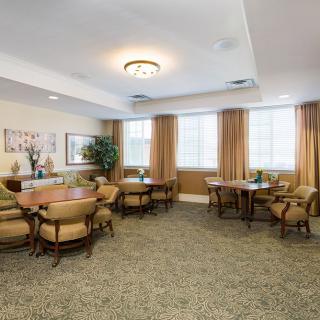
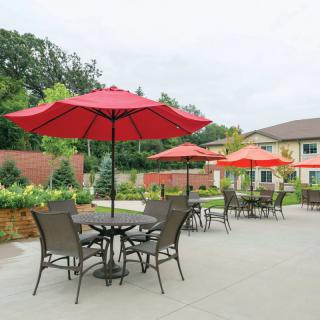
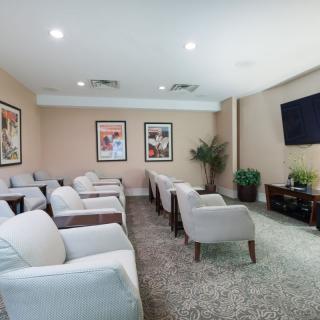
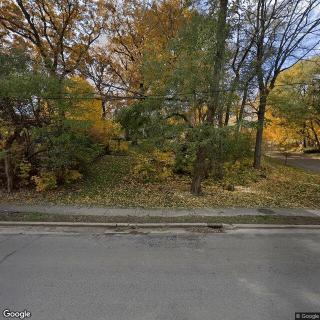
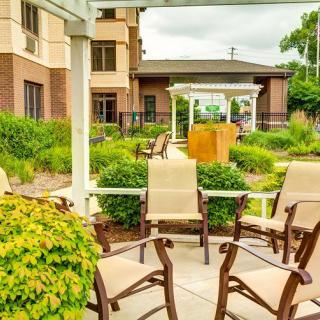
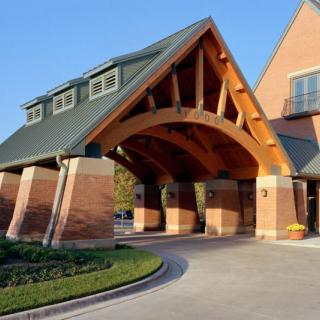
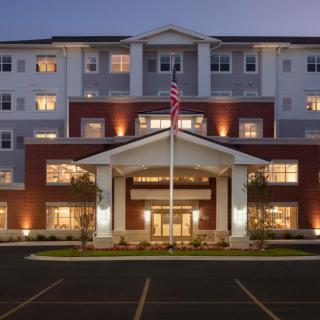
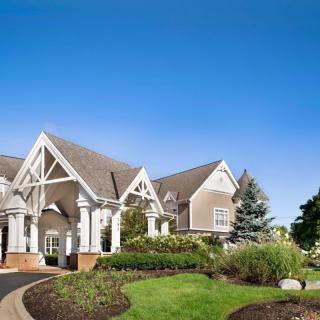
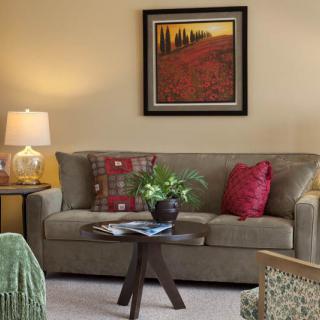
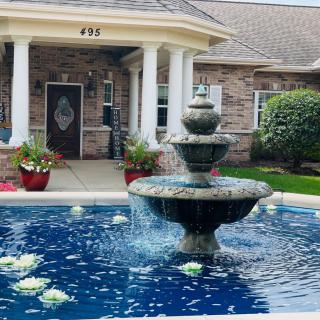
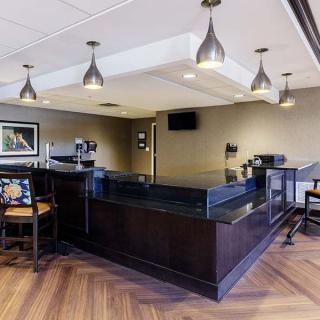
Three Oaks Assisted Living and Memory Care on seniors.fyi includes 32 photos including images showing interior, bedroom, living room, floor plan, windows, decor, artwork, dining, and more.
Nearby Communities
24/7 BrightStar
Cary, IL
4.9 from 60 reviews
Excellent access to healthcare and nearby amenities (pharmacies, physicians, hospitals, restaurants, parks).
Home Instead - Cary, IL
Crystal Lake, IL
4.5 from 55 reviews
Responsive, compassionate caregivers with personalized matching and flexible scheduling.
"Memory Care Pathways: A Holistic Guide to Dementia Support" outlines the complexities of dementia and its various types, emphasizing early detection, patient-centered care strategies, caregiver support, and long-term care options while addressing legal and financial considerations to enhance the quality of life for individuals with dementia and their families.
Sundown syndrome, or sundowning, is a phenomenon in dementia patients characterized by increased confusion and agitation during late afternoon and evening, influenced by factors like disrupted circadian rhythms and fatigue. Effective caregiver strategies include establishing routines and managing environmental light while addressing caregiver stress through support services.
Delirium is a rapidly onset, reversible cognitive disturbance often caused by acute medical issues, while dementia is a gradual and irreversible decline due to chronic neurodegenerative diseases. Accurate differentiation between the two is essential for appropriate treatment and management in older adults.
Exercise Equipment, Gym, Workout Space, and Fitness Room
Salon and Mirrors
Appliances
Bookshelves, Library, and Reading Area
Seating
Flag
Painting
Cabinets and Refrigerator
Dining Table
Open Space and Staircase
Home Design
Stairs
Laundry Room
Open Floor Plan
Potted Plant
Get PricingAsk A QuestionSchedule A TourContact Senior Advisor
By clicking submit, you agree to our Partner's Terms of Use. You
also consent to receive calls and texts, which may be autodialed, from our Partner. Your consent is not a condition to
using our Partner's service. Please visit our Partner's Privacy Policy for information about their privacy practices.




 94 resident community capacity
 1-bedroom apartments
 Assisted Living
 Memory Care
 Respite Care
 Activities off-site
 Air-conditioning
 Beautician on-site
 Cable or satellite TV
 Computer center
 Devotional services off-site
 Dining room
 Financing advice
 Fitness room
 Fully furnished
 Gaming room
 Garden
 Ground floor units
 Guest parking
 Handicap accessible
 Housekeeping services
 Indoor common areas
 Kitchenette
 Laundry
 Move-in coordination
 Outdoor common areas
 Overnight guests
 Party space
 Private bathrooms
 Restaurant-style dining
 Small library
 Spa
Spa Telephone
 Wheelchair accessible showers
 Wi-Fi/high-speed internet available
 Chicago O'Hare International (24 miles away)
 Community operated transportation
 12-16 hour nursing
 24-hour call system
 Ambulatory care
 Assistance with bathing
 Assistance with dressing
 Assistance with transfers
 Diabetes diet
 Diabetic care
 Incontinence care
 Medication management
 Mental wellness program
 Physical therapy
 Special dietary restrictions
 Art classes
 Bible study group
 Book club
 Concierge services
 Cooking classes
 Day trips and outings
 Educational speakers / life long learning
 Games
Games Karaoke
 Live musical performances
 Wii bowling
 English
 Excellent access to healthcare and nearby amenities (pharmacies, physicians, hospitals, restaurants, parks).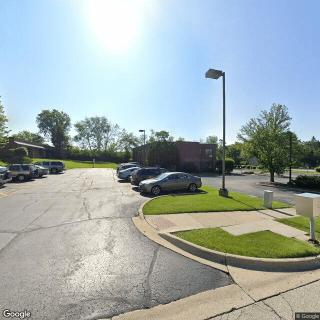
 Memory Care Pathways: A Holistic Guide to Dementia Support
 Comprehending Evening Confusion in Dementia: Causes, Manifestations, and Support
 Delirium and Dementia: Unraveling the Key Differences