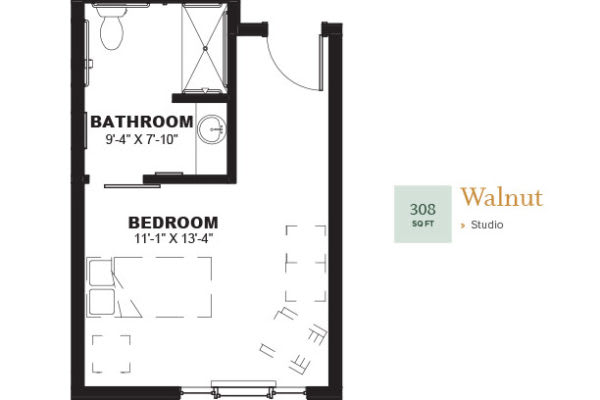
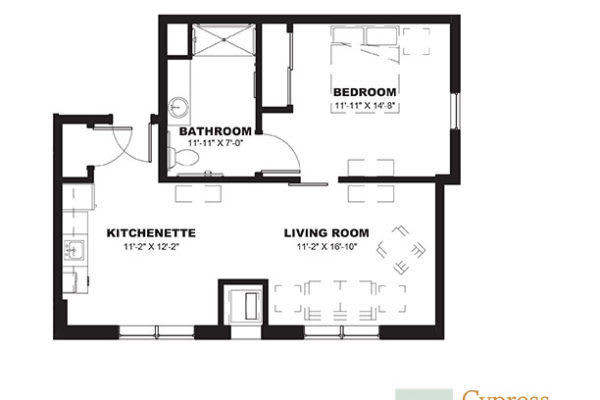
Clarendale of Algonquin offers a range of pricing for its accommodations that reflects the premium amenities and services available to residents. For a one-bedroom unit, the monthly cost stands at $4,400, notably higher than both McHenry County's average of $3,830 and Illinois' state average of $3,527. The semi-private rooms are priced at $5,555, which is slightly above McHenry County's rate of $4,970 but still competitive within Illinois where the average is $5,146. Residents seeking more space can opt for two-bedroom units at $6,170 - significantly exceeding both local and state averages of approximately $4,187 and $4,208 respectively. Lastly, studio apartments are priced at $7,211, presenting a considerable jump from McHenry County's average of $5,004 and Illinois' overall figure of $4,028. This pricing structure indicates not only the quality of life offered at Clarendale but also positions it as a distinctive option in the regional senior living market.
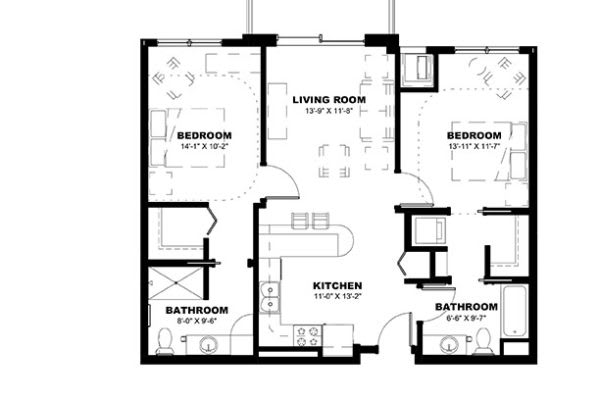
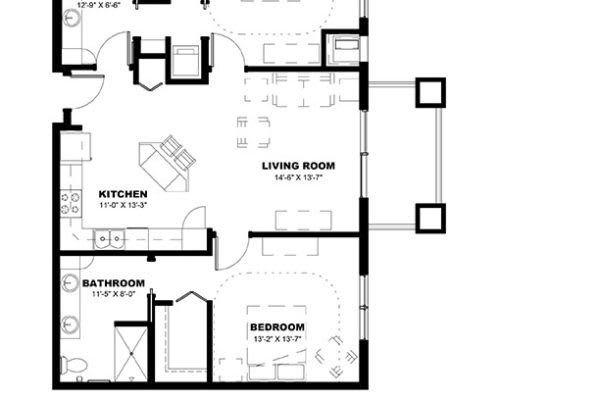
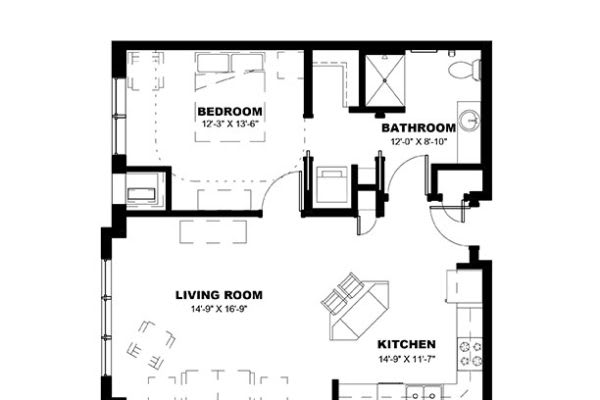
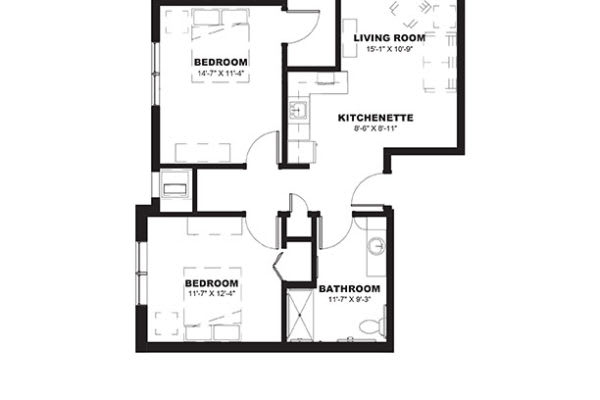
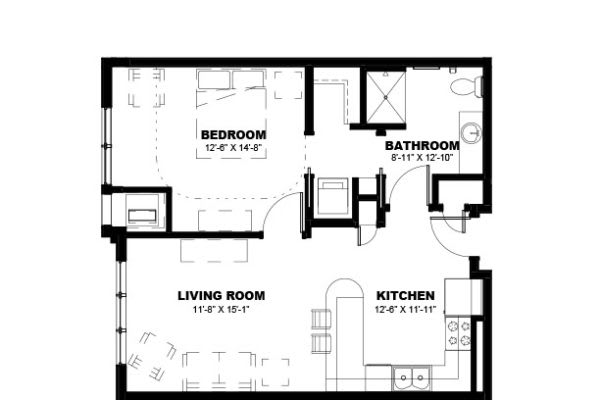
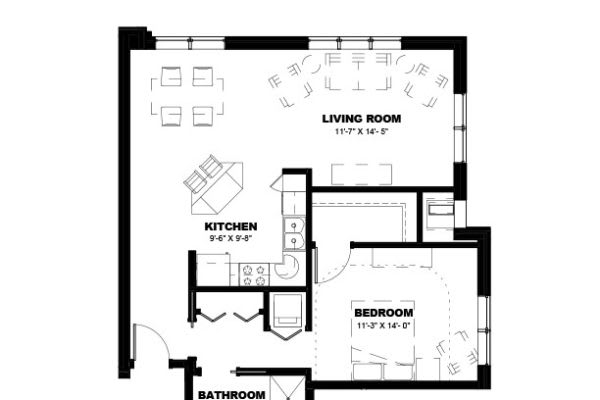
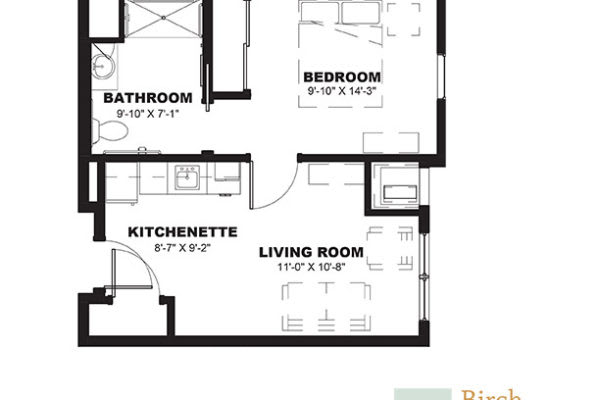
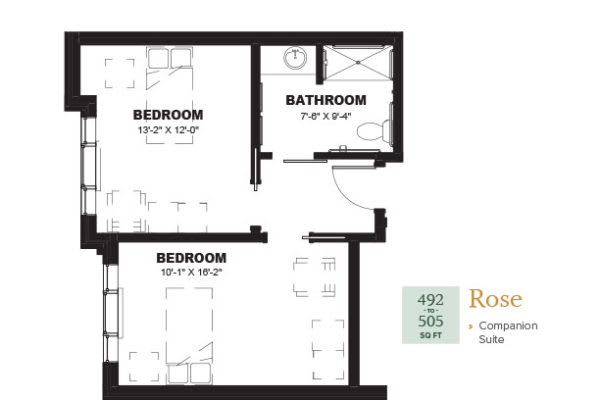
Floor plans
Clarendale of Algonquin
McHenry County
Illinois
1 Bedroom
$4,400
$3,830
$3,527
Semi-Private
$5,555
$4,970
$5,146
2 Bedrooms
$6,170
$4,187
$4,208
Studio
$7,211
$5,004
$4,028
Memory care communities with a similar price nearby
Residents repeatedly praise the quality and presentation of meals.
Several residents and families describe the dining as a standout, calling out good flavor and a restaurant-like dining room. Multiple reviews mention fresh, well-prepared meals and a chef-led kitchen feel. The community also offers restaurant-style dining and room service, along with special diet options like gluten-free, low/no sodium, and diabetes-related meals.
common
Staff and nurses are a strong point
Many reviewers describe caring, helpful staff and prompt attention.
Across reviews, residents and families frequently mention staff members who are friendly, attentive, and willing to help. Some also highlight personalized care experiences, including help with daily needs and medication management. At the same time, one or two negative reviews point to serious breakdowns in care in memory care, including concerns about neglect and insufficient engagement.
common
Activities keep residents engaged
A busy calendar of activities shows up often in reviews.
Many reviews mention the community’s active schedule, describing events, outings, and daily programs that help residents stay social and engaged. Families also point to programs like group activities and opportunities to meet other residents. The community’s offering list includes scheduled daily activities, fitness programs, live performances, cooking and educational classes, and day trips and outings.
caveat
Memory care gets mixed feedback
Some memory-care reviews raise concerns about staffing and care quality.
While other families are pleased with care and supportive communication, multiple negative reviews specifically describe memory care experiences that they felt were inadequate. Concerns mentioned include residents not receiving enough basic attention, insufficient engagement in activities, and issues that families associated with delayed or substandard care. These concerns are significant enough that at least one reviewer advises choosing another facility for memory care.
caveat
Pricing runs above nearby benchmarks
Pricing is described as expensive by some families considering options.
A few reviews raise cost concerns, including the sense that the community could be too expensive for their needs. The pricing profile also places units above county and state benchmarks for several unit types, so budgeting may be a key part of the decision. If cost is a deciding factor, it helps to compare what’s included for meals and care levels during tours and move-in discussions.
common
Convenient location for errands
Reviews note easy access to local shopping, doctors, and dining.
Some residents mention being close to restaurants and doctors’ offices, and visitors describe the area as convenient. The community also provides transportation options and includes arrangements to doctors’ appointments. Nearby options include familiar stops like McDonald’s, Panera Bread, Walgreens, and hospitals/clinics within about 0.8 miles in the listings provided.
How we summarize
We summarize when many written reviews mention each theme; a review can touch several themes, and only frequently mentioned themes are displayed.
Features
Housing
110 resident community capacity
1-bedroom apartments
2-bedroom apartments
Studio apartments
Types of Care
Assisted Living
Independent Living
Memory Care
Pets
Cats allowed
Dogs allowed
Amenities
Activities off-site
Activities on-site
Air-conditioning
Bath tubs
Beautician on-site
Beauty salon
Cable or satellite TV
Computer center
Devotional services off-site
Devotional services on-site
Dining room
Fitness room
Full kitchen
Fully furnished
Gaming room
Garden
Garden view
Ground floor units
Guasts at mealtime
Handicap accessible
Housekeeping services
Indoor common areas
Kitchenette
Laundry
Move-in coordination
Outdoor common areas
Outdoor space
Overnight guests
Party space
Private bathrooms
Private patio, deck, or balcony
Respite or short term stays offered
Restaurant-style dining
Small library
Spa
Swimming pool
Telephone
Wellness center
Wheelchair accessible showers
Wi-Fi/high-speed internet available
Transportation
Community operated transportation
Transportation & parking
Transportation arrangement
Transportation arrangement (non-medical)
Transportation to doctors appointments
Care Services
12-16 hour nursing
24-hour call system
24-hour supervision
Activities of daily living assistance
Ambulatory care
Assistance with bathing
Assistance with dressing
Assistance with transfers
Coordination with health care providers
Dementia waiver
Diabetes diet
Diabetic care
High acuity care
Hospice waiver
Incontinence care
Meal preparation and service
Medication management
Mental wellness program
Mild cognitive impairment
Physical therapy
Special dietary restrictions
Specialized memory care programming
Transportation arrangement (medical)
Transportation to doctors appointments
Dining
Diabetes diet
Gluten-free
Guest meals
International cuisine
Low / no sodium
Meals provided
No Sugar
Professional chef
Restaurant style dining
Room service
Special dietary restrictions
Special dining programs
Vegetarian
Activities
Activities off-site
Art classes
Bible study group
Catholic services
Community-sponsored activities
Concierge services
Cooking classes
Day trips and outings
Devotional activities offsite
Devotional activities on-site
Educational speakers / life long learning
Fitness programs
Happy hour
Karaoke
Live musical performances
Live well programs
Planned day trips
Religious services
Resident-run activities
Scheduled daily activities
Wine tasting
Languages Spoken
English
Nearby Places of Interest
Located in Algonquin, Illinois, this neighborhood offers a convenient and accessible environment for seniors looking to settle down. With a variety of dining options including familiar fast-food chains like McDonald's, Wendy's, Taco Bell, and Chick-Fil-A within half a mile, residents can easily satisfy their cravings. For those who prefer a more relaxed setting, cafes such as Panera Bread and Daily Projects are also nearby. Additionally, multiple pharmacies are available within a few miles radius for easy access to medications and healthcare needs. Various medical facilities including pediatric clinics, internal medicine specialists, and plastic surgery centers are located in close proximity for any health concerns. The area also boasts several parks where residents can enjoy outdoor activities or leisurely walks. Transportation options such as the Metra train stations make it convenient for seniors to travel around the area or visit nearby cities. Overall, this part of Algonquin provides a well-rounded and accommodating community for seniors seeking comfort and convenience in their daily lives.
Clarendale of Algonquin offers a range of pricing for its accommodations that reflects the premium amenities and services available to residents. For a one-bedroom unit, the monthly cost stands at $4,400, notably higher than both McHenry County's average of $3,830 and Illinois' state average of $3,527. The semi-private rooms are priced at $5,555, which is slightly above McHenry County's rate of $4,970 but still competitive within Illinois where the average is $5,146. Residents seeking more space can opt for two-bedroom units at $6,170 - significantly exceeding both local and state averages of approximately $4,187 and $4,208 respectively. Lastly, studio apartments are priced at $7,211, presenting a considerable jump from McHenry County's average of $5,004 and Illinois' overall figure of $4,028. This pricing structure indicates not only the quality of life offered at Clarendale but also positions it as a distinctive option in the regional senior living market.
The comprehensive features at Clarendale of Algonquin are designed to significantly support residents with dementia and Alzheimer's disease at various stages. The 24-hour supervision ensures a safe environment, while assistance with activities of daily living--such as bathing, dressing, and transfers--promotes dignity and enhances the quality of life for individuals facing cognitive challenges. Coordination with healthcare providers allows for personalized medical care, complemented by specialized memory care programming that targets cognitive function. Assistance with incontinence care and meal preparation addresses essential needs with compassion, while medication management maintains health stability. The inclusion of mental wellness programs fosters emotional support and social engagement, essential for mental health. Physical therapy aids in maintaining mobility and physical well-being, and transportation arrangements facilitate access to necessary medical appointments, ensuring a holistic approach to care tailored to the unique requirements of each resident.
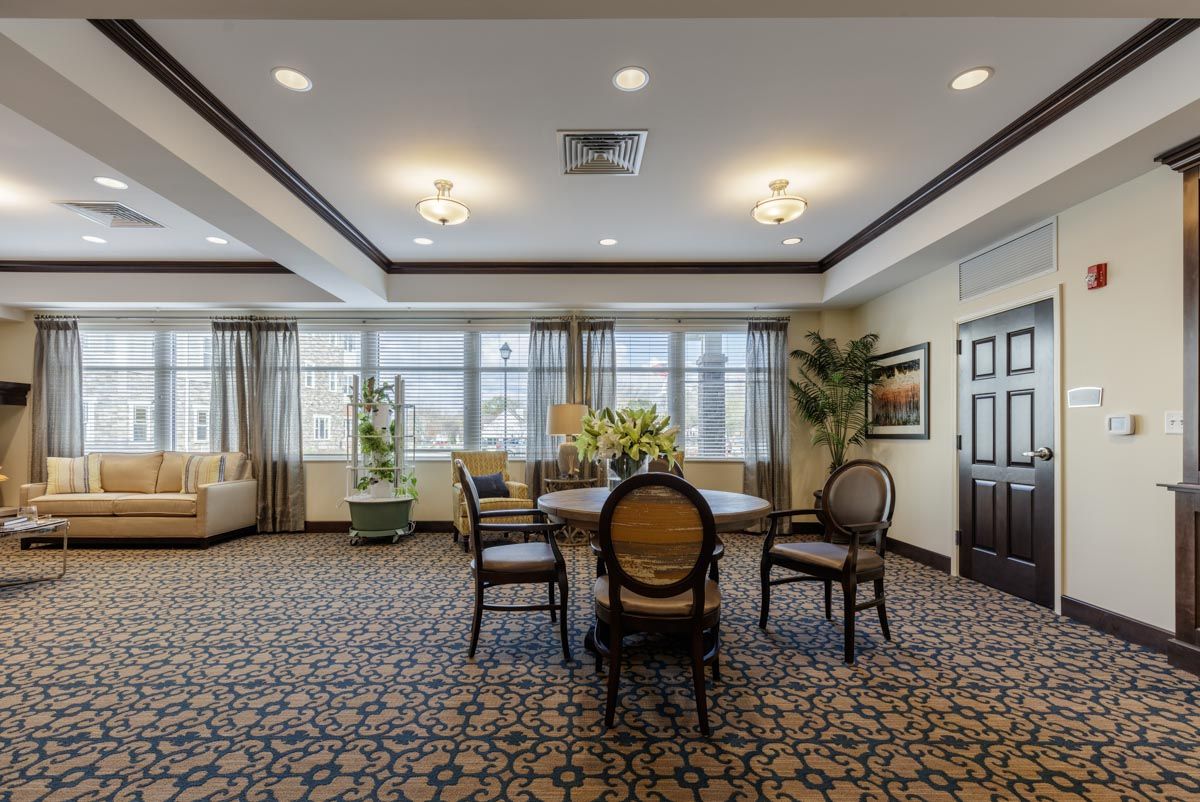
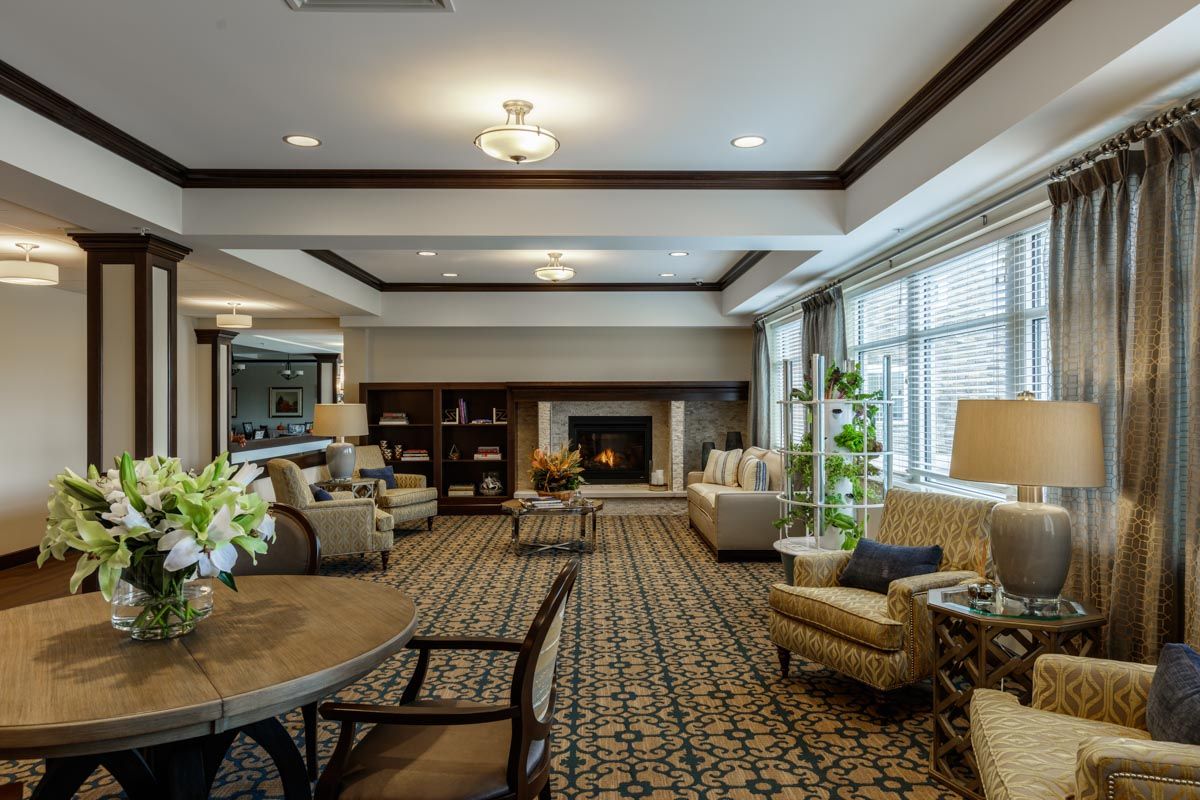
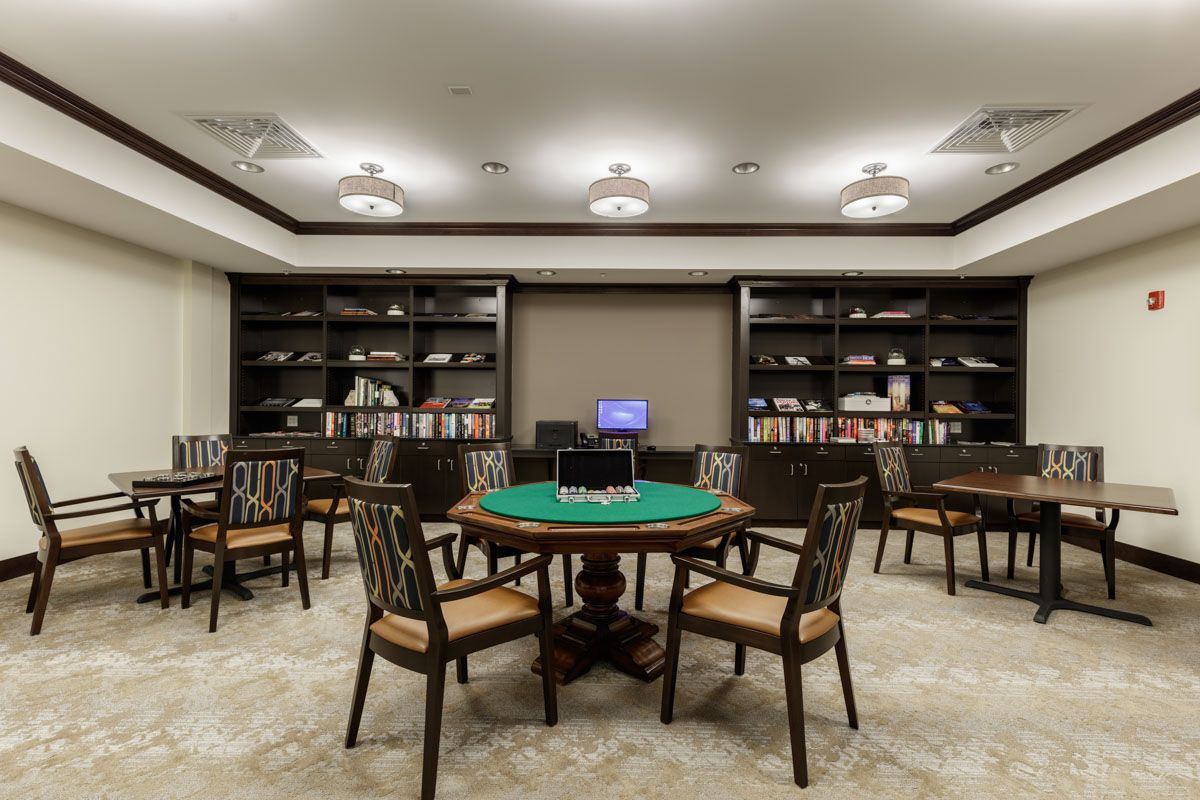
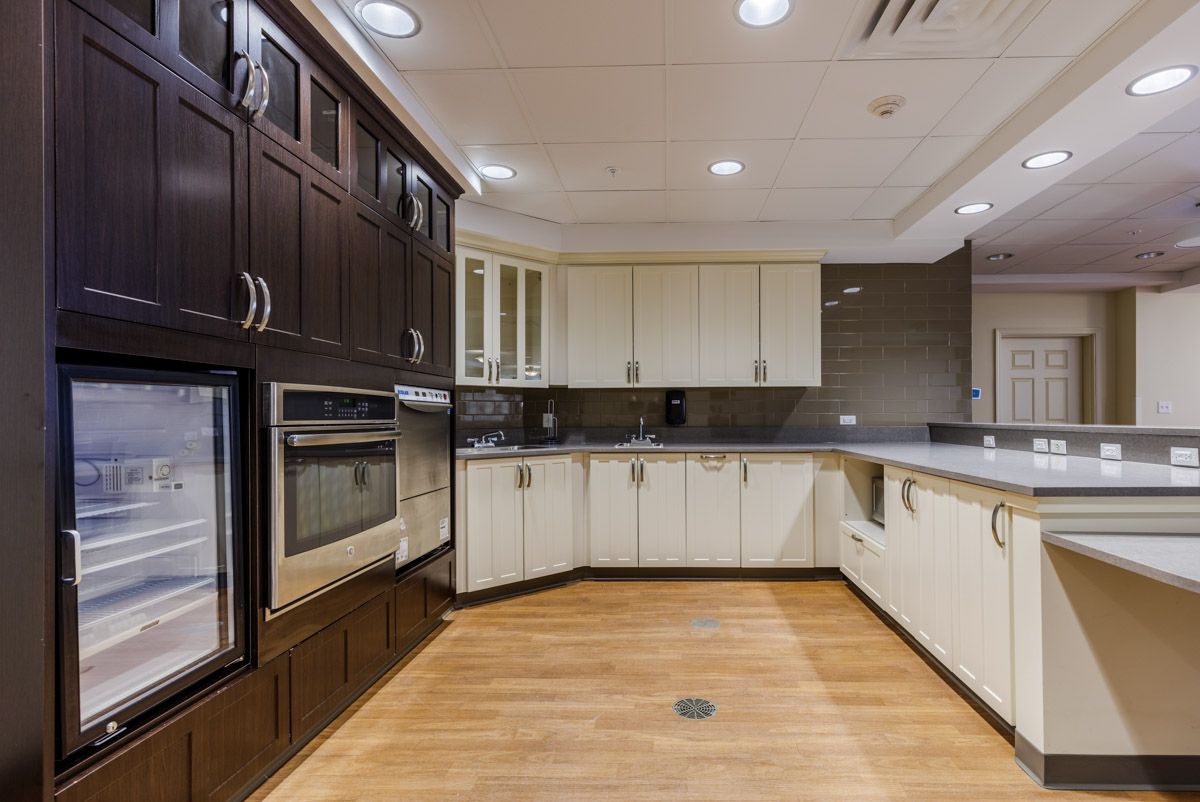
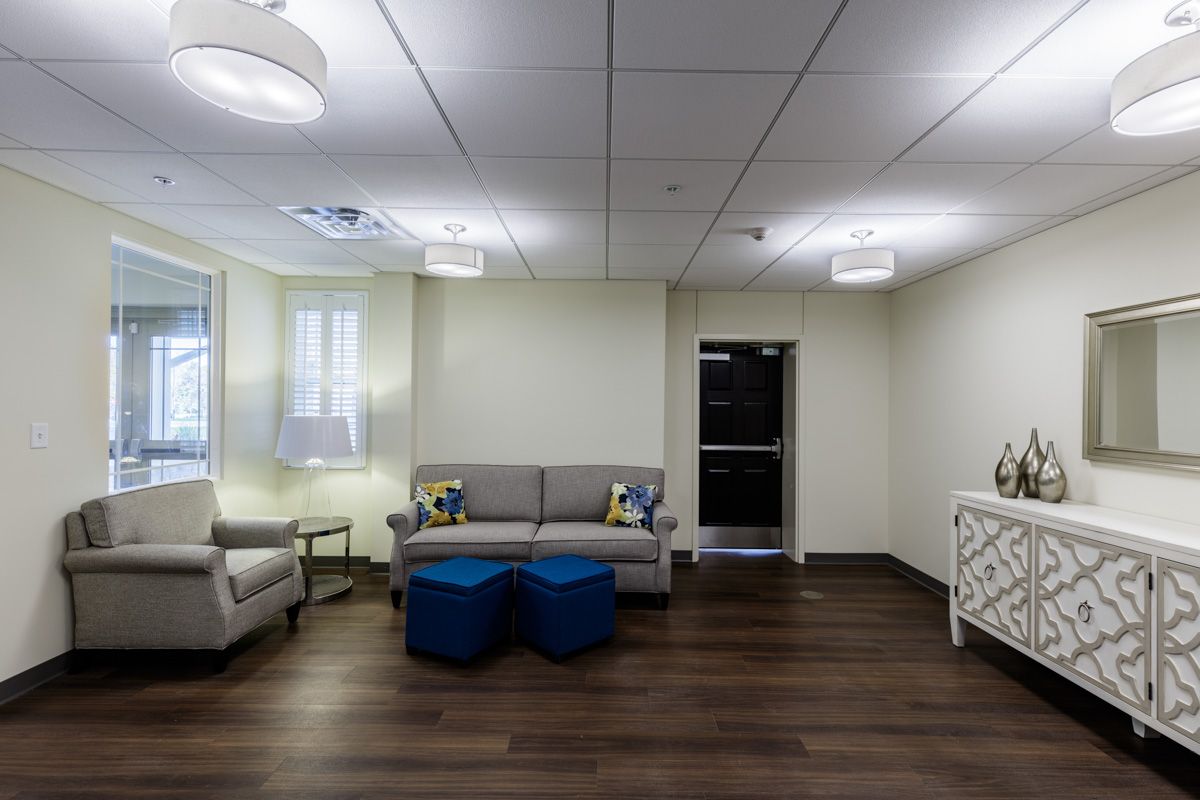
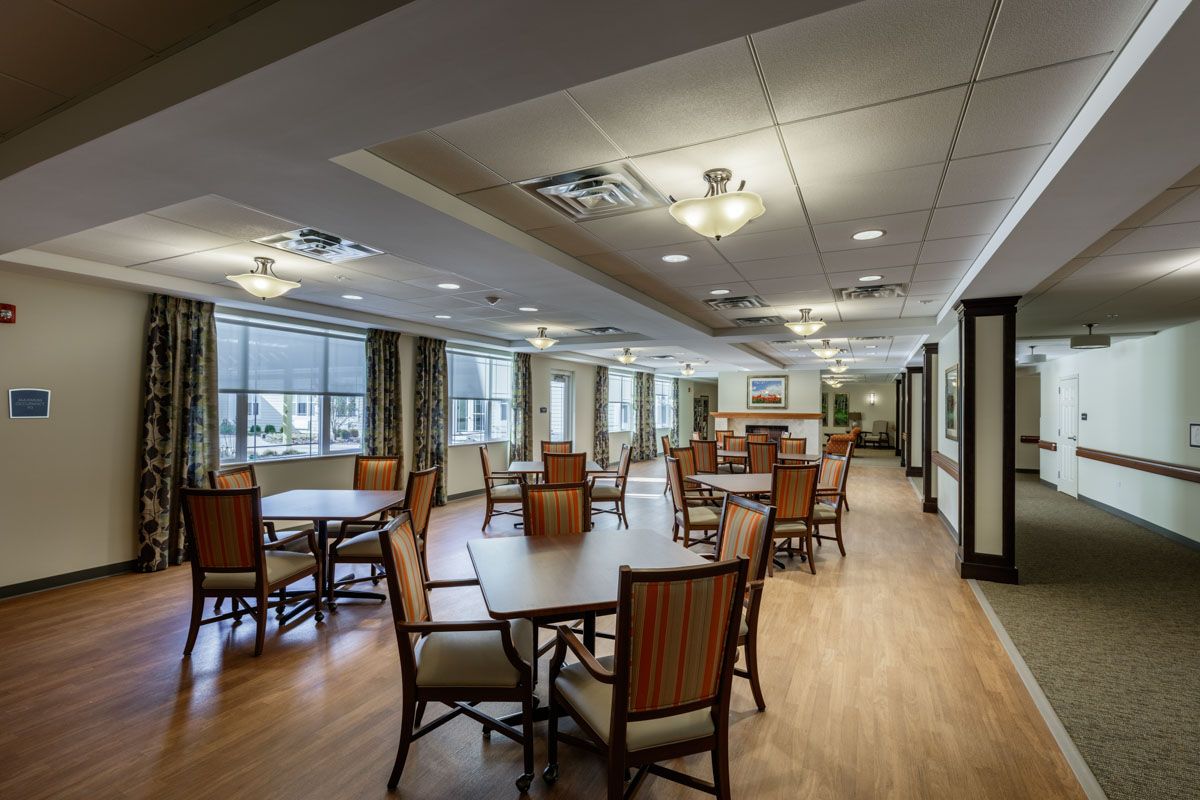
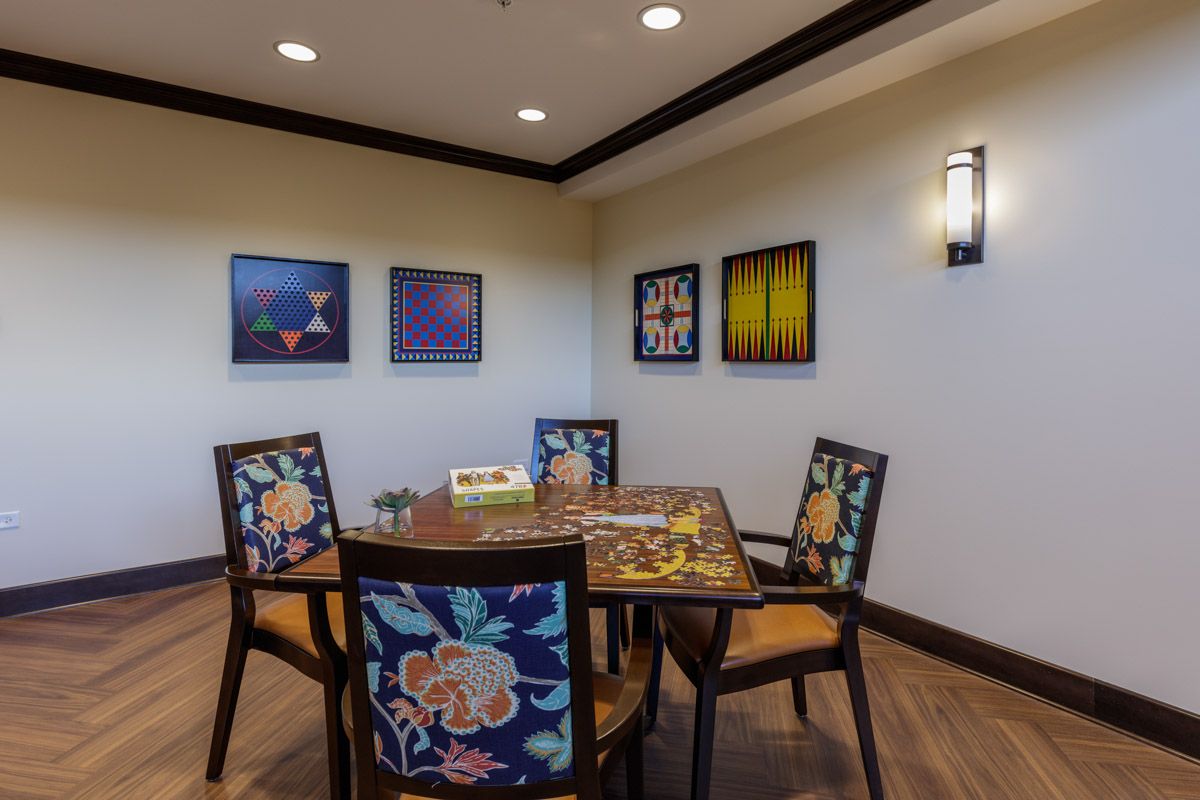
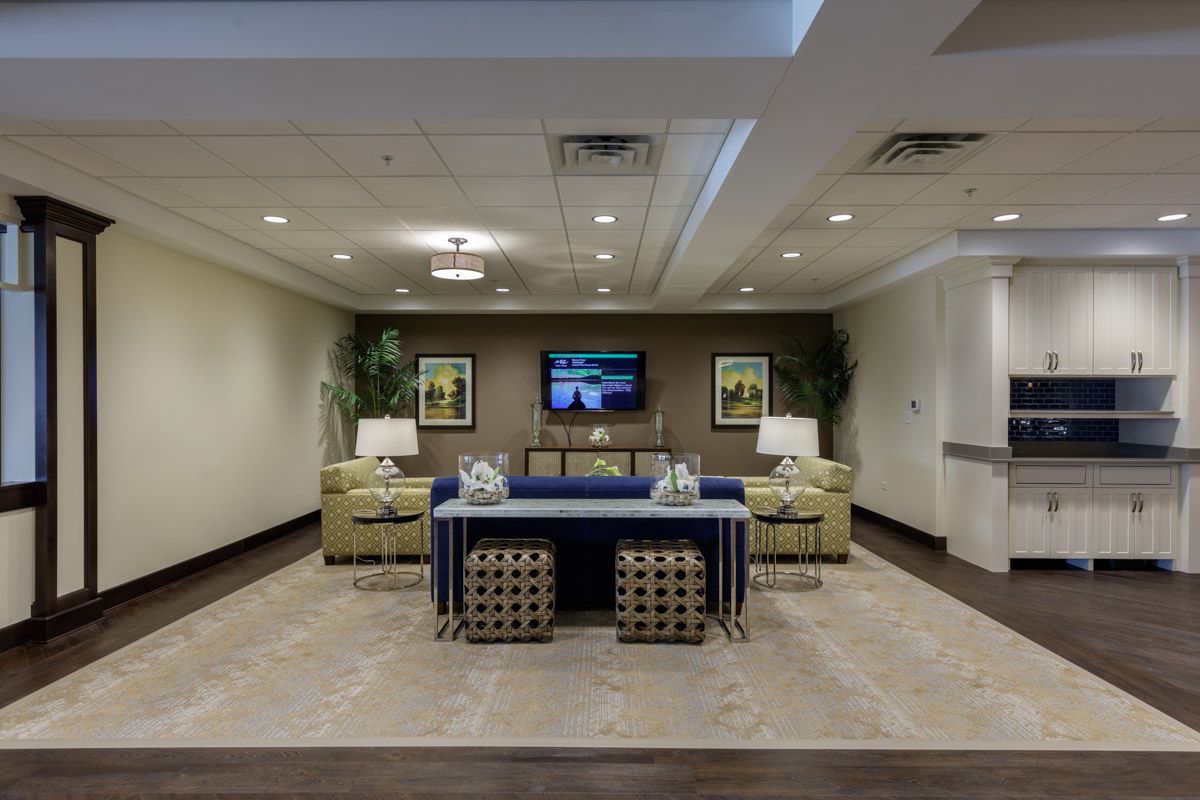
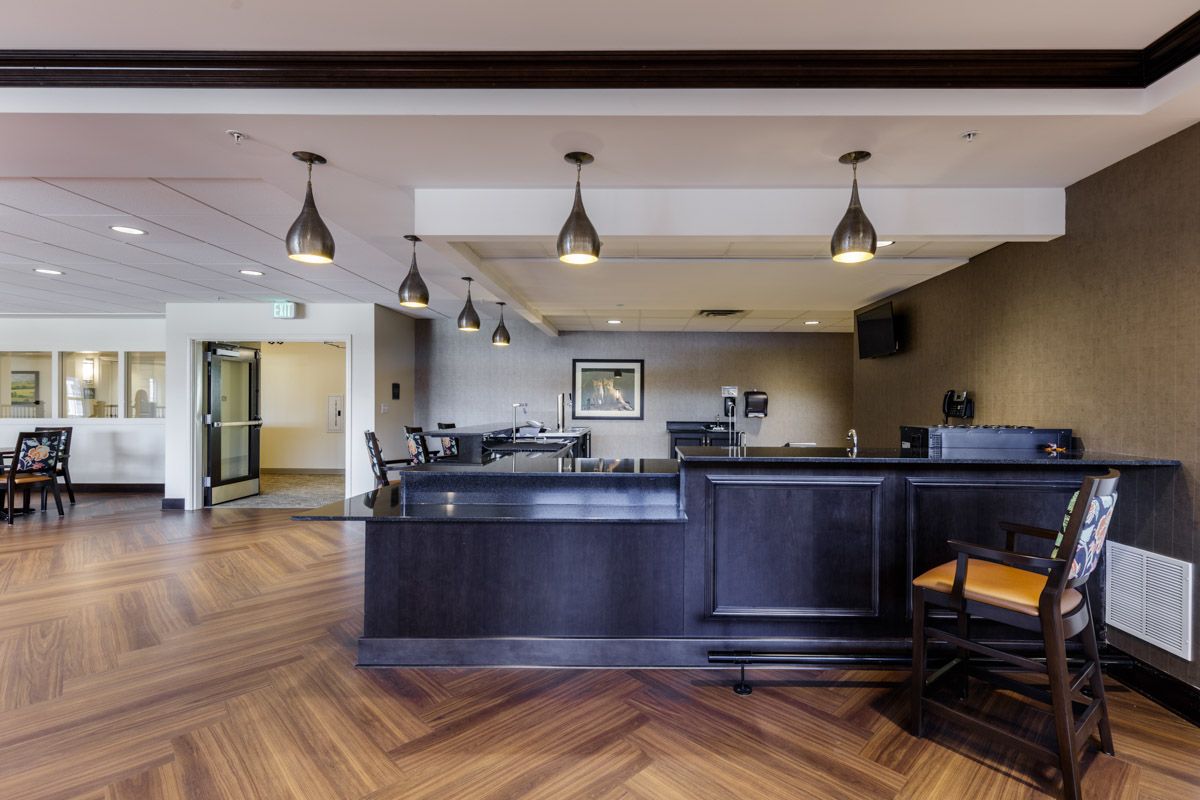
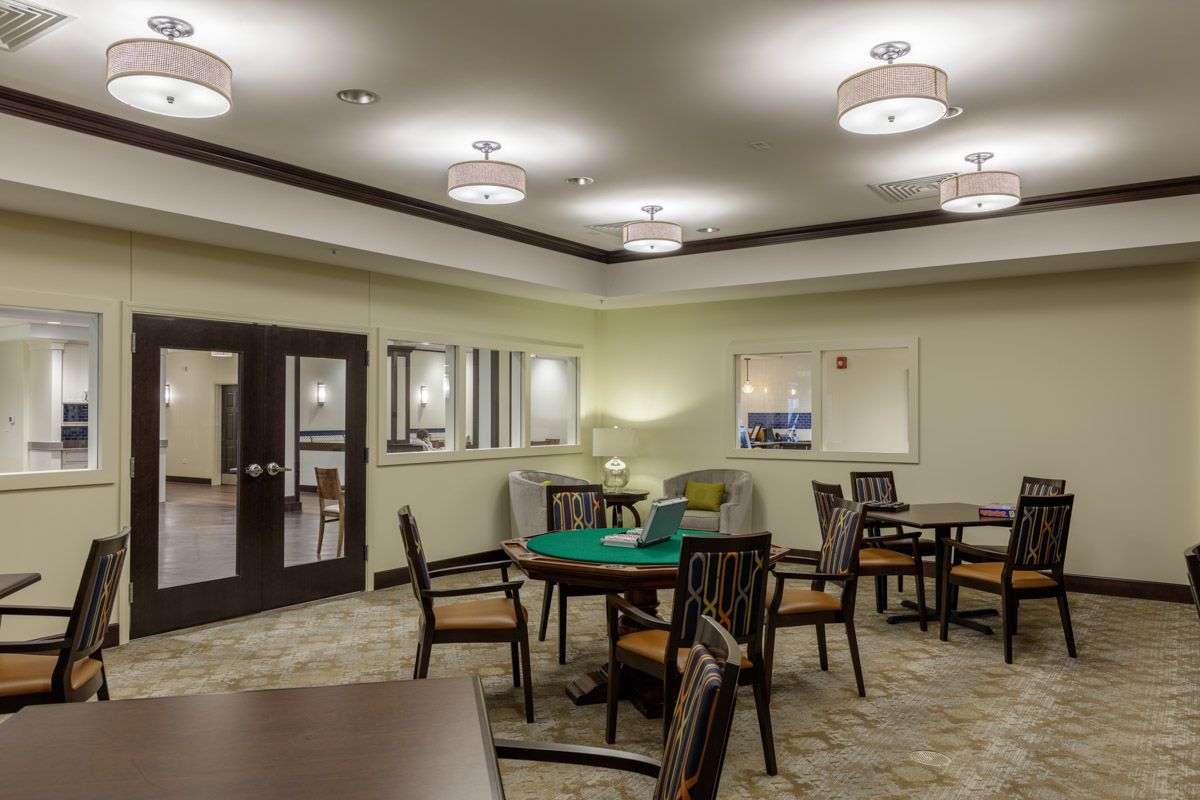
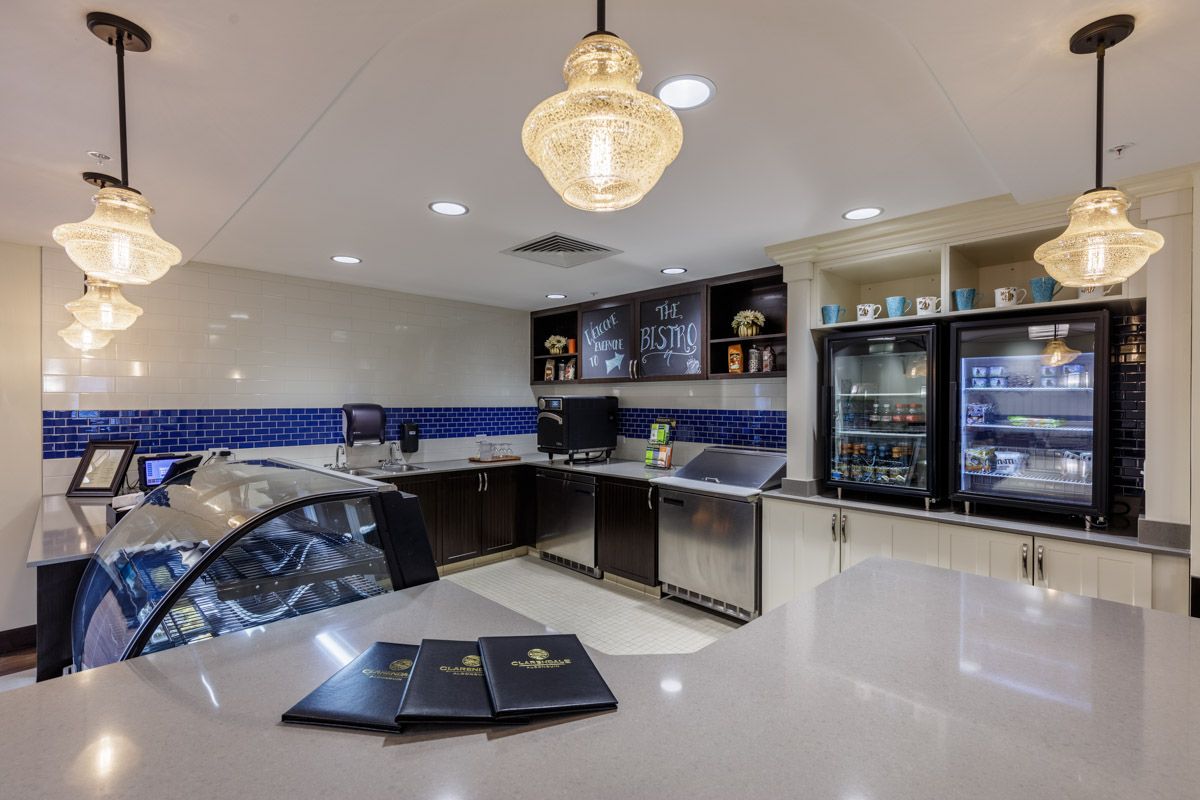
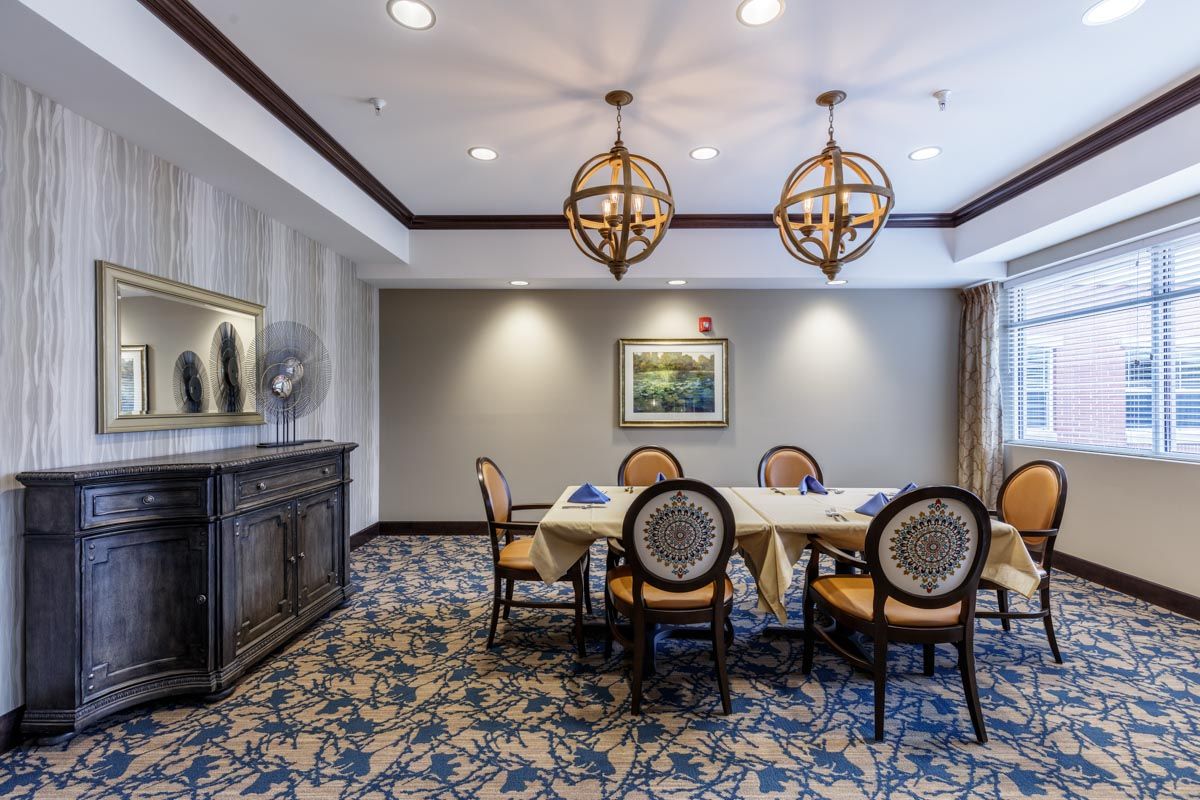
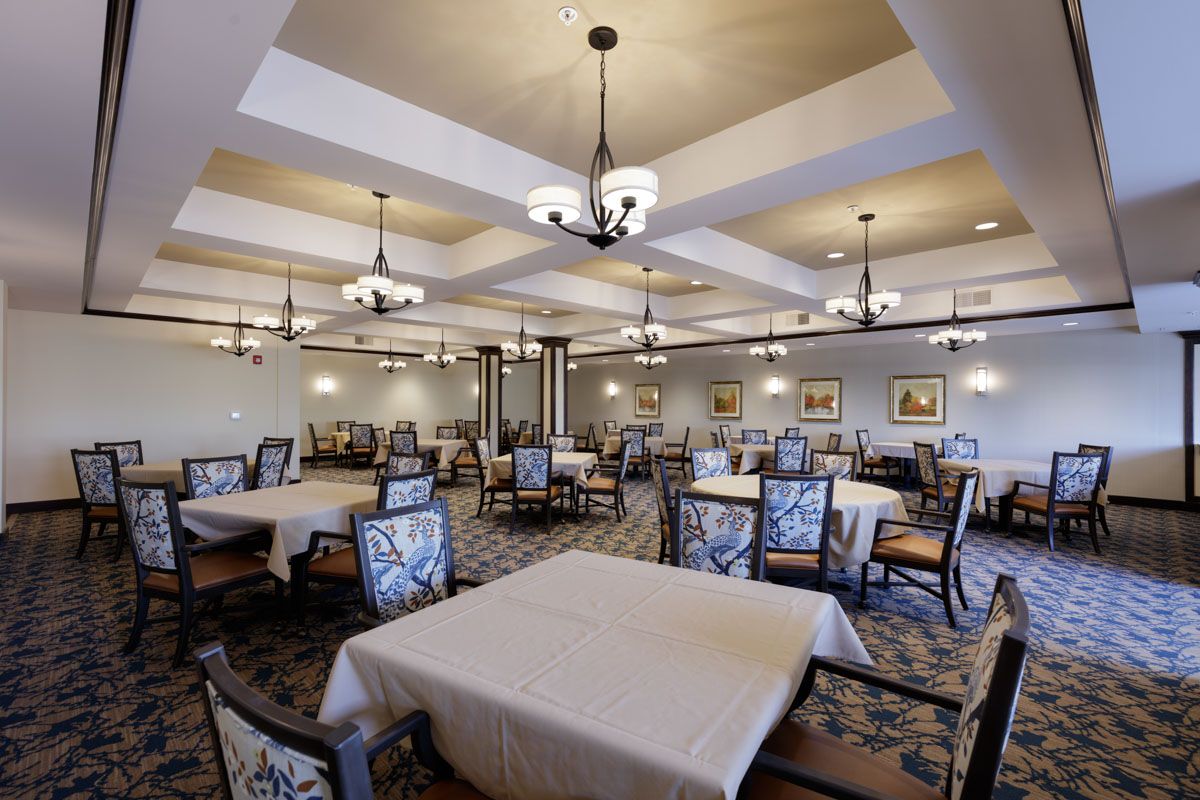
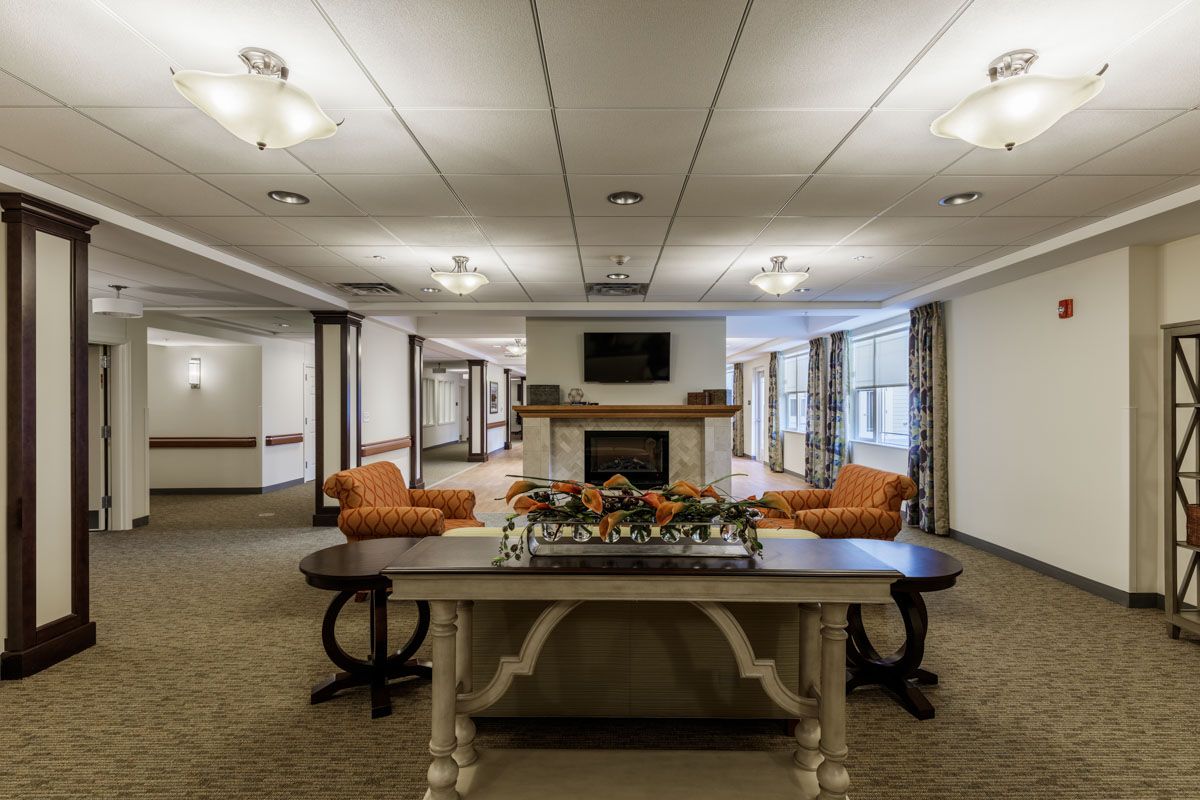
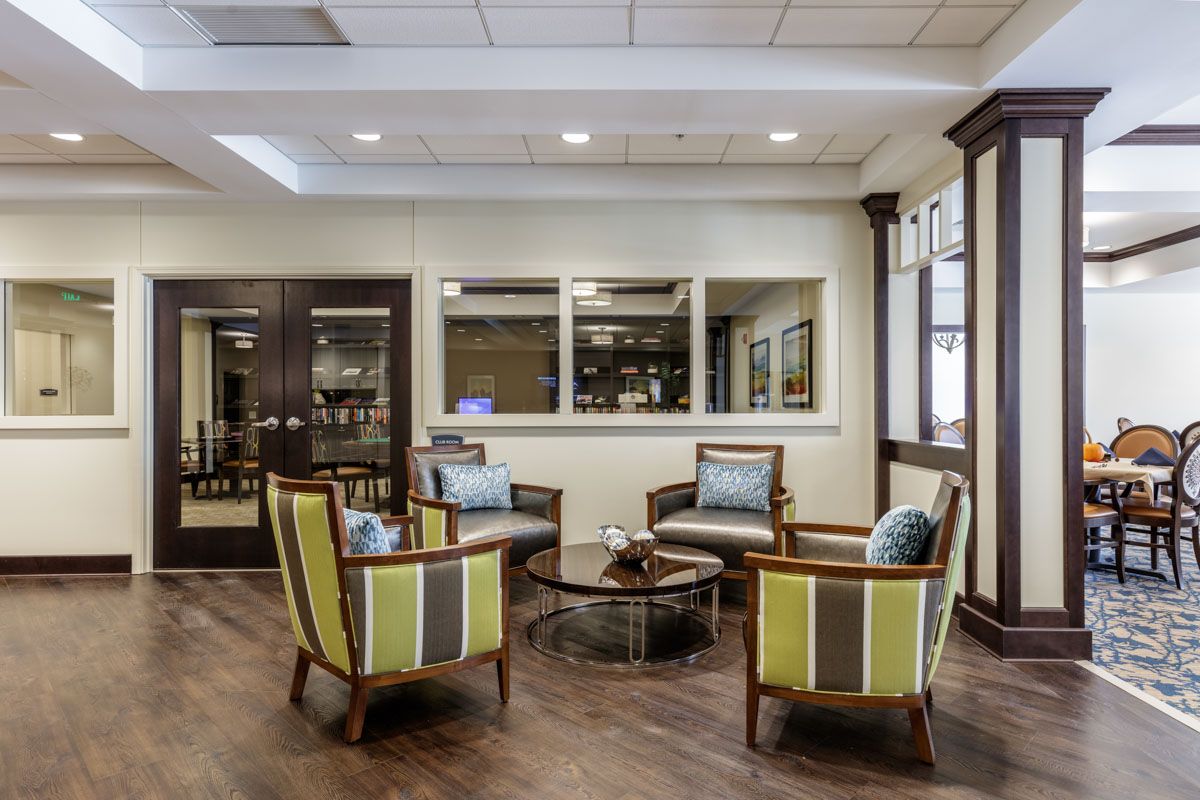
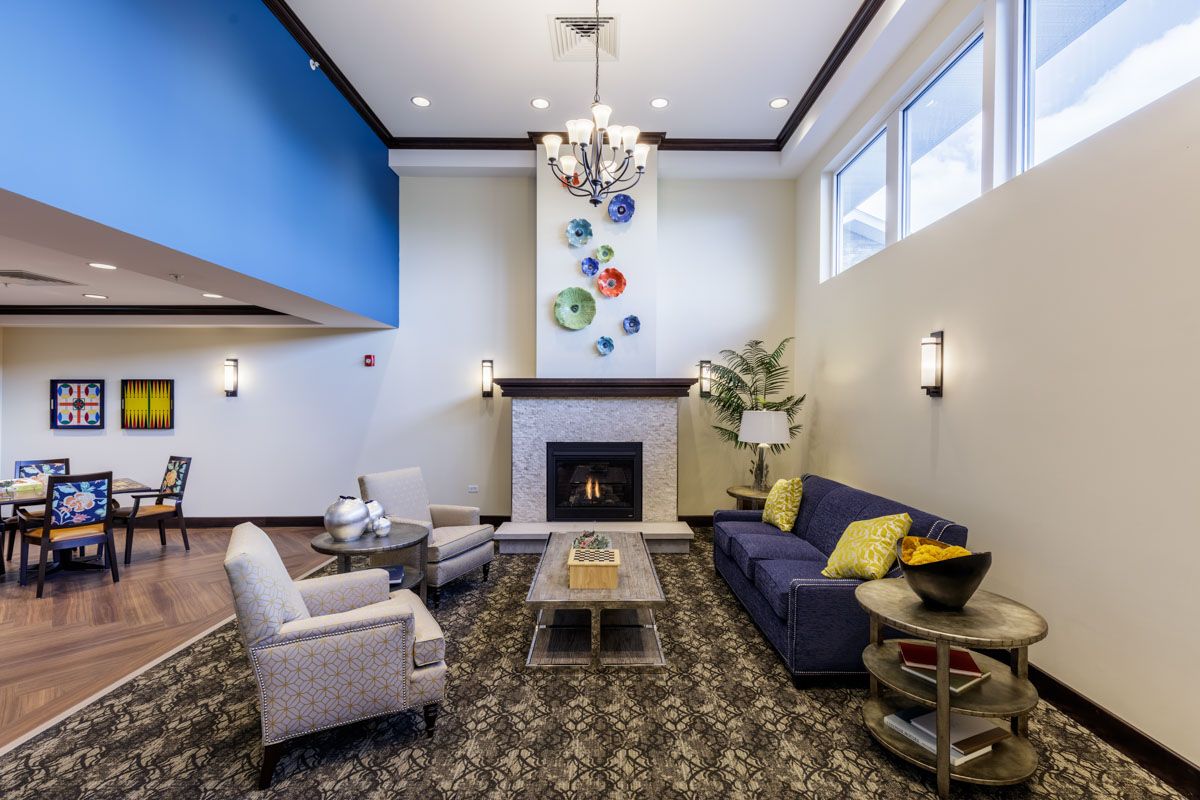
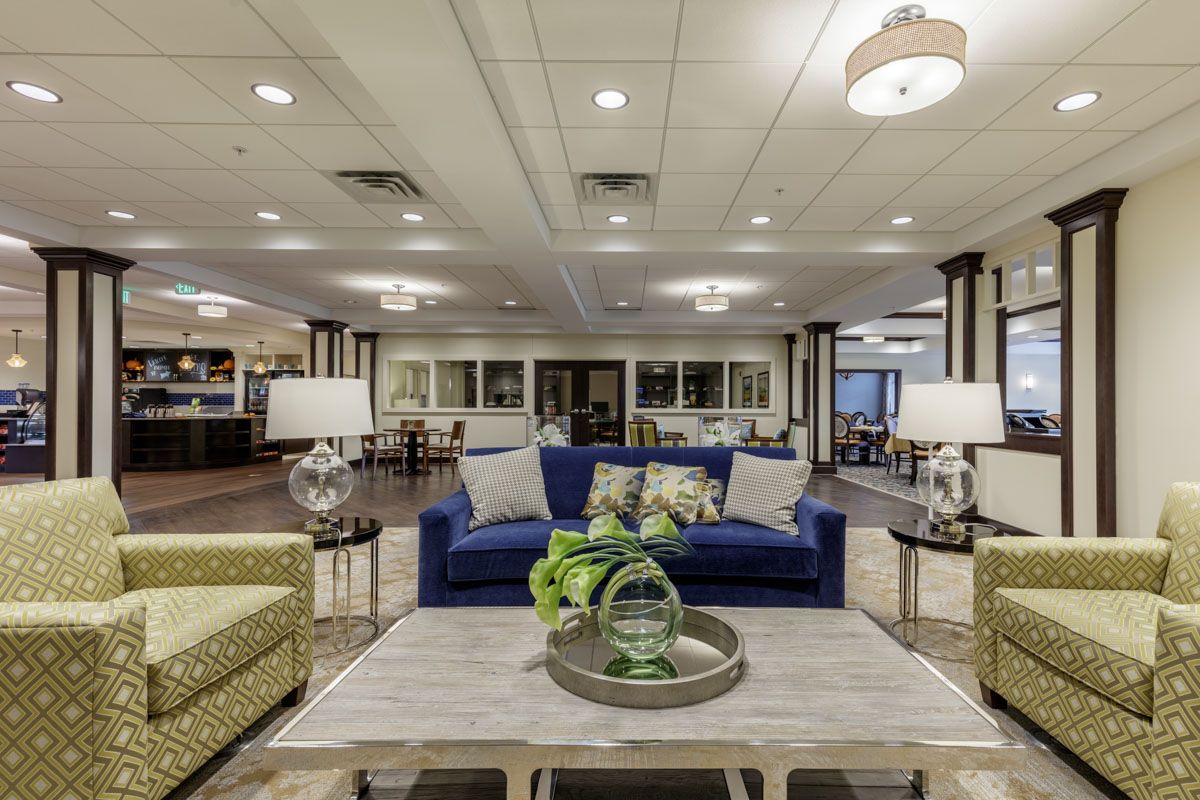
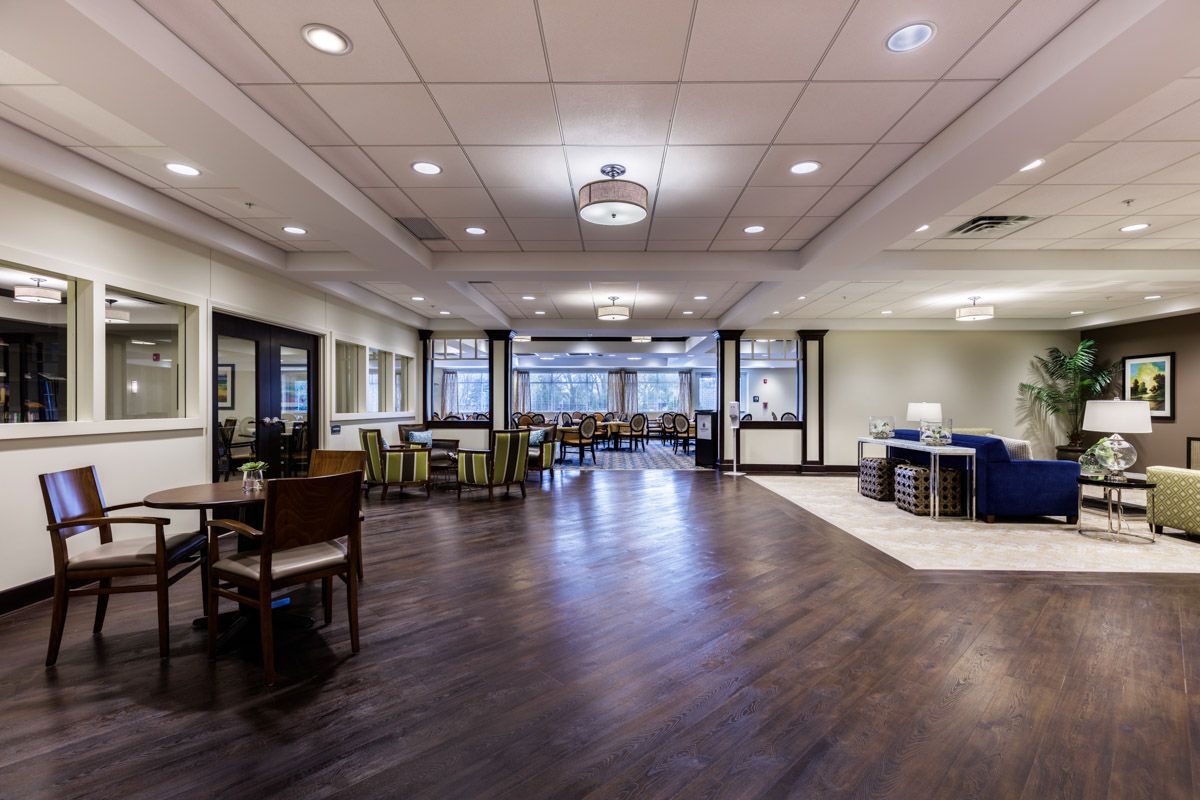
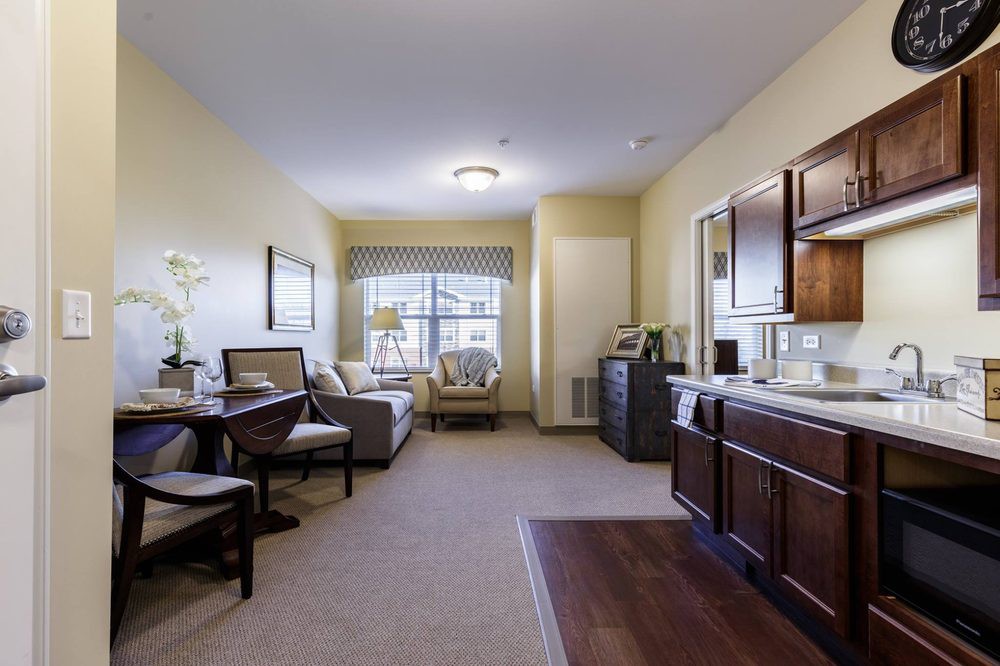
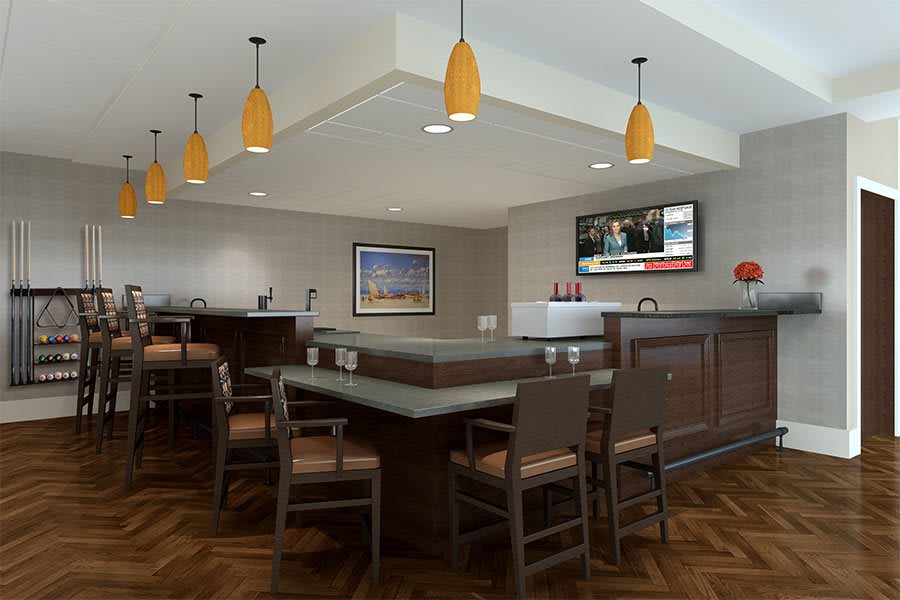
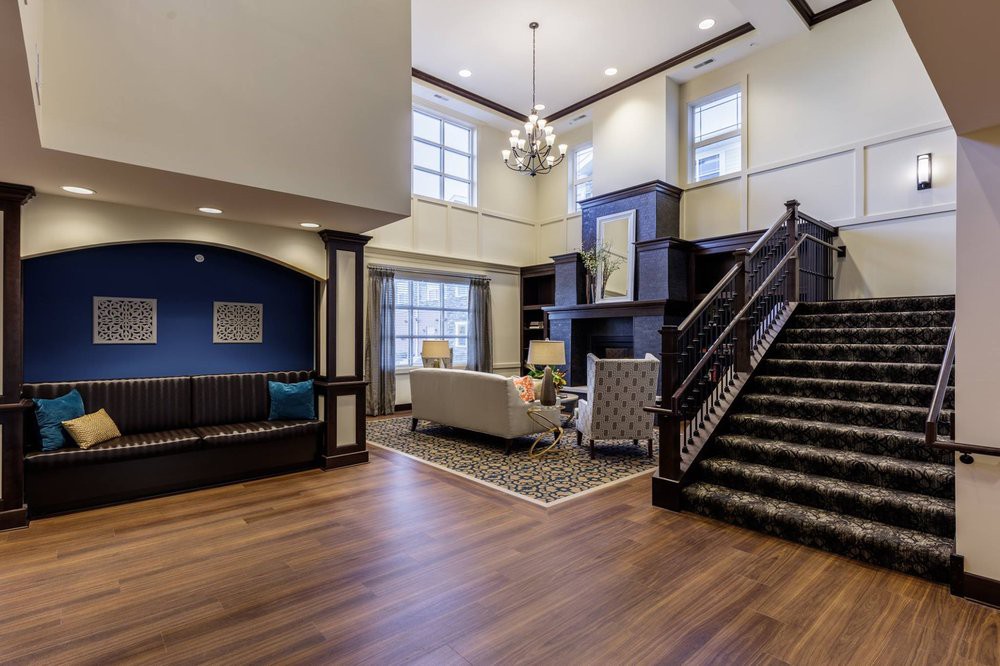
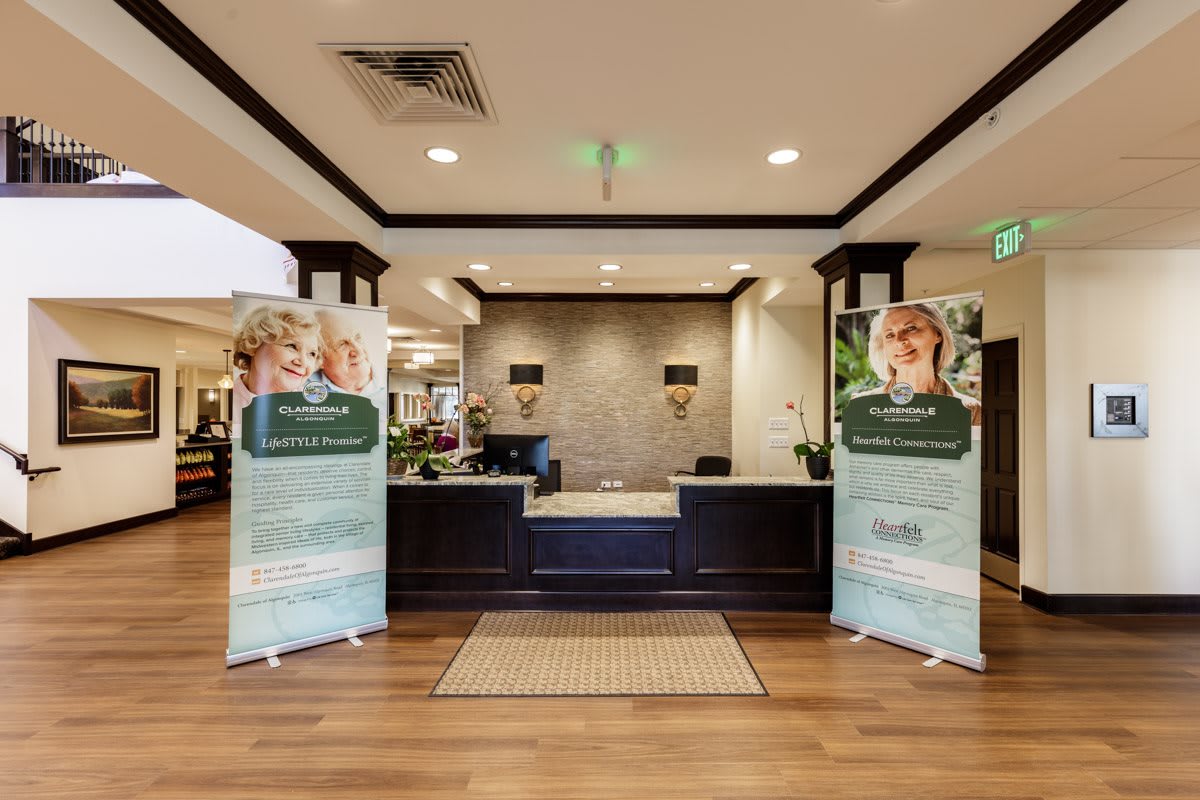
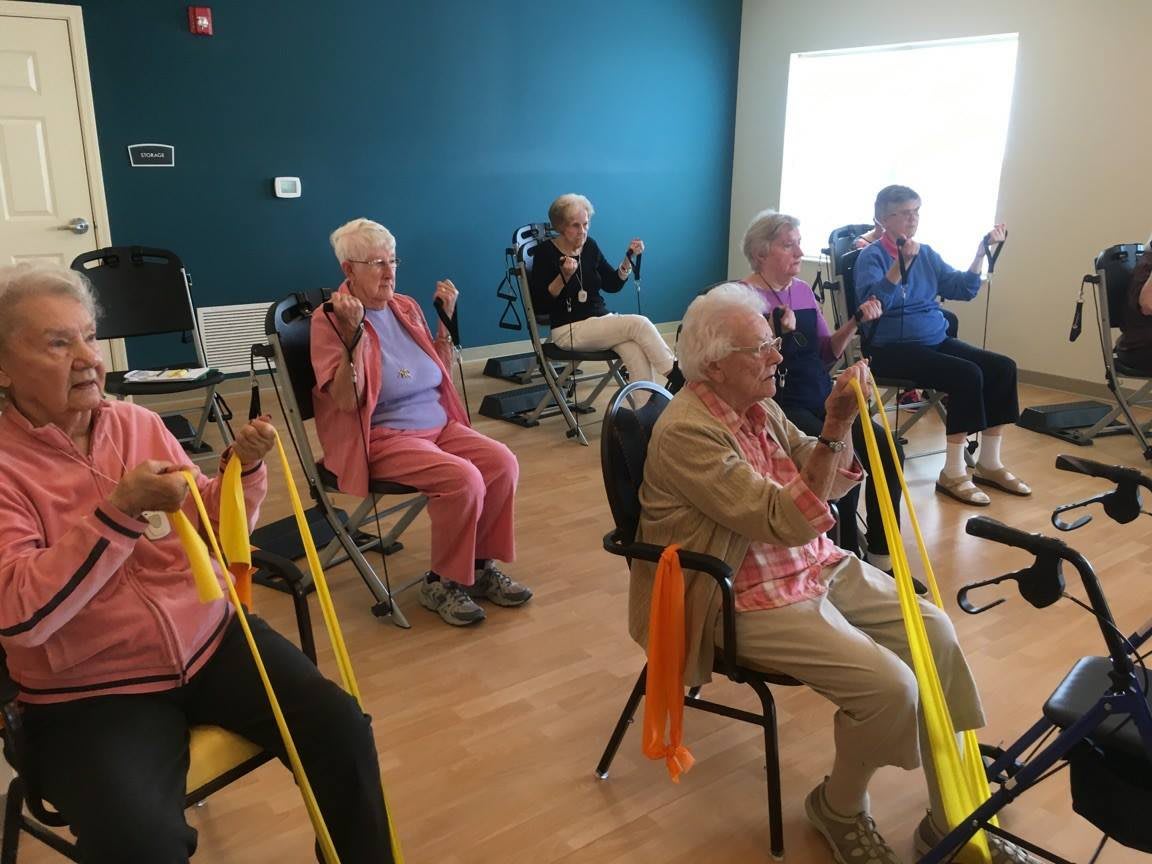
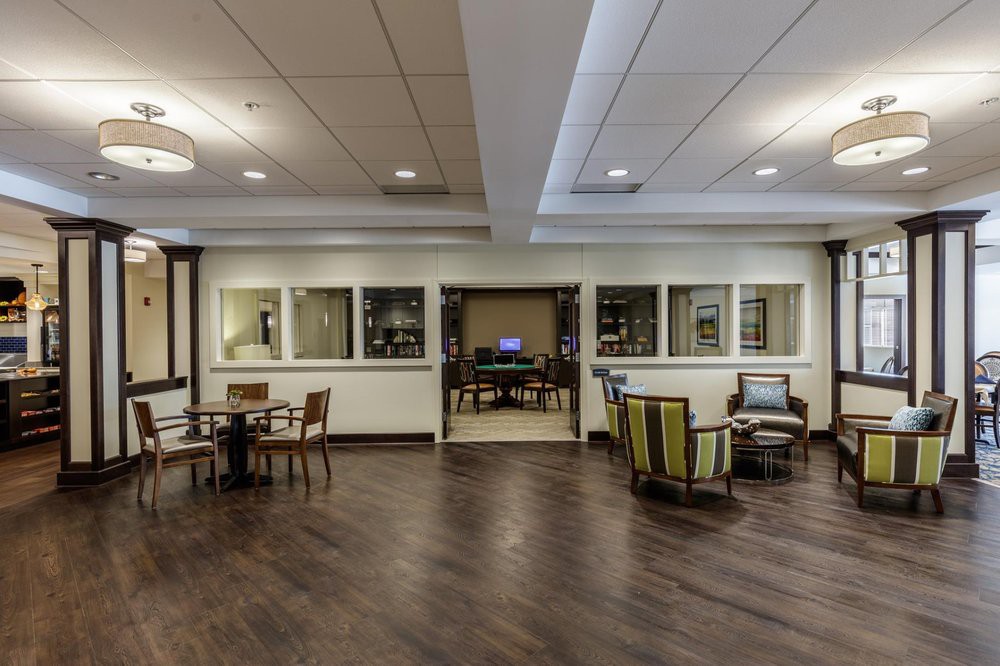
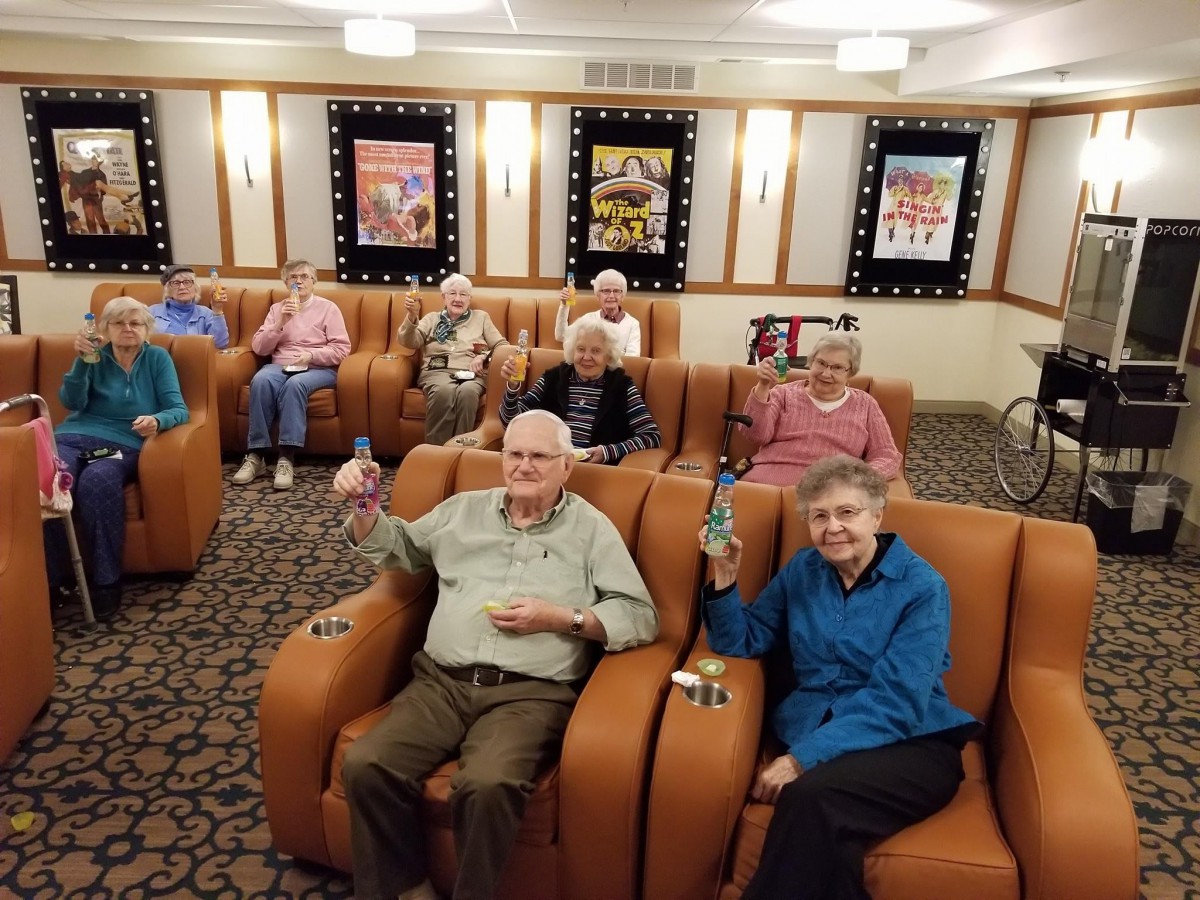
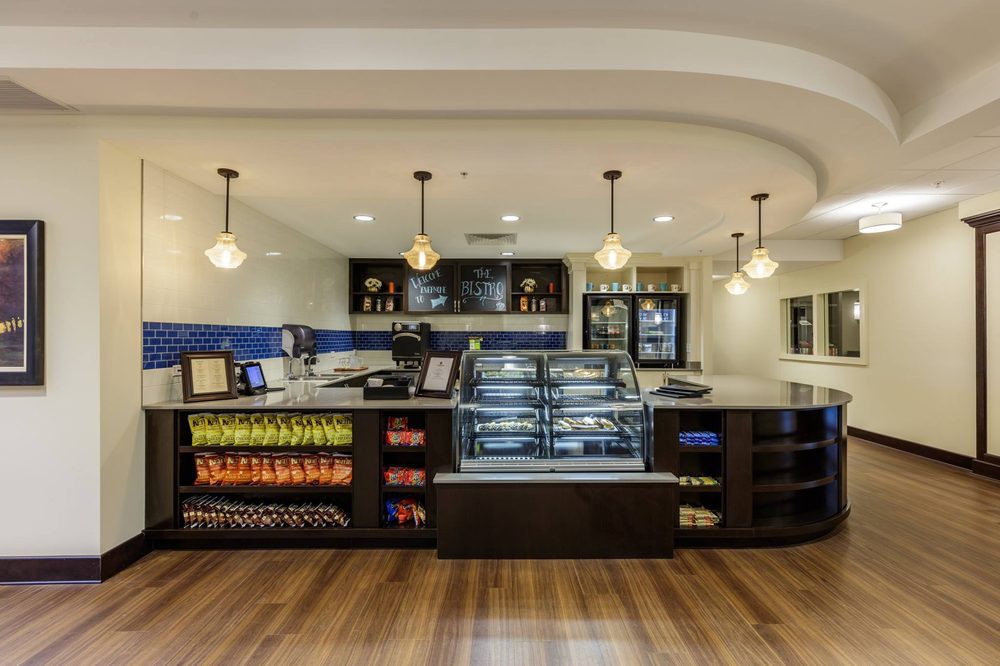
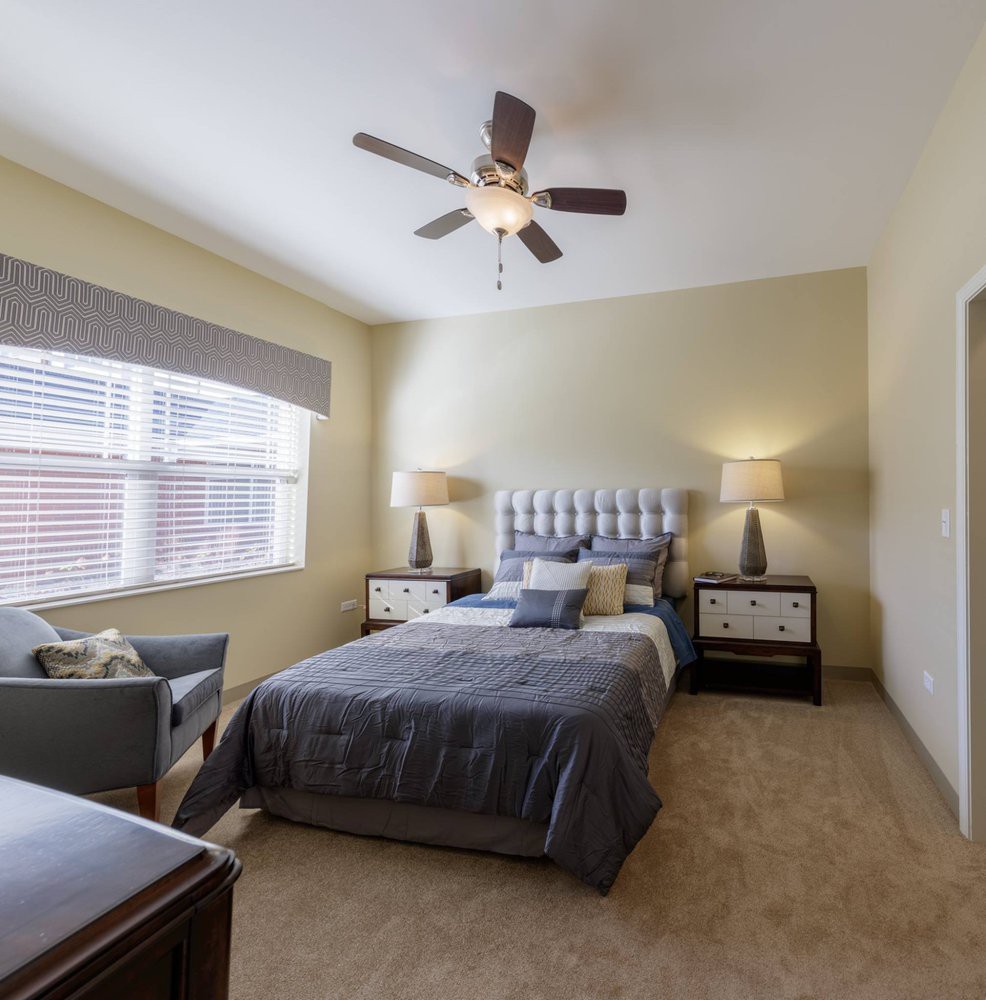
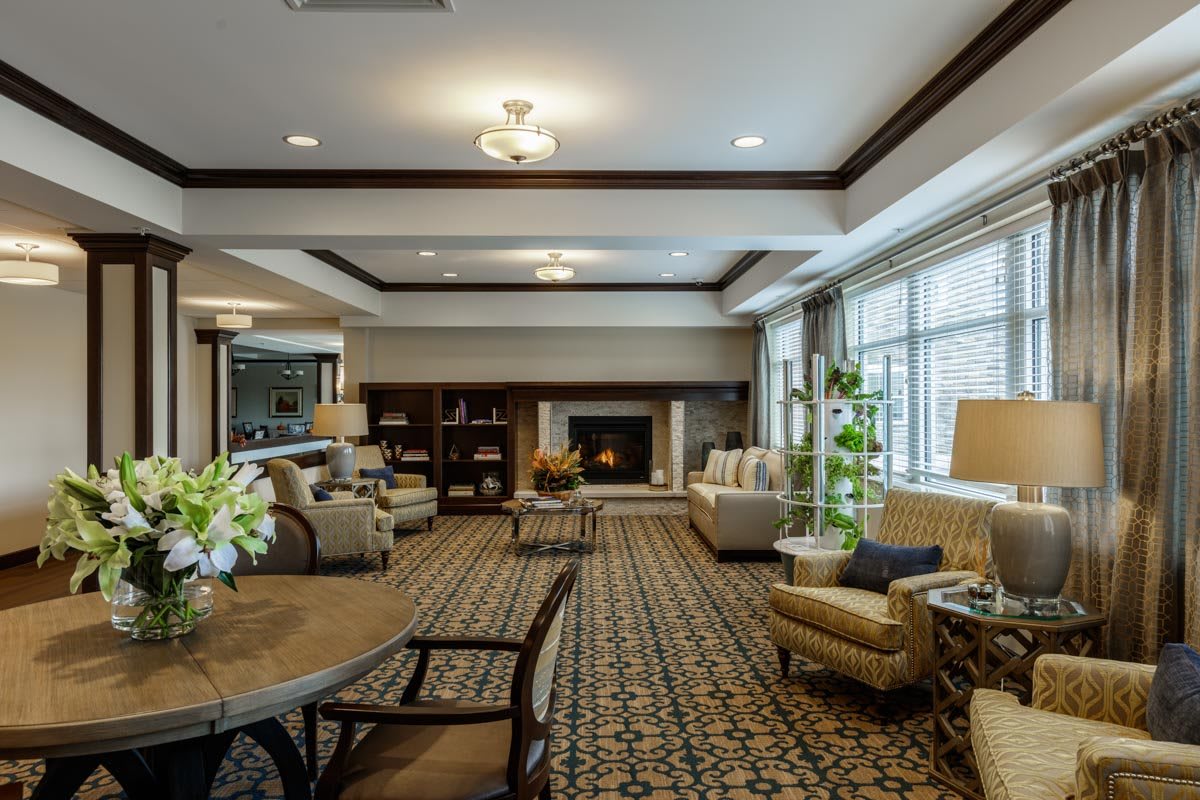
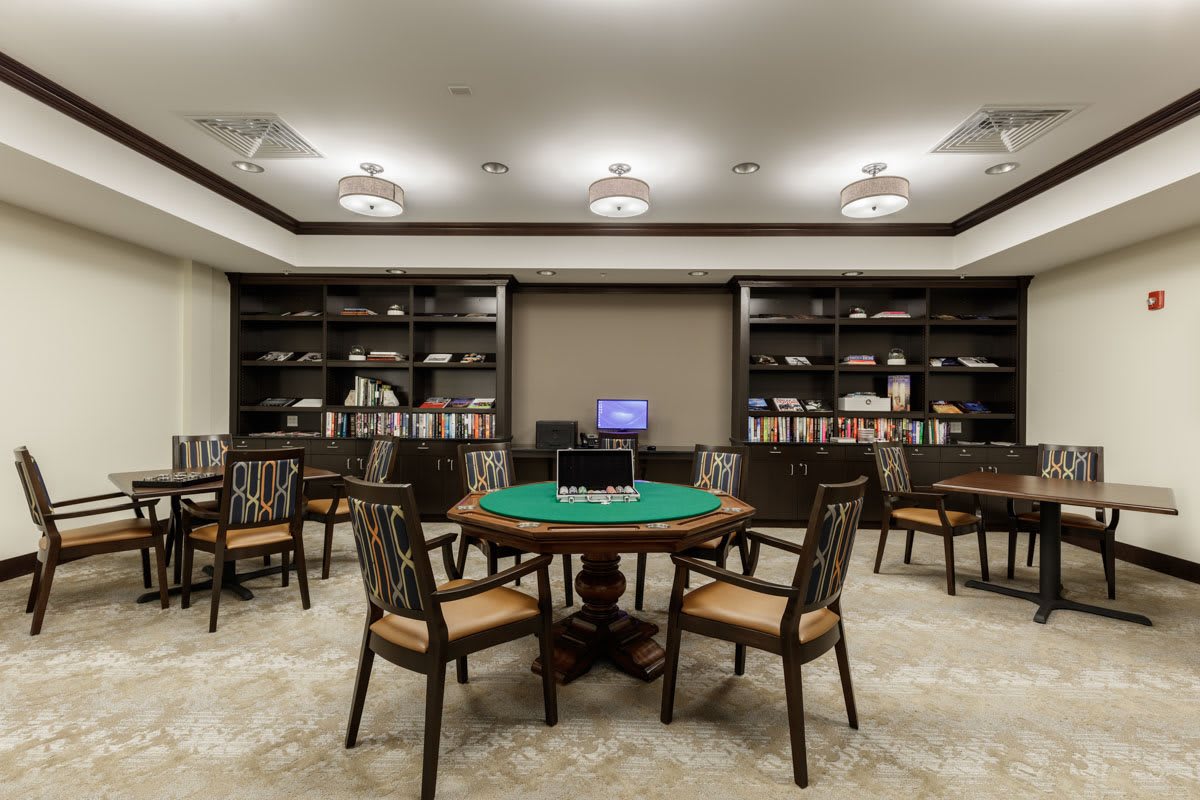
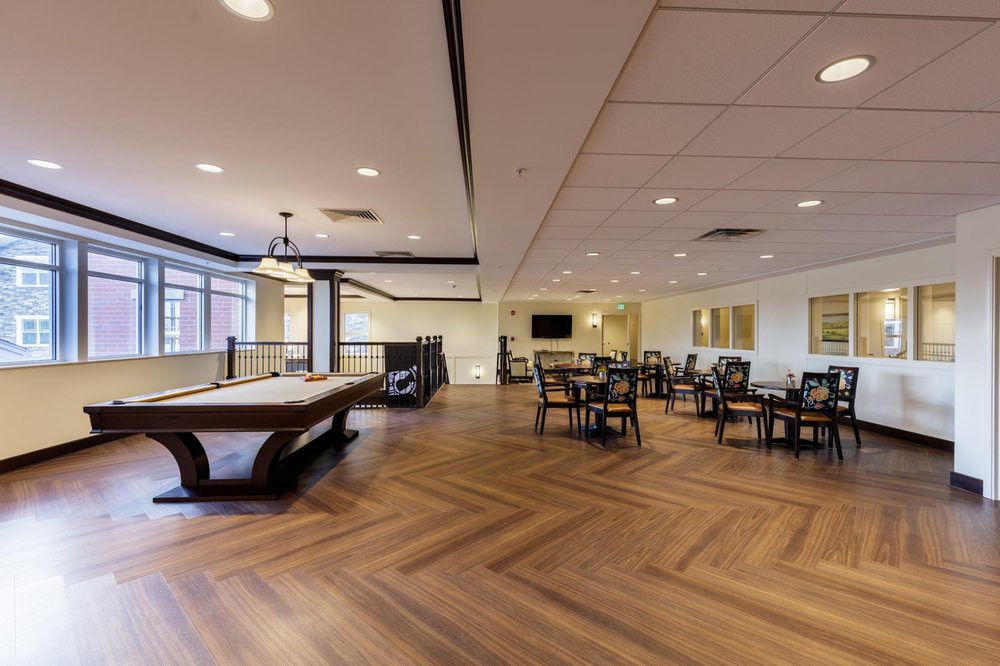
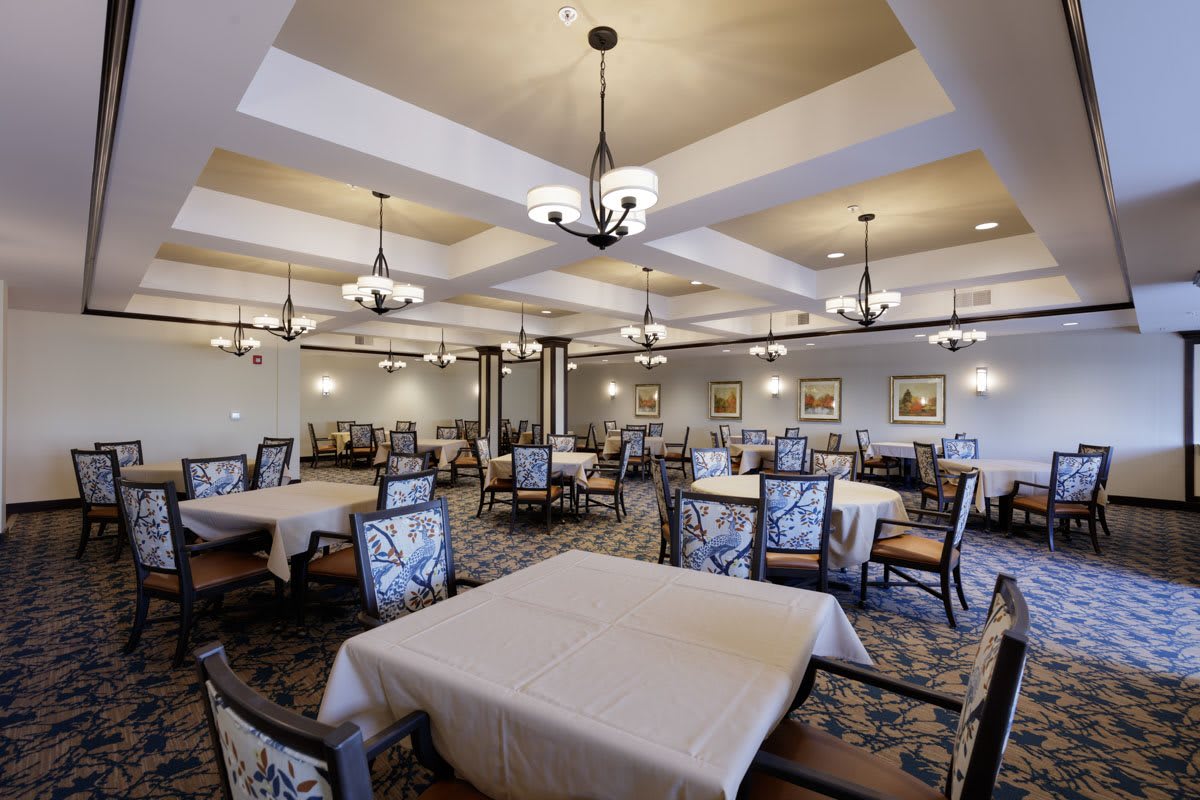
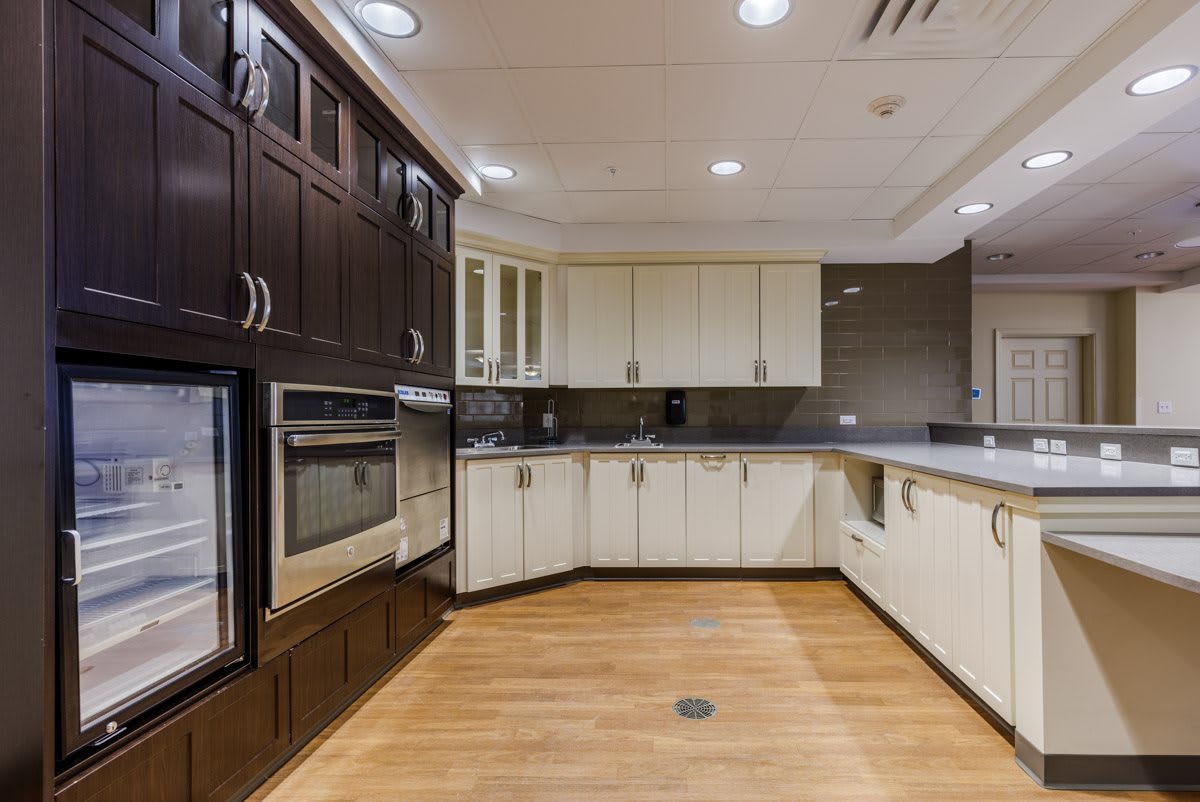
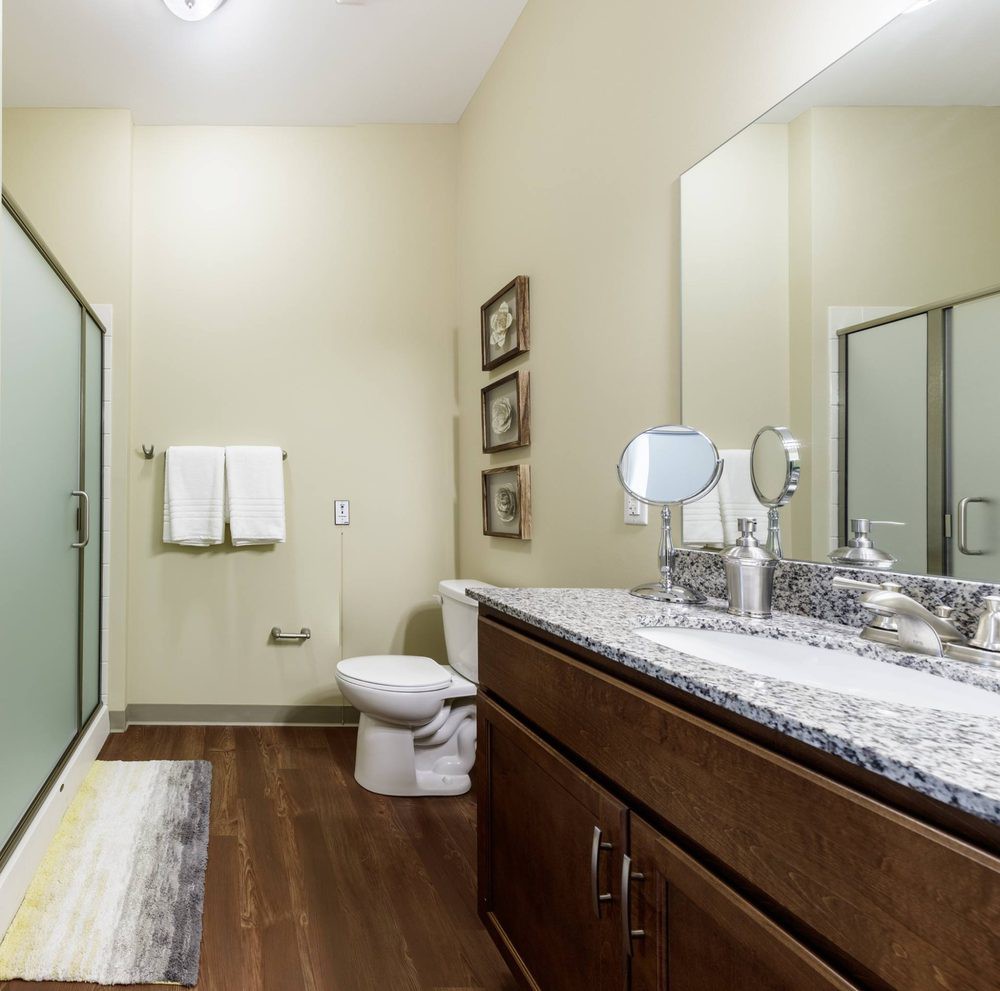
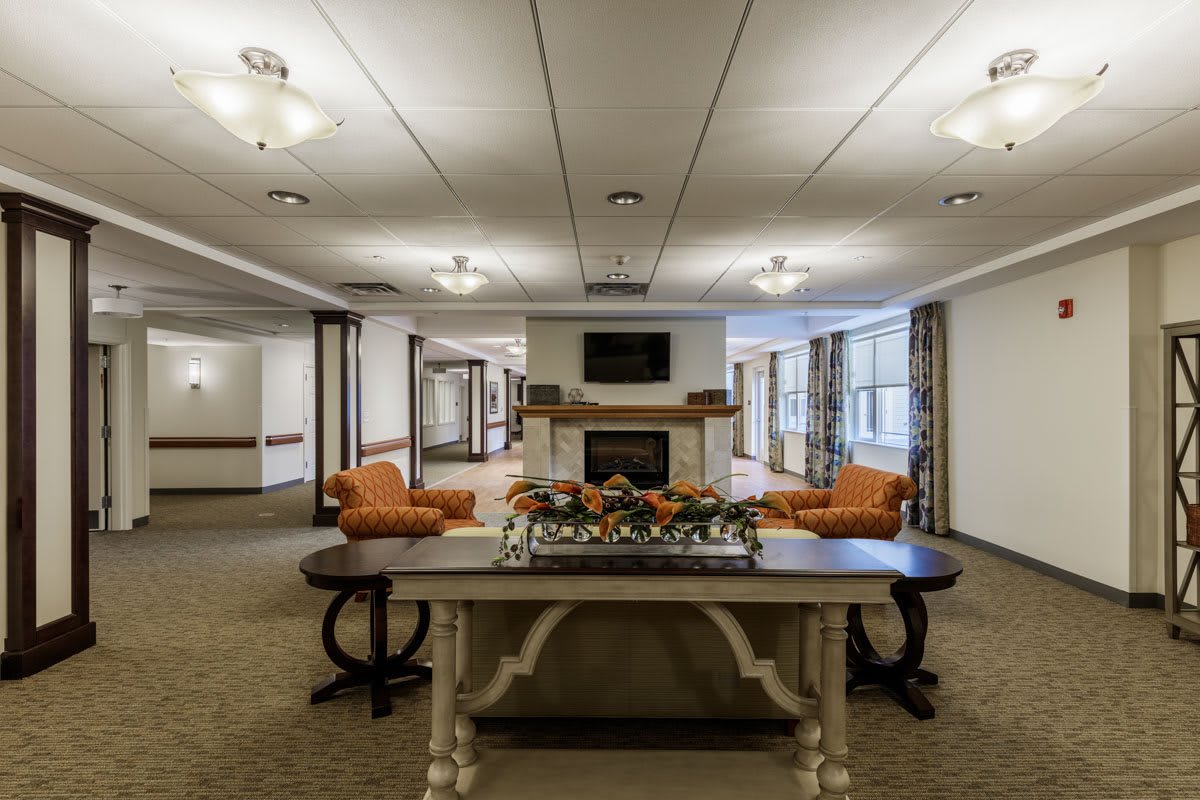
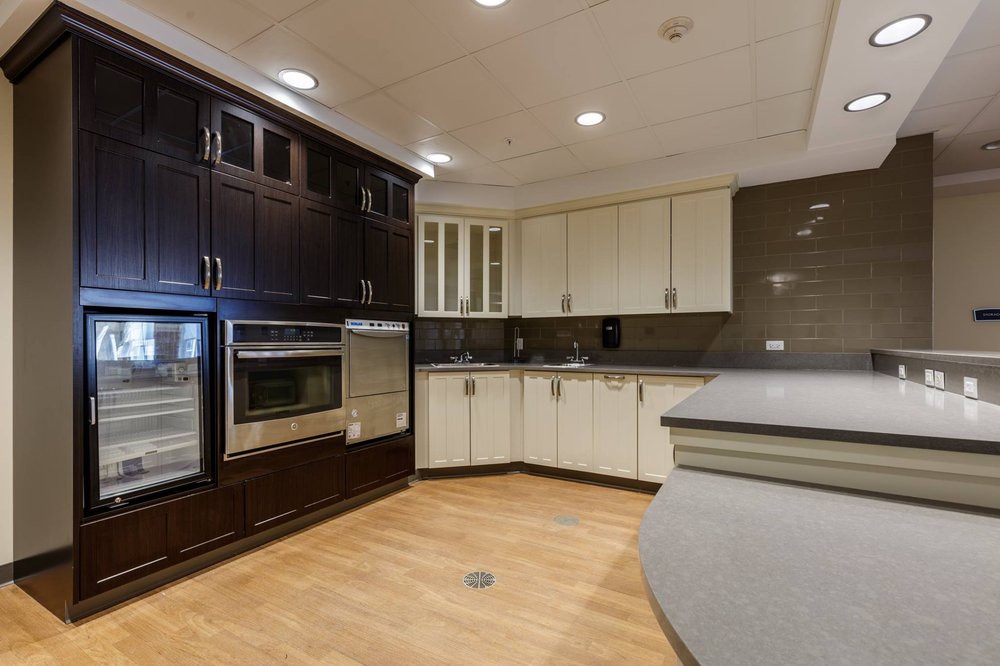
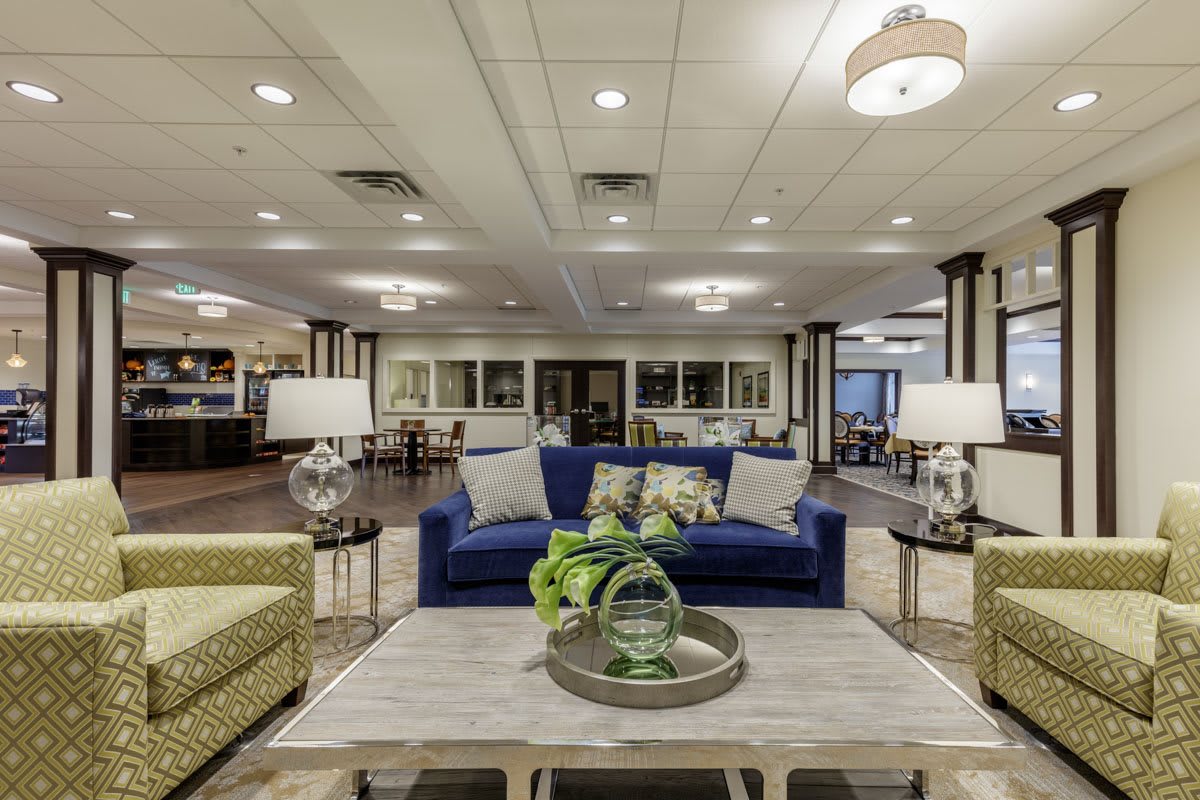
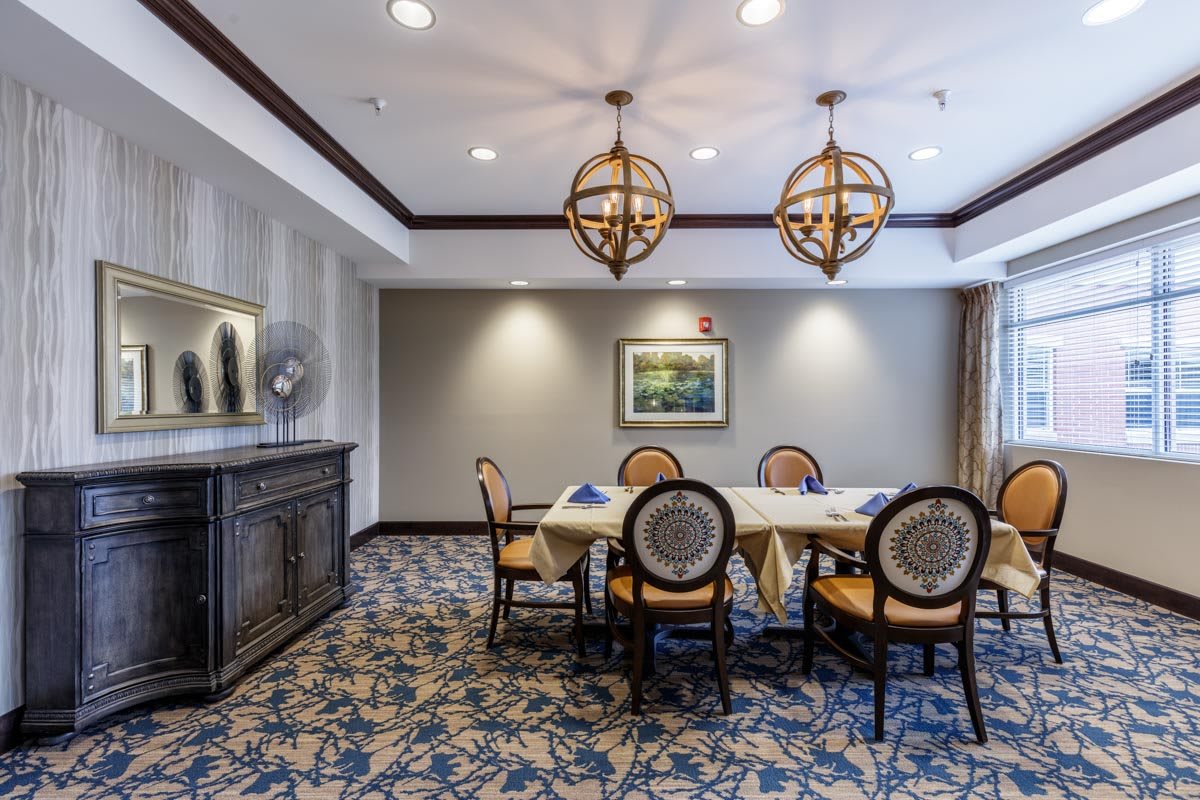
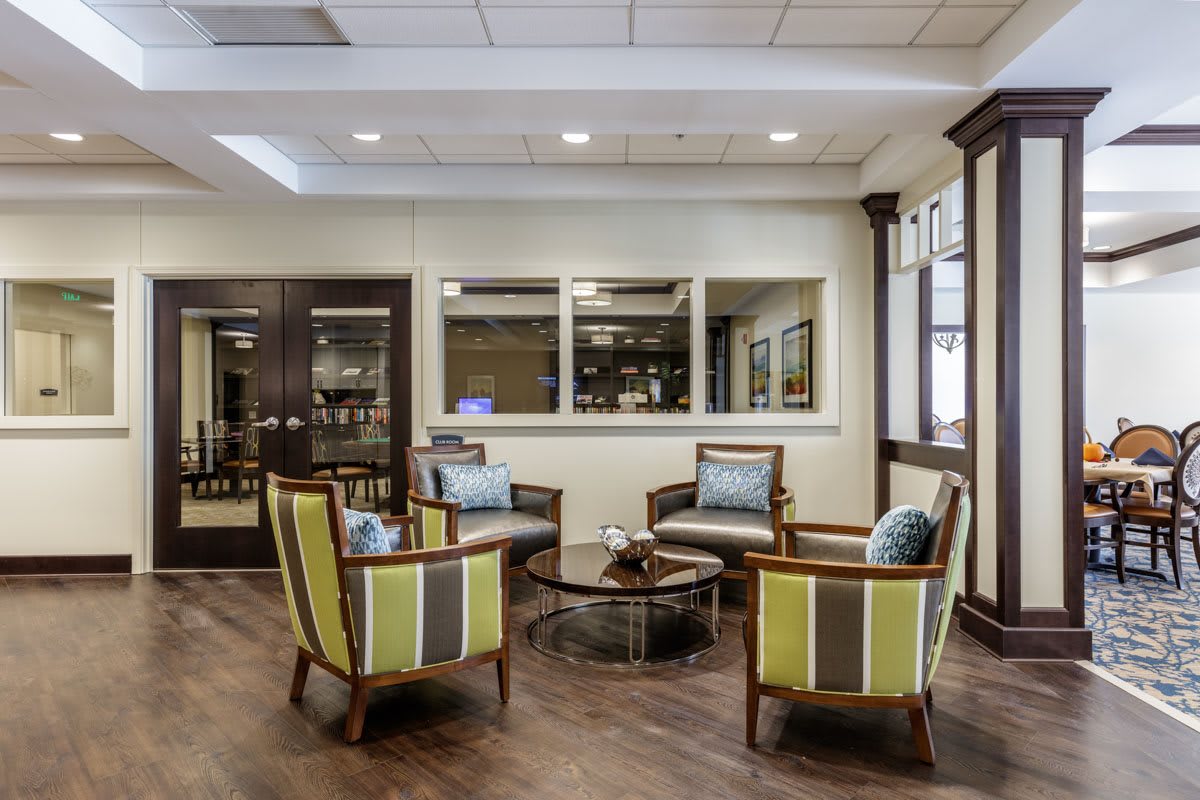
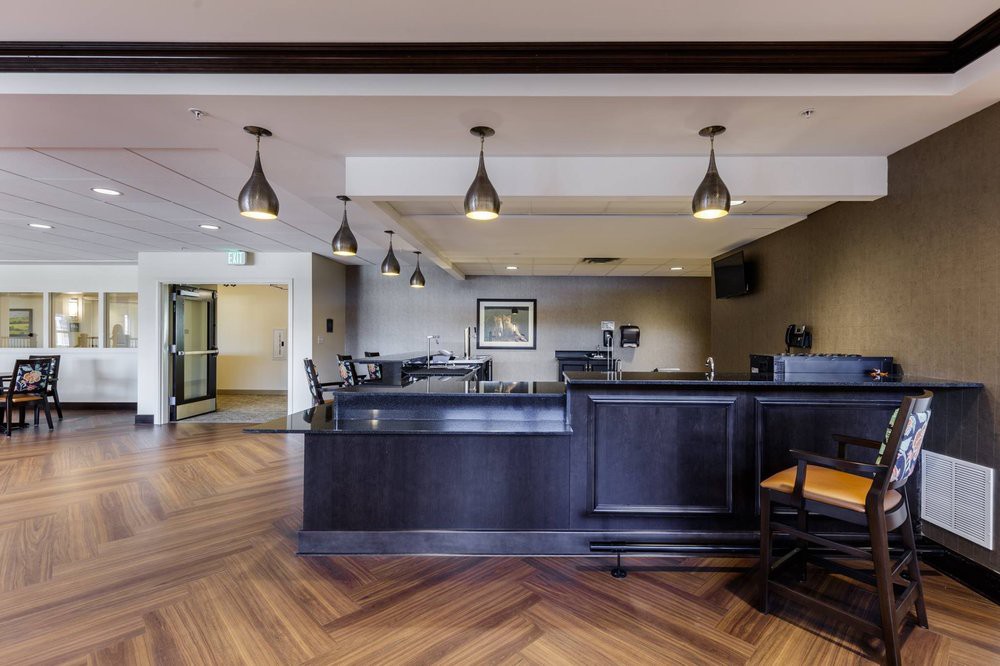
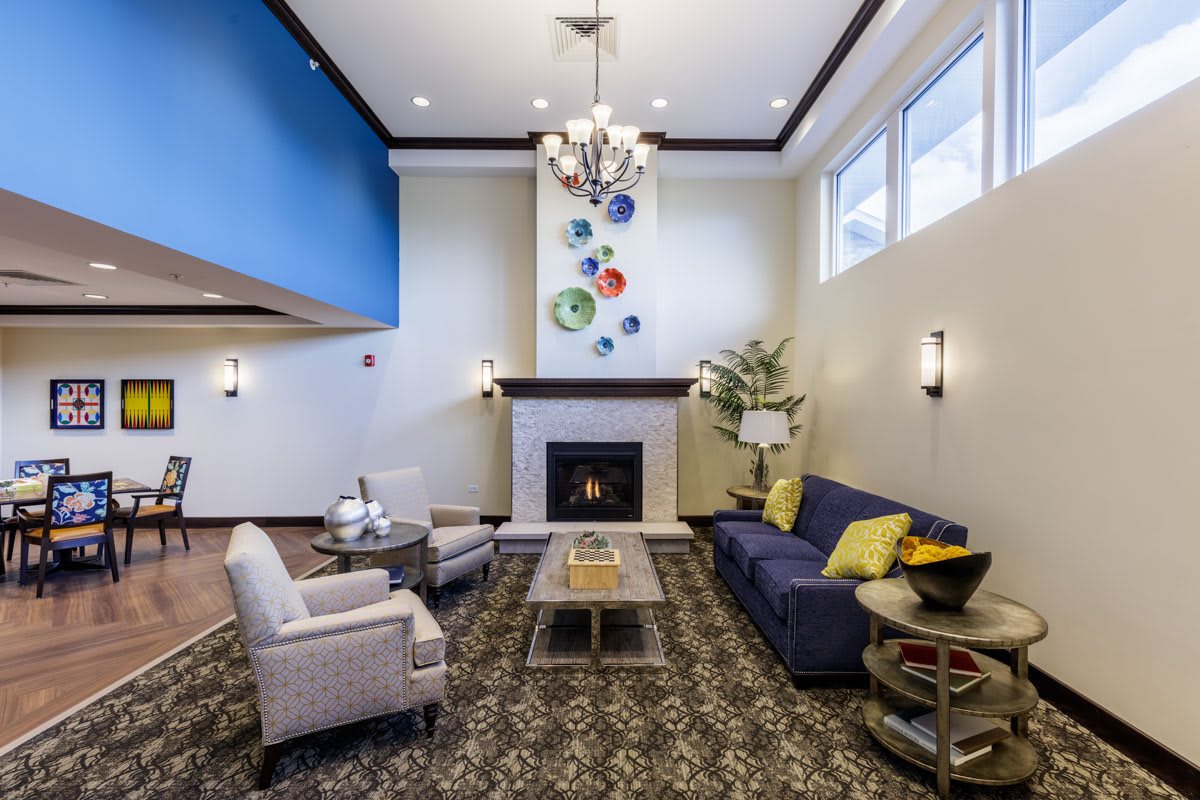
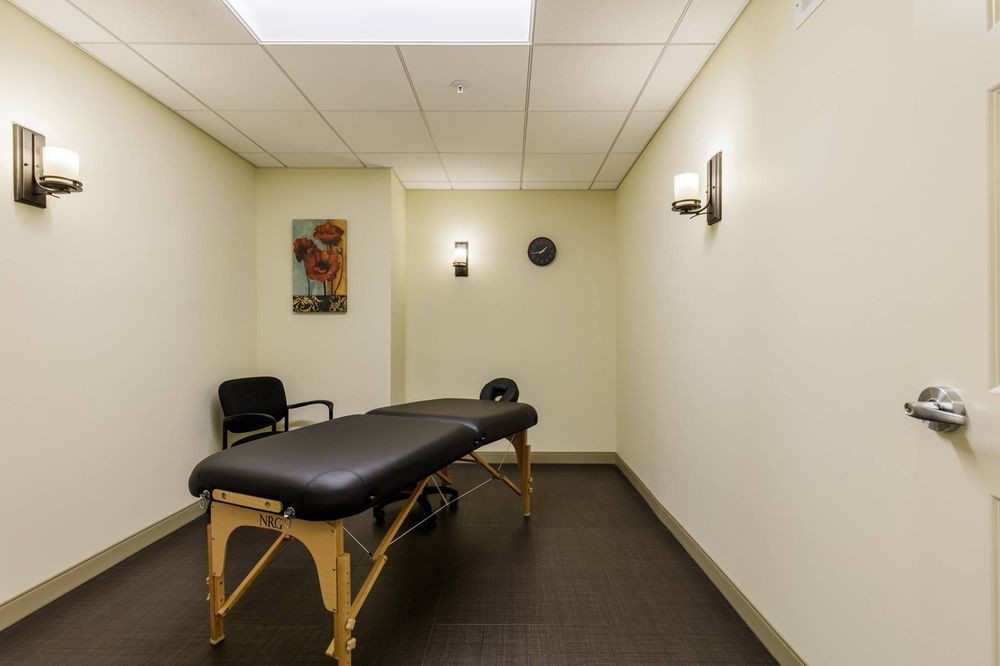
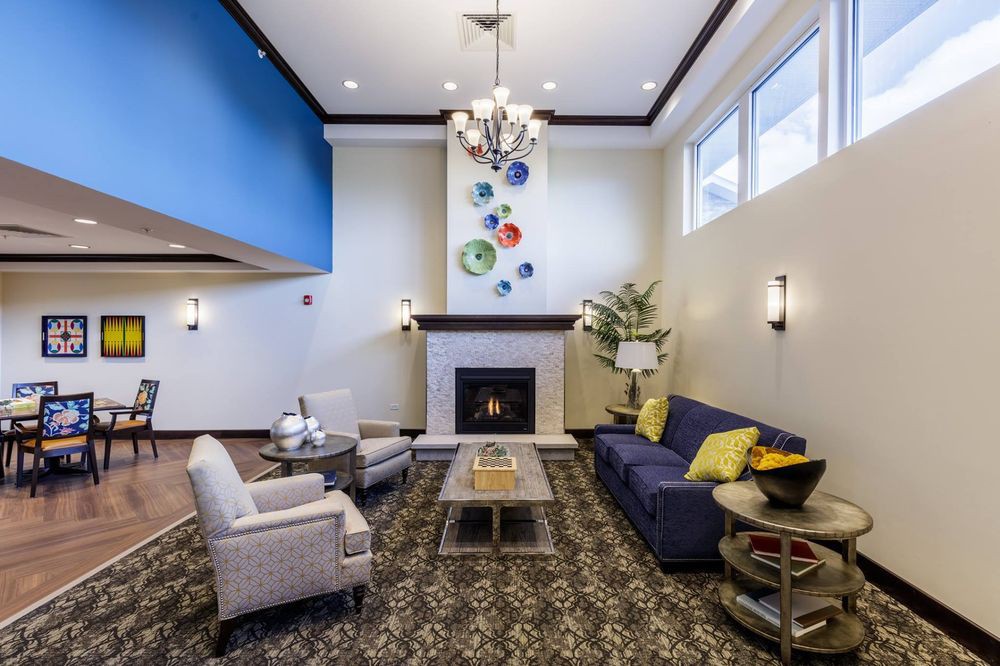
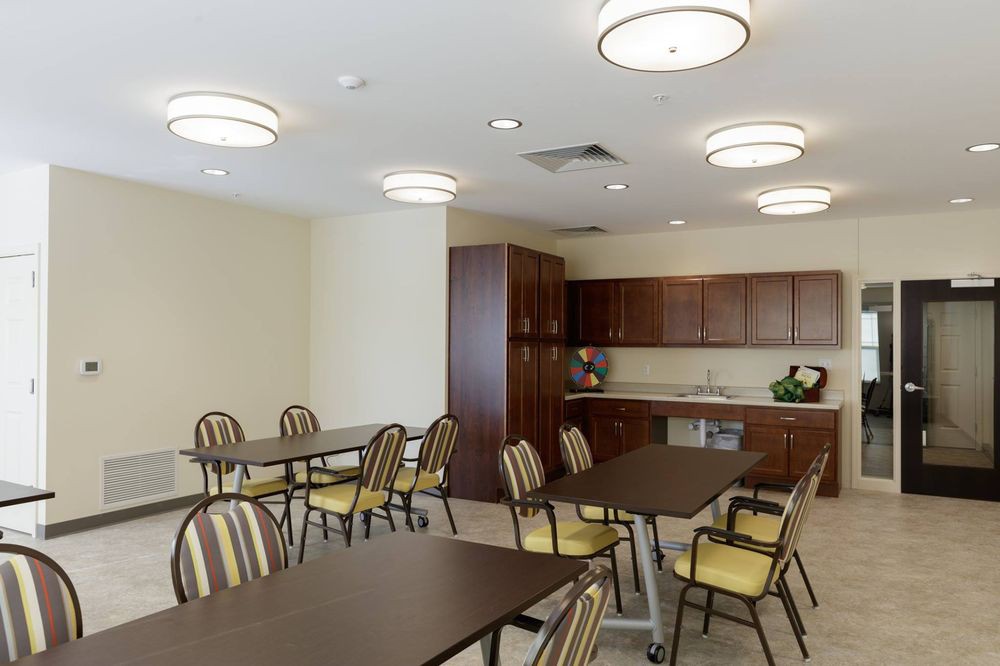
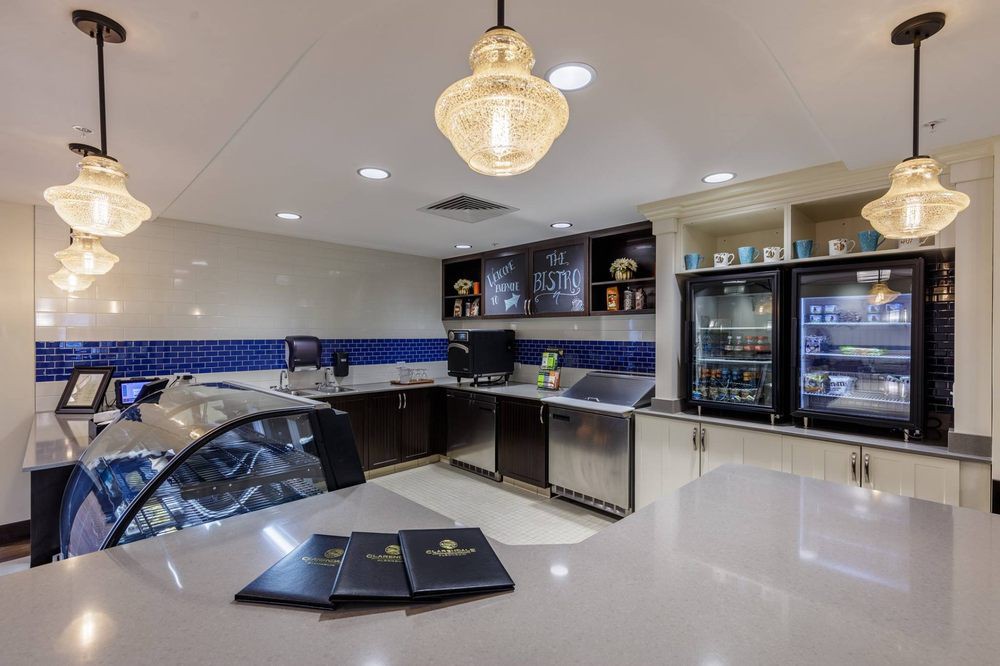
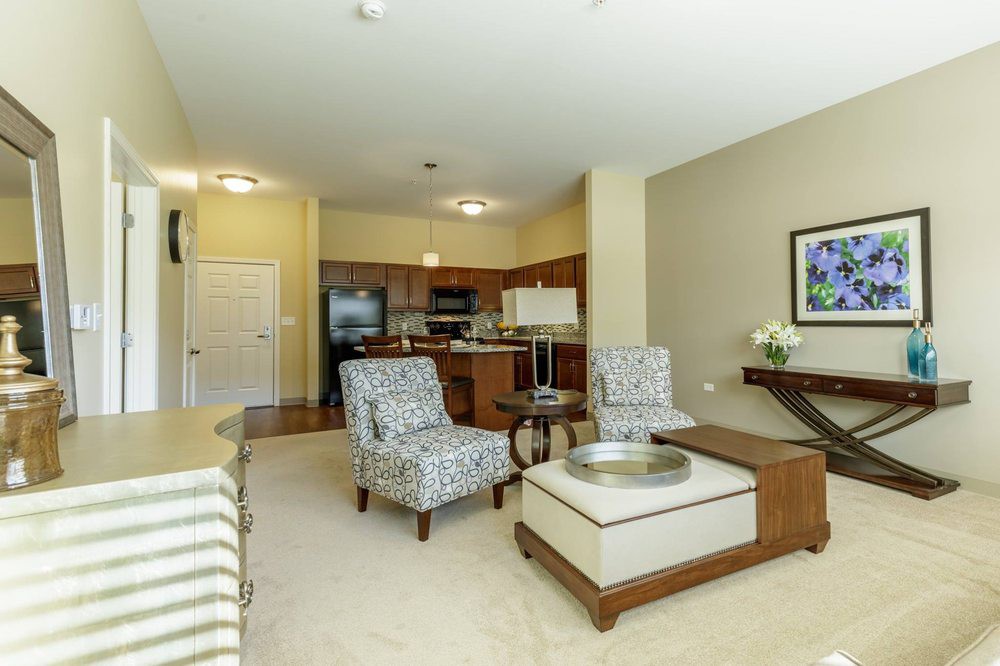
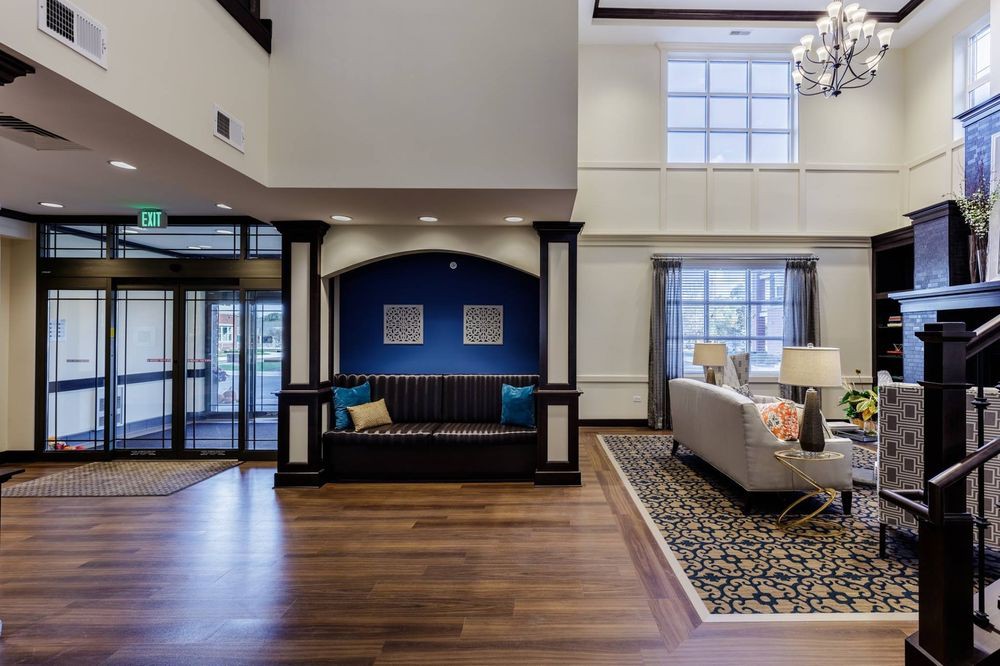
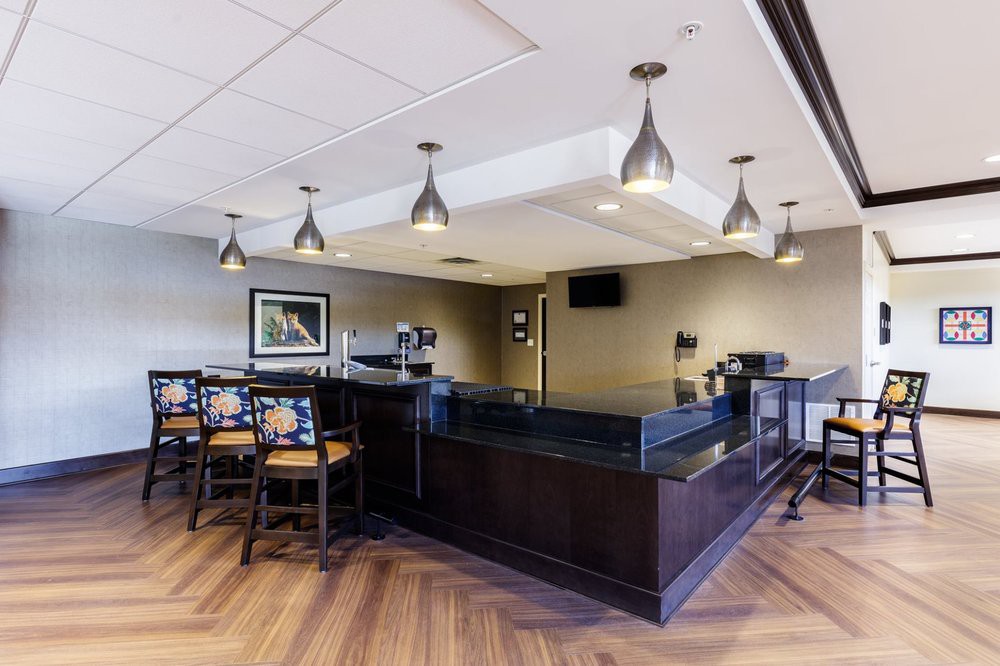
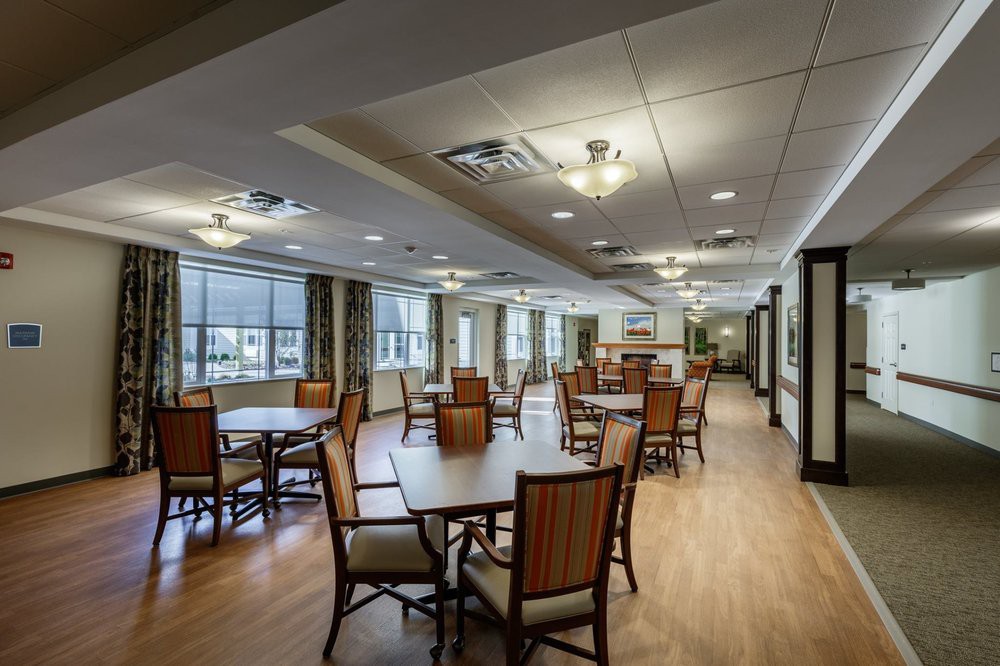
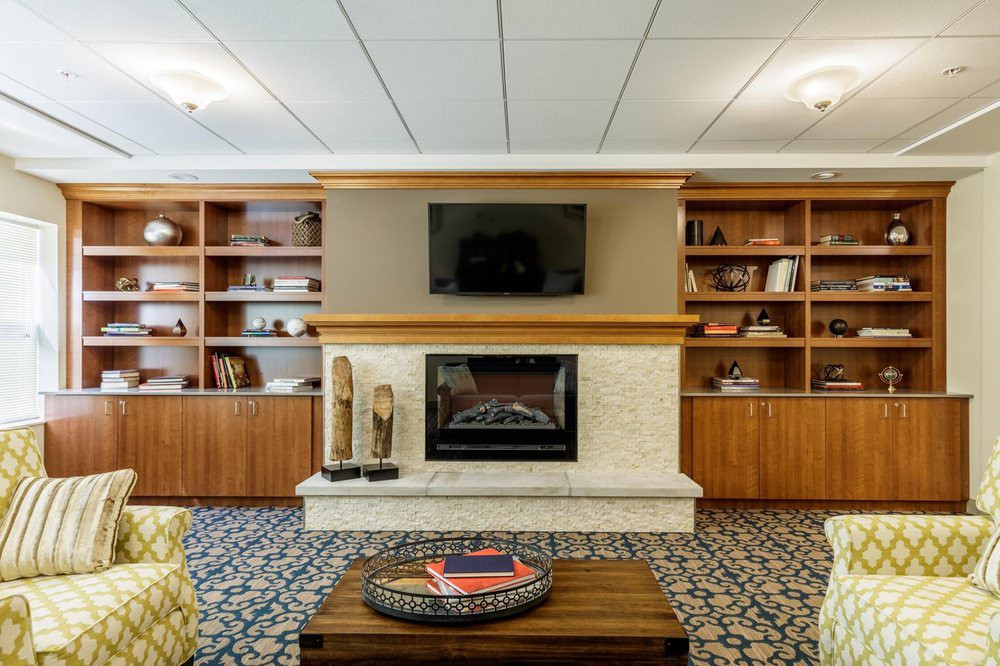
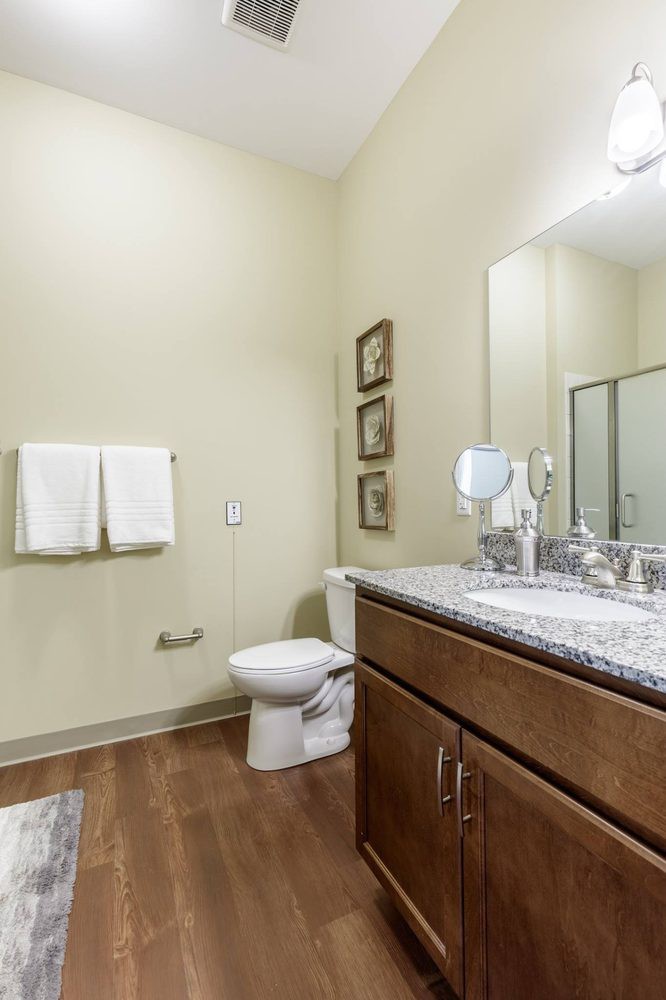
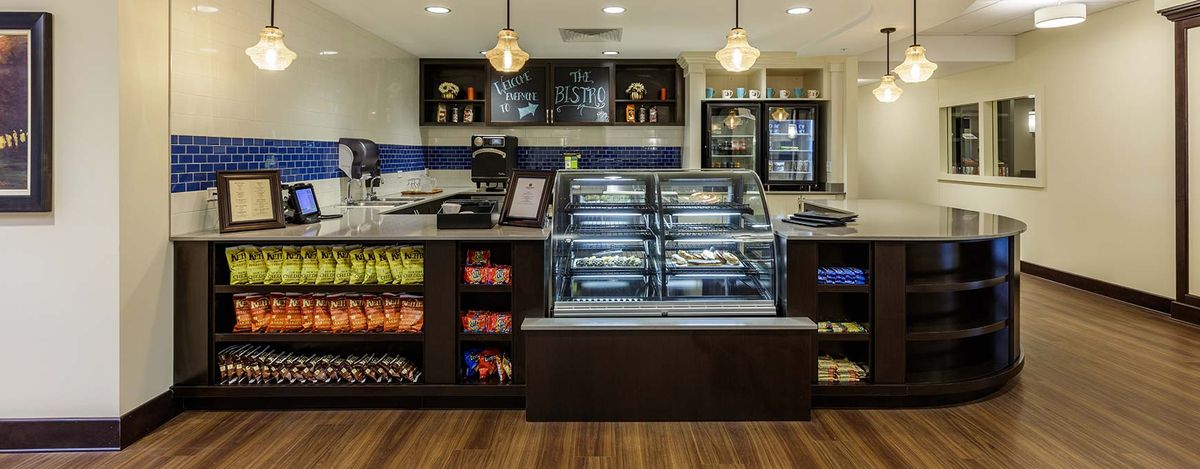
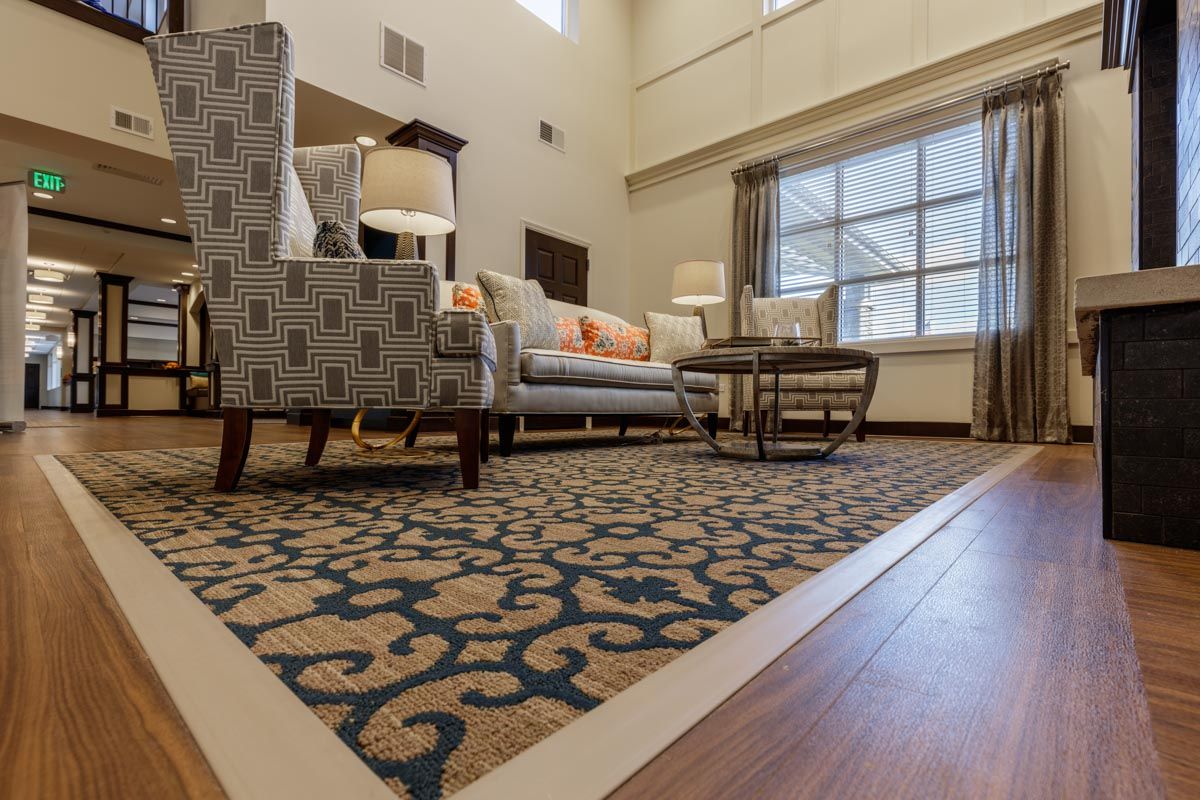
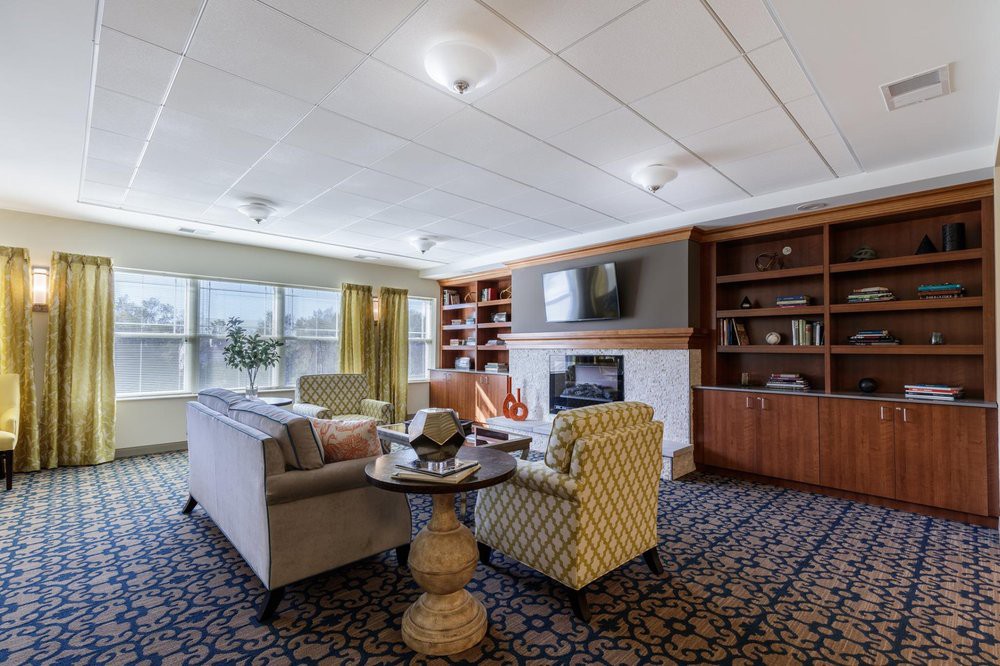
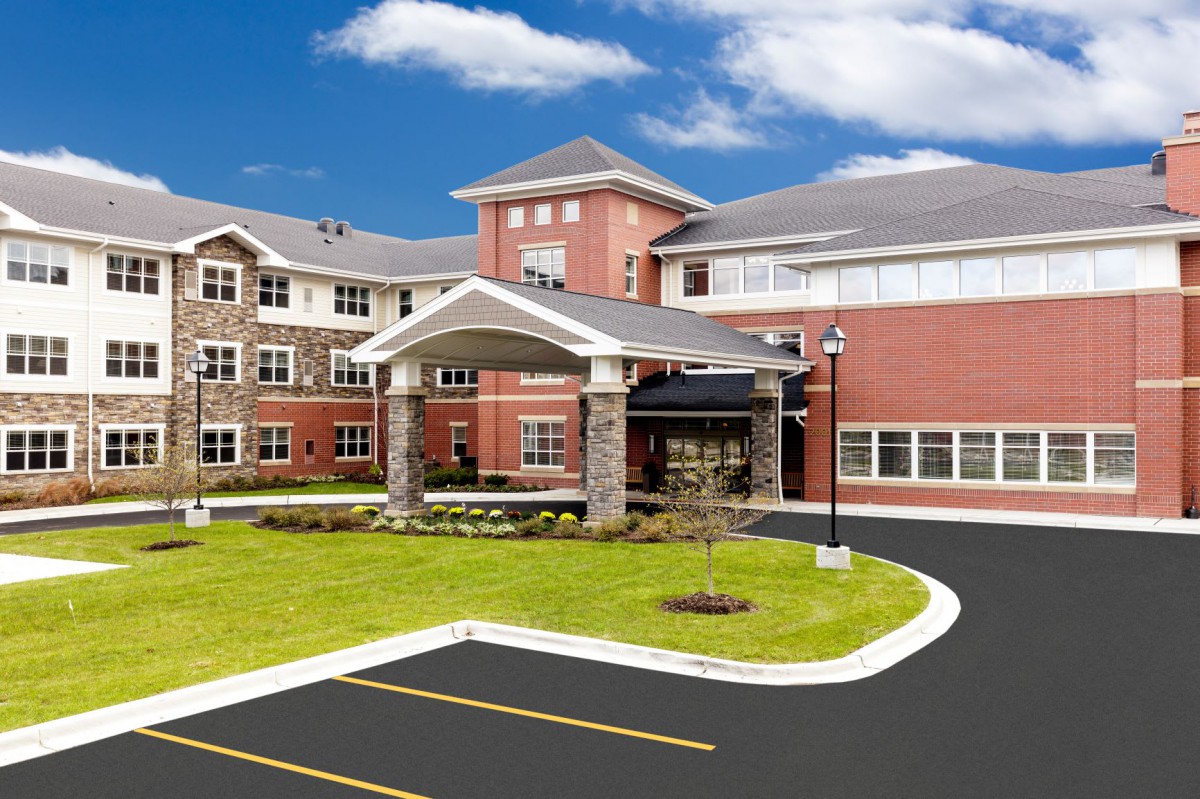
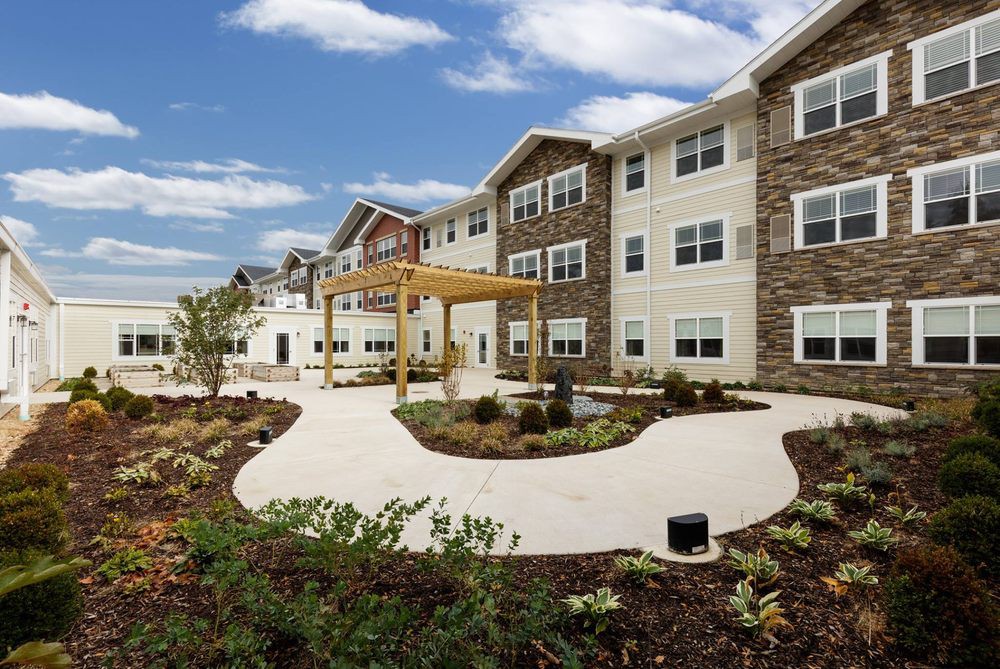
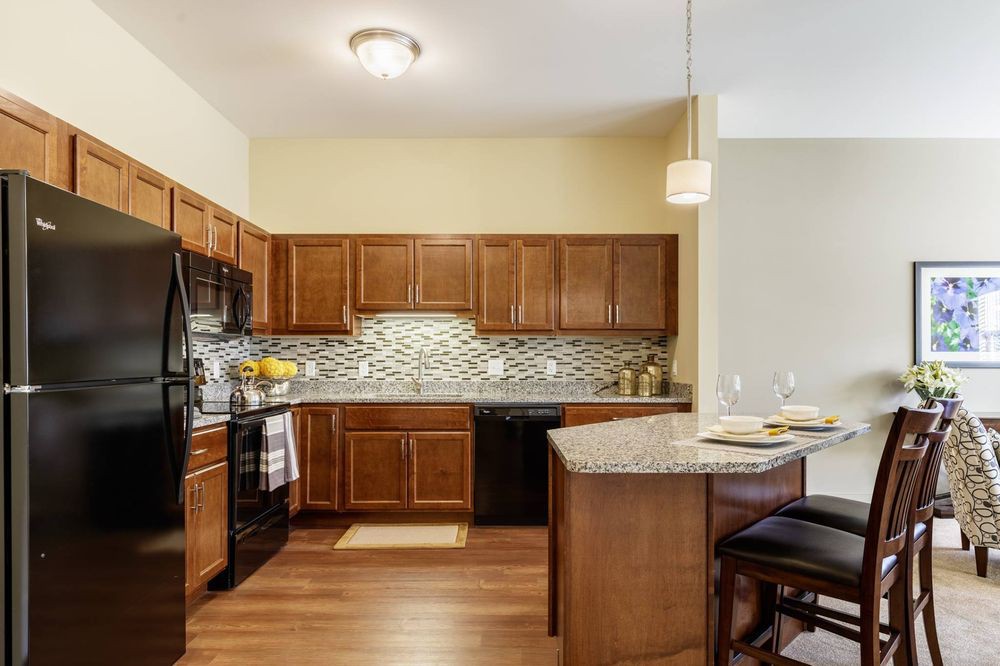
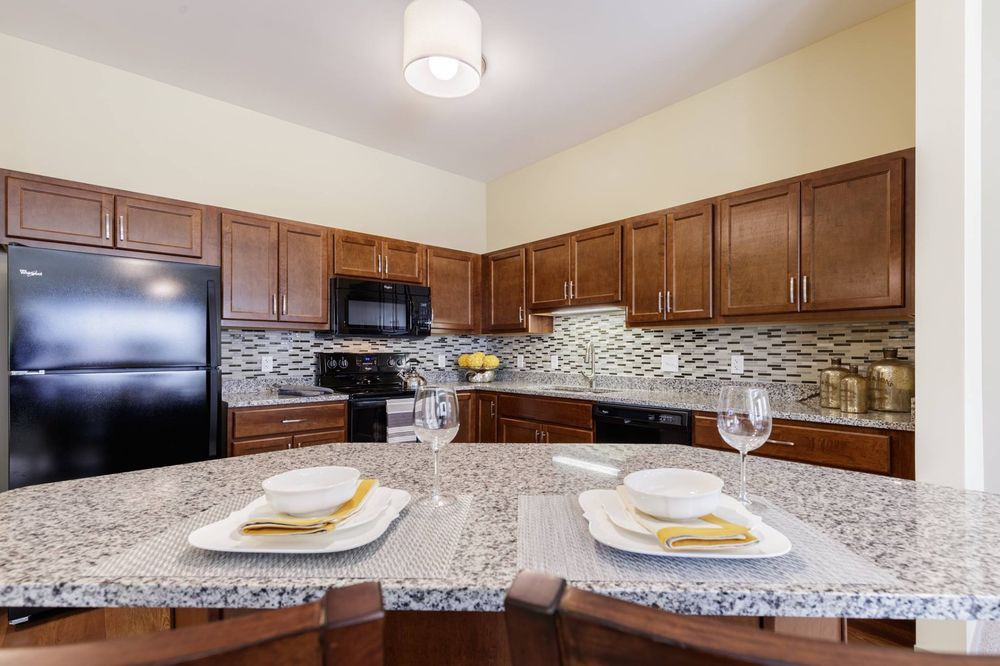
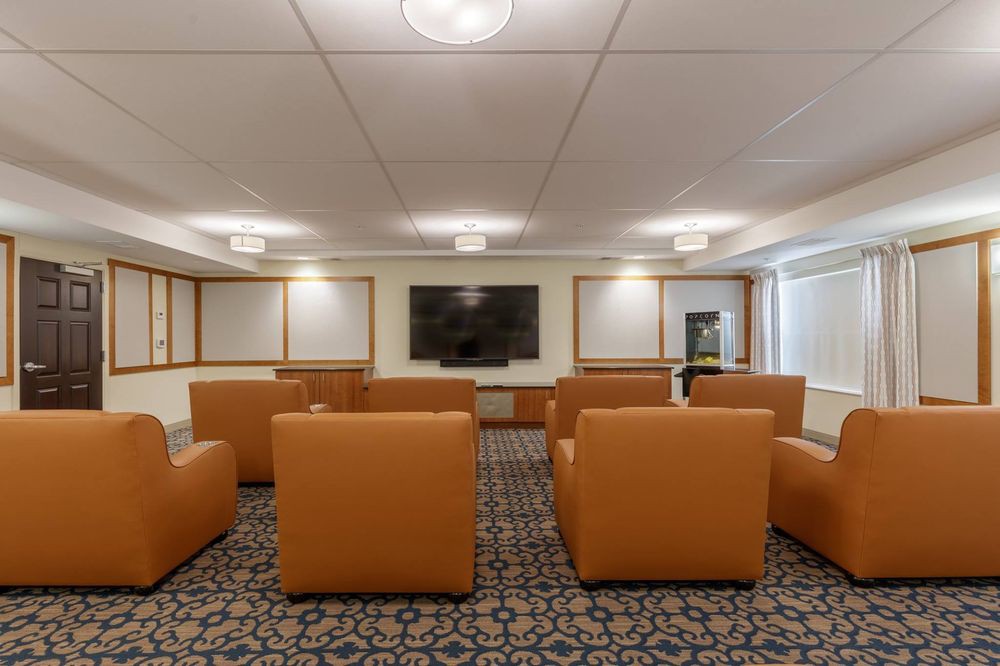
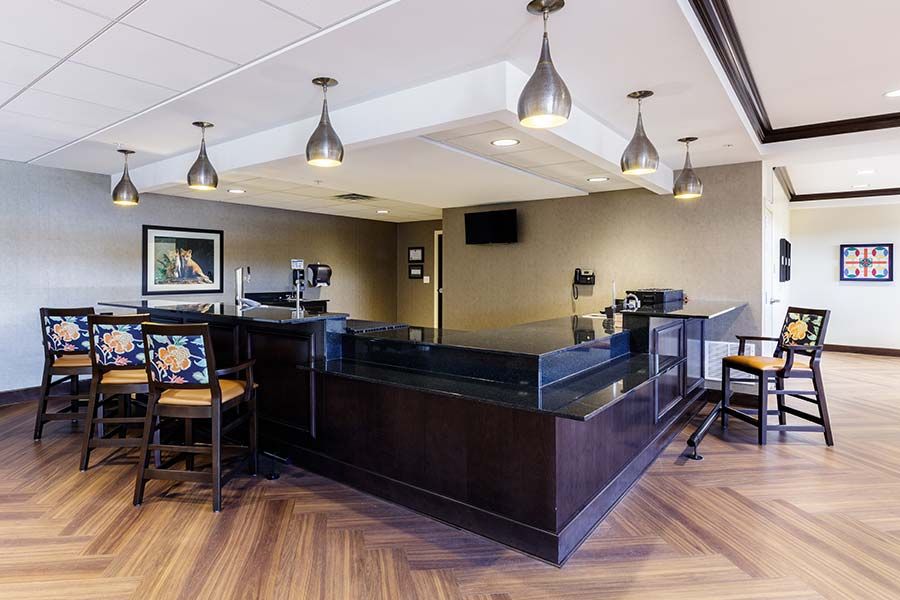
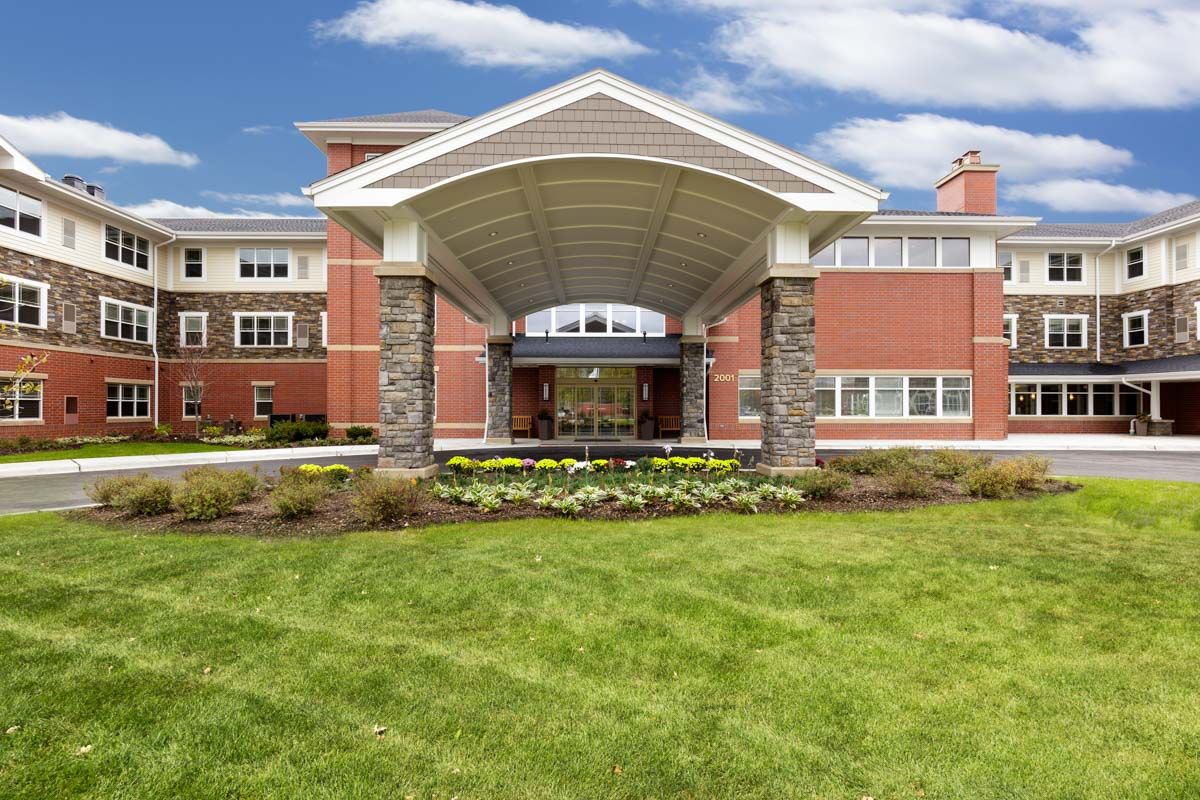
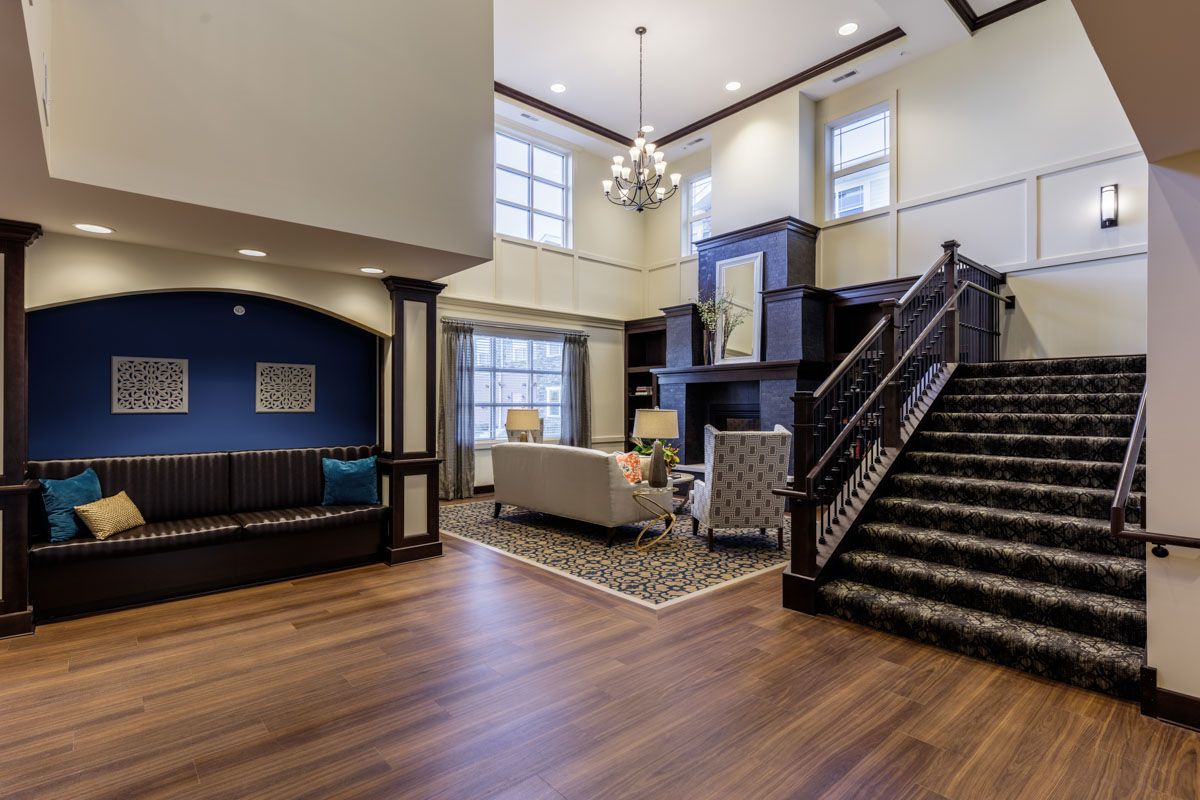
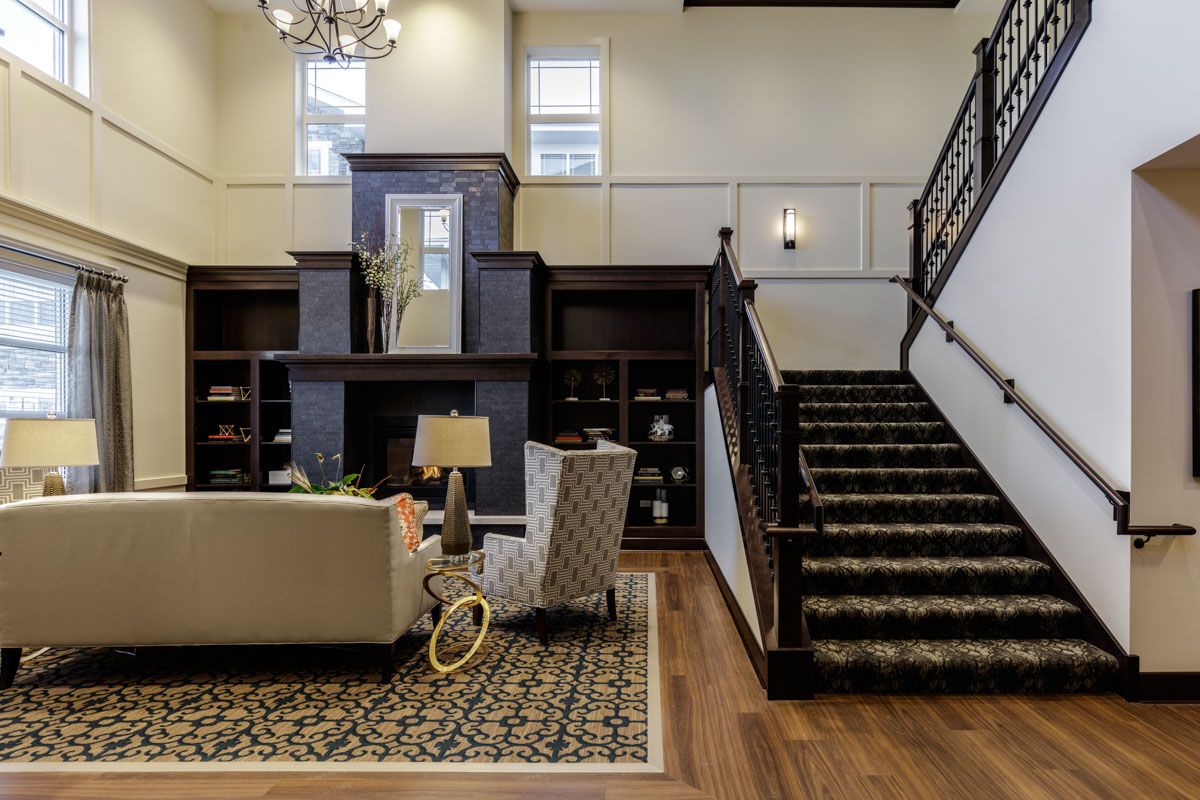
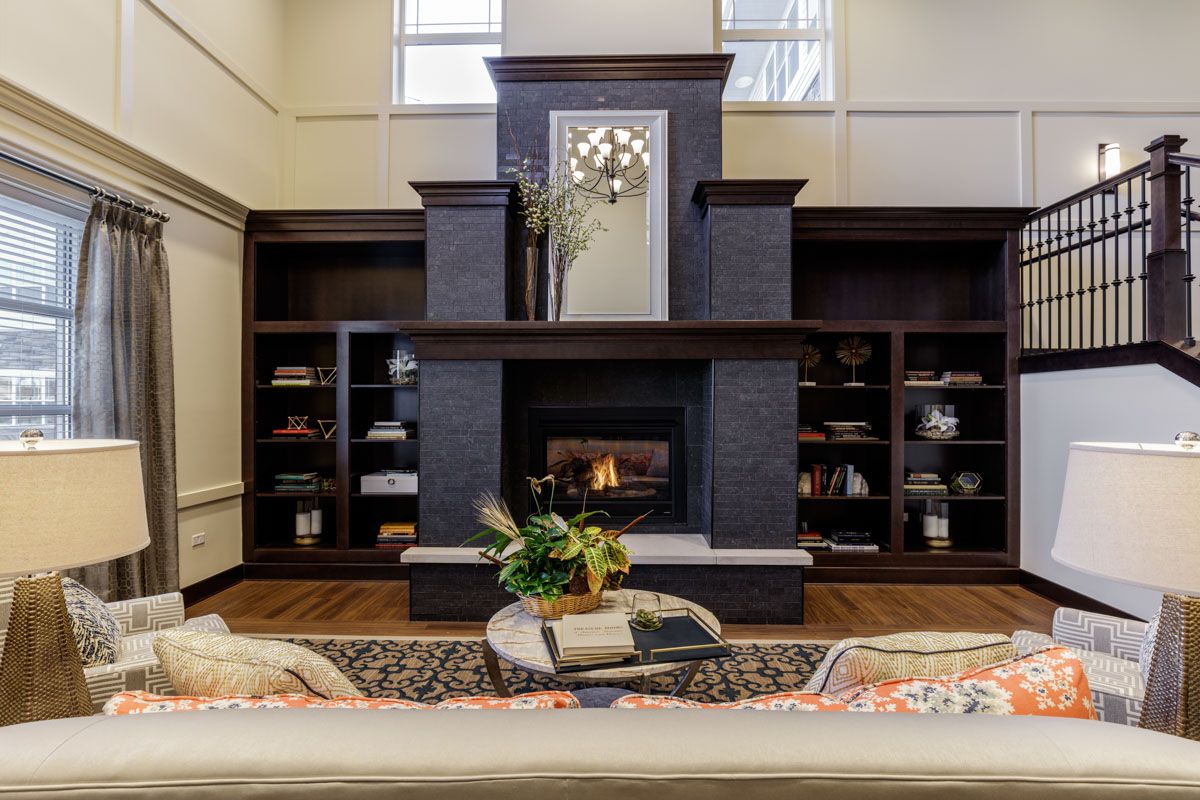
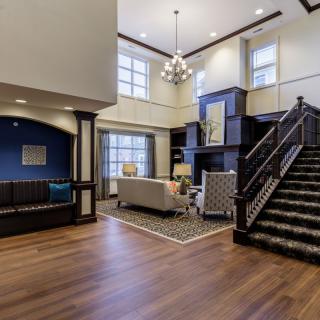
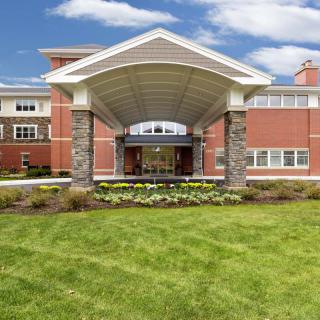
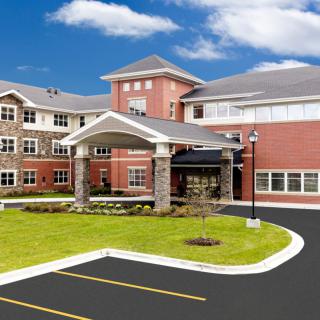
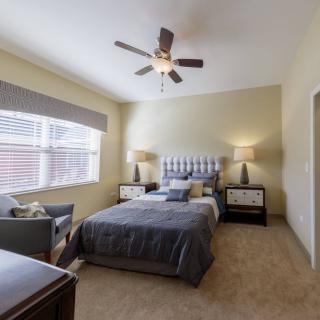
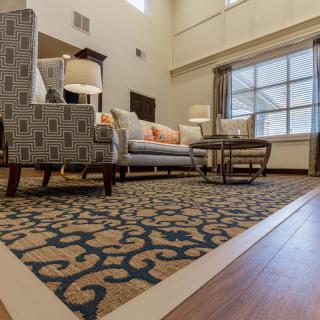
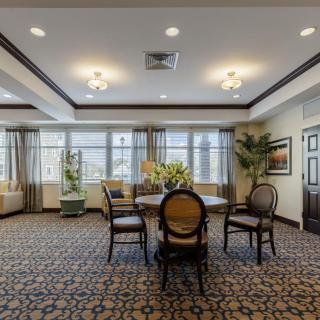
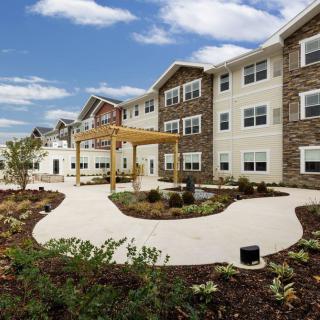
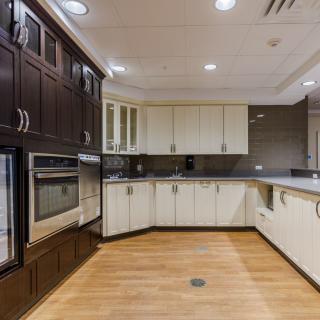
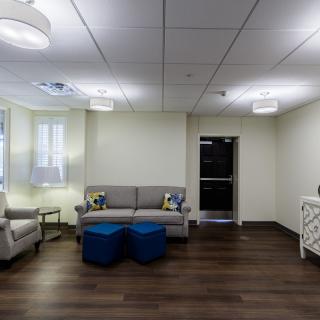
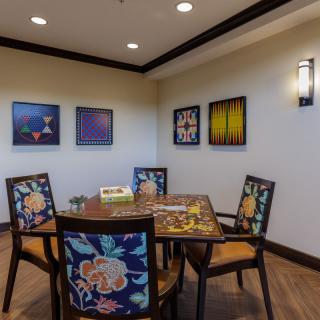
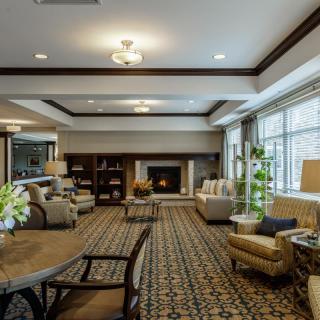
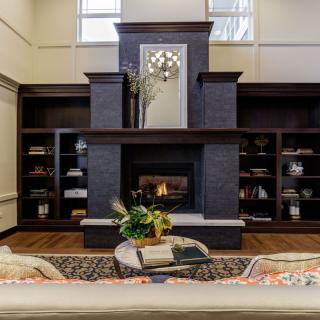
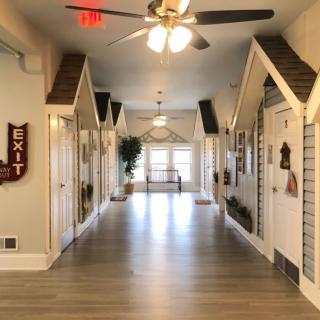
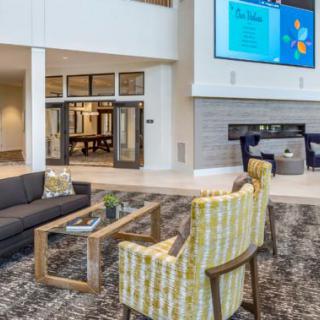
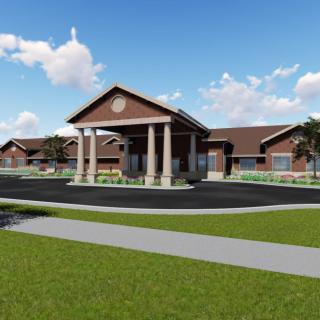
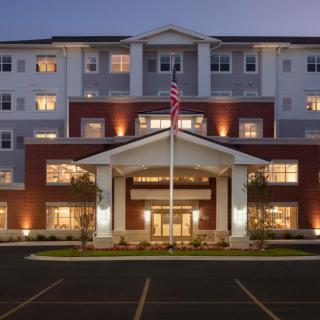
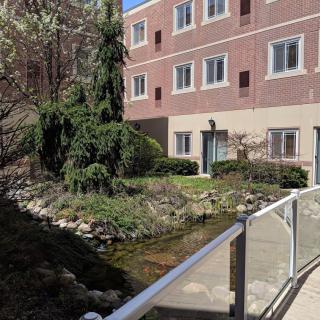
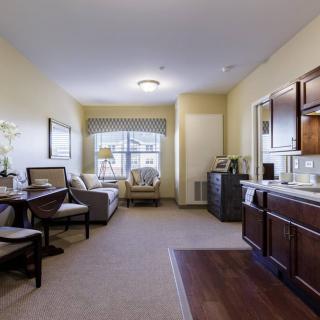
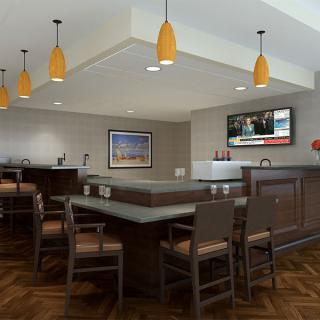
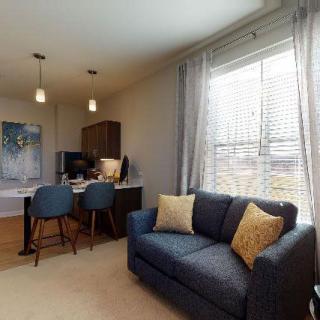
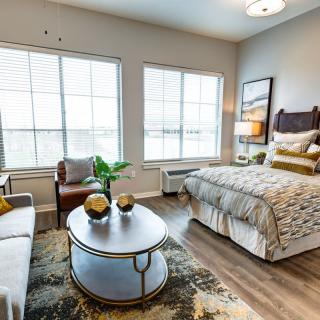
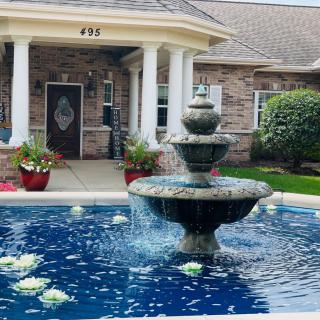
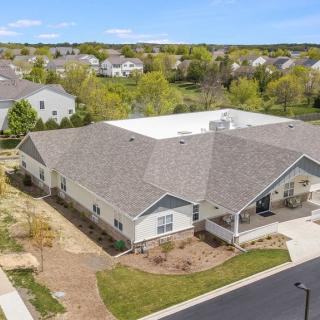
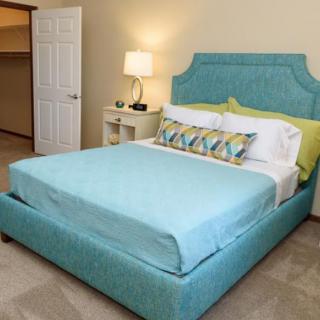
Clarendale of Algonquin on seniors.fyi includes 75 photos including images showing interior, floor plan, living room, dining, decor, lighting, lobby, seating area, and more.
Nearby Communities
Melody Living Lake in the Hills
Lake in the Hills, IL
4.7 from 72 reviews
$4,440 to $7,700 / month
Attentive staff with personalized care in a clean, attractive setting.
Melody Senior Living
Lake in the Hills, IL
5 from 2 reviews
Strong programs and caring staff; convenient proximity to an adjacent assisted-living facility.
Melody Living of Lake in the Hills
Lake In The Hills, IL
$5,045 to $7,985 / month
Comprehensive care options with extensive on-site amenities.
Synergy Home Care McHenry
Lake in the Hills, IL
5 from 47 reviews
Easy access to numerous nearby amenities and healthcare.
The Oaks at Algonquin
Algonquin, IL
4.2 from 92 reviews
$2,650 to $4,235 / month
Compassionate staff with engaging activities in a well-maintained, welcoming community.
Autumn Leaves Of Crystal Lake
Crystal Lake, IL
4.7 from 35 reviews
Specialized memory care with 24/7 supervision and comprehensive ADL support in a furnished, amenity-rich setting.
Encore Memory Care at Crystal Lake
Crystal Lake, IL
4.8 from 63 reviews
$5,795 to $6,795 / month
Caring, professional staff in a clean, engaging environment.
The Heathers Senior Homes
Lake In The Hills, IL
4.8 from 51 reviews
$6,000 to $6,500 / month
Intimate, homelike setting with attentive staff and regular family updates.
Huntley Springs Retirement Resort
Huntley, IL
4.6 from 100 reviews
$3,577 to $4,875 / month
Friendly, responsive staff with engaging activities.
Alzheimer’s disease is a progressive neurological disorder that significantly impacts memory and cognitive functions, accounting for 60-80% of dementia cases, with early diagnosis being crucial yet challenging. It involves brain changes like beta-amyloid plaques and tau tangles, influenced by genetic and lifestyle factors, and while there is no cure, symptom management and support for caregivers are essential.
Dementia, influenced by aging and certain medications, may be exacerbated by drug classes such as anticholinergics, benzodiazepines, and antipsychotics, which are associated with cognitive impairment. Regular medication reviews by healthcare professionals are crucial for older adults to manage risks and optimize cognitive health.
Dementia often results in disrupted sleep patterns, leading to excessive daytime sleeping due to factors like brain damage affecting circadian rhythms, medication side effects, and lack of structure in daily activities. Caregivers must monitor these changes closely, as oversleeping can increase risks such as malnutrition or dehydration, and provide necessary support and routines to enhance patient engagement and well-being.
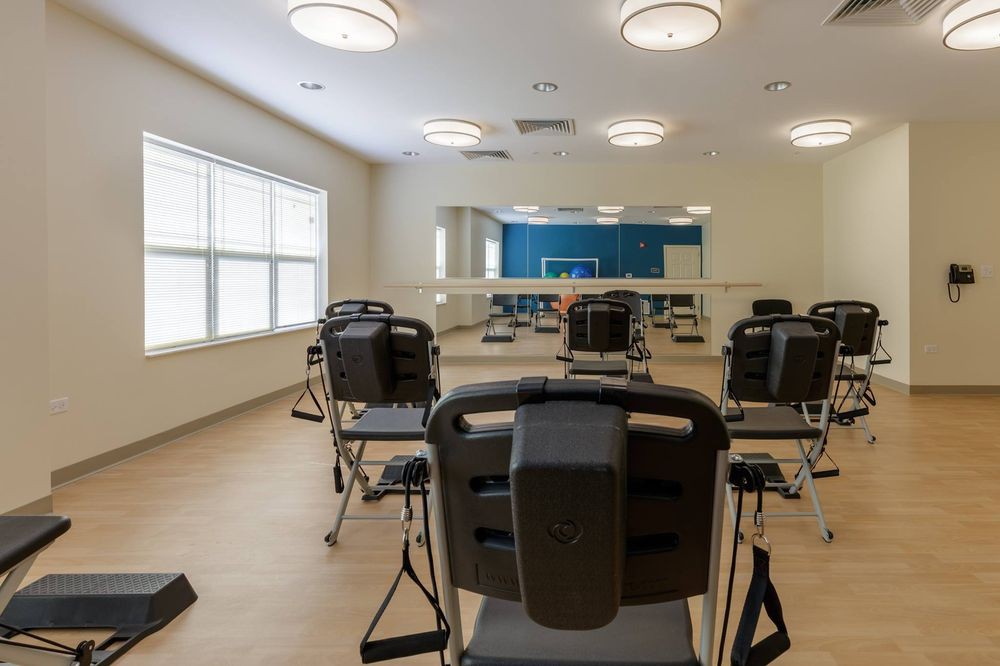
Exercise Equipment, Rehabilitation, Physical Therapy, Therapy Room, and Fitness Center
Exterior
Appliances
Natural Light
Bookshelves
Seating
Wall Art
Painting
Cabinets
Library
Billiards and Hardwood Floor
Office, Lights, and Reception Area
Shower
Waiting Area
Lounge
Rug
Refrigerator
Kitchenette
Theater
Game Room
Spacious
Reception
Exercise
Staircase
Lighting Fixtures
Table And Chairs
Modern Furniture
Stairs
Reception Desk
Bar
Open Floor Plan
Modern Interior
Architectural Design
Decorative Plants
Wooden Flooring
Massage Room
Get PricingAsk A QuestionSchedule A TourContact Senior Advisor
By clicking submit, you agree to our Partner's Terms of Use. You
also consent to receive calls and texts, which may be autodialed, from our Partner. Your consent is not a condition to
using our Partner's service. Please visit our Partner's Privacy Policy for information about their privacy practices.







 110 resident community capacity
 1-bedroom apartments
 Assisted Living
 Independent Living
 Memory Care
 Cats allowed
 Dogs allowed
 Activities off-site
 Air-conditioning
 Bath tubs
 Beautician on-site
 Cable or satellite TV
 Computer center
 Devotional services off-site
 Dining room
 Fitness room
 Full kitchen
 Fully furnished
 Gaming room
 Garden
 Ground floor units
 Handicap accessible
 Housekeeping services
 Indoor common areas
 Laundry
 Move-in coordination
 Outdoor common areas
 Overnight guests
 Party space
 Private bathrooms
 Private patio, deck, or balcony
 Respite or short term stays offered
 Restaurant-style dining
 Small library
 Spa
Spa Swimming pool
 Telephone
 Wheelchair accessible showers
 Wi-Fi/high-speed internet available
 Community operated transportation
 12-16 hour nursing
 24-hour call system
 Ambulatory care
 Assistance with bathing
 Assistance with dressing
 Assistance with transfers
 Diabetes diet
 Diabetic care
 High acuity care
 Hospice waiver
 Incontinence care
 Medication management
 Mental wellness program
 Physical therapy
 Special dietary restrictions
 Transportation arrangement (medical)
 Art classes
 Bible study group
 Concierge services
 Cooking classes
 Day trips and outings
 Educational speakers / life long learning
 Happy hour
 Karaoke
 Live musical performances
 Wine tasting
 English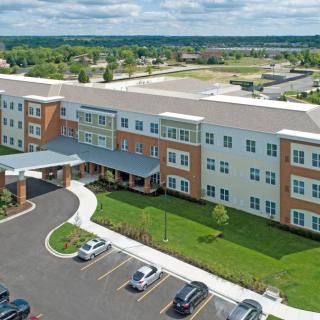
 Attentive staff with personalized care in a clean, attractive setting.


 Illuminating Insights About Alzheimer's Disease: Ten Crucial Realities
 A Thorough Discussion of Medications Potentially Linked to Dementia Risk
 Why Do Dementia Patients Sleep So Much? Understanding Oversleeping, Stages, and Care Approaches