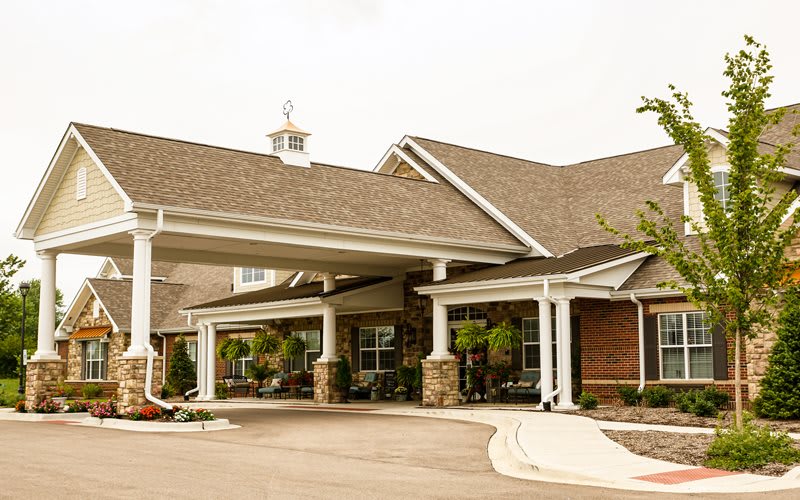
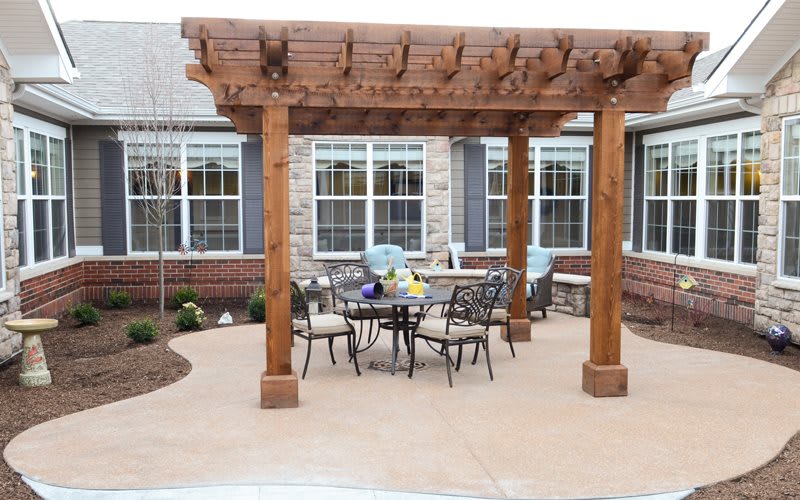
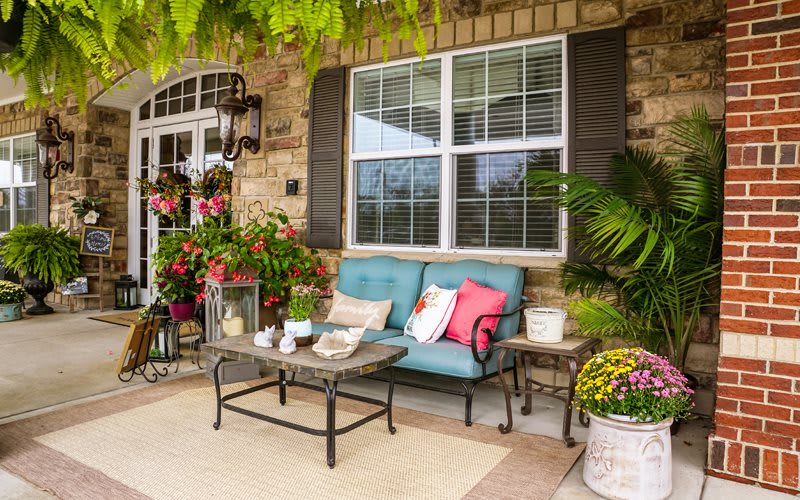
At Bickford of Aurora, the monthly costs for care and accommodations reflect a competitive pricing strategy within the local market. For a studio, residents can expect to pay $4,563, which is notably lower than the average cost in Kane County at $4,991, while also slightly exceeding the state average of $4,028. In comparison, the one-bedroom option comes in at $5,170; this rate surpasses both Kane County's average of $3,512 and Illinois' overall average of $3,527. These figures suggest that Bickford of Aurora positions itself as a premium choice within the region, prioritizing quality and specialized care that may account for its higher pricing in certain room types.
Floor plans
Bickford of Aurora
Kane County
Illinois
Studio
$4,563
$4,991
$4,028
1 Bedroom
$5,170
$3,512
$3,527
Skilled Nursing Facilities with a similar price nearby
Residents and families repeatedly describe staff who are caring and responsive.
Across the reviews, residents’ families emphasize that caregivers know residents well and communicate with updates, especially when care needs change. Several people also mention that staff answer questions quickly and listen to concerns, sometimes sharing how they brainstorm or adjust based on resident input. Even in memory care, reviewers describe staff treating loved ones with dignity and respect and helping families feel at ease.
common22 reviews mention this
Home-like environment and cleanliness
Many reviewers highlight a clean, home-like setting.
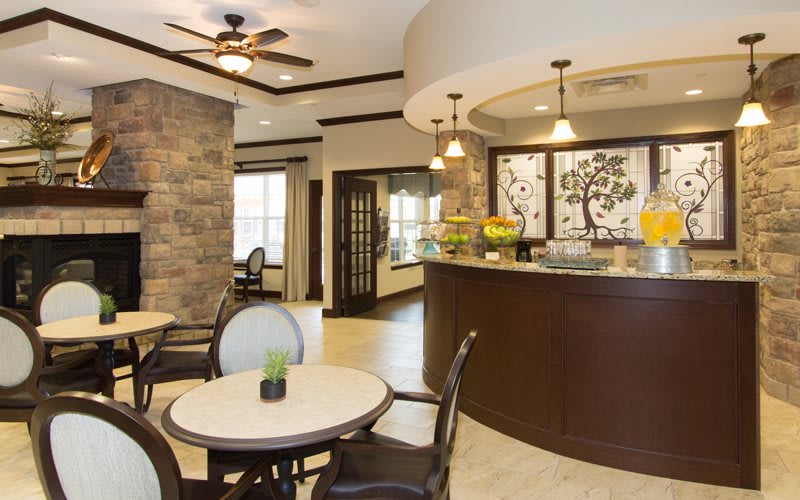
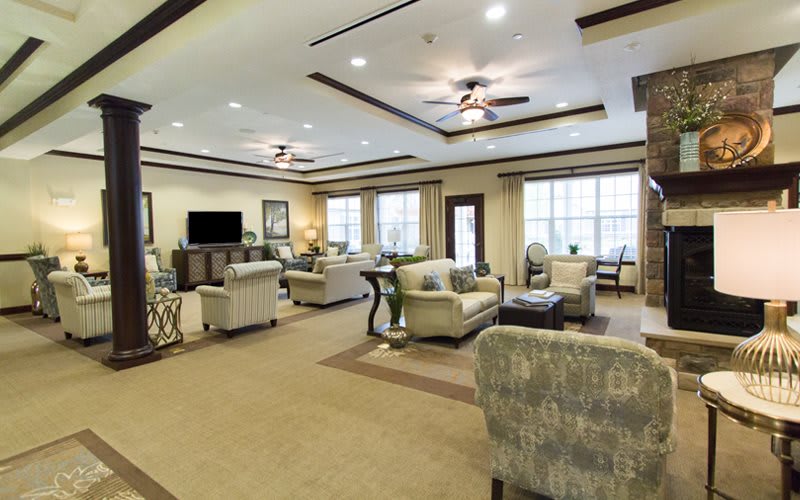
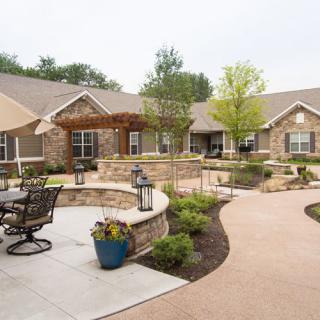
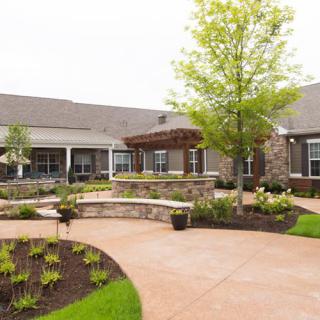
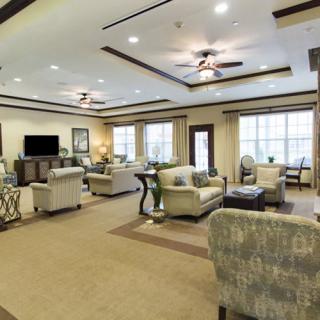
Multiple reviews describe the building as beautiful, well maintained, and clean, with a warm atmosphere that feels like home. People also comment on how welcoming the facility is when families arrive for tours or visits. A number of reviewers connect that environment with their overall peace of mind about care.
common13 reviews mention this
Activities keep residents engaged
Residents are described as staying engaged with varied activities.
Reviews commonly mention that residents participate in regularly scheduled activities designed to promote social connection and mental engagement. Families describe day-to-day engagement in areas like crafts, puzzles, games, trivia, bingo, and other group activities. Others mention outings and seasonal events, and note that their loved one seemed happy and consistently active.
common7 reviews mention this
Dining gets strong support
Meals are repeatedly described as a positive part of the experience.
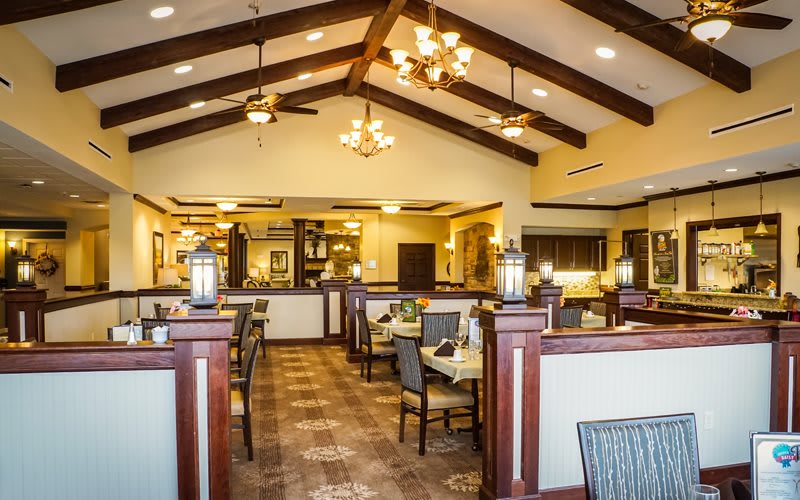
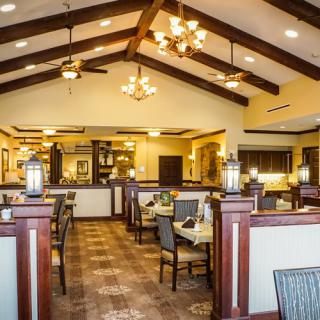
Several reviews talk about good food and describe meals in a way that suggests restaurant-style quality. A few families specifically mention chefs and talk about how much their loved ones enjoyed the food. Reviews also connect dining with comfort and day-to-day happiness for residents.
differentiator9 reviews mention this
Memory care support is a key focus
Memory care support is frequently mentioned in dementia-related reviews.
A recurring theme is that families looking for dementia or Alzheimer’s support felt guided through care transitions and day-to-day changes. Reviews describe staff noticing needs that family members didn’t, helping make the move into memory care, and keeping residents engaged with activities suited to cognitive needs. Some people also highlight security and layout features they observed during tours for memory care residents.
caveat4 reviews mention this
Pricing is a common concern
Price comes up as a barrier for some families.
While several people recommend the community, multiple reviews also say it was too expensive for their budgets. Families mention cost specifically when comparing options or deciding whether it would be affordable long term, including the possibility of needing other payment support later. This is the most consistent limitation alongside the otherwise positive feedback.
How we summarize
Counts show how many written reviews mention each theme; a review can touch several themes, and only frequently mentioned themes are displayed.
Features
Housing
Studio apartments
Types of Care
Assisted Living
Memory Care
Skilled Nursing Facility
Pets
Cats allowed
Dogs allowed
Amenities
Activities off-site
Activities on-site
Air-conditioning
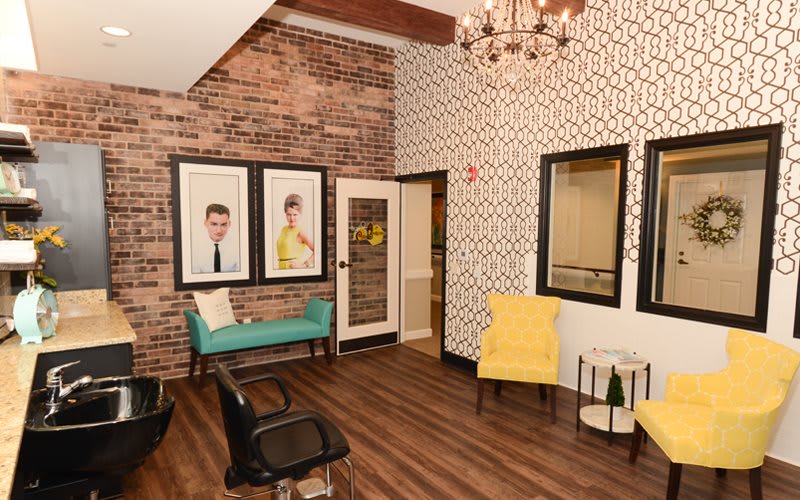
Beautician on-site
Cable or satellite TV
Devotional services on-site
Dining room
Financing advice
Garden
Ground floor units
Guasts at mealtime
Guest parking
Handicap accessible
Home sale assistance
Housekeeping services
Indoor common areas
Kitchenette
Laundry
Outdoor common areas
Party space
Resident parking
Respite or short term stays offered
Spa
TV room
VA Benefits Consultation
Wheelchair accessible showers
Transportation
Transportation & parking
Care Services
Ambulatory care
Diabetic care
Incontinence care
Medication management
Personal care assistants
Dining
Anytime dining
Diabetes diet
Guest meals
Low / no sodium
Low fat
Meals provided
Professional chef
Restaurant style dining
Room service
Vegetarian
Activities
Activities off-site
Activities on-site
Arts and crafts
Book club
Day trips and outings
Devotional activities on-site
Educational speakers / life long learning
Fitness programs
Games
Gardening club
Light therapy programs
Live dance or theater performances
Live musical performances
Live well programs
Religious services
Reminiscence programs
Sensory-based programs
Stories
Visiting chaplain or priest
Languages Spoken
English
Nearby Places of Interest
This part of Aurora, Illinois offers a convenient and well-connected location for senior living. With a variety of dining options ranging from fast food to upscale restaurants within a few miles, residents can easily satisfy their culinary preferences. Additionally, there are several pharmacies and medical facilities nearby, ensuring easy access to healthcare services. The abundance of parks in the area provides opportunities for outdoor recreation and relaxation, while the proximity to theaters and places of worship offers cultural and spiritual enrichment. Transportation options such as the Aurora Transportation Center and Metra station make it easy for seniors to travel within the city or to neighboring areas. Overall, this part of Aurora combines convenience, amenities, and accessibility, making it a desirable location for seniors looking for a comfortable and connected community.
Restaurants
Wendy's (1.2 miles)
Spartan House (2 miles)
Open Range Southwest Grill (2.3 miles)
Hardware Sustainable Gastropub and Brewery (3.1 miles)
Stolp Island Social (3.2 miles)
Tavern On Broadway (3.4 miles)
McDonald's (3.4 miles)
Cafes
Panera Bread (1.3 miles)
Moka North Aurora (3.8 miles)
Sugar Grove Cafe (5.5 miles)
Starbucks (6.1 miles)
Panera Bread (6.2 miles)
Panera Bread (7.8 miles)
Grace (8 miles)
Pharmacies
Walgreens (1.9 miles)
Walgreens (3.2 miles)
Walgreens (3.3 miles)
Walgreens (3.3 miles)
Walgreens (3.5 miles)
Walgreens (4 miles)
Walgreens (4.1 miles)
Physicians
Indian Trail Medical Center (2.7 miles)
Advocate Medical Dryer (2.9 miles)
Fox Valley Pain Management (2.9 miles)
Animal House (3.5 miles)
Rush-Copley Center for Reproductive Health (6.1 miles)
At Bickford of Aurora, the monthly costs for care and accommodations reflect a competitive pricing strategy within the local market. For a studio, residents can expect to pay $4,563, which is notably lower than the average cost in Kane County at $4,991, while also slightly exceeding the state average of $4,028. In comparison, the one-bedroom option comes in at $5,170; this rate surpasses both Kane County's average of $3,512 and Illinois' overall average of $3,527. These figures suggest that Bickford of Aurora positions itself as a premium choice within the region, prioritizing quality and specialized care that may account for its higher pricing in certain room types.
Bickford of Aurora's incontinence care ensures that residents' dignity and comfort are prioritized, reducing anxiety related to personal hygiene issues which can be particularly distressing for those with dementia or Alzheimer's. The medication management system is crucial in providing timely and accurate administration of necessary prescriptions, ultimately aiding cognitive function and emotional stability by preventing confusion and potential health complications. Additionally, sensory-based programs engage residents through tailored activities that stimulate their senses, fostering connection and communication while enhancing cognitive engagement, thereby improving overall well-being. Together, these features create a holistic approach that supports residents in maintaining their quality of life as they navigate the challenges associated with memory loss.
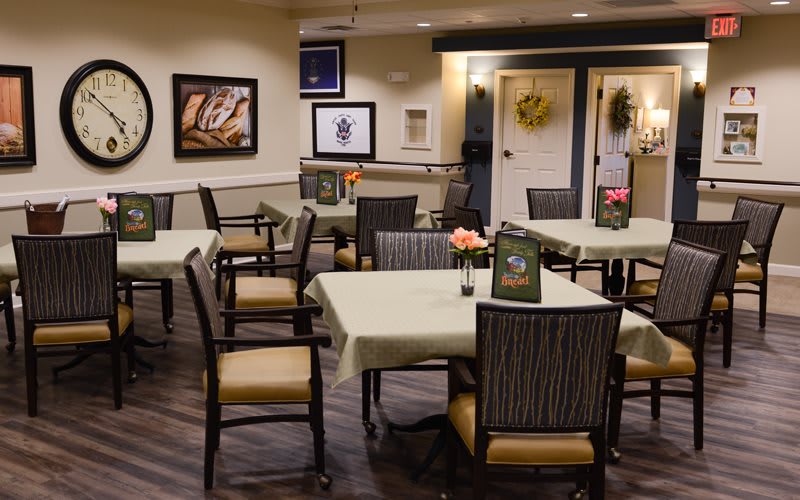
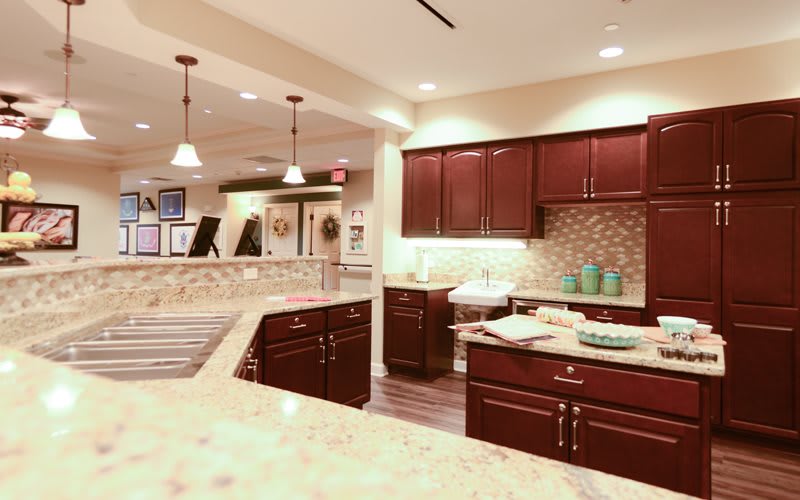
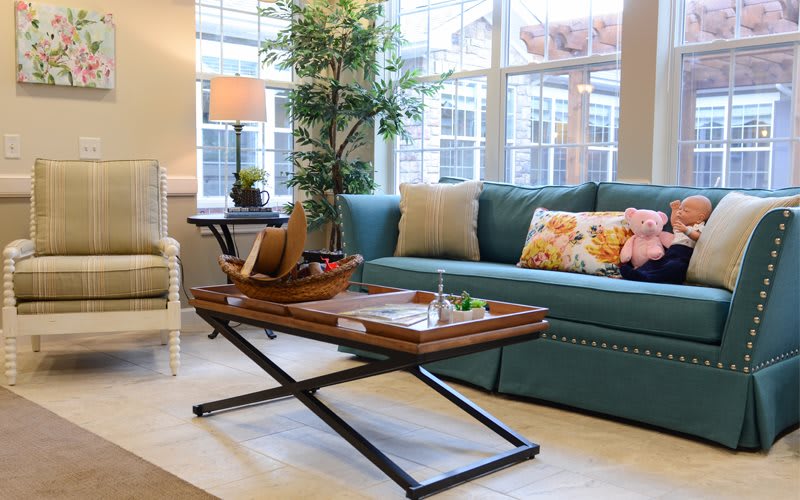
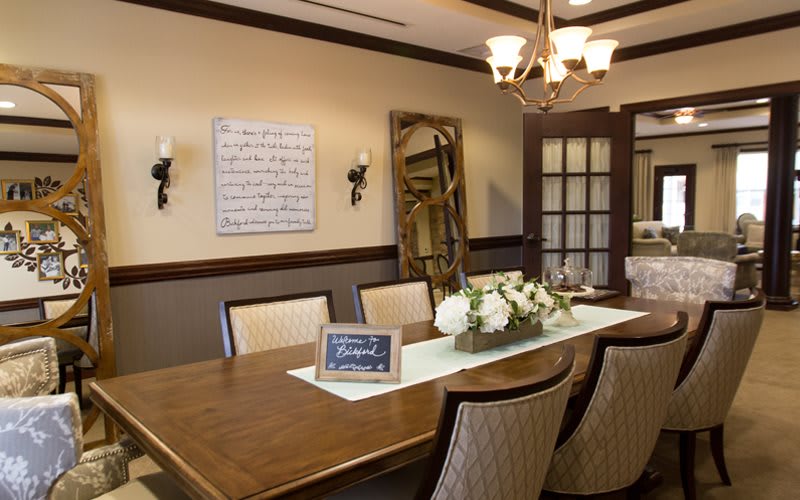
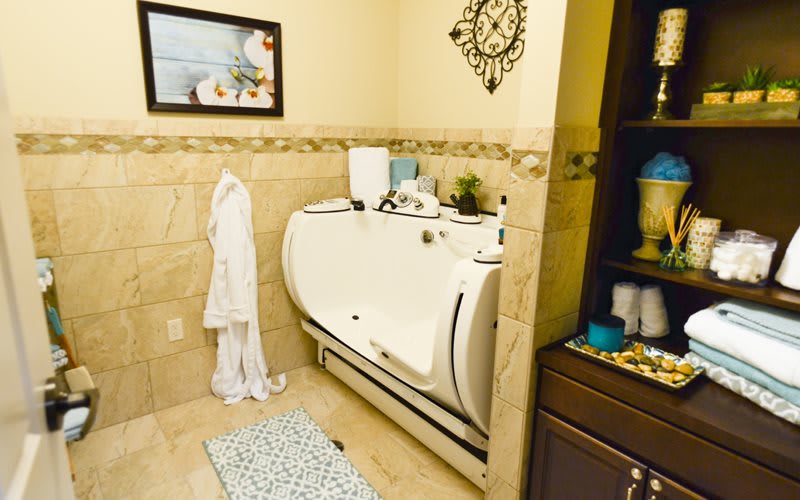
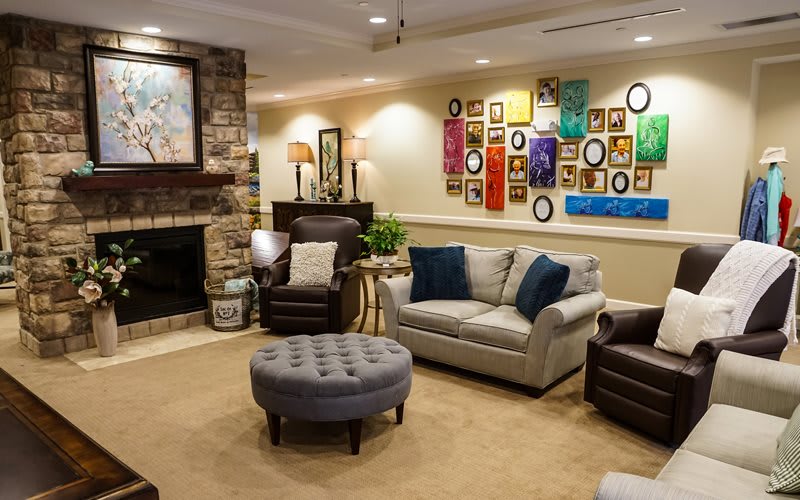
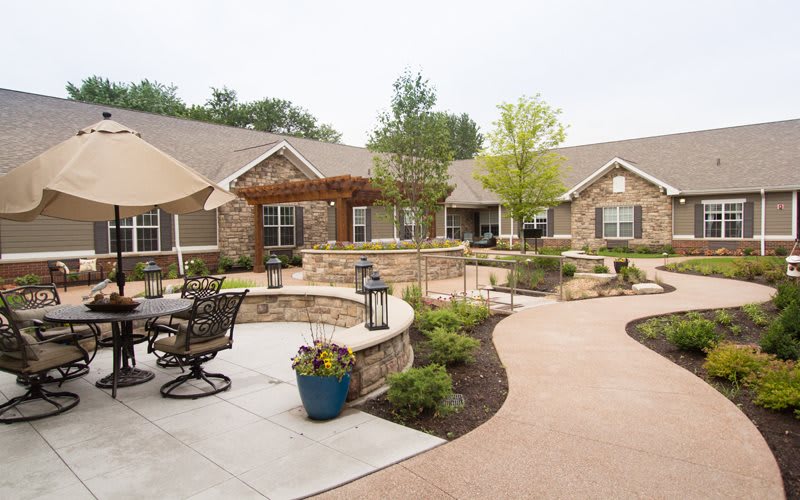
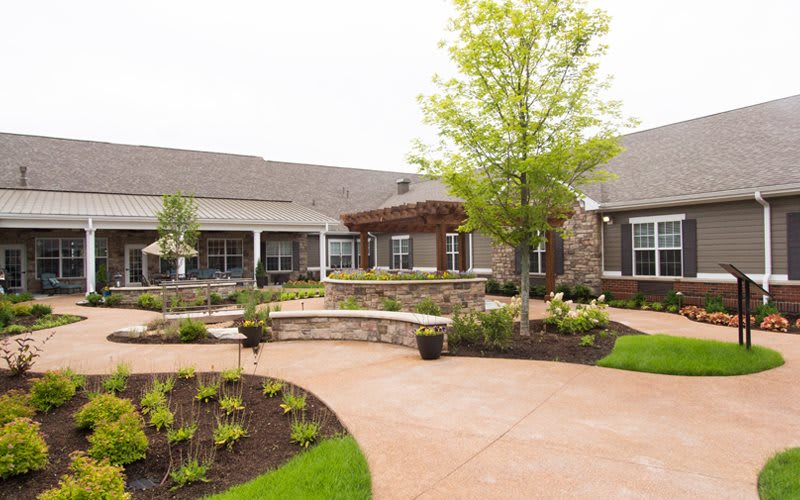
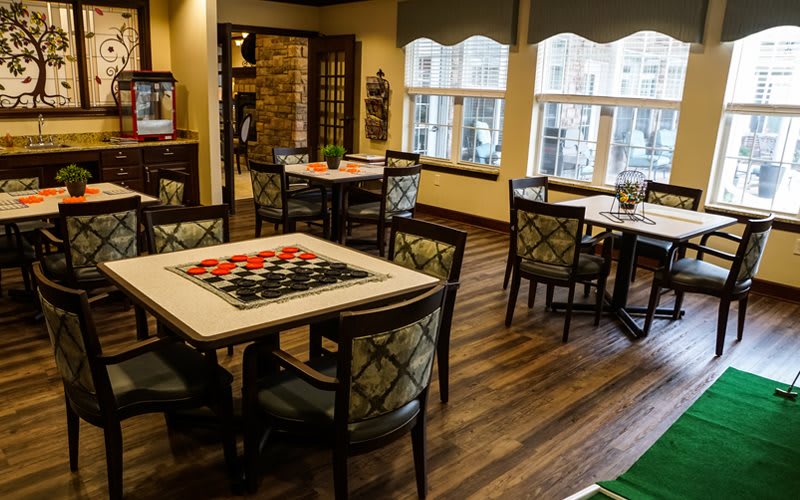
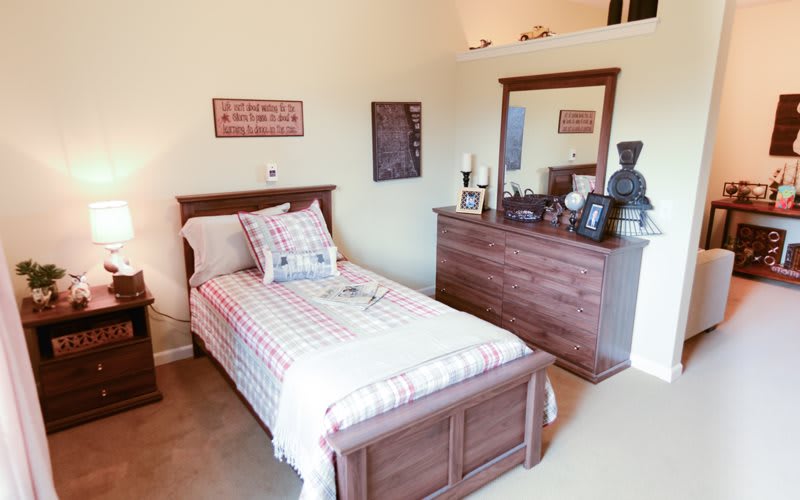
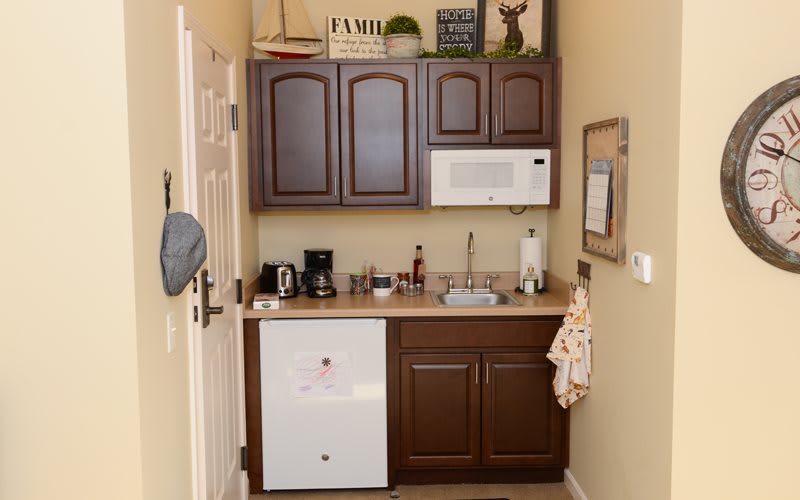
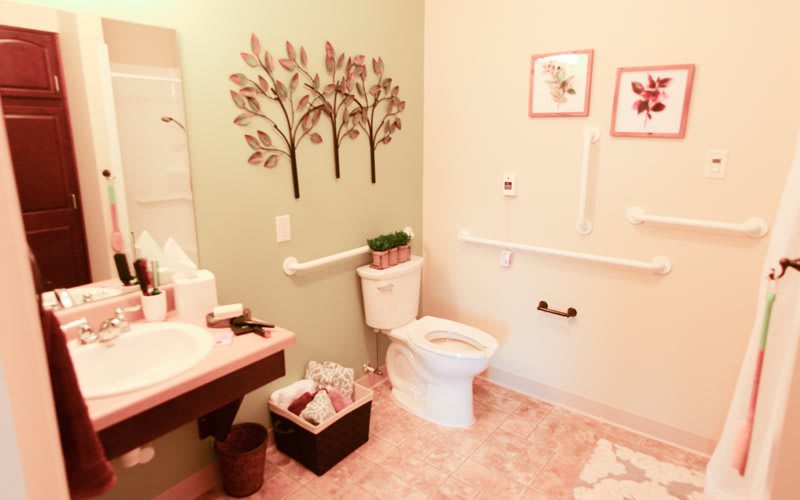
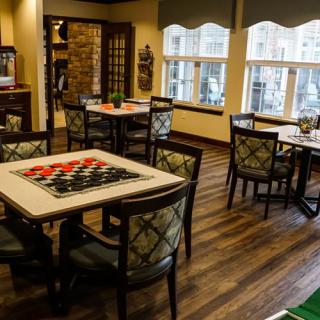
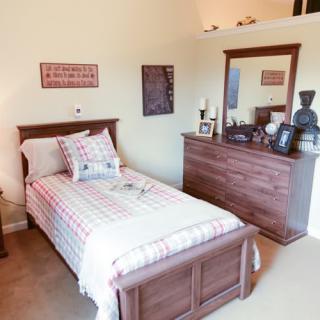
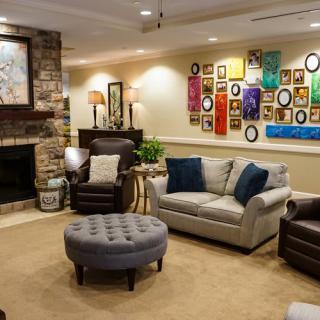
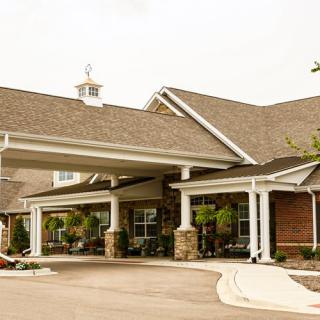
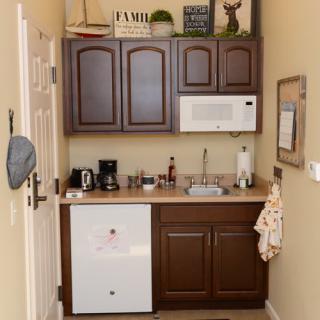
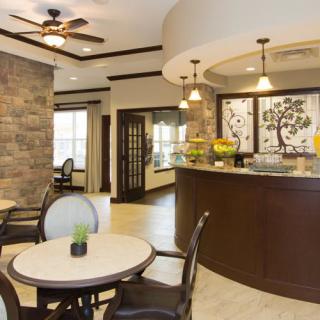
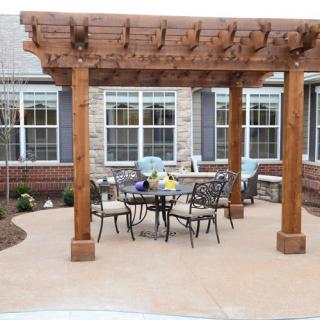
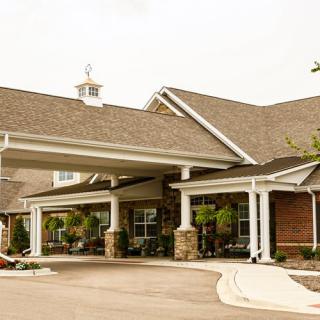
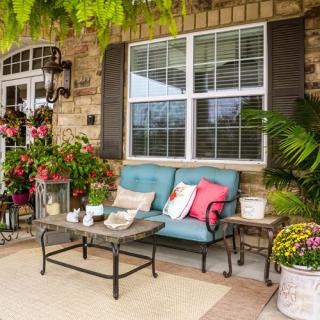
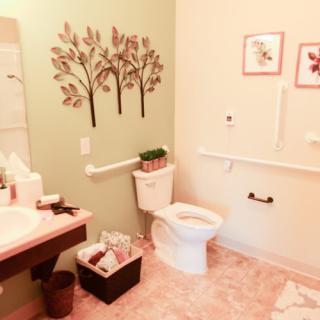
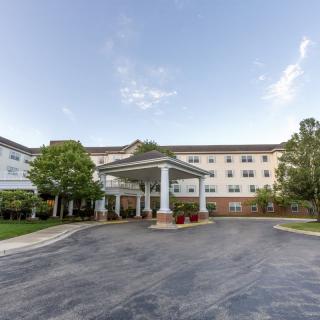
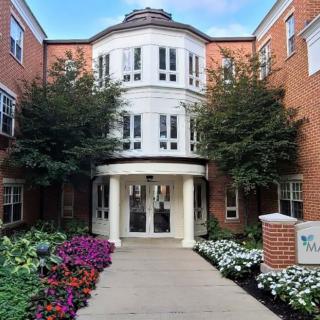
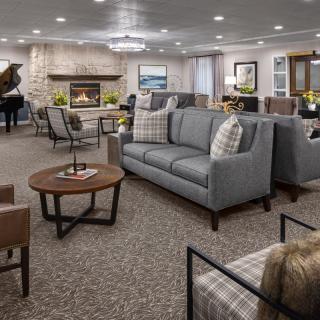
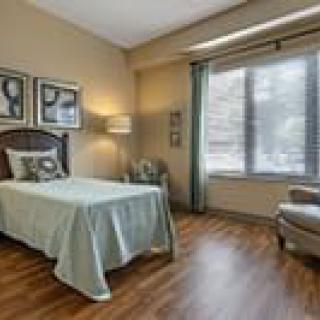
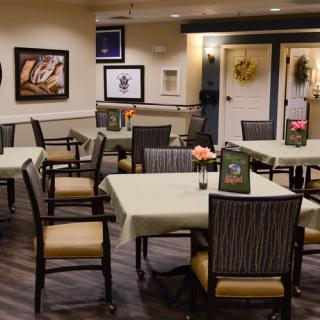
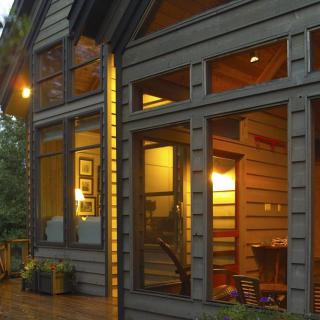
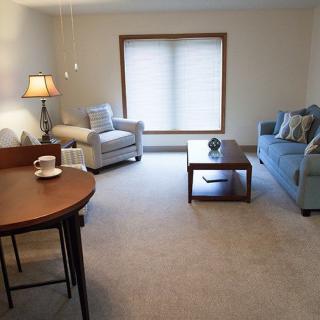
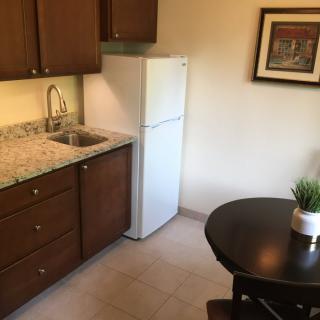
Bickford of Aurora on seniors.fyi includes 21 photos including images showing interior, decor, dining, bathroom, building, architecture, garden, living room, and more.
Nearby Communities
Bickford - Aurora
Aurora, IL
4.7 from 74 reviews
Beautiful, modern setting with restaurant-style dining and engaging activities.
Symphony Of Orchard Valley
Aurora, IL
3.2 from 114 reviews
Nice, well-maintained facility with a calm, home-like atmosphere.
Constitution House
Aurora, IL
4.6 from 17 reviews
$540 to $3,270 / month
Friendly, courteous staff and a rent structure tied to social security income.
Diamond Angels Care Services
Aurora, IL
Strong access to nearby amenities and healthcare.
Elmwood Terrace Healthcare Center
Aurora, IL
4.1 from 25 reviews
Extensive amenities and around-the-clock care
Meadowridge Villas
Sugar, IL
3.7 from 6 reviews
Intimate, small-capacity community with meals, medication management, and nearby healthcare and dining options.
VA nursing homes, or Community Living Centers (CLCs), offer tailored long-term care for veterans, featuring medical attention and rehabilitation in a supportive environment. The guide covers facility types, eligibility criteria, financial assistance options, quality of care standards, and alternatives to full-time nursing home placement.
At-home dementia care expenses vary widely based on care levels, location, and caregiver expertise, with monthly costs for home health aides exceeding $4,500 and specialized care potentially surpassing $100,000 annually. While families favor in-home care for its comfort and personalized attention, they must consider financial planning and the challenges of caregiver fatigue.
The article discusses the late stages of dementia, detailing the progression from mild to severe impairment and highlighting key characteristics such as profound cognitive decline and dependency in daily activities. It emphasizes care strategies focused on comfort and dignity, the importance of advance directives, and the emotional support needed for family caregivers facing this challenging journey.
Get PricingAsk A QuestionSchedule A TourContact Senior Advisor
By clicking submit, you agree to our Partner's Terms of Use. You
also consent to receive calls and texts, which may be autodialed, from our Partner. Your consent is not a condition to
using our Partner's service. Please visit our Partner's Privacy Policy for information about their privacy practices.


 Studio apartments
 Assisted Living
 Memory Care
 Skilled Nursing Facility
 Cats allowed
 Dogs allowed
 Activities off-site
 Air-conditioning
 Beautician on-site
 Cable or satellite TV
 Devotional services on-site
 Dining room
 Financing advice
 Garden
 Ground floor units
 Guest parking
 Handicap accessible
 Housekeeping services
 Indoor common areas
 Kitchenette
 Laundry
 Outdoor common areas
 Party space
 Respite or short term stays offered
 Spa
Spa Wheelchair accessible showers
 Transportation & parking
 Ambulatory care
 Diabetic care
 Incontinence care
 Medication management
 Anytime dining
 Diabetes diet
 Arts and crafts
 Book club
 Day trips and outings
 Educational speakers / life long learning
 Fitness programs
 Games
Games Light therapy programs
 Live dance or theater performances
 Live musical performances
 Sensory-based programs
 Visiting chaplain or priest
 English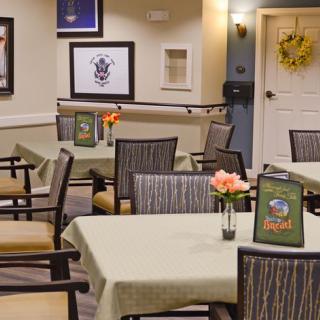
 Beautiful, modern setting with restaurant-style dining and engaging activities.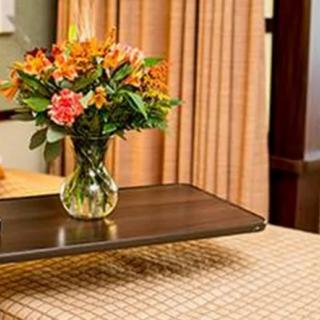

 Comprehensive Guide to VA Nursing Homes: A Crucial Long-Term Care Resource for Veterans
 Estimating the Expenses of At-Home Dementia Care: A Detailed Exploration
 Comprehensive Insights on the Late Stages of Dementia: What to Expect and How to Provide Care