Symphony Of Orchard Valley Costs & Pricing
Symphony Of Orchard Valley offers competitive pricing for its resident accommodations when compared to both Kane County and the broader state of Illinois. The cost for a semi-private room at Symphony stands at $4,800 per month, which is notably higher than the county average of $4,418 but remains more affordable than the statewide average of $5,146. In contrast, the private room rate at Symphony is set at $6,000 monthly. While this exceeds the county's average of $4,124 significantly and aligns closely with Illinois' overall average of $5,049, it reflects the facility's commitment to providing quality care and services that may justify the higher price point. Overall, prospective residents can weigh these costs alongside the quality offerings and personalized care that Symphony Of Orchard Valley promises.
| Floor plans | Symphony Of Orchard Valley | Kane County | Illinois |
|---|
| Semi-Private | $4,800 | $4,418 | $5,146 |
| Private | $6,000 | $4,124 | $5,049 |
Overall Review of Symphony Of Orchard Valley
caveat
20 reviews mention this
Staffing and care response vary
Several residents and families describe delays and inconsistent nursing support.
A recurring concern is that basic care and response times can be slow or uneven, especially for help with bathroom needs, changing, and medication timing. Some reviewers also describe residents not being checked on, call buttons not being answered promptly, or care that feels driven by staffing strain. A few families say they had to advocate repeatedly to get needed attention and pain management. Others note good experiences, but the negative reviews center heavily on lapses in supervision and follow-through.
caveat
14 reviews mention this
Food quality is a split
Food draws strong reactions, from workable to described-as-disgusting.
Some residents mention food being good at first or satisfying for preferences like breakfast eggs. Other reviewers describe meals served cold, not tasty, or not healthy, and several use very harsh language about the overall food quality. There are also comments about not receiving meals after requesting changes. Taken together, dining quality appears inconsistent across reviewers.
caveat
10 reviews mention this
Cleanliness and condition come up
Reviews describe both cleanliness and areas that need upgrading.
A number of reviewers say the building looks clean, tidy, or well kept, and a few mention a clean room. At the same time, others report unpleasant smells, older equipment, and rooms not very clean. Some families describe the building as needing serious upgrades or modernization. Overall, condition seems mixed: cleanliness is praised by some, while the physical environment and equipment are criticized by others.
common
18 reviews mention this
Staff kindness is frequently praised
Many reviews highlight friendly, caring staff across departments.
Across multiple reviews, families describe staff members as kind, attentive, and responsive during visits and day-to-day interactions. Several note positive experiences with CNAs, nurses, and front desk staff, including smooth transitions and accommodating communication. Some reviewers also give specific praise for individuals in therapy, housekeeping, and social services. Even among mixed reviews, there are often acknowledgements of hardworking staff members.
common
2 reviews mention this
On-site dialysis is mentioned
Residents and families mention dialysis support on-site.
At least two reviews specifically reference dialysis as part of the experience, including one that calls out on-site dialysis. Another reviewer discusses a care decision involving dialysis near the end of care. While not a universal theme, it stands out as a service families associate with the community.
caveat
2 reviews mention this
Activities can feel limited
Some reviewers say there aren’t many activities available.
A couple of reviews mention the sense that there wasn’t a whole lot going on, with one describing limited activity during the visit. Another reviewer notes a rushed tour and questions that weren’t answered, which adds to the impression that day-to-day programming may not be clearly presented. This theme isn’t described as a major, repeated issue by everyone, but it does appear in multiple reviews.
How we summarize
Counts show how many written reviews mention each theme; a review can touch several themes, and only frequently mentioned themes are displayed.





 203 resident community capacity
 Skilled Nursing Facility
 Activities on-site
 Air-conditioning
 Bath tubs
 Beautician on-site
 Cable or satellite TV
 Computer center
 Devotional services on-site
 Dining room
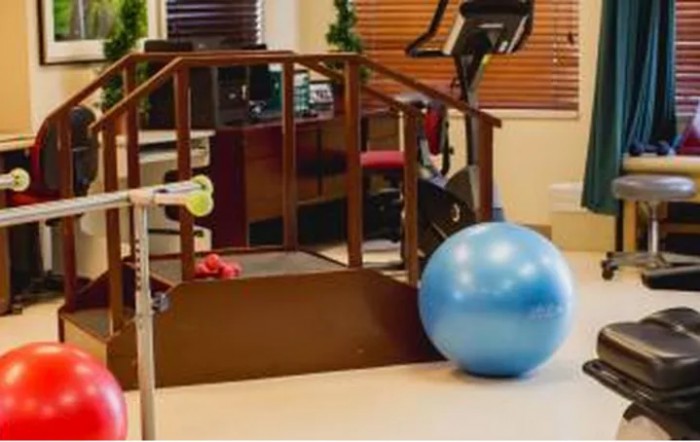
 Fitness room
 Fully furnished
 Gaming room
 Garden
 Housekeeping services
 Indoor common areas
 Kitchenette
 Move-in coordination
 Outdoor common areas
 Private
 Private bathrooms
 Respite or short term stays offered
 Restaurant-style dining
 Small library
 Telephone
 Wellness center
 Wheelchair accessible showers
 Wi-Fi/high-speed internet available
 Community operated transportation
 12-16 hour nursing
 24-hour call system
 Ambulatory care
 Assistance with bathing
 Assistance with dressing
 Assistance with transfers
 Diabetes diet
 High acuity care
 Incontinence care
 Medication management
 Mental wellness program
 Special dietary restrictions
 Concierge services
 Planned day trips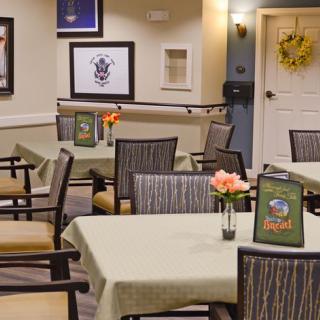
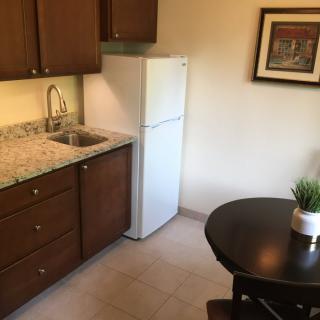
 Beautiful, modern setting with restaurant-style dining and engaging activities.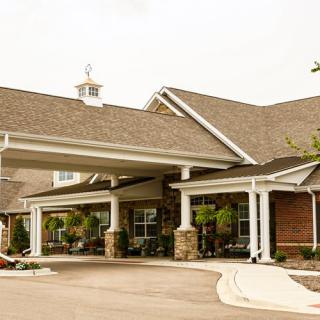

 Ten Vital Duties of a Senior Caregiver: A Comprehensive Guide
 9 Stimulating Memory Activities for Seniors: Puzzles, Cards, and Much More
 Managing Nursing Home Expenses After Medicare Coverage Ends