
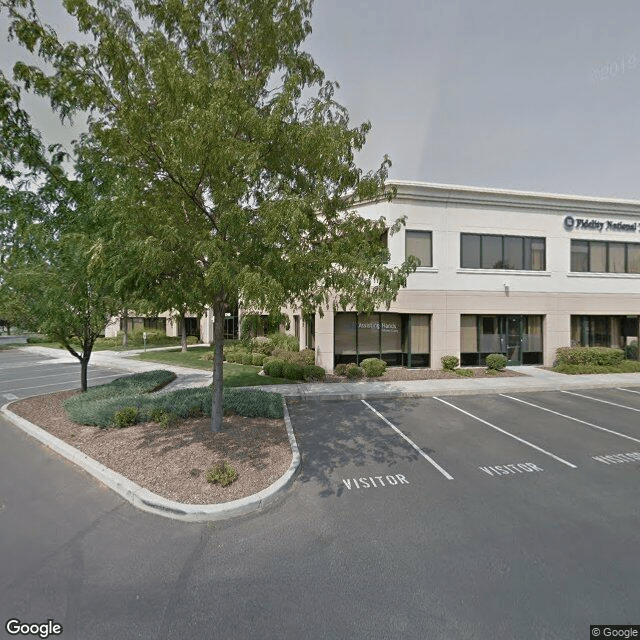
5700 East Franklin Road Ste 105, Nampa, ID 83687
To contact a resident: (208) 466-0288
For more information about senior living options: (866) 208-4318
Overall Review of Assisting Hands
Pros
 The reviewer felt that sincere family members were there to guide them.
- They felt surrounded by family from the first contact to training in Idaho.
- Training with Deanne and Gail reinforced a sense of support and belonging.
- Knowing the National team is behind them every step of the way gives them confidence.
- They understand that success requires hard work, but the backing they receive makes the journey feel achievable.
Review
Assisting Hands in Nampa, ID is best suited for entrepreneurial families and caregiver-minded professionals who want to launch a home-care business within a supportive, family-like framework. The experience described by the reviewer centers on a palpable sense of belonging from the very first contact, with leaders who come across as genuinely invested in newcomers. From Dan Durney’s initial outreach to the Idaho team’s warm on-site welcome and the hands-on training with Deanne and Gail, the narrative reads as a deliberate, guided ascent rather than a cold, transactional rollout. The standout advantage is the breadth and immediacy of backing from a national network, providing structure, resources, and confidence as the venture begins.
That said, this option is not for those seeking a passive investment or a low-maintenance entry into the care sector. Alternatives may appeal to families prioritizing immediate cash flow with less startup heft, or to individuals seeking a traditional assisted living facility model rather than a home-care franchise with heavy training obligations. The path described implies substantial effort, the reviewer notes hard work is essential for success, so tolerance for hands-on development, team-building, and ongoing operational development should be non-negotiable.
Pros are tangible and well-aligned: a sincere, family-like atmosphere reduces onboarding anxiety and accelerates trust-building with clients, caregivers, and coaching staff. The training pipeline, from the Idaho team to the national backbone, offers a robust skill set, governance, and scalable processes that can shorten time-to-profit while increasing quality and consistency. The main con, significant workload and personal investment, appears deliberately mitigated by the depth of support, making the venture feel less like a gamble and more like a prepared launch pad. In this dynamic, the alignment between heartfelt onboarding and professional backbone matters more than glossy promises.
Operationally, the combination of local warmth and national-scale resources translates into practical advantages: clear leadership, accessible mentorship, and a proven playbook. The reviewer’s emphasis on feeling surrounded by family signals a culture that can sustain morale through the inevitable early hurdles of building a care operation. That culture, paired with disciplined training from seasoned professionals (Deanne and Gail) and ongoing national backup, creates a reliable safety net that can offset the risk of market uncertainty or missteps in early growth.
However, the limited data, one strongly positive rating, means caution remains prudent. Prospective buyers should corroborate vibes with direct conversations with Dan Durney, the Idaho team, and other franchisees, and should request detailed financial projections, training commitments, and long-term support expectations. Those who require a quieter, less labor-intensive business model or a more traditional bricks-and-mortar senior-living setting may want to explore alternatives to ensure alignment with personal tolerance for startup effort and risk.
Overall, the community stands out for families prepared to commit to a hands-on, values-driven launch with unwavering support from leadership and a national network. It is best suited for individuals who value a familial onboarding atmosphere as a lever for discipline, quality, and growth. For those who prioritize minimal startup friction or a different care model, alternatives should be considered. In making a decision, weigh the emotional capital of a trusted, guided launch against the practical demands of building a compliant, scalable home-care operation, and use the described experiences as a directional compass rather than a promise of overnight success.
 Boise Air Terminal (15 miles away)


 Skilled Nursing Facilities vs. Nursing Homes: Making Sense of the Differences
 A Detailed Examination of Nursing Home Costs Across the U.S.
 Exploring Nonmedical Home Care: Understanding Services, Costs, and Financial Approaches