The Cottages of Nampa

Save
The Cottages of Nampa

The Cottages of Nampa

5023 E. Victory Rd, Nampa, ID 83687

For more information about senior living options: (844) 490-3973

4.5 from 33 reviews
5 stars
28
4 stars
1
3 stars
1
2 stars
0
1 stars
3

Memory Care

The Cottages of Nampa Costs & Pricing

The Cottages of Nampa offers competitive pricing for its residents, with a monthly cost of $2,400 for both studio and semi-private room types. This rate is significantly lower than the average costs in Canyon County, which stand at $3,111 for studios and $2,997 for semi-private accommodations. Similarly, when compared to the overall state average in Idaho - $3,213 for studio rooms and $3,026 for semi-private options - The Cottages of Nampa provides an affordable alternative without compromising quality. This makes it an appealing choice for those seeking comfortable living arrangements within a supportive community environment.

Floor plansThe Cottages of NampaCanyon CountyIdaho
Studio$2,400$3,111$3,213
Semi-Private$2,400$2,997$3,026

Overall Review of The Cottages of Nampa

Pros

  • pro Heather and her team are amazing.
  • pro The staff is amazing and they become like family over time.
  • pro One of the cleanest and most caring facilities I have seen.
  • pro The administrator, care staff, and nurses are great.
  • pro The Cottages is full of integrity and truly lives their mission statement, "We Treat People Right."
  • pro Heather is an amazing administrator and her care for the residents is apparent in their smiles.
  • pro The staff at this location are amazing and the quality of care is fantastic.

Cons

  • pro The family's experience raised serious and deeply distressing concerns that others should be aware of before making such an important decision for their loved one.
  • pro In March, a vulnerable memory care resident was discovered nude from the waist down, unsupervised, and labeling it as "a behavior" was seen as dismissive and disturbing.
  • pro The administrator unilaterally changed the resident's code status to DNR in the MAR without physician involvement, family notification, or adherence to documented medical directives.
  • pro These incidents indicate a dangerous pattern of poor oversight, administrative overreach, and disregard for residents' legal and medical rights.
  • pro Communication with families was sparse, and at least one family member did not receive a requested phone call.

Review

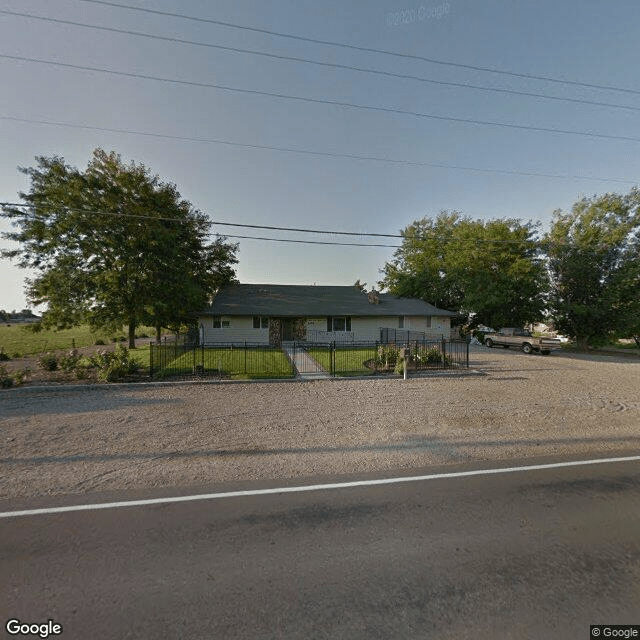
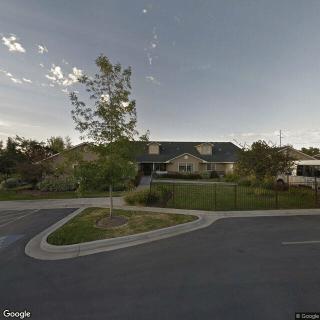
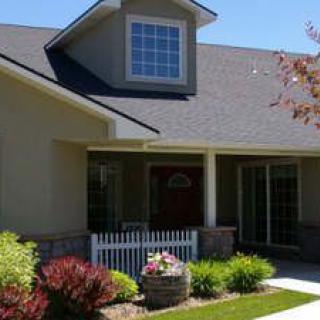
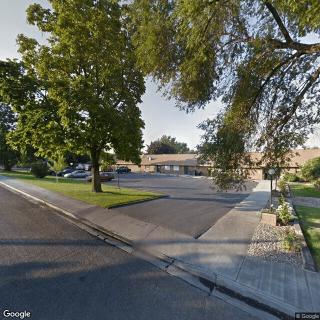
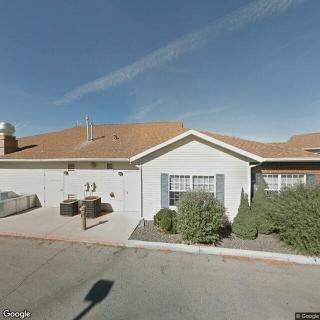
The Cottages of Nampa is best suited for families seeking a small, dementia-focused environment where care feels personal, home-like, and deeply attentive. With a tightly knit footprint - roughly ten residents at full capacity - the community delivers a level of hands-on, relationship-driven care that many families value over institutional scale. Residents are in memory-care programming, and the atmosphere emphasizes daily life that resembles a home more than a hospital. The semi-rural setting, sunlit porches, and the ability to personalize rooms reinforce a sense of continuity and dignity for residents who thrive on routine and familiar surroundings.

For families evaluating broader options, serious consideration should be given to facilities with larger medical teams, more formal governance, and clearer escalation paths for concerns. The Cottages' intimate model can feel insufficient for those who require rigorous medical oversight or robust, centralized accountability. Several reviews raise red flags that cannot be ignored: a memory-care resident was found unsupervised and partially undressed, described by the facility as a "behavior" rather than a safety breach; and an administrator changed a resident's MAR DNR status without physician involvement or family notification. These incidents underscore the need for families to probe governance, oversight, and the facility's approach to advance directives and resident dignity before committing.

The strongest advantages lie in people and culture. Staff are consistently portrayed as compassionate, engaged, and trustworthy, with administrators who invest in residents and families alike. Cleanliness and a genuine home-like quality permeate the environment, while activities - music, outings, cooking, and social engagement - offer meaningful ways to stay connected and stimulated. Families note that care feels individualized rather than generic, with routines and decorations tailored to each resident's preferences. In short, the personal touch and small-team focus can yield a level of warmth and responsiveness that larger facilities often struggle to match.

Yet the concerns cited cannot be dismissed as mere quirks. The most serious incidents reveal potential gaps in oversight and risk management, not merely unhappy anecdotes. When dignity and medical directives are called into question, families must demand concrete safeguards: transparent policies on incident reporting, clear protocols for MED administration and MAR changes, and dependable, timely family communication. The reality that an administrator publicly characterized a directive override as a "behavior" or that a MAR change occurred without physician involvement speaks to a systemic risk that demands explicit mitigation. Prospective residents deserve assurances that such lapses are addressed with accountability and preventive safeguards.

From a decision-making standpoint, The Cottages of Nampa delivers compelling value for those who prize a warm, intimate setting and dementia-focused caregiving over clinical breadth. The trade-off is clear: the very strengths - personal attention, home-like atmosphere, and engaged staff - can be undermined by governance gaps and problematic communication. Families should insist on seeing formal policies, request recent incident reports, and interview both the administrator and care director about how directives, safety oversight, and family updates are managed. If those assurances exist and are demonstrably followed, the care offered here can be a remarkable fit; if not, alternative communities with larger teams and stronger oversight may prevent risk from escalating.

Bottom line: this community can be an excellent match for families who value intimacy, dignity, and dementia-centered programming, provided thorough due diligence confirms robust oversight and transparent communication. Before committing, verify care-planning processes, caregiver training, and a clear incident-response framework. If those elements cannot be solidified, or if a family needs a more expansive medical footprint or more rigorous governance, exploring other options nearby is prudent. For families moving forward, structure the transition with a formal care plan, scheduled updates to relatives, and a defined trial period to ensure the environment consistently aligns with the loved one's needs and rights.

Features

Types of Care

  • Memory Care Memory CareMemory care is crucial for seniors as it provides specialized support and services for individuals with dementia or Alzheimer's disease. These programs offer a safe and secure environment where residents receive personalized care, cognitive stimulation, and help with daily activities. Memory care helps seniors maintain their independence, quality of life, and dignity while also providing peace of mind for their families.

Amenities

  • Activities off-site Activities off-siteEngaging in off-site activities is crucial for seniors to maintain social connections, stay active, and stimulate their minds. It promotes overall well-being and helps combat feelings of isolation and loneliness.
  • Activities on-site Activities on-siteActivities on-site are important for seniors because they provide opportunities for socialization, mental stimulation, physical activity, and overall well-being. Engaging in activities can help seniors stay active, maintain their independence, and improve their quality of life.
  • Beautician on-site Beautician on-siteHaving a beautician on-site at a senior living community is important for seniors as it allows them to easily access grooming and personal care services, boosting their self-esteem and overall well-being. It also provides convenience and helps seniors maintain their sense of independence and personal style.
  • Devotional services off-site Devotional services off-siteDevotional services off-site are important for seniors as they provide spiritual nourishment, social engagement, and a sense of community outside of the senior living facility. This can enhance overall well-being and help combat feelings of isolation and loneliness often experienced by older adults.
  • Indoor common areas Indoor common areasIndoor common areas are crucial for seniors as they provide a space for socialization, recreation, and community engagement, promoting overall well-being and reducing feelings of isolation and loneliness.
  • Outdoor common areas Outdoor common areasOutdoor common areas are important for seniors as they provide a space for socialization, physical activity, and relaxation. Being outside in nature can improve mood and overall well-being, while also encouraging movement and engagement with others. These spaces can help combat feelings of isolation and promote a sense of community among residents.
  • Respite or short term stays offered Respite or short term stays offeredRespite or short term stays provide seniors with a temporary solution when their regular caregiver is unavailable, offering them the opportunity to receive additional care and support during times of need, while also giving caregivers a chance to rest and recharge.
  • Wheelchair accessible showers Wheelchair accessible showersWheelchair accessible showers are crucial for seniors as they provide a safe and independent bathing option for those with mobility challenges. These showers help prevent falls and allow seniors to maintain their dignity and autonomy while ensuring they can bathe comfortably.

Transportation

  • Boise Air Terminal (14 miles away) Boise Air Terminal (14 miles away)

Care Services

  • Ambulatory care Ambulatory care"Ambulatory care services provide essential medical support and treatment to seniors without requiring hospitalization, allowing them to maintain their independence and quality of life while managing chronic conditions or receiving routine medical care."
  • Diabetic care Diabetic careDiabetic care is crucial for seniors as they are more susceptible to developing diabetes due to aging and other health conditions. Proper management of diabetes can help prevent complications such as heart disease, vision loss, and nerve damage, improving the overall quality of life for seniors in senior living communities.
  • High acuity care High acuity careHigh acuity care is important for seniors because it provides specialized medical attention and support for individuals with complex medical needs. This level of care ensures that seniors receive the appropriate treatment and assistance to maintain their health and quality of life as they age.
  • Incontinence care Incontinence careIncontinence care is essential for seniors to maintain their dignity, hygiene, and overall quality of life. By addressing incontinence issues promptly and effectively, seniors can enjoy a sense of independence and comfort in their daily activities.
  • Medication management Medication managementMedication management is crucial for seniors to ensure they are taking the right medications at the correct dosages and times. This helps prevent adverse drug interactions, reduces the risk of medication errors, and promotes overall health and well-being. Proactive management also allows for adjustments as needed based on changing health conditions or new prescriptions.

Dining

  • Kosher KosherKosher options are important for seniors because they adhere to dietary laws that are significant to many Jewish individuals, providing them with peace of mind and an opportunity to maintain their cultural traditions and beliefs while living in a senior living community.
  • Meals provided Meals provided"Meals provided" are crucial for seniors in assisted living communities as it ensures they have access to nutritious, balanced meals without the stress of meal planning and preparation. This can help promote overall health and well-being for seniors who may have limited mobility or cognitive abilities.
  • Vegetarian VegetarianA vegetarian diet is important for seniors because it can help lower the risk of chronic diseases, maintain a healthy weight, and provide essential nutrients needed for aging bodies. Additionally, plant-based diets are often easier on digestive systems and can contribute to overall well-being in older adults.

Activities

  • Activities off-site Activities off-siteEngaging in off-site activities is crucial for seniors to maintain social connections, stay active, and stimulate their minds. It promotes overall well-being and helps combat feelings of isolation and loneliness.
  • Activities on-site Activities on-siteActivities on-site are important for seniors because they provide opportunities for socialization, mental stimulation, physical activity, and overall well-being. Engaging in activities can help seniors stay active, maintain their independence, and improve their quality of life.
  • Devotional activities offsite Devotional activities offsiteDevotional activities offsite are important for seniors because they provide social engagement, spiritual growth, and a sense of community outside of their living environment. This can improve overall well-being, mental health, and combat feelings of isolation or loneliness.

Description

The Cottages of Nampa in Nampa, ID is an assisted living community that offers a wide range of amenities and care services to meet the needs of its residents. The community provides activities on-site to keep residents engaged and entertained, as well as a beautician on-site for personal grooming needs. Devotional services are also available off-site for those who wish to continue practicing their faith.

Both indoor and outdoor common areas are provided for socializing and relaxation. The community offers respite or short-term stays for individuals who may need temporary care. Additionally, the cottages have wheelchair accessible showers to accommodate residents with mobility challenges.

Care services offered include diabetic care, high acuity care for those with more complex medical needs, incontinence care, and medication management to ensure that residents receive the appropriate treatment and support.

Meals are provided at the community, with vegetarian options available to accommodate different dietary preferences.

Various activities are organized on-site to promote social interaction and engagement within the community, while devotional activities off-site allow residents to strengthen their spirituality in places of worship nearby.

In terms of location, The Cottages of Nampa benefits from its proximity to several amenities including cafes, parks, pharmacies, physicians' offices, restaurants, places of worship, and hospitals. This ensures that residents have easy access to essential services and opportunities for leisure or medical needs.

Overall, The Cottages of Nampa is a welcoming assisted living community that offers a comfortable living environment along with personalized care services and a variety of recreational opportunities for its residents.

Nearby Places of Interest

This part of Nampa, Idaho offers a variety of amenities that may appeal to seniors looking for a comfortable and convenient place to live. There are several places of worship nearby, catering to various faiths, as well as cafes and restaurants for socializing and dining out. Physicians and pharmacies are also easily accessible for healthcare needs. The area includes parks for outdoor recreation and relaxation, while theaters provide entertainment options. Additionally, hospitals are within a reasonable distance for medical emergencies or appointments. Overall, this part of Nampa seems to offer a well-rounded community with resources that can support a senior's lifestyle.

Places of Worship

  • Crossroads Community Church (1.1 miles)
  • College Church of the Nazarene (3 miles)
  • Church of Jesus Christ of Latter Day Saints (4.2 miles)
  • Church of Jesus Christ of Latter Day Saints (5.5 miles)
  • Church of Jesus Christ of Latter Day Saints (6.4 miles)
  • Rockharbor Church (6.9 miles)

Cafes

  • Moxie Java (1.3 miles)
  • Starbucks (1.5 miles)
  • Dutch Bros Coffee (2.1 miles)
  • Flying M Coffee Garage (2.5 miles)
  • Dutch Bros Coffee (3.3 miles)
  • Starbucks (3.5 miles)
  • Dutch Bros Coffee (4.8 miles)

Restaurants

  • Freddy's Frozen Custard (1.4 miles)
  • Popeyes Louisiana Kitchen (1.5 miles)
  • Idaho Center (2.2 miles)
  • Stella's Ice Cream (2.6 miles)
  • Domino's Pizza (3.1 miles)
  • Express Lucky Star Mongolian BBQ (3.3 miles)
  • Subway (3.3 miles)

Physicians

  • Intermountain Eye And (1.6 miles)
  • Lifestages OB/GYN (1.7 miles)
  • Chatterbox Pediatric Therapy Center (2.7 miles)
  • Randell Page (3.4 miles)
  • Dr Jon Hlavinka, MD (3.4 miles)
  • Saltzer Medical Group (3.5 miles)
  • Primary Health Medical Group - South Nampa (3.5 miles)

Pharmacies

  • Walgreens (2.9 miles)
  • Albertsons Pharmacy (2.9 miles)
  • Good Neighbor Pharmacy (3.6 miles)
  • Caremark Rx (3.6 miles)
  • Sav-On Pharmacy (3.8 miles)
  • Walgreens (3.8 miles)
  • CVS Pharmacy (4.7 miles)

Parks

  • Lions Park (4 miles)
  • Fuller Park (4.4 miles)
  • Settlers Park (6.9 miles)
  • Ridiculous Roundabout (7.8 miles)

Hospitals

  • Davita Healthcare (4.4 miles)
  • St Luke's Center for Breast Imaging (5 miles)
  • St Alphonsus Regional Medical Center (7.7 miles)

Theaters

  • Cinemark Majestic Cinemas (7.1 miles)

Frequently Asked Questions

How much does it cost to live at The Cottages of Nampa in Nampa, ID?
Where is The Cottages of Nampa?
Does The Cottages of Nampa provide care for residents with dementia or Alzheimer's disease?

Nearby Communities

  • Aging Gracefully

    Aging Gracefully

    Nampa, ID

    3 from 2 reviews
    $2,800 to $3,000 / month

    pro Competitive pricing for memory care with private accommodations.

  • Aging Gracefully Assisted Living

    Aging Gracefully Assisted Living

    Nampa, ID

    3 from 2 reviews
     

    pro Small, personalized board-and-care with 24/7 supervision and comprehensive daily living support (including medication management).

  • Cascadia Of Nampa

    Cascadia Of Nampa

    Nampa, ID

    4.8 from 102 reviews
     

    pro Kind, caring staff with strong therapy services and clean, well-equipped facilities.

  • Franklin Shelter Home

    Franklin Shelter Home

    Nampa, ID

    4.2 from 22 reviews
     

    pro Excellent access to nearby amenities (food, healthcare, parks, worship).

  • Cascadia of Nampa

    Cascadia of Nampa

    Nampa, ID

    4.7 from 130 reviews
     

    pro Caring, friendly staff; clean facility; effective therapy services.

  • Park Place Assisted Living Community

    Park Place Assisted Living Community

    Nampa, ID

    4.3 from 66 reviews
    $2,295 to $2,995 / month

    pro Friendly, attentive staff; clean, bright environment; private, spacious rooms; good meals with dietary options; active resident programs.

  • Wellspring of Cascadia

    Wellspring of Cascadia

    Nampa, ID

    1 from 4 reviews
     

    pro Convenient access to healthcare, dining, and local services, with on-site amenities like a beautician and meals.

  • Streamside Assisted Living

    Streamside Assisted Living

    Nampa, ID

    4.2 from 98 reviews
    $2,000 to $2,150 / month

    pro Caring, attentive staff in a clean, well-maintained facility with engaging activities.

  • Visiting Angels of the Treasure Valley

    Visiting Angels of the Treasure Valley

    Meridian, ID

    4.3 from 32 reviews
     

    pro Professional, responsive caregivers with attentive owner support.

Related Resources

  • memory care activitiesEngaging Memory Care Activities That Enhance Quality of Life

    Memory care activities are essential for improving the quality of life of seniors with cognitive impairments, as they stimulate cognitive function, promote well-being, and encourage social interaction through tailored strategies. These activities combine structured exercises with spontaneous tasks, sensory engagement, physical workouts, creative pursuits, and intergenerational interactions to enhance emotional connection and a sense of purpose.

  • when to move from assisted living to memory careWhen to Transition from Assisted Living to Memory Care: Key Indicators, Steps, and Finding the Right Community

    Transitioning from assisted living to memory care is driven by an individual's cognitive decline and specific needs, requiring careful evaluation of indicators like increased confusion and wandering. The process involves consulting medical professionals, researching suitable communities, considering financial and legal aspects, and ensuring effective communication for personalized care plans.

  • assisted living vs memory careUnderstanding the Distinctions: Assisted Living and Memory Care Explained

    The article differentiates between assisted living and memory care, explaining that assisted living supports seniors with daily activities while promoting independence, whereas memory care provides specialized services for individuals with dementia, focusing on secure environments and cognitive support. It also addresses staff training, safety considerations, costs, family involvement, and transition strategies for families navigating these care options.