
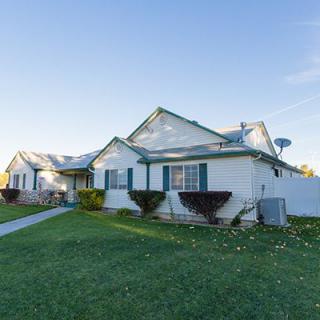
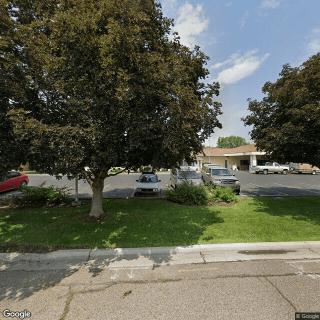
735 South 5Th West, Mountain Home, ID 83647
For more information about senior living options: (866) 208-4318
Overall Review of Cottages Senior Living I - The Cottages Of Mountain Home
Pros
 The facility provides excellent care and helps residents have fun.
- The staff deliver heartfelt, special care and include residents as family.
- The facility is kept very clean and staff genuinely care about each resident.
- The team works to keep residents happy, comfortable, and well cared for, with a home-like atmosphere.
- The activities are engaging and the exercise classes are enjoyable.
- The leadership and staff are incredible resident advocates in a loving, safe, home-like environment, with long-tenured staff.
- The building is clean and inviting, and the facility comes highly recommended for Assisted Living or Memory Care.
Cons
 They wish there were rides.
- Amber refused to give the resident's mother pain meds when she was dying.
Review
The Cottages of Mountain Home is best suited for families seeking a warm, home-like assisted living environment where caregivers know residents by name, spend meaningful time with them, and foster a sense of belonging. This community shines for seniors who thrive on personal attention, consistent staff relationships, and engaging daily life. Residents benefit from a clean, inviting atmosphere where meals are thoughtfully prepared, activity options are varied, and staff are described as genuinely devoted to making each day comfortable and enjoyable. The setting feels intimate rather than institutional, with leadership that appears present and responsive, and with care teams that emphasize companionship as much as clinical oversight.
There are clear reasons to consider alternatives for certain needs. Families prioritizing frequent transportation to appointments, outings, or social events may find the service gaps noticeable, as some reviewers noted a wish for more ride options. For residents requiring intensive medical management or highly structured end-of-life care, or those who insist on a healthcare model with formal, highly visible oversight, this community may not align perfectly with every expectation. A serious concern raised by one reviewer about pain management at the end of life underscores the importance of confirming current policies, processes, and responsiveness to medication requests before committing. In short, when mobility support and robust medical-crisis coverage are non-negotiable, exploring complementary options is prudent.
The strongest positives, cleanliness, a genuine home atmosphere, and active, person-centered programming, substantially offset many potential drawbacks. Families consistently praise the facility for its inviting environment, pleasant meals, and a calendar of engaging activities and gentle exercise that keep residents socially connected and mentally engaged. The sense that staff truly cares translates into residents feeling protected, valued, and included in decisions about their daily lives. When coupled with staff who have been with the community for years and a leadership team described as advocates for residents, these strengths create a stable, trustworthy culture that reduces anxiety about daily care and life in a group setting. That continuity is a meaningful counterbalance to the occasional transportation gap or policy ambiguity.
Leadership and staffing emerge as consistently standout features. The reviews repeatedly highlight long-tenured caregivers who know residents’ histories, preferences, and routines, along with leadership that remains engaged and communicative with families. This is not a facsimile of care; it is a practiced, relational model where residents are treated less like clients and more like family members. The resulting safety net, predictable routines, familiar faces, and proactive advocacy, can markedly improve quality of life for seniors who value steadiness and personal attention. The potential downside is limited visibility of medical acuity beyond routine care, so prospective families should verify how medical and memory-care needs are managed day to day and who is responsible for escalation when symptoms shift.
To decide with confidence, families should arrange a thorough on-site visit focused on practical questions: what memory-care programming looks like day-to-day, how transportation is handled for errands or social outings, and what the process is for pain management and medication decisions, especially in end-of-life scenarios. Ask to meet caregivers who would be assigned to the prospective resident, review the activities calendar, and request recent sample menus to gauge nutrition and dining experiences. Probe the facility’s policy on communication, how updates are delivered, how family members are involved in care planning, and how quickly concerns are addressed. These steps turn the strong, positive signals into a concrete, data-driven choice.
In the end, The Cottages of Mountain Home offers a compelling mix of warmth, attentiveness, and a home-centric vibe that suits seniors who value personal connection and companionship as core components of daily life. For families prioritizing that relational, low-turnover environment, the community stands out as a practical, capable option. Those for whom reliable transportation and rigorous medical oversight are non-negotiable should actively compare alternatives or seek clarifications on transportation availability and end-of-life policy before deciding. The core recommendation is clear: this is a strong match for a resident who thrives on consistent care partners, open family communication, and a welcoming, house-like culture.
 16 resident community capacity
 Assisted Living
 Cable or satellite TV
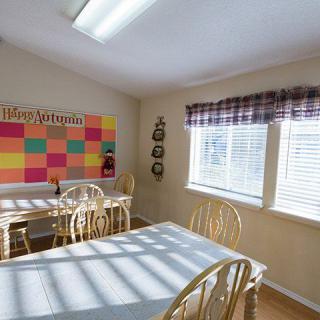
 Dining room
 Fully furnished
 Garden
 Housekeeping services
 Move-in coordination
 Outdoor space
 Telephone
 Wi-Fi/high-speed internet available
 24-hour supervision
 Activities of daily living assistance
 Assistance with bathing
 Assistance with dressing
 Assistance with transfers
 Diabetes diet
 Meal preparation and service
 Medication management
 Special dietary restrictions
 Transportation arrangement (medical)
 Transportation to doctors appointments
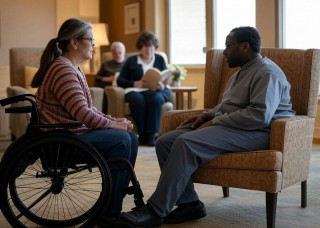 Comprehensive Residential Support and Assisted Living Solutions for Individuals with Disabilities
 Comprehensive Supportive Living Arrangements for Adults with Disabilities
 Funding and Affording Assisted Living: A Thorough Overview