
222 6th Avenue West, Jerome, ID 83338
For more information about senior living options: (866) 208-4318
Overall Review of Creekside Care Center
Pros
 They love playing bingo with the residents here.
- The residents here enjoy playing bingo.
- Bingo with the residents here is a favorite activity.
Cons
 The employees are not adequately supported.
- There is an extreme resident-to-worker ratio, with about 30 residents per worker most of the time.
Review
Creekside Care Center in Jerome is best suited for seniors who want a social, activity-rich setting and do not require intense, around-the-clock medical care. The community thrives on engagement, with residents actively participating in games and group activities, and a homey, neighborly vibe that makes daily life feel familiar rather than institutional. This is a place where staff, while stretched, still attempt to create friendly routines, and where the calendar regularly features residents’ events like Bingo. For families seeking a warm, neighborly atmosphere with opportunities for social interaction and routine, Creekside delivers warmth and accessibility in equal measure. The best fit is someone who values companionship and a lighter touch of assistance over high clinical intensity.
Those with higher medical needs or a priority on consistently responsive care should consider alternatives. The decisive concern is staffing levels: reports indicate roughly 30 residents per worker most of the time. That ratio can translate into slower response times for help with dressing, bathroom assistance, and medication reminders. Families requiring robust, 24/7 oversight, complex wound care, memory support, or vigilant supervision may find Creekside lacking. In communities with stronger staffing models, residents typically experience quicker attention, more individualized cueing, and less risk of delays during peak hours. If reliability of daily caregiving is non-negotiable, it is prudent to compare other options before committing to Creekside.
On the pro side, the social calendar and variety of programs provide meaningful engagement that can protect mood and social well-being, which themselves reduce agitation and loneliness, critical factors for quality of life in assisted living. Bingo and similar activities are not ornaments; they build routines that anchor days and offer predictable moments of connection. This social capital helps offset some perceived gaps in staffing, because residents have predictable opportunities to interact with peers and staff in structured settings. However, activities cannot substitute reliable, compassionate care when assistance is needed urgently or emergencies arise. The gap between what residents want and what staff can deliver in real time remains the dominant tension, and families should weigh mood-enhancing programming against the risk of delays.
Staffing realities are the central Achilles' heel. A ratio of about 30 residents per worker means many residents wait for assistance, and caregiving tasks, hydration, repositioning, mobility coaching, may be deferred during busy periods. The impact shows up in how care plans are executed and how quickly residents receive help with routine needs, which in turn affects safety, hydration, and dignity. The 4-star overall rating, despite one low review, signals a facility with genuine strengths but not immune to strain. The facility's culture around supervision, accountability, and scheduling will largely determine how visible these staffing pressures feel to residents and families. In short, Creekside delivers warmth and sociability, but staffing gaps constrain reliability of care.
When evaluating Creekside, families should build a concrete checklist for visits. Request current staff-to-resident ratios by shift and ask about average response times for call bells. Review the care planning process: how often are plans updated, who oversees them, and how are changes communicated to families? Probe the activity schedule, noting whether residents with varying mobility can participate meaningfully, and how transportation and meals are managed for those who need assistance. Observe during the tour whether staff appear engaged and whether residents seem comfortable asking for help. Finally, ask current families about turnover and what a typical day feels like for a resident who uses mobility aids or memory support services. These questions reveal where Creekside sits on caring, not just comfort.
In the end, Creekside Care Center is a viable home option for seniors who prize social connection, predictable routines, and a welcoming atmosphere, while tolerating less-than-ideal staffing coverage at times. For families prioritizing steady, high-touch care with rapid response and robust clinical oversight, alternative communities with stronger staffing models are a smarter bet. The decision hinges on the resident’s tolerance for waits versus desire for companionship. If peace of mind comes from daily engagement and a sense of community, Creekside delivers. If the opposite is true, proceed with caution and compare other options where staffing and clinical resources align more closely with needs.
 22 resident community capacity
 Assisted Living
 Board and Care Home
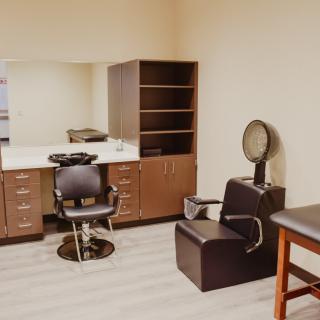
 Beauty salon
 Cable or satellite TV
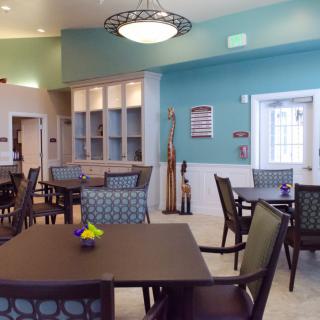
 Dining room
 Fully furnished
 Garden
 Housekeeping services
 Kitchenette
 Move-in coordination
 Outdoor space
 Telephone
 Wi-Fi/high-speed internet available
 Joslin Field - Magic Valley (17 miles away)
 24-hour call system
 Activities of daily living assistance
 Assistance with bathing
 Assistance with dressing
 Assistance with transfers
 Diabetes diet
 Meal preparation and service
 Medication management
 Mental wellness program
 Special dietary restrictions
 Transportation arrangement (medical)
 Transportation to doctors appointments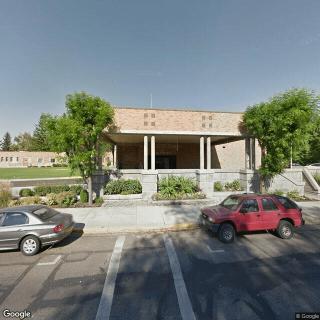



 Understanding Medicaid Coverage for Assisted Living: A Comprehensive Guide
 How and When Medicaid May Cover Assisted Living Costs
 A Detailed Exploration of Assisted Living Medicaid Waivers Across the United States