For more information about senior living options: (866) 208-4318
4.6 from 28 reviews
5 stars
23
4 stars
2
3 stars
2
2 stars
0
1 stars
1
Ashley Manor - Lincoln Costs & Pricing
At Ashley Manor - Lincoln, the monthly costs for accommodations reflect a competitive pricing structure within Jerome County and the broader state of Idaho. For semi-private rooms, residents can expect to pay $2,800, which is slightly above the county average of $2,650 but notably lower than the state average of $3,026. Meanwhile, private rooms are priced at $3,200, aligning perfectly with the county rate while remaining significantly more economical than the state's average of $3,906. This pricing strategy positions Ashley Manor - Lincoln as an attractive option for those seeking high-quality care that balances comfort and affordability in a supportive community setting.
Floor plans
Ashley Manor - Lincoln
Jerome County
Idaho
Semi-Private
$2,800
$2,650
$3,026
Private
$3,200
$3,200
$3,906
Memory care communities with a similar price nearby
Residents and families describe the staff as caring, patient, and easy to rely on.
Across the reviews, people consistently talk about the staff showing up with a kind, family-like attitude. Many reviewers mention that caregivers are attentive and willing to help when questions come up. Several families also describe feeling comfortable because the team knows their loved one well and treats them with warmth and respect.
common4 reviews mention this
Facility stays clean and cheery
Multiple reviewers highlight that the building is clean and well kept.
A recurring point in the reviews is that the facility looks clean and maintained. Reviewers also describe the place as welcoming, including a bright, positive feel when they visited or toured. One hospice clinician specifically calls out cleanliness along with residents being well taken care of.
common9 reviews mention this
Home-like environment matters
Residents and families repeatedly describe a home-like atmosphere.
Several reviews use “home” and family language to describe what it feels like day to day. Families mention the overall layout and atmosphere putting them at ease during a difficult transition. Some reviewers also point to specific areas they enjoy, like outdoor sitting, as part of that lived-in feeling.
differentiator4 reviews mention this
Memory care support is emphasized
Reviews describe strong support for dementia and memory care needs.
Families looking for memory care specifically describe the experience as supportive and reassuring for dementia-related challenges. One reviewer says a loved one’s aggression decreased after moving in, and another highlights how caregivers handle dementia patients. There are also mentions of staff being trained with TBI and dementia, along with the decision process for choosing a memory care setting.
common8 reviews mention this
Updates and responsiveness for families
Families say they get timely updates and help when needs come up.
Many reviewers describe communication that keeps them informed about care, appointments, and changes. Several mention staff being available to answer questions, and at least one describes being called with updates and receiving photos when something happens. The community also offers a 24-hour call system and 24-hour supervision, which aligns with residents and families describing dependable support and follow-through.
How we summarize
Counts show how many written reviews mention each theme; a review can touch several themes, and only frequently mentioned themes are displayed.
Features
Housing
21 resident community capacity
Types of Care
Assisted Living
Board and Care Home
Memory Care
Amenities
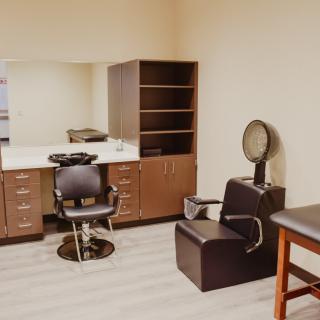
Beauty salon
Cable or satellite TV
Dining room
Fully furnished
Garden
Housekeeping services
Kitchenette
Move-in coordination
Outdoor space
Private
Restaurant-style dining
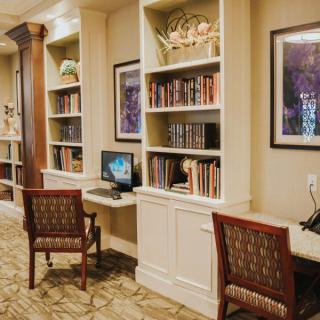
Small library
Telephone
Wi-Fi/high-speed internet available
Transportation
Joslin Field - Magic Valley (18 miles away)
Care Services
24-hour call system
24-hour supervision
Activities of daily living assistance
Ambulatory care
Assistance with bathing
Assistance with dressing
Assistance with transfers
Diabetes diet
Diabetic care
Incontinence care
Meal preparation and service
Medication management
Mental wellness program
Special dietary restrictions
Dining
Diabetes diet
Special dietary restrictions
Activities
Community-sponsored activities
Resident-run activities
Scheduled daily activities
Nearby Places of Interest
This part of Jerome, Idaho, offers a variety of amenities that cater to seniors looking for a comfortable and convenient living environment. With several restaurants within close proximity, such as Tiger Stop and El Tigre Restaurant, seniors can enjoy a diverse range of dining options. The area also features multiple parks like Camozzi Park and Gayle Forsyth Memorial Park, providing opportunities for outdoor recreation and relaxation. Additionally, the presence of St. Luke's Jerome and St. Luke's Jerome Medical Center ensures easy access to healthcare services. For transportation needs, there are reputable options nearby such as U-Haul and Idaho Helicopters. Overall, this neighborhood in Jerome provides a well-rounded and accessible community for senior living.
Restaurants
Tiger Stop (0.3 miles)
El Tigre Restaurant (0.3 miles)
Main Street City Market & Grill (0.9 miles)
The Island Bar & Grill (0.9 miles)
Tacos Mary (0.9 miles)
Dq Grill & Chill (1.2 miles)
Burnt Lemon Grill (1.5 miles)
Parks
Camozzi Park (0.4 miles)
Centennial Heritage Park (0.6 miles)
Gayle Forsyth Memorial Park (0.8 miles)
Horsey Park (0.8 miles)
Jerome North Park (0.9 miles)
Gayle Forsyth Memorial Park (0.9 miles)
Rotary and Thompson Memorial Park (1.5 miles)
Hospitals
St. Luke's Jerome (0.5 miles)
St Luke's Jerome Medical Center (0.5 miles)
Imaging at St Luke's Magic Valley Medical Center (10.2 miles)
Emergency Services at St Luke's Magic Valley (10.3 miles)
DaVita Twin Falls At Home (10.4 miles)
Physicians
St Luke's Clinic Jerome Family Medicine (0.5 miles)
Lab Services at St Luke's Jerome Outpatient Services (0.5 miles)
Jerome Eyecenter (1 miles)
Associates In Family Practice (9.9 miles)
Tudor Janette Taylor Halverson Twin Falls (10 miles)
Canyon Crest Eye Physicians (10 miles)
St Luke's Clinic Internal Medicine: Twin Falls, Pole Line Rd (10.2 miles)
At Ashley Manor - Lincoln, the monthly costs for accommodations reflect a competitive pricing structure within Jerome County and the broader state of Idaho. For semi-private rooms, residents can expect to pay $2,800, which is slightly above the county average of $2,650 but notably lower than the state average of $3,026. Meanwhile, private rooms are priced at $3,200, aligning perfectly with the county rate while remaining significantly more economical than the state's average of $3,906. This pricing strategy positions Ashley Manor - Lincoln as an attractive option for those seeking high-quality care that balances comfort and affordability in a supportive community setting.
Ashley Manor - Lincoln offers a comprehensive range of features that cater specifically to the needs of residents with dementia or Alzheimer's disease. Assistance with dressing and bathing helps maintain personal hygiene and dignity, while personalized meal preparation ensures nutritious diets tailored to individual preferences and dietary restrictions, promoting overall well-being. Medication management is crucial for maintaining health, as it helps prevent medication errors that can lead to confusion or health complications. Support with activities of daily living aids residents in maintaining independence as much as possible, fostering a sense of purpose and normalcy. The facility's 24-hour supervision guarantees safety and immediate assistance during emergencies, while specialized mental wellness programs provide cognitive engagement, social interaction, and emotional support. Additionally, incontinence care addresses comfort and dignity, allowing residents to focus on enjoying their day-to-day activities without undue stress. Together, these features create an environment conducive to improving the quality of life for those coping with memory-related challenges.
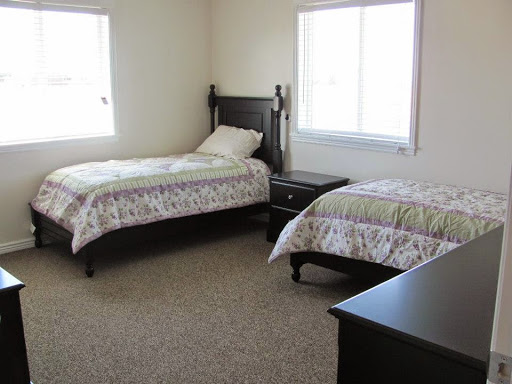
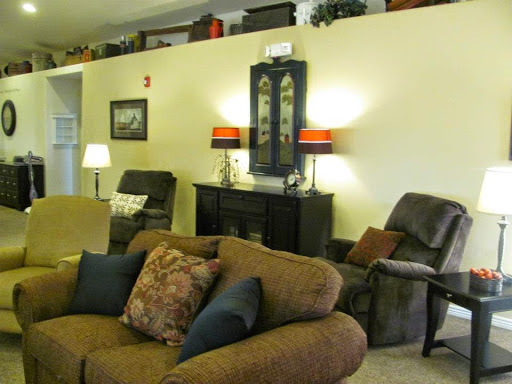
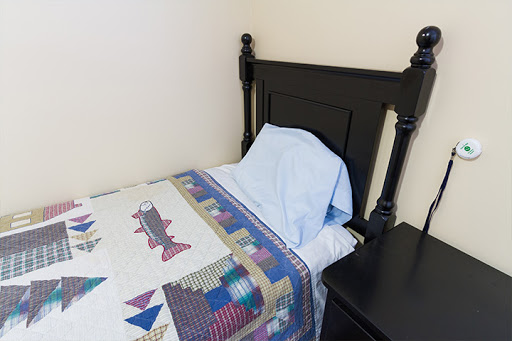
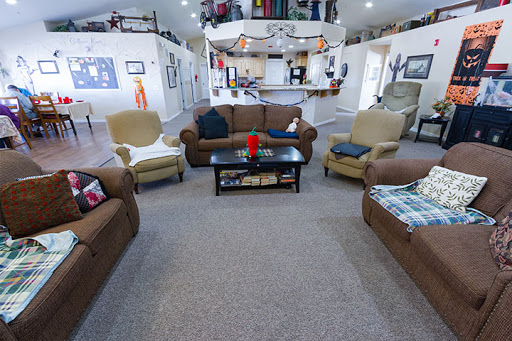
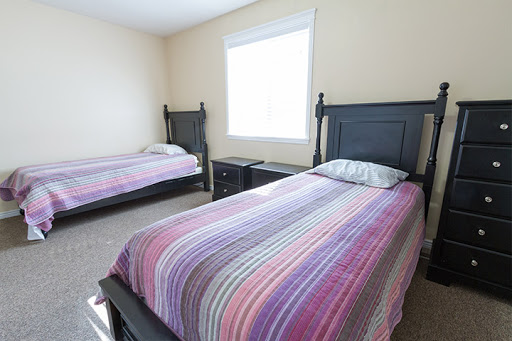
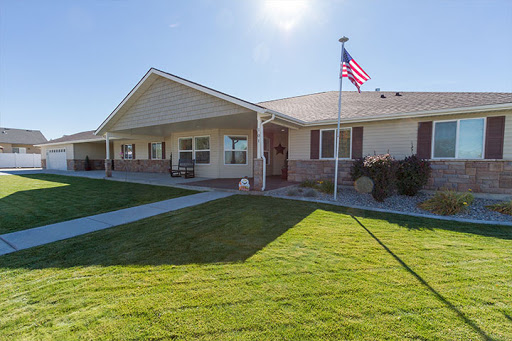
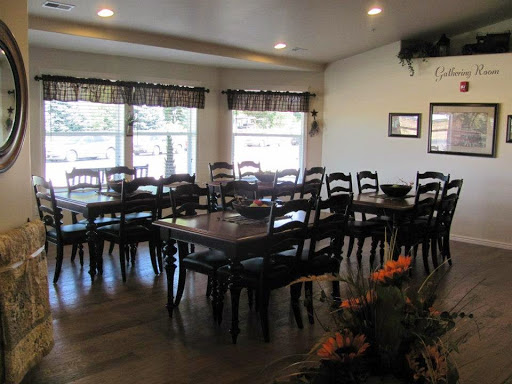
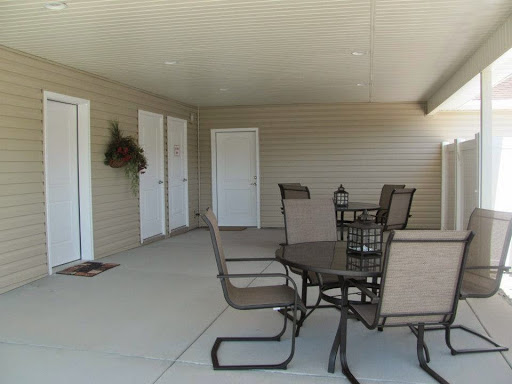
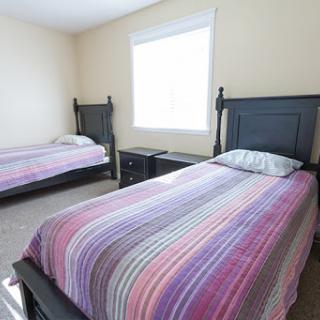
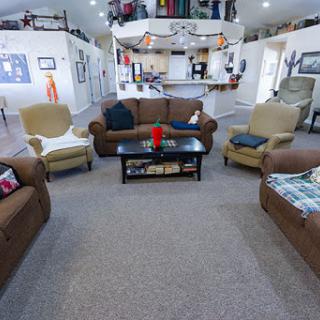
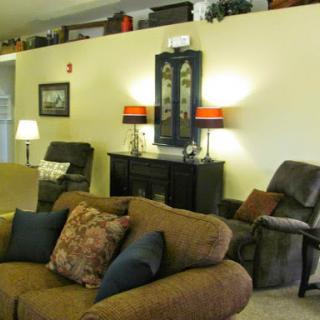
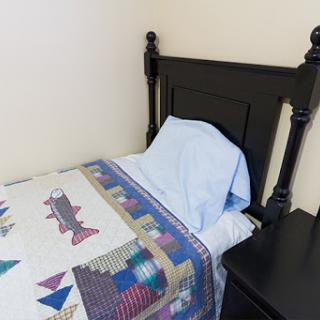
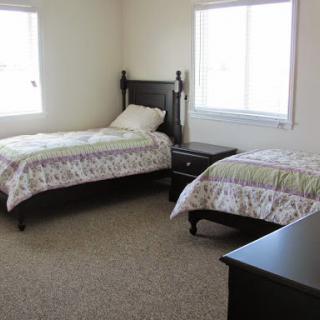
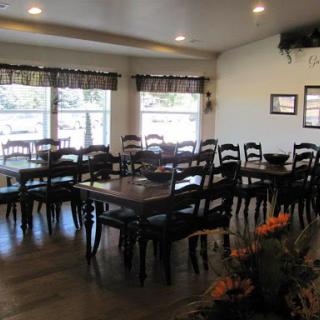
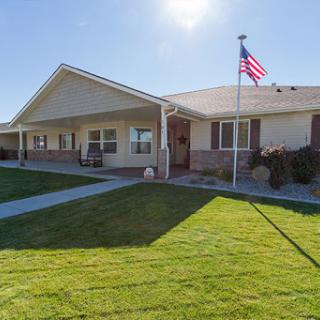
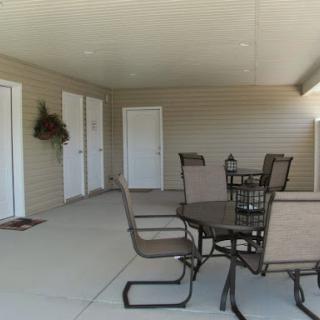
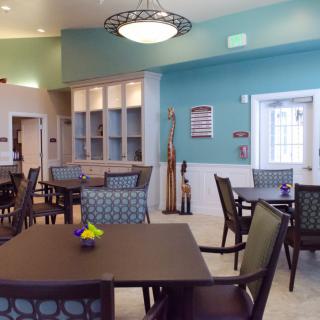
Ashley Manor - Lincoln on seniors.fyi includes 9 photos including images showing bedroom, decor, interior, windows, dining, living room, open space, flag, and more.
Nearby Communities
BMW Idaho Inc
Jerome, ID
4.7 from 120 reviews
Strong nearby amenities and healthcare access (parks, pharmacies, physicians, restaurants, transportation, places of worship, and hospitals).
St Benedict's Long Term Care
Jerome, ID
Convenient access to parks, healthcare, dining, and transportation nearby.
Creekside Care Center
Jerome, ID
4.6 from 11 reviews
Comfortable board-and-care home with 24/7 supervision, ADL assistance, meal service, medication management, and coordinated healthcare.
Alpha House
Jerome, ID
Strong access to parks, healthcare (pharmacies and physicians), diverse dining, transportation, places of worship, and nearby hospitals.
Desano Place Village Memory Care
Jerome, ID
4.8 from 32 reviews
Competitive pricing for memory care in Jerome County with 24/7 supervision and comprehensive dementia care services.
Safe Haven Homes Of Wendell Magic Valley Manor Safe Haven Health Care
Wendell, ID
24-hour supervision with ADL support and a mental wellness program
Magic Valley Manor
Wendell, ID
3.3 from 7 reviews
$1,800 to $2,400 / month
Loving, respectful staff in a warm, family-like atmosphere with safety and engaging activities.
Serenity Healthcare
Twin Falls, ID
3.9 from 71 reviews
Caring staff and a clean, well-maintained environment with visible recovery progress.
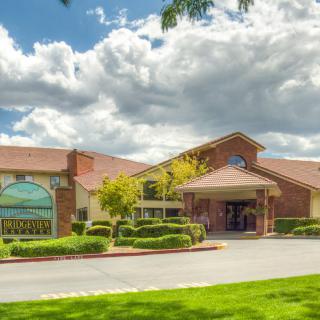
Bridgeview Estates
Twin Falls, ID
4.4 from 144 reviews
$1,995 to $2,595 / month
Friendly staff, engaging activities, and restaurant-style dining.
The transition from assisted living to skilled nursing care is often prompted by complex medical needs that assisted living cannot meet, with key indicators including frequent health declines, increased falls, severe memory issues, and caregiver burnout. Families should recognize these signs early to discuss options with healthcare providers and prepare for the emotional and logistical aspects of moving to a facility that offers comprehensive medical support.
Dementia is characterized by cognitive decline, with nutrition playing a vital role in brain health; while no specific diet can prevent or reverse it, a nutrient-dense diet rich in antioxidants and healthy fats may support cognitive function. The MIND diet, which emphasizes beneficial foods and limits processed items, along with proper hydration and individualized meal strategies, can enhance the well-being of dementia patients.
Dementia affects memory and cognitive function in older adults, presenting challenges for caregivers due to behavioral changes such as confusion and mood swings. Compassionate, person-centered care that considers individual history and preferences, along with effective communication and environmental modifications, is essential for supporting both patients and their caregivers.
Get PricingAsk A QuestionSchedule A TourContact Senior Advisor
By clicking submit, you agree to our Partner's Terms of Use. You
also consent to receive calls and texts, which may be autodialed, from our Partner. Your consent is not a condition to
using our Partner's service. Please visit our Partner's Privacy Policy for information about their privacy practices.


 21 resident community capacity
 Assisted Living
 Board and Care Home
 Memory Care
 Beauty salon
 Cable or satellite TV
 Dining room
 Fully furnished
 Garden
 Housekeeping services
 Kitchenette
 Move-in coordination
 Outdoor space
 Private
 Restaurant-style dining
 Small library
 Telephone
 Wi-Fi/high-speed internet available
 Joslin Field - Magic Valley (18 miles away)
 24-hour call system
 Activities of daily living assistance
 Ambulatory care
 Assistance with bathing
 Assistance with dressing
 Assistance with transfers
 Diabetes diet
 Diabetic care
 Incontinence care
 Medication management
 Mental wellness program
 Special dietary restrictions
 Strong nearby amenities and healthcare access (parks, pharmacies, physicians, restaurants, transportation, places of worship, and hospitals).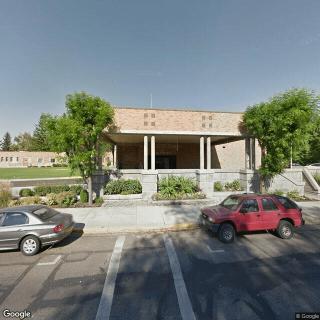

 8 Key Indicators That Suggest It May Be Time to Transition from Assisted Living to Skilled Nursing Care
 Nourishing the Mind: Essential Dietary Approaches for Dementia
 Understanding Dementia Behaviors: Practical Insights and Strategies for Caregivers