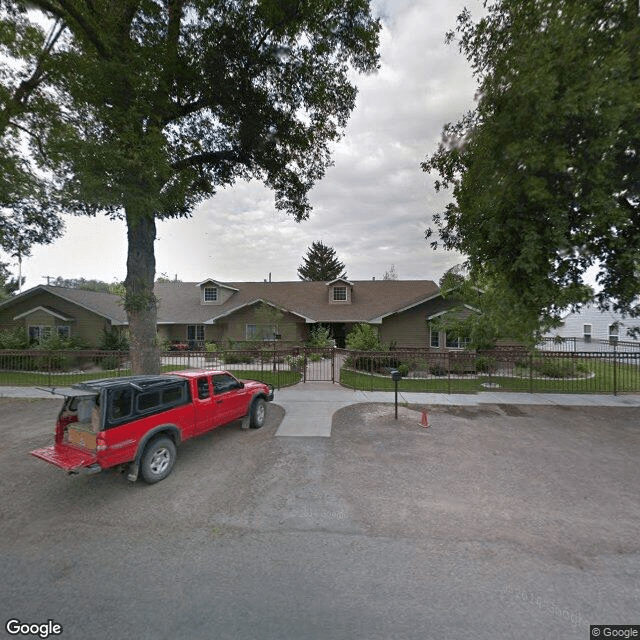
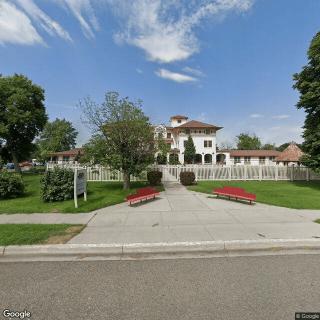
545 Nevada St, Gooding, ID 83330
To contact a resident: (208) 420-2599
For more information about senior living options: (866) 208-4318
DeSano Place Suites Costs & Pricing
DeSano Place Suites offers competitive pricing for its accommodations, with a semi-private room available at $2,500 per month. This cost aligns with the average rates in Lincoln County but remains notably lower than the state average of $3,026 for similar arrangements. For those seeking more privacy, the one-bedroom suite is priced at $3,400 per month, which slightly exceeds Lincoln County's average of $3,300 yet is significantly more affordable compared to Idaho's state average of $3,774. Overall, DeSano Place Suites presents a compelling value proposition within the local and state market for individuals seeking comfortable living options.
| Floor plans | DeSano Place Suites | Lincoln County | Idaho |
|---|---|---|---|
| Semi-Private | $2,500 | $2,500 | $3,026 |
| 1 Bedroom | $3,400 | $3,300 | $3,774 |
Assisted Living communities with a similar price nearby
-
from +$300 / mo

Ashley Manor - Lincoln
$2,800 to $3,200 / month17.3 miles away
Overall Review of DeSano Place Suites
Pros
 The staff take excellent care of their residents and communicate very well.
- Desano Place Gooding is highly regarded for its caring, dedicated, and knowledgeable staff.
- The residents are deeply loved and well cared for.
- The food smells amazing and the facility is clean and well maintained.
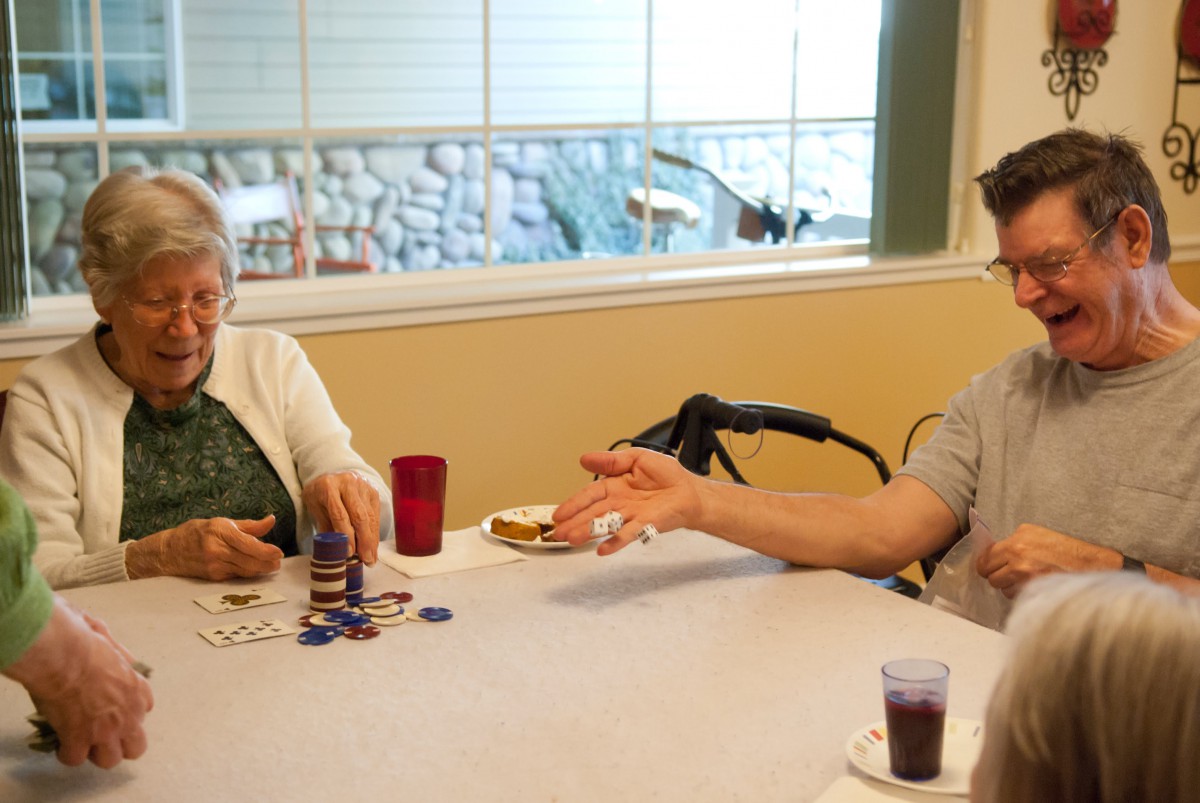
- Residents are consistently smiling and happy.
- Grace, the facility nurse, is kind, knowledgeable, and personable.
- Grace is hands-on with the residents and supportive of the care staff.
- Desano Place is regarded as one of the absolute best.
- The staff are wonderful and very special to the residents and families.
- All staff are amazing, caring, and dedicated.
Review
DeSano Place Suites in Gooding is best suited for families seeking a warm, resident-centered assisted living option where daily care is delivered with unmistakable warmth and consistency. This community works best for adults who need help with typical daily activities and who value a home-like atmosphere backed by hands-on, relational caregiving. It shines for families navigating dementia-related needs or end-of-life care, because the staff often become deeply involved in the residents’ routines, moods, and comfort. The strongest signal is the people: a nurse who stays close to the action, administrators who are visible and engaged, and a caregiving team that treats residents as more than targets of care. The environment reinforces this impression too, clean, well-maintained spaces that feel intimate rather than institutional, and aromas and meals that suggest genuine hospitality. In short, it’s the kind of place where families looking for genuine connection and dependable daily support will feel confident entrusting a loved one.
Certain families may want to consider alternatives if the expectations tilt toward intensive medical systems or highly specialized, hospital-like services. The reviews portray DeSano Place as a superb caregiving home, but they do not position it as a large medical campus with expansive on-site clinical offerings. For those requiring advanced medical management, complex wound care, or frequent, highly specialized therapies coordinated on-site, a larger facility with a broader medical support network could be a more suitable fit. Likewise, families seeking a location with broader urban amenities or more comprehensive activity programming may want to compare other options. Finally, those prioritizing lower-cost models or different financing structures should evaluate whether DeSano’s model aligns with budget realities, as the perceived value here rests on exceptional personal attention and a hands-on culture rather than on volume-based services.
The most compelling pros hinge on the staff’s commitment and the care culture. The community earns top marks for how well residents are cared for and how clearly communication is prioritized with families and outside agencies. Testimonials repeatedly emphasize staff who are loving, dedicated, and knowledgeable, with Grace the facility nurse singled out for hands-on oversight and thoughtful responsiveness. The sense of “home” described by observers, an environment where residents smile, eat well, and enjoy a clean, pleasant setting, matters as much as clinical oversight. Administrators, including the owner and on-site leadership, are cited as kind, proactive partners who support both residents and their families through challenges. Even the food is a recurring bright spot, with references to appetizing meals and appetizing smells that reinforce a sense of welcome and normalcy in daily life.
These strengths offset several potential concerns by translating nursing care and daily routines into meaningful, observable outcomes for residents and families. The close-knit staff rosters mean more consistent relationships at the bedside, which reduces confusion for residents and affords families the confidence that someone truly knows their loved one’s preferences. The combination of ongoing nurse oversight, active family communication, and readily available support during transitions or crises helps offset any perceived risk that a smaller facility might be less equipped to handle emergencies. The presence of hospice collaboration and a culture that has accommodated dementia care in real-life settings further demonstrates a capacity to address complex needs without pulling the plug on personalized attention. In practice, the pros, affectionate caregiving, reliable communication, and a nurturing environment, often compensate for the absence of a sprawling clinical campus.
The real-world evidence in these reviews centers on meaningful outcomes: residents who are well cared for, families who feel heard, and staff who treat care as a vocation rather than a job. There is a consistent calculus at work, when a facility can deliver this level of human connection, higher patient happiness, and transparent communication, the trade-offs of smaller size or more intimate services become strengths rather than liabilities. For families facing dementia or end-of-life planning, the ability to lean on a partner-like staff team, with the facility nurse as a steady touchpoint and administrators who are accessible, becomes a decisive factor. The emotional and logistical resonance of such relationships translates into smoother transitions, less caregiver strain, and a clearer path through difficult decisions, which is not always the case in larger, more impersonal settings.
In the end, DeSano Place Suites represents a practical, discerning choice for those prioritizing relational care, clean and homelike surroundings, and steady, communicative leadership. The verdict is strongest for families who want a community where staff know residents well, where meals and daily rhythms feel normal and comforting, and where end-of-life and dementia care are treated with respect and serious attention. If these priorities align, and if budget and location considerations fit, this is a compelling option that routinely turns concerns into confidence. For decision-makers weighing alternatives, the recommended next steps are clear: arrange a visit to meet the administrator and the facility nurse, observe staff interactions with residents, and ask pointed questions about each loved one’s specific needs, including diabetes management, memory care demands, and the availability of specialized therapies. If the tone of the day-to-day care matches what the reviews describe, DeSano Place Suites stands out as a sound, practical choice that delivers on its core promises.
 22 resident community capacity
 Assisted Living
 Board and Care Home
 Activities on-site
 Beauty salon
 Cable or satellite TV
 Devotional services off-site
 Dining room
 Fully furnished
 Garden
 Housekeeping services
 Indoor common areas
 Kitchenette
 Move-in coordination
 Outdoor space
 Telephone
 Wi-Fi/high-speed internet available
 24-hour call system
 Ambulatory care
 Assistance with bathing
 Assistance with dressing
 Assistance with transfers
 Diabetes diet
 Diabetic care
 Meal preparation and service
 Medication management
 Mental wellness program
 Special dietary restrictions
 Transportation arrangement (medical)
 Transportation to doctors appointments






 Comprehensive Insights into Activities of Daily Living (ADLs) and Their Assessment
 Medicare Coverage for Assisted Living: An In-Depth Exploration
 Choosing the Right Senior Care: A Detailed Exploration of Assisted Living and Nursing Homes