
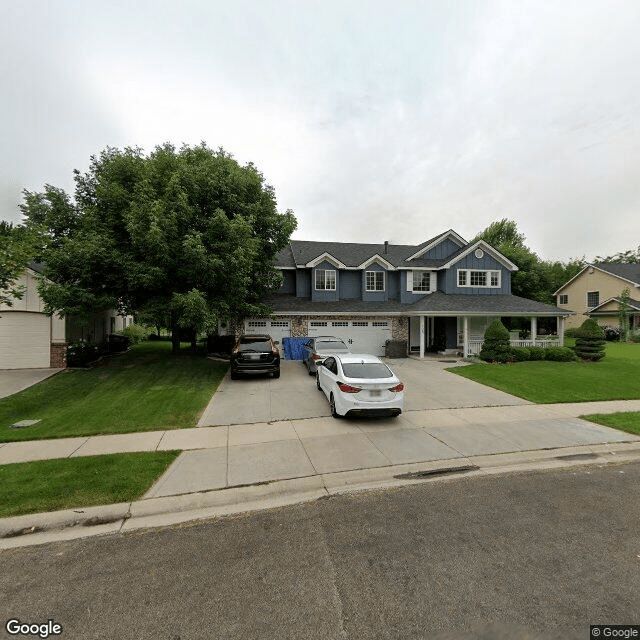
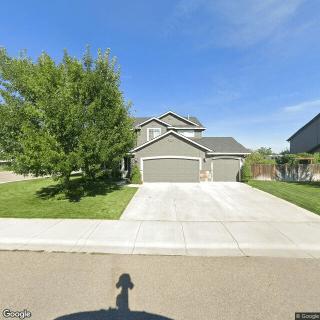
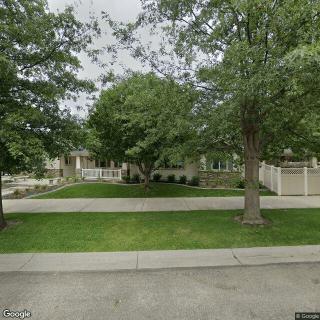
125 E Stonewater Ct, Eagle, ID 83616
To contact a resident: (208) 939-3151
For more information about senior living options: (866) 208-4318
Certified Family Home of Eagle Costs & Pricing
The Certified Family Home of Eagle offers a competitive monthly cost for private room accommodations at $2,500, significantly lower than the average rates in Gem County and the broader state of Idaho, where costs stand at $4,197 and $3,906 respectively. This affordability may make it an attractive option for families seeking quality care without the burden of excessive financial strain. By providing a more accessible price point, Certified Family Home of Eagle not only positions itself as a viable choice within the market but also reflects a commitment to supporting individuals and families in need of supportive living arrangements.
| Floor plans | Certified Family Home of Eagle | Gem County | Idaho |
|---|---|---|---|
| Private | $2,500 | $4,197 | $3,906 |
Senior living communities with a similar price nearby
-
from +$100 / mo
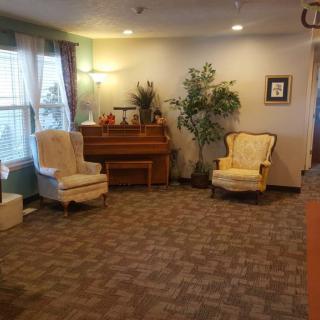
Country Time Assisted Living
$2,600 to $8,000 / month7.0 miles away -
from +$395 / mo
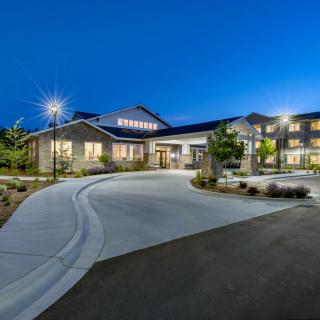
Revel Eagle
$2,895 to $4,495 / month1.4 miles away -
from +$300 / mo

Grace Assisted Living at Fairview Lakes
$2,800 to $3,800 / month6.0 miles away -
from -$100 / mo
The Gables Assisted Living & Memory Care of Caldwell
$2,400 to $3,300 / month17.5 miles away -
from +$300 / mo
Comfort & Care
$2,800 to $3,000 / month4.0 miles away
Overall Review of Certified Family Home of Eagle
Cons
 The business's listed phone number is no longer in service.
- There is no email address available to contact the business.
Review
Certified Family Home of Eagle is best suited for families seeking a small, home-style caregiving environment in Eagle, Idaho, where the day-to-day care can feel personal and intimate. When the priority is proximity, direct access to caregivers, and a home setting rather than a large campus, this option appears to align with those goals. That alignment, however, presumes reliable lines of communication and straightforward onboarding. In this instance, the primary red flag is a breakdown in basic contact channels, which immediately tempers any perceived benefits and reframes the decision around trust and accessibility.
Those who should seriously consider alternatives are families for whom speed, clarity, and ease of communication are non-negotiable. If phone or email access is essential to arranging visits, confirming licensing, or coordinating care schedules, this community may not merit serious consideration. Larger, more established assisted living options with centralized admissions, transparent contact methods, and active staff outreach will typically offer the reliability needed to compare care plans, pricing, and residency terms without chasing disconnections.
The principal drawback, an out-of-service phone number and no alternative contact channel, cuts to the heart of what families must evaluate. When the first step in due diligence cannot be completed, the entire decision-making process stalls. Prospective residents and their families should be able to verify licensing and safety records, arrange tours, discuss medication management, and understand staffing ratios. The absence of dependable contact raises legitimate questions about governance, accountability, and the ability to respond promptly if concerns arise in the transition or during ongoing care.
While the concept of a Certified Family Home carries inherent advantages, intimate attention, flexible routines, and a setting that can feel more homelike, the documented experience offers no confirmation that these benefits exist in practice here. The communication gap effectively negates the potential upside, because trust and access are prerequisites for any meaningful evaluation of care quality. Without a reliable channel to reach management or intake staff, the likelihood of discovering whether care meets needs is uncertain at best and disappointed at worst.
Families evaluating this community should take concrete steps before any commitment. Attempt alternate contact routes through on-site visits if possible, request a current license verification from state authorities, and seek references from current or former residents or families. Schedule a tour and request a written plan outlining daily care, medication oversight, personal routines, and staffing coverage. Verify the physical address, inspect the living space for safety features, and obtain a clear, itemized contract detailing fees, deposits, and termination terms. Above all, insist on a reliable point of contact with real-time responsiveness; if that cannot be established, narrow the field and prioritize facilities with proven communication practices.
In light of the available information, this community should be deprioritized in the search for dependable assisted living. The decisive factor is communicative reliability; without it, even a seemingly intimate, home-like setting cannot deliver the reassurance families require. The prudent path is to concentrate efforts on options with verified contact methods, transparent admissions processes, and strong responsiveness, then reserve a visit to see if a smaller setting truly aligns with caregiving goals once trust and access are assured.
 Board and Care Home
 Activities off-site
 Devotional services off-site
 Indoor common areas
 Outdoor common areas
 Private
 Respite or short term stays offered
 Swimming pool / hot tub
 Wheelchair accessible showers
 Boise Air Terminal (12 miles away)
 Diabetic care
 High acuity care
 Incontinence care
 Medication management
 Kosher
 Friendly staff, welcoming atmosphere, and strong dining/amenities.

 Seniors and Modern Transportation: Exploring Uber, Lyft, and Other Ride-Hailing Options
 Comprehensive Guide to Qualifying for Home Health Care Services
 Powerful Realities of Elder Abuse and the Most Effective Ways to Report It