Grace Assisted Living at Caldwell offers competitive pricing for its various room types, making it an appealing option for those seeking assisted living in the region. For a studio apartment, residents can expect to pay $3,000 per month, which is below both the average costs for Canyon County and the state of Idaho. The semi-private rooms, priced at $3,300, are slightly above the county average but still remain a cost-effective choice compared to similar offerings statewide. One-bedroom apartments are available for $3,400, aligning closely with county averages but remaining lower than state figures. Notably, the two-bedroom option is priced at $3,900 - considerably higher than the local average but still within a reasonable range compared to statewide costs. Overall, Grace Assisted Living provides a variety of options that cater to different needs while maintaining affordability relative to broader market trends.
Floor plans
Grace Assisted Living at Caldwell
Canyon County
Idaho
Studio
$3,000
$3,111
$3,213
Semi-Private
$3,300
$2,997
$3,026
1 Bedroom
$3,400
$3,476
$3,774
2 Bedrooms
$3,900
$2,225
$3,599
Memory care communities with a similar price nearby
Overall Review of Grace Assisted Living at Caldwell
common42 reviews mention this
Caring, friendly staff stand out
Residents and families consistently describe the staff as friendly, caring, and helpful.
Many reviewers say the staff is kind and responsive, with examples of administrators, nurses, and caregivers being helpful with questions, day-to-day needs, and overall support. Several families also describe their loved ones as well taken care of, safe, and treated with respect. A smaller set of reviews are critical, describing rude behavior, poor follow-up, and unprofessional communication at times.
common14 reviews mention this
Activities keep residents engaged
A steady schedule of activities is frequently mentioned as part of daily life.
Reviewers often point to the variety of activities—such as bingo, crafts, music, happy hour, and trips/outings—as a reason families feel comfortable. Some also highlight an activity director by name and describe how residents stay social and occupied. In contrast, a few reviews say activities were limited or residents were bored, particularly in memory care at certain points.
caveat11 reviews mention this
Dining quality is mixed
Food is a common topic, with reports ranging from enjoyable to consistently disappointing.
Several residents and families say the meals are good and that they enjoy dining, including mention of special dietary needs and diabetic support. At the same time, other reviews describe meals as lukewarm or cold, or criticize taste and limited choices in memory care. These differences show up both in positive dining experiences and in recurring complaints about mealtime quality.
common9 reviews mention this
Care support includes meds and bathing
Families describe day-to-day support that includes medication help and personal care.
Multiple reviews mention assistance such as medication management and help with bathing and transfers, along with staff who communicate about care needs. Some reviewers also reference coordination around health needs and transportation for appointments. A few critical reviews claim care issues like medication problems or insufficient attention in memory care, which is echoed by concerns about responsiveness and follow-up.
caveat12 reviews mention this
Communication and management vary
Some families report inconsistent communication and management follow-through.
Several reviews praise communication between family, management, and staff, describing staff as easy to work with and quick to address concerns. Other reviewers report the opposite—such as manager call-backs not happening, poor coordination after incidents, and frustration with staffing turnover. A few of the most serious concerns also describe difficulties getting timely help and blame management for not rectifying problems.
caveat6 reviews mention this
Pricing raises concerns for some families
Some reviews raise concerns about charges, billing, and unexpected costs.
While at least one reviewer describes the community as more affordable compared with other options, others focus on costs and billing surprises. Complaints include being charged for services or add-ons, needing upfront payments, or additional fees after a move-out. These negative experiences are not universal, but they recur enough to be a notable caveat for families evaluating the move.
How we summarize
Counts show how many written reviews mention each theme; a review can touch several themes, and only frequently mentioned themes are displayed.
Features
Housing
22 resident community capacity
Types of Care
Assisted Living
Board and Care Home
Independent Living
Memory Care
Amenities
Activities off-site
Activities on-site
Air-conditioning
Beautician on-site
Beauty salon
Cable or satellite TV
Devotional services on-site
Dining room
Fully furnished
Garden
Ground floor units
Housekeeping services
Indoor common areas
Kitchenette
Move-in coordination
Outdoor common areas
Outdoor space
Private bathrooms
Respite or short term stays offered
Telephone
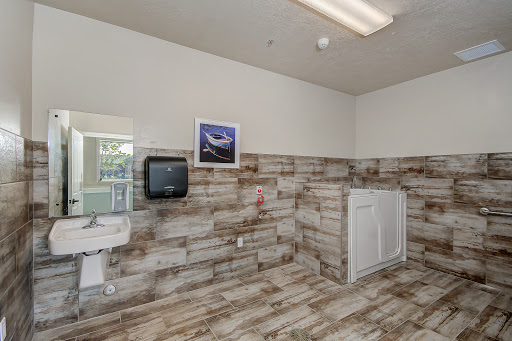
Wheelchair accessible showers
Wi-Fi/high-speed internet available
Transportation
Boise Air Terminal (23 miles away)
Care Services
24-hour call system
24-hour supervision
Activities of daily living assistance
Ambulatory care
Assistance with bathing
Assistance with dressing
Assistance with transfers
Coordination with health care providers
Diabetes diet
Diabetic care
Incontinence care
Meal preparation and service
Medication management
Mental wellness program
Special dietary restrictions
Transportation arrangement (medical)
Transportation to doctors appointments
Dining
Diabetes diet
Guest meals
Meals provided
Professional chef
Restaurant style dining
Room service
Special dietary restrictions
Special dining programs
Activities
Art classes
Catholic services
Community-sponsored activities
Cooking classes
Day trips and outings
Devotional activities on-site
Happy hour
Live dance or theater performances
Live musical performances
Live well programs
Mormon/LDS services
Protestant services
Scheduled daily activities
Visiting chaplain or priest
Wine tasting
Videos
Nearby Places of Interest
This area of Caldwell, Idaho offers a convenient location with easy access to various amenities and services. Within a short distance, you will find several cafes, pharmacies, restaurants, parks, places of worship, and medical facilities such as physicians' offices and hospitals. The tranquil parks provide opportunities for leisurely walks and nature appreciation. Additionally, transportation services are available for added convenience. The presence of reputable healthcare providers ensures that seniors have access to quality medical care. Overall, this neighborhood is a well-rounded community that caters to the needs of individuals seeking a comfortable and convenient living environment in their later years.
Cafes
Dutch Bros Coffee (0.3 miles)
The Human Bean (0.5 miles)
Starbucks (0.9 miles)
Espressoly Yours (5.1 miles)
Dutch Bros Coffee (5.2 miles)
Starbucks (5.3 miles)
Flying M Coffee Garage (8 miles)
Physicians
Idaho Surgery Center (0.5 miles)
Qureshi, Ian Saint Alphonsus Caldwell Cancer Care Center (0.5 miles)
Vein Center of Idaho - Caldwell (1.3 miles)
Spine Institute Of Idaho (1.3 miles)
Caldwell Internal Medicine (1.3 miles)
Henzler, Mark Dr - Idaho Emergency Physicians PA (1.4 miles)
Grace Assisted Living at Caldwell offers competitive pricing for its various room types, making it an appealing option for those seeking assisted living in the region. For a studio apartment, residents can expect to pay $3,000 per month, which is below both the average costs for Canyon County and the state of Idaho. The semi-private rooms, priced at $3,300, are slightly above the county average but still remain a cost-effective choice compared to similar offerings statewide. One-bedroom apartments are available for $3,400, aligning closely with county averages but remaining lower than state figures. Notably, the two-bedroom option is priced at $3,900 - considerably higher than the local average but still within a reasonable range compared to statewide costs. Overall, Grace Assisted Living provides a variety of options that cater to different needs while maintaining affordability relative to broader market trends.
The features offered at Grace Assisted Living at Caldwell significantly enhance the quality of care for residents with dementia or Alzheimer's disease by promoting independence while ensuring safety and well-being. Assistance with dressing, bathing, and transfers helps residents maintain personal hygiene and dignity, essential for their self-esteem. Medication management is critical in preventing any potential health complications, as proper adherence to prescriptions is vital for cognitive function. Meal preparation and service cater to dietary needs while providing structured mealtimes that can offer comfort and routine. Transportation arrangements ensure that residents can attend medical appointments without added stress or confusion. Coordination with healthcare providers fosters a collaborative approach to care, maximizing resources available for each resident's unique needs. The inclusion of a mental wellness program encourages cognitive engagement and social interaction through tailored activities that stimulate memory and improve mood. Additionally, 24-hour supervision ensures immediate assistance during emergencies or moments of disorientation, while incontinence care maintains dignity and personal comfort--further promoting a nurturing environment conducive to overall health and happiness.
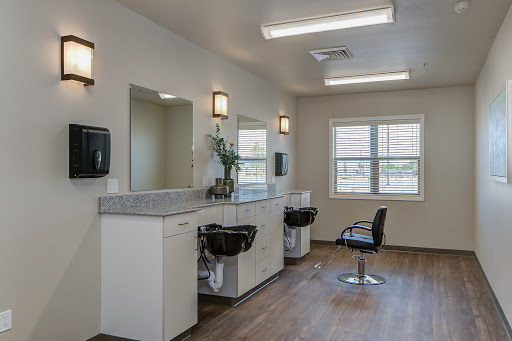
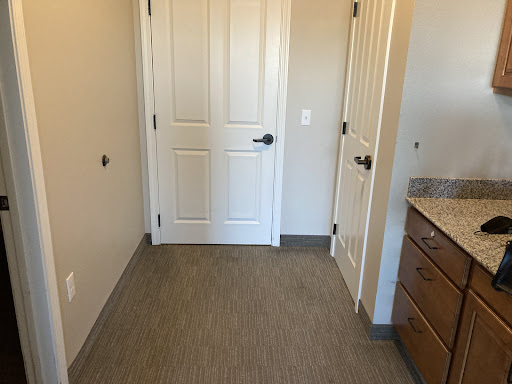
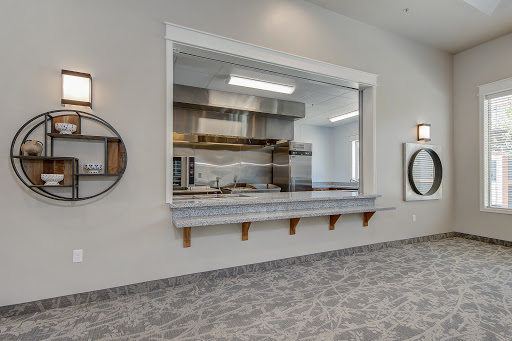
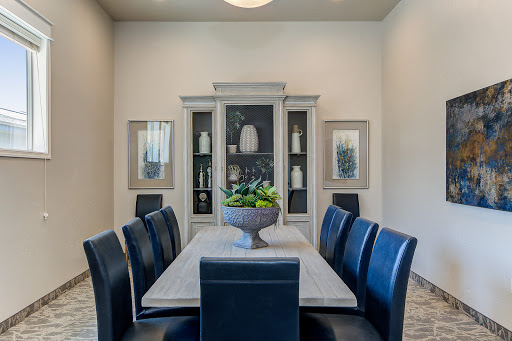
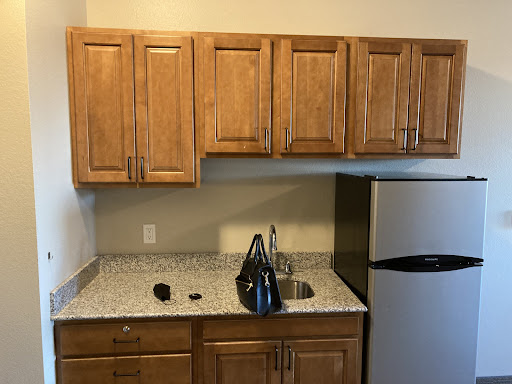
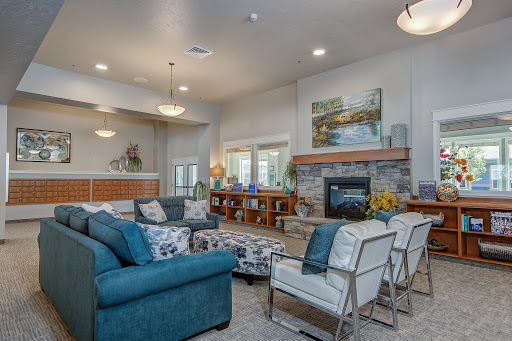
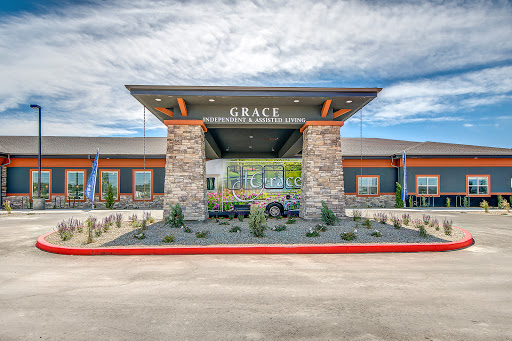
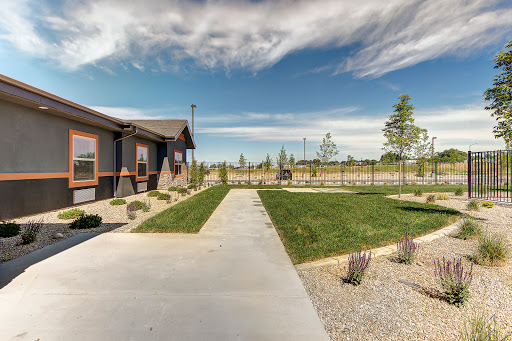
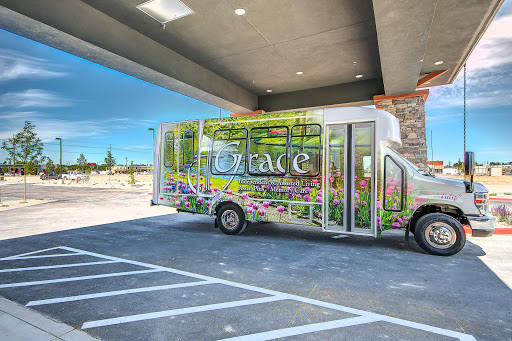
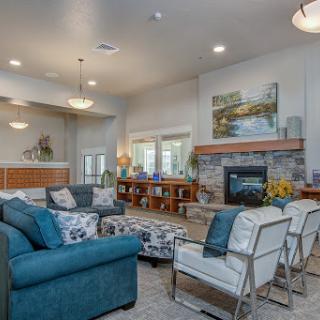
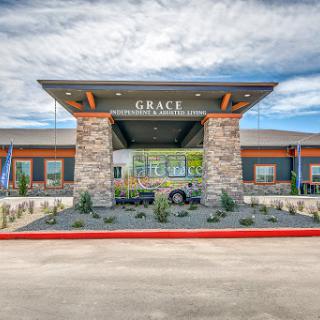
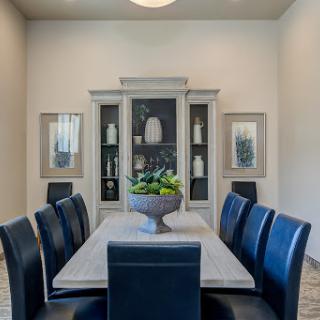
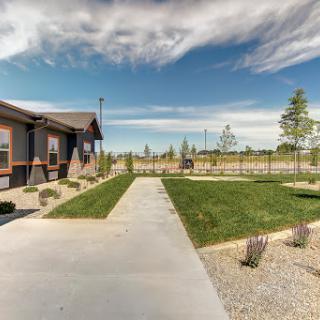
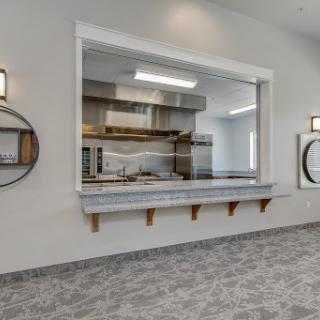
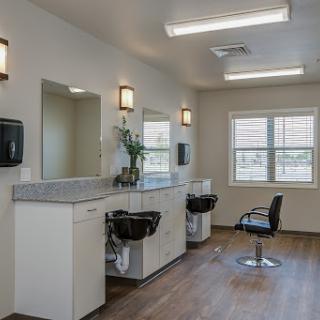
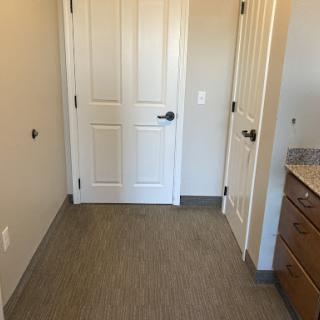
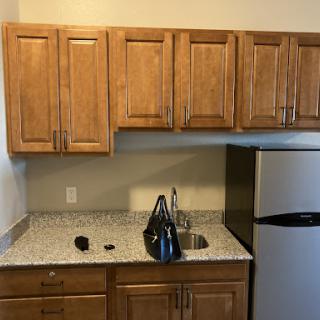
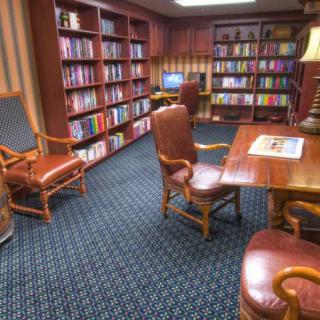
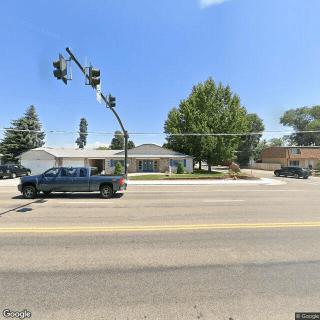
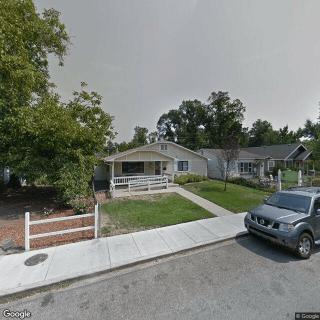
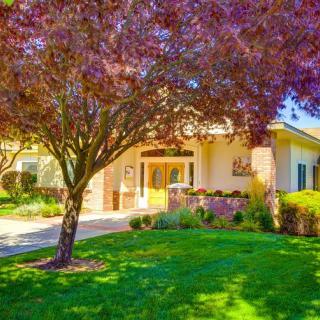
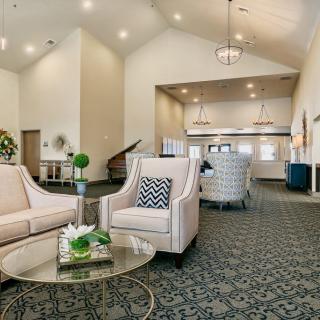
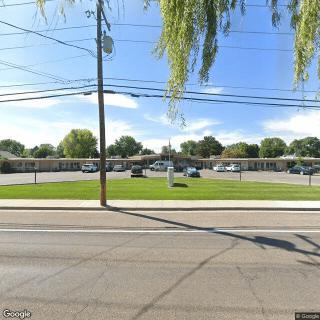
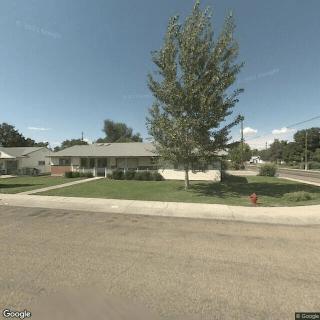
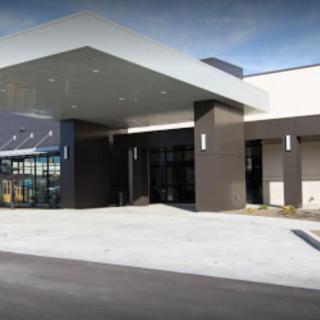
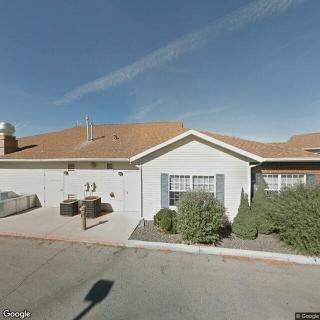
Grace Assisted Living at Caldwell on seniors.fyi includes 11 photos including images showing interior, decor, kitchen, building, landscaping, cabinets, natural light, open space, and more.
Nearby Communities
Leisure Village V
Caldwell, ID
Peaceful setting with broad nearby amenities.
Absolute Home Health Care
Caldwell, ID
2.7 from 7 reviews
Excellent access to nearby amenities and healthcare.
Vineyard Suites at Indian Creek
Caldwell, ID
3.6 from 12 reviews
$594 / month
Very affordable pricing for 2-bedroom units.
Ashley Manor Iowa
Caldwell, ID
4.3 from 21 reviews
$3,000 to $3,400 / month
Clean, well-maintained facility with friendly staff and a welcoming, family-like atmosphere.
Canyon West Of Cascadia
Caldwell, ID
4.5 from 138 reviews
Clean, well-maintained facility with compassionate staff and effective therapy
Ashley Manor - Crescent
Caldwell, ID
3 from 2 reviews
$2,600 to $3,100 / month
Specializes in memory care with personalized care plans.
Memory care activities are essential for improving the quality of life of seniors with cognitive impairments, as they stimulate cognitive function, promote well-being, and encourage social interaction through tailored strategies. These activities combine structured exercises with spontaneous tasks, sensory engagement, physical workouts, creative pursuits, and intergenerational interactions to enhance emotional connection and a sense of purpose.
Transitioning from assisted living to memory care is driven by an individual's cognitive decline and specific needs, requiring careful evaluation of indicators like increased confusion and wandering. The process involves consulting medical professionals, researching suitable communities, considering financial and legal aspects, and ensuring effective communication for personalized care plans.
The article differentiates between assisted living and memory care, explaining that assisted living supports seniors with daily activities while promoting independence, whereas memory care provides specialized services for individuals with dementia, focusing on secure environments and cognitive support. It also addresses staff training, safety considerations, costs, family involvement, and transition strategies for families navigating these care options.
Living Room, Fireplace, Seating Area, and Natural Light
Landscaping and Building
Architecture and Entrance
Kitchen
Lighting and Salon
Outdoor, Pathway, Nature, and Grass
Parking
Cabinets
Refrigerator
Open Space and Design
Doors
Laundry Room and Wood Paneling
Get PricingAsk A QuestionSchedule A TourContact Senior Advisor
By clicking submit, you agree to our Partner's Terms of Use. You
also consent to receive calls and texts, which may be autodialed, from our Partner. Your consent is not a condition to
using our Partner's service. Please visit our Partner's Privacy Policy for information about their privacy practices.




 22 resident community capacity
 Assisted Living
 Board and Care Home
 Independent Living
 Memory Care
 Activities off-site
 Air-conditioning
 Beautician on-site
 Cable or satellite TV
 Devotional services on-site
 Dining room
 Fully furnished
 Garden
 Ground floor units
 Housekeeping services
 Indoor common areas
 Kitchenette
 Move-in coordination
 Outdoor common areas
 Private bathrooms
 Respite or short term stays offered
 Telephone
 Wheelchair accessible showers
 Wi-Fi/high-speed internet available
 Boise Air Terminal (23 miles away)
 24-hour call system
 Ambulatory care
 Assistance with bathing
 Assistance with dressing
 Assistance with transfers
 Diabetes diet
 Diabetic care
 Incontinence care
 Meal preparation and service
 Medication management
 Mental wellness program
 Special dietary restrictions
 Transportation arrangement (medical)
 Transportation to doctors appointments
 Art classes
 Catholic services
 Cooking classes
 Day trips and outings
 Happy hour
 Live dance or theater performances
 Live musical performances
 Live well programs
 Wine tasting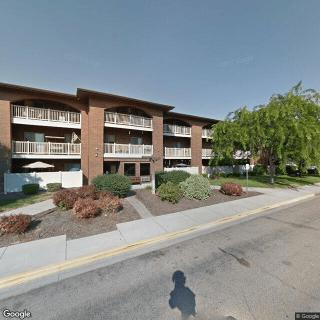
 Peaceful setting with broad nearby amenities.

 Engaging Memory Care Activities That Enhance Quality of Life
 When to Transition from Assisted Living to Memory Care: Key Indicators, Steps, and Finding the Right Community
 Understanding the Distinctions: Assisted Living and Memory Care Explained