
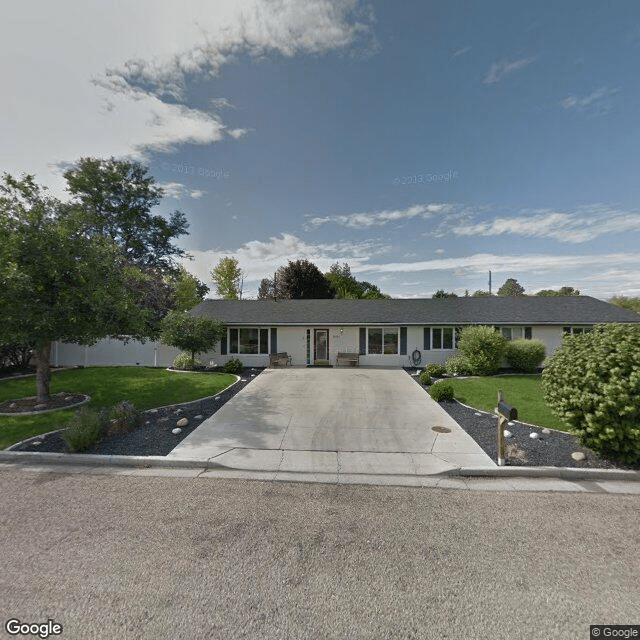
2604 Iowa Avenue, Caldwell, ID 83605
For more information about senior living options: (866) 208-4318
Ashley Manor Iowa Costs & Pricing
At Ashley Manor in Iowa, residents can expect to pay $3,000 per month for a semi-private room, which is competitively priced when compared to Canyon County, Idaho, where similar accommodations average around $2,997. For those seeking more privacy, the studio option at Ashley Manor is available for $3,400, slightly higher than the typical rates in Canyon County and Idaho - $3,111 and $3,213 respectively. Overall, while Ashley Manor's costs may be marginally above average for some options, they reflect the quality of care and services provided within a welcoming community-focused environment.
| Floor plans | Ashley Manor Iowa | Canyon County | Idaho |
|---|---|---|---|
| Semi-Private | $3,000 | $2,997 | $3,026 |
| Studio | $3,400 | $3,111 | $3,213 |
Memory care communities with a similar price nearby
-
from -$247 / mo

Garden Plaza of Valley View
$2,753 to $4,358 / month20.8 miles away -
About the same

Ashley Manor - Orchard
$3,000 to $3,500 / month22.3 miles away -
About the same
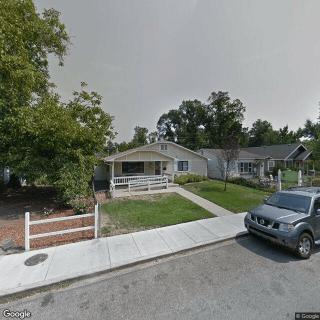
Ashley Manor - Hyde Park
$3,000 to $3,500 / month23.8 miles away -
About the same

Overland Court Senior Living
$2,930 to $3,530 / month18.9 miles away -
from +$300 / mo

Veranda at Paramount
$3,300 to $5,000 / month13.9 miles away
Overall Review of Ashley Manor Iowa
Pros
 Ashley Manor exceeded every expectation with a seamless transition and care that made the aunt feel comfortable and cared for.
- The setting is described as a home, not a facility, where every resident is treated with dignity and kindness.
- The staff ensure residents are clean, well-groomed, and cared for.
- The Willow facility is wonderful, with residents who love it, a clean environment, and awesome staff.
- Willow staff treat residents with the highest respect, and the facility offers engaging activities.
- Ashley Manor is very clean, with friendly staff and good value.
- Ashley Manor provides a family-like setting, and families are happy with the care.
Cons
 The administrator is poorly performing, picks and chooses, and does not uphold her job title, suggesting she should be replaced for CNAs.
- The meals do not meet nutritional guidelines, indicating lacking nutrition.
- The administration is non-responsive to texts or calls when needs arise.
- Patient care conditions are not updated.
- There is only one care provider for eight patients.
Review
Ashley Manor in Caldwell, Idaho is best suited for families seeking a small, home-like residential care setting where personal attention and everyday warmth are the primary currency. It works especially well for residents with dementia or those easing into assisted living from a family home, where a nurturing, “one house, one family” feel matters as much as basic care. Review patterns consistently point to a place that feels lived-in in the right way: clean spaces, staff who treat residents with dignity, and a sense that care extends through the day’s small rituals as well as the big moments. When families want a setting that prioritizes a dignified, homelike atmosphere, where staff know residents by name and celebrate daily routines with a touch of festivity, Ashley Manor delivers.
That said, this community is not the clear choice for everyone. Families requiring auditing-grade administrative consistency and rock-solid accountability in every shift will want to look elsewhere. Several reviews flag the administration as uneven, with concerns that leadership can appear out of reach or slow to respond. For households that depend on rapid problem-solving and a tightly controlled menu or care plan, the lack of a clearly reliable administrative spine could create stress. Likewise, if the resident needs a high level of medical oversight, or if nutritional rigor and precise documentation of care conditions are non-negotiable, alternatives with more pronounced clinical infrastructure may be preferable. For those who prize constant, on-demand communication with leadership, Ashley Manor may require proactive follow-up.
The strongest positives, cleanliness, friendliness, and a genuine home-like feel, help offset some of the facility’s weaker points. Multiple residents and families describe a setting where staff are approachable, attentive, and easy to engage with, and where management in practice tends to maintain a well-run home environment. The Willow unit is highlighted for its sense of community, the availability of activities, and the overall mood that makes residents feel valued. In transitions, especially for dementia care, the staff’s willingness to make residents comfortable and to treat them with familiar rituals and respect is repeatedly cited as a major strength. When care is organized around the person, hair appointments, nails, and daily routines, the value proposition strengthens, and families feel they are getting a respectful, attentive level of care that resembles what they would provide at home.
Nevertheless, the most cited downsides revolve around administrative responsiveness and staffing realities. One critique notes a gap between expectations and what the administration delivers, with concerns about delayed or insufficient communication when needs arise. Another review mentions operational gaps in how care conditions are updated and how quickly concerns are escalated, implying a variability in oversight that can matter to families relying on timely information. Food quality sits in a similar middle ground: described as acceptable but not always meeting strict nutritional guidelines, which matters for families prioritizing a fixed standard of meals. The ratio of caregivers to residents, flagged as one provider for eight patients in at least one account, raises questions about day-to-day supervision, especially during peak hours or for residents who require more hands-on support. Taken together, these issues do translate into real-world trade-offs: warmth and reliability in daily care versus consistency and oversight at the administrative and clinical levels.
Practical due diligence is essential before any move-in. Prospective families should insist on meeting the administrator and care director to gauge responsiveness and to confirm a dependable line of communication. Request a current staffing roster with shift-by-shift coverage to understand who’s assigned when, and ask for concrete examples of care plans and how changes are documented and shared with families. Review the sample menus and ask to see the facility’s approach to nutrition, especially for residents with dietary restrictions or higher caloric needs. Ask for recent references, preferably families with residents at the same level of need, and arrange multiple visits at different times to observe how the team handles peak activity, medication administration, and social programming. If possible, review the calendar of activities and see whether there are planned means to keep residents physically and mentally engaged, beyond routine socialization. These steps help determine whether the environment can be trusted to remain consistently attentive in its administration and daily care.
In the end, Ashley Manor is a credible, hands-on option for families who want a warm, home-style environment where staff appear devoted to dignity, comfort, and daily habit as core values. It shines where a strong sense of community, clean surroundings, and a personal touch from caregivers make a meaningful difference in day-to-day life. The potential weaknesses, administrative variability, limited documentation responsiveness, and questions about nutrition and staffing ratios, are not fatal but demand a clear plan and vigilant follow-through from families. For those who can tolerate some administrative flux in exchange for a genuinely homelike atmosphere and meaningful staff engagement, Ashley Manor offers a compelling blend of heart and practicality.
For families who require a more consistently managed operation, with tighter administrative accountability, stricter adherence to dietary standards, and a higher caregiver-to-resident ratio, exploring alternatives will likely yield more predictable results. Other options within the broader assisted living landscape may deliver steadier governance and more robust on-site clinical support, along with structured activity calendars that keep residents actively engaged. If choosing Ashley Manor, enter with clear expectations, a plan for ongoing family involvement, and a process for ongoing check-ins on care quality and nutrition. The rewards, a sense of belonging, a compassionate daily routine, and a home-like dignity, are real, but they hinge on steady, proactive oversight that families should explicitly pursue from day one.
 22 resident community capacity
 Assisted Living
 Board and Care Home
 Memory Care
 Beauty salon
 Cable or satellite TV
 Dining room
 Fully furnished
 Garden
 Housekeeping services
 Kitchenette
 Move-in coordination
 Outdoor space
 Respite or short term stays offered
 Telephone
 Wi-Fi/high-speed internet available
 Boise Air Terminal (24 miles away)
 24-hour call system
 Activities of daily living assistance
 Assistance with bathing
 Assistance with dressing
 Assistance with transfers
 Diabetes diet
 Meal preparation and service
 Medication management
 Mental wellness program
 Special dietary restrictions
 Transportation arrangement (medical)
 Transportation to doctors appointments





 Understanding Medicaid Coverage for Assisted Living: A Comprehensive Guide
 How and When Medicaid May Cover Assisted Living Costs
 A Detailed Exploration of Assisted Living Medicaid Waivers Across the United States