

427 Curtis Street, Boise, ID 83706
To contact a resident: (208) 367-3040
For more information about senior living options: (866) 208-4318
Overall Review of St Alphonsus Home Health & Hospice
Pros
 Crista and Jeise provided excellent care, and the Boise team was praised as the best.
- The care was phenomenal, and the hard-working nurses were thanked.
- The care at St. Als is very good.
- Al's treats patients like real people.
- The staff on the fifth-floor cancer ward are great, with some of the best nurses.
- The care was exceptional from start to finish, and the nurses connected with the patient and provided special care.
Cons
 The hospital is losing great doctors.
- Trinity Health Billing is impossible to deal with; they keep billing for covered care and never follow through, often turning accounts over to collections.
- St Alphonsus has poorly managed billing with surprise bills and seven-month delays.
- The emergency department has had nothing but bad experiences; the ER was horrible.
- The cancer center has frequent staff changes that force patients to repeat information, eroding trust.
- Luke's treats patients like cattle.
- Receptionists are rude and unprofessional; medical records staff interrupt questions and provide wrong information.
Review
St Alphonsus Home Health & Hospice in Boise is best suited for families that need hands-on, nurse-led care delivered at home or through a Hospice-supported transition from hospital to home. The strongest draw is the quality of bedside care: nurses and frontline clinicians who connect with patients in meaningful ways, respond quickly to changing needs, and provide a tangible sense of reassurance during crises or post-acute recovery. When a crisis hits or a loved one returns home after a hospital stay, this program’s practical, people-focused approach can be a real lifeline. The hospital network backing the agency often translates into a familiar, coordinated framework for urgent needs, with staff who earn trust through daily, direct caregiving rather than through glossy brochures.
Still, this option demands a clear eye on administrative realities. Families with a preference for a smooth, single-bill experience and tight, predictable scheduling should consider alternatives. Reviews consistently flag Trinity Health Billing as a source of frustration, noting repeated misbilling, endless phone calls, and multiple, confusing statements rather than a clean, consolidated statement. For families managing tight budgets or fixed deductible plans, the recurring billing headaches can erode confidence just as care begins. Likewise, those who require a stable, long-term oncologic or specialty team may find the environment challenging if staff turnover is affecting continuity and the sense of a steady medical partnership.
On balance, the core clinical strengths are compelling: compassionate nurses who build rapport, careful attention to patient comfort, and a willingness to adapt care plans in response to evolving needs. When a loved one needs urgent nursing attention or a thoughtful, human-centered touch in the home setting, these strengths translate into tangible benefits that can shorten recovery time and reduce stress for families. Positive experiences around hospital-to-home transitions reinforce the sense that the team can be relied upon for immediate, practical support during crises. These advantages, however, sit against a backdrop of administrative friction that can create daily friction and financial anxiety if not managed proactively.
That means decision-makers should weigh the daily realities of billing and communication as heavily as the clinical quality. If a plan hinges on consistent, straightforward paperwork and a streamlined billing flow, this option may fall short. The reviews reveal a pattern: excellent bedside care paired with inconsistent back-office performance. The risk is not the care itself but the environment in which billing errors, unclear communications, and occasional misdirection about records or medications occur. For families who have time to devote to chasing down bills, or who can leverage a patient advocate to monitor finances, these drawbacks become manageable. For those who cannot afford to wrestle with surprise charges or tangled billing, alternatives with centralized administration deserve serious consideration.
In practical terms, a family choosing this pathway should pursue concrete safeguards before enrolling. Request a dedicated care coordinator who will stay with the case across shifts and visits, ensuring continuity and clear lines of communication. Insist on a current, written care plan with specific expectations for response times, visit frequency, and medication management, plus an upfront summary of covered services and a realistic estimate of out-of-pocket costs. Ask for a point of contact in the billing office who can explain any charges, disputes, or corrections in real time, and request a promised timeline for resolving any discrepancies. Confirm which clinicians are expected to participate in the plan and whether there is a stable core team or ongoing turnover that could affect consistency of care, particularly for oncology or chronic-care needs.
Ultimately, St Alphonsus Home Health & Hospice earns its potential through the human touch of its nursing teams and the practical benefits that come with hospital-backed coordination. It is a strong fit for families prioritizing immediate, personal care in the home, and for patients whose needs revolve around crisis management, post-acute recovery, and hospice support where compassionate, hands-on staff make a decisive difference. Yet the experience is not equally strong across the board; the administrative side, billing clarity, interdepartmental communication, and predictable, unified processes, often determines whether the overall experience feels seamless or fraught. For families who can actively manage or mitigate these administrative challenges, the care quality can justify the choice. For those who prize administrative simplicity and unwavering consistency, exploring alternatives with a track record of streamlined billing and stable clinical teams is the prudent route.
 Boise Air Terminal (3 miles away)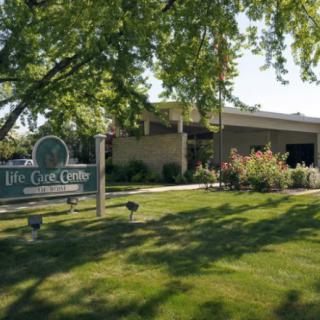








 A Comprehensive Exploration of Common Misunderstandings about Powers of Attorney
 Senior Move Management: Understanding the Role, Value, and Associated Costs
 Weight Training for Seniors: Building Strength and Vitality