Aspen Valley Senior Living Community Costs & Pricing
Aspen Valley Senior Living Community offers competitive pricing for its services, particularly when compared to the regional averages in Elmore County and across Idaho. The cost for a studio apartment at Aspen Valley is $3,995 per month, which is notably more affordable than the average rate of $4,082 in Elmore County and significantly higher than the state's average of $3,213. For a one-bedroom unit, Aspen Valley's rate of $4,495 stands out against Elmore's average of $11,254, illustrating a substantial saving for residents seeking more spacious accommodations. The semi-private and private room options are priced at $5,000 and $6,000 respectively; while these rates are higher than local averages - in particular with semi-private rooms costing more than Elmore County's average of $3,670 - they still reflect a commitment to quality care and community living that may justify the investment for families looking for superior amenities and services. Overall, Aspen Valley Senior Living Community presents a varied pricing structure that caters to different needs while maintaining an appealing proposition compared to both county and state standards.
Floor plans
Aspen Valley Senior Living Community
Elmore County
Idaho
Studio
$3,995
$4,082
$3,213
1 Bedroom
$4,495
$11,254
$3,774
Semi-Private
$5,000
$3,670
$3,026
Private
$6,000
$4,100
$3,906
Memory care communities with a similar price nearby
Overall Review of Aspen Valley Senior Living Community
common28 reviews mention this
Caring, responsive staff show up often
Residents and families frequently describe the staff as caring and responsive.
Many reviews emphasize staff kindness, attentiveness, and responsiveness, with families saying they feel comfortable checking in and asking questions. Several describe care that supports comfort and day-to-day needs, including memory care interactions that feel respectful and personal. A few negative reviews describe the opposite—rare management presence, staff shortages, and turnover—so the staff experience appears uneven across reviewers.
caveat18 reviews mention this
Cleanliness and maintenance are mixed
Cleanliness draws strong disagreement across residents’ experiences.
A sizable group of reviews praise the building as clean, well maintained, and thoughtfully designed, with housekeeping called out directly. Other reviewers raise serious concerns about cleanliness, including dirty floors, unwashed laundry, and general housekeeping lapses. Put together, cleanliness seems like a point where experiences can vary widely from person to person.
common12 reviews mention this
Dining quality gets repeated mentions
Dining is a frequent point of praise in reviews.
Several reviews say meals are good, with mentions of daily dining and helpful staff during meals. Residents also describe a homey dining experience, and some highlight the variety of meal service that matches what’s advertised (including restaurant-style dining and room service). A smaller set of reviews contrasts this by describing cold, unappealing food or changes that didn’t work for them.
caveat4 reviews mention this
Safety and medication concerns appear in reviews
Some reviewers describe unsafe lapses in care delivery.
A few reviews describe delayed medication passing, difficulties contacting nursing staff, and concerns around whether a fall incident was handled quickly enough. Those same reviewers also mention cleanliness and staffing problems that, in their view, contributed to safety and care breakdowns. Other reviews report the opposite—feeling residents are safe and well cared for—so these safety concerns are not universal across the set.
common10 reviews mention this
Activities and community connection stand out
Families often mention activities that help residents stay engaged.
Many reviews describe residents having plenty to do, with outings, social events, and ongoing activity programming that supports conversation and connection. Several also mention an environment where families can participate in events. The activity emphasis aligns with the community’s on-site programming focus, though a few negative reviews don’t comment positively on day-to-day operations.
How we summarize
Counts show how many written reviews mention each theme; a review can touch several themes, and only frequently mentioned themes are displayed.
Features
Types of Care
Assisted Living
Independent Living
Memory Care
Pets
Cats allowed
Dogs allowed
Amenities
Activities on-site
Air-conditioning
Cable or satellite TV
Devotional services off-site
Garden view
Ground floor units
Handicap accessible
Indoor common areas
Kitchenette
Wheelchair accessible showers
Wi-Fi/high-speed internet available
Transportation
Boise Air Terminal (5 miles away)
Care Services
Ambulatory care
Diabetic care
Incontinence care
Medication management
Dining
Gluten-free
Guest meals
International cuisine
Low / no sodium
Meals provided
No Sugar
Professional chef
Restaurant style dining
Room service
Special dining programs
Vegetarian
Activities
Art classes
Bible study group
Cooking classes
Day trips and outings
Devotional activities offsite
Educational speakers / life long learning
Happy hour
Karaoke
Live musical performances
Live well programs
Other religious services
Visiting chaplain or priest
Wine tasting
Nearby Places of Interest
This area of Boise, Idaho offers a variety of amenities that would appeal to seniors looking for a convenient and comfortable living environment. With several parks nearby such as Barber Park and Marianne Williams Park, residents have access to outdoor spaces for leisurely walks and relaxation. There is also a good selection of restaurants and cafes within a short driving distance, providing options for dining out or grabbing a quick bite to eat. Additionally, there are pharmacies and physicians' offices in the vicinity, ensuring easy access to healthcare services. For those needing specialized medical care, there are hospitals like St Luke's and Saint Alphonsus Regional Medical Center within a few miles. Transportation is also convenient with the Boise Airport located nearby. Overall, this area offers a well-rounded community with amenities that cater to the needs of seniors.
Parks
Barber Park (0.3 miles)
Marianne Williams Park (0.7 miles)
Baggley Park (2.1 miles)
Barber Park (2.3 miles)
Municipal Park (3.6 miles)
Manitou Park (3.8 miles)
Cecil D. Andrus Park (4.9 miles)
Restaurants
McDonald's (2.2 miles)
The Refuge (3.1 miles)
The Griddle (3.1 miles)
Jack In The Box (3.4 miles)
Pho Le (3.4 miles)
Barbacoa Grill (3.4 miles)
Jersey Mike's (3.6 miles)
Cafes
Caffe Capri (2.3 miles)
Dutch Bros Coffee (3.3 miles)
Starbucks (3.9 miles)
Starbucks (4.7 miles)
Flying M Coffeehouse (4.8 miles)
Java Downtown Boise (4.8 miles)
Dutch Bros Coffee (4.9 miles)
Physicians
Naturopathix (2.4 miles)
William D Loveland (2.4 miles)
Allergy Clinic-Idaho (2.8 miles)
Morrell W Scott, DDS (2.8 miles)
St Luke's Clinic Idaho Family Physicians (2.9 miles)
Idaho Family Physicians (2.9 miles)
Gem State Dermatology (3.2 miles)
Pharmacies
Rite Aid (2.4 miles)
Walgreens (2.5 miles)
Shopko Pharmacy (3.4 miles)
O Zone Condom Shop (3.7 miles)
Cardinal Health (4 miles)
Walgreens (4.2 miles)
Rite Aid (5.5 miles)
Hospitals
Careers at St Luke's (4 miles)
St Luke's MSTI Pediatric Oncology (4.4 miles)
Saint Alphonsus Regional Medical Center, Departments, Pediatrics (4.5 miles)
Aspen Valley Senior Living Community offers competitive pricing for its services, particularly when compared to the regional averages in Elmore County and across Idaho. The cost for a studio apartment at Aspen Valley is $3,995 per month, which is notably more affordable than the average rate of $4,082 in Elmore County and significantly higher than the state's average of $3,213. For a one-bedroom unit, Aspen Valley's rate of $4,495 stands out against Elmore's average of $11,254, illustrating a substantial saving for residents seeking more spacious accommodations. The semi-private and private room options are priced at $5,000 and $6,000 respectively; while these rates are higher than local averages - in particular with semi-private rooms costing more than Elmore County's average of $3,670 - they still reflect a commitment to quality care and community living that may justify the investment for families looking for superior amenities and services. Overall, Aspen Valley Senior Living Community presents a varied pricing structure that caters to different needs while maintaining an appealing proposition compared to both county and state standards.
Medication management at Aspen Valley Senior Living Community ensures that residents receive their prescribed medications accurately and on time, minimizing the risk of missed doses or adverse reactions, which is particularly crucial for individuals with cognitive impairments. This system not only supports health stability but also alleviates anxiety for both residents and their families, fostering an environment of trust and reassurance. Incontinence care enhances the dignity and comfort of residents by addressing a common challenge faced by those with memory issues, allowing staff to provide timely assistance while promoting hygiene and reducing the potential for embarrassment. Together, these features create a supportive atmosphere that prioritizes each resident's well-being and quality of life.
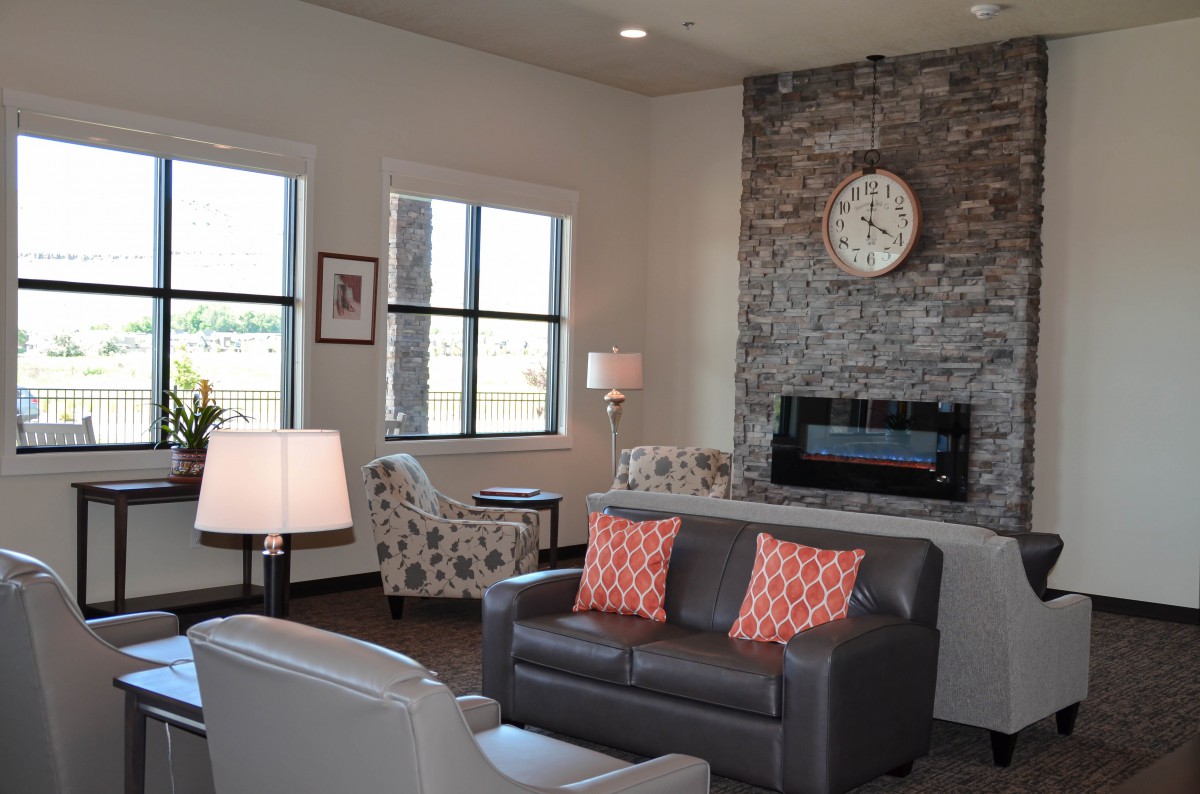
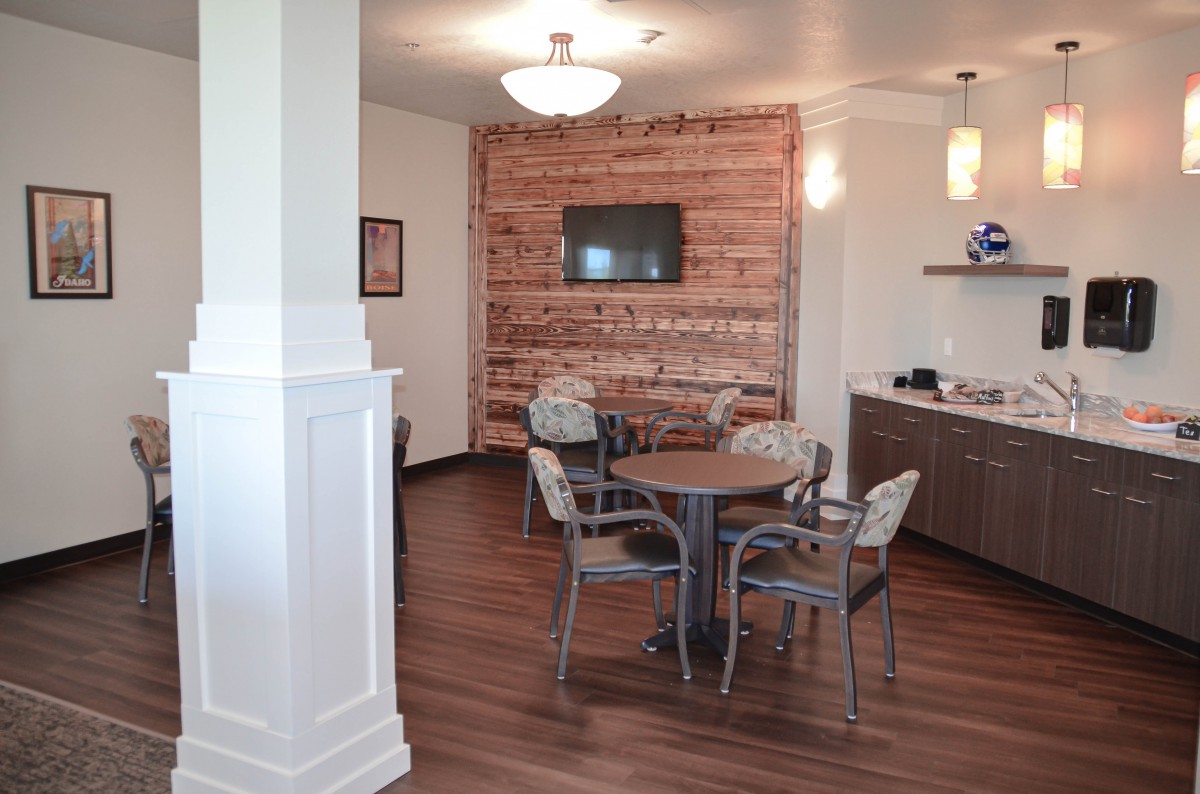
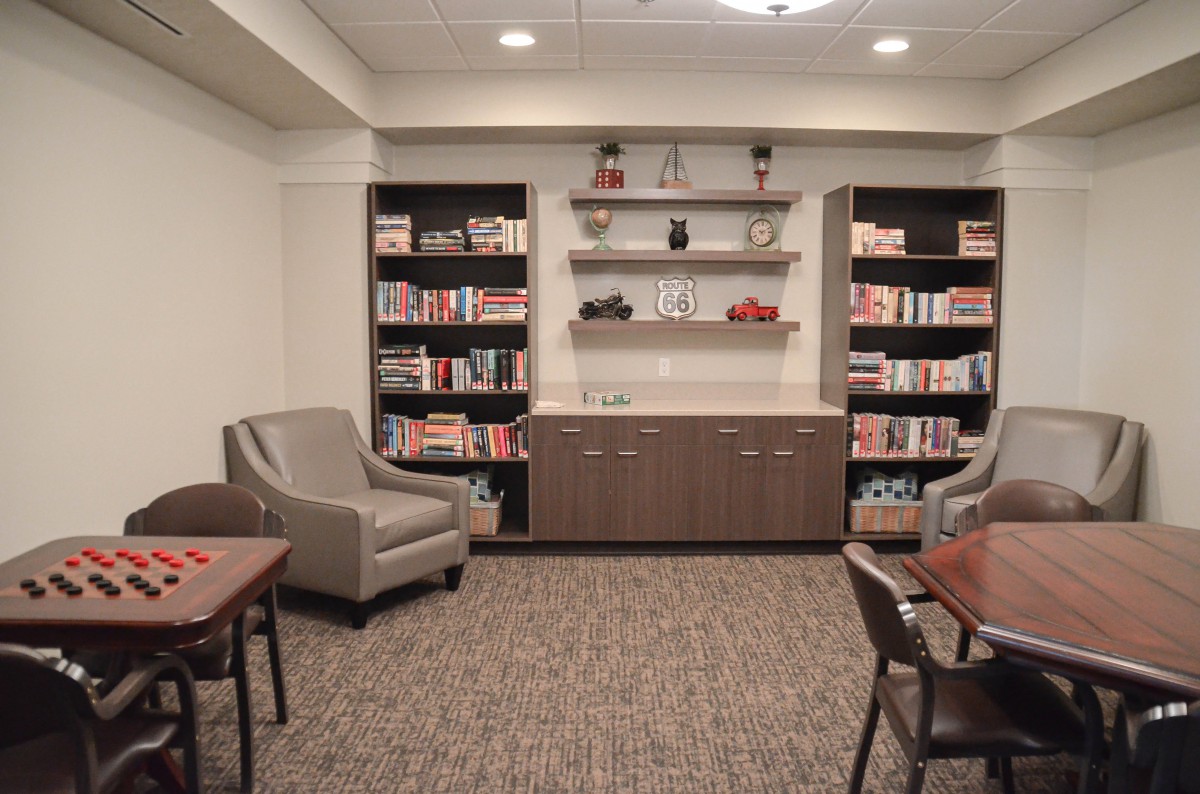
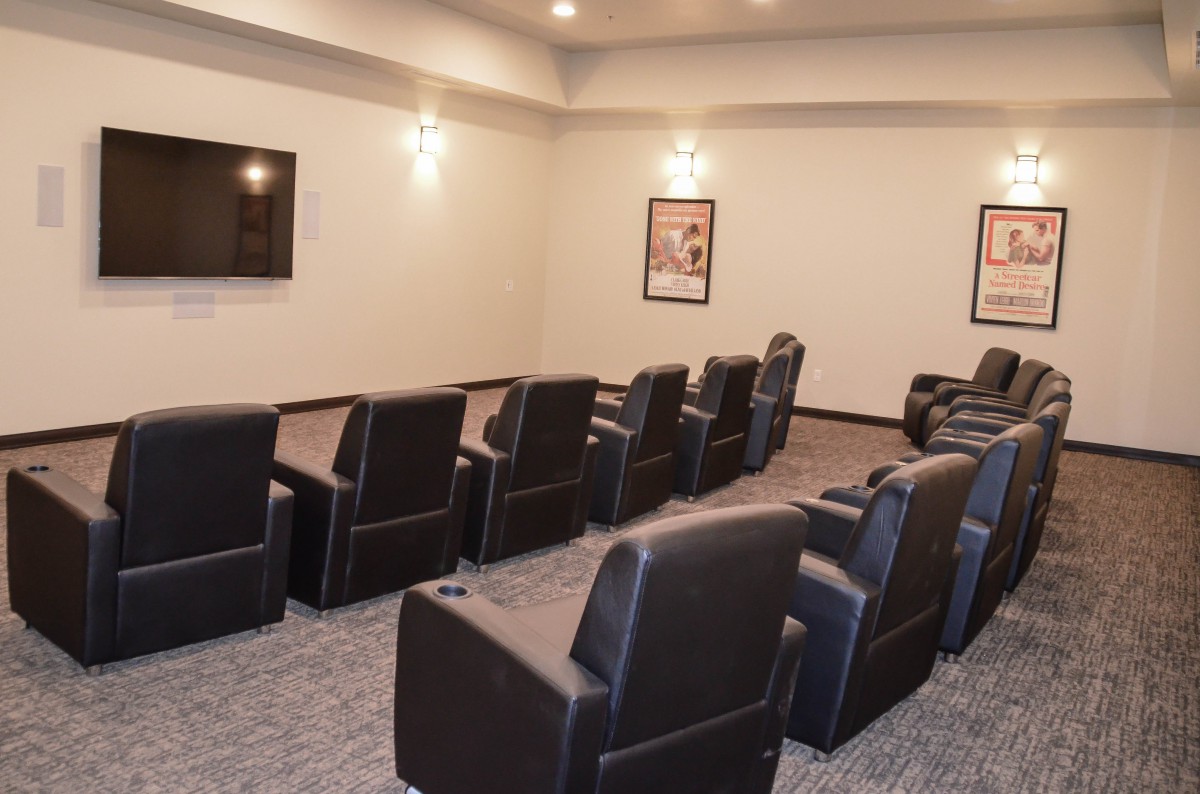
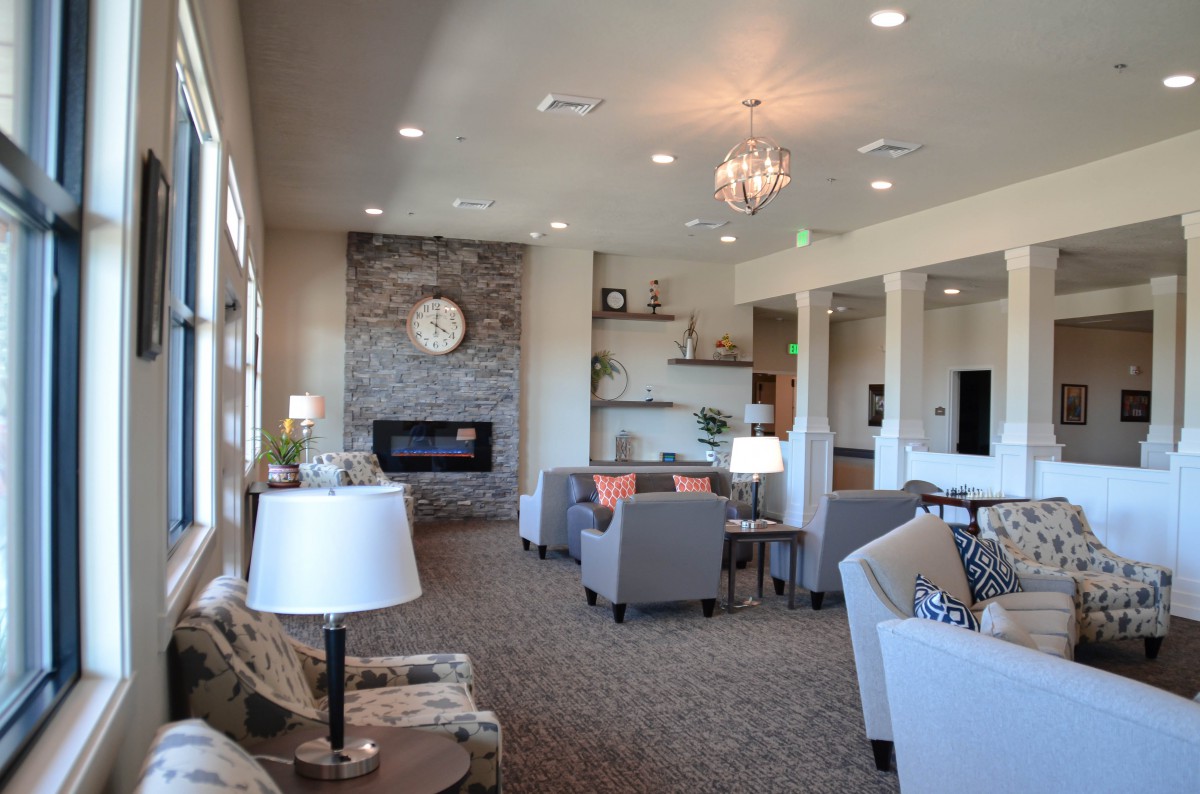
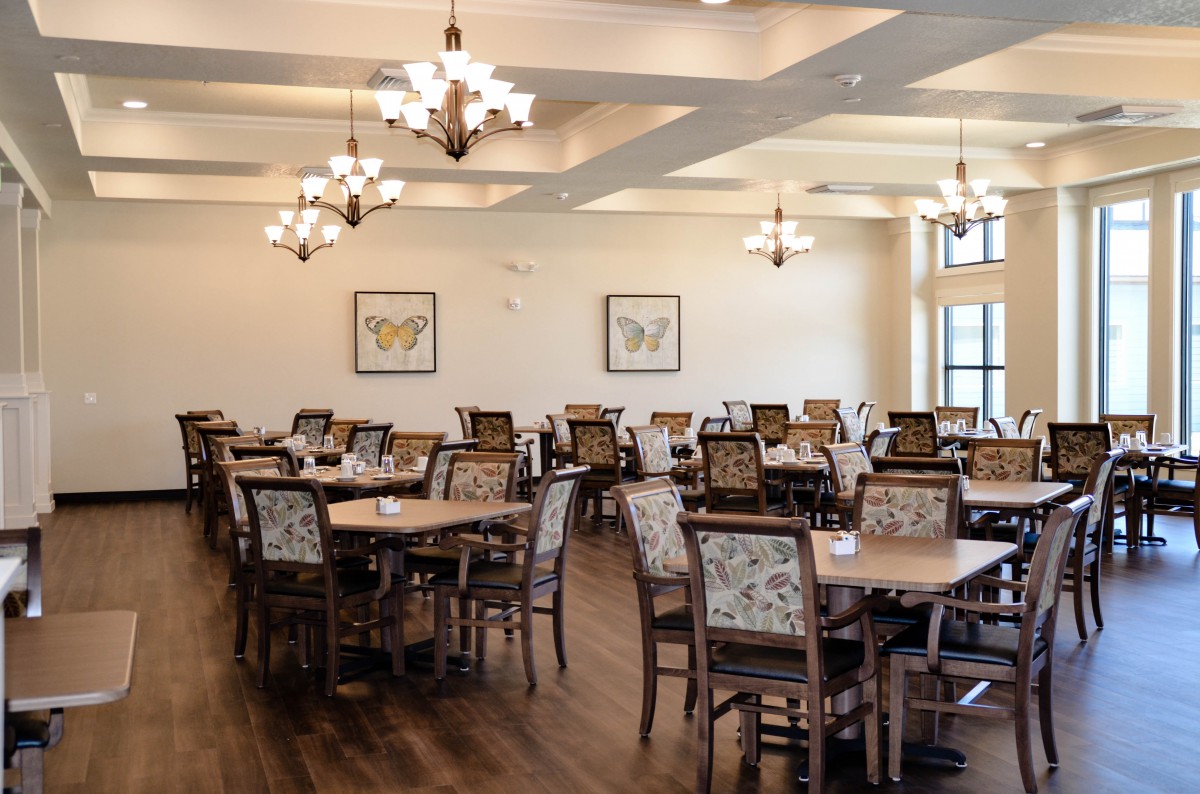
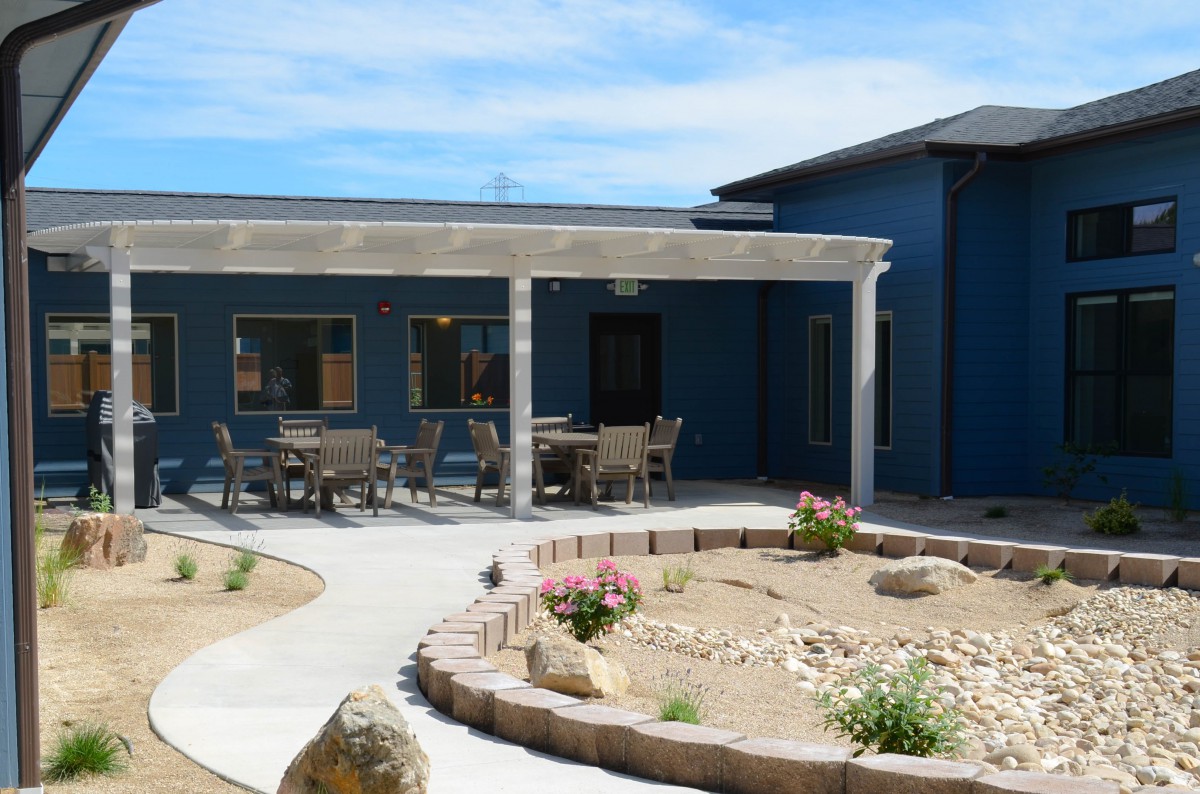
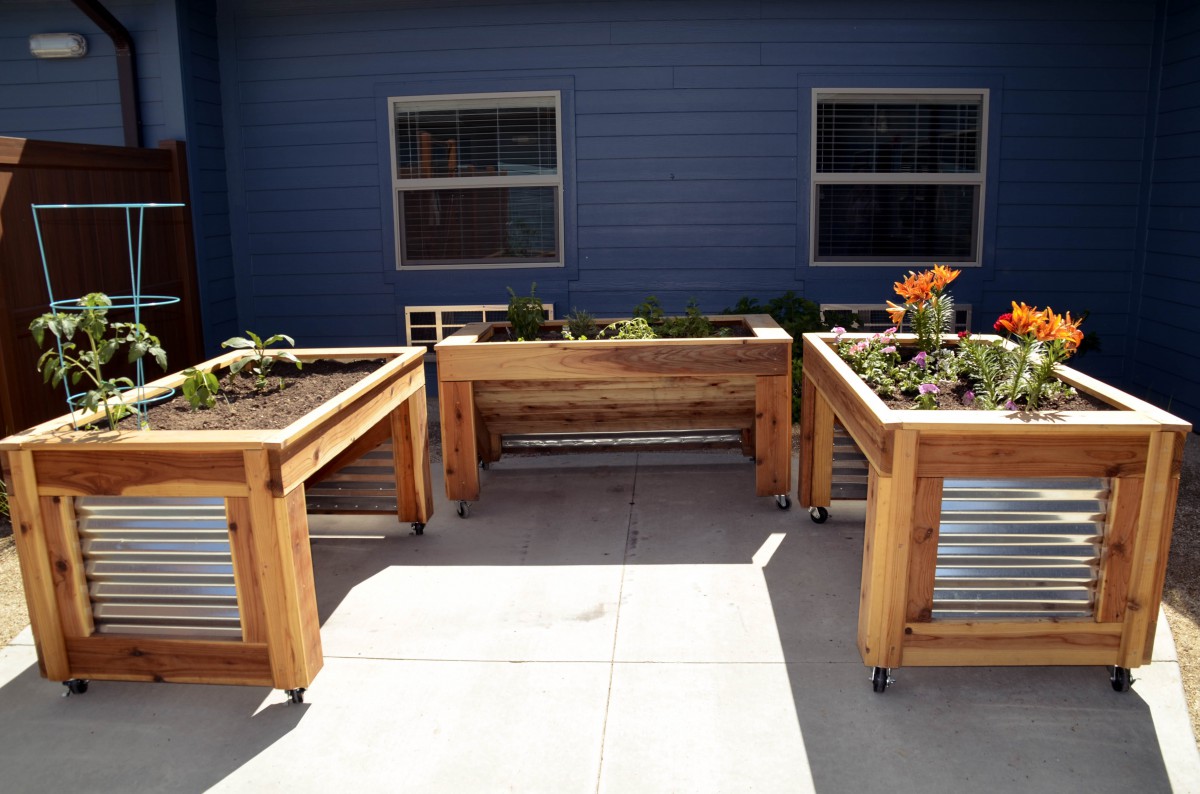
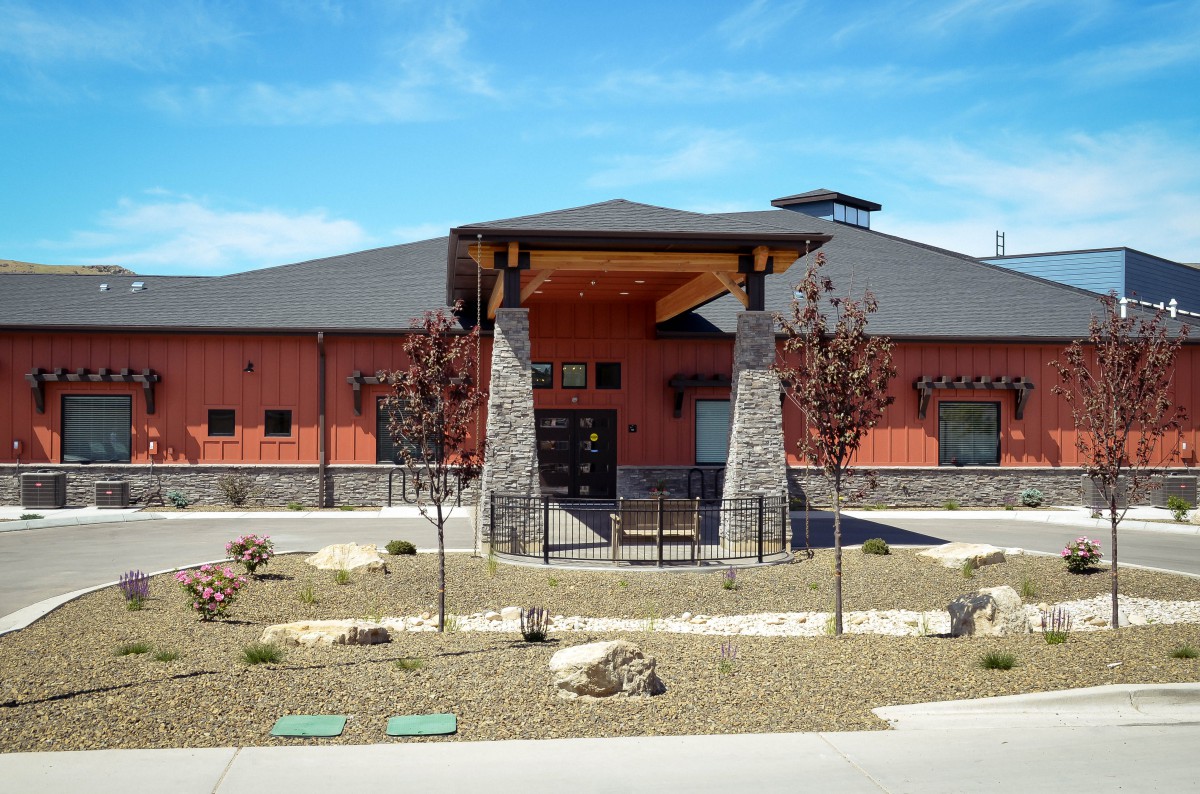
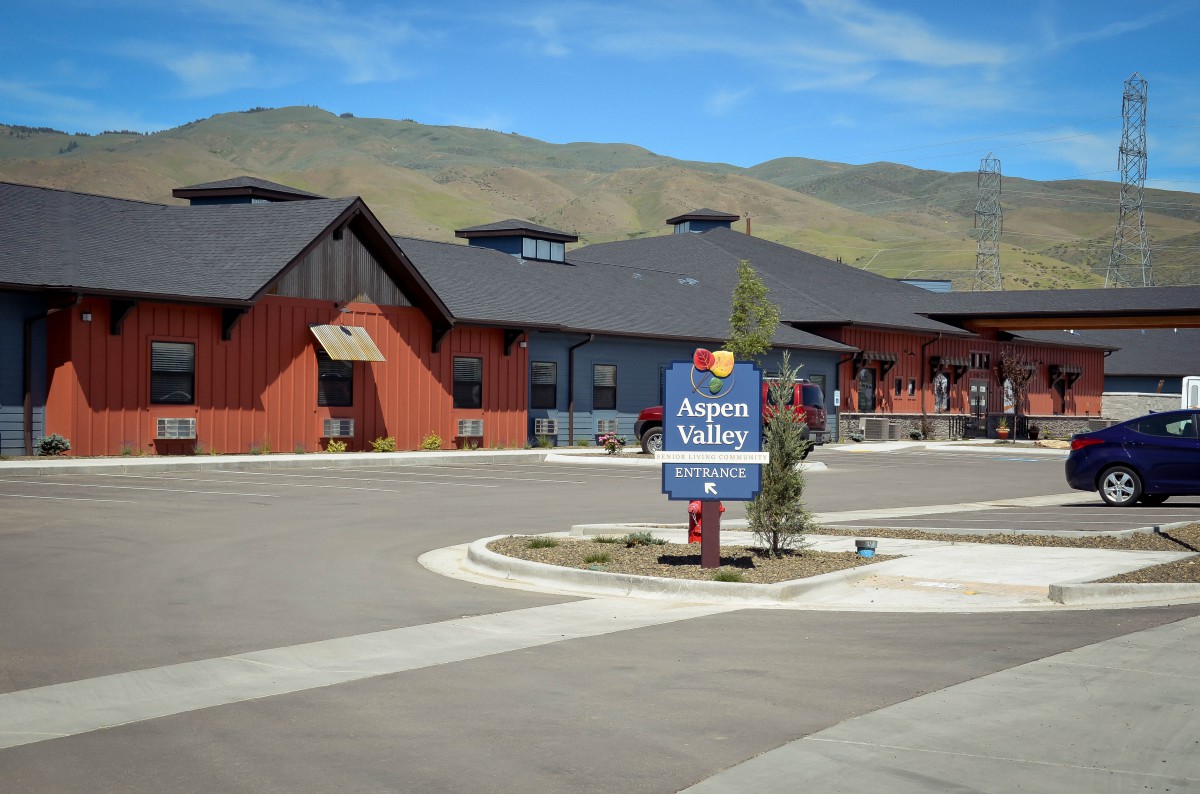
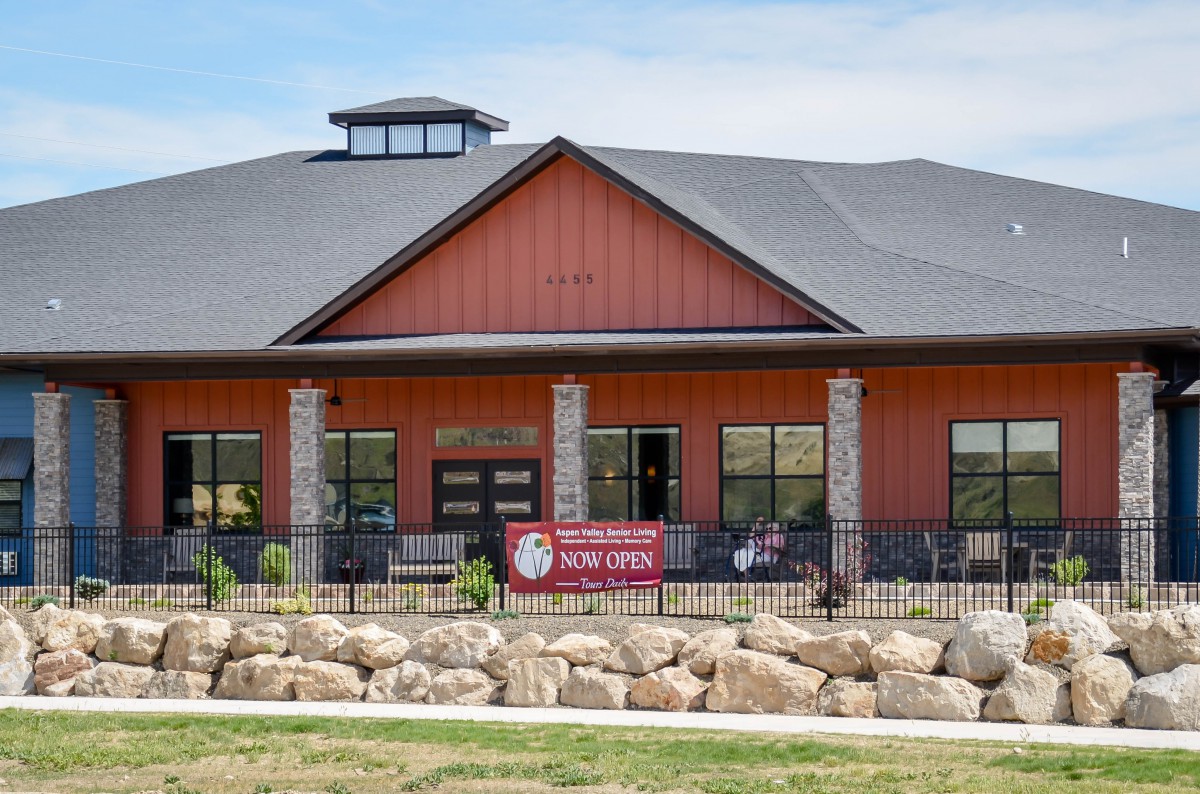
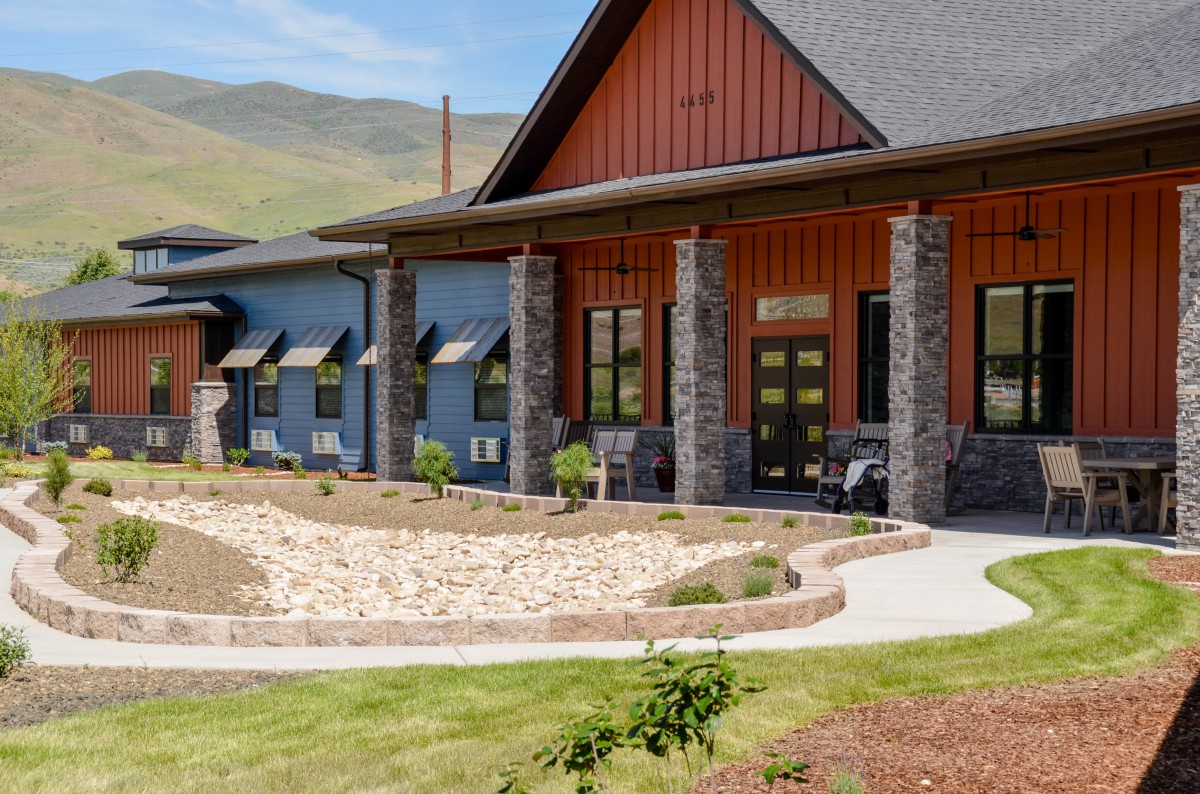
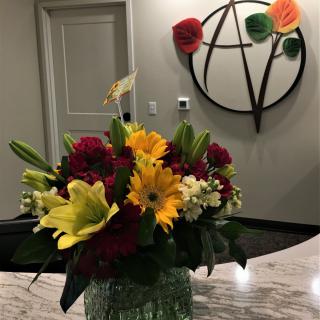
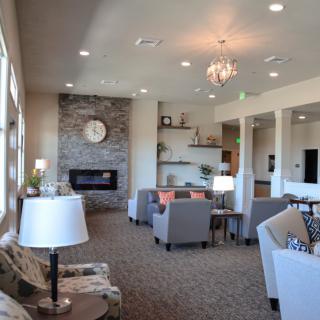
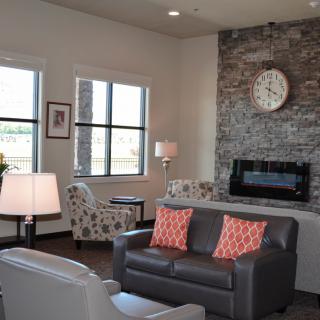
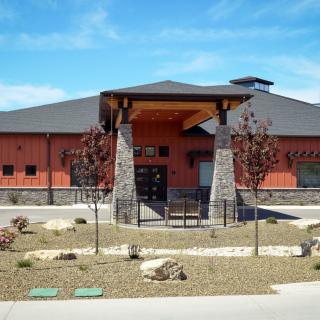
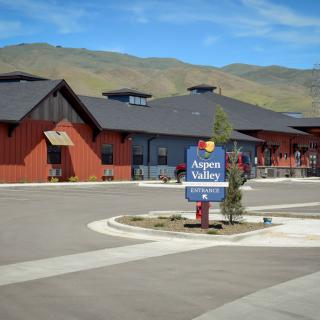
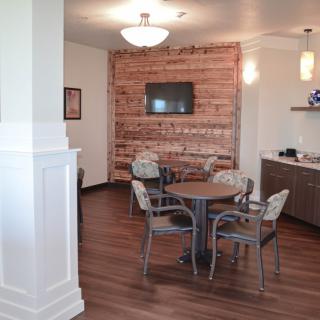
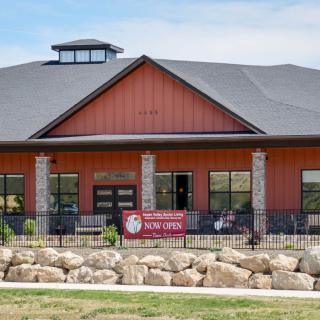
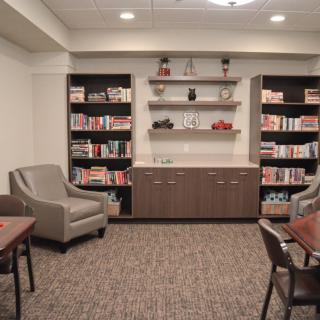
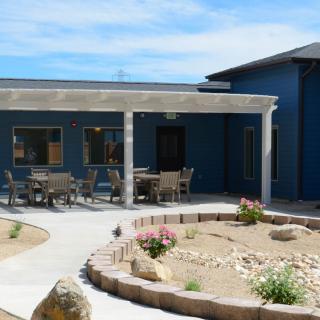
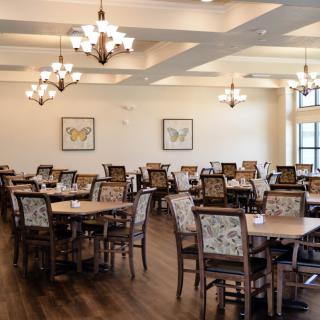
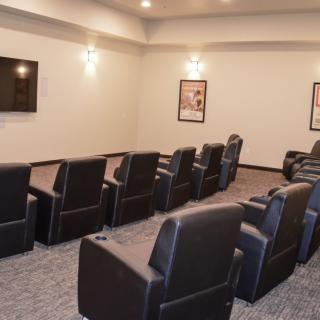
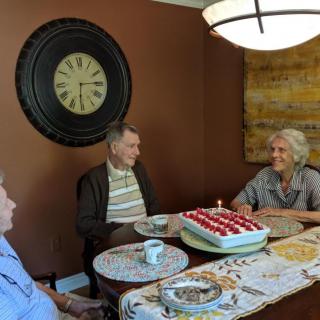
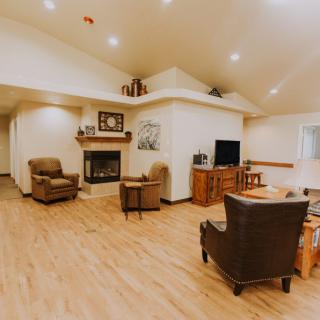
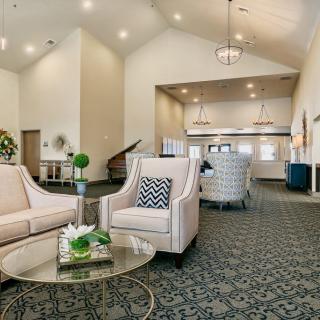
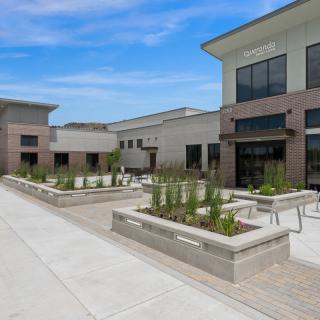
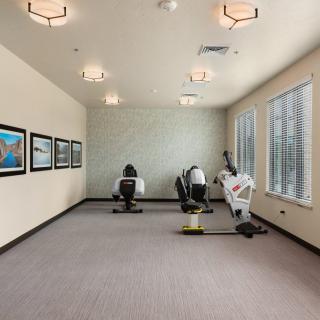
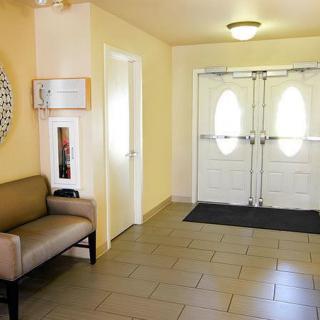
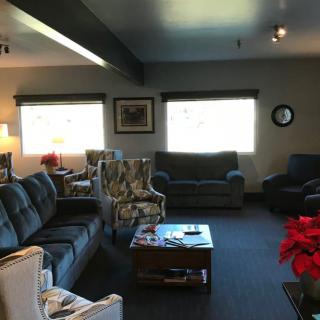
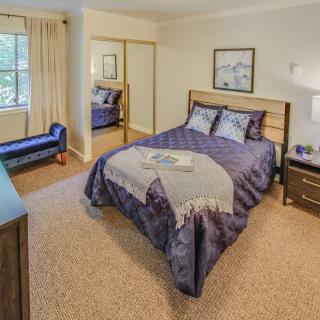
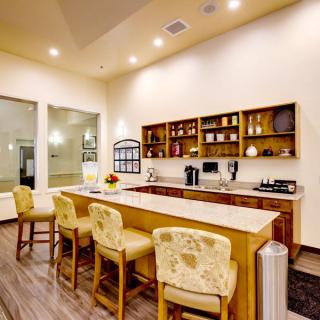
Aspen Valley Senior Living Community on seniors.fyi includes 13 photos including images showing interior, building, architecture, landscaping, chandelier, decor, outdoor, fireplace, and more.
Nearby Communities
Aspen Valley Senior Living
Boise, ID
4.4 from 57 reviews
Family-like atmosphere with attentive, caring staff and engaging memory-care activities.
The Terraces of Boise
Boise, ID
4.3 from 68 reviews
$5,716 to $6,797 / month
Clean, well-organized facility with caring staff, strong dining, and engaging activities.
Veranda at Barber Station
Boise, ID
4.5 from 75 reviews
Intimate, clean, and well-staffed with engaging memory-care programming.
Barber Station Senior Living
Boise, ID
4.5 from 102 reviews
$3,900 to $5,500 / month
Warm, attentive staff in a clean, modern facility with engaging activities and a scenic riverfront location.
Regency Columbia Village
Boise, ID
4.1 from 62 reviews
$2,339 to $3,599 / month
Compassionate staff with strong memory-care programming and engaging activities.
Hancock House
Boise, ID
Small, personalized assisted living with 24-hour supervision and tailored meals.
Heatherwood Senior Living
Boise, ID
4.6 from 119 reviews
$1,999 to $5,760 / month
Friendly staff, well-maintained grounds, and engaging activities with diverse dining options.
Arbor Village at Hillcrest
Boise, ID
4.4 from 140 reviews
$2,850 to $3,850 / month
Warm, attentive staff in a welcoming, community-focused setting.
CornerStone Senior Living
Boise, ID
3.9 from 11 reviews
Excellent staff, pleasant layout, and engaging activities.
At-home dementia care expenses vary widely based on care levels, location, and caregiver expertise, with monthly costs for home health aides exceeding $4,500 and specialized care potentially surpassing $100,000 annually. While families favor in-home care for its comfort and personalized attention, they must consider financial planning and the challenges of caregiver fatigue.
The article discusses the late stages of dementia, detailing the progression from mild to severe impairment and highlighting key characteristics such as profound cognitive decline and dependency in daily activities. It emphasizes care strategies focused on comfort and dignity, the importance of advance directives, and the emotional support needed for family caregivers facing this challenging journey.
The article examines the link between certain medications and increased dementia risk, particularly in older adults, emphasizing that long-term or high-dose use of anticholinergics, benzodiazepines, and other drug classes can exacerbate cognitive impairment. It calls for careful medication evaluation and shared decision-making to mitigate these risks while managing treatment efficacy.
Get PricingAsk A QuestionSchedule A TourContact Senior Advisor
By clicking submit, you agree to our Partner's Terms of Use. You
also consent to receive calls and texts, which may be autodialed, from our Partner. Your consent is not a condition to
using our Partner's service. Please visit our Partner's Privacy Policy for information about their privacy practices.


 Assisted Living
 Independent Living
 Memory Care
 Cats allowed
 Dogs allowed
 Activities on-site
 Air-conditioning
 Cable or satellite TV
 Devotional services off-site
 Garden view
 Ground floor units
 Handicap accessible
 Indoor common areas
 Kitchenette
 Wheelchair accessible showers
 Wi-Fi/high-speed internet available
 Boise Air Terminal (5 miles away)
 Ambulatory care
 Diabetic care
 Incontinence care
 Medication management
 Gluten-free
 Art classes
 Bible study group
 Cooking classes
 Day trips and outings
 Educational speakers / life long learning
 Happy hour
 Karaoke
 Live musical performances
 Live well programs
 Wine tasting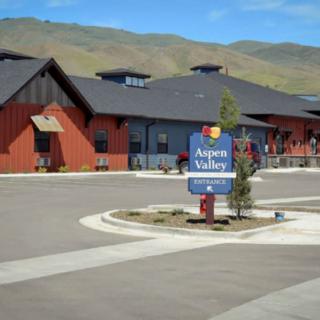
 Family-like atmosphere with attentive, caring staff and engaging memory-care activities.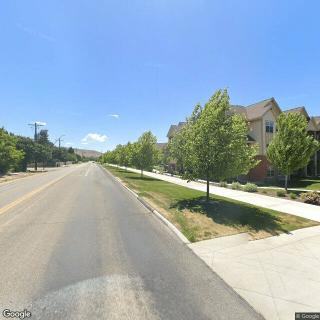

 Estimating the Expenses of At-Home Dementia Care: A Detailed Exploration
 Comprehensive Insights on the Late Stages of Dementia: What to Expect and How to Provide Care
 Medications Associated with Dementia Risk: A Comprehensive Overview