
605 Hillcrest Avenue, American Falls, ID 83211
For more information about senior living options: (866) 208-4318
Overall Review of Edgewood Spring Creek American Falls
Pros
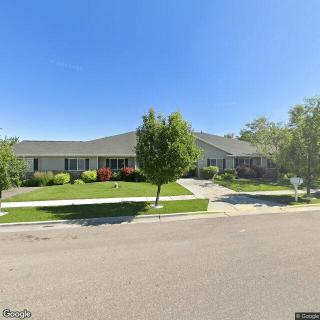
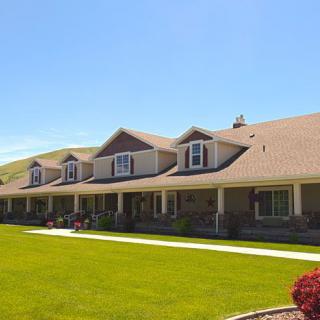
 It is a beautiful building with great staff.
- The residents are treated like family and seem very happy.
- The staff are compassionate and provide excellent care.
- The rooms are excellent and far better than expected.
- The staff are truly wonderful.
- The meals look good and show that people care there.
- The staff keep residents occupied and happy, even during challenging times.
- The staff are great people to be community partners with.
Cons
 It was the worst.
- The training was poor, and the new admin didn’t feel appreciated; they weren’t given proper training and were just thrown in and expected to know what to do.
- The reviewer found it hard to see anyone in a facility like this.
Review
Edgewood Spring Creek American Falls is best suited for seniors who want a warm, home-like atmosphere and hands-on caregiving delivered by genuinely caring staff, all at a sensible price point. It works well for families prioritizing daily kindness, personal attention, and a setting where residents feel valued as individuals. This community shines for those who don’t require high-acuity medical oversight and who are comfortable with a smaller operation where intimate relationships with caregivers matter more than glossy amenities. Those needing rigorous administrative consistency, formal governance, and a highly structured medical workflow should consider alternatives that offer stronger oversight and scale to meet complex needs.
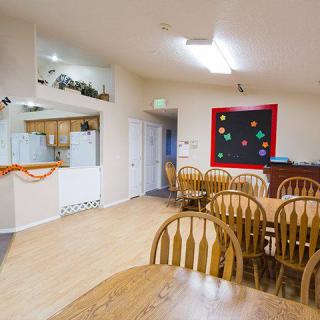
The strongest assets are tangible and consistent: a beautiful building that feels welcoming, rooms described as excellent, and a clear emphasis on a home-like, family atmosphere. Residents are said to be treated like family, with staff who appear genuinely caring and engaged in the daily well-being of individuals. Meals look appealing, and the overall environment gives the impression of a place where comfort and familiarity matter. The financial side also works in favor for many families, with fees described as reasonable and a sense that value is attached to the quality of personal interactions rather than only to top-tier conveniences. In short, when care teams click with residents, the day-to-day experience can be deeply reassuring and consistent.
There is ample testimony to the positive impact of the caregiving team. A mother lived there for nearly two years and thrived on the compassionate staff and attentive care, with caregivers who kept her engaged and content even through tough stretches. Other families note that their loved ones seemed happy, and that staff were a reliable source of daily support and companionship. The sentiment from those who visit long-term friends is that the staff truly cares, the meals meet expectations, and residents appear well looked-after. In a sector where relationships often decide quality of life, these recurring affirmations carry real weight and provide a practical measure of success for a community of this size.
Yet the reviews do not gloss over significant governance and training concerns. The most persistent critique centers on administration and staff development: reports of poor training, an administrator who was not perceived as supportive, and a sense that new leaders were thrown into roles without adequate preparation. Such gaps generate unease about consistency, policy execution, and predictable care routines. With a small-to-mid-sized operation, leadership stability matters more than in larger systems; when it falters, families fear disruption in care plans, communication gaps, and uneven staff morale. These are not hypothetical risks, families report them as real and worth weighing heavily in any decision.
That tension between warmth on the floor and weakness at the top creates a practical framework for decision-making. For families who prioritize a heartfelt, people-first approach and who are comfortable actively engaging with the care team to monitor plans, Edgewood’s strengths can deliver an excellent quality of life at a reasonable price. The key offset to the concerns is consistent, candid access to frontline caregivers and a willing administration that responds when needs are raised. Prospective residents should insist on meeting the leadership team, request a clear outline of staff training, and interview frontline staff to assess whether the current culture supports reliable, well-coordinated care.
In the end, Edgewood Spring Creek American Falls makes sense for a particular profile: those who value intimate, neighborly caregiving, a nimble team that can respond with warmth, and a setting where the family-like environment can compensate for a smaller scale and a few governance gaps. For anyone whose priority is airtight administrative stability, formalized medical oversight, or a larger, more standardized operation, alternatives are likely to offer more predictable governance and higher assurance of consistent policies. Prospective families should weigh the qualitative benefits, the human connection, the perceived attentiveness, the comfortable rooms, against the administrative caveats and ask hard questions about training, turnover, and long-term care planning before deciding.
 36 resident community capacity
 Assisted Living
 Beauty salon
 Cable or satellite TV
 Dining room
 Fully furnished
 Garden
 Housekeeping services
 Kitchenette
 Move-in coordination
 Outdoor space
 Restaurant-style dining
 Small library
 Telephone
 Wi-Fi/high-speed internet available
 Pocatello Regional (15 miles away)
 24-hour call system
 Activities of daily living assistance
 Assistance with bathing
 Assistance with dressing
 Assistance with transfers
 Diabetes diet
 Medication management
 Mental wellness program
 Special dietary restrictions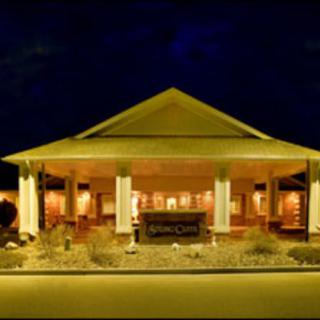

 Is Assisted Living Deductible on Your Taxes? Understanding the Complexities of Assisted Living Expenses and Deductions
 Assisted Living Support for Veterans: A Complete and Detailed Overview
 Exploring the Contrasts Between Assisted Living and Skilled Nursing