
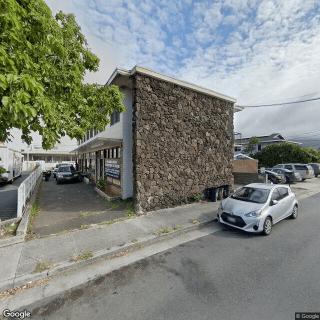
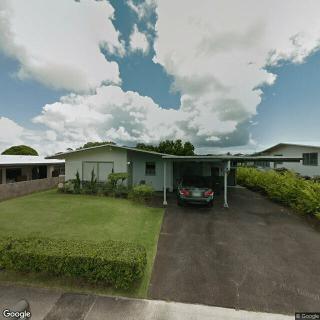
566 Auwina Street, Kailua, HI 96734
For more information about senior living options: (866) 208-4318
Overall Review of Kailua Kare Home
Pros
 Bonnie and Mark make the place feel like home.
- The atmosphere is very welcoming.
- The views of the Koolau's are outstanding.
Review
This Kailua Kare Home in Kailua, Hawaii, is best suited for seniors who want a warm, home-like setting where caregivers operate with a hands-on, family-style approach. The combination of Bonnie and Mark’s leadership and a welcoming atmosphere creates a mood of belonging that many residents crave when moving out of a private home. The daily appeal is amplified by the property’s stunning views of the Koolau Range, which provide a consistently uplifting backdrop and a sense of place that ties residents to the local landscape. This is a smaller, intimate-feel option that prioritizes personal attention, familiar routines, and social warmth over a glossy, hospital-like environment.
Those weighing alternatives should consider whether the priority is more formalized medical oversight, a broader menu of activities, or a bigger community with structured memory care options. For seniors who require higher levels of clinical monitoring, regular therapy services, or a robust calendar of arranged outings, a larger assisted living setting may deliver greater predictability and resource depth. Families seeking highly transparent pricing, clear service boundaries, or more standardized care plans may also find larger operators easier to compare. In short, Kailua Kare Home shines on heart and hospitality, but the fit becomes less assured for residents who need intensive, programmatic support.
The strongest pro is the way Bonnie and Mark cultivate a sense of home. Residents and families alike describe a welcoming, almost family-like atmosphere that lowers relocation stress and invites spontaneous social interaction. The setting, paired with those remarkable Koolau views, adds mood- lifting value that can translate into better engagement, regular meals, and consistent companionship. These benefits can offset some uncertainties around programming or routine by anchoring daily life in connection and comfort. However, the mixed rating in the community's record signals that not every resident experiences the same level of satisfaction, so potential entrants should push for a transparent view of day-to-day operations and accountability.
From a care-vs-culture perspective, the Bonnie-and-Mark leadership matters most. Their hands-on approach tends to translate into quick responses, personalized check-ins, and a flexible, resident-centered vibe that many families want in an intimate setting. For a resident who values a familiar face at the doorstep each morning and the chance to enjoy unobstructed views from the living areas, this arrangement can feel like a second home. On the flip side, the smaller scale may naturally yield fewer on-site amenities, fewer specialized programs, and less formal documentation around care plans. That is not a fatal flaw for all, but it does heighten the need for proactive questions before any commitment.
Families should insist on a rigorous tour, observe staff interactions, and ask pointed questions about how care plans are created and updated, what happens during nights and weekends, and how emergencies are managed. Request candid discussions about staff turnover, meal quality, and the availability of activities that match the resident’s interests. If possible, seek the perspective of current residents or families; insist on clarity around pricing, what is included in the rate, and what would trigger additional charges. For residents with memory concerns or mobility limitations, explore whether a dementia-friendly approach and accessible safety features are part of the plan, even in an intimate setting.
Overall, Kailua Kare Home offers a convincing home-first alternative for seniors who prize warmth, relationship-driven care, and a setting that elevates daily mood through extraordinary views. It is less suited for families prioritizing intensive medical management, highly structured activity schedules, or expansive programming. The path forward is to visit with a clear checklist, meet Bonnie and Mark, and verify that the resident’s care goals align with what the home can reliably deliver. When a tour confirms consistent staff presence, immediate responsiveness, and a genuine sense of belonging, Kailua Kare Home becomes a compelling option worth prioritizing in Kailua’s assisted-living landscape.
 5 resident community capacity
 Assisted Living
 Cable or satellite TV
 Dining room
 Fully furnished
 Garden
 Housekeeping services
 Move-in coordination
 Outdoor space
 Telephone
 Wi-Fi/high-speed internet available
 Honolulu International (13 miles away)
 24-hour supervision
 Activities of daily living assistance
 Assistance with bathing
 Assistance with dressing
 Assistance with transfers
 Diabetes diet
 Meal preparation and service
 Medication management
 Special dietary restrictions
 Transportation arrangement (medical)
 Transportation to doctors appointments

 How and When Medicaid May Cover Assisted Living Costs
 A Detailed Exploration of Assisted Living Medicaid Waivers Across the United States
 Comprehensive Residential Support and Assisted Living Solutions for Individuals with Disabilities