
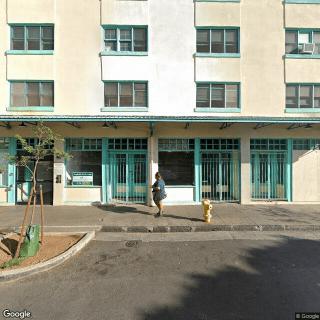
900 Fort Street Mall, Honolulu, HI 96813
For more information about senior living options: (866) 208-4318
Overall Review of The Plaza At Pearl City
Pros
 The atmosphere is great.
- The place is clean and nice.
Cons
 The facility failed at security.
- The facility's negligence endangered a relative with dementia.
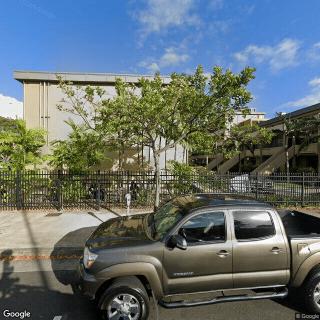
- A relative wandered off and was found unresponsive in a car in the parking lot.
- The staff didn't watch out for him.
- The reviewer would never send their loved ones there.
Review
The Plaza At Pearl City is best suited for seniors who prize a bright, clean, and socially engaging setting and whose families can support proactive safety oversight. The environment delivers on ambience, with well-kept shared spaces and a welcoming vibe that makes daily life feel comfortable and inviting. For residents who are relatively independent or need only light assistance, the facility presents a predictable, pleasant routine and a tone of liveliness that can help maintain a sense of normalcy. In short, this community works well for families seeking a polished, amiable atmosphere and willing to engage actively with staff to monitor safety and care.
Those who should consider alternatives are families overwhelmed by the need for near-constant safety supervision or residents with high wandering risk. Dementia or memory-care needs that require secure, specialized protections may outstrip what this community reliably offers, based on recent concerns expressed in the feedback. If a resident’s safety can’t be consistently safeguarded through robust security protocols, precise staff-to-resident oversight, and dependable incident response, other options with stronger, more explicit safeguards will likely be a better fit. For anyone prioritizing absolute assurance against wandering, the search should broaden to communities with dedicated memory-care units and verified, 24/7 secure environments.
Pros are real and meaningful, but they sit against a backdrop of serious safety questions. The strongest positives noted in reviews center on atmosphere and cleanliness: common areas that feel fresh and inviting, tidy interiors, and a setting that supports social interaction and daily routine with a sense of dignity. The nine five-star voices signal that, for many families, the daily living experience is satisfying and the sensory environment, lighting, décor, cleanliness, meets high standards. These positives matter when a loved one thrives in a respectful, aesthetically pleasant milieu and enjoys opportunities for social engagement, dining experiences, and organized activities.
Yet those strengths do not nullify the principal drawback: a history of safety lapses and perceived negligence. A relative with dementia wandering away and being found unresponsive in a car in the parking lot exposes a grave risk and raises legitimate questions about supervision, security controls, and accountability. This kind of incident erodes trust and makes safety the dominant lens through which families must view the community. The two low-rated reviews amplify a cautionary note: when safety protocols feel thin or inconsistently enforced, even a clean, attractive environment loses its appeal and can become a reason to pause or pivot to another option.
The practical decision hinges on how well the positive environment can be reinforced with ironclad safety measures. If a family can demand and verify actionable protections, clear exit controls, reliable wandering protocols, strong staff presence during peak hours, rigorous incident reporting, and well-trained caregivers with memory-care expertise, the pleasant atmosphere and daily structure become a genuine differentiator. In that scenario, the combination of a clean, social setting and attentive care can translate into meaningful quality of life, while safety gaps are actively managed rather than tolerated.
To move from consideration to a confident choice, focus conversations on security specifics during tours: what exits are secured and how; what the wandering management plan looks like in practice; staff-to-resident ratios across shifts; memory-care training and specialization; the incident response workflow and documentation; and how quickly staff respond to alarms or missing-person alerts. Observe how the community communicates safety expectations to families, how often safety audits occur, and what evidence exists of consistent enforcement. If the answers demonstrate a tight, transparent safety framework matched with the praised cleanliness and social energy, The Plaza At Pearl City can be a strong, reliable home. If not, and if risk tolerance for wandering and oversight gaps remains low, it is prudent to pursue alternatives with more robust protective measures and dedicated memory-care capabilities.
 21 resident community capacity
 Assisted Living
 Beauty salon
 Cable or satellite TV
 Dining room
 Fully furnished
 Garden
 Housekeeping services
 Kitchenette
 Move-in coordination
 Outdoor space
 Restaurant-style dining
 Small library
 Telephone
 Wi-Fi/high-speed internet available
 Honolulu International (4 miles away)
 24-hour call system
 Activities of daily living assistance
 Assistance with bathing
 Assistance with dressing
 Assistance with transfers
 Diabetes diet
 Medication management
 Mental wellness program
 Special dietary restrictions


 Choosing the Right Senior Care: A Detailed Exploration of Assisted Living and Nursing Homes
 Understanding the True Cost of Assisted Living in 2025: A Comprehensive Guide
 Understanding Medicaid Coverage for Assisted Living: A Comprehensive Guide