
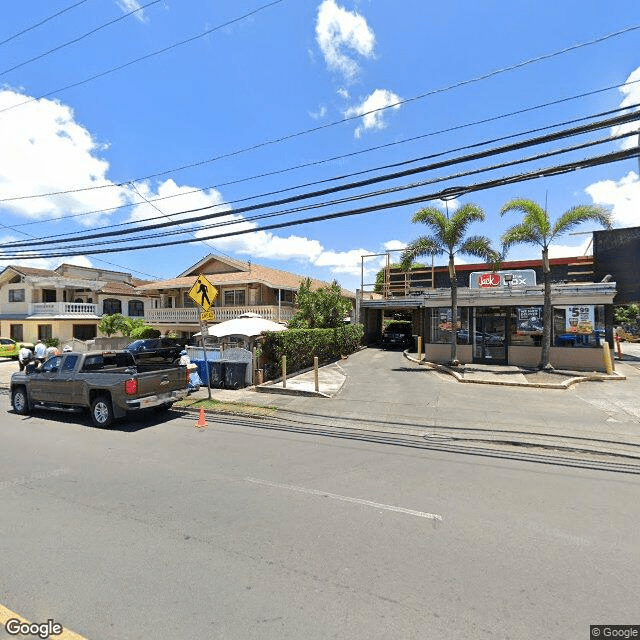
2307 N School St, Honolulu, HI 96819
To contact a resident: (808) 845-0512
For more information about senior living options: (866) 208-4318
Soriano Expanded Care Home Costs & Pricing
Soriano Expanded Care Home offers competitive pricing in comparison to both Honolulu County and the broader state of Hawaii. For a studio room, residents can expect to pay $3,640 per month, which is significantly lower than the county average of $4,880 and the state average of $4,687. Additionally, for those seeking a private room, Soriano's rate of $4,000 not only undercuts the Honolulu County price of $4,664 but also stands favorably against the state average of $4,689. This makes Soriano Expanded Care Home an appealing option for individuals looking for quality care at more affordable rates within this region.
| Floor plans | Soriano Expanded Care Home | Honolulu County | Hawaii |
|---|---|---|---|
| Studio | $3,640 | $4,880 | $4,687 |
| Private | $4,000 | $4,664 | $4,689 |
Senior living communities with a similar price nearby
-
from -$515 / mo
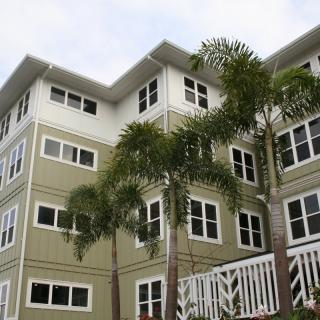
The Plaza At Mililani
$3,125 to $4,100 / month12.3 miles away -
from -$640 / mo

Dignity Senior Living At Oceanside Hawaii
$3,000 to $3,300 / month17.0 miles away -
from +$455 / mo

The Ivy Hawaii Kai
$4,095 to $6,595 / month10.7 miles away -
from -$640 / mo
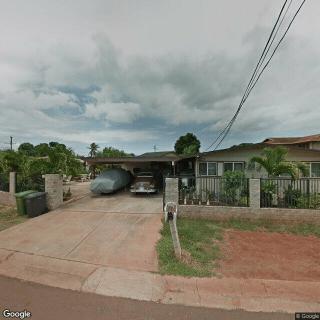
Gonzales Foster Home
$3,000 to $3,500 / month8.7 miles away -
from -$140 / mo
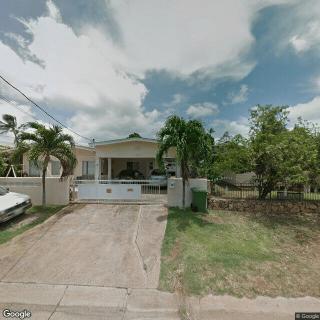
Leslie S Pascual Fostercare Home
$3,500 to $4,000 / month8.9 miles away
Overall Review of Soriano Expanded Care Home
Pros
 The Korea Senior Ukulele Club's 10 members deliver engaging, varied performances.
- The performances on July 22, 2019 showcase the group's energy and versatility.
- The home has life, creating a welcoming and lively atmosphere.
- The residents talk to each other, reflecting a friendly, sociable community.
- The owner-operator has a strong presence, contributing to a dynamic, attentive environment.
Cons
 The street's noise level may give residents permission to be livelier and noisier than in the super quiet neighborhoods where silence and isolation seems the norm.
Review
Soriano Expanded Care Home in Honolulu is best suited for active, socially oriented seniors who value direct engagement with an involved operator and a lively, community-driven atmosphere. The environment favors residents who enjoy conversation, shared experiences, and ongoing cultural or neighborhood activities. The presence of a hands-on owner-operator is a distinctive asset, signaling accountability and a readiness to stay closely connected to daily life and care decisions. That energy translates into daytime vitality and visible resident interaction, making it a fit for those who worry about isolation and who want to feel part of a small, connected community rather than a distant, impersonal operation. The surrounding street dynamic can amplify this sense of liveliness, which some will find energizing and others may find distracting.
Those considering alternatives should look for options if the priority is quiet, predictable routines, or a formal level of medical oversight. Seniors who require a higher degree of clinical care, specialized memory support, or a more serene, hospital-like pace may prefer larger facilities with more traditional, schedule-driven programming and a staffing model that emphasizes clinical consistency. Families seeking expansive amenity packages, robust on-site medical teams, or a setting with a more uniform quiet level throughout the day may want to evaluate other communities. In short, this home excels in social engagement and personal touch, but may not be the best match for those who need maximum rest, privacy, or advanced care protocols.
The strongest upsides center on social vitality and visible caregiver involvement. Residents talk with one another, creating a sense of community that can combat loneliness and help maintain cognitive engagement through informal conversations and shared activities. The owner-operator’s frequent presence can translate into quicker problem-solving, a more responsive atmosphere, and a felt sense that leadership understands the residents’ routines and preferences. The occasional demonstrations of cultural life, such as public performances by local groups, demonstrate an ongoing commitment to meaningful, resident-centered experiences. When these social strengths align with a loved one’s temperament, they offset the potential downsides of a smaller footprint and a less formalized care model.
However, the same street-level liveliness that fuels social energy can be a drawback for residents who crave quiet, predictable rest periods or deep privacy. The bustling environment, while engaging, may interfere with sleep or relaxation, particularly for those who are light sleepers or who require quieter times during the day for health management or rehabilitation. The compact, home-like setting also raises questions about the breadth and consistency of care services, staffing hours, and the availability of specialized medical or memory care programs. These questions deserve careful clarification before committing, as the ideal care plan depends on aligning daily rhythms with how the community’s energy and staffing patterns actually unfold.
For families weighing a move, a practical approach is essential. Schedule a candid visit focused not only on social activities but also on daily routines, staff responsiveness, and how care plans are coordinated with family input. Inquire about staff-to-resident ratios during peak times, the process for escalating concerns, and the availability of quiet spaces or private areas for rest and medical management. Ask for a sample weekly calendar to gauge how consistently opportunities for meaningful interaction, exercise, and cognitive engagement are offered. It is equally important to meet the operator in person, observe how resident preferences are honored, and hear directly how they handle day-to-day adjustments when needs shift.
When all is considered, Soriano Expanded Care Home presents a clear value proposition for families seeking a warm, participatory community with an actively involved owner-operator. It stands out where social connectedness and cultural vitality are prioritized, and where residents benefit from visible leadership and frequent peer interaction. The setting is less about clinical precision and more about living well together in a compact, neighborly environment. For those whose care goals include sustained social engagement, purposeful activities, and a sense of being known by leadership, this home offers a convincing, practical option. For others, particularly those prioritizing quiet, formal medical oversight, or larger-scale services, alternatives should be explored to ensure a match with individual health trajectories and personal preferences.
 Board and Care Home
 Private
 Honolulu International (3 miles away)
 Ambulatory care

 Urinary Tract Infections in Older Adults: Comprehensive Insights on Symptoms, Treatment, and Prevention
 California's Form 602A: An In-Depth Examination of Senior Care Assessment
 Comprehensive Look at Senior Blood Pressure Charts: Normal and Elevated Levels by Age